2026 Art Events Everyone’s Talking About
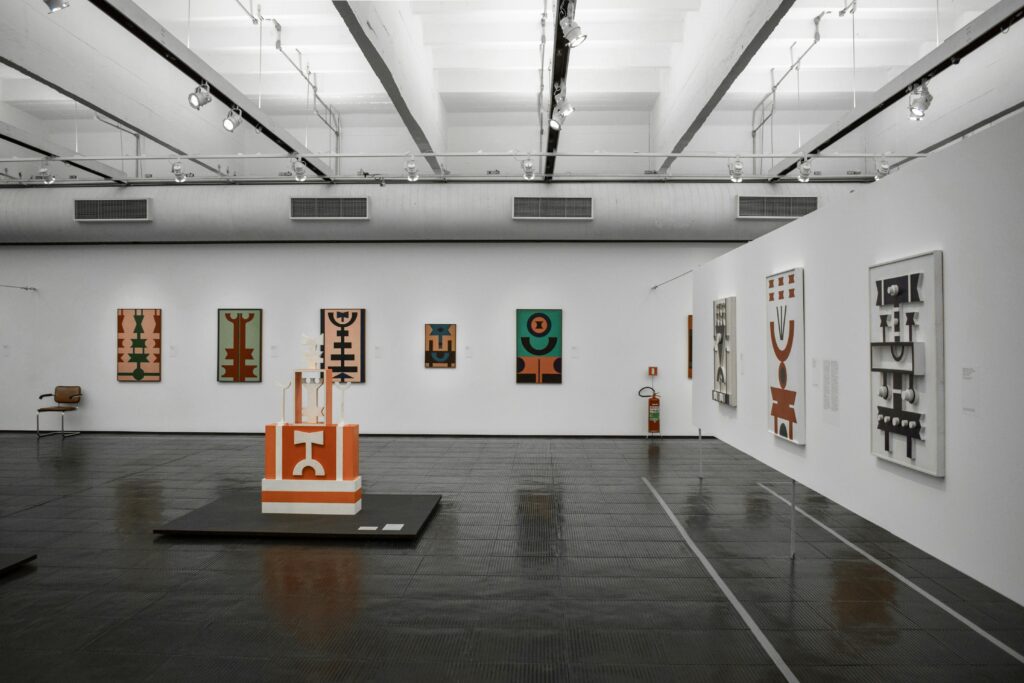
“A new leaf” signals fresh beginnings, and for artists, January offers a chance to reset, reflect, and let curiosity lead the way. The month often feels quieter in the studio, a moment to pause before schedules fill and deadlines press in. Even in this calm, the art world continues to move, opening opportunities to encounter ideas, techniques, and perspectives that can expand thinking and influence how work develops in the months ahead.
Exhibitions opening in this period highlight what is resonating culturally, showcasing approaches that can illuminate unexpected connections in an artist’s own practice. A carefully curated show can reveal fresh ways to use materials, consider composition, or frame ideas. A major survey or group exhibition can show emerging patterns in process, theme, or installation, subtly guiding how artists engage with their own work. According to the Art Basel & UBS Global Collecting Survey 2025, early-year exhibitions often shape collector interest, gallery programming, and critical conversations for the months to come, showing their influence extends beyond the gallery walls.
For artists, paying attention to these exhibitions means seeing practice in dialogue. Small shows can offer insights into installation strategies, conceptual framing, or narrative structure, while larger events provide context for contemporary trends and collector priorities. These observations can spark ideas that evolve naturally within the studio, informing choices in material, scale, or theme.
Exhibitions in January invite observation, reflection, and absorption rather than imitation. They provide perspective, highlight subtle shifts in the art world, and encourage experimentation in ways that are relevant to one’s own work. Each show offers lessons in composition, presentation, and engagement, contributing to a productive and thoughtful start to the year.
The sections that follow highlight five exhibitions opening soon. Each has been selected for the ways it offers artists meaningful inspiration, practical insight, and a spark to guide their January work. These are spaces where ideas are alive, where observation matters, and where exposure to new approaches can quietly transform the direction of a creative practice.
1. London Art Fair (21–25 January 2026) , A Panorama of Contemporary Dialogue
As the new year begins, the London Art Fair opens at the Business Design Centre in Islington from 21–25 January 2026, with previews on 20 January. This fair brings together a wide spectrum of modern and contemporary art, from established galleries to emerging voices. Walking through its spaces offers a concentrated view of how artists today are engaging with materials, concepts, and form. According to Art Review and public schedules, the fair typically hosts more than 100 galleries, each presenting work across painting, sculpture, photography, and mixed media, creating a dense, multifaceted panorama of contemporary practice.
For artists, visiting the London Art Fair provides a unique opportunity to see trends and conversations in real-time. The fair functions like a living survey of what collectors, curators, and institutions are paying attention to, offering insight into both dominant currents and emerging voices. Observing recurring motifs, experimental uses of media, and conceptual frameworks can spark ideas for your own studio practice, helping you see your work within a broader artistic ecosystem.
Beyond the surface, the fair encourages reflection on how work is presented. Lighting, installation strategies, and gallery flow influence perception, teaching lessons that extend beyond aesthetic choice into practical considerations for exhibiting your own work. In past years, attendees have noted that small, subtle decisions , wall color, spacing between pieces, or sequencing in a room , can transform how art is experienced.
The fair also provides digital engagement options. Online previews and virtual tours make it possible to engage with artists and galleries even from afar. According to the 2025 Art Basel & UBS Global Collecting Survey, collectors increasingly rely on hybrid formats to discover and acquire art, and artists can learn from these strategies to build visibility and reach beyond traditional spaces.
Finally, the London Art Fair’s concentrated diversity encourages comparison and reflection. Seeing a variety of styles and scales side by side can clarify what resonates personally and what might expand your artistic language. This early-year exposure sets a benchmark for the creative year ahead, offering both inspiration and practical guidance for emerging and established artists alike.
2. The Legacy of Mary, Queen of Scots (23 January–26 April 2026) , History as Material Inspiration
In Perth Museum, Scotland, the exhibition The Legacy of Mary, Queen of Scots opens on 23 January 2026, showcasing manuscripts, letters, and artifacts related to the life of the Scottish queen. Central to the exhibition is her final letter, written shortly before her execution in 1587, displayed for the first time in nearly a decade. According to The Scottish Sun, this intimate document, alongside related historical items, provides insight into how personal expression functions under intense historical pressure.
For artists, encountering historical objects like this serves as a reminder of the material presence of human emotion. The ink’s pressure, the spacing of letters, and the texture of paper offer lessons in subtlety and intentionality. Even centuries later, these traces communicate urgency, care, and personality, providing inspiration for ways that material and technique can carry meaning beyond surface content.
The exhibition also highlights narrative layering. Letters, marginalia, and curated artifacts interact to tell a story that is multidimensional, teaching artists about pacing and sequencing in presentation. Seeing how curators craft these layers can inform studio work , from arranging a body of work in a show to structuring a series that guides viewers through a conceptual or emotional journey.
Moreover, this show emphasizes the intersection of context and medium. Understanding that historical objects carry significance not only in content but also in provenance, condition, and display encourages artists to consider how their work is situated in space and history. For a January visit, this can be a quiet, grounding experience that refines thinking about both technique and narrative presence.
Finally, reflecting on the exhibition underscores the enduring dialogue between art and life. Even historical materials, when carefully presented, evoke empathy and engagement. Artists can draw inspiration from this interplay, letting observation of historical nuance influence both conceptual decisions and physical execution in their own work.
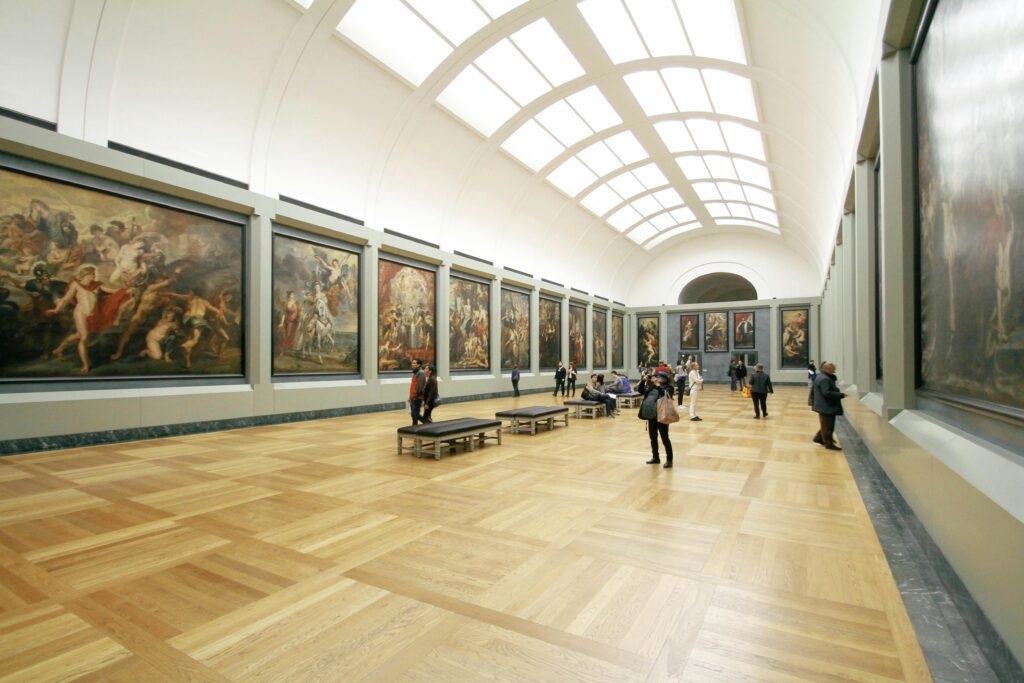
3. The Orthodox Icon – The Light of Eternity & Beyond Our Horizons (Paris, January 2026) , Tradition and Innovation
Paris offers a compelling January program with two exhibitions opening simultaneously. At the Bulgarian Cultural Center, The Orthodox Icon – The Light of Eternity runs through 29 January 2026, providing insight into iconography and mosaic traditions. Meanwhile, Galerie du 19M launches Beyond Our Horizons on 29 January, bridging French and Japanese craft and storytelling.
The Orthodox Icon exhibition offers artists the chance to study composition, symbolism, and material depth. Icons have historically been created within strict conventions, yet each piece carries subtle variations that reveal the hand of the maker. Observing these nuances can deepen understanding of how repetition, restraint, and ritualized gesture contribute to visual power , lessons that translate into both abstract and figurative practice.
Beyond Our Horizons contrasts tradition with cross-cultural innovation. It emphasizes experimentation in material and technique, showing how centuries-old methods can be reinterpreted to resonate with contemporary audiences. For a January practice, such exposure encourages flexibility, curiosity, and confidence in experimenting across techniques while respecting conceptual frameworks.
Both exhibitions also highlight the relationship between viewer and work. Lighting, framing, and spatial flow influence perception, demonstrating how presentation shapes engagement. For artists, these insights can inform studio decisions, exhibition planning, and even how work is photographed or documented online.
Together, these Parisian exhibitions exemplify how tradition and experimentation can coexist. Observing this balance at the start of the year provides a nuanced perspective on process, material exploration, and conceptual layering that can subtly guide an artist’s practice.
4. NAKAMURA Hiroshi: Anachronism and Beyond (20 January–15 March 2026, Japan) , Evolution Across Decades
In Japan, the retrospective NAKAMURA Hiroshi: Anachronism and Beyond opens 20 January 2026 and runs through 15 March, presenting seven decades of painting by a single artist. This exhibition highlights how one practice evolves in dialogue with historical, cultural, and technological shifts.
Artists observing this retrospective can reflect on continuity, coherence, and experimentation across a long career. NAKAMURA’s work demonstrates how individual style persists while embracing change, offering a model for managing both evolution and consistency in a studio practice. The exhibition emphasizes process as much as product, encouraging viewers to consider the artist’s relationship with materials, medium, and thematic inquiry over time.
It also highlights the narrative of artistic risk. Moments of divergence, experimentation, or failure are visible alongside masterful works, providing a rare, unvarnished view into the decision-making behind a sustained practice. This can inspire artists to take thoughtful risks in January, reminding them that evolution in work is cumulative rather than instantaneous.
Finally, the exhibition situates NAKAMURA within a broader cultural context, demonstrating how art interacts with societal shifts. Observing this relationship reinforces the idea that a studio practice exists in conversation with the world , a critical perspective to carry into early-year work planning.
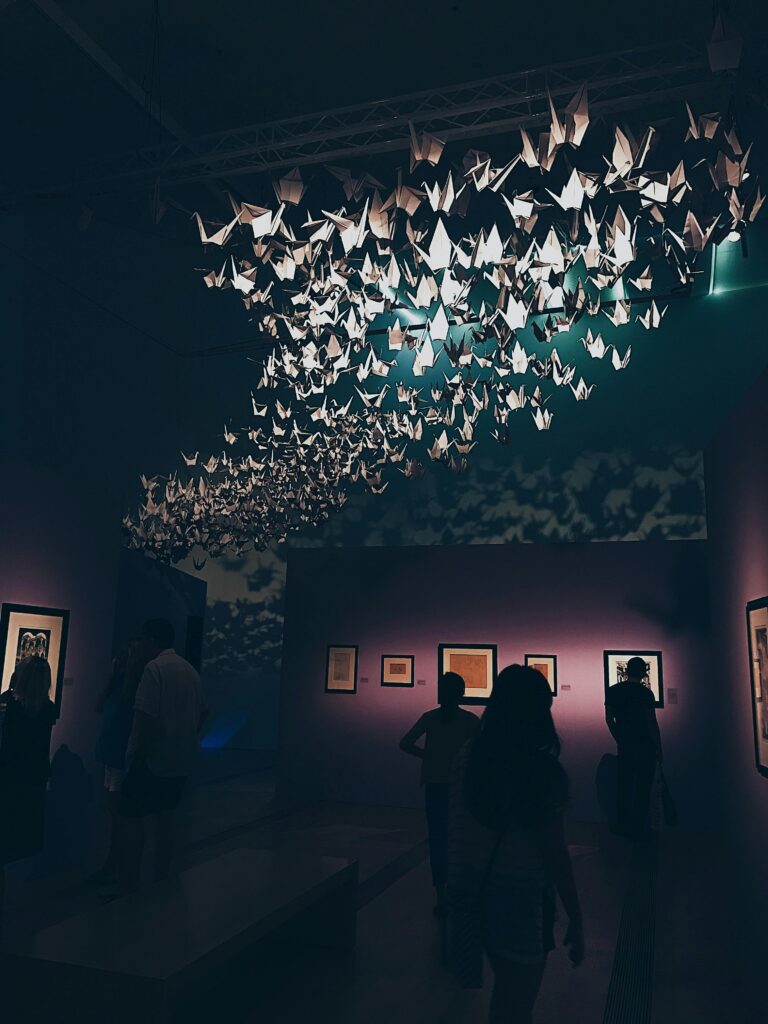
5. Between Worlds: Contemporary Voices in Ceramic Art (Opening 30 January 2026, Philadelphia) , Material Presence and Poetic Making
As January moves toward its close, an exhibition opening on 30 January 2026 at the Philadelphia Museum of Art offers another kind of creative encounter that is rich with lessons for artists. Between Worlds: Contemporary Voices in Ceramic Art brings together sculptors and makers whose use of clay, glaze, and surface language spans technical mastery and deeply personal narratives. According to the museum’s official upcoming exhibition schedule, this show is structured around works that explore identity, memory, and material transformation, showcasing the capacity of ceramics to embody both form and feeling. (Source: Philadelphia Museum of Art exhibition list)
Ceramics has often been relegated in art history , seen as a craft first and art second , but recent decades have seen a reevaluation of the medium. Contemporary ceramists are using the language of clay to speak about history, place, displacement, and bodily experience in ways that defy easy categorization. In Between Worlds, visitors encounter pieces that range from intimate vessels bearing incised text to monumental abstract forms that seem to oscillate between sculpture and architecture. Encountering work like this early in the year can recalibrate one’s own relationship to materiality. Instead of seeing surface and structure as separate concerns, the show emphasizes how body, process, and story can be inseparable in the making itself.
For artists who work in any medium , not just ceramics , this exhibition lays bare how the physical qualities of material can carry conceptual weight. One installation might use fired clay to evoke geological time, another might exploit the delicate fracture patterns of glaze to signify rupture and repair. The tactile presence of these works invites a viewer into sensory contemplation. In a studio context, that encourages questions about how process informs presence: How does repetition become meaning? How does surface bear memory? How can a physical trace change the way a viewer feels a work before they even interpret its subject?
Seeing this body of work in January can have a deeply grounding effect on one’s practice. It reminds us that art is not always about immediacy or spectacle, but about sustained attention to material possibilities. It encourages a meditative mode of looking , one that registers texture, weight, density, and fragility , and brings that sensitivity back into your own making. In a year where conversations about hybridity, identity, and technique continue to grow louder, Between Worlds offers a reminder that the language of art can be both ancient and urgently contemporary at the same time.
Because ceramics occupy the threshold between utility and artifice, this exhibition encourages artists to think beyond category and consider how touchable presence can communicate as clearly as narrative or concept. In that way, it becomes an invitation to explore the often‑overlooked gestures in your own work , the fingerprints in clay, the layered brushstroke, the small mark that bridges technique and expression.
Exploring exhibitions like this, where material and meaning are so intimately connected, offers artists an embodied kind of inspiration: one that suggests where curiosity, patience, and the physical act of making can quietly reshape a practice as you prepare for the year ahead.
