
5 Global Trends Emerging This Winter Artists Should Know
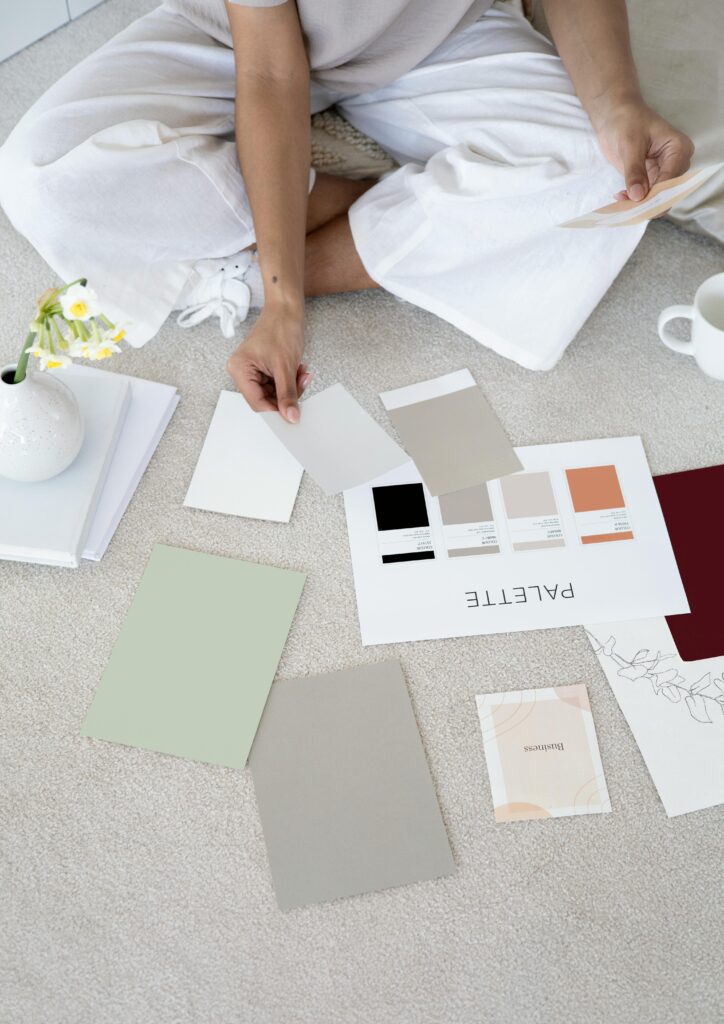
According to a 2025 industry report, 52% of creative firms now use AI tools as part of their core workflows, and 80% of creative industry leaders see AI augmenting human creativity rather than replacing it. That alone reveals how much creative practice is shifting right now. Trends don’t emerge randomly, they emerge when significant numbers of people across different cultures and disciplines begin making similar choices, whether that’s in color, composition, technology, or storytelling.
Winter has historically been a fertile season for creative recalibration. Shorter days, a slowdown in commercial release cycles, and end-of-year cultural reflections make this period fertile for deeper creative shifts, not just seasonal aesthetics. Designers and artists all over the world tend to respond to similar pressures, economic adjustments, digital saturation, a renewed focus on craft, and those pressures are now showing up in what people actually make, share, and invest in.
For example, global visual trend reports released this year pinpoint overarching shifts in how visuals are being conceptualized and consumed, from nostalgia-infused aesthetics to human-centric, imperfect forms that reject overly polished digital perfection. These aren’t isolated micro-styles, they’re repeated patterns appearing in galleries, digital platforms, and design communities across continents.
Understanding these patterns matters because trends are not just about what’s visually popular. They are indicators of how people are thinking, feeling, and choosing to represent their experiences. For artists, being aware of these global rhythms means contextualizing your work within broader creative currents instead of operating in isolation.
This winter’s emerging creative trends are not random seasonal quirks. They reflect a collective recalibration toward intentional expression, hybrid human–machine collaboration, and visual languages that balance nostalgia with future-facing innovation. In the sections that follow, we break down the five most consequential of these shifts, with context, credible data, and clear insight you can use.
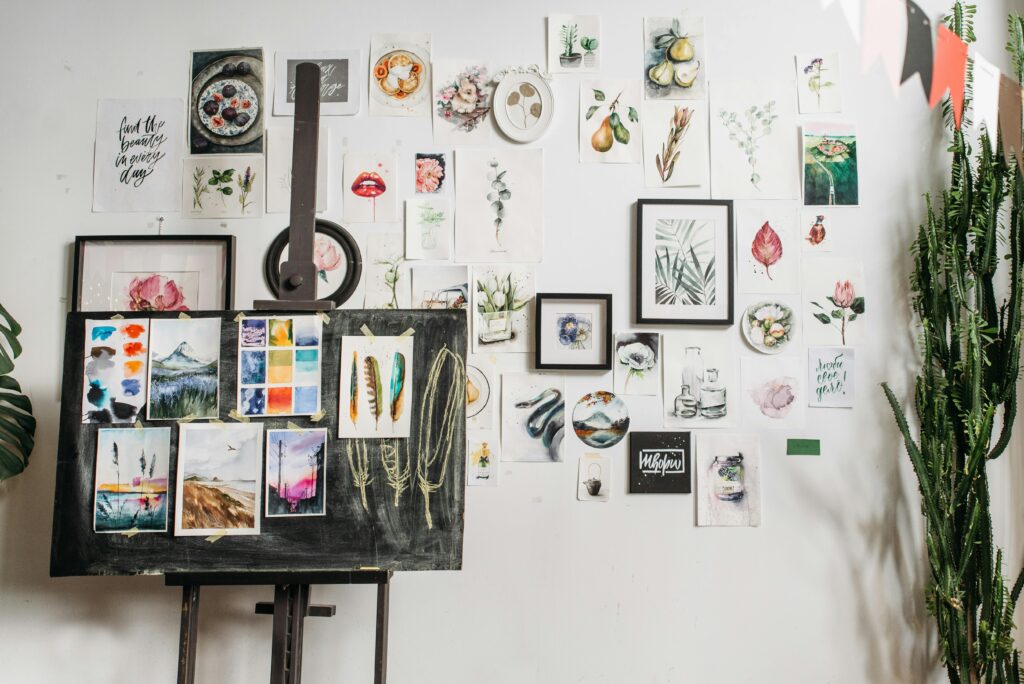
1. Slower, Process-Led Making Is Becoming a Creative Advantage
The 2024 Art Basel and UBS Art Market Reports, over 60% of collectors say they value process, material quality, and conceptual depth more than rapid output or volume. This indicates a clear market shift. Collectors and audiences are paying more attention to how work is made rather than just what is finished. Artists who emphasize intentional, slow, and thoughtful production are now more likely to gain meaningful engagement.
Winter encourages this approach naturally. With fewer exhibition openings, commercial launches, and seasonal deadlines, artists have more room to focus on refinement. Time becomes an ally rather than a pressure. According to Adobe’s Creative Trends Report, audiences are more engaged with work that documents its process, from sketches to revisions, because it communicates effort and decision-making clearly.
Process-led work is also more adaptable. Artists are documenting stages of creation to share digitally, giving viewers insight without compromising final presentation. This creates an authenticity that audiences increasingly value. Collectors report that seeing a work’s evolution enhances perceived value and connection. (Adobe Trends, 2024)
From a practical perspective, slow-making allows for experimentation with materials, color, and form that quick production cannot accommodate. According to market data, this not only improves the quality of output but also supports long-term creative sustainability. Artists are developing studio practices that are resilient rather than reactive.
Ultimately, slower making aligns with broader creative currents emphasizing depth over speed. It signals maturity and intentionality in work. According to industry observations, this trend is likely to continue as audiences and collectors reward process as much as outcome, making it a critical factor for contemporary artists to consider.
2. Hybrid Analog-Digital Work Is Now the Norm
According to Adobe’s 2024 Creative Trends Report, over 70% of creatives combine analog and digital tools within a single workflow. This shows how hybrid practices have become standard rather than experimental. Sketching, painting, or modeling by hand is now routinely paired with digital refinement, scanning, or compositing to produce work that is both tactile and precise.
Hybrid workflows offer control and flexibility. Analog techniques allow for slower, reflective creation, while digital tools enable fine-tuning, scalability, and distribution. According to the report, combining these approaches often produces work that audiences perceive as more authentic and deliberate.
Winter reinforces this hybrid trend because studio-based, offline work increases while extended screen time becomes exhausting. According to Deloitte’s Global Digital Media Trends, prolonged digital work contributes to creative burnout, prompting artists to reintroduce hands-on methods for mental clarity and engagement. The combination allows for balance and sustainable productivity.
Artists are also leveraging hybrid methods to explore texture, layering, and detail that purely digital processes struggle to replicate. Scanned sketches, hand-painted textures, and subtle imperfections enrich final digital compositions. This approach gives both depth and adaptability, allowing work to be reinterpreted across mediums.
The practical implication is clear: hybrid workflows expand both creative expression and audience perception. Artists who integrate analog and digital methods are more prepared for diverse platforms and expectations. According to current trend reports, this hybrid practice is becoming a baseline expectation in creative industries globally.

3. Artists Are Designing Work for Longevity, Not Virality
According to McKinsey’s 2024 State of Consumer Trends, audiences increasingly favor content and products designed for long-term relevance over short-term attention spikes. This trend is reshaping creative production, encouraging artists to prioritize durability, coherence, and conceptual depth rather than chasing fleeting popularity.
Longevity-focused work benefits from pacing and context. Instead of producing work optimized for algorithms, artists are developing cohesive series and portfolios that can be engaged with repeatedly. According to TIME’s cultural analysis, winter viewing patterns tend to reward work that invites sustained attention rather than instant reactions, making thoughtful, lasting projects more visible.
This trend is also influencing how work is documented and shared. Artists are emphasizing narratives, process, and context so that each piece holds up over time. It’s less about a single viral moment and more about building an enduring dialogue with audiences. According to McKinsey, this strategy aligns with consumer desire for meaningful, considered creative experiences.
Practically, creating for longevity affects materials, format, and presentation. Artists are choosing durable supports, archival materials, and considered digital formats that maintain integrity over months or years. These decisions reflect an understanding that cultural relevance extends beyond immediacy and can enhance both impact and market stability.
For contemporary creatives, this trend encourages intentionality in both creation and distribution. According to industry analysis, work designed to endure earns longer engagement, stronger audience connection, and more critical attention than pieces designed solely for virality, making this a strategic focus for winter production.
4. Sustainability Is Shaping Materials, Not Just Messaging
According to UNESCO’s 2024 Creative Economy Report, sustainability concerns directly influence material choices across the global creative sector. Artists and designers increasingly prioritize recycled, locally sourced, or biodegradable materials, demonstrating that sustainability is no longer a marketing claim but a core part of production decisions.
This approach has tangible effects on the work itself. Winter exacerbates resource limitations due to shipping delays and higher costs, which encourages artists to experiment with alternative materials. According to WGSN, constraints often drive innovation, resulting in creative solutions that are both environmentally responsible and conceptually rigorous.
Sustainable material choices also influence aesthetic decisions. Artists are selecting finishes, textures, and colors that reflect ethical sourcing, often revealing narrative layers about process and provenance. According to UNESCO, audiences are paying attention to these choices and often perceive work using sustainable practices as more thoughtful and authentic.
Practically, this trend means artists must consider their supply chains, production footprints, and lifecycle impacts. It is no longer optional to treat sustainability as secondary; it directly affects what can be produced, shown, and sold. According to current data, incorporating sustainability increases both critical and market recognition.
For creatives, the takeaway is that environmental responsibility has become inseparable from aesthetic practice. Work that integrates sustainable methods demonstrates awareness, intentionality, and relevance — a requirement for artists seeking to align with global creative currents.
5. Quiet, Emotionally Neutral Aesthetics Are Replacing High Drama
According to the Pantone Color Institute and 2026 design forecasts, there is a significant global shift toward muted palettes, reduced contrast, and visually calming environments. This trend reflects collective fatigue with overstimulation and an increasing preference for visual spaces that support focus, clarity, and nuanced interpretation.
Soft, neutral aesthetics allow form, texture, and concept to carry meaning without competing for attention. According to ArchDaily’s design analysis, environments and work built with subtle, low-contrast palettes allow audiences to engage longer, notice details, and experience more sustained reflection, which is particularly relevant in winter months.
This trend also reflects digital and physical audience behavior. Extended exposure to screens increases sensitivity to high-contrast visuals and oversaturated imagery. According to Deloitte, calmer aesthetics reduce cognitive load, improving perception and engagement for extended periods. Artists are adapting by using negative space, muted tones, and minimalist compositions.
Practically, this affects both digital and physical work. Artists are exploring soft gradients, gentle textures, and understated color relationships to convey depth without visual aggression. These strategies are increasingly recognized as markers of sophistication and intentionality.
For contemporary creatives, emotionally neutral aesthetics are not about dullness. According to Pantone, this approach enables work to communicate subtlety, presence, and conceptual strength. Mastering restraint becomes a deliberate skill, and adopting these strategies allows artists to remain culturally and critically relevant in 2025–26.
