
5 Things Artists Should Stop Doing Before the New Year
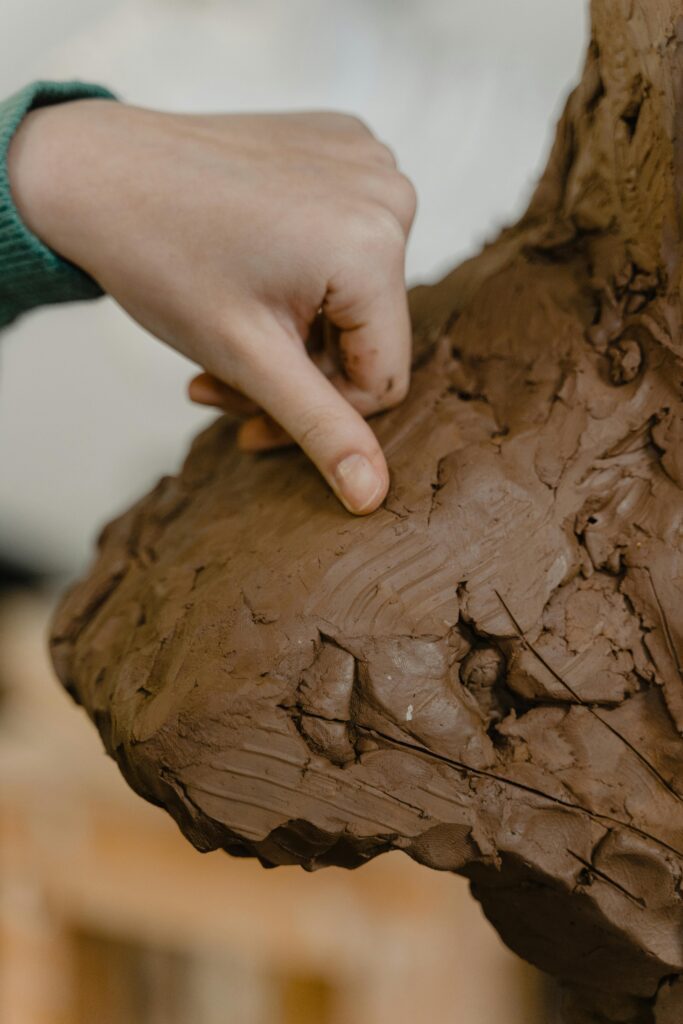
Sometimes the habits we hold onto sneak up on us without us even noticing. As artists, we carry routines, little thought patterns, and mental pressures that quietly shape our work in ways we do not always see. Some of these habits drain our energy, stall creativity, or keep ideas from fully coming to life. Noticing them is not about guilt or blame. It is about understanding how our own actions quietly influence the work we make and the way we feel about it.
Letting go of habits that do not serve us is not about making huge changes overnight. It is about creating space for clarity, focus, and more breathing room in our creative lives. When we drop what no longer helps, it becomes easier to pay attention to what truly matters, our ideas, our time, and the work we really want to make. Creativity suddenly feels lighter, more fluid, and more satisfying.
This article shares five things artists should think about stopping before the New Year. Each one is practical, thoughtful, and easy to relate to. None of them promise instant transformation. Instead, they offer small, meaningful shifts that can reshape the way we approach our work and the way we feel while making it.
By the end, the goal is simple: to help you see the habits that quietly hold you back and to encourage letting them go. Doing this gives your creative life more freedom, more focus, and more space for the work that truly matters to you in the year ahead.
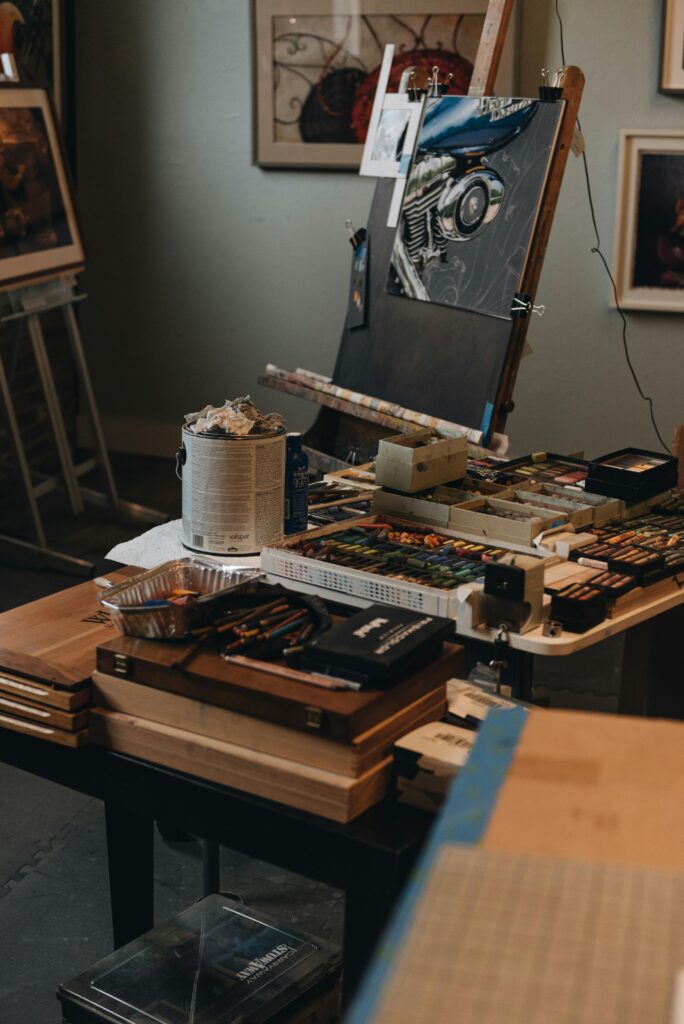
1. Stop Comparing Your Journey to Someone Else’s Highlight Reel
Comparison is one of the quietest thieves of joy in an artist’s life. We scroll, we peek, and we notice what others are creating, and suddenly we are measuring our worth against someone else’s success. Even when we tell ourselves we are just “looking for inspiration,” comparison always carries weight. It can make you question your talent, your growth, or even the ideas bubbling in your own mind. Over time, it can turn creativity into anxiety, making you hyper-aware of gaps instead of growth.
When you let go of comparison, you reclaim your own rhythm. Your creative journey is unique, full of mistakes, experiments, and breakthroughs that belong only to you. Others’ milestones do not diminish your own. Every brushstroke, every sketch, every idea is a step forward on your path. Measuring yourself against someone else’s curated highlight reel distracts from the real progress that is happening quietly in your studio and mind.
Comparison also steals the small joys of creating. When your focus is elsewhere, it is easy to overlook the breakthroughs, the experiments that teach you something, and the progress no one else notices. These small wins accumulate into larger achievements, yet if you are too busy looking outward, you miss them entirely. Letting go allows you to celebrate your own journey with curiosity and gratitude.
The New Year is the perfect time to shift your mindset. By refusing to compare, your creative energy will feel lighter, more present, and more alive. You will notice how much more enjoyable the process itself can become when you focus on your own growth.
Over time, stopping comparison changes more than just how you feel about your art. It changes how you experience your daily routine, the decisions you make, and the way you nurture ideas. You stop chasing someone else’s timeline and start trusting your own. And when you trust your process, the work you create carries an authenticity that comparison can never give.
2. Stop Saying Yes to Everything That Crosses Your Path
Artists are natural people-pleasers. We want to help, collaborate, and take opportunities that come our way. Saying yes can feel like the right thing, the polite thing, or the safe thing. But overcommitting slowly erodes time, focus, and energy for the work that really matters. Every yes comes at the cost of something else: your studio time, your rest, or space to explore personal ideas. By constantly agreeing, you risk spreading yourself so thin that creativity becomes a duty rather than a delight.
Learning to say no is not about being unkind or missing opportunities. It is about protecting your creative life and giving your attention to what matters most. When you say yes selectively, each commitment carries more weight, energy, and meaning. Boundaries become tools for freedom rather than limitations, helping you focus on your own projects and energy instead of stretching yourself across too many obligations.
The habit of automatic yes can be subtle and habitual. It creeps in as politeness, fear of missing out, or the illusion of productivity. By pausing and asking yourself whether each opportunity truly aligns with your vision or energy, you start making intentional choices that sustain you rather than drain you. Over time, this practice becomes a superpower for artists, allowing you to invest fully in what matters most.
Saying no also creates room for growth and experimentation. When your time is protected, you can explore ideas you are genuinely excited about. You can take risks and test concepts without the pressure of external obligations. This freedom fosters creativity in ways overcommitment never will.
As the year closes, consider reviewing your yeses. Which ones energized you? Which ones left you depleted? This reflection allows you to create boundaries that honor your work, your focus, and your energy. Saying no strategically is not rejection, it is an act of self-respect and an investment in your creative future.
By embracing selective yeses, you reclaim joy and control in your artistic life. You stop being pulled in every direction and start moving intentionally.
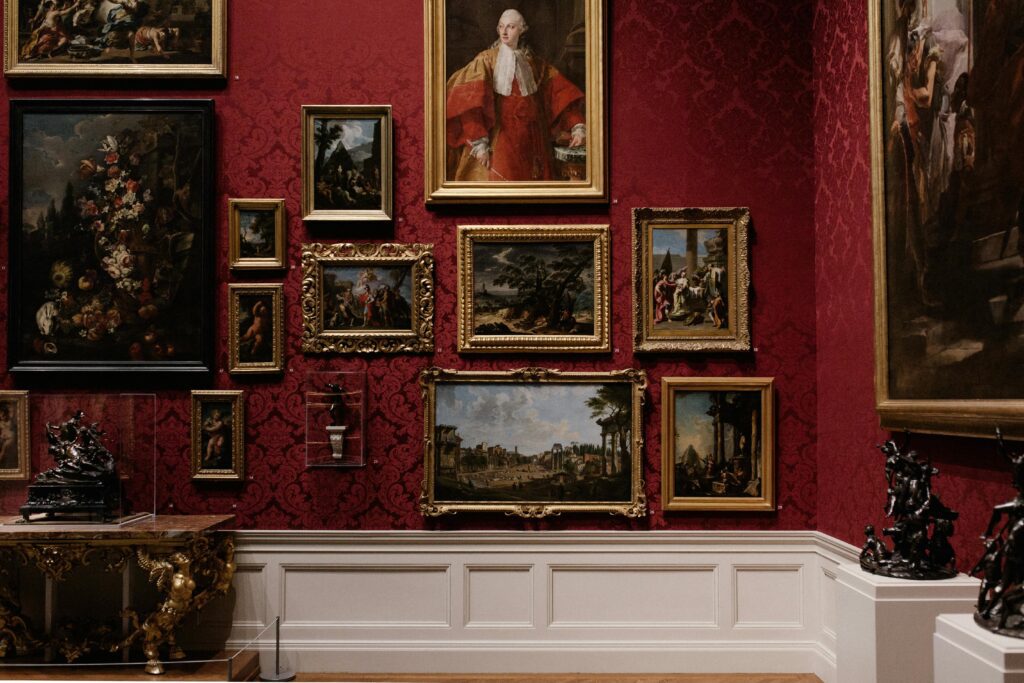
3. Stop Waiting for the “Perfect” Moment to Create
Perfectionism is an artist’s silent trap. We wait for the perfect mood, the perfect studio space, the perfect concept, or the perfect time. Yet perfection rarely exists, and waiting for it only keeps your work in your imagination. The truth is, creativity thrives in imperfection, in messiness, and in moments that feel inconvenient or uncertain. Waiting for perfect conditions keeps ideas stalled and momentum lost.
When you stop waiting, you start acting. Picking up a brush, opening a sketchbook, or beginning a project without knowing exactly where it will go is a powerful act of courage. Momentum builds through small, consistent steps, and those steps teach more about your own creativity than endless planning ever could. Doing something imperfectly is infinitely better than waiting to do it perfectly.
Perfectionism is often tied to fear, the fear of judgment, failure, or not being enough. The antidote is action. Every attempt, even if it falls short, is practice and growth. The process itself becomes the teacher, and mistakes are part of the learning, not reasons to stop. Artists who embrace this truth find their work evolving in surprising and meaningful ways.
Stopping the wait also allows ideas to emerge organically. Once you begin, you notice patterns, opportunities, and directions that were invisible while waiting. Work takes on life and energy of its own, and you start to trust your instincts rather than an imagined ideal. This trust is a skill you build by doing rather than waiting.
As the New Year approaches, resolve to create anyway. Accept imperfection as a partner in your process, not an enemy. Your art will be richer, your confidence will grow, and the freedom that comes from making without conditions will become one of your most rewarding habits.
By consistently acting instead of waiting, you cultivate a creative rhythm that supports growth, joy, and experimentation. Over time, this practice shifts how you view yourself, your work, and what is possible.
4. Stop Ignoring Your Own Ideas
It is easy to put commissions, trends, and other people’s requests ahead of your own ideas. It feels practical, but neglecting your personal creativity comes at a cost. The ideas that emerge from your curiosity, frustration, or observation often hold the most promise. Ignoring them means missing out on work that could transform your style, your voice, or your career.
Honoring your ideas starts with intention. Protect time and space for them, even if it is just a few minutes a day. Sketch, experiment, and play. Treat these projects as essential, not optional. Personal ideas teach lessons that external projects rarely can, they challenge your thinking, stretch your skills, and allow your voice to develop in its most authentic form.
Neglecting personal ideas can slowly drain motivation. You may feel busy yet unfulfilled, producing work for others while your own concepts sit waiting. By nurturing your ideas, you reintroduce curiosity and excitement into your practice. The energy you invest in personal projects also carries over into other work, enriching everything you touch creatively.
Making room for your own ideas also strengthens resilience. When external validation is slow or uncertain, having projects that are yours completely gives you confidence and direction. These ideas are your laboratory, your safe space to experiment, fail, and grow without pressure.
As the New Year begins, make a commitment to honor your own creative thoughts. Give them attention, time, and care. These ideas are seeds. With nurture, they can blossom into work that defines your vision, strengthens your voice, and energizes your practice in ways commissions or trends never could.
By investing in your own ideas, you reclaim ownership of your creative life. You build a foundation of confidence, curiosity, and satisfaction that supports every other aspect of your artistic journey.
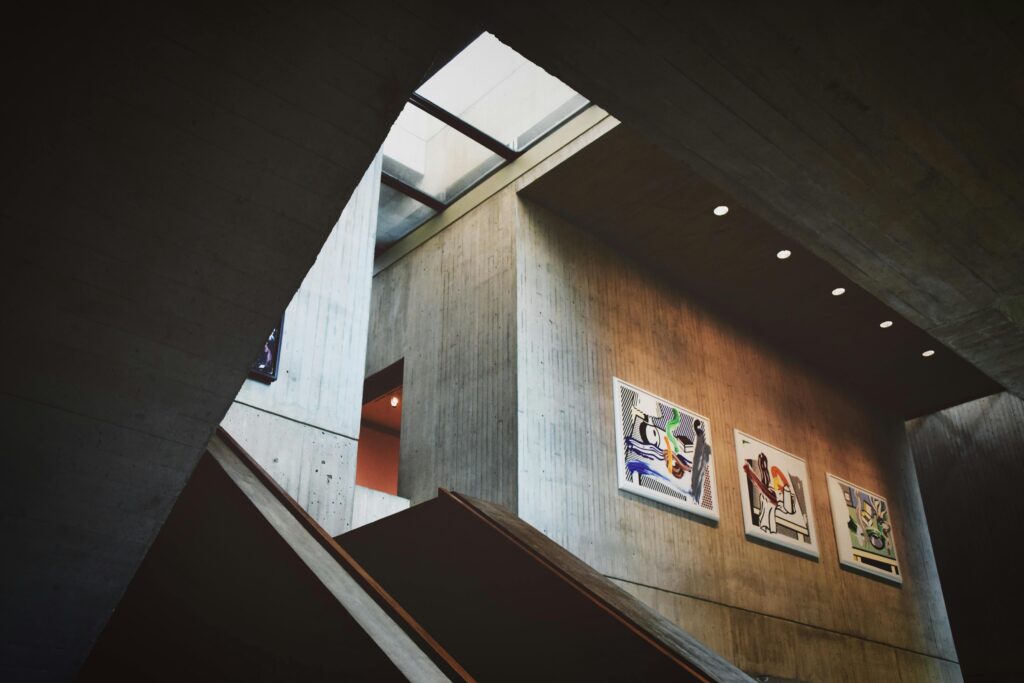
5. You Need to Stop Being Too Hard on Yourself
Artists are often their own harshest critics. Every perceived mistake, every unfinished project, and every small failure becomes evidence that we are not enough. This self-judgment is exhausting and unhelpful. It stalls work, erodes confidence, and quietly saps motivation. Constantly criticizing yourself does not push creativity forward, it limits it, turning what should be a joyful process into a heavy burden.
Stopping this habit begins with kindness. Recognize that mistakes are part of learning, doubt is natural, and imperfection is not failure. When you treat yourself with patience, you open mental space for experimentation, risk-taking, and growth. Critique has its place, but self-compassion is essential for sustaining creative energy.
Perspective also matters. Celebrate effort, curiosity, and persistence, not just results. Notice the small progress you make day-to-day, the ideas you explore, and the skills you improve. Accept that growth takes time, and the New Year is not about erasing flaws or achieving perfection. It is about moving forward with the lessons you carry, grounded and confident.
By easing self-criticism, you cultivate a healthier relationship with your work. You take risks without fear, experiment without guilt, and approach challenges with curiosity rather than shame. This shift transforms not just your art but how you experience the creative process itself.
As the year closes, choose gentleness over judgment. Treat yourself with the same care and attention you give your work. This practice of kindness and patience allows creativity to flow, confidence to grow, and joy to return to your artistic life.
When you stop being too hard on yourself, every other habit, comparison, overcommitment, perfectionism, and neglect of personal ideas, becomes easier to manage. Self-compassion is the foundation that supports all your creative growth and makes the New Year a fresh, open canvas.
