
5 Things Galleries Are Prioritizing When Reviewing Artist Portfolios
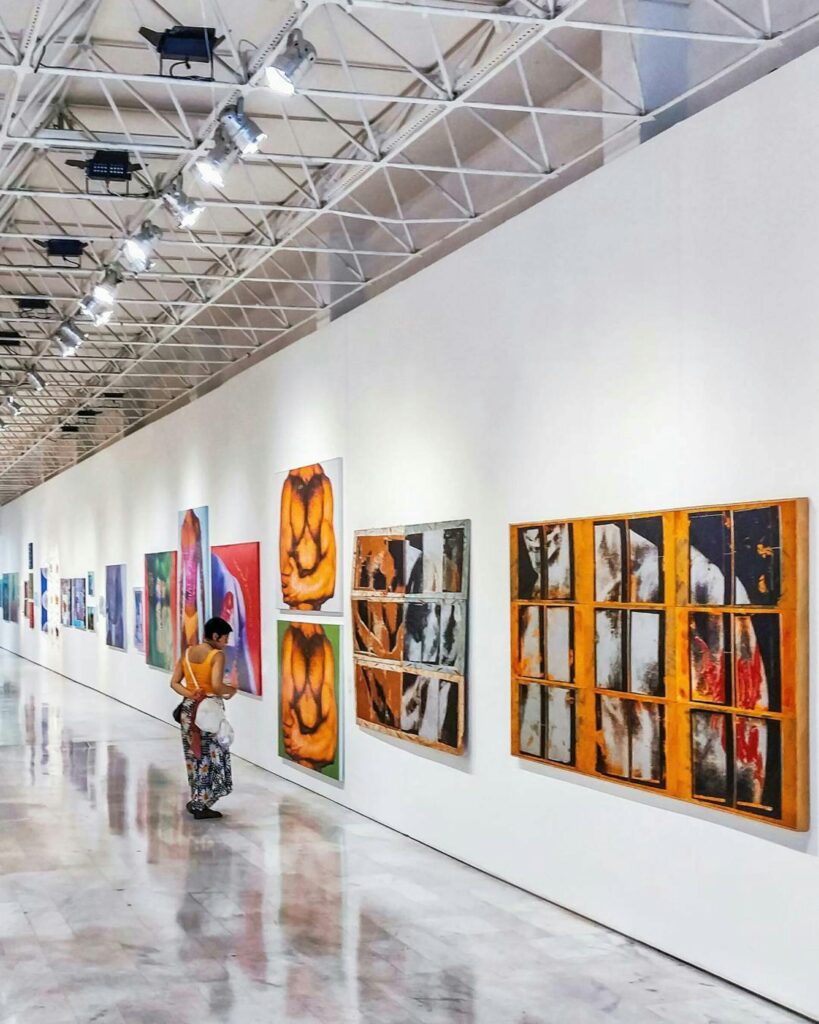
In 2024, as reported by Artsy, galleries worldwide are becoming increasingly selective, with nearly 60 percent of reviewed portfolios receiving only preliminary consideration before deeper evaluation. The scrutiny reflects not just the quality of work but how it aligns with the gallery’s ongoing narrative, institutional relationships, and collector expectations. Understanding what galleries are prioritizing offers insight into how artists’ practices intersect with broader market and curatorial logics.
Portfolios no longer exist in isolation. They are read in the context of exhibitions, past sales, and institutional visibility. Galleries act as both tastemakers and gatekeepers, weighing not only aesthetic sophistication but also how an artist’s work interacts with collectors and institutions. Financial Times reporting highlights that galleries are increasingly strategic, favoring artists whose output suggests consistency, depth, and adaptability. This means that the way a portfolio is organized, presented, and contextualized can influence perception as much as the work itself.
Collectors and curators pay attention to these signals because they often indicate what will circulate beyond the gallery’s walls. A portfolio that resonates with a gallery’s vision may influence acquisition priorities and exhibition planning. Conversely, portfolios that fail to communicate a coherent trajectory can be overlooked, regardless of technical skill or conceptual ambition. Galleries are less interested in isolated moments of brilliance than in evidence of sustained engagement with medium, concept, and audience.
Institutional considerations also play a role. Museums and foundations increasingly collaborate with galleries to identify emerging artists, making portfolio review a strategic exercise rather than a purely aesthetic one. According to The Art Newspaper, galleries are often evaluated on their ability to foster long-term careers, not just immediate sales. This has shifted the portfolio review from a transactional step to a nuanced assessment of an artist’s potential longevity and cultural relevance.
This article explores five priorities galleries are consistently emphasizing when reviewing artist portfolios. Each priority reflects both market realities and curatorial judgment, revealing how selection criteria have evolved in response to cultural, institutional, and collector pressures. The discussion is grounded in observable trends, aiming to provide a clear sense of what galleries are truly looking for today.
1. Cohesion Over Quantity
Galleries are increasingly drawn to portfolios that tell a clear story, rather than overwhelm with sheer volume. Artists who present 30 different concepts without a thread often confuse more than they impress. According to Artsy, galleries have noted a preference for portfolios that demonstrate sustained exploration of a few ideas over scattered experimentation. It’s not about limiting creativity but about communicating direction.
Collectors and curators respond to this clarity as well. When a portfolio shows thoughtfulness and evolution, it signals that the artist can sustain practice over time. Galleries see it as evidence of reliability and vision. These portfolios are easier to advocate for with institutions and collectors, which ultimately strengthens the artist’s market position.
The organization of images, sequencing of works, and accompanying statements all contribute to cohesion. Galleries notice when a narrative or conceptual line carries across mediums or series. This doesn’t mean uniformity but rather a readable, intentional approach. It’s a subtle cue that helps galleries make informed decisions quickly.
For emerging artists, this often means choosing fewer works and arranging them to highlight thematic or formal continuities. A tightly curated portfolio often speaks louder than a sprawling one, allowing the gallery to grasp both skill and perspective.
The moment of review becomes a conversation about potential rather than a checklist of production. Cohesion shows that the artist can engage deeply and consistently with their own work, a priority that resonates beyond the portfolio itself.
2. Visual and Conceptual Clarity
Portfolios that are visually and conceptually clear capture attention immediately. Galleries have limited time and want to understand both what the work is and why it exists. As reported by The Art Newspaper, portfolios that communicate intention without ambiguity are more likely to progress to deeper review. This clarity reduces guesswork and creates a sense of confidence in the artist’s direction.
For collectors and curators, clarity signals maturity. When a portfolio clearly conveys themes, processes, or research questions, it allows stakeholders to assess fit with exhibitions, collections, or acquisitions. Ambiguity, by contrast, can suggest either experimentation or inconsistency. The difference is in the narrative that accompanies the work.
How clarity is achieved varies by medium. In photography, sequencing can establish rhythm; in painting, context and scale matter; in mixed media, process documentation becomes critical. Galleries read these cues intuitively, making visual storytelling as important as technical execution.
Artists who present concise statements, readable images, and organized layouts demonstrate respect for the gallery’s time. It reflects thoughtfulness and professionalism, which matters in a field where relationships and reputation are central.
This priority highlights that technical skill alone doesn’t secure attention. Conceptual precision and visual legibility are equally influential in portfolio evaluation, shaping the gallery’s first impression and guiding subsequent interest.
3. Evidence of Growth and Evolution
Galleries look for portfolios that reveal development over time. Artsy reports that portfolios showing incremental evolution in concept, style, or technique often stand out compared to those that feel static. This growth indicates engagement with the practice and the potential for future output.
Collectors appreciate seeing progression, as it helps predict how an artist’s work may continue to mature and gain market traction. Evolution demonstrates responsiveness to critique, experimentation, and broader cultural currents. Portfolios that lack this dimension can feel one-dimensional.
Including works from different periods or documenting experimental phases can be effective when done strategically. The goal is to convey a trajectory rather than scattershot experimentation. Galleries interpret this as evidence of reflection, risk-taking, and adaptability.
This attention to evolution signals that the artist is thinking long-term. It supports the narrative of potential, reliability, and market resilience. The portfolio becomes a window into ongoing practice, rather than a static display.
For artists, highlighting progression is about narrative construction as much as it is about work selection. It allows galleries to see both current capability and future promise.
4. Professional Presentation and Context
How a portfolio is presented matters almost as much as what it contains. According to Financial Times reporting, galleries increasingly weigh presentation quality, including image resolution, sequencing, and accompanying statements. Poor presentation can overshadow strong work, while professional execution elevates it.
Artists who contextualize their work clearly through statements, captions, or concise bios, give galleries the information they need to make confident decisions. This also signals an understanding of the market and institutional expectations. Contextual awareness can distinguish portfolios that feel thoughtful from those that feel incomplete.
Collectors and curators notice presentation cues, often using them as proxies for seriousness and preparation. Portfolios that are tidy, readable, and accessible suggest reliability and professionalism. Those that are scattered, inconsistent, or poorly formatted may raise questions beyond the work itself.
Presentation extends to digital formats as well. In a world where galleries receive many portfolios electronically, clarity and usability become critical. Images that load correctly, PDFs that are navigable, and coherent sequences all impact perception.
Ultimately, professional presentation communicates respect for the reviewer’s time and signals an artist who is ready to engage with the art world seriously. It frames the work and makes the review process efficient and effective.
5. Alignment with Gallery Vision and Market Awareness
Galleries are reading portfolios with an eye toward alignment. According to The Art Newspaper, portfolios that resonate with a gallery’s existing program, collector base, and institutional relationships are more likely to advance. This does not mean mimicry but a clear understanding of context.
Artists who demonstrate market awareness whether through price positioning, series planning, or collector engagement signal readiness for professional representation. Galleries seek partners who understand the ecosystem they operate in and can participate effectively.
Collectors and institutions benefit when galleries and artists share an aligned vision. It creates coherence in exhibition planning, acquisitions, and long-term development. Portfolios that ignore this alignment risk being evaluated primarily on individual quality rather than potential integration.
Strategic alignment also helps galleries advocate for artists within institutional and collector networks. Artists whose portfolios reflect both creativity and strategic awareness are easier to position, support, and invest in.
Reading portfolios through this lens transforms review from aesthetic judgment into a nuanced assessment of professional potential, market fit, and cultural resonance.
