
5 Famous Christmas Illustrations Every Art lover Should Know
Festive season is upon us, and the air feels a little brighter, a little cozier, and full of creative possibilities. For artists, this is the perfect moment to soak in inspiration from those who have mastered the art of holiday illustration. There is something magical about how certain illustrators can capture winter light, frosty textures, and twinkling decorations without ever showing a single face or figure.
Holiday illustrations are more than just seasonal decoration. They teach how color, composition, and subtle details can evoke warmth, nostalgia, and cheer. Studying these works can give you ideas on how to make your own creations feel alive, inviting, and undeniably festive, even when they are purely abstract or landscape-focused.
This guide highlights five famous Christmas illustrators whose work is iconic for all the right reasons. Each has a unique approach to conveying holiday spirit, showing that the essence of the season can shine through shapes, textures, and carefully chosen palettes rather than characters or scenes with people.
Whether you want to create wintery landscapes, cozy interiors, or sparkling abstract compositions, these illustrators offer lessons that go beyond style. They show how attention to light, shadow, and detail can make a simple scene feel celebratory and full of seasonal charm.
By exploring their work, you’ll discover new ways to evoke festive moods in your own art. Their illustrations are a masterclass in subtlety, warmth, and creative storytelling, perfect for anyone looking to add a touch of holiday magic to their practice.
Eyvind Earle , Winter Landscapes Full of Quiet Magic
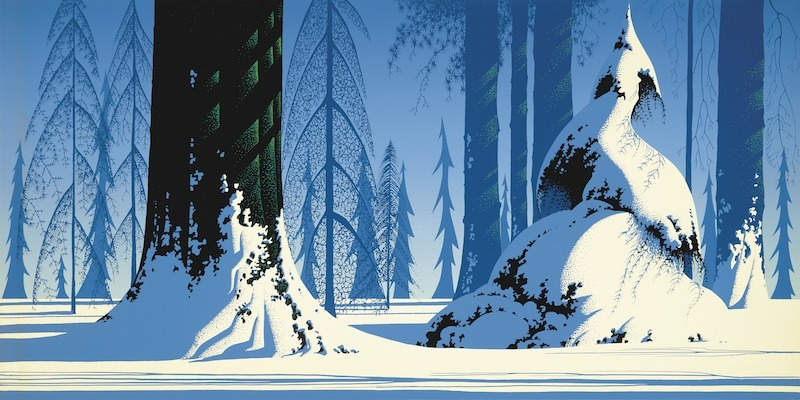
Earle’s landscapes feel like winter dreams , snow‑laden trees, still horizons, and a hush that seems to freeze time. His work shows how holiday or winter-themed art does not require snowmen, ornaments, or crowds , sometimes silence, light, and shape communicate mood better than any festive symbol. Pieces like Snow Trees use deep blue skies, heavy white snow, and stylized trees to evoke cold serenity and quiet beauty.
He plays masterfully with contrast: snow‑white against midnight‑blue, sharp tree silhouettes against soft gradients. That contrast becomes the heart of the mood , one that whispers “winter,” “stillness,” “reflection.” For artists attempting holiday or seasonal work, this approach means you don’t need flashy holiday tropes yet can still evoke seasonal atmosphere.
Composition in these works leans on simplicity and balance. Trees often frame negative space, allowing depth and mood to emerge. That space gives room for imagination; the viewer fills in cold air, silent snow. As an artist, noticing how Earle balances form and emptiness helps you compose scenes that feel calm yet evocative , ideal for minimal holiday series.
Texture and stylization matter. Snow isn’t just white blotches , it’s layered, weighted, sculpted; trees aren’t detailed every twig , but stylized enough to carry weight, form, and silhouette. That abstraction lets you simplify without losing emotion. Trying similar minimalism helps when you want holiday art that stays timeless, not kitschy.
Using Earle’s method, you can build a winter fine‑art series: maybe 5–7 pieces , focus on snow, trees, gradients, silence, and mood. Light and color become your “holiday ornaments,” creating art that feels seasonal, thoughtful, and deeply atmospheric.
Harold Weston , Sparse Trees and Silent Snow Scenes
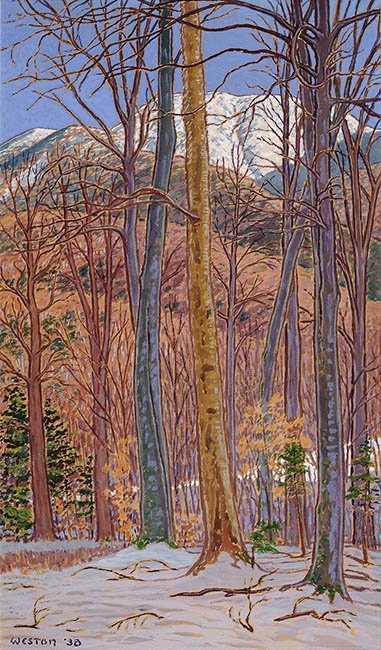
Weston’s work such as Three Trees, Winter offers a masterclass in how minimalism and quiet landscapes can carry seasonal atmosphere without a single figure or ornament. A few bare trees, rolling snowy hills, a quiet sky , that is enough to evoke winter stillness.
The sparse composition removes clutter. Without distractions, the viewer feels space, calm , a contemplative winter moment. For artists, this shows how negative space and restraint can create emotional power. The silence becomes the subject.
Color and light play a subtle role. Cool blues, muted whites or grays, soft shadows , no bright holiday red or green, yet the scene still feels seasonal. That restrained palette offers a fresh alternative to traditional holiday color schemes. Artists craving understated holiday vibe can find a solid direction here.
Texture and brush‑work suggest crisp air, quiet snow, and subtle depth. There’s no need for heavy detail; just the suggestion of pine needles, snow blanket, soft sky. Minimalism becomes an advantage , atmosphere over realism.
For a modern holiday-themed fine art collection, using Weston’s inspiration can result in elegant, timeless works , ideal for those who prefer subtlety over spectacle. Winter becomes more about feeling than decoration.
Abstract & Minimalist Winter Landscapes , Inspired by Public‑Domain / Open‑License Art
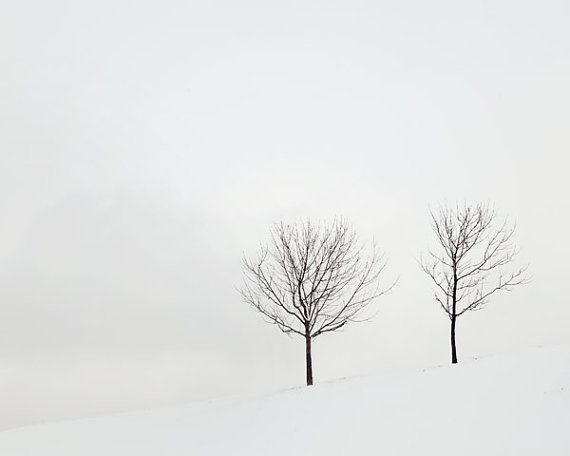
If you prefer flexibility beyond any one artist’s style, exploring open‑license or public‑domain minimalist winter/holiday‑landscape illustrations offers great freedom. These kinds of works often feature simple shapes, muted or limited palettes, and abstracted forms , snow fields, tree silhouettes, soft skies , which makes them perfect study material for holiday‑themed fine art. Such images are widely available in free‑image libraries for artists.
These landscapes rely on color harmony, composition, negative space, and mood rather than specific holiday icons. That allows artists to reinterpret winter or holiday themes broadly: soft snow, quiet nights, subtle light, and even abstract suggestions of seasonal change. This approach creates timeless art, not tied to one set of cultural symbols.
Because these are often simpler and stylized, you can adapt them more easily , change palette, overlay textures, experiment with lighting or abstraction. They’re ideal starting points for mixed‑media work, digital experimentation, or seasonal print series.
Working with minimal backgrounds and shapes helps you focus on mood, balance, and design rather than narrative or detail. That’s especially valuable if you want holiday art that feels modern, clean, and versatile , suitable for prints, home decor, digital backgrounds, and more.
This method supports creation of a whole holiday collection quickly. With a base of simple winter‑landscape compositions, you can explore variations in palette, light, scale , keeping cohesion while offering variety. It’s a strong foundation for seasonal art series or cards without relying on conventional festive symbols.
Caspar David Friedrich , Silent Snow & Moody Winter Atmosphere
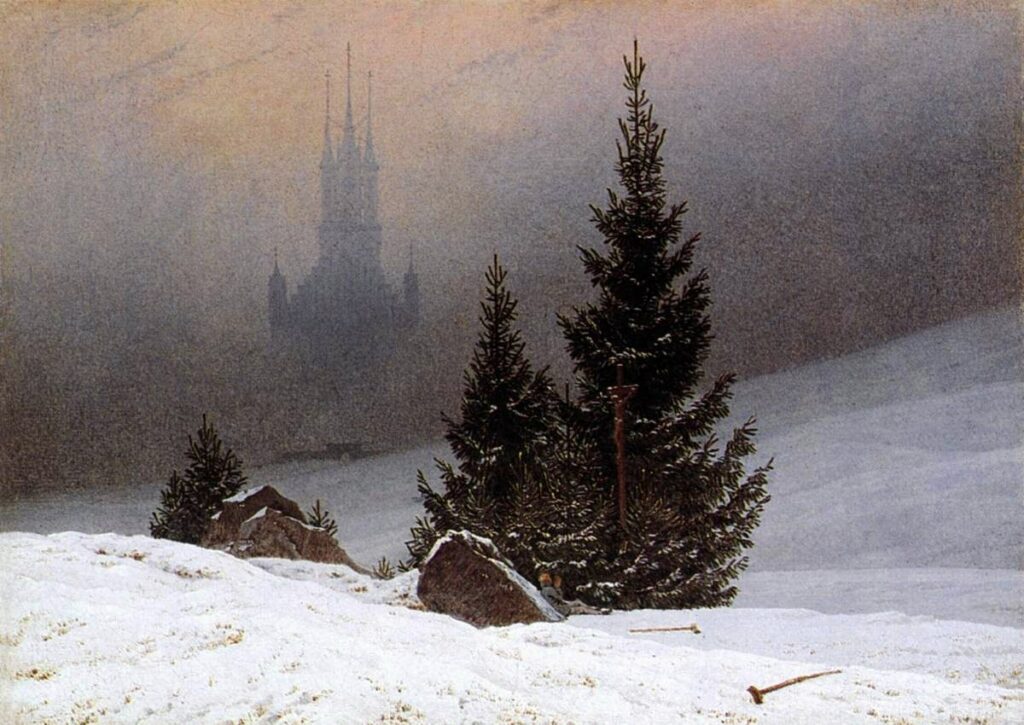
Caspar David Friedrich captured winter’s stillness in a way that feels timeless , snow, bare trees, mist, and quiet hills that seem to hold stories in their silence. In works like Winter Landscape (Friedrich), snow and natural forms do not just set the scene , they carry mood and emotion. The emptiness of snow‑covered land, the soft light of a winter sky , they evoke solitude, reflection, and quiet beauty.
His paintings show how absence can speak as powerfully as presence. There is no need for human figures or festive decorations to make a scene feel like “holiday art.” The frozen landscape alone suggests cold air, soft hush, and serenity. Holiday-inspired fine art can use that same silence to evoke introspection.
Contrast and subtle tonal shifts are key in Friedrich’s winter work. Between the darkness of bare tree lines and the brightness of snow, subtle shades of grey, blue, and white create depth. This offers artists a lesson in how limited palettes and careful tone control can produce atmosphere and emotion without clutter.
Composition matters more than detail in these works. Hills, slopes, sky, and trees are arranged to draw the eye subtly across foreground to background. Negative space , empty snow plains or soft skies , becomes a canvas for imagination. That visual breathing space lets viewers project their own memory or feeling onto the painting.
Studying Friedrich encourages artists to think of holiday/winter art as mood art , art that feels like reflection, calm, and subtle beauty. If your style leans toward understated emotion rather than overt festivity, his work offers a blueprint: minimal elements, careful light & tone, atmospheric space.
Ivan Aivazovsky , Snowy Silence and Winter Light Landscapes
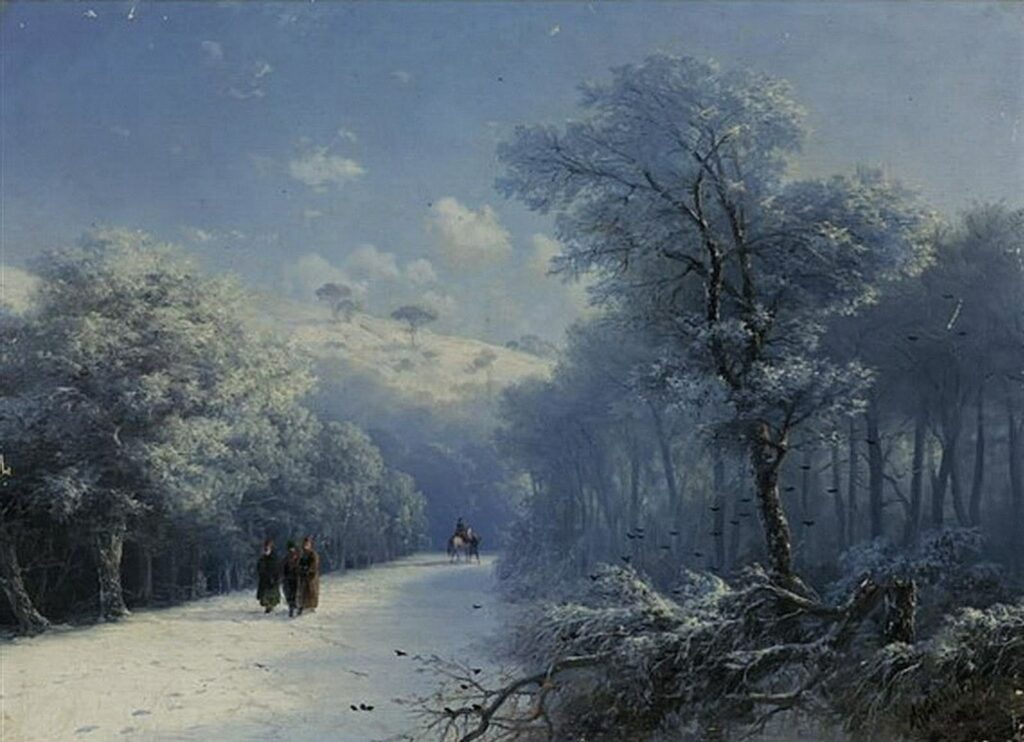
Though known for maritime scenes, Aivazovsky also painted winter landscapes like Winter Landscape (Aivazovsky), where snow, soft light, and quiet nature take center stage. These snowy views show snow‑covered trees, soft skies, and gentle terrain , creating a mood that’s peaceful, reflective, and timeless.
Aivazovsky’s use of light in snow scenes is particularly inspiring. Snow reflects ambient light, subtle gradients shift across sky and land, and muted tones evoke dusk or dawn. For holiday‑season fine art, these light studies can guide artists to evoke serenity and depth rather than decoration or clichés.
The landscapes often feel wide and open , fields, gentle hills, distant trees , giving a sense of space and calm. Artists learning from these can compose works that breathe: big skies, soft horizons, open snow flats. That openness invites emotional response more than overt detail.
Textures in snow, frosted branches, soft skies , Aivazovsky handles them with gentle brushwork. The soft blending of whites, greys, light blues creates a sense of cold air, softness underfoot, quiet wind. Capturing texture subtly , not with heavy detail , can make winter scenes feel both real and dreamlike.
Using Aivazovsky as inspiration, a holiday‑season fine‑art collection could focus on winter landscapes only , no figures, no houses, no festive stuff. Just snow, light, silence, and space. This gives you a series that feels elegant, atmospheric, and seasonally relevant, with emotional resonance rather than decor.
