
7 Things the Art World Stopped Talking About This Year
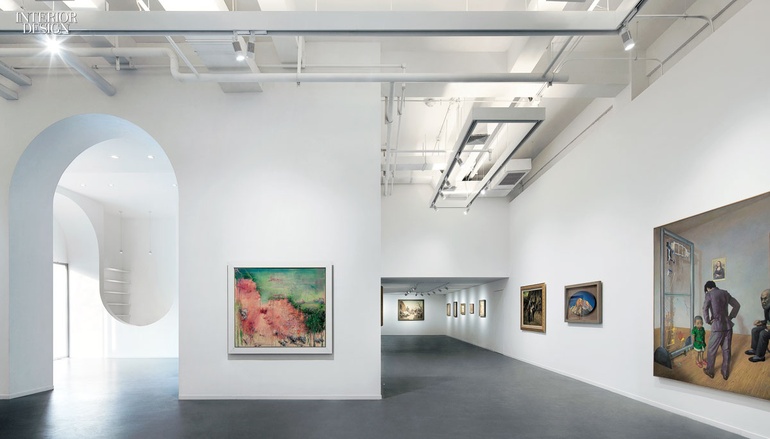
You know that moment at the end of a long year when you realize certain conversations just quietly faded away? In the art world, this past year had a handful of discussions that were once unavoidable , until they weren’t. Some fell out of sight not because the issues resolved themselves, but because attention flipped to newer flashpoints, market headlines, or dazzling exhibitions. We talk a lot about what’s loud in art , the big sales, big names, big exhibitions , but there’s real value in noticing what stopped being talked about, because silence can tell you just as much as hype.
Some of these topics were once staples of gallery discourse, academic debate, or collector newsletters. They shaped conversations, provoked critics, and steered institutional priorities. Yet by mid-2025 and into 2026, these same themes slipped from annual reports, conference keynotes, and even influential panels at major fairs. When a once-urgent topic stops being referenced, it doesn’t always mean the underlying issue vanished , it often means the art world’s attention economy moved on, leaving gaps in dialogue that are worth pointing out.
Why does this matter? Because art doesn’t exist in a vacuum. The way the market, critics, institutions, and audiences talk , or don’t talk , about something influences where budgets go, which exhibitions get funded, who gets invited to the conversation, and ultimately whose work ends up in collections and classrooms. When a previously persistent theme goes quiet, it can reshape career arcs and institutional memory alike.
Over the next seven sections, we’re going to look at the topics the art world once couldn’t stop debating , and that suddenly fell off the map. We’ll think about why they dropped out of the conversation, what it says about shifting artistic values, and whether their disappearance is a cause for optimism, suspicion, or a bit of both. Because sometimes the quiet spaces between headlines are where the deeper stories live.
1. The Once-Hot NFT Frenzy Has Quieted Down , But You’d Never Know It From Headlines
Not so long ago, every gallery newsletter, market report, and collector chat was obsessed with NFTs. They promised to democratize art ownership, reshape provenance, and give artists new revenue streams. But in 2025, that narrative has definitely faded from the center of the conversation. While early NFT hype was driven by sky-high prices and viral headlines, broader data from art market analyses shows that the NFT marketplace has cooled significantly since its peak , by some accounts with reports of NFT sales dropping sharply after their frenzy years (the huge declines in NFT activity were widely discussed in earlier market reviews) thearttimes.com.
In 2025, most mainstream art media barely mention NFTs anymore outside of niche digital art circles , and when they do, the focus is on deeper issues like utility, curation, or institutional approaches to blockchain, not blockbuster sales headlines. That quietness does not mean NFTs are dead; it means the art world is no longer defining its entire future around them. Many of the conversations that once dominated now sit in specialized tech or crypto sectors, far from general art press.
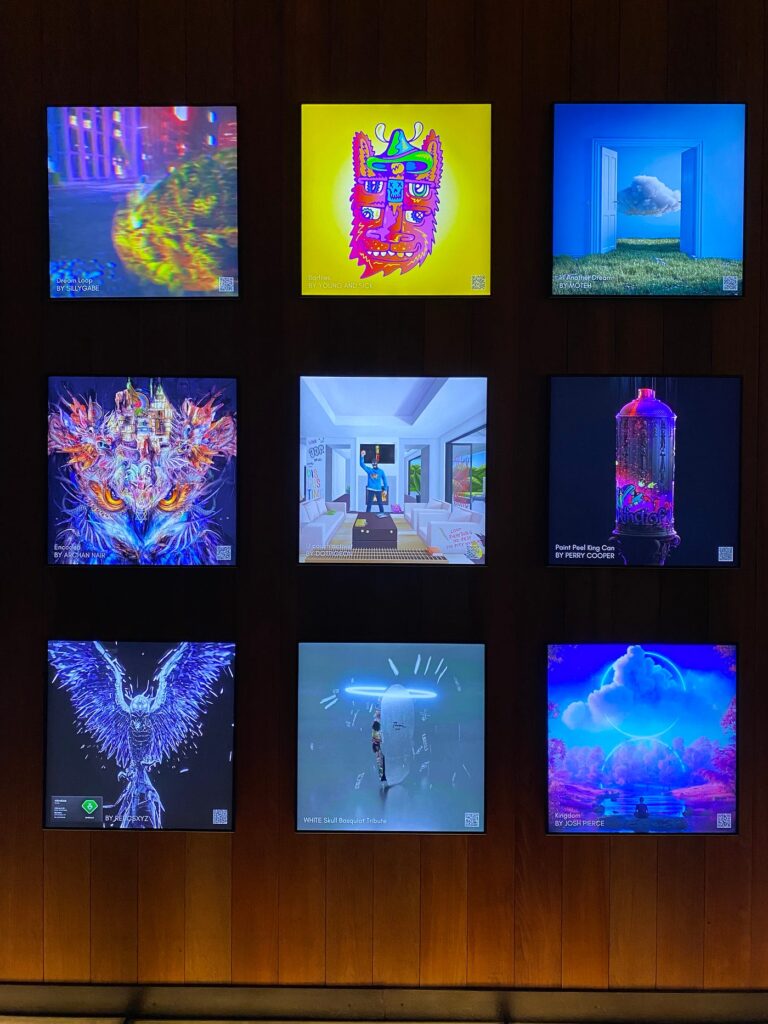
Ironically, this silence reveals a bigger shift: the art market at large seems to have grown weary of noisy trends that feel speculative. Collectors and institutions have moved on from treating NFTs as game-changers and are instead focusing on sustainable practices and art they can physically see, touch, and install. The digital art world is evolving, but without the same velocity it once had.
For artists and collectors today, this creates a kind of relief and recalibration. Instead of every quarterly auction season feeling like a crypto drama, the market now has space to breathe and reassess. That shift in attention tells you a lot about the art world’s priorities in 2025.
2. AI in Art Still Matters , But the Big Debates Have Quieted
A few years ago, every major art fair seemed to claim an AI component, and headlines regularly asked whether AI would make human artists obsolete. In 2025, the conversation is far more muted. This does not mean AI isn’t still a topic , it absolutely is , but the dramatic, love-it-or-hate-it framing that dominated earlier discourse has softened into something more nuanced.
Controversies like the Christie’s planned AI art auction , which in 2024 drew thousands of artist signatures in protest because of concerns over copyright, data use, and artistic integrity , reflected a time when AI in art was hotly contested and widely debated in public forums Financial Times. But today, references to AI are more likely to appear in context-specific discussions, like how institutions integrate AI tools responsibly or how museums explore ethical uses of generative systems.
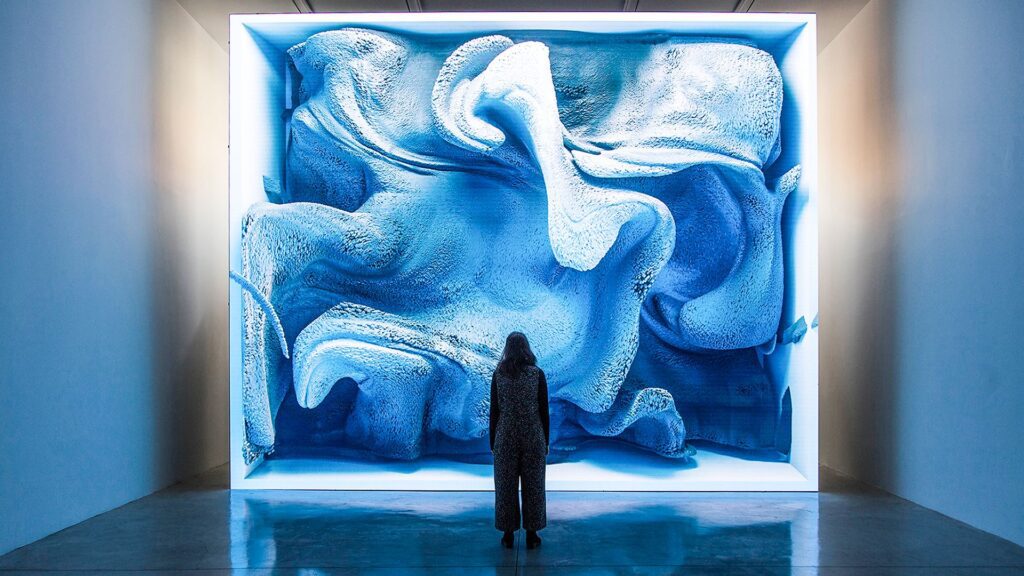
What’s interesting is that the initial shock value has worn off. The art world has moved from dramatic polemics , “AI will kill art” or “AI is the next renaissance” , to conversations embedded in practice. Artists are using AI as a tool, critics are exploring ethics, and collectors are figuring out value. The buzzwords are still there, but the dramatic polarization that once filled headlines has largely quieted.
This shift matters because it signals an art world that has come to terms with technology as part of its toolkit, rather than as a threat or novelty. The fact that major debates about AI are less visible in general art coverage doesn’t mean the topic is unimportant , it means the art world has matured in how it talks about it.
3. The Quiet Shift Toward Long-Term Artistic Value
If you’ve noticed a pattern through the year, it’s that the art world seems less obsessed with the next big headline and more focused on lasting impact. In previous years, coverage and collector chatter were dominated by flashy one-off exhibitions, record-breaking auction prices, and viral market moments. By 2025, that conversation has quietly shifted. Critics, galleries, and collectors are starting to talk more about art that endures, rather than just what grabs immediate attention.
This is not just a feeling. A report from The Art Newspaper notes that collectors are increasingly investing in artists with consistent exhibition histories, museum recognition, and critical engagement rather than chasing speculative market trends (https://www.theartnewspaper.com/2025/05/14/collectors-seek-long-term-investment-value). That means works purchased today are often selected with decades in mind, reflecting a more thoughtful approach to collecting.
Artists have noticed this too. The quiet focus on long-term value encourages them to develop bodies of work with depth, experimentation, and coherence rather than chasing fleeting market fads. Critics report that this shift has led to richer discourse in reviews and essays, emphasizing technique, context, and cultural relevance over sensationalism.
Institutions have joined in. Museums and foundations are prioritizing acquisitions that reflect narrative depth, representation, and historical significance, rather than only headline-grabbing pieces. This subtle recalibration quietly reinforces the idea that the art world is thinking beyond the immediate social media moment.
Ultimately, this quiet shift tells us something profound: the things that stop being talked about loudly may actually be making room for more substantial, enduring conversations. The headlines fade, but the value that really counts , for artists, audiences, and collectors alike , becomes more visible in the long term.
4. The Mega-Museum Expansion Race Quietly Slowed Down
For a while, it felt like every major museum announcement involved a new wing, a dramatic architectural reveal, or a multi-million-dollar expansion plan. Bigger buildings were framed as proof of relevance, ambition, and global importance. But in 2025, that conversation noticeably softened. The art world stopped loudly celebrating expansion and started talking, more quietly, about sustainability, maintenance, and audience care instead.
This shift is not just anecdotal. According to data reported by The Art Newspaper, museums across Europe and North America have increasingly delayed or scaled back capital expansion projects due to rising construction costs, inflation, and funding pressures, particularly post-pandemic (https://www.theartnewspaper.com/2024/11/28/museum-expansion-projects-delayed-inflation-costs). That reality has cooled the once-constant hype around new buildings.
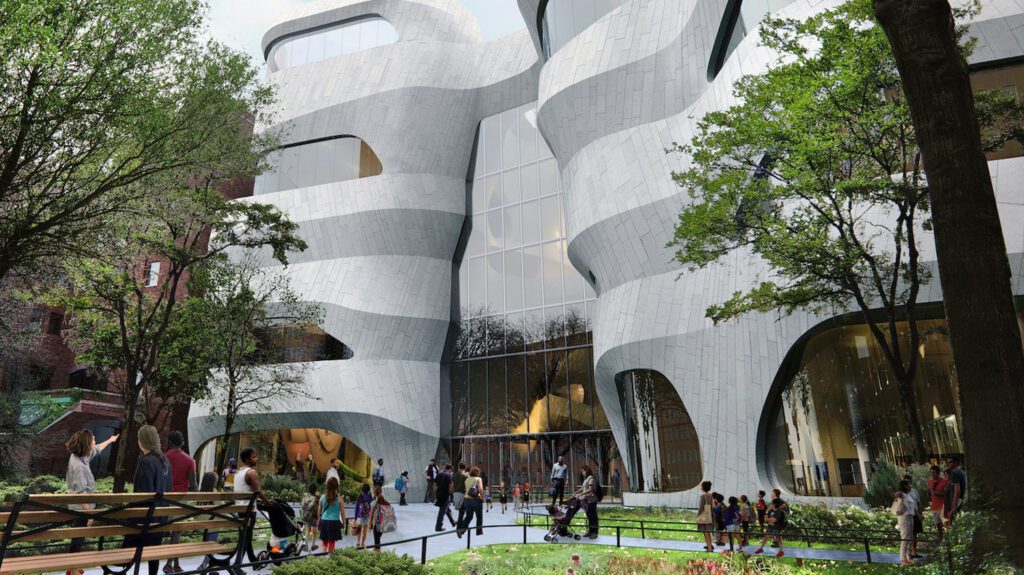
What replaced the conversation is far more practical. Institutions are now focused on how existing spaces function, how visitors move through exhibitions, and how collections are interpreted rather than how many square meters they can add. You see it in museum press releases too. They talk less about size and more about programming, accessibility, and community relevance.
There’s also a philosophical shift happening here. Bigger does not automatically mean better anymore, especially as museums face pressure to justify operational costs and environmental impact. The silence around expansion suggests a recalibration, not a failure. The art world is realizing that ambition does not always have to look monumental.
And honestly, for audiences, this quieter shift might be a good thing. Fewer flashy construction headlines means more attention on what actually happens inside museum walls.
5. The “Post-Pandemic Art Boom” Narrative Finally Faded
For several years, the art world leaned heavily on the idea of a post-pandemic boom. Record auction sales, new collectors entering the market, and packed art fairs were framed as proof that art had not just recovered but surged. By 2025, that story stopped dominating headlines, largely because the numbers no longer supported the same breathless tone.
According to the Art Basel & UBS Art Market Report 2024, global art market sales declined by around 4 percent year-on-year in 2023, signaling a cooling after earlier highs (https://theartmarket.artbasel.com/reports/the-art-market-report-2024). That data shifted the conversation from boom to stabilization, and the language around the market followed suit.
Instead of celebrating explosive growth, analysts and insiders now talk about selectivity. Collectors are buying fewer works, taking more time, and focusing on artists with established practices or strong institutional backing. That change has made the idea of a universal boom feel outdated.
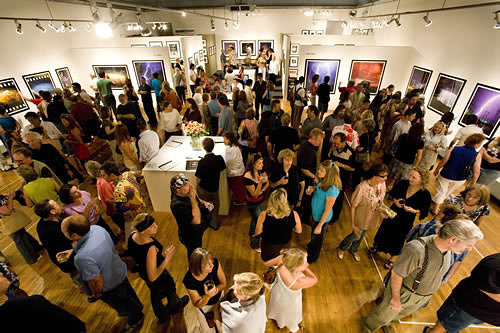
What is interesting is how quietly this narrative disappeared. There was no dramatic announcement that the boom was over. It simply stopped being repeated. Auction houses adjusted expectations, galleries recalibrated programming, and the art world collectively moved on.
That silence reflects a more mature market mindset. Growth is no longer assumed, and caution has replaced celebration. For artists and galleries, this shift matters deeply, even if it no longer grabs headlines.
6. Celebrity Collecting Lost Its Spotlight
There was a time when celebrity art purchases made instant news. Headlines regularly named actors, musicians, and tech founders buying blue-chip works or funding major exhibitions. In 2025, that fascination noticeably cooled, even though celebrities are still buying art.
The change is partly about credibility fatigue. According to coverage by The New York Times, the art world has become more skeptical of celebrity involvement, especially when it feels performative rather than sustained (https://www.nytimes.com/2024/09/15/arts/design/celebrity-art-collectors.html). The novelty has worn off, and audiences now care more about long-term engagement than name recognition.
Collectors who drive real influence today tend to operate quietly. Institutional donors, regional collectors, and foundation-based patrons shape exhibitions and acquisitions without seeking headlines. That shift has pulled attention away from celebrity names and toward quieter forms of support.
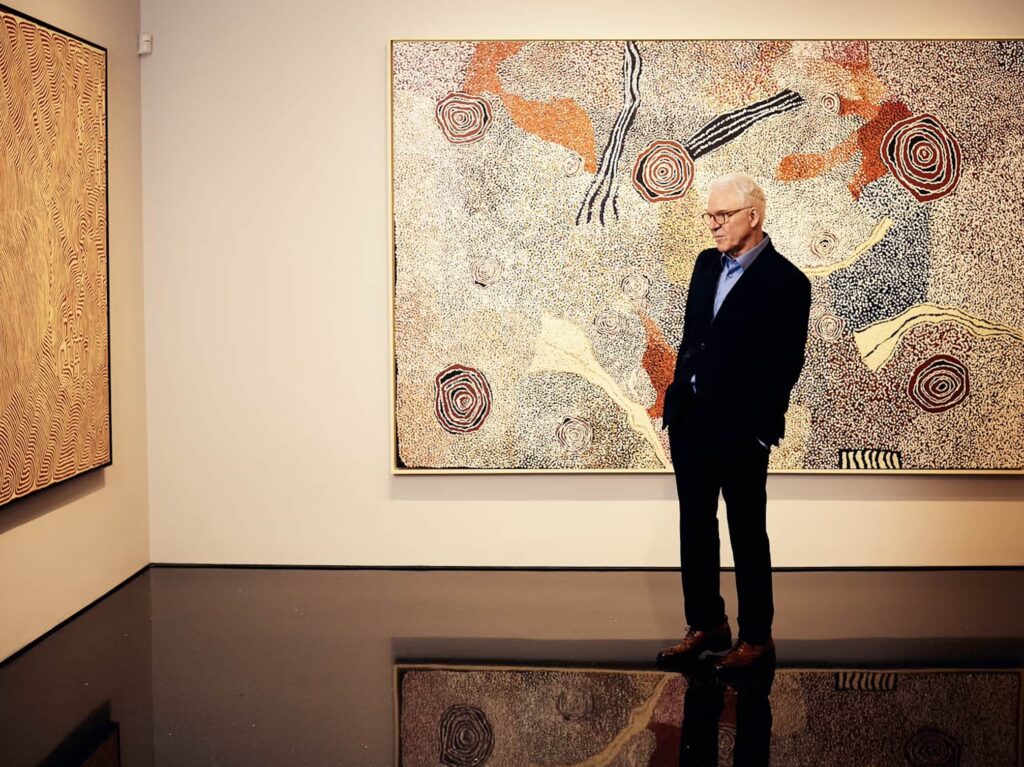
You can see this change in art media coverage. Articles now focus more on curatorial decisions, institutional strategy, or collector behavior trends rather than who famous just bought what. The conversation matured, and celebrity collecting simply stopped being central.
This silence says something important. The art world is increasingly less impressed by visibility alone. Commitment, context, and contribution matter more than fame.
7. The “Death of the Gallery” Narrative Disappeared Without Ceremony
For years, the art world loved predicting the death of the traditional gallery. Online platforms, direct-to-collector sales, and digital marketplaces were supposed to make physical galleries obsolete. By 2025, that prediction stopped circulating so loudly, largely because it did not come true.
According to Artsy’s market analysis, galleries continue to account for a substantial share of primary market sales, particularly for emerging and mid-career artists, even as online tools expand access (https://www.artsy.net/article/artsy-editorial-art-galleries-still-matter). Instead of dying, galleries adapted.
What changed is how galleries operate. They host fewer but more intentional exhibitions, build deeper collector relationships, and use digital tools as support rather than replacements. That evolution made the “end of galleries” narrative feel outdated and slightly embarrassing.

The art world quietly dropped the conversation because reality contradicted the drama. Galleries proved resilient, flexible, and essential, especially for artists who need advocacy, context, and career development.
Sometimes a topic disappears not because it stopped mattering, but because the answer became clear. In this case, the gallery survived, and the debate lost its urgency.
