
What If the Bravest Thing You Can Do Is Let Go of the Career You Built? I Gitta Pardoel
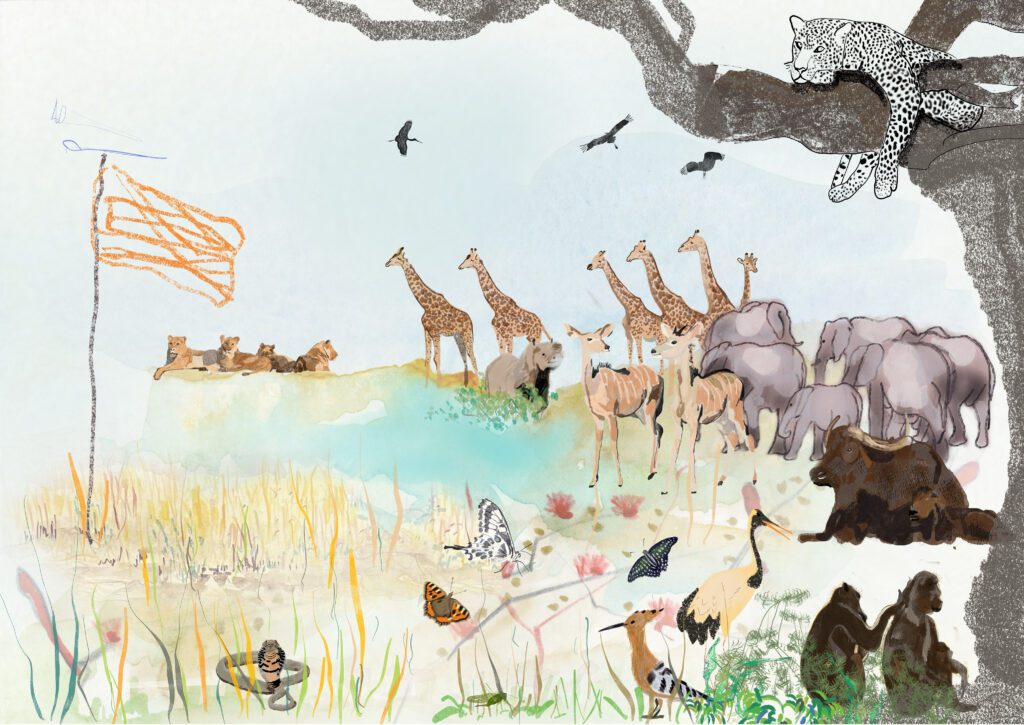
At Women in Arts Network, we’ve noticed something beautiful about certain artists. The ones whose work feels the richest, the most alive, are often people who took the long way around. Who spent years building careers in completely different fields before ever picking up a brush seriously. And somehow, all those years aren’t wasted. They’re right there in the work, adding depth most artists never access.
For our Birds exhibition, we were looking for artists who got what birds actually represent beyond just being pretty creatures to paint. Birds move through space in ways we can’t. They experience freedom of movement that humans need machines for. They navigate three dimensions while we’re stuck on surfaces. That’s what we wanted to see captured, not technically perfect feathers, but that sense of what it means to move through the world unbound.
Among the artists we selected, Gitta Pardoel’s work made us pause and look closer because there’s something different about how she sees space. Even when she’s working small, with just watercolor on paper, you can feel decades of thinking about how environments actually function. How spaces hold memory. How living things create atmosphere just by existing in certain arrangements. That understanding doesn’t come from art classes alone. That comes from someone who spent real years designing actual gardens and buildings before ever focusing on making images of them.
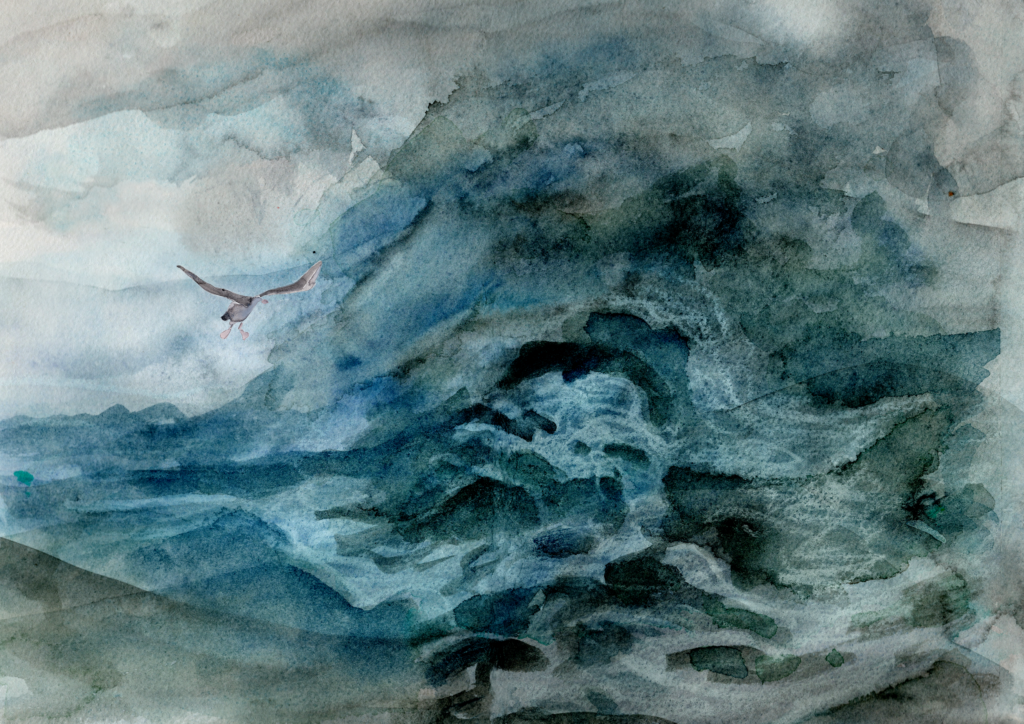
We chose Gitta because her work shows what happens when you bring everything you’ve learned from one life into another. She’s not just painting birds and flowers because they’re beautiful. She’s thinking about how they organize the space around them, how they make you feel something just by how they’re positioned, how a garden you visited years ago can live more vividly in memory than the house you’re standing in right now.
Before we hear from Gitta, here’s what makes her journey so compelling and why her work feels different from most nature art we see.
She studied architecture at Delft Technical University. Then she studied art at Utrecht and Leicester. That’s someone who wasn’t content with just one way of understanding how to shape the world. She wanted to know how to build actual three-dimensional spaces that people move through, and she wanted to know how to create two-dimensional images that make people feel something. Both. Not one or the other.
For years, she designed gardens professionally. Real gardens that people walked through and lived with. Later she specialized in ecological garden design and even taught it to others. Those weren’t wasted years away from “real art.” Those were years learning something most painters never understand: how to shape space with living materials. How to use color the way it actually appears in wild growth, not the way color theory says it should work. How to create environments that feel specific ways through careful choices about what goes where.
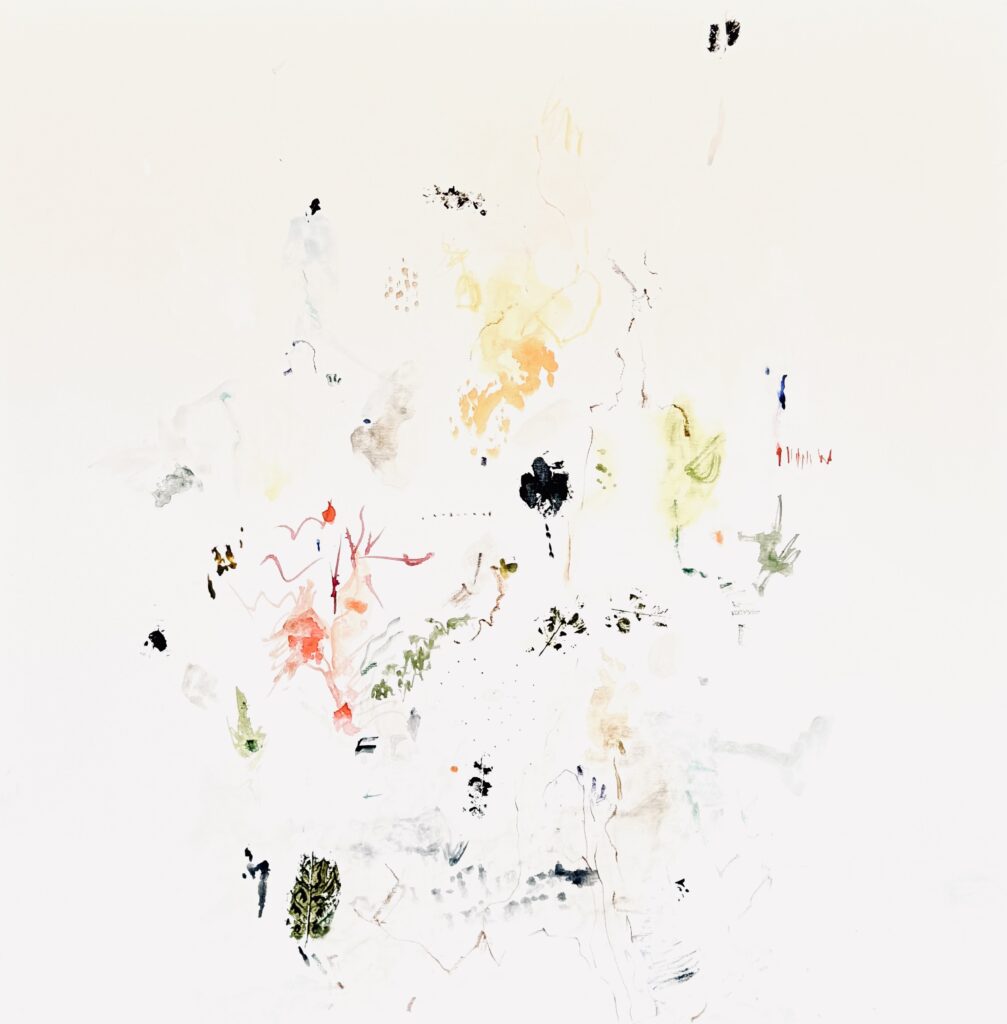
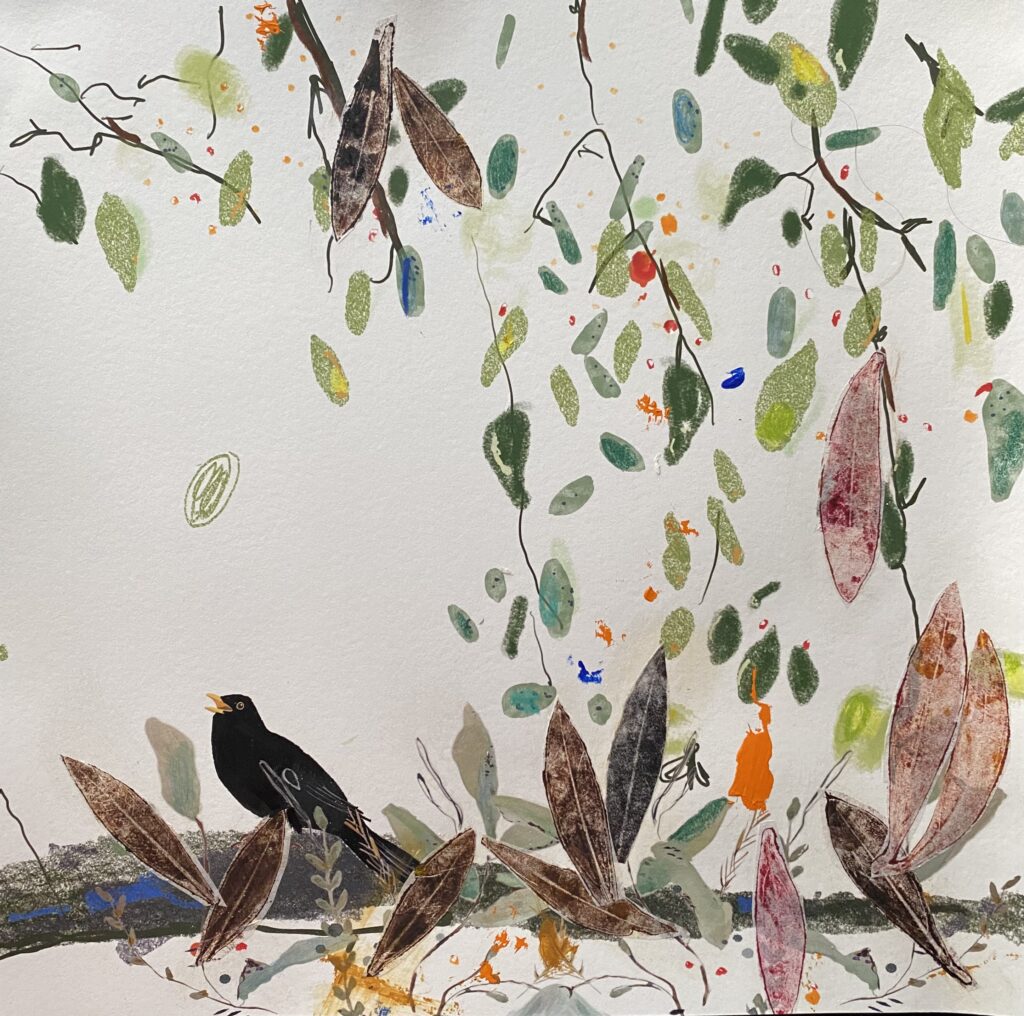
Birds show up everywhere in her work, and it’s not random. She sees them as the creatures that move the way she wishes humans could. Free in three dimensions. Not stuck on the ground. They navigate space the way we can only dream about without technology. That’s not just admiration for pretty animals. That’s understanding what they represent about freedom and movement and being unbound.
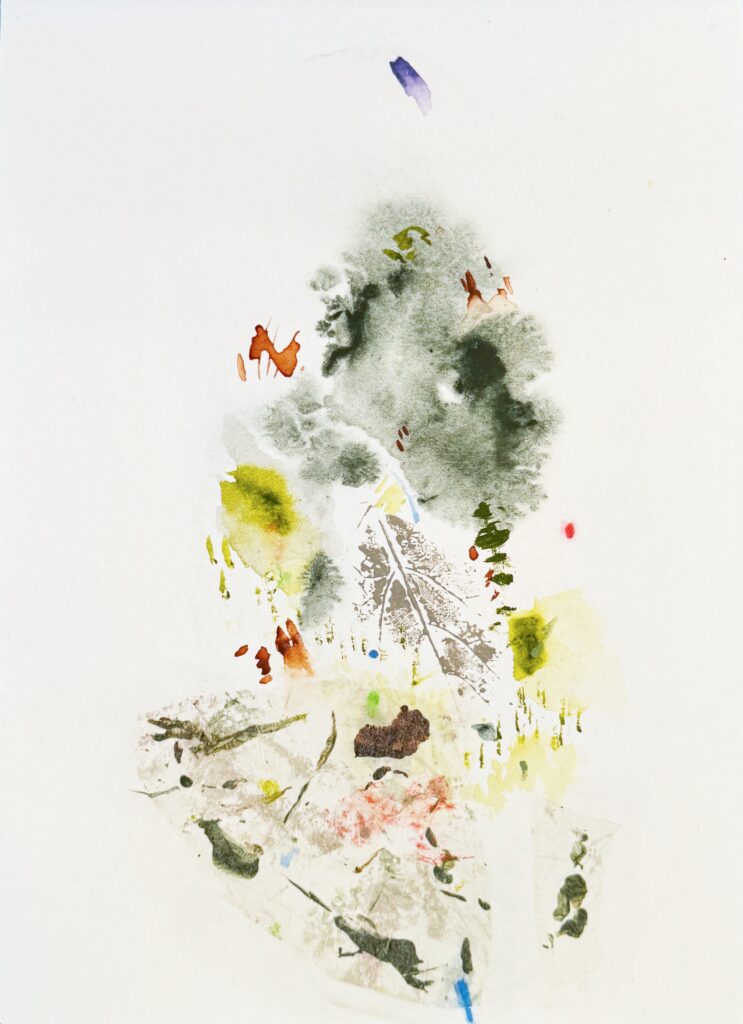
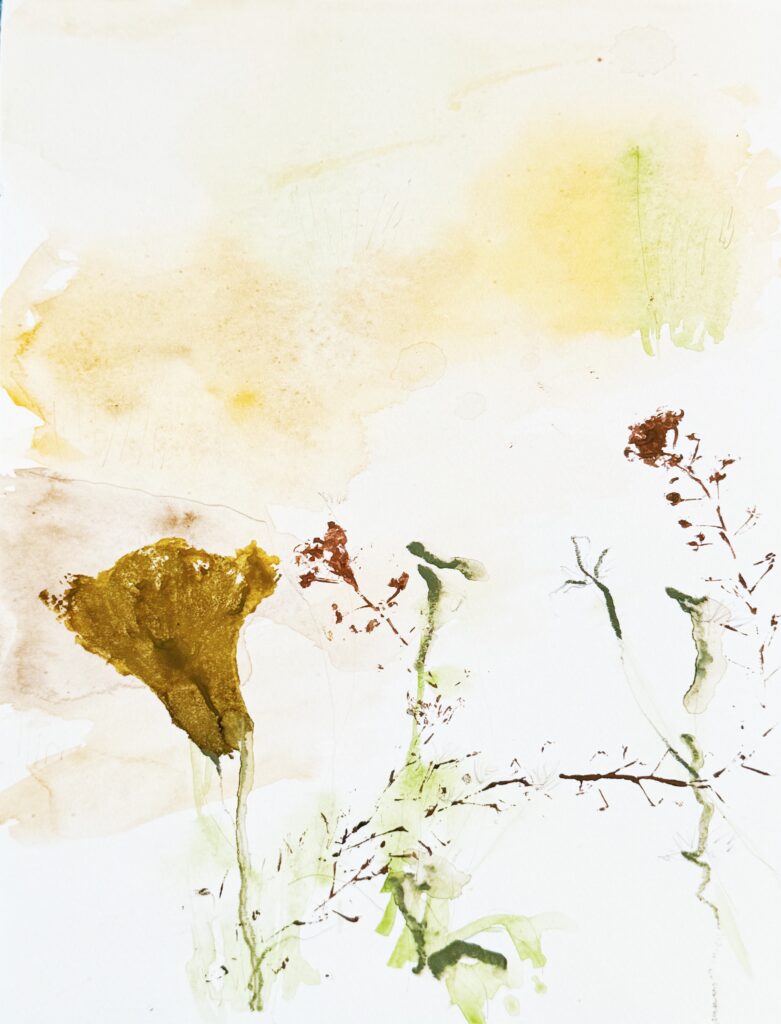
She works mainly with watercolor and watercolor pencils, sometimes mixing in ink or collage or acrylic when a piece asks for it. She does both commissioned illustration for nature organizations and children’s books, and her own independent work exploring what she calls flowers in spaces. The commissions give her clear direction, they tell her what to paint and she figures out how to make it hers. The personal work lets her keep investigating the question she’s been asking her whole career: how do spaces feel, and how do living things create those feelings?
Poetry matters to her too. She writes alongside making images because sometimes words say what pictures can’t, and when both come together right, they create something neither could alone. That comfort moving between different ways of expressing things comes from years of teaching creative process to students. Having to explain to other people how experimentation actually works, how you find courage to try things, how you see possibilities in what you make, all of that teaching made her own process clearer. Made her braver about not knowing where things will go before she starts.
What’s moving about her story is how the question stayed the same even as everything else changed. She’s always been asking: how do spaces hold memory? How do they make you feel things? How does arranging living materials create atmosphere? She just asked it through architecture first, then garden design, then teaching, and now through painting and poetry. The question never changed. The way she explores it keeps evolving.
Now let’s hear from Gitta about what happens when everything you learned in one career becomes the foundation for another, and why sometimes the bravest thing you can do is let go of what’s working to reach for what’s calling you.
Q1. Can you share your background and how your studies in architecture, urban planning, and landscape design at Delft University shaped the way you think about composition and space in your art today?
Indeed I studied at the Delft Technical University in which I got my degree in architecture (MSc) but I also studied art in Utrecht and Leicester where I got my MA in art. I am very interested in spaces. How space feels, organises, what happens in spaces. I feel like a space can have a memory. In architecture I learned to organise space 3 dimensional and how to influence the memory, the feel of spaces. In garden architecture (I designed gardens and landscapes and later on ecological gardens in which I taught too) I learned to shape space with living materials. To use colors as seen in the wild. When I was young I always looked at the gardens of houses, the trees, the flowers, more than I looked at the buildings. I remember our garden even now in detail as I forgot the interior where we lived. As a child we always camped in our vacations, in the wild and I love nature. Nature gives a positive balance in my life with all ups and downs. As an illustrator I am asked for drawings about nature, flora and fauna. And also with birds I have this special feeling. They fly and move in 3D through the sky as we humans need an airplane for that. And my life is filled with special stories with birds. As an independent artist my work is about flowers in spaces.
Q2. Nature particularly flora, landscapes, and organic forms appear as a central theme throughout your practice. What first drew you to the natural world as a long-term conceptual focus?
As I told you before from a very young age, I saw nature as important to me but to recognize it as my central theme was not until I started to design gardens. As I started to design gardens and teach ecological garden design my work as an independent artist changed and as an illustrator, I finally saw that nature was my balance. And as our environmental problems grow it is too a very important topic beyond my own person.
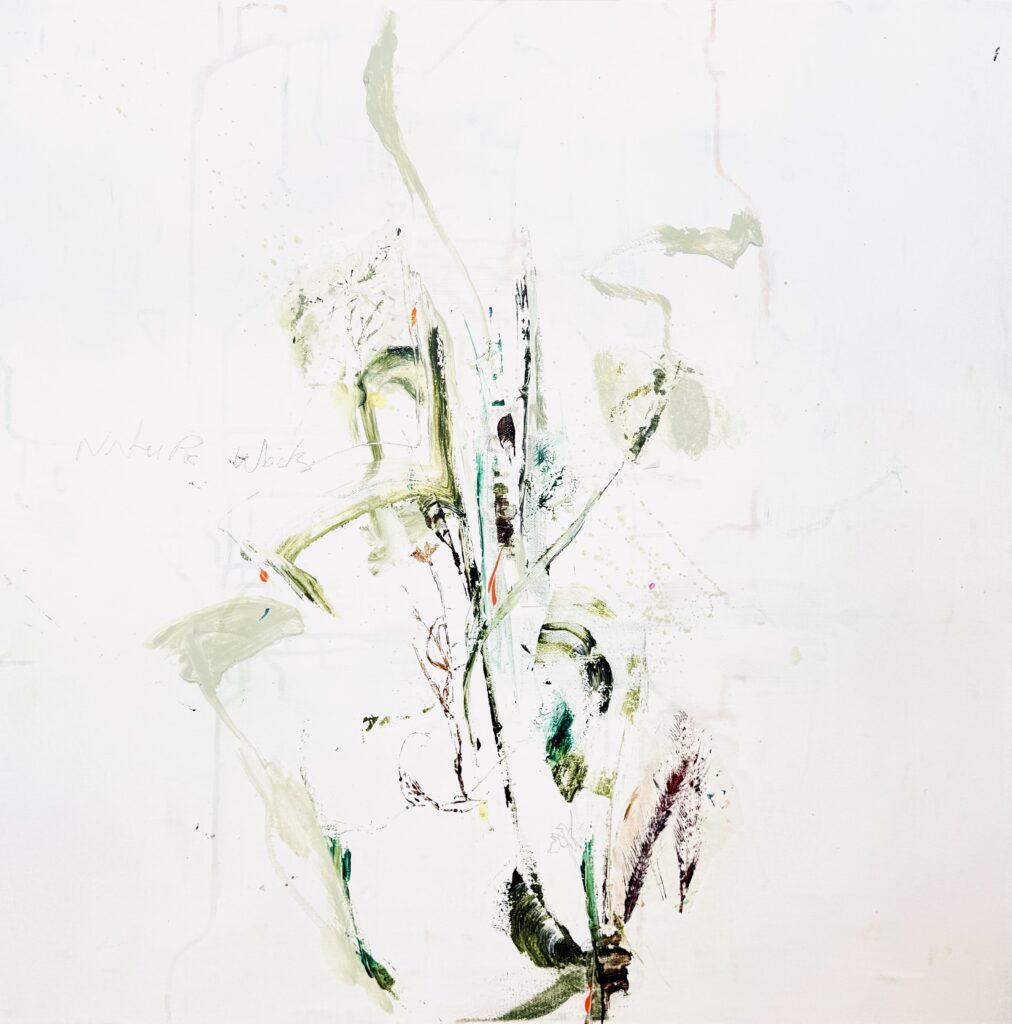
Q3. You work across watercolour, ink, collage, acrylic, drawing, and illustration. How does each material expand the narrative or emotional possibilities of a work?
Watercolour is the main material together with watercolour-based pencils. For my illustrations I use handmade watercolours and my iPad. Every material gives a feeling of plants, leaves, flowers etc.
Q4. You have exhibited internationally across Europe, Asia, Africa, and the Middle East. How do different cultural audiences respond to nature-based imagery, and has that influenced your approach?
As inspiration I make a lot of photographs and also make drawings from places to catch the feeling, light and colors. And everywhere you have different flora and fauna dependent on ground and climate. And that is influencing my work.
Q5. Your illustrations for nature organizations and children’s publications often combine educational and artistic goals. How do you balance clarity of message with artistic interpretation in these commissions?
That’s a tough one. The stories for children have personal motivations and its difficult to get them published. Sometimes it works, sometimes not. The drawings for nature organisations are real assignments. They tell me what subject and I translate that in my way.
Q6. Poetry plays an important role in your practice, bringing word and image to what you describe as the same level. How does writing poetry change the way you approach visual storytelling?
Sometimes I can say a feeling better in words and sometimes with an image. When they come together they have to fill each other so that there’s growing something different then only the words and the images.
Q7. Having taught art and design for many years, how has teaching shaped your own thinking about experimentation and creative development?
Explaining to students how a creative process grows was one of my main subjects. The unpredictability and courage, the surprises and seeing, looking what possibilities have come out is very important to any artist and teaching this gave my own creative process much more clarity.
Q8. Many of your projects explore storytelling through images, books, and installations. What draws you to narrative as an enduring component of your artistic practice?
It starts with some poetic words in my head, or I see two different things which have nothing to do with each other in the same minute. That is already a story for me. Put a yellow flower next to an image of a child jumping and you have a story.
Q9. Looking back at earlier works compared with what you create today, what shifts in perspective or priorities feel most significant?
Nature. Before I looked at different ways to play with spaces, the feeling, the meaning through architecture, art, stories, poetry. Now I still play with the concept space, but my subject changed to nature.
Q10. When viewers stand in front of your work, what kind of emotional or sensory experience do you hope they take with them?
I hope they feel the colours, hear the soft waving winds, smell the sweetness when they walk through a garden.
Q11. What advice would you offer artists seeking to build a multidisciplinary practice that bridges design thinking, storytelling, and personal artistic expression?
Experiment
Wrapping up with Gitta, I keep coming back to something that most people completely miss about career changes.
We talk about them like they’re failures. Like spending years in architecture or garden design before becoming a full-time artist means you wasted time, took wrong turns, didn’t know what you wanted. We treat every shift as evidence of confusion or lack of commitment.
But look at what Gitta’s work actually does that most nature painters can’t. She doesn’t just paint birds sitting on branches or flowers arranged prettily. She paints space itself. The way a garden holds memory. The way birds move through three dimensions while we’re stuck on flat ground. The way living materials create atmosphere that lingers long after the actual place is gone.
That understanding didn’t come from art school. It came from decades of literally building three-dimensional environments, of shaping how people experience space with actual gardens and structures, of teaching others how living materials create feeling. Those weren’t years away from art. Those were years learning a language most painters never access.
Here’s what strikes me about artists who take the long route. They’re not confused. They’re gathering vocabularies. Every seemingly unrelated career is teaching them another way to see, another framework for understanding how things work. And when they finally focus all of that accumulated knowledge on making art, the work carries depth that going straight to painting school never would have provided.
Gitta spent years learning how spaces hold memory through architecture. How color functions in actual growth patterns through garden design. How courage and experimentation develop through teaching creative process. None of that was preparation for art. It was art, just in different forms. And now when she works on paper, all of that shows up in ways she probably doesn’t even consciously recognize.
If you’ve built something substantial in one field and feel pulled toward something else, here’s what her work proves. You’re not abandoning what you built. You’re taking every skill, every way of seeing, every hard-won understanding and redirecting it. The foundation stays. You’re just constructing something different on top of it.
And that thing you’re worried about, that you’ve already invested so many years in the wrong direction? Those years aren’t wrong. They’re giving you perspective and understanding that will make whatever you do next deeper and more interesting than it could have been otherwise. The detours are often what matter most.
Follow Gitta from the links below to see what decades of spatial thinking look like when they meet devotion to nature, and proof that the bravest thing you can do is trust that everything you’ve learned matters, even when you can’t yet see how.
