
Rust, Light, and Time: How One Photographer Captures Agricultural History ┃ Sarah Anderson
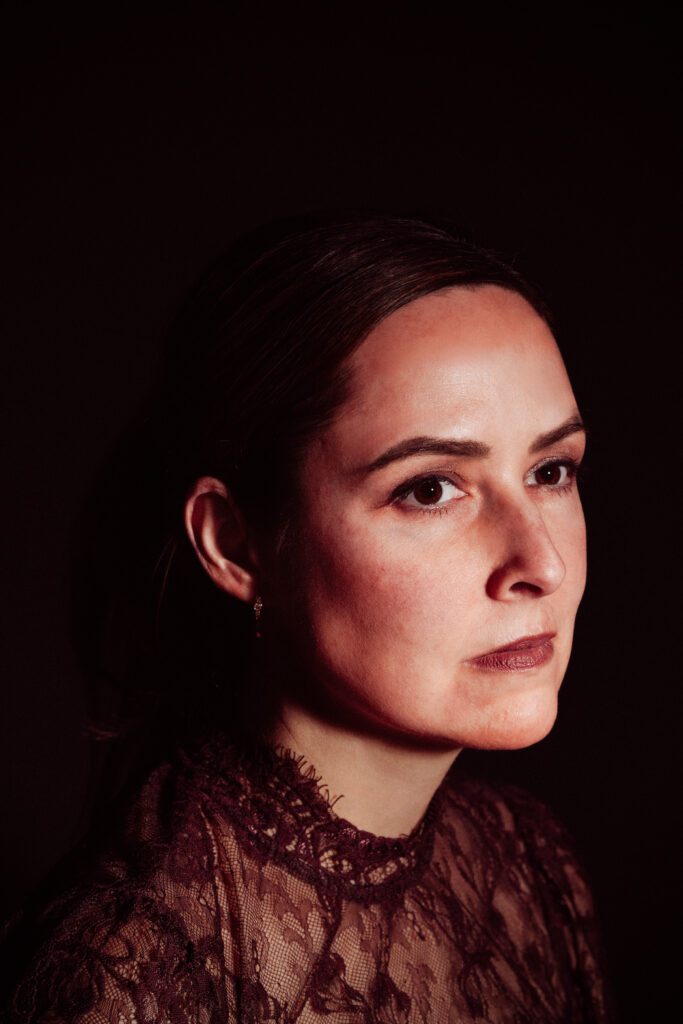
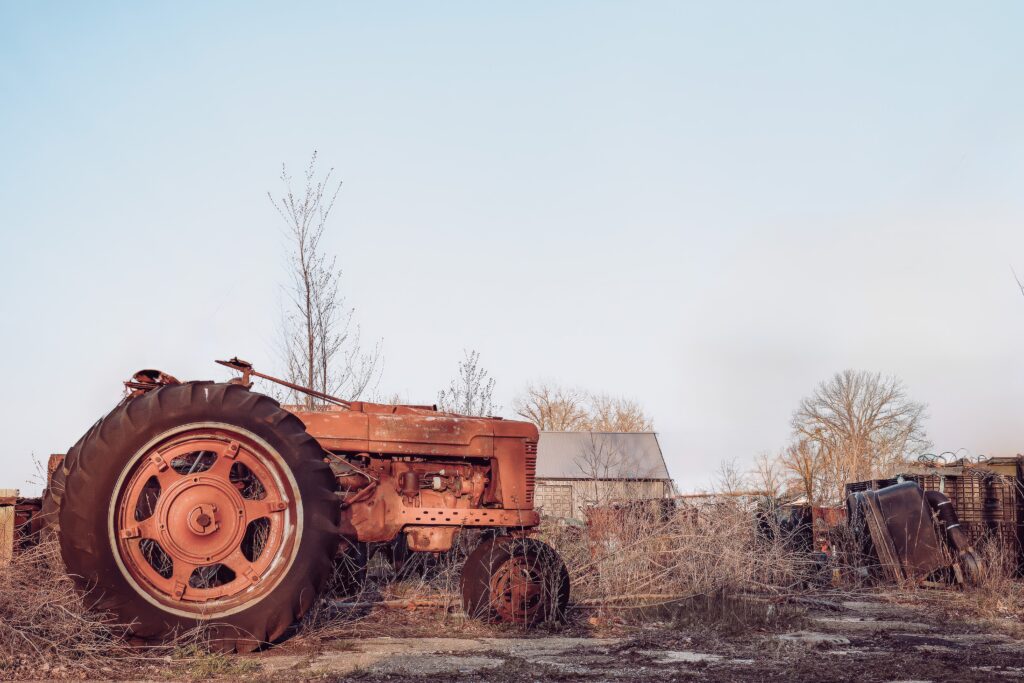
At Women in Arts Network, for our Landscape and Places exhibition, we got beautiful landscapes from all over the world. Coastlines and mountains and golden light on ancient cities. And then Sarah Anderson sent us a rusted tractor in a Midwest field and it stopped us cold.
Not because it was pretty. Because it was true. Because she looked at something most people consider an eyesore and photographed it with the kind of attention you’d give a cathedral. And suddenly you’re not seeing junk on the side of a road. You’re seeing time. You’re seeing history. You’re seeing a whole story about technology and farming and change and loss sitting right there in plain view where everyone drives past it every single day.
Sarah is a selected artist for the Landscape and Places exhibition and her work proves that the most powerful landscape isn’t always the most beautiful one. Sometimes it’s the one nobody else bothered to look at.
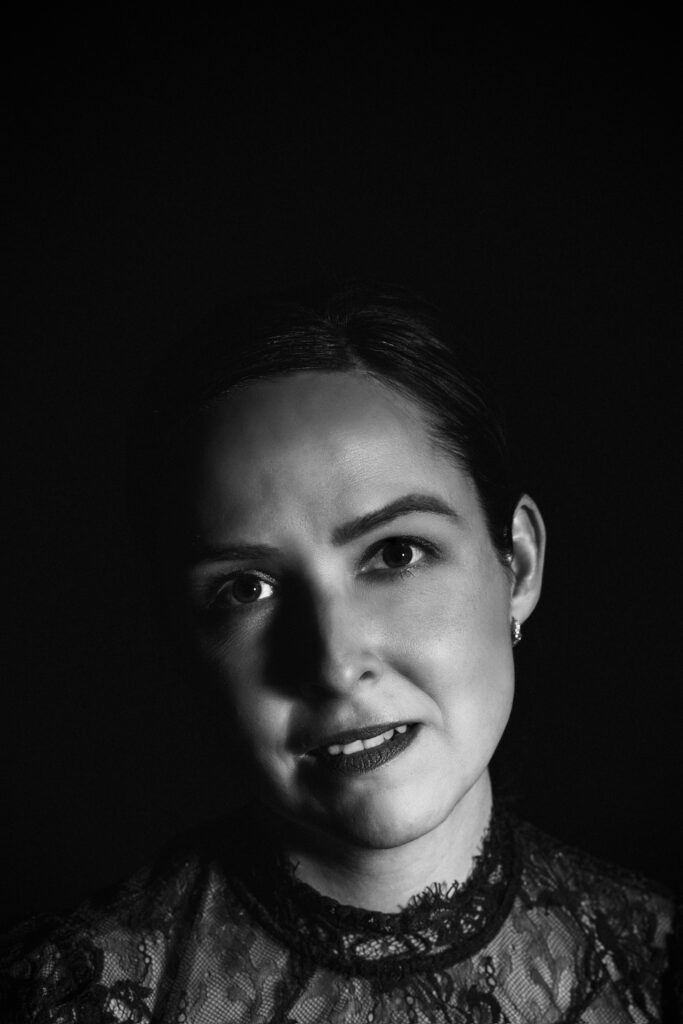
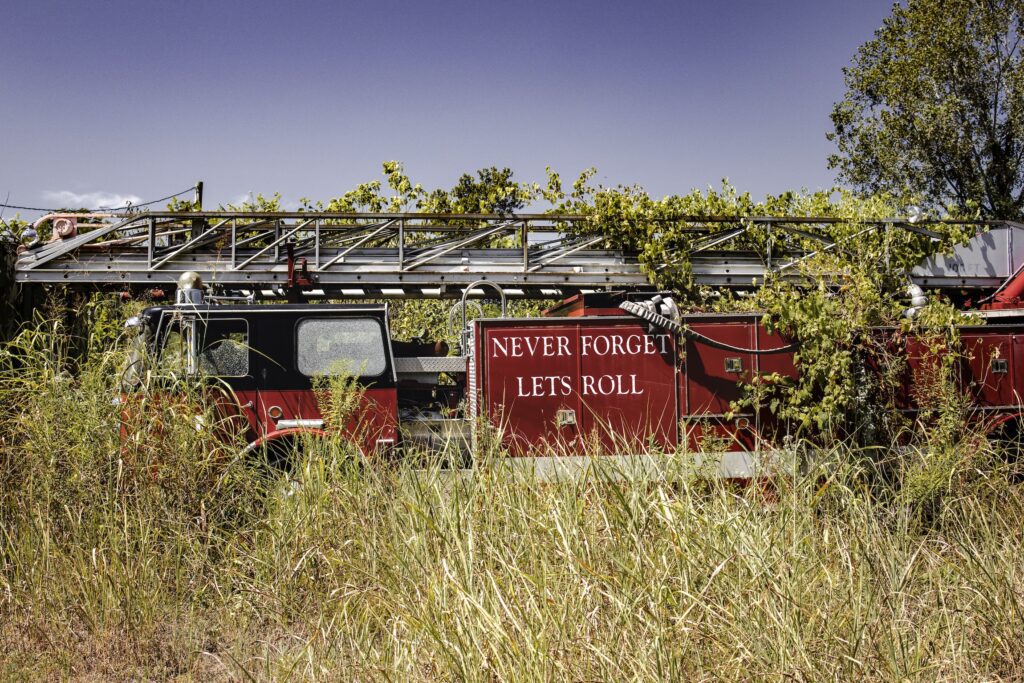
She photographs abandoned things across the rural Midwest. Machines that were somebody’s pride once, cutting-edge technology once, and are now just metal folding back into the ground. She sees them every day on her way to work and instead of doing what everyone else does and letting them blur into nothing she pulls over.
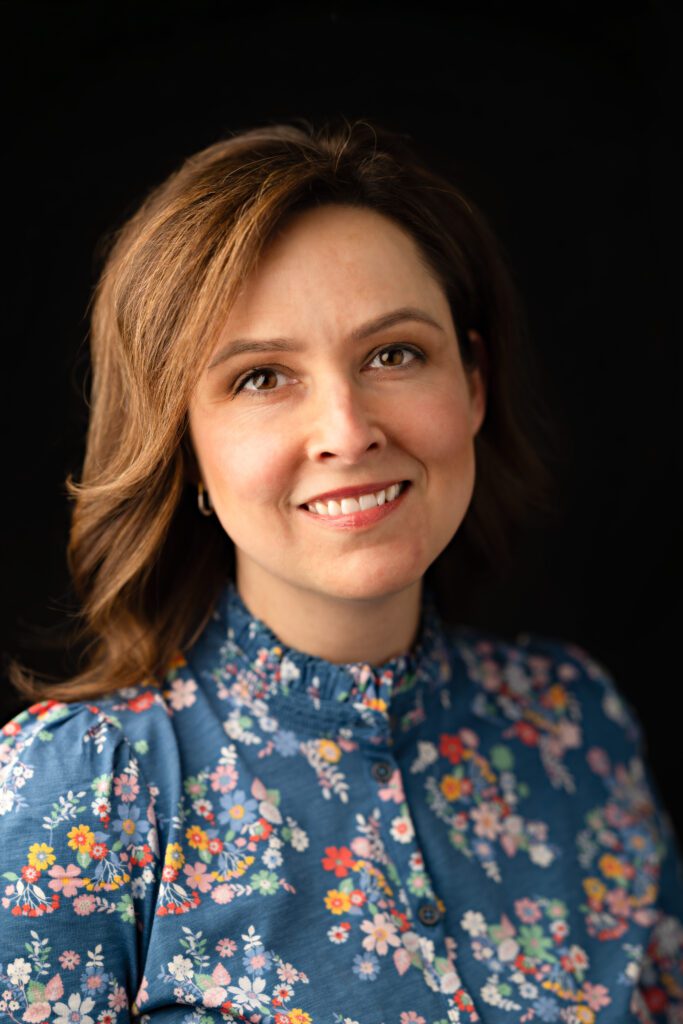
And here’s the thing about Sarah that makes the whole story land differently. She’s a doctor. Fifteen years in medicine. Photography happened because her son started school and she felt this pull toward something she’d been ignoring for years.
She’d loved analogue photography back in the nineties and picked up a digital camera and what started as a way to use the creative side of her brain turned into something much bigger much faster than she expected. She studied at RISD, finishes this year, and she’s been accepted into an MFA Photography programme at Savannah College of Art and Design starting this fall. That’s not a hobby. That’s a woman who realised she was more than one thing and decided to make room for all of it.
When she can she goes and talks to the people who own the land these machines are sitting on. Hears their stories. Learns what happened, what changed, why this tractor ended up here and not at the scrap yard. And that history goes into the photographs even though you can’t see it. You feel it though. There’s a weight in her images that comes from actually knowing what you’re looking at instead of just pointing a camera at something interesting.
Now let’s hear from Sarah, about rusted machines and the stories they’re still holding, about fifteen years of medicine and the creative self that waited patiently through all of it, about the same road every day and seeing something new every time, and why the things most people drive past might be the things most worth stopping for.
Q1. Can you share your journey like what led you toward photography, and how your background has shaped the way you approach your work today?
I have been a practicing physician for 15 years. I’ve always had a creative side but hadn’t had time to really express my creative interests in several years, mainly due to school, residency, and then having my son. When my son entered elementary school, I felt the pull to revisit my creative side. I could tell there was a part of me that was unfufilled. I loved analogue photography in the 90s and decided to explore digital photography as a way to make art from the world around me. I found that being able to create was an incredibly healthy outlet for me mentally as well; something completely opposite from medicine that would take my mind off of work.
Q2. The name Waterbearer carries a sense of symbolism of holding, carrying, and offering something to others. What does this idea represent within your work and creative identity?
This is a nod to the fact that I am an Aquarius! I chose this name to evoke the notion of the flow of creative energy.
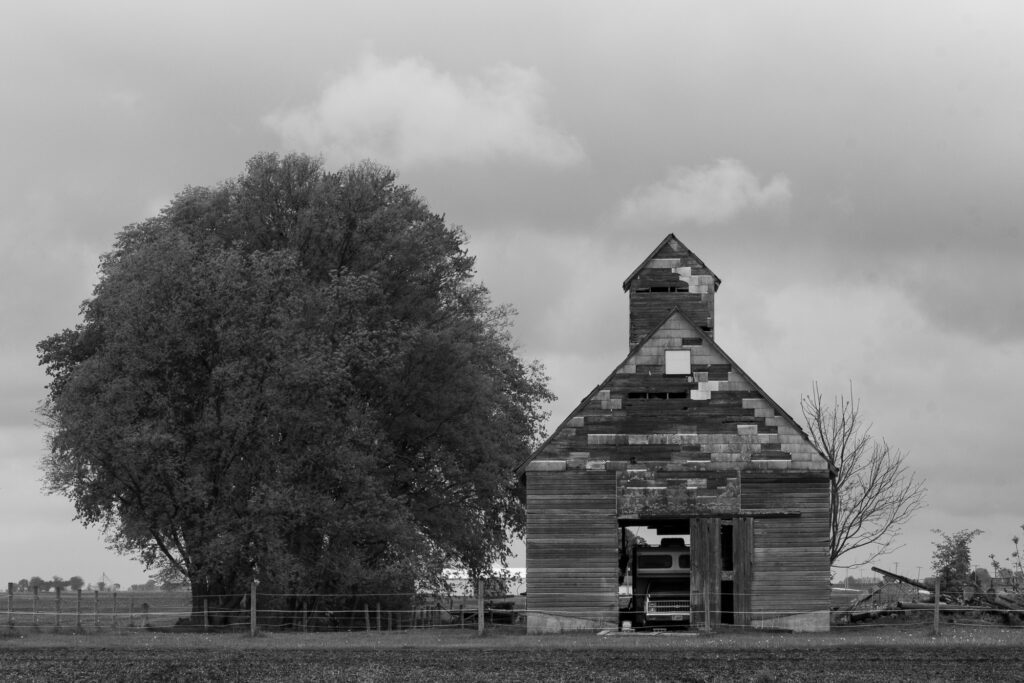
Q3. Your work focuses on the relationship between modern society and abandoned structures across the Midwest. What first drew you to these spaces, and what do they represent for you beyond their physical presence?
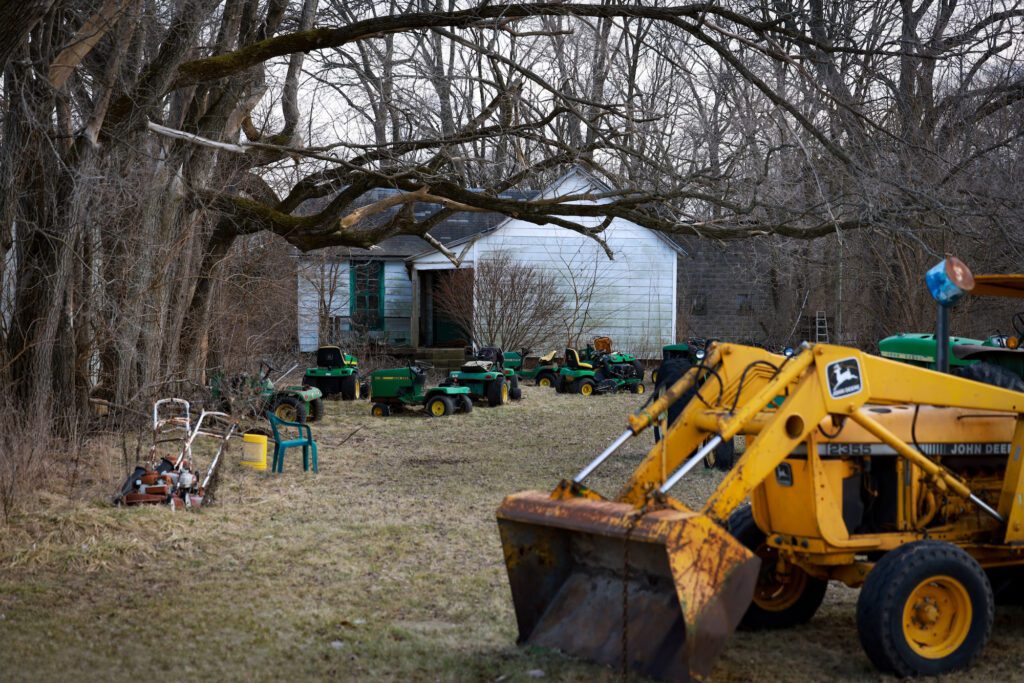
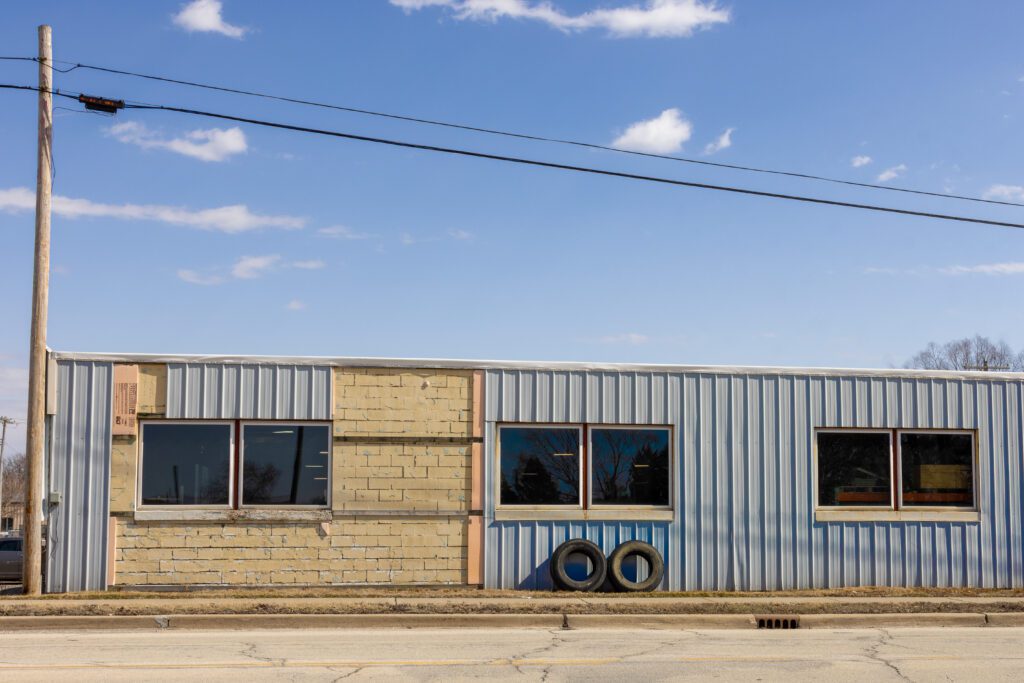
I see these abandoned objects day in and day out on my drive to work. Machines that were at one time, cutting edge technology. How they became to be heaps of rusted metal on the road fascinated me for some reason- the history and story behind how they became to be here.
They are unsightly to some but represent an important part of our agricultural legacy. It is also a testament to how technology itself has so rapidly changed the farming community around me.
Q4. There is a strong sense of time within your images of what has been left behind and what continues to exist. How do you think about time when creating your photographs?
I focus on the machine or building and really retreat into my imagination on that- I wonder what was the world like then, when this machine was brand new? At what point did it become obsolete ? Why was it left out in plain view on the side of the road, instead of sold for scrap metal or parts? When was the last time it was used ? I often stare at the photos and study them, in my mind rendering what they looked like when they were first purchased- not unlike imagining how an aged face may have looked decades ago.
Q5. Working with abandoned sites can involve both practical and conceptual challenges. How do these environments influence the way you approach composition and image-making?
I try to gain permission while doing this work- it’s not always possible but the connection I feel to the area when I have some history really changes how I view what I’m shooting.
I love hearing the stories about what things were like before, and learning what changed that lead to the decline of the machine or city altogether. It’s more than asking permission, it’s gaining a full background as to the “why”. It’s not always possible but when it is, you feel a sense of advocacy as well as artistry when creating.
Q6. As a photographer, you are working with subjects that already exist, yet your work transforms them into something new. How do you navigate that space between observation and creation?
I will photograph something over and over again. Different light, time of year, weather, etc. because these machines now exist in the environment, it’s amazing the influence nature can have on how it is perceived visually. I usually do this and then go through the images to see which one speaks to me most or evokes a sentiment.
Q7. Being an emerging artist while still in the process of formal study can be both exciting and uncertain. How has your experience at RISD influenced the way you think about your work?
RISD has been crucial in my development. It pushed me in ways I did not know possible and although it was challenging, I am so glad I took the leap. I finish in May, and I am very fortunate to have been accepted to the MFA in photography program at Savannah College of Art and Design starting this fall. The academic environment pushes me out of my comfort zone and exposes me to so many interesting and talented artists that have inspired much of my work.
Q8. Choosing to focus on themes of decay, memory, and history can feel quieter compared to more immediate or contemporary subjects. Was there ever a moment where this direction felt uncertain?
No but that’s the beauty of photography- if I want to go and shoot portraits or live action sports, etc, I can do that as well. It’s such a flexible and versatile medium that i know I could pivot if I felt the need. Photography is a passion of mine specifically because of its versatility and range; if I need an artistic or creative jumpstart I can chose it any day!
Q9. Photography allows for both immediacy and reflection. How do you navigate the relationship between spontaneous moments and more considered image-making?
Being prepared for the spontaneous can be difficult, but I’ve found with my education that my eye has become more trained to find the spontaneity and unexpected in a moment or place. Where I live is rural and slow in general, so unfortunately the spontaneous here is not that common. I do try to recognize it when it arises whether I have my camera or not.
Q10. The viewer plays an active role in interpreting an image. How much of that meaning is guided, and how much is left open?
I think it depends on the artist’s statement and the viewer’s desire to know more. Before I began my journey, I had no idea what and Artist Statement was and the importance of that. I think even the best made images are enhanced by a strong and concise artist statement, these can really augment the interpretation of the image.
Q11. Building a photographic practice today often means navigating visibility, growth, and self-definition at the same time. What have been some of the challenges in shaping your voice?
Creating cohesive worker without pigeonholing myself has been a challenge. I am still refining a style that reflects that I was the photographer- no matter what the subject is. You want consistency for your brand and your art, but you don’t want repetition. It can be hard to separate the two.
Q12. As your work continues to develop, what questions or ideas feel most important for you to explore next?
I would like to involve the human side more in the story telling. Who are the people living in the house behind that rusted out trailer or rotten barn? How can I preserve their legacy in addition to that of their possessions?
Q13. What advice would you give to photographers who are trying to develop their own voice in an image-saturated world?
Stay true to yourself and be patient!
As our conversation drew to a close with Sarah, we found ourselves thinking about the things we drive past. Every day. Without looking. The things that have been sitting in the same spot for so long they’ve become invisible to everyone who lives near them.
And we wondered how much of life is like that. How many things are right in front of us, holding entire histories, waiting for someone to notice, and nobody does because we’re all moving too fast and looking too far ahead.
Sarah notices. That’s her whole practice in two words. She notices. And because she notices, things that would have disappeared without a trace get to exist as more than rust and collapse. They get to be seen the way they deserve to be seen.
As evidence that someone built something here. That someone’s hands touched this metal when it was new. That someone’s life depended on this machine working and then one day it didn’t and the world moved on but the machine stayed right where it was, like it was waiting for someone to come back and acknowledge what it meant.
We think there’s something in that for all of us. The reminder that the things we overlook are usually the things carrying the most. The most history. The most weight. The most story. And the person who stops while everyone else keeps driving, who gets out of the car and stands in a field and really looks, that person is doing something the rest of us forgot we needed to do.
Slow down. Look at what’s actually here. Before it’s gone.
To follow Sarah’s journey and see more of her work, find her through the links below.
