
Now Live: Virtual Exhibition on The Beauty of Still Life
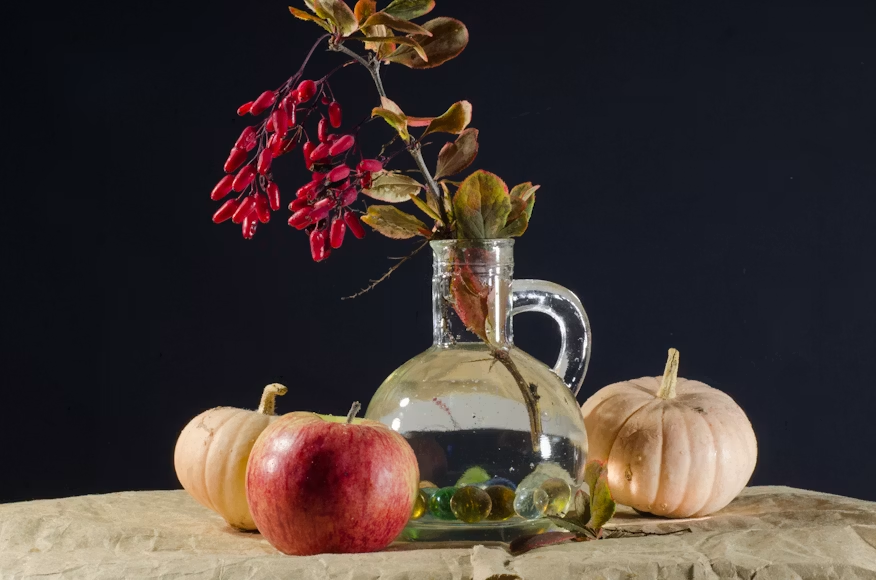
Every exhibition begins with a question, what story do we want to tell together? At Women in Arts Network, we carefully consider each theme we present, choosing subjects that invite reflection, spark creativity, and leave room for every artist’s unique perspective. For our latest virtual exhibition, The Beauty of Still Life, we wanted to celebrate a genre that has quietly inspired artists for centuries, reminding us that even the most ordinary objects can hold extraordinary meaning.
Still life is often mistaken for one of art’s simplest genres, a careful arrangement of flowers, fruit, books, or everyday objects. Yet beneath its quiet surfaces lies one of the richest forms of visual storytelling. For centuries, artists have turned to ordinary objects not merely to record what they see, but to explore memory, identity, symbolism, time, and the beauty hidden within everyday life.
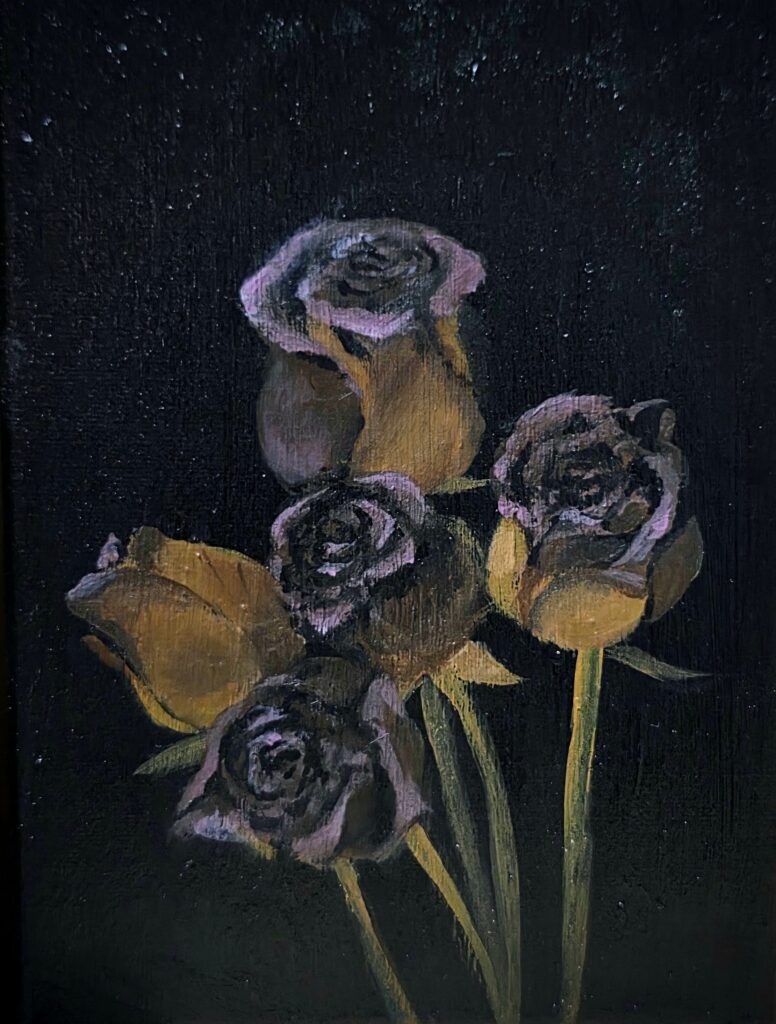
Looking at first, a vase of flowers or a bowl of fruit may appear ordinary. Look closer, however, and each object begins to carry meaning. A weathered teacup can speak of family traditions, wilted blooms can reflect the passage of time, and treasured keepsakes can become portraits of the people who own them. Still life invites both artists and viewers to slow down, observe with intention, and discover extraordinary stories in seemingly ordinary things.
As Women in Arts Network presents The Beauty of Still Life, our latest international virtual exhibition, we invite you to look beyond the genre’s traditional definition. In this editorial, we explore the fascinating history of still life, the artists who shaped it, the symbolism that gives it depth, and why it continues to inspire contemporary artists around the world. Whether you’re creating your own interpretation or simply discovering the genre anew, still life reminds us that beauty often begins with paying attention.
Understanding the Art of Still Life
At its core, still life is a genre of art that focuses on inanimate objects. These may include flowers, fruit, books, ceramics, textiles, food, personal belongings, or carefully arranged collections of everyday items. While the subjects remain still, the ideas they communicate are anything but. It is this depth and versatility that inspired The Beauty of Still Life, our latest virtual exhibition at Women in Arts Network.
Unlike portraiture or landscape painting, still life does not rely on human figures or dramatic scenery to tell a story. Instead, it asks artists to find meaning in the objects that surround them. Every choice, from the arrangement and lighting to the colours and textures, contributes to a narrative that extends far beyond the objects themselves.
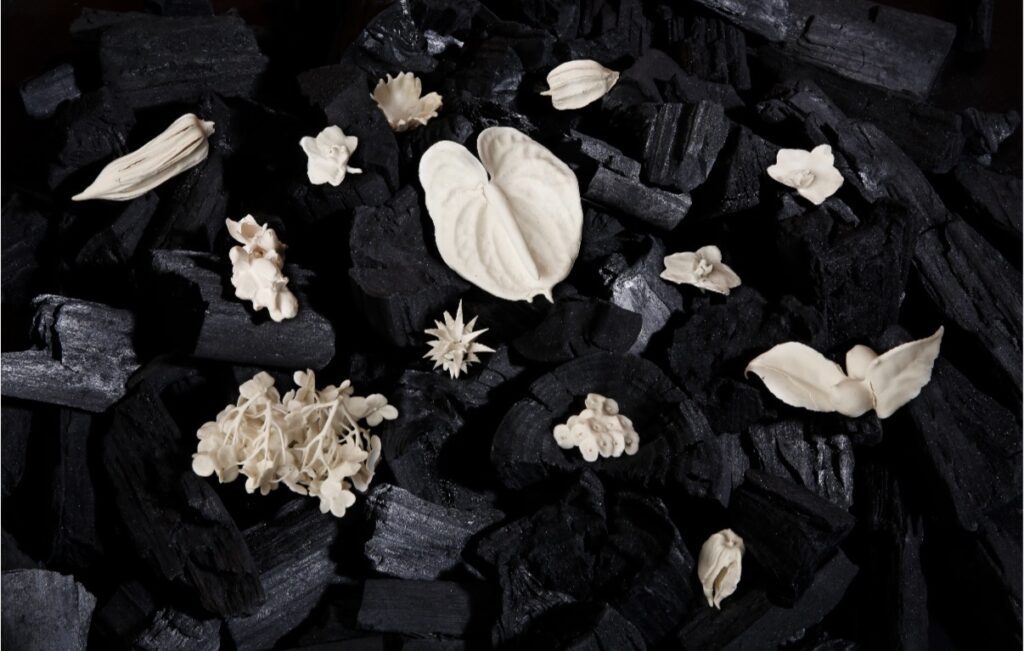
Throughout history, artists have used still life to express ideas about abundance, loss, memory, identity, spirituality, and the passage of time. A single flower can symbolize hope or impermanence. A well-worn book may speak of knowledge, nostalgia, or personal history. Even the simplest objects can become powerful visual metaphors when viewed through an artist’s unique perspective. That openness to interpretation is exactly what we hope to celebrate through this exhibition, inviting artists to tell their own stories through the objects that speak to them.
Perhaps this is what makes still life so enduring. It encourages us to pause, observe closely, and recognize that the ordinary is often anything but ordinary. In the hands of an artist, everyday objects become stories waiting to be told. At Women in Arts Network, we believe every artist brings a unique way of seeing the world, and we can’t wait to discover the many interpretations that will shape The Beauty of Still Life.
The History of Still Life, A Journey Through Time
Although still life is often associated with European painting, its origins stretch back thousands of years. Ancient Egyptians decorated tombs with images of food, vessels, and everyday possessions, believing these objects would accompany the deceased into the afterlife. Similar depictions appeared in Ancient Greece and Rome, where frescoes and mosaics celebrated the beauty of nature and domestic life.
Still life did not emerge as an independent genre until the 16th and 17th centuries. During the Dutch Golden Age, artists began creating paintings devoted entirely to everyday objects, from lavish floral arrangements and overflowing banquet tables to musical instruments, books, and finely crafted glassware. These works reflected growing prosperity, but they also carried deeper meanings, reminding viewers that beauty, wealth, and even life itself are temporary.
Many of these paintings belonged to a tradition known as vanitas, a style of still life rich in symbolism. Objects such as extinguished candles, hourglasses, fading flowers, and human skulls served as quiet reminders of mortality and the passing of time. At the same time, ripe fruit, precious metals, and delicate porcelain celebrated craftsmanship, abundance, and the pleasures of daily life.
As artistic movements evolved, so did still life. Impressionists explored light and colour through everyday arrangements, while Post-Impressionists and Modernists transformed familiar objects into bold studies of form, composition, and emotion. Today, the genre continues to evolve through photography, sculpture, textiles, ceramics, installation, and digital media, proving that still life is not defined by a single medium, but by the stories artists choose to tell through ordinary things.
Masters of Still Life Art Through the Centuries
As still life evolved, artists across different centuries and movements reimagined what the genre could be. Some pursued remarkable realism, while others used everyday objects to experiment with colour, composition, emotion, and abstraction. Together, these artists transformed still life from careful observation into one of art’s most expressive and enduring forms.
Caravaggio (1571–1610)
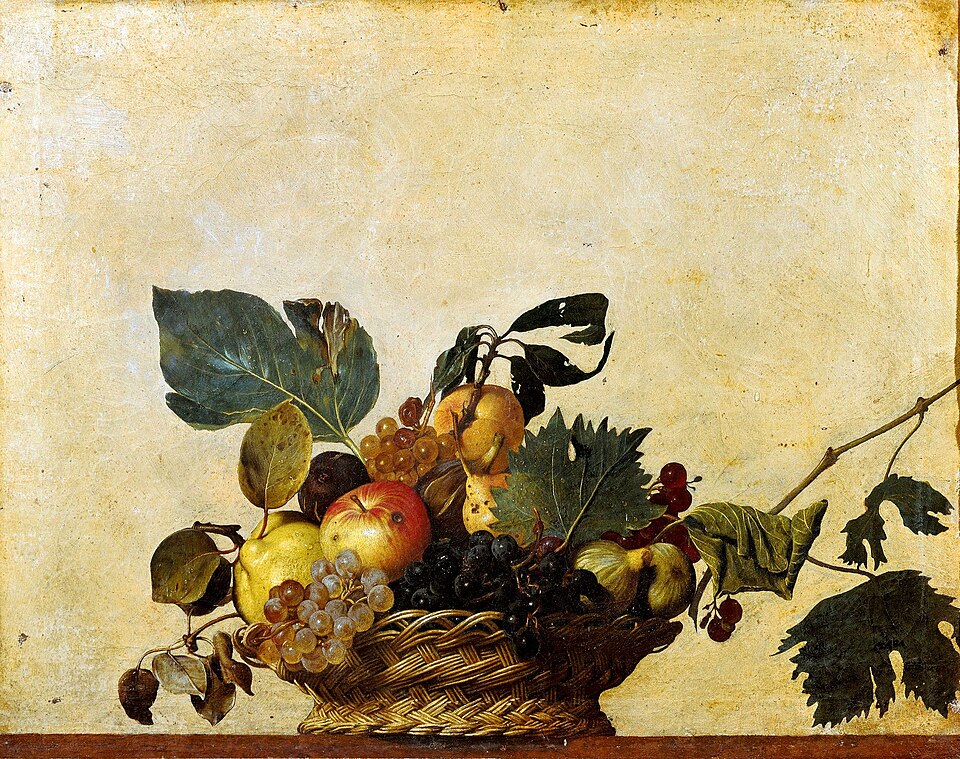
Known for his dramatic use of light and shadow, Caravaggio brought remarkable realism to still life. His Basket of Fruit remains one of the genre’s most celebrated works, capturing the beauty, imperfections, and natural decay of everyday objects.
Rachel Ruysch (1664–1750)
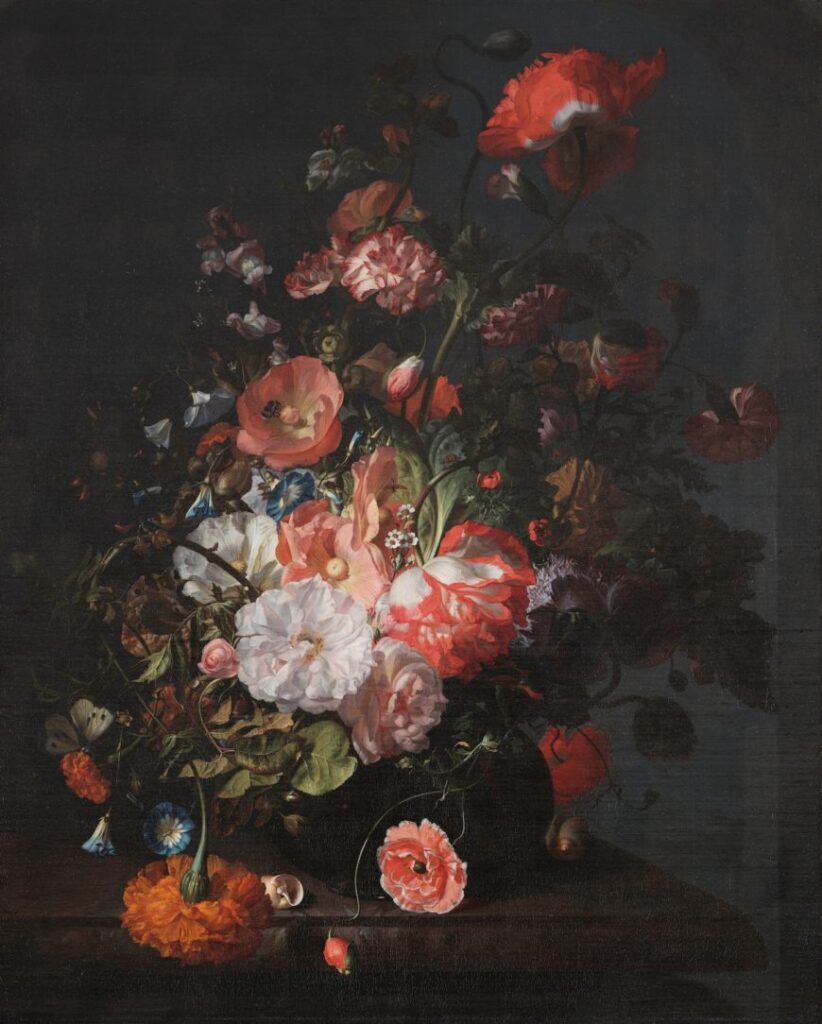
One of the Dutch Golden Age’s finest floral painters, Rachel Ruysch created intricate botanical compositions that combined scientific precision with artistic elegance. Her luminous bouquets celebrated both nature’s beauty and its fleeting qualities.
Paul Cézanne (1839–1906)
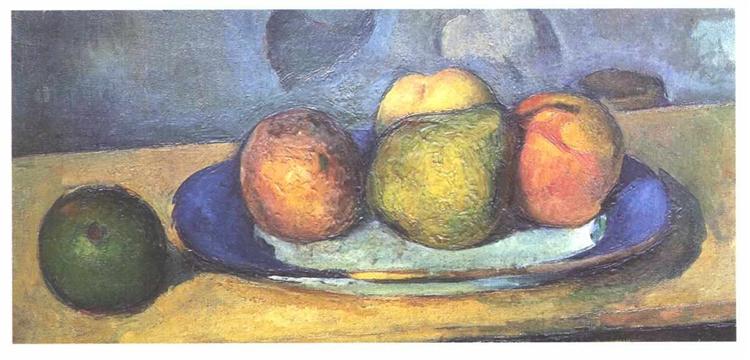
Paul Cézanne transformed ordinary apples, bottles, and tableware into innovative studies of form and perspective. His still life challenged traditional composition and helped pave the way for modern art.
Vincent van Gogh (1853–1890)
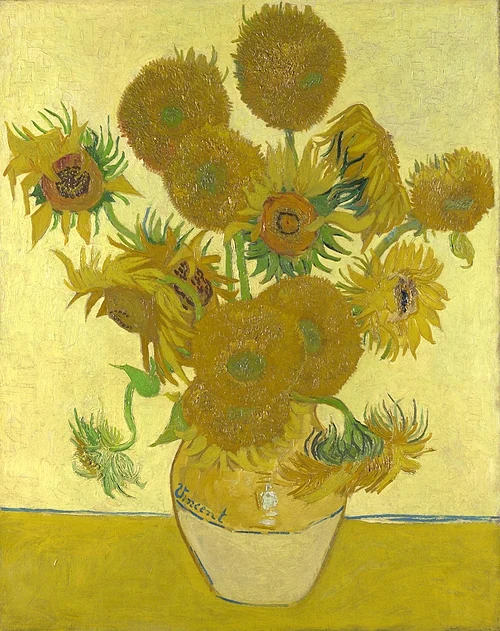
For Vincent van Gogh, still life became a powerful form of emotional expression. Through vibrant colours and expressive brushstrokes, he transformed flowers and everyday objects into works filled with energy and feeling.
Giorgio Morandi (1890–1964)
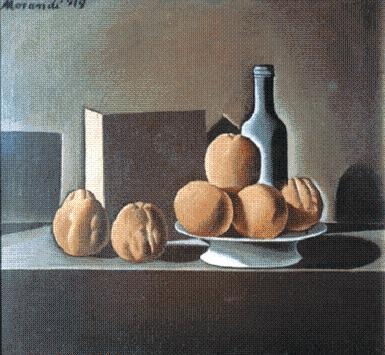
Working with simple arrangements of bottles, jars, and ceramics, Giorgio Morandi found beauty in repetition and simplicity. His quiet compositions demonstrate how subtle changes in light and form can create profound visual impact.
From Caravaggio’s remarkable realism to Morandi’s quiet minimalism, these artists remind us that still life has never been confined to painting objects alone. It is a genre that continually evolves, shaped by each artist’s unique way of seeing the world.
Why We Chose The Beauty of Still Life
When planning this exhibition, we wanted a theme that was accessible yet profound. Still life has the unique ability to connect artists across cultures, mediums, and experiences. Every artist has objects that hold meaning, memories that deserve to be shared, and a perspective unlike anyone else’s.
One of the greatest strengths of still life is its openness to interpretation. The same object can hold entirely different meanings depending on who chooses it and why. A favorite mug, an old camera, or a collection of seashells can become deeply personal, carrying stories that only the artist fully knows.
This ability to transform everyday objects into visual narratives has kept still life relevant across generations. Rather than simply documenting what exists, artists use carefully chosen objects to explore identity, memory, relationships, culture, belonging, and the quiet moments that shape our lives. In many ways, a still life can become a self-portrait without ever depicting a face.
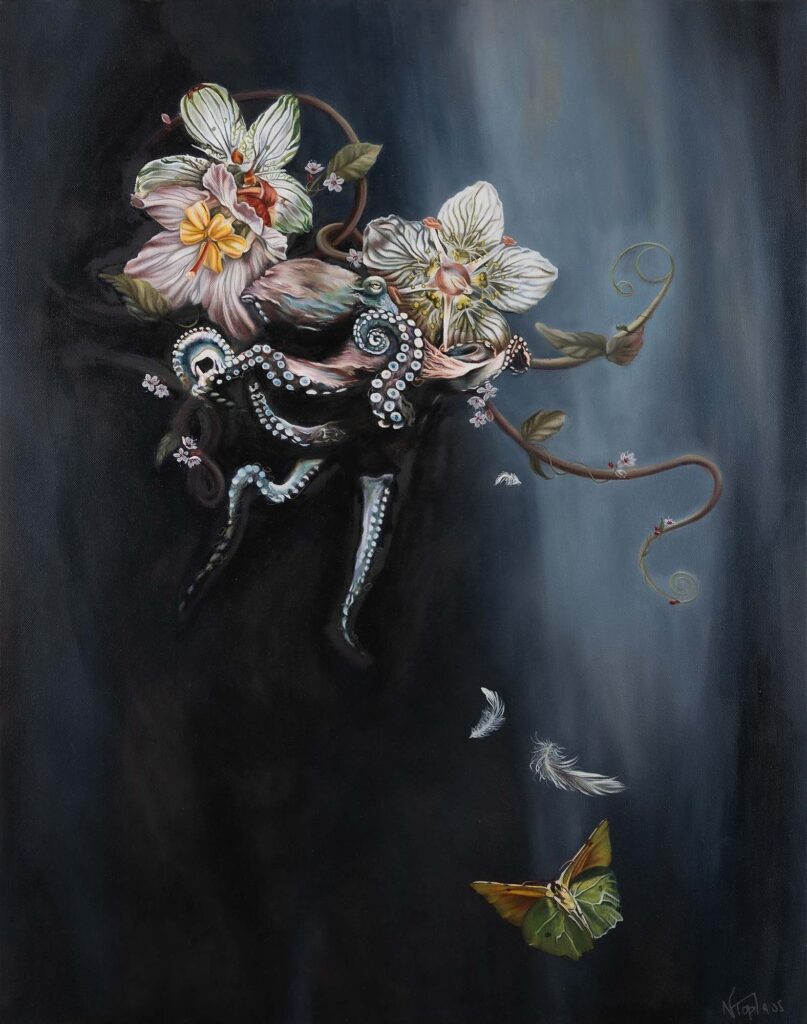
That spirit of personal storytelling lies at the heart of The Beauty of Still Life, our latest virtual exhibition. We believe every artist brings a unique perspective, and every collection of objects has the potential to reveal something meaningful. Whether inspired by family traditions, treasured keepsakes, daily rituals, or the beauty of ordinary surroundings, each interpretation offers a new way of seeing the world.
Perhaps that is why still life continues to captivate artists today. It reminds us that extraordinary stories are often hidden in the most familiar places, waiting for someone to notice them, arrange them with intention, and share them with others.
A Theme Beyond Limits
Today’s artists are no longer bound by traditional subjects or techniques. Instead, they reinterpret still life through painting, photography, sculpture, ceramics, textiles, printmaking, mixed media, digital art, and countless other forms of creative expression.
Likewise, the subjects of still life have expanded far beyond the familiar bowls of fruit and floral arrangements often associated with the genre. Contemporary still life can feature treasured heirlooms, handmade ceramics, books, clothing, kitchen utensils, musical instruments, botanical elements, collected objects, personal mementos, or everyday items that hold emotional, cultural, or symbolic significance. Even carefully composed photographs, sculptural installations, and mixed media works can embody the essence of still life.
Perhaps the beauty of still life lies in the fact that there is no universal definition of what deserves to be observed. Every artist notices the world differently. One artist may find poetry in a vase of flowers, another in a pile of well-loved books, a worn pair of shoes, a breakfast table after everyone has left, or the quiet corners of a family home. It is your eye, your perspective, and the meaning you bring to ordinary objects that transforms them into art.
For The Beauty of Still Life, there is no single interpretation of the theme. Whether your work celebrates nature, reflects on memory and identity through personal objects, explores domestic life, or experiments with symbolism in unexpected ways, your perspective is what brings the genre to life. Still life is not about painting the “right” objects, it is about revealing the extraordinary within the ordinary, through your own unique way of seeing.
Who Can Apply?
Women artists and non-binary artists, aged 18 and above, from anywhere in the world are invited to apply. Whether you’re an emerging artist beginning your creative journey or an established professional, The Beauty of Still Life welcomes thoughtful interpretations across all visual art mediums, including painting, drawing, photography, sculpture, printmaking, illustration, textile art, mixed media, digital art, collage, and contemporary or experimental practices.
How to Apply?
Submitting your work is simple. Complete the online application form through the link below, upload up to three artworks inspired by The Beauty of Still Life, and provide the requested details for each piece. If you’d like additional exposure, you can also choose to add the optional Artist Interview Feature during the application process. Every submission is carefully reviewed through a juried selection process, and selected artists will be notified after the submission deadline.
Submission Fees and Participation Options
Artists may choose between two participation options for The Beauty of Still Life. The Virtual Exhibition application fee is $15 USD, which includes the submission of up to three artworks, consideration through the juried selection process, professional online presentation of selected work, and a digital certificate of participation for selected artists.
For those seeking additional exposure, the Artist Interview Feature can be added for $19 USD, bringing the total to $34 USD. Selected artists who choose this option will receive a dedicated interview published on the Women in Arts Network website, the opportunity to share their artistic journey and creative process, enhanced promotion across digital platforms, and a permanent online feature that can be included in portfolios, websites, CVs, grant applications, and professional profiles.
Please note that all application fees are non-refundable and support the administration, review, curation, exhibition development, and promotion of the exhibition. Submission of an application and payment of the fee do not guarantee selection.
Bring Your Vision to The Beauty of Still Life
Still life has never been about painting the same subjects over and over again. It is about seeing the familiar with fresh eyes, discovering meaning in everyday moments, and transforming ordinary objects into stories that invite reflection and connection. Every arrangement, every composition, and every carefully chosen object offers a glimpse into the artist’s unique perspective.
As we celebrate The Beauty of Still Life, we invite women artists from around the world to bring their own vision to this timeless genre. Whether you work in painting, photography, sculpture, textiles, ceramics, printmaking, mixed media, digital art, or another creative medium, we welcome thoughtful interpretations that explore the beauty, symbolism, and stories found in everyday life.
If this theme speaks to you, we’d love to see where it takes you. We invite you to submit your work and become part of The Beauty of Still Life, an international virtual exhibition that celebrates creativity, individuality, and the many ways artists find meaning in the world around them.
Submissions are open until August 16, 2026. We look forward to discovering the stories only you can tell.
