
From sending photos to family to fine art: Alisa Eykilis’s story of becoming a photographer
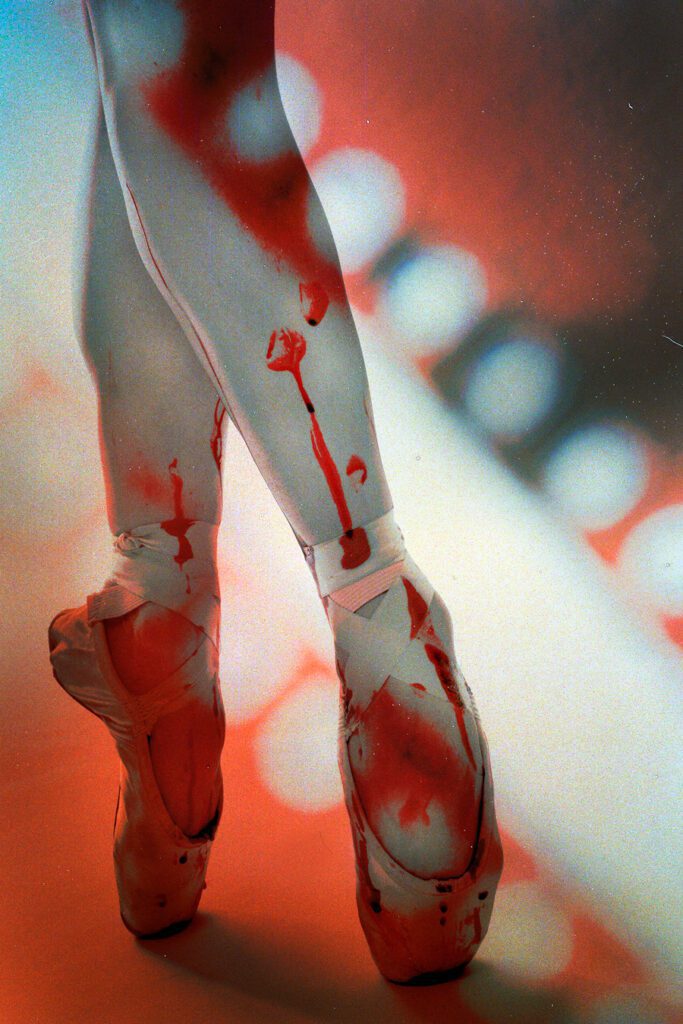
At Women in Arts Network, Flora and Fauna reminded us that nature doesn’t always announce itself with grand landscapes or dramatic views. Sometimes it appears in a passing reflection, shifting light, or the quiet atmosphere of an ordinary day. Alisa Eykilis is one of the selected artists whose photography is built around noticing those moments before they disappear.
Interestingly, photography wasn’t something Alisa originally set out to pursue as an artistic practice. She first picked up a camera simply to keep family members connected across long distances, sharing photographs of her growing children. But somewhere along the way, their curiosity about the world became her own. What began as documenting everyday life slowly evolved into a way of observing it more deeply.
Today, her work moves across fine art photography, conceptual projects, portraiture, and performance documentation, yet a common thread runs through it all: an enduring fascination with light and the way it quietly transforms the world around us. Reflections, weather, shadows, and changing atmospheres become more than visual elements they become opportunities to discover something that was always there but often goes unnoticed.
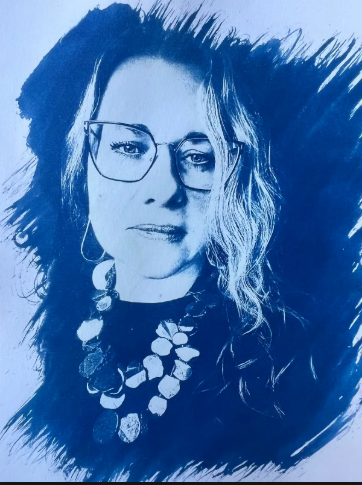
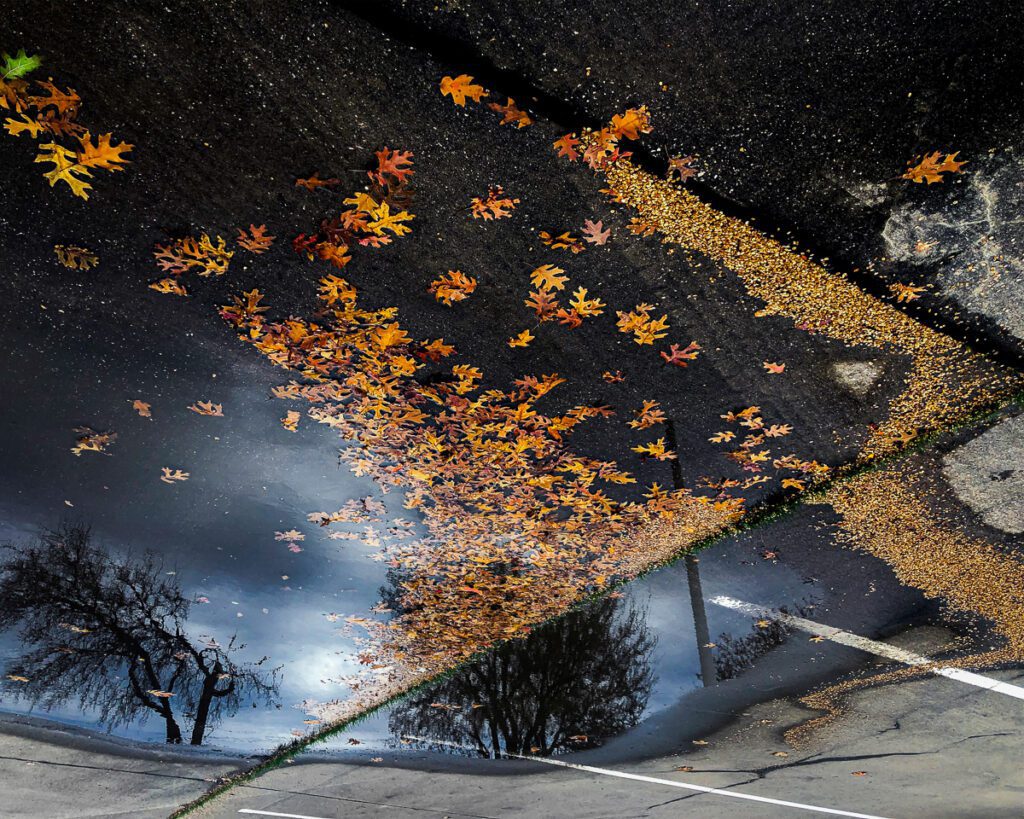
Rather than chasing spectacular scenes, Alisa finds meaning in ordinary places. A puddle becomes another landscape. A shadow changes the mood of a familiar street. A fleeting moment of light can completely reshape the way we experience a place. Her photographs remind us that nature isn’t separate from our daily lives; it reveals itself constantly through the smallest shifts in the world around us.
In an age where millions of images are captured every day, Alisa’s work gently encourages us to pause before reaching for the camera. To look first, observe more carefully, and appreciate the extraordinary moments that exist within the ordinary.
Now, let’s get to know Alisa Eykilis through our conversation about photography, light, observation, curiosity, and the quiet beauty hidden within everyday life.
Q1. Can you share a little about your journey and what first led you to photography?
I wish I had a more romantic answer like I saw the light hit a mountain and felt called. But no. I picked up a camera because I had kids on one side of the moon and family on the other, and everyone wanted proof the boys were alive and growing. That was genuinely the whole plan. But then something funny happened. As the boys started exploring everything I found myself actually *looking* through the viewfinder. Their curiosity was so relentless it kind of infected me. Suddenly I was the one crouching in the fields trying to get the right angle on a tree. So I didn’t find photography. Photography found me.
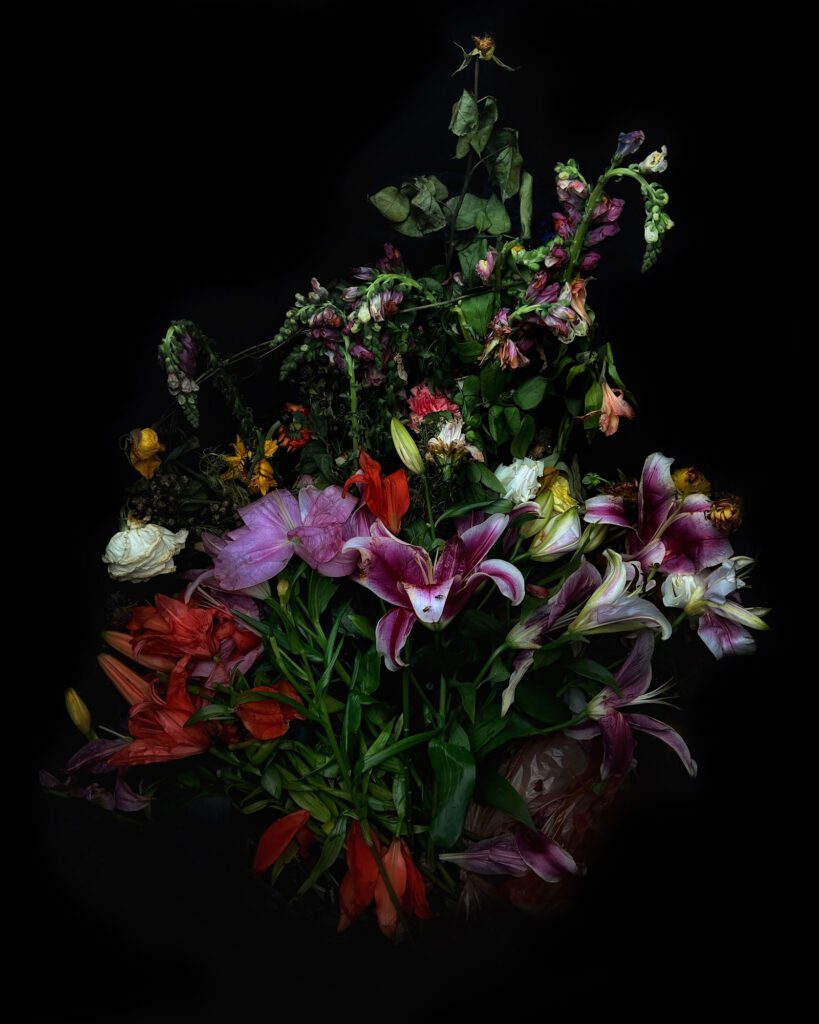
Q2. Your work spans fine art, portraiture, and conceptual photography. What drew you to photography as your creative language?
Honestly? I’m not sure I consciously chose photography as my primary language — I think it chose me, and I’m still working out why. What I do know is that there are things I feel very strongly and have absolutely no words for. I’ve tried. The words either come out too big or too small, never quite right. But a photograph can just… hold it. Sit with it. Let the viewer bring their own words to it, which is maybe better anyway. As for how I got from sending pictures of my kids to making fine art and conceptual work — I genuinely couldn’t draw you a straight line between those two points. At some point the self-doubt got loud enough that I actually tried to stop.
Put the camera down. Walked away. Decided maybe photography just wasn’t my thing after all. And then I kept taking pictures on my phone. That’s genuinely how my phonography work was born — not from vision or intention, but from the fact that I couldn’t quit even when I was trying to. There’s something almost embarrassing about admitting that a whole creative cycle came out of me failing to give up. But here we are. I followed the questions more than I followed a plan. I’m still following them — and I’ve made peace with the fact that it probably shouldn’t stop.
Q3. You describe photography as capturing light in a “magic box.” What continues to fascinate you about light?
I call it a magic box because that’s honestly still what it feels like to me — even after all this time. You point it at something, light goes in, and something else comes out the other side. That never gets old. Light has this way of revealing things that were always there but that you simply couldn’t see — a texture, a shadow, a feeling hiding inside an ordinary object. You’re not changing anything. The light is just finally telling the truth about it. So I suppose what I’m really doing is less about taking pictures and more about waiting for light to confess something. I just try to be in the room when it happens.
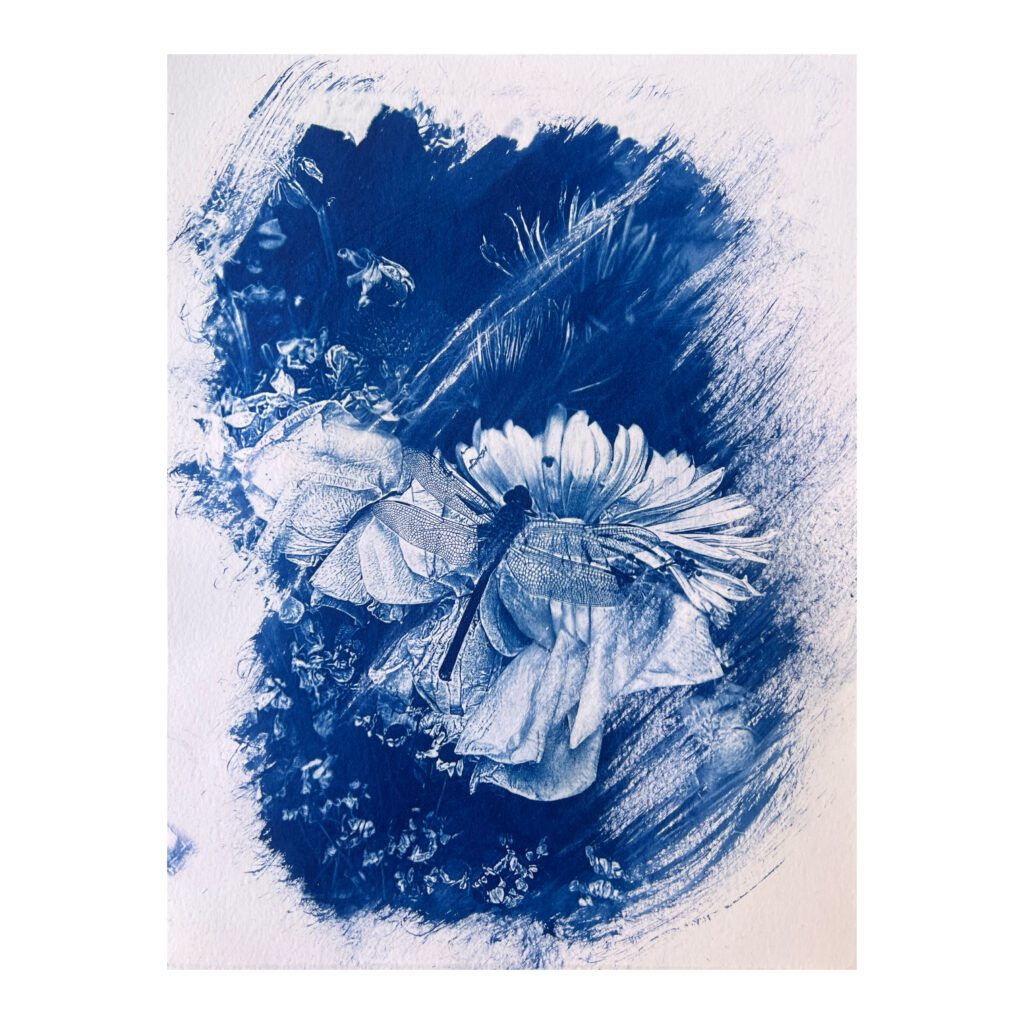
Q4. What attracts you to performance and participatory projects alongside photography?
Truth is I fell into performance and participatory work the same way I’ve fallen into most things — sideways, without a plan. But once I was in it, I understood immediately why I kept coming back. It feels like hunting. With a still photograph, you have some control. You can wait, adjust, think. But in a performance or participatory setting, things are happening whether you’re ready or not. You’re reading the room, watching bodies, predicting where the moment is going to land — and then you press the shutter and you either got it or you didn’t.
There’s a game being played between you and the event, and you won’t know the score until you see the image. That gap between the hunch and finding out — that’s what hooks me. It’s the same instinct as a photographer but with the stakes turned up, because you only get one shot at most of it and the scene will never repeat itself exactly. So I suppose I don’t just document performances. I hunt inside them.
Q5. We take more photographs than ever before. Do you think we’re becoming better at seeing, or just taking more pictures?
Collecting. Definitely collecting. We have more cameras than eyes at this point, and I say that as someone who accidentally started a whole body of work on his phone. I’m not above this conversation — I’m exhibit A. But I do think there’s a difference between photographing and seeing. Seeing requires you to stop. To stay with something. To notice it before you reach for the device. And what I observe is that the reflex to capture has gotten so fast that the seeing part is getting skipped entirely.
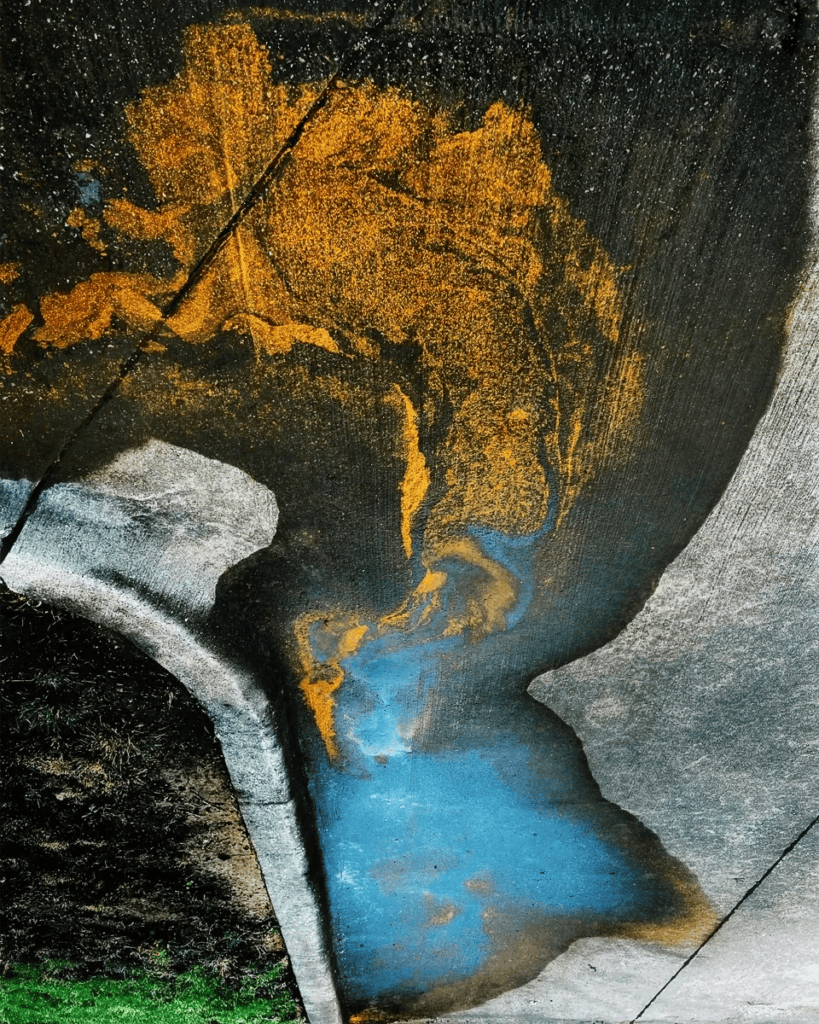
We’re archiving life instead of experiencing it. Social media has made it worse. Because now the image isn’t even really for you — it’s for the feed. And the feed has an appetite that doesn’t care about quality, only volume. So everything gets flattened. A extraordinary light on an ordinary wall gets the same three seconds of attention as somebody’s lunch. My phonography work is my attempt to push back against that from the inside. T
he phone is the same tool everyone is using — but the intention is different. I’m not feeding the machine. I’m trying to hunt with it. The camera hasn’t made us blind. But the scroll might be.
Q6. What do changing light and reflections reveal that a static scene cannot?
The short answer is — all of it. Every single one of those things. And I think that’s because they all do the same thing underneath. They take a place you think you know and quietly replace it with something else. A puddle on a street isn’t just a puddle — it’s a second city living underneath the first one. A shadow falling across a doorway doesn’t just change the light, it changes the question the photograph is asking. Rain doesn’t ruin a scene, it rewrites it. What excites me is that none of it is mine.
I didn’t make the weather. I didn’t position the shadow. I just showed up and the world had already done the work. My job is to notice it before it disappears — and it always disappears. That’s the thing about transient elements. They have no loyalty. The light that made that reflection perfect at 4:47pm is gone by 4:49pm and it is never coming back exactly like that. Ever.
There’s something almost unbearable about that — and that’s precisely why I can’t stop chasing it. Static scenes tell you what a place is. But a shadow, a reflection, a sudden change in weather — those tell you what a place feels like. And feeling is what I’m actually after.
Q7. Has social media changed the way people experience photography, for better or worse?
I already said social media is killing quality, and I stand by that. But if I’m being fair — it’s a coin with two sides. The side nobody talks about enough is access. I have found photographers in corners of the world I would never have encountered through a gallery or a magazine. Work that would have lived and died in someone’s hard drive is now seen. But the other side of that coin is attention. And attention is where it falls apart. A photograph deserves to be looked at.
Not glanced at — looked at. There’s a difference between your eye landing on something for two seconds and actually spending time inside an image, letting it work on you. Social media has systematically destroyed that patience. The scroll doesn’t pause. It just keeps moving, and it takes your eye with it. So we have more photographers being seen by more people than ever before in history — and those people are spending less time with each image than ever before in history.
More reach, less depth. I’m on social media. I use it. But I try to remember that the feed is not the destination. It’s just the door.
Q8. Do you think artists today feel more freedom, or more pressure to constantly produce and share their work?
Both. At the same time. And yes, it’s exhausting. The freedom is real. I can make whatever I want, share it with the world from my phone at 2am, find my audience without a gallery or a gatekeeper. But the pressure is also real. And it’s sneaky, because it doesn’t come from outside — it comes from inside. The algorithm doesn’t send you a memo.
It just quietly rewards consistency and punishes absence, and somewhere along the way your brain starts internalizing that rhythm as obligation. You stop asking “do I have something worth saying?” and start asking “when did I last post?” I catch myself in that trap more than I’d like to admit. The same lack of confidence that made me put the camera down and pick up my phone — that same voice gets louder when the feed goes quiet.
Silence used to mean you were working. Now it feels like you’re disappearing. So I try to remember that the best images I’ve ever made came from slowing down, not speeding up.
Q9. Looking back at the Alisa who first picked up a camera, what would surprise her most about your creative journey so far?
She would be shocked that I have a voice at all. Because that Alisa — the one who picked up a camera just to send pictures of her boys to faraway family — she didn’t think of herself as an artist. Not even close. She was just a mum with a camera and people to keep updated. The idea that any of this would become a practice, a body of work, something worth talking about in an interview she would find that genuinely unbelievable. But the thing that would surprise her most isn’t the work itself. It’s that I found the voice without ever feeling ready.
Because I still don’t feel ready. That part hasn’t changed at all. The self-doubt that made me put the camera down, the lack of confidence that accidentally invented my phonography practice that’s all still there. That Alisa was already doing it. She just didn’t know it counted.
Q10. What advice would you give to emerging photographers who are still searching for their own way of seeing the world?
Stop waiting. Stop waiting for better gear, better light, better circumstances, a more interesting city, a more interesting life. The camera you have is enough. It has always been enough. I made work I’m genuinely proud of on a phone because I didn’t pick up my camera because I thought I was done with photography. Shoot what you actually care about.
Not what looks impressive on a feed, not what gets the most saves, not what you think an artist is supposed to photograph. That path leads nowhere personal, and personal is the only place worth going. The images that have meant the most to me were never the ones I thought would matter — they were the ones I couldn’t not take.
The honest truth is I’ve broken every one of these rules. I still break them. But the best photographs of my life came from the moments I accidentally followed them when I was too slow to overthink it, too uncertain to perform, and just present enough to notice the light doing something extraordinary to an ordinary wall.
As our conversation with Alisa came to a close, we found ourselves thinking about how differently we move through the world today.
We have become incredibly good at documenting our lives. Every day, millions of photographs are taken, shared, and quickly replaced by the next image. Yet somewhere along the way, it can become surprisingly easy to look without truly seeing.
Nature doesn’t ask for our attention in dramatic ways. More often, it appears quietly in the reflection left behind after rain, in the shadow stretching across a path, or in the changing light that transforms an ordinary landscape for only a few fleeting moments. These are the kinds of experiences that cannot be repeated in exactly the same way. They exist for a moment, then disappear.
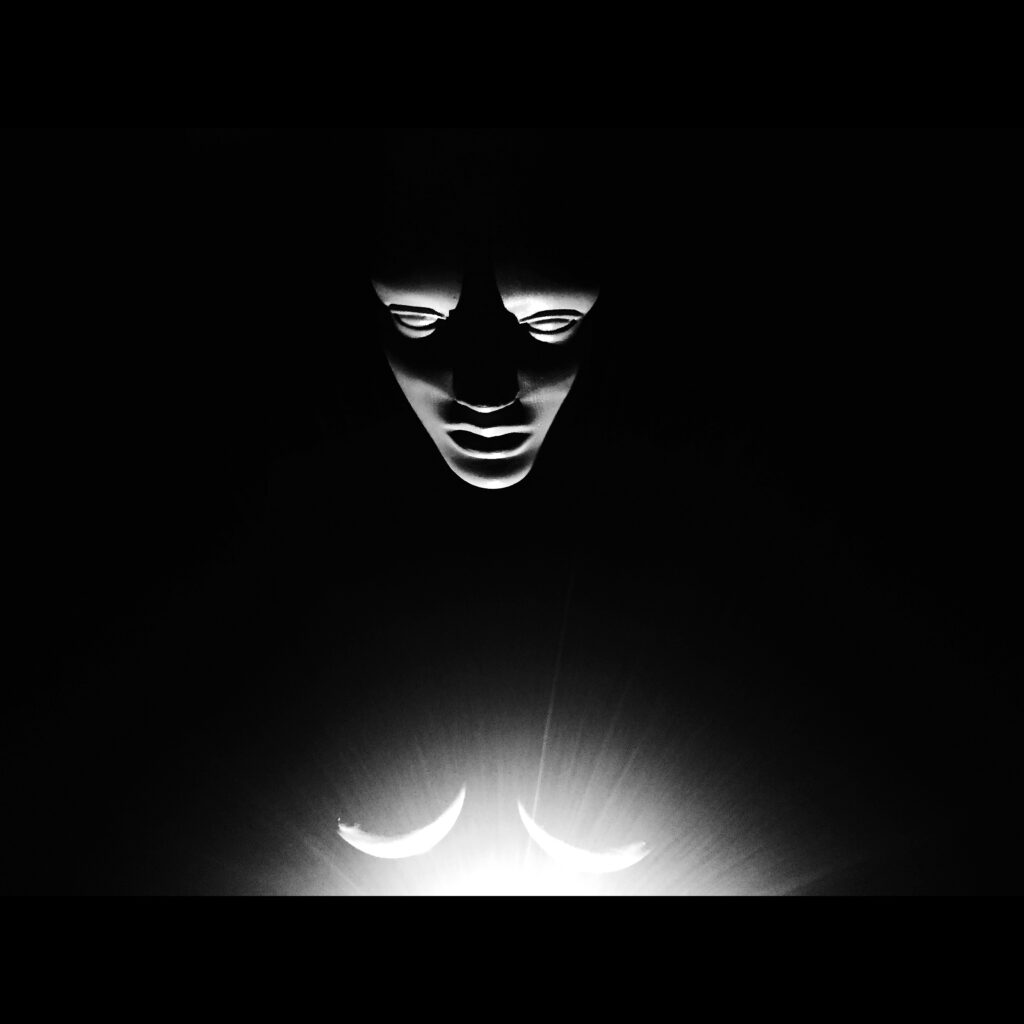
That is what makes Alisa’s work so compelling. Her photographs remind us that meaningful images rarely come from chasing spectacle. They come from curiosity, patience, and the willingness to stay with a moment a little longer than everyone else. They encourage us to slow down, notice what is changing around us, and appreciate the extraordinary beauty hidden within everyday life.
There is also something refreshing about the way she approaches photography itself. At a time when technology constantly promises better cameras and faster ways of creating images, Alisa quietly reminds us that the most important part of photography has never been the equipment. It has always been the person behind it their attention, their curiosity, and their ability to recognise something worth seeing before anyone else walks past it.
For collectors and art lovers, her photographs offer more than beautifully composed images. They invite a different pace of looking. The atmosphere may first capture your attention, but it is the feeling within each image that encourages you to return, discovering something new each time you spend a little longer with it.
Perhaps that is what stayed with us most after speaking with Alisa. The world is full of remarkable moments. We don’t always need to travel farther to find them. Sometimes we simply need to look a little closer.
Follow Alisa Eykilis through the links below and explore more of her photographic practice.
