
Alyssa Graziosa on Recreating Nature Through Painting & Metal Sculpture
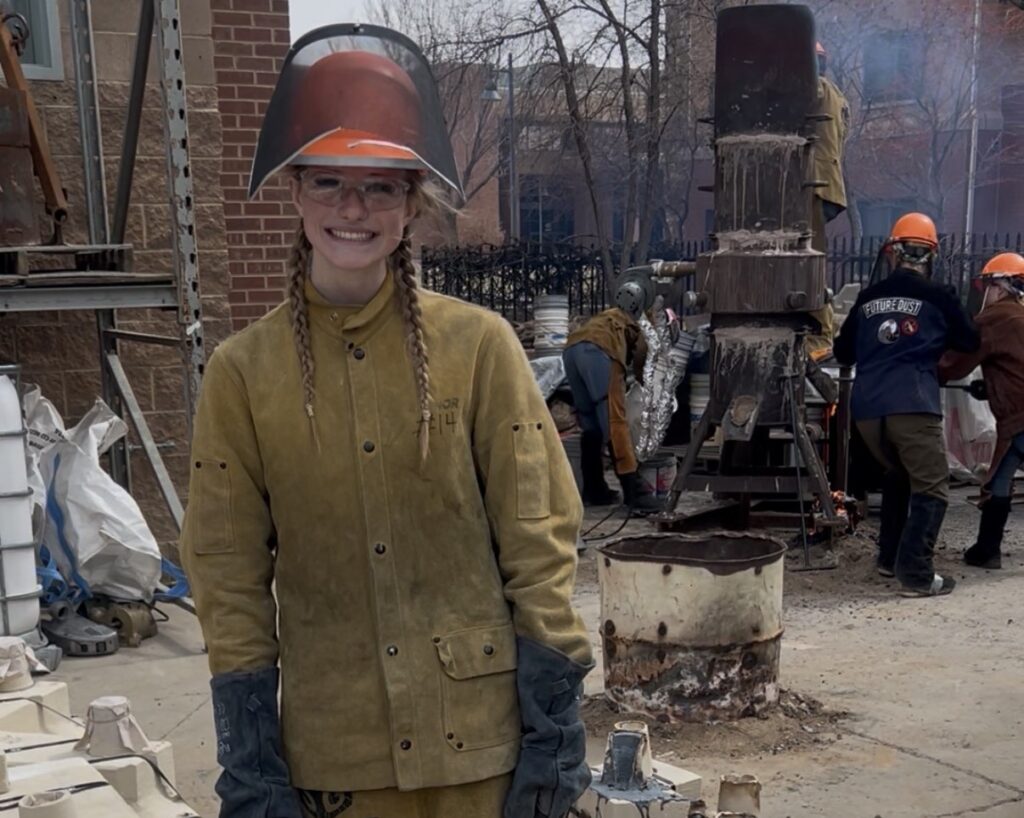
At Women in Arts Network, Spring Through My Eyes became a space for artists to share the ways nature influences what they see and create. Alyssa Graziosa’s practice begins with looking closely at small organisms, changing ecosystems, unexpected textures, and the details that often disappear when we move through the world too quickly.
Her connection with nature has been present throughout her artistic journey, from growing up surrounded by Colorado’s landscapes to discovering metal sculpture and developing her painting practice during her studies at Colorado Mesa University. Rather than treating nature simply as a subject, Alyssa uses observation as a starting point for understanding and reimagining the world around her.
This attention to detail can be seen across both her paintings and sculptures. While painting gives her the freedom to imagine and combine natural environments in unexpected ways, sculpture introduces the limitations of metal, requiring a more planned and physical approach. These different processes allow her to explore nature through both observation and imagination.
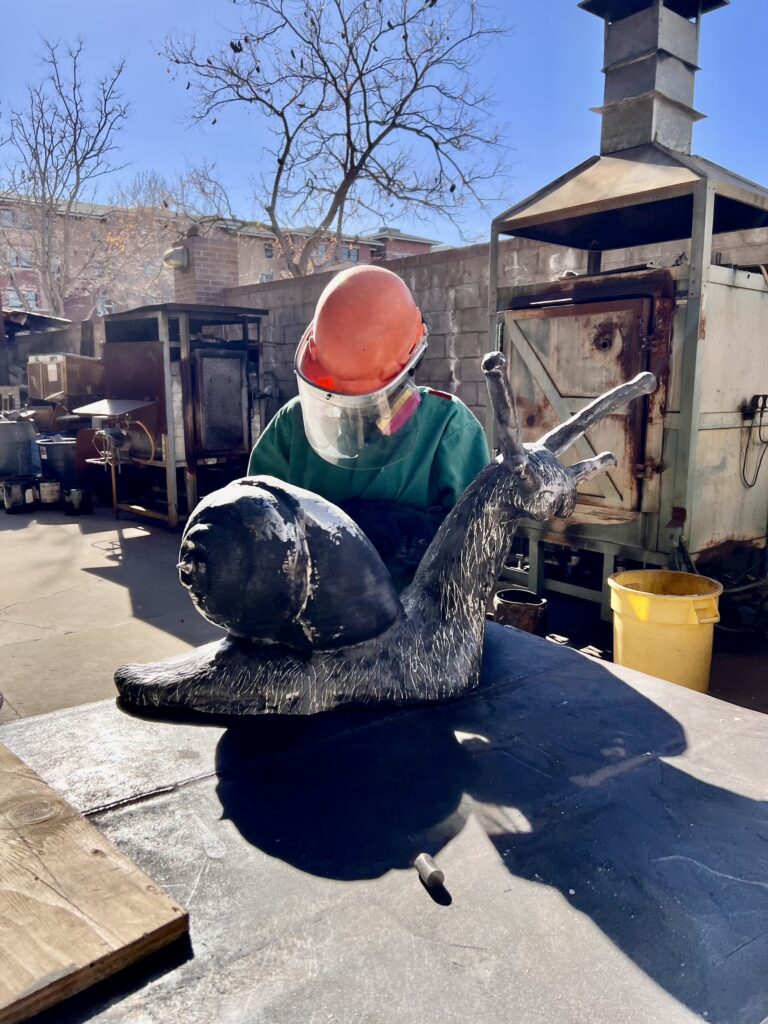
Alyssa is particularly drawn to the smaller parts of ecosystems that are easily overlooked. Through bronze and iron casting, she takes delicate and temporary natural forms and gives them a lasting presence. A small organism that might normally pass unnoticed can suddenly become something viewers are encouraged to stop and examine.
Her paintings take this curiosity in another direction, combining recognisable plants, animals, and mushrooms with environments that feel both believable and impossible. Observation provides the foundation, while imagination allows her to ask what might happen if natural forms, ecosystems, and spaces existed differently.
Across her practice, there is a clear desire to slow the viewer down. Alyssa hopes that by changing the scale, material, or setting of familiar natural forms, her work can encourage people to notice what they might normally pass by and develop a closer relationship with the environment around them.
Now, let’s get to know Alyssa Graziosa through our conversation about nature, observation, imagination, sculpture, and the overlooked details that continue to shape her artistic world.
Q1. Alyssa! Can you share your journey into art and what first inspired your fascination with the natural world?
When I was young, I always enjoyed looking at the artwork my mom had created and wanted to make beautiful artwork like hers. I began experimenting with lots of mediums throughout my early life, but it wasn’t until college that I began to explore my passion fully.
At Colorado Mesa University, I discovered my new interest in metal sculpture and continued to grow my passion for painting. In both mediums, my inspiration always tended to be from my experiences in nature and surrounding ecosystems. I appreciate the nature that surrounds me and want to capture these temporary moments for others to enjoy.
Q2. Growing up in the landscapes of the American West, what lessons from nature have stayed with you the most as an artist?
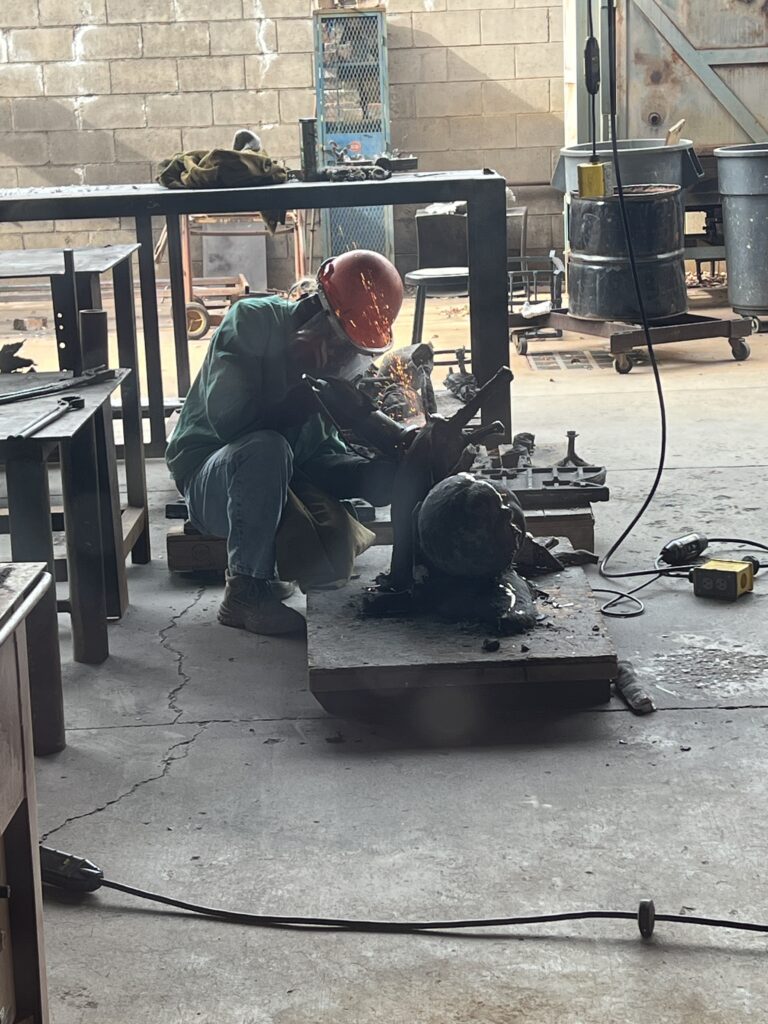
Growing up around all of Colorado’s natural beauty, I have learned valuable lessons about slowing down and paying closer attention to details. Spending time in a place with surrounding ecosystems that are constantly changing and evolving. I learned the value of appreciating the small details, the differences in textures, and the range of beautiful colors that are ever changing.
As an artist, I have learned that observation is just as important as creating. Having patience while spending time in nature allows me to find and develop a deeper appreciation for the small details that I include in my work.
Q3. You work in both sculpture and painting. How does each medium help you explore nature in a different way?
When I paint, the limits to what I create are endless. I can portray and explore nature in any way that I would like. When I am sculpting and pouring metal, everything that I do has limits.
The way I capture and recreate nature is limited to the material that I am working with. I notice I tend to plan out my sculptures much more than I plan out my paintings, allowing me to portray nature in different ways with different thought processes behind each piece.
Q4. Your bronze sculptures transform small organisms into permanent objects. What changes for you when something temporary in nature becomes something that could last for centuries?
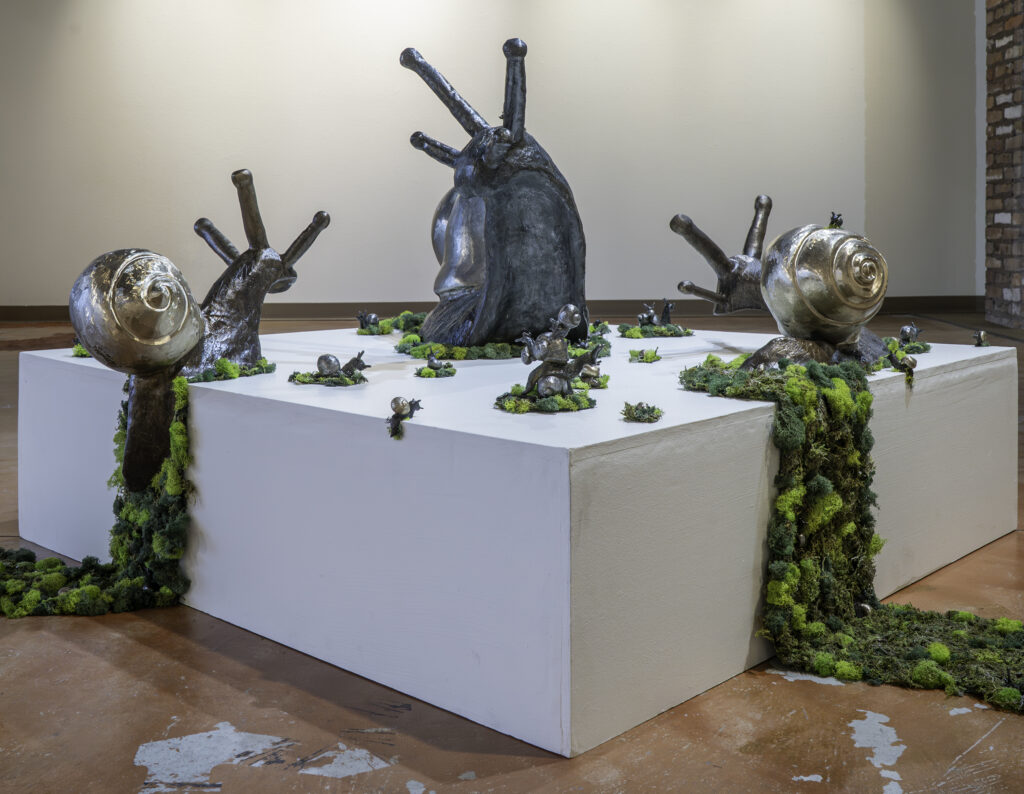
I find it interesting how bronze or other metal sculptures change how we view something that usually goes unnoticed. Many of the organisms I recreate or environments I take inspiration from tend to be temporary and fragile.
I am intrigued by this transformation of taking overlooked, smaller parts of an ecosystem and giving them the attention that they deserve by casting them in metal. This allows viewers to slow down and view the beauty of nature.
Q5. Some of your paintings combine realistic plants and animals with surreal environments. What role does imagination play once you begin with observation?
Observation is the foundation of my work. I find it important to take the time to study and learn about the forms that I am creating, but my imagination helps me tell the story. When I observe an ecosystem, I am drawn to the complexity and uniqueness of the forms.
As I work, I tend to wonder what would happen if these ecosystems combined or changed in some way. The surreal elements in my work allow me to explore these unrealistic natural worlds and continue to inspire my curiosity.
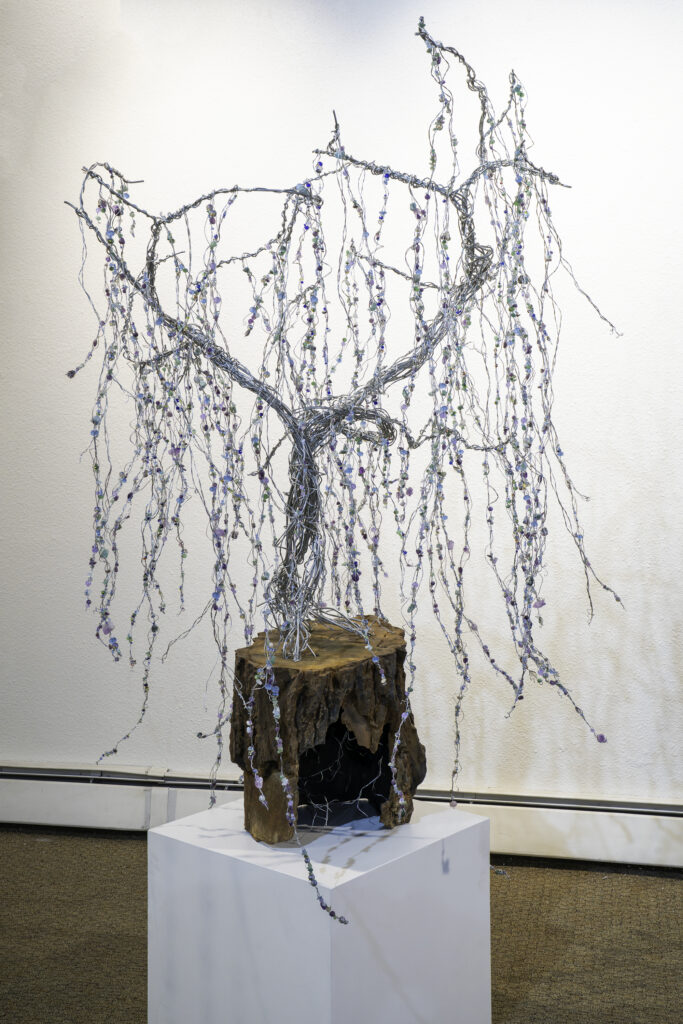
Q6. Your mushroom paintings create environments that feel believable but impossible at the same time. What interests you about working between reality and fantasy?
I have always been fascinated by the fact that nature feels both familiar and mysterious. My mushroom paintings come from that same feeling of capturing these hidden worlds existing alongside ours.
I enjoy exploring what could be possible in my work while still maintaining some truth behind the details that I pull from.
Q7. Iron and bronze are industrial materials, yet you use them to preserve delicate natural forms. What interests you about that contrast?
The idea of taking solid metal that is difficult to work with, melting it down, and controlling what it looks like through the use of mold making is a fascination to me. Metal is often associated with strength and permanence, while many of the natural forms I work with are fragile and temporary. By bringing these two things together, I want to push the idea of taking ever-changing natural forms and transforming them into strong, permanent pieces that preserve the delicacy of nature.
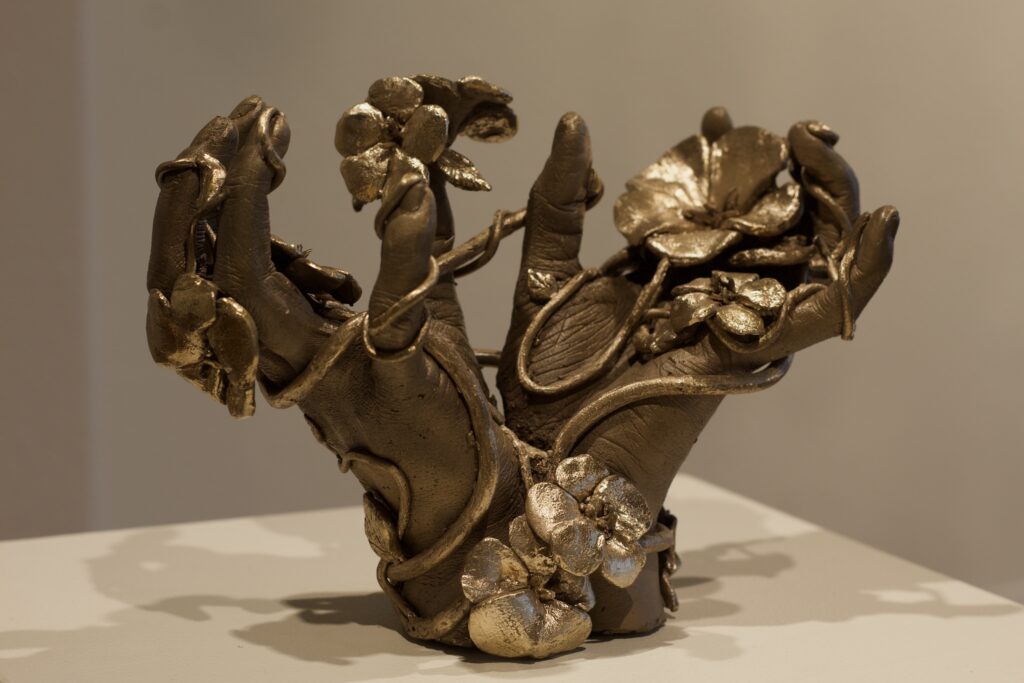
Q8. Casting requires careful planning, while natural systems are unpredictable. How do you balance control with allowing unexpected results during the making process?
Before casting a metal sculpture, there are many steps and lots of planning that go into it. Even with lots of planning, the whole process is very unpredictable and can give you varying results. With this process, I try to control as much as I can, but I have also learned to embrace the small imperfections that are left in my castings.
That balance reflects the natural world that inspires me. Nature follows an underlying pattern, but it remains unpredictable and constantly changing.
Q9. You take a very hands-on approach, from building molds to pouring molten metal. How has physically working with these materials shaped the ideas behind your work?
I enjoy the hands-on aspect of sculpture and the constant moving, planning, and thought process that goes on behind a creation. Many of the materials that I work with have limitations on what they can do or achieve. These limits do shape how I go about my work, but not the end goal.
In sculpture, there is always a way to do something, it is just about finding the right way to achieve what you want.
Q10. Environmental themes are common in contemporary art, but your work focuses on observation rather than direct activism. Was that a conscious choice?
It was a conscious choice to focus more on observation because that is where I feel my own connection to nature. My work is inspired by spending time closely looking at the natural world.
I am interested in creating this same relationship between the viewer and the natural world through the connection of my artwork. I hope to encourage curiosity and push others to create their own relationship with the environment.
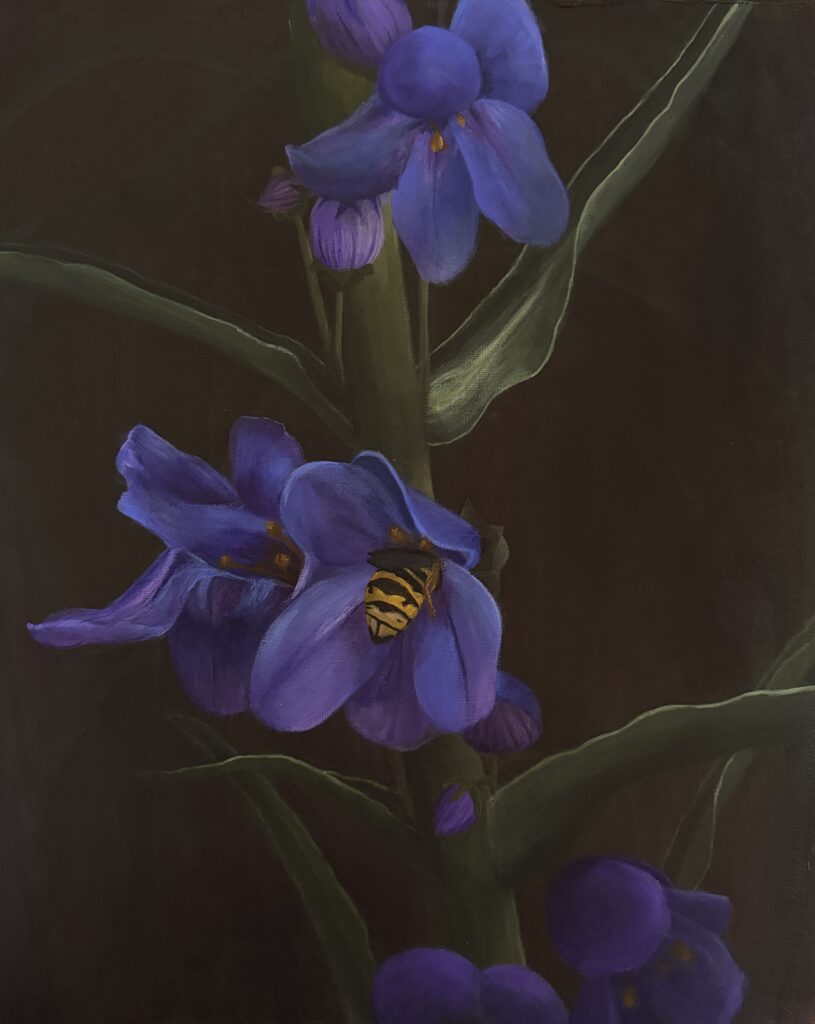
Q11. Looking at your recent paintings and sculptures together, which artwork best represents where your practice is heading next, and why?
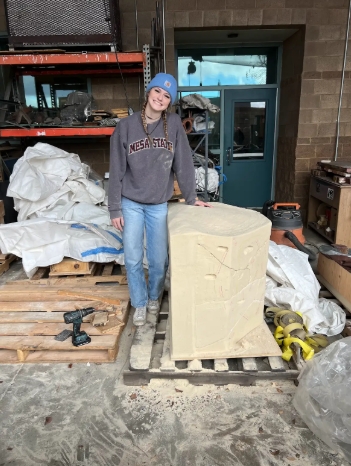
Although I love both painting and sculpting, my sculpture work has been my main focus, and I want to continue to explore more techniques and processes to make my work better. My snail series is a good representation of the direction I want to go with my work. I want to continue exploring recreating the same form in different positions, sizes, and materials.
Q12. Many people see nature as something separate from themselves. What do you hope your work reminds them about that relationship?
As someone who feels very connected to nature and the ecosystems around me, I hope that my work inspires others to slow down in life and appreciate the natural world around them. My goal is to take overlooked creatures and environments and recreate them, play with their scale, and make it so that people cannot look past them.
In the end, I want my work to make them reconsider their relationship with the natural world and hopefully inspire them to slow down to appreciate it a little more.
Q13. Looking ahead, what part of your practice are you most excited to develop after graduation?
After graduation, I am most excited to continue growing my skill set by pushing the boundaries of what I can create. I want to increase the size of my castings while increasing the accuracy of my details in my work.
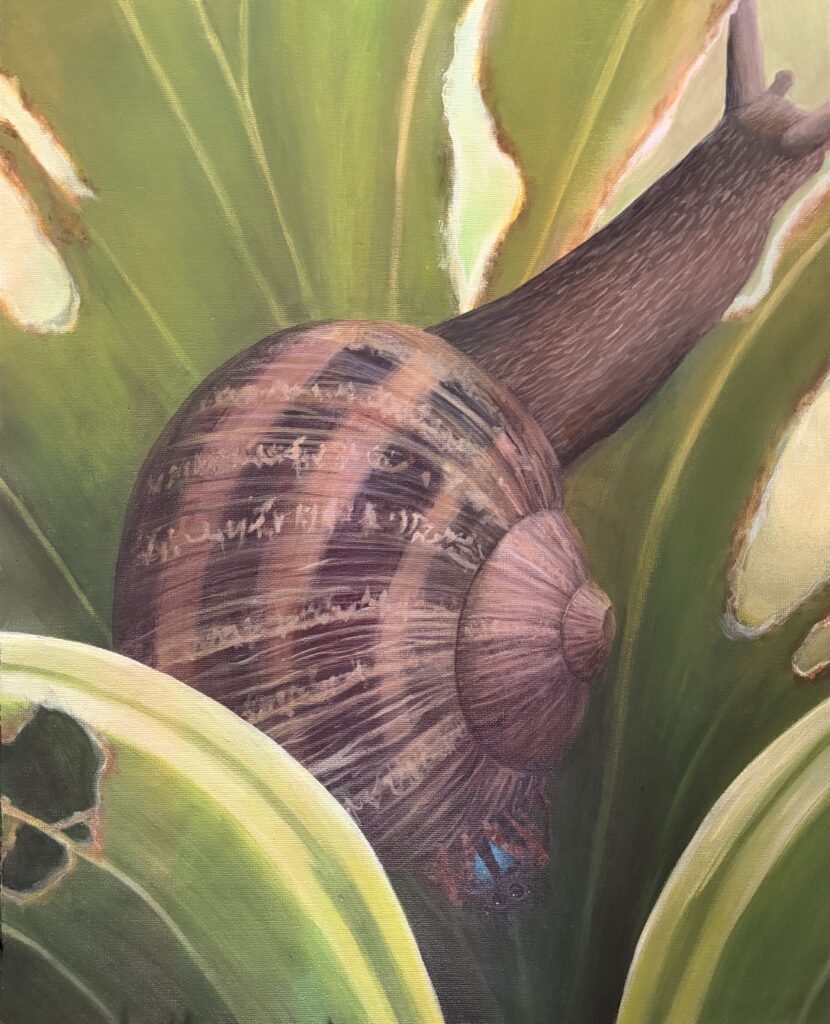
Our conversation with Alyssa gave us another way of thinking about nature—not as something distant, but as a world of details waiting to be noticed.
There is a long history of artists turning to the natural world for inspiration, but Alyssa’s approach feels particularly connected to the overlooked. Where many artists have worked directly with natural materials to explore impermanence, and others have used painting to celebrate the grandeur of landscapes, Alyssa often brings our attention to something much smaller: the organism, texture, or tiny ecosystem that might otherwise disappear from view. Her work asks us to consider whether scale determines what deserves our attention.
That idea becomes especially interesting in her sculptures. Casting fragile natural forms in bronze changes their relationship with time. A snail, mushroom, or other small organism that exists within an environment of constant change becomes a permanent object that can be studied from every angle. For collectors and art lovers, this gives the work a quality that extends beyond its visual appeal the pieces invite continued looking, with details that become more apparent the longer they remain in view.
Her paintings offer a different experience. Rather than simply documenting what she observes, Alyssa allows reality to become a starting point for imagined ecosystems. This places her work somewhere between natural history and visual fantasy, creating environments that feel recognisable while remaining impossible. It is this combination of accuracy and imagination that gives the paintings their distinctive character.
There is also something timely about the way Alyssa approaches environmental themes without turning the work into a direct statement. Instead of telling viewers how they should think about nature, she creates the conditions for curiosity. In that sense, her work joins a wider contemporary conversation about how art can reconnect us with environments we have become accustomed to overlooking.
For collectors, her sculptures offer another compelling dimension: the tension between the permanence of the artwork and the temporary nature of its subject. The work preserves something that would otherwise change or disappear, while still retaining the delicacy that made the original form worth noticing. For art lovers, that same quality makes the pieces rewarding to spend time with—there is always another surface, detail, or relationship within the form to discover.
As Alyssa continues developing her casting techniques, working toward larger sculptures and pushing the precision of her details, it will be interesting to see how this relationship between scale, permanence, and observation continues to evolve.
Follow Alyssa Graziosa through the links below and explore more of her work and creative journey.
