
How Anna Shkinder Gives Ancient Vessels A New Life Through Paint
Art can hold onto feelings in ways that words sometimes cannot. A particular color can bring back the warmth of a summer afternoon, a familiar object can make us think of someone we have never met, and the movement of paint across a canvas can capture a feeling that would be difficult to explain in any other way.
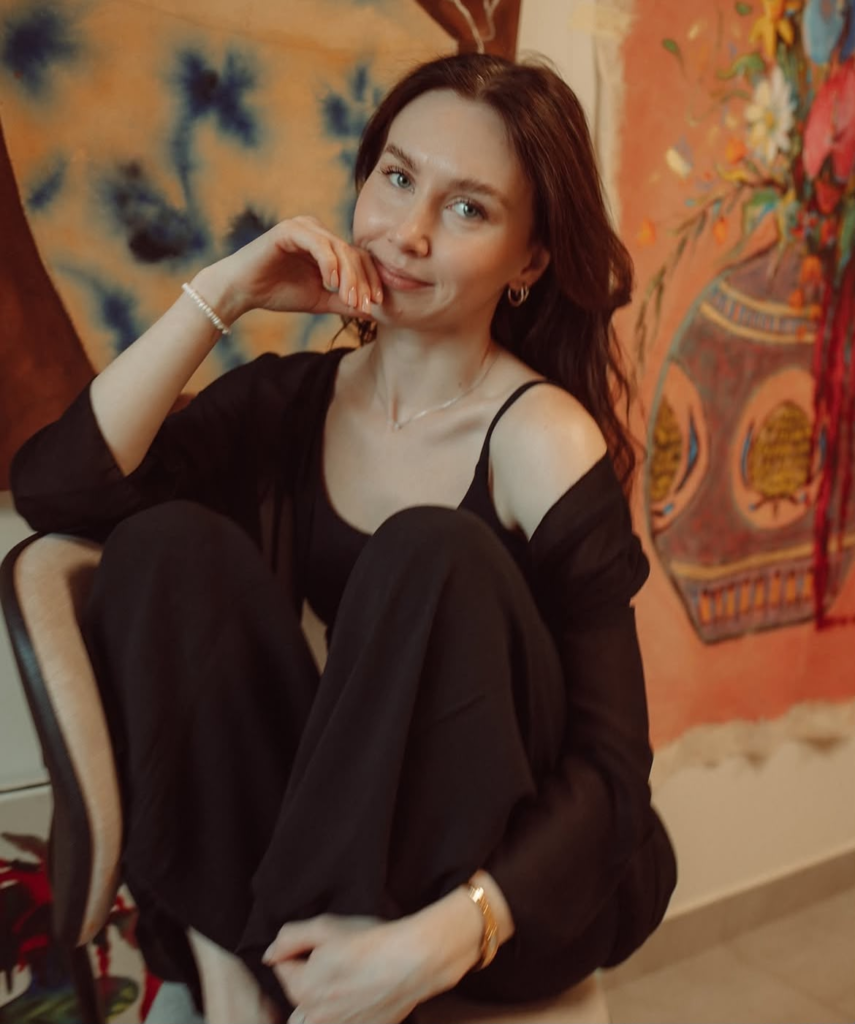
For Ukrainian artist Anna Shkinder, this relationship between feeling, memory, nature, and objects sits at the heart of her practice. Based in Lutsk, Ukraine, Shkinder has developed an evolving body of work that moves between abstraction, natural forms, floral imagery, and the symbolic language of ancient vessels. Her approach is intuitive and material-driven, allowing paint and pigment to become active parts of the process rather than simply tools for depicting a predetermined image.
Her work has changed considerably over the years, but the emotional thread connecting it remains clear: an interest in atmosphere, memory, nature, and the stories that objects can quietly carry.
Who Is Anna Shkinder?
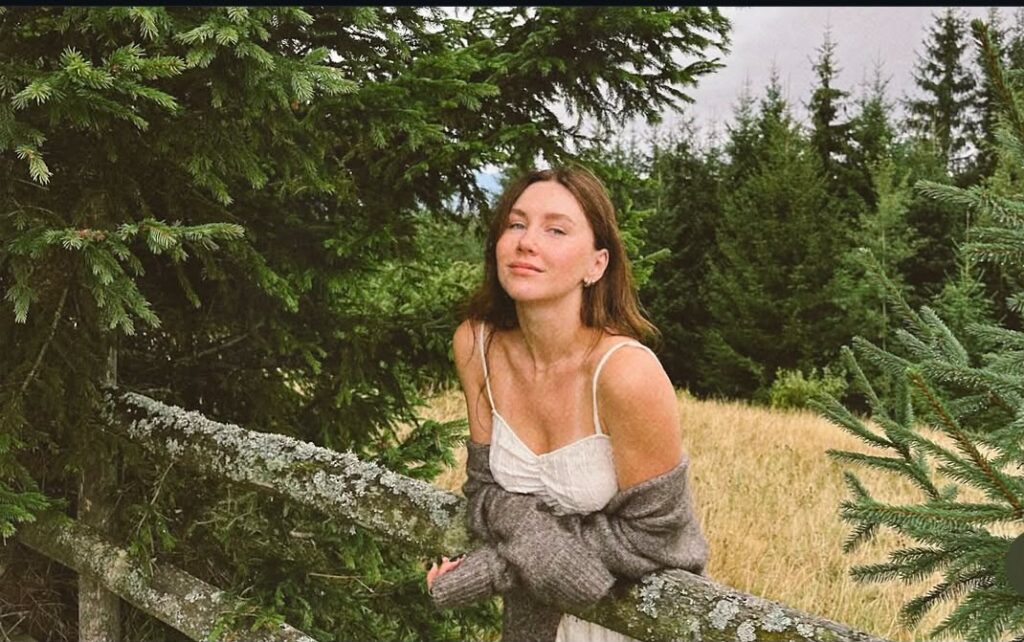
Anna Shkinder is a visual artist based in Lutsk, Ukraine. She studied at the Lutsk State Art School and later at the Volyn College of Culture and Arts named after Ihor Stravinsky. After completing her formal education, she continued developing her artistic practice independently. Alongside her own studio work, she teaches art and works on educational and creative projects.
Her journey as an artist has been one of experimentation. Rather than settling into one material or visual language, Shkinder has allowed her practice to change as her interests have developed.
This can be seen particularly clearly when looking at the difference between her earlier works and what she is creating today. Her earlier practice was closely connected to natural processes and textured surfaces, while her recent paintings have become increasingly interested in ancient vessels, flowers, plants, and symbolic imagery.
At the center of all of it is a desire to translate experiences and sensations into visual form.
Finding Beauty In Natural Processes
Between 2021 and 2023, Shkinder worked extensively with plaster and mixed media, creating textured interpretations of forms found in nature. Rivers, mountains, sand, waves, and changing surfaces became points of departure for this period of her practice.
Rather than attempting to reproduce a particular landscape exactly, she was interested in the movement and texture of natural processes. Water flowing, waves retreating, sand shifting, and rock surfaces changing all offered ways to explore the relationship between control and chance. That relationship would become important to her later work as well.
Shkinder describes her early fascination with flowing water, waves, sand, and mountains as part of an attempt to capture sensations rather than specific places. The warmth of sunlight on skin, a sunset disappearing, or the feeling of dissolving into a forest or body of water can all become more important than a literal representation of the landscape itself.
This gives her abstract work an atmospheric quality. The paintings are not necessarily asking the viewer to identify a particular mountain or body of water. Instead, they invite us to remember how a place can feel.
Letting The Paint Move
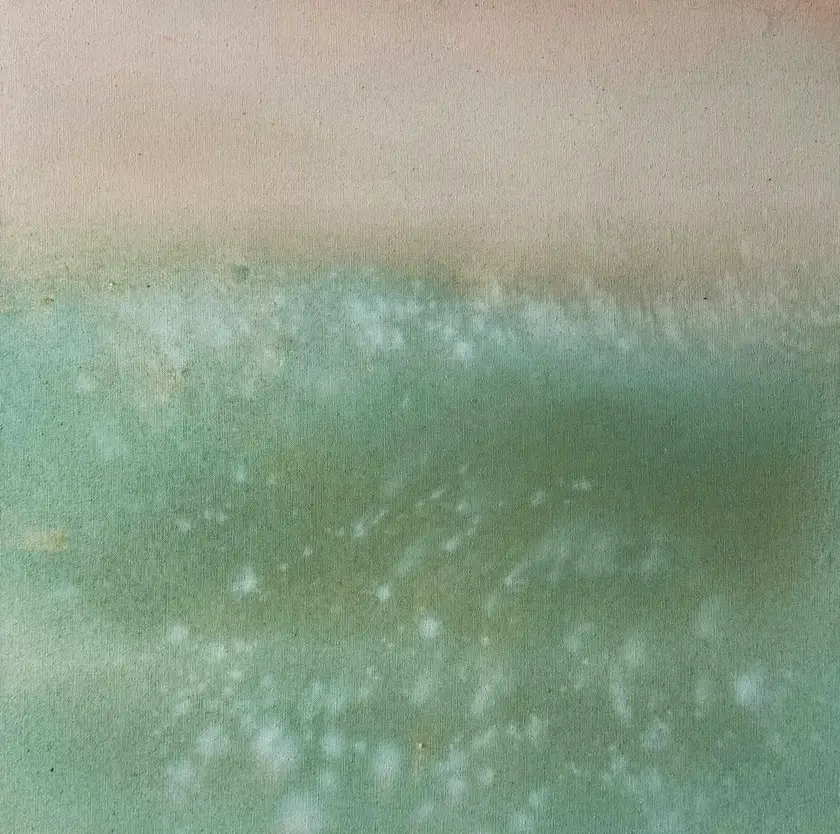
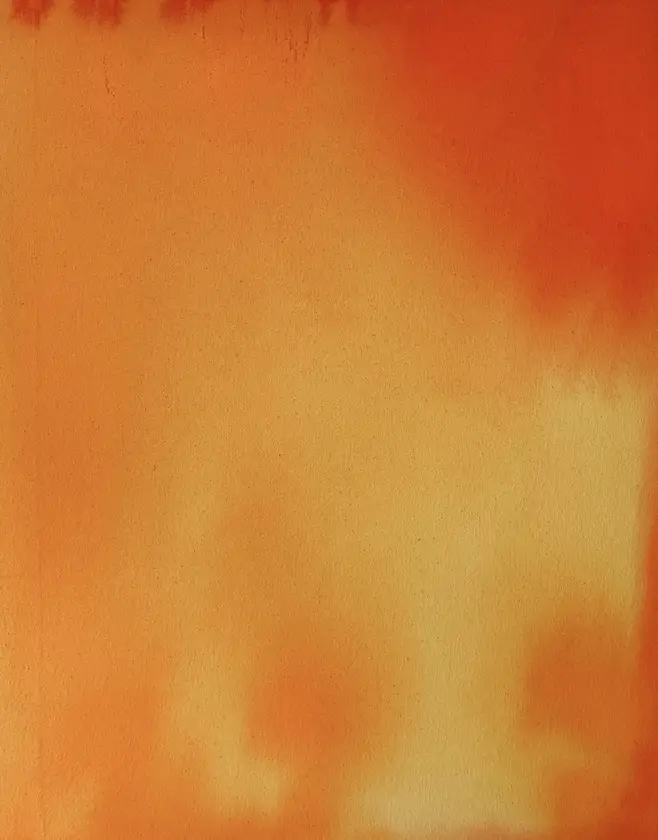
Since 2024, Shkinder has primarily worked with acrylic on canvas, particularly diluted pigments that are allowed to merge, spread, and move across the surface.
This method gives the material an unusual degree of freedom. Instead of controlling every mark from beginning to end, she creates conditions in which the paint can participate in the making of the image.
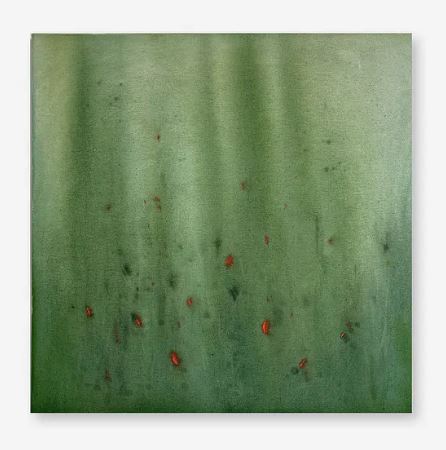
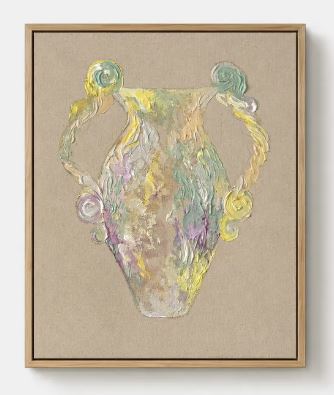
The result is a balance between intention and unpredictability. She knows the atmosphere she wants to explore, but the movement of the pigment introduces its own possibilities.
This way of working is closely connected to the ideas running through her practice. Nature itself rarely behaves in completely predictable ways, and Shkinder brings a similar sense of movement and chance into her studio.
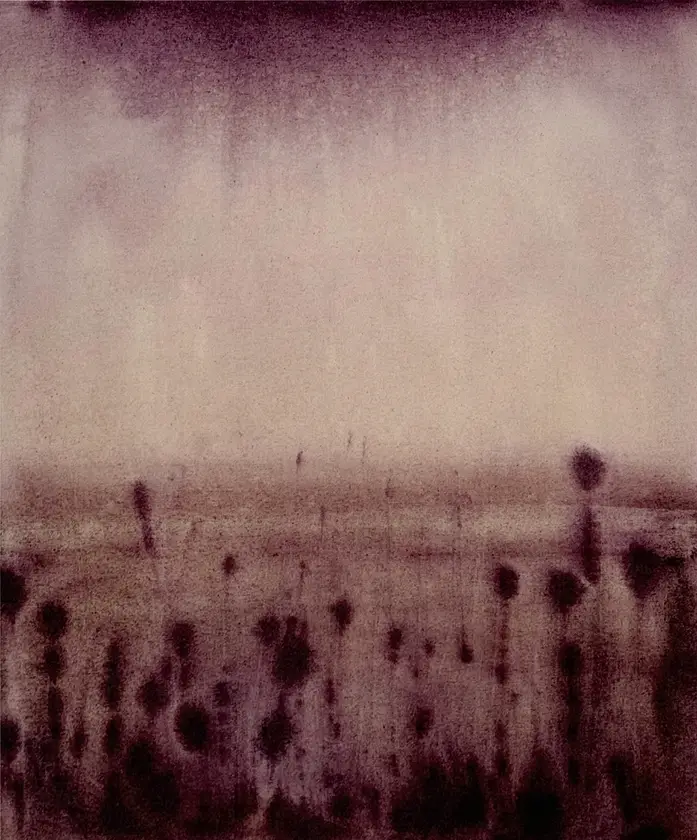
Her paintings can feel soft, fluid, and almost dreamlike, with color and texture doing much of the emotional work. Works such as Warmth on the Skin, for example, translate a sensory experience into an atmospheric abstract painting, while works such as Dissolution, Rayleigh Effect, and Grounding continue this interest in emotional and natural states.
The Stories Hidden Inside Vessels
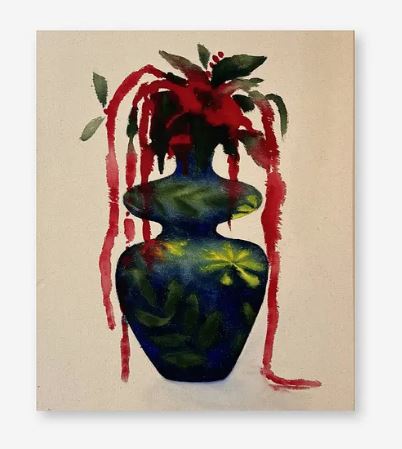
More recently, Shkinder’s attention has moved toward ancient Greek and Roman vessels, flowers, plants, and symbolic forms. This shift has opened a new chapter in her practice through her VESSELS series.
At first glance, an ancient vessel might seem like a straightforward historical object. For Shkinder, however, it carries something much more personal.
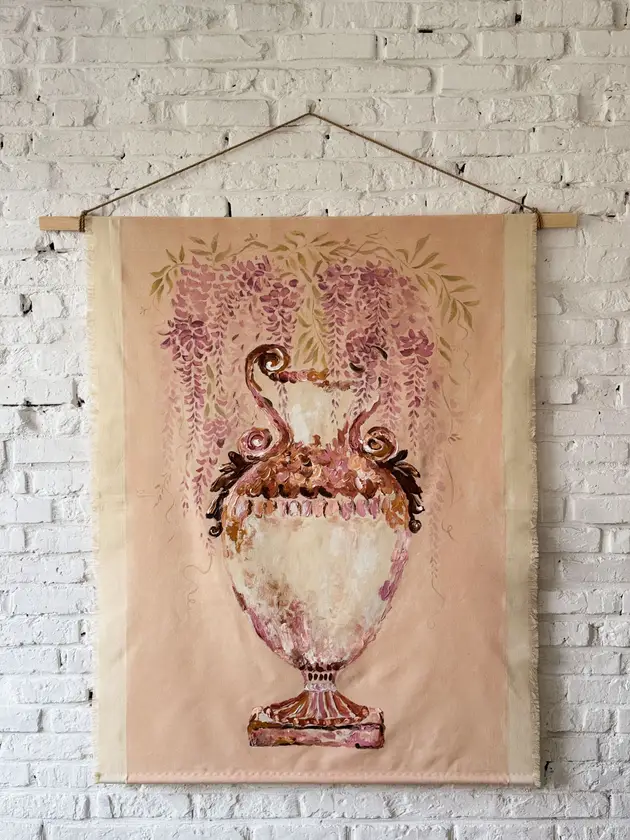
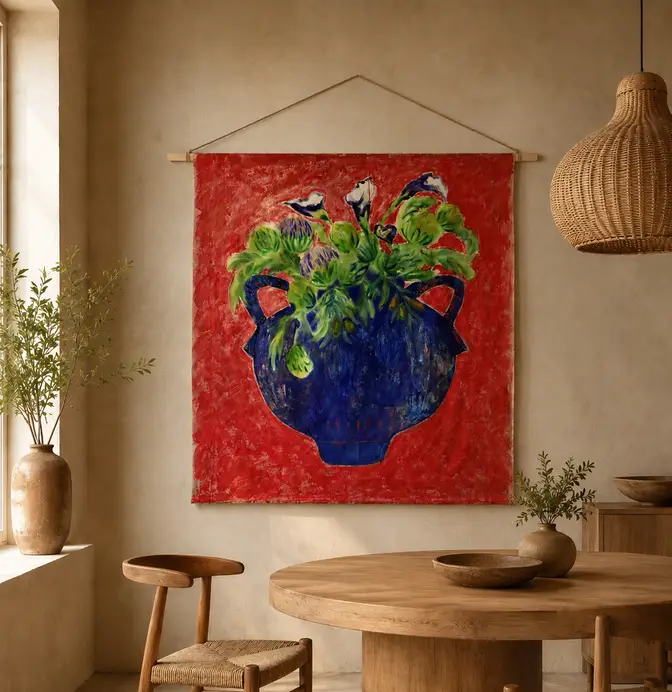
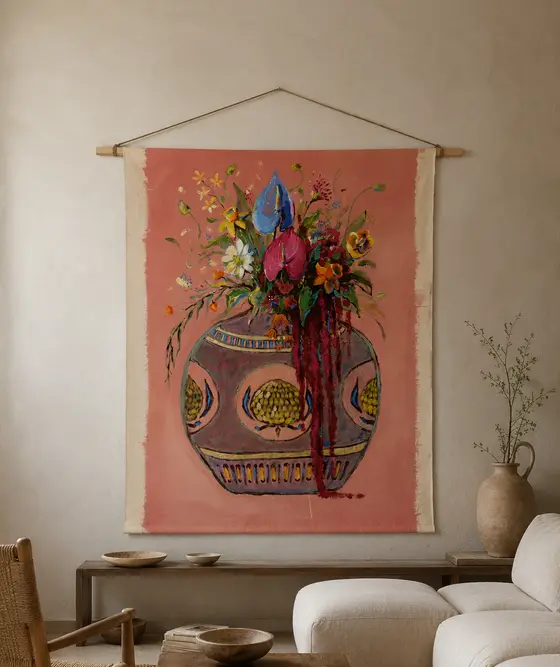
She is interested in the fact that these objects once held water, wine, offerings, flowers, and other things connected to everyday and ritual life. They were touched, carried, filled, emptied, and passed between people. Even though the people who used them are long gone, the objects remain.
That idea of an object surviving its owner becomes an important part of her paintings.
Shkinder imagines each vessel as belonging to an unknown person whose story has been lost to time. Through painting, she gives these forms another life, combining them with flowers, plants, and imagined narratives.
The result is not an attempt to recreate antiquity. Instead, she brings ancient forms into a contemporary visual language, allowing them to become symbols of memory, presence, warmth, and human connection.
She also imagines the finished artwork as something that can become a kind of contemporary talisman for a home: a quiet object associated with calm, protection, wellbeing, or remembrance.
From Artist To Educator
Shkinder’s relationship with art extends beyond her own studio. Alongside her painting practice, she teaches art and has developed creative and educational projects that allow her to share artistic experiences with other people. Her approach to teaching appears closely connected to the same sense of openness that defines her studio practice: creativity does not have to be intimidating, and making something can be valuable even when the person making it does not consider themselves an artist.
This belief became particularly visible through Art Club, a creative space that Shkinder founded in Lutsk in 2025.
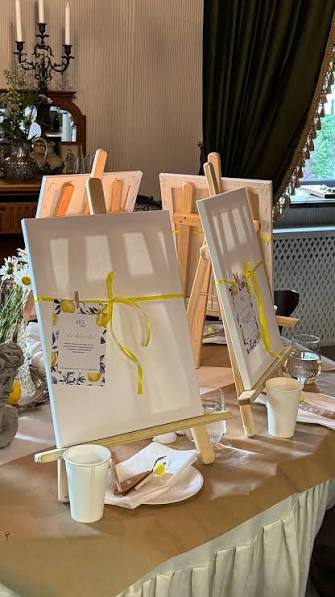
The idea for the studio grew from her experience working independently and creating commissioned paintings for clients in Ukraine and abroad. She wanted to create a place where people could work creatively together without feeling judged or pressured to already have artistic skills.
The concept behind Art Club is particularly heartfelt. Shkinder describes it as a small, quiet haven where people can breathe, reconnect with themselves, and spend time creating without worrying about whether they are “good” at art.
The studio offers painting, clay work, traditional Ukrainian crafts, and other creative activities. Its workshops are designed for different age groups and experience levels, with materials provided on site.
Building A Creative Space Through Art Club
Art Club is perhaps one of the most personal extensions of Shkinder’s artistic philosophy. The space is not presented simply as a place for conventional art classes. Its atmosphere is intentionally relaxed, with soft lighting, music, conversation, and time for participants to work at their own pace. The workshops can include painting, making traditional Ukrainian Christmas decorations, working with clay, and other techniques.
For Shkinder, creativity can be a form of care. Her plans for the space have also included exploring more art-therapy-related approaches and developing forms of support for people affected by war, including military personnel, displaced people, and families who have experienced loss. She has also discussed future collaborations with specialists and foundations, alongside outdoor creative events.
This makes Art Club more than a side project. It reflects the larger belief behind her practice that art can offer people a way to pause, process emotions, and reconnect with themselves.
Awards And Recognitions
Unlike many artists with lengthy public CVs, Shkinder’s current artist profile does not publish a formal list of awards, prizes, or major institutional recognitions. Her ArtFond profile instead focuses on her education, evolving practice, artistic statement, and current work.
Rather than filling this space with unverified claims, it is more useful to look at the growing body of work and creative initiatives surrounding her practice.
Her work is currently represented through platforms including ArtFond and Subjektiv, where paintings such as Warmth on the Skin, Dissolution, Rayleigh Effect, Grounding, and Tomorrow are presented alongside her artistic statement and background.
For a developing artist, these platforms and the growing movement between studio practice, teaching, and creative entrepreneurship offer an important part of the story.
An Artistic Practice Still In Motion
Perhaps the most interesting thing about Anna Shkinder’s work is that it does not feel fixed.
Her practice has moved from textured mixed-media interpretations of nature toward fluid acrylic painting and, more recently, toward vessels, flowers, and symbolic imagery. Yet the underlying questions have remained remarkably connected.
What does a place feel like rather than simply look like? What memories can an object hold? What happens when chance becomes part of the making process? And how can an artwork bring a little warmth, calm, or meaning into someone’s everyday surroundings?
These questions give Shkinder’s work its quiet continuity. From flowing pigments and natural textures to ancient vessels imagined with new stories, her paintings invite us to slow down and look beyond the surface. Her Art Club extends that same invitation to other people, creating a space where art can become less about getting something “right” and more about being present.
For Shkinder, making art seems to be as much about creating a feeling as creating an image. And perhaps that is what makes her evolving practice so worth following.
