
5 Ways Artists Can Become More Connected To The Art World
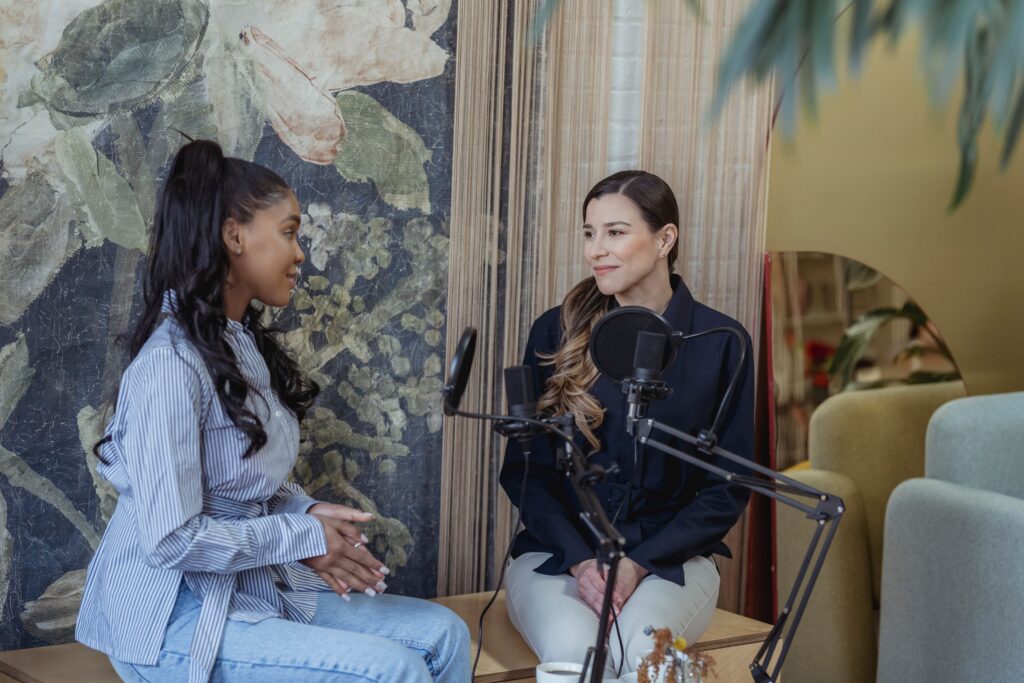
For many artists, the word networking brings to mind crowded gallery openings, awkward introductions, business cards, and conversations that feel a little too much like a sales pitch. You’re expected to introduce yourself, explain what you do, and somehow turn a brief conversation into a meaningful professional connection.
Building relationships in the art world doesn’t have to look like that. Some of the most valuable professional connections grow slowly, through shared interests, thoughtful conversations, and the simple act of showing up for other people. A fellow artist whose work you admire, a curator whose exhibitions you follow, or a creative professional you connect with online can all become part of your wider creative community.
The good news is that you don’t need to attend every industry event to build those relationships. You can start from your studio, your inbox, or the online spaces where you already spend time. If you’d like to grow your professional network in a way that feels more natural, here are five practical ways to begin.
1. Start Conversations Around Work You Genuinely Admire

One of the easiest ways to connect with someone in the art world is to begin with their work. Perhaps you’ve come across a painter whose use of colour fascinates you, an illustrator experimenting with an interesting technique, or a curator whose recent exhibition introduced you to artists you hadn’t encountered before. Instead of simply following their account and moving on, take a moment to engage with what they’ve created.
Leave a thoughtful comment, reply to a newsletter, or send a short message explaining what caught your attention. Be specific. Tell them which aspect of their work interested you and why, rather than offering a generic compliment.
For example, you might write:
“I really enjoyed seeing how you’ve used texture throughout this series. The way it changes the mood of each piece was particularly interesting to me. I’m looking forward to seeing what you explore next.”
A message like this doesn’t demand anything from the recipient. It simply opens the door to a conversation. You can take the same approach with galleries, curators, writers, and other professionals whose work genuinely interests you. Read about their projects, follow their work over time, and engage when you have something meaningful to contribute.
The important thing is to let your curiosity lead. People can usually tell the difference between a thoughtful message and one sent solely because you hope it will lead to an opportunity.
Try this: Choose three artists or art professionals whose work you admire. Spend some time learning about their recent projects, then reach out to one person with a genuine observation or question. Don’t worry about where the conversation might lead. Let it develop naturally.
2. Build Relationships With Fellow Artists, Not Just Industry Gatekeepers
When artists think about professional networking, it’s easy to focus on the people who might offer an exhibition, introduce them to a gallery, or help advance their careers. Those connections can certainly be valuable, but so can relationships with other artists.
Your peers understand the realities of creative work in ways that others might not. They know what it’s like to prepare an exhibition, work through a difficult project, apply for opportunities, or spend weeks developing an idea that doesn’t quite come together. These shared experiences can become the foundation for lasting professional relationships.
Start by connecting with artists whose work or interests overlap with yours. You might exchange feedback, share useful resources, recommend opportunities to one another, or simply check in to see what everyone is working on.
You could even start a small online group with a few artists who want to discuss their practices, share work in progress, or set aside time for informal studio conversations. It doesn’t need to be a formal collective or a major commitment. A monthly video call or occasional exchange of work can be enough to get things started.
And remember, supporting another artist doesn’t mean you have to promote everything they do. It means being genuinely interested in their development and offering encouragement or help when you can. Over time, these relationships can lead to collaborations, exhibition opportunities, referrals, and a stronger sense of belonging within the art world.
Try this: Reach out to an artist you’ve been following and suggest exchanging feedback on a recent project. You could also create a small group chat with two or three artists who would enjoy sharing ideas and supporting one another’s work.
3. Send Thoughtful Emails Instead Of Waiting To Meet Someone In Person

You don’t always need a mutual introduction or a chance encounter to begin a professional relationship. Sometimes, a well-written email is enough to start a conversation. The key is knowing whom you’re contacting and having a clear reason for reaching out.
Perhaps a curator has organised an exhibition that relates closely to your practice. Maybe an artist has written something that changed how you think about your work, or a gallery consistently presents art that interests you. These are all reasonable starting points for a conversation.
Before sending an email, spend a little time researching the person and their work. Then introduce yourself briefly, explain what prompted you to get in touch, and ask a specific question if you have one. Keep your message short enough to read easily. Include a link to your portfolio or website if it’s relevant, but avoid attaching a large collection of files or sending an unsolicited portfolio with the expectation of an immediate response.
For example, an artist contacting a curator might mention a particular exhibition, explain how it relates to their practice, and ask whether the curator has any recommended reading on the subject. This creates a more natural opening than immediately asking to be included in a future show.
Not everyone will respond, and that’s perfectly normal. Art professionals receive many messages, and their schedules may not allow them to reply to every enquiry. A lack of response isn’t necessarily a reflection of your work or your potential. If someone doesn’t reply, respect their time. You can continue following their work and reach out again later if you have a genuinely relevant reason.
Try this: Make a list of three art professionals whose work connects with your interests. Research their recent projects and choose one person to contact with a short, personalised email. Focus on starting a conversation, not securing an immediate opportunity.
4. Share Your Process, Not Just Your Finished Work
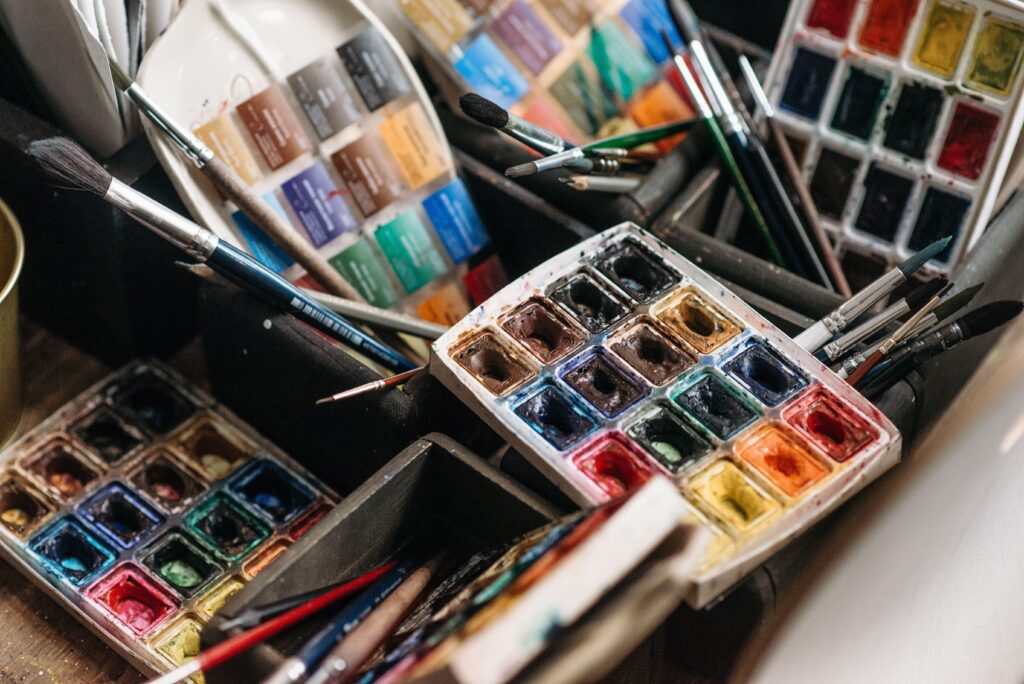
Social media can be useful for more than displaying finished paintings or announcing exhibitions. It can also help people understand the ideas, decisions, and experiences behind your practice. When you share a little of your process, you give others something to connect with beyond the final image.
You might post a detail from a work in progress, explain why you’ve been exploring a particular material, or reflect on something you’ve learned while developing a series. You could share a book that influenced your thinking, discuss a technique you’re experimenting with, or write about a question you’re still trying to answer through your work. These small glimpses can help other artists and creative professionals understand what matters to you.
They also create opportunities for conversation. Someone might recommend an artist working with similar materials, ask about your technique, or share an experience that resonates with your own. You don’t need to post every day or turn your entire creative life into content. Choose a rhythm that feels sustainable and share what you’re comfortable making public.
It’s equally important to engage with other people’s work. If someone shares a thoughtful reflection about their practice, respond to the idea rather than simply liking the post. If an artist asks a question you can help answer, offer a useful resource or share your experience. Over time, these small interactions can make your online presence feel less like a portfolio sitting on a screen and more like a space where genuine professional relationships can develop.
Try this: Share one post about the thinking behind a recent artwork. Explain what inspired the piece, what challenged you during the process, or what you’d like to explore next. Then spend a little time engaging thoughtfully with other artists’ posts.
5. Keep In Touch And Look For Ways To Support Others

Making an initial connection is one thing. Building a relationship that lasts is another. It’s easy to exchange messages with someone, follow each other’s work for a few weeks, and gradually lose touch. Often, the difference between a brief interaction and a lasting professional relationship comes down to small, consistent efforts.
If an artist you admire announces an exhibition, congratulate them. If a former collaborator publishes a new project, take a moment to explore it. If someone shares an opportunity that might be useful to another artist you know, pass it along.
These gestures don’t need to be elaborate. A short message, a thoughtful recommendation, or a link to a relevant opportunity can show someone that you’ve paid attention to their work.
You can also make it easier to stay connected by keeping a simple record of the people you’ve spoken with and what you discussed. This doesn’t need to become a complicated networking spreadsheet. A few notes in your phone can help you remember someone’s current project or an article they mentioned wanting to read.
And when you need advice or support yourself, don’t be afraid to ask. Healthy professional relationships allow room for both giving and receiving. You can offer support without expecting an immediate return, while also recognising that it’s perfectly reasonable to seek guidance when you need it.
Most importantly, remember that relationships develop at different speeds. Some people may become close creative collaborators, while others remain friendly professional acquaintances. Both can be valuable.
Try this: Revisit a few conversations you’ve had with artists or art professionals over the past year. Is there someone whose work you’d like to catch up on? Send a brief message, share something relevant to their interests, or ask how a project they mentioned is progressing.
Building Your Network One Conversation At A Time
You don’t have to become the most outgoing person in the room to build a fulfilling career in art. Nor do you need to attend every opening, workshop, or industry gathering to make meaningful professional connections. Networking can be as simple as taking an interest in someone’s work, sharing what you’re learning, asking a thoughtful question, or remembering to congratulate a fellow artist on an achievement.
The important thing is to approach relationships with genuine curiosity and an understanding that connection works both ways. Other artists and art professionals aren’t simply people who might help you get somewhere. They’re individuals with their own practices, challenges, ambitions, and ideas worth discovering.
Start small. Choose one or two approaches that feel comfortable, make room for them in your routine, and allow relationships to develop without putting pressure on every conversation to lead somewhere.
You never know which exchange might grow into a collaboration, which fellow artist might become a trusted friend, or which small gesture might help someone remember your work. A professional network doesn’t have to be a list of names you’ve collected. It can be a creative community you’ve built, one genuine connection at a time.
