
How Artists Built Businesses Without Galleries

Some people wait for the tide to lift them, hoping the world notices their work. Others grab some wood and start building a boat. For a growing number of contemporary artists, galleries are no longer the only way to be seen, to be collected, or to make a living. They’ve discovered that success doesn’t have to pass through a gallery door to be real.
Creating a sustainable art business on your own takes more than skill with a brush or a camera. It takes curiosity, persistence, and a willingness to understand the people who will connect with your work. These artists treat their practice like a living thing, blending creativity with entrepreneurship, finding ways to bring their work directly into the hands and hearts of collectors, clients, and communities.
It’s also about mindset. Artists who thrive outside galleries experiment, adjust, and learn along the way. They use digital tools, social media, workshops, collaborations, or even limited editions to build their own pathways , all without sacrificing the voice that makes their art theirs. Every decision is a little business lesson, every piece a bridge between creativity and livelihood.
The culture around art is changing too. Collectors and audiences are more willing to engage directly with artists, skipping the middleman. This opens space for diverse voices and personal connections that a gallery might not provide. The result is more than sales; it’s relationships, stories, and experiences that feel intimate and immediate.
In the sections that follow, we’ll dive into the stories of artists who have carved their own paths, look at the strategies that made their ventures work, and highlight lessons any creative professional can take from their journeys.
When You Make Something People Want, You Don’t Need a Gallery to Sell It
Some people think you need a gallery to ‘make it’ as an artist. But stories like this remind us that real success comes from what you create and how you share it, not where you show it. One artist who proves that beautifully is Louie Gong. His path didn’t start in a white‑walled gallery. It began with something simple , a custom pair of sneakers.
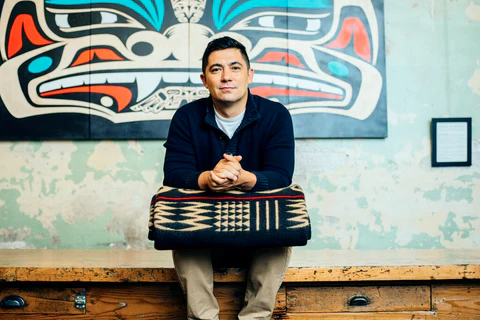
Gong was decorating shoes for himself when people started noticing. They asked him to do theirs too. That small moment grew into an idea that felt bigger than just art on a wall. Instead of trying to fit into the traditional gallery world, Gong turned that energy into a business called Eighth Generation. He focused on products people could hold, use, and live with , blankets, bags, prints , things that carry both art and meaning with them. What mattered most was that the work found its way into people’s lives on their own terms.
Selling art through products and an online store changed everything for him. As he says in interviews, he wanted a way for people to connect with Native art that didn’t require them to walk into a gallery space first. He wanted his culture and creativity to be accessible without losing depth. That choice gave him control over his work and opened up a direct relationship with the people who bought it.
But Gong didn’t stop at building a business for himself. He also thought about others who might not fit the gallery mold either. Through something called the Inspired Natives Project, he helped other Indigenous creatives find ways to make and sell their work while keeping cultural integrity at the center. Over time, this community‑centered approach became part of what made Eighth Generation more than just a brand , it became a cultural space people could trust and support.
Eventually, Gong’s work found a physical home too, not as a gallery show but as a store in Seattle’s Pike Place Market. That space wasn’t just about selling things; it became a place where people could stop, explore, and connect with art that was both beautiful and rooted in real stories. The success of that store didn’t come from gallery prestige , it came from people responding to work that felt genuine, that spoke to them, and that they could take home and live with.
Louie Gong’s path shows something important: artists don’t have to wait for approval from the gallery world to build a business. If the work resonates, if the artist crafts something people feel, and if they find ways to meet their audience where they are , a business can grow organically. Sometimes the most lasting opportunities come from what you give life to, not where others choose to hang your work.
Sources
How One Artist Turned Instagram Into Her Marketplace
There’s something quietly powerful about creating in public. When you share your work step by step with people who care, those viewers can slowly become your patrons , and sometimes much more. One artist who embodies this shift is Ashley Longshore, a painter who made a name and a business for herself without waiting for galleries to validate her.
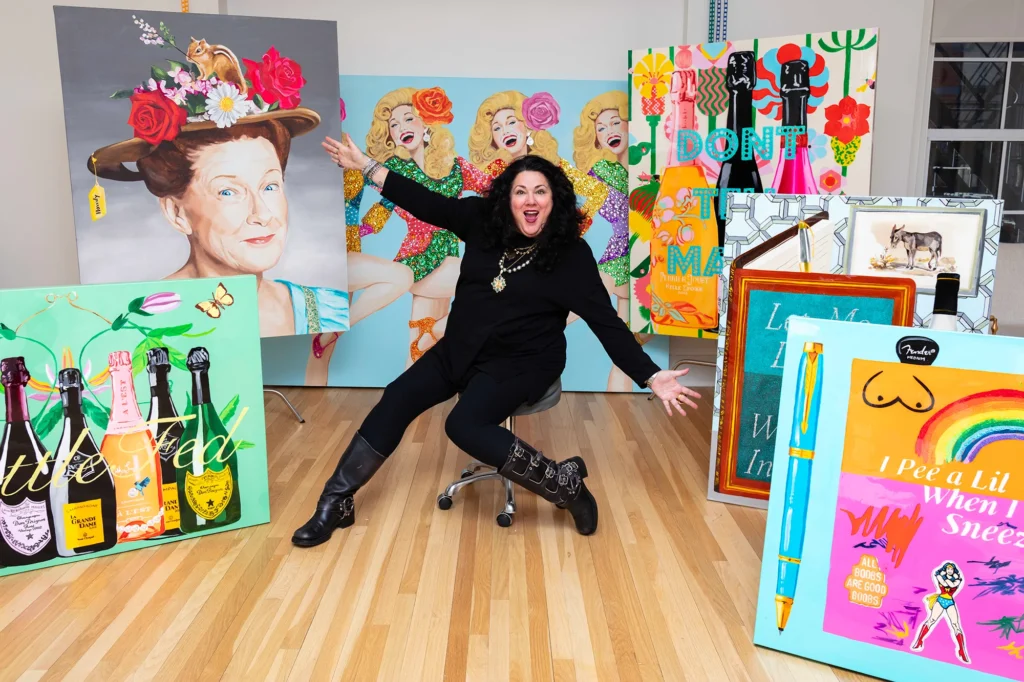
Longshore’s story does touch galleries , she has shown in traditional spaces and even owns her own studio gallery , but the real foundation of her business came from direct engagement with her audience. Long before many artists used Instagram as a serious sales tool, she was commanding attention there with bold colors, big personalities in her work, and unfiltered voice. She didn’t wait for a curator to post her work on a wall someplace prestigious. Instead, she put it on social media and let collectors come to her. She built visibility first, not backstage approval.
By actively steering her own public presence, Longshore started selling work straight to buyers and retaining full control of her profits and creative direction. She understood early that artists often give away a lot of their earnings if they work exclusively through galleries, galleries typically take percentage cuts, manage exhibitions, and set prices based on standard dealer models. Avoiding that system meant Longshore could set her own terms on how her work was priced, marketed, and experienced.
What’s striking about her approach is how unashamedly entrepreneurial it feels. She speaks openly about art as both expression and business, positioning herself as CEO and creator at the same time. Instead of letting galleries dictate her pace or audience, she built a loyal network of collectors, brands, and collaborators. People pay attention because she is consistent, vivid, and personally engaged in every step of the process.
Longshore’s path didn’t happen overnight, and she faced resistance and skepticism from the traditional art world. But by embracing social media, cultivating her own clientele, and viewing her art as a brand rather than a commodity passively displayed, she created a sustainable business that doesn’t rely on galleries to open doors for her. In doing so, she also helped redefine what success can look like for other artists who want financial independence and creative control at the same time.
Sources
https://www.mindedpodcast.com/post/ashley-longshore-art-unfiltered-ambition-and-financial-freedom
How Iris Scott Built an Empire
When most people hear “finger painting,” they think kindergarten, messy tables, and quick smears of color. But for Iris Scott, that playful act became her career, her voice, and her business, built in ways most artists didn’t imagine when she started. Long before online audiences became a normal part of an artist’s life, Scott found that the internet could carry her work directly into homes, hearts, and collections without the barrier of gallery walls.
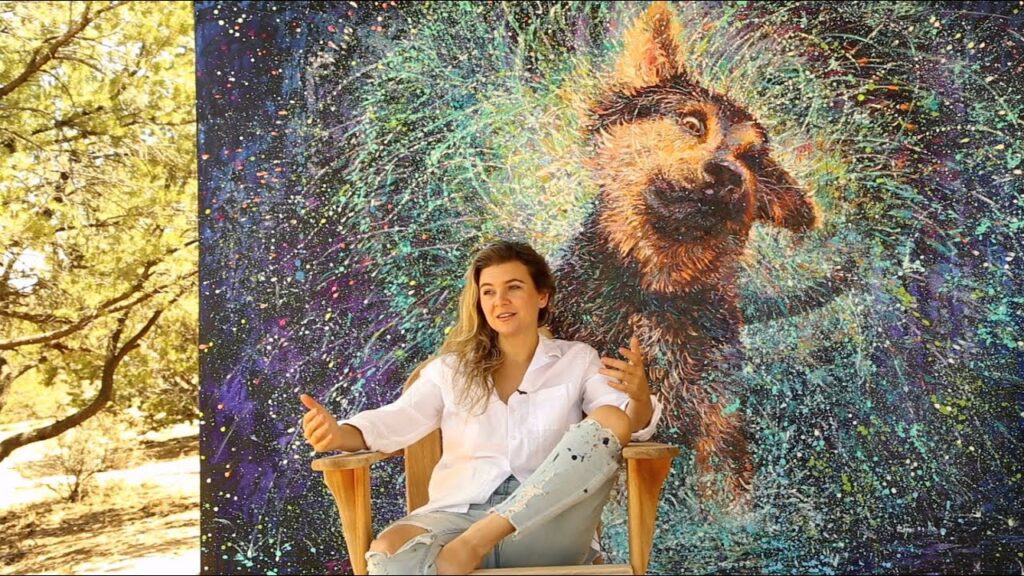
Scott discovered her signature mode of painting in 2010 while living in Taiwan. She was simply too tired to clean her brushes one day and finished a painting with her fingertips instead. That spontaneous act gave her work texture, immediacy, and energy that no brush had ever delivered. Even though she was a trained painter, she leaned into this unorthodox technique and started posting her vibrant, finger‑painted pieces online. What happened next was not luck , it was connection. People saw her work, responded to it, and started buying it directly from her posts.
Because she was living abroad in a place where the cost of living was low, Scott didn’t have to worry about immediate financial pressure. That gave her the breathing room to paint every day and sell work through Facebook and other early social platforms. As her audience grew, the sales came organically , not because she had gallery representation, but because her work reached people who loved it and wanted to own it. In her own words from interviews, she eventually supported herself fully this way, made sales internationally, and built her business through direct connection, word of mouth, and consistent posting. 6sqft
What makes Scott’s story so powerful is the way she valued accessibility over exclusivity. She didn’t start by pricing her work only for the elite art market, pushing for a gallery that would slot her into a traditional structure. Instead, she made pieces , initially priced modestly , that were approachable and emotionally resonant. As demand grew, so did her prices, but the foundation remained the same: direct, human engagement with her audience.
Over time, that online presence translated into bigger opportunities , features in major media outlets, solo shows, and even global recognition , but the business root stayed rooted in the community she built online. Scott’s trailblazing story shows that artists can shape their own economies by meeting people where they are, using technology to open doors rather than waiting for someone else to unlock them.
Sources
https://www.forbes.com/sites/elainepofeldt/2017/02/27/why-one-brooklyn-artist-doesnt-need-a-day-job
How Mason Saltarrelli Found Freedom in Direct‑to‑Collector Art
There’s a moment in many artists’ lives when they feel squeezed by the traditional paths , the gallery submissions, the festival circuits, the dealer waiting lists. For Mason Saltarrelli, that moment came at the height of pandemic lockdown in New York City, when the world around him shuttered and he found himself turning inward, painting in his apartment and confronting what he most loved about creating. Instead of waiting for galleries to open again, he turned to something immediate and honest , his own audience.
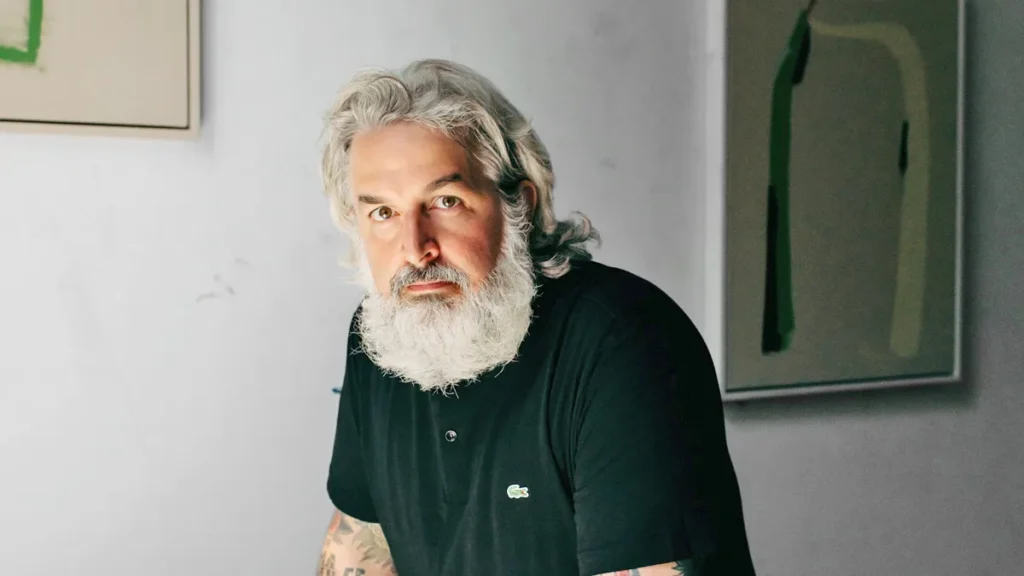
Saltarrelli began sharing a series of intimate abstract works called Paper Fables on Instagram. These weren’t big, gallery‑ready canvases meant for curators or critics. They were accessible, human‑scaled pieces that spoke to his internal world and invited others to find their own stories in the colors and forms. Over time, he started selling them directly via direct messages for a flat price , a practice that bypassed traditional galleries and gave him unfiltered connection with people who genuinely wanted his work.
What makes his approach feel especially meaningful is how it rekindled his original motivation for creating art. Removed from the pressure of gallery expectations, exhibition calendars, and market valuations, Saltarrelli rediscovered why he began painting in the first place. Fans and buyers reached out not because a dealer told them to, but because they connected with his work on their own terms , whether they were nurses, students, or friends he had never met in person.
That direct‑to‑collector method didn’t just change how he sold art; it changed how he saw his practice. He talked about moving away from the stress, exclusivity, and competition of the gallery world toward something more human, more about shared experience. And that shift resonated. It made room for his art to speak for itself, without filters or intermediaries.
Saltarrelli’s story didn’t diminish galleries altogether , he had worked with them in the past , but it showed a powerful alternative: that connection and community can be as valuable as traditional validation. In rediscovering his artistic joy and offering his work directly to those who loved it most, he built a livelihood that felt authentic to him, not chosen by someone else.
