
How Women Galleries and Curators Are Reshaping Art Basel 2026
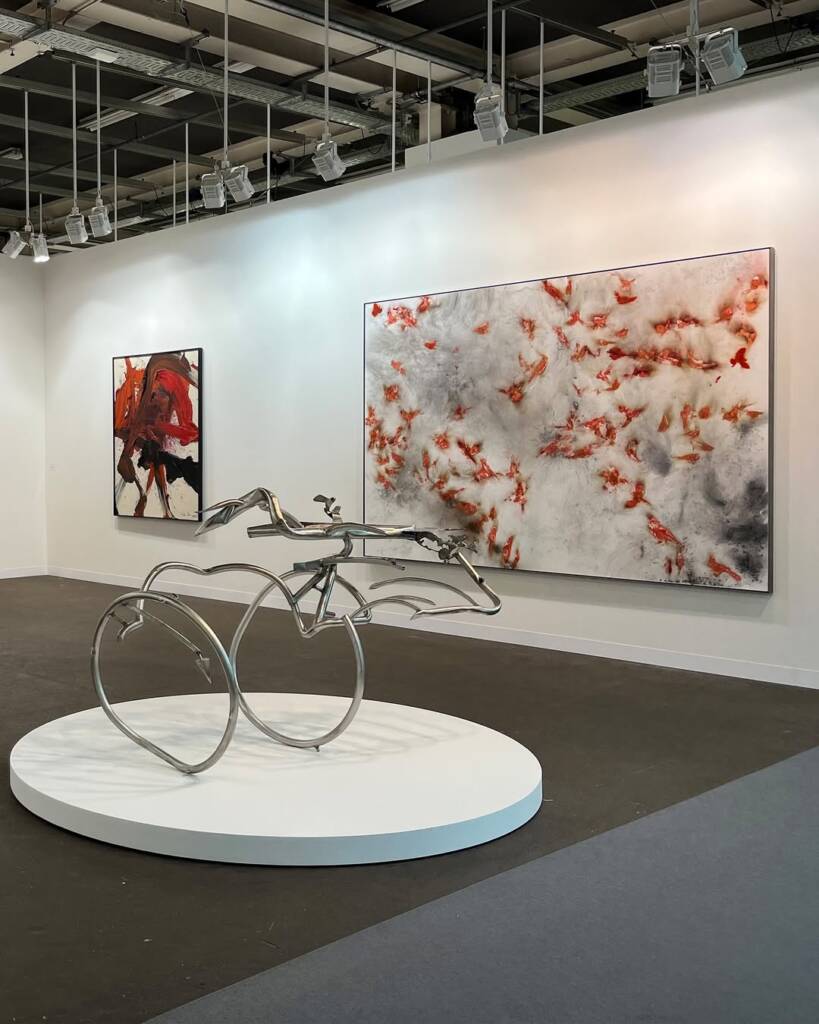
The 2026 edition of Art Basel marks a visible shift in who leads and shapes the world’s most important contemporary art fair. In recent years, women leaders have taken central roles across the Art Basel ecosystem, guiding key editions of the fair and influencing how galleries, artists, and collectors intersect at global market moments. This shift isn’t anecdotal, it reflects deeper changes in the art world’s leadership and collector base, and is showing up clearly at multiple global fairs tied to Art Basel.
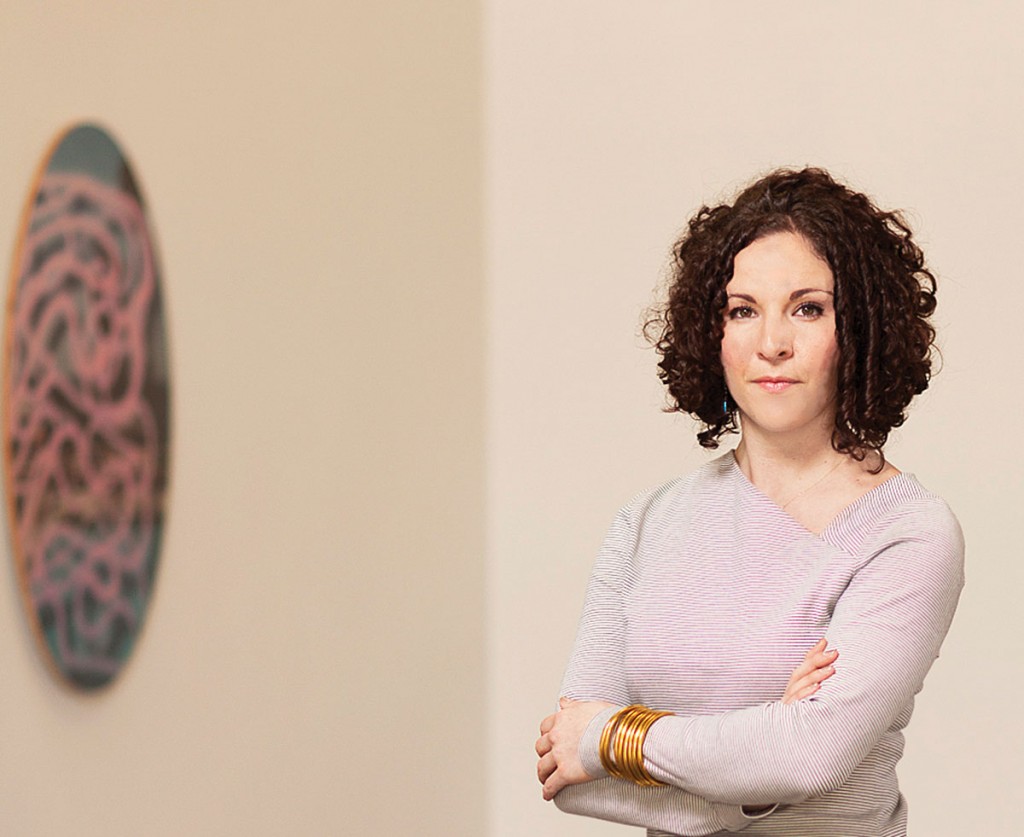
Art Basel Miami Beach, one of the most influential art market events in the Americas, is led by Bridget Finn , a veteran gallerist with two decades of commercial gallery experience who took over as director in 2023. Finn’s appointment brought gallery‑world insight directly into fair leadership, and her role has shaped the fair’s program, sectors, and engagement strategy as it brings together hundreds of galleries and tens of thousands of collectors each year. According to Art Basel’s own press coverage, Finn presided over a 2025 edition that included 285 galleries from 38 countries and territories, and expanded spaces for emerging voices and younger exhibitors. (Art Basel)
Meanwhile, Art Basel’s flagship fair in Basel , the centerpiece of the international art calendar , is led by Maike Cruse, who took over direction of the Swiss edition in 2023 and has driven initiatives that broaden participation and bring fresh curatorial thinking to the fair’s sectors. Cruse’s leadership at Basel has been credited with introducing new programmatic elements and encouraging a more expansive view of what galleries and artworks define the global market. (theartnewspaper.com)
These leadership roles matter because they steer how galleries position themselves, how collectors discover work, and how the fair’s agenda speaks to the global art community. And the changes at the top reflect underlying shifts captured in broader market research: the Art Basel & UBS Global Collecting Report shows steady increases in gender diversity among artists represented by dealers, with female representation in galleries and collections improving in recent years , a trend that carries into the fair ecosystem where women directors and decision makers help shape the landscape.(theartmarket.artbasel.com)
In 2026, Art Basel’s conversation isn’t just about which artworks or price records headline, it’s also about who is directing the narrative, program, and participation of galleries and collectors across continents. In a fair with hundreds of leading galleries and thousands of works on view, the growing presence of women in leadership roles signals a broader transformation in how the art world operates, opens opportunities, and engages with global audiences.( Art Basel)
1. Bridget Finn , steering Art Basel Miami Beach with heart and gallery know‑how
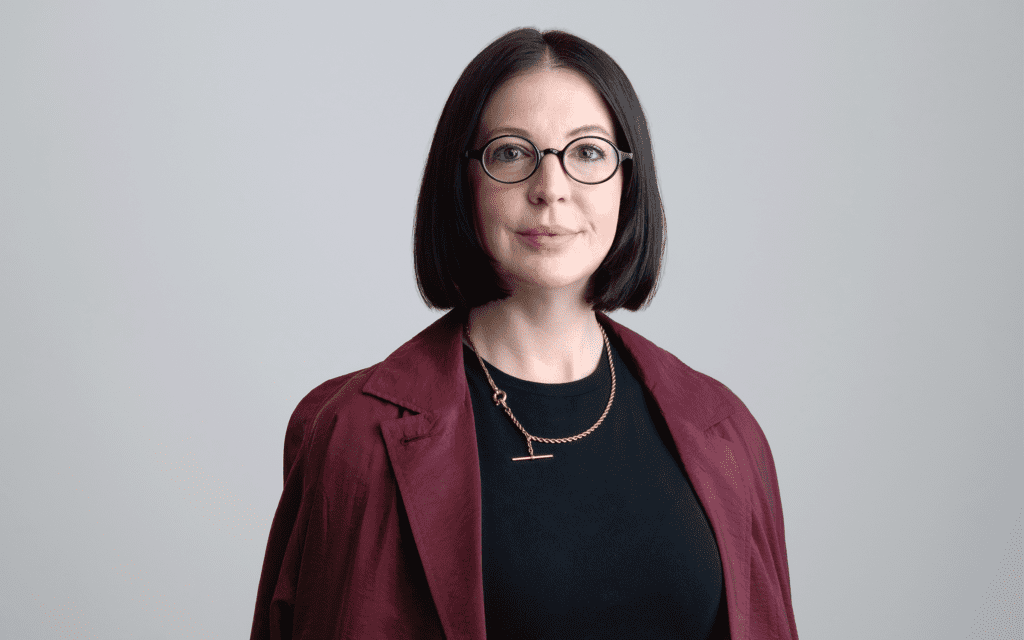
Let’s start with someone whose name came up again and again on the fair floors: Bridget Finn, the director of Art Basel Miami Beach. What makes Finn feel so integral to the story of Art Basel 2026 is not only what she oversees, but how she does it. Finn didn’t arrive here as a generic event executive; she came with deep roots in gallery practice. Before taking the helm in Miami, she spent years working inside galleries, helping artists grow, and building relationships with collectors. That background doesn’t just give her credibility , it gives her instinct.
According to Art Basel’s own coverage, Finn’s leadership has emphasized communication with galleries at every level, from marquee international spaces down to emerging dealers who are still building their market footprint. At the 2025 Miami Beach fair, the lineup included 285 galleries from 38 countries, and Finn’s programming decisions helped create spaces where both gallery directors and collectors felt genuinely engaged instead of boxed into transactional interactions. This wasn’t just a number on a page, it was a mood shift you could feel walking the halls.
Source: https://www.artbasel.com/stories/art-basel-unveils-gallery-lineup-and-key-highlights-for-its-2025-miami-beach-edition?lang=en
One of the clearest examples of how Finn’s gallery sensibility plays out is her approach to booth structure and pricing tiers. In multiple interviews tied to the fair, she talked about listening to galleries first, and then using that input to adjust booth sizes and cost structures so that smaller and mid‑tier galleries could participate more comfortably. This kind of practical adjustment may sound niche, but for women‑led spaces and younger dealers that often struggle with the entry cost of participation, it was a meaningful recalibration. Galleries responded with enthusiasm, noting that they felt seen and, crucially, valued as part of the fair’s ecosystem rather than side attractions.
Source: https://www.theartnewspaper.com/2024/07/09/art-basel-miami-beach-smaller-stands-for-less-money-to-help-emerging-galleries
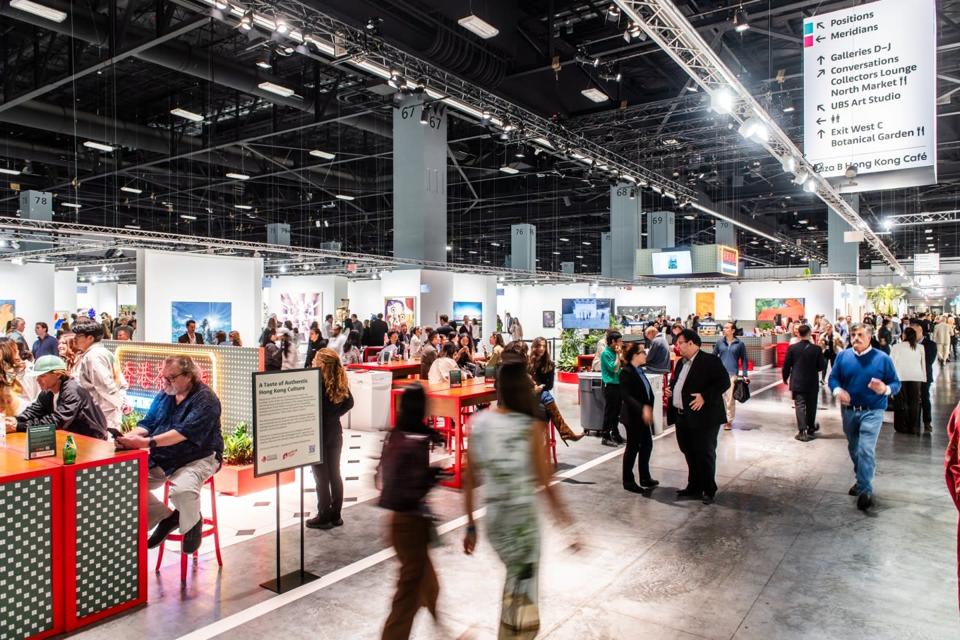
Collectors noticed too, not just because they saw new names, but because they felt welcomed into conversations that were richer and less predictable. And that, in turn, means that the marketplace at Miami and now Basel feels more dynamic and multi‑voiced. With Finn continuing to shape strategy into the 2026 editions, the ripple effects of her gallery‑first approach are influencing how both galleries and collectors think about participation in major fairs.
2. Women‑forward galleries making waves on the floor
What makes the story of women‑led galleries at Art Basel 2026 so compelling is that it isn’t limited to leadership titles , it’s visible in the booths, the artists shown, and the collector interest on the floor. The big names get headlines, but some of the freshest energy came from galleries that have quietly built strong programs and are now seeing real payoff.
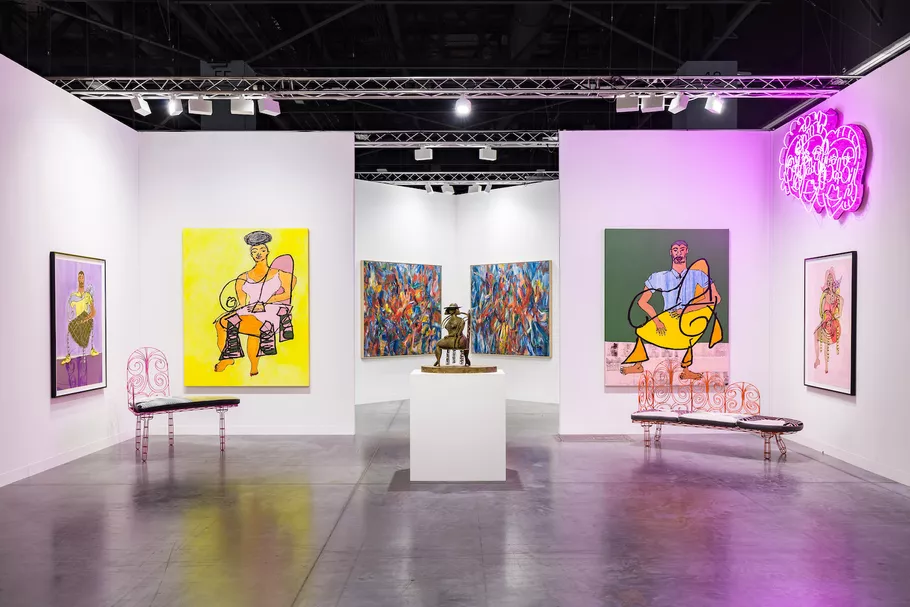
Nina Johnson Gallery is a standout example. According to Impact Wealth’s coverage of the 2025 Miami Beach fair, Johnson’s booth was her first in the main Galleries sector, and she showed a thoughtful mix that balanced well‑established names with experimental voices. Works by artists like Nathlie Provosty and Katie Stout drew sustained collector attention, and Johnson’s booth became one of the most talked‑about first appearances by a gallery that summer. This wasn’t a splashy stunt; it was a confident declaration that a women‑led gallery could stand shoulder to shoulder with the traditional heavyweights.
Source: https://impactwealth.org/art-basel-miami-beach-2025-opens-with-strong-sales-digital-momentum-and-global-depth/
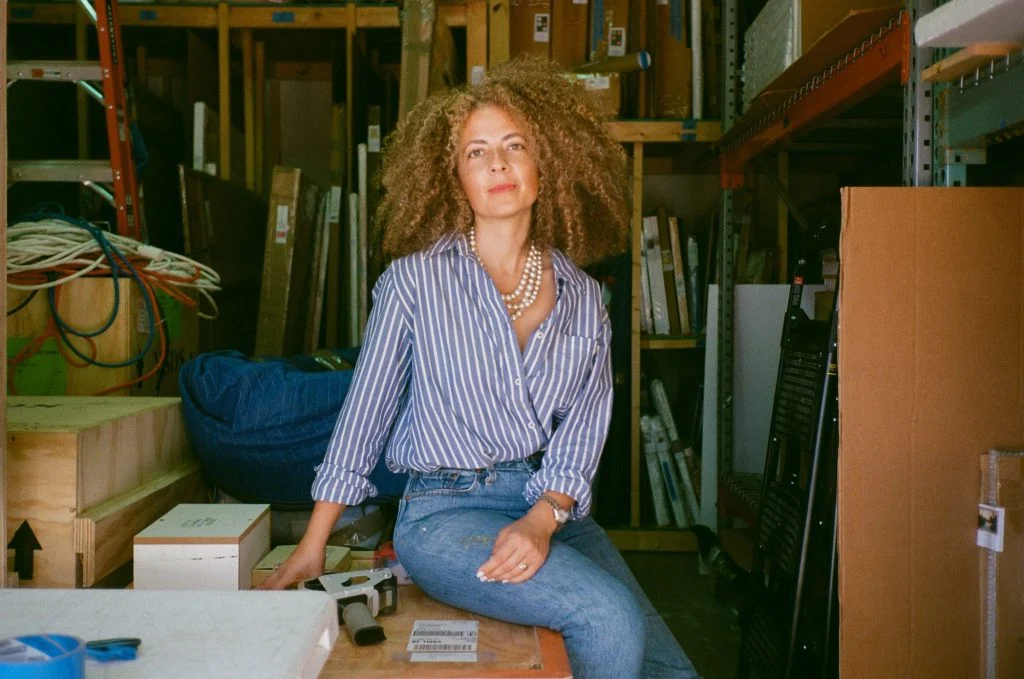
Another example came from Erin Cluley Gallery, which traveled from Dallas to Miami and presented a tight, conceptually smart booth that played with both material and narrative threads. What mattered there wasn’t just the location of the gallery, but the tone it set: no forced gimmicks, just a clear artistic point of view that resonated with collectors stepping out of the usual coastal circuits. That resonation is part of what the Art Newspaper highlighted when it noted the expanding diversity of participating galleries in 2025.
Source: https://www.theartnewspaper.com/2025/07/23/art-basel-miami-beach-returns-in-2025-with-285-exhibitors
Taken together, these examples point to a larger pattern: women‑led galleries aren’t scattered or rare at these fairs; they’re confidently present and engaging the market on their terms. The result? Collectors started actively seeking out these booths, not just browsing them. The fair floor became less about ticking names off a list and more about actual discovery conversations , a shift that both galleries and collectors talked about long after the fair closed.
3. Curated sectors and the women voices behind them
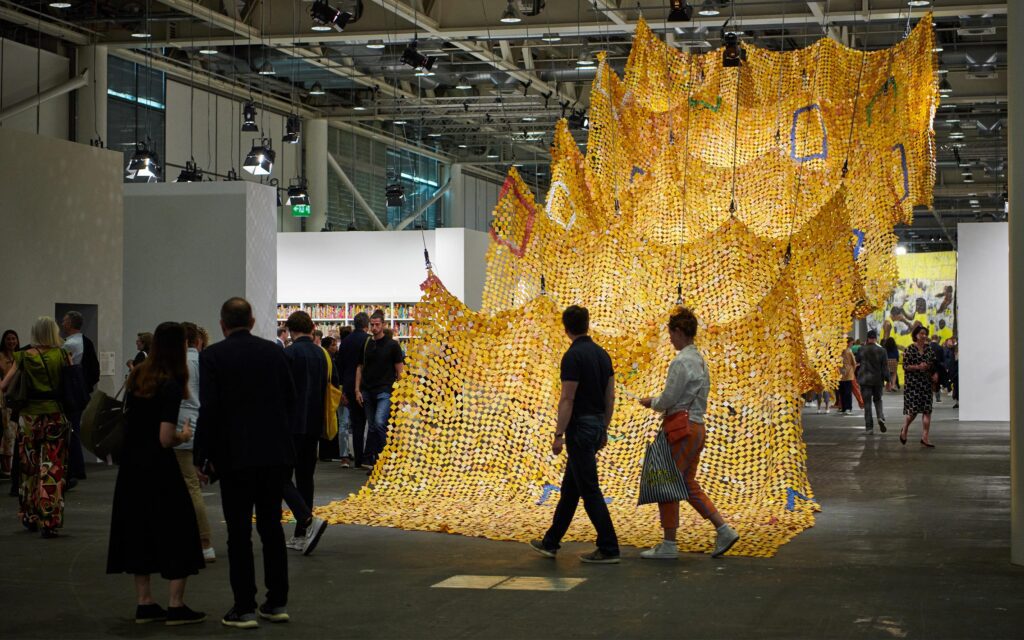
One of the most fascinating shifts at Art Basel 2026 is how the curated sectors, the special sections that stand alongside the main Galleries sector, are being shaped and uplifted by women curators, gallery leaders, and program directors. These sectors, like Nova, Positions, and thematic platforms focused on emerging or experimental work, have become places where new ideas get serious market attention. And women are front-and-centre in making that happen.
Here’s the context: curated sectors aren’t random art groupings. They’re intentional showcases where curators and fair leaders choose artists and galleries that might push the conversation forward rather than simply sell well. And according to the Art Basel & UBS Global Market Report, galleries whose programs include higher representation of women artists consistently reported increased sales and collector interest , a signal that the market itself is responding to these curatorial choices, not resisting them.
Source: https://theartmarket.artbasel.com/download/The-Art-Basel-and-UBS-Art-Market-Report-2025.pdf
Another point worth noting: the influence of women isn’t limited to who gets a booth, but to how collections are presented. Curators who happen to be women, whether they are gallery directors leading key fair sectors or independent curators shaping thematic spaces, bring distinctive perspectives, and those perspectives are influencing what collectors value, what critics write about, and what institutions take note of after the fair ends.
This isn’t a footnote anymore; it’s a pattern. And in 2026, the curated sectors shaped by women leaders are part of what makes Art Basel feel like a place where new ideas get real market attention.
4. Pearl Lam Galleries , Asia’s voice on the global stage
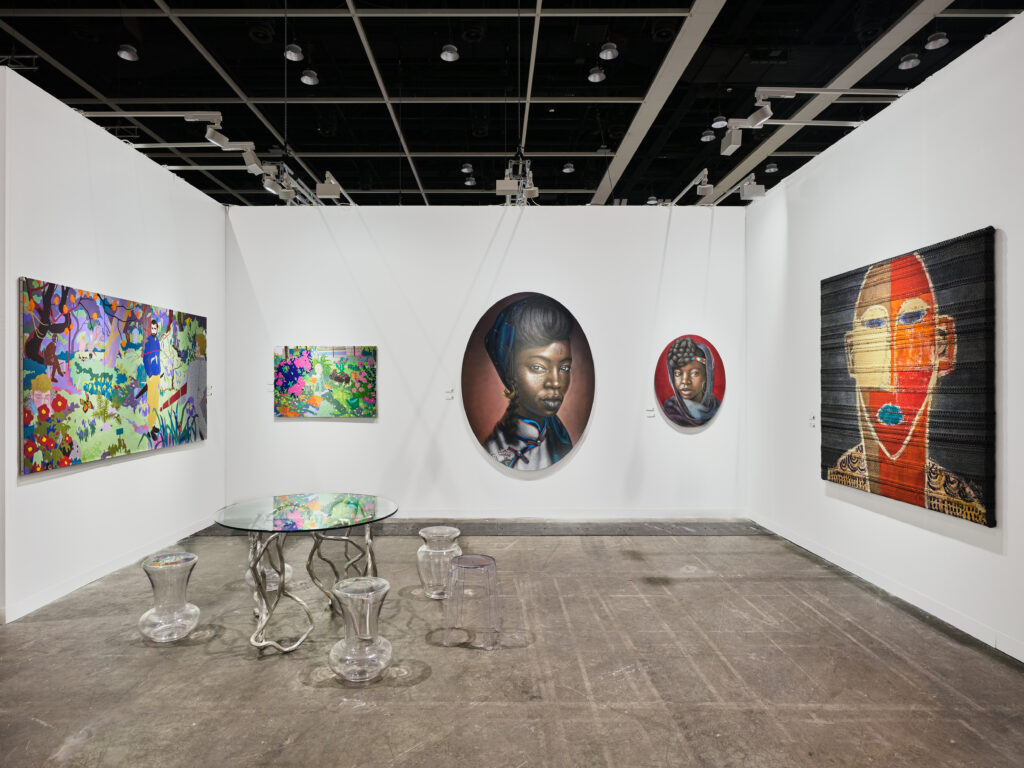
If you want to see a gallery that literally changes the conversation when it shows at Art Basel, Pearl Lam Galleries is an instructive example. Founded in Hong Kong in 2005, Pearl Lam has spent years building bridges between Asian contemporary art and the rest of the world, and Art Basel Hong Kong has become one of her most important platforms to do that. According to coverage of the gallery’s participation in Art Basel Hong Kong 2025, Lam brought a group exhibition featuring both established and emerging voices that reflected not just commercial strength but cultural dialogue across regions. That’s a big part of what makes her presence matter on the fair floor.( Pearl Lam Galleries)
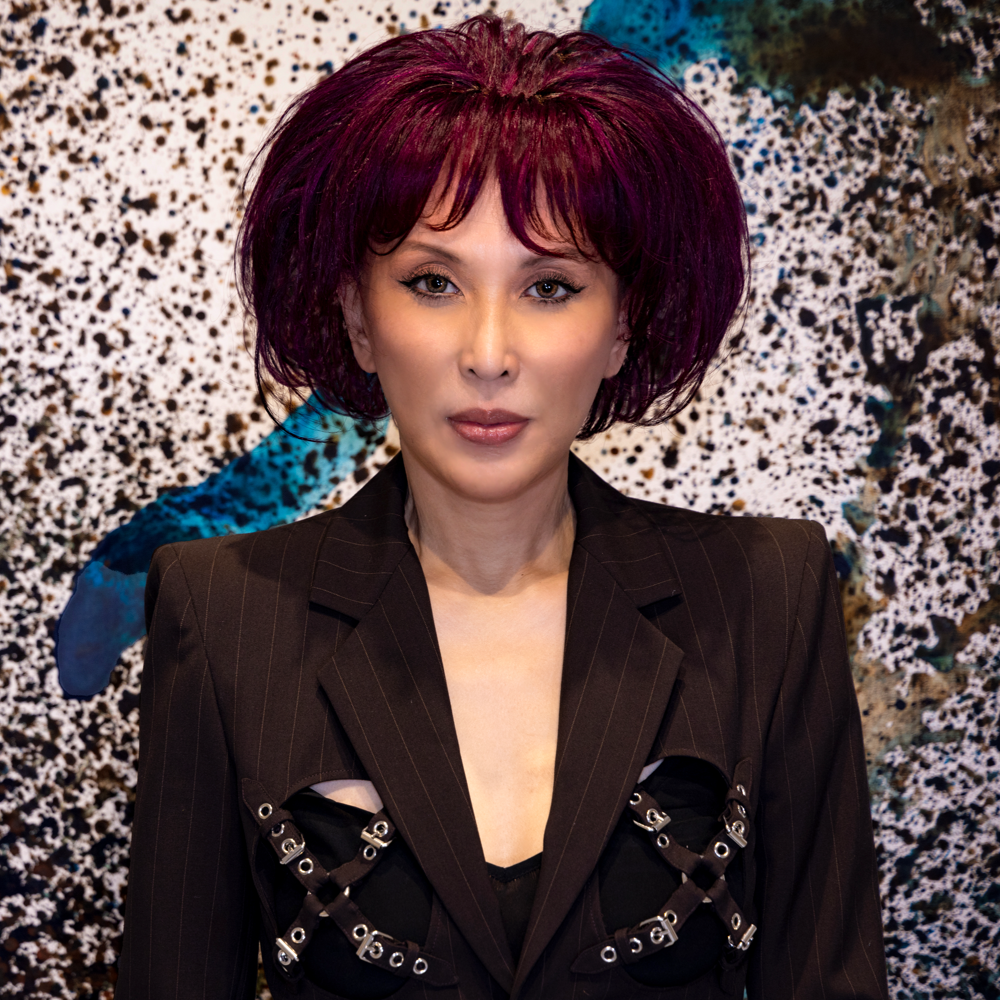
Lam’s influence isn’t just geographic, it’s strategic. Pearl Lam Galleries is widely recognized as a driving force within Asia’s contemporary art scene, and her booth pushes artists from under‑represented contexts into collectors’ visual fields. The Art Basel catalog describes the gallery as stimulating “international dialogue,” which is exactly what collectors and curators talk about when they return to her booth multiple times during a fair week. Art Basel
What makes this especially relevant for 2026 is the way Lam’s booth functions as a meeting point between regions. Collectors at Hong Kong don’t just see work they might buy, they see a range of artistic practices from across Asia and beyond , from established names to voices they might not encounter at a purely Western‑centric booth. That breadth fills a real demand in the market, and in a global circuit where the next big thing often comes from outside New York and London, Pearl Lam’s presence signals that women gallery leaders are shaping not just programs but international art market flows.
5. Newcomer galleries with distinctive women‑led curatorial voices earning serious attention
Part of what makes women‑led galleries at Basel exciting isn’t just who they are, it’s what they choose to show , and how that choice resonates with collectors. In the 2025 Miami Beach edition, the fair’s official gallery list made it clear that a wave of first‑time and rising galleries were included alongside long‑standing giants, and many of these newcomers are led or co‑founded by women.
According to Art Basel’s press announcements, first‑time participants included names like Kate Werble Gallery and YveYang, which represent distinct points of view and have been grabbing attention for the artists they support.( Art Basel)
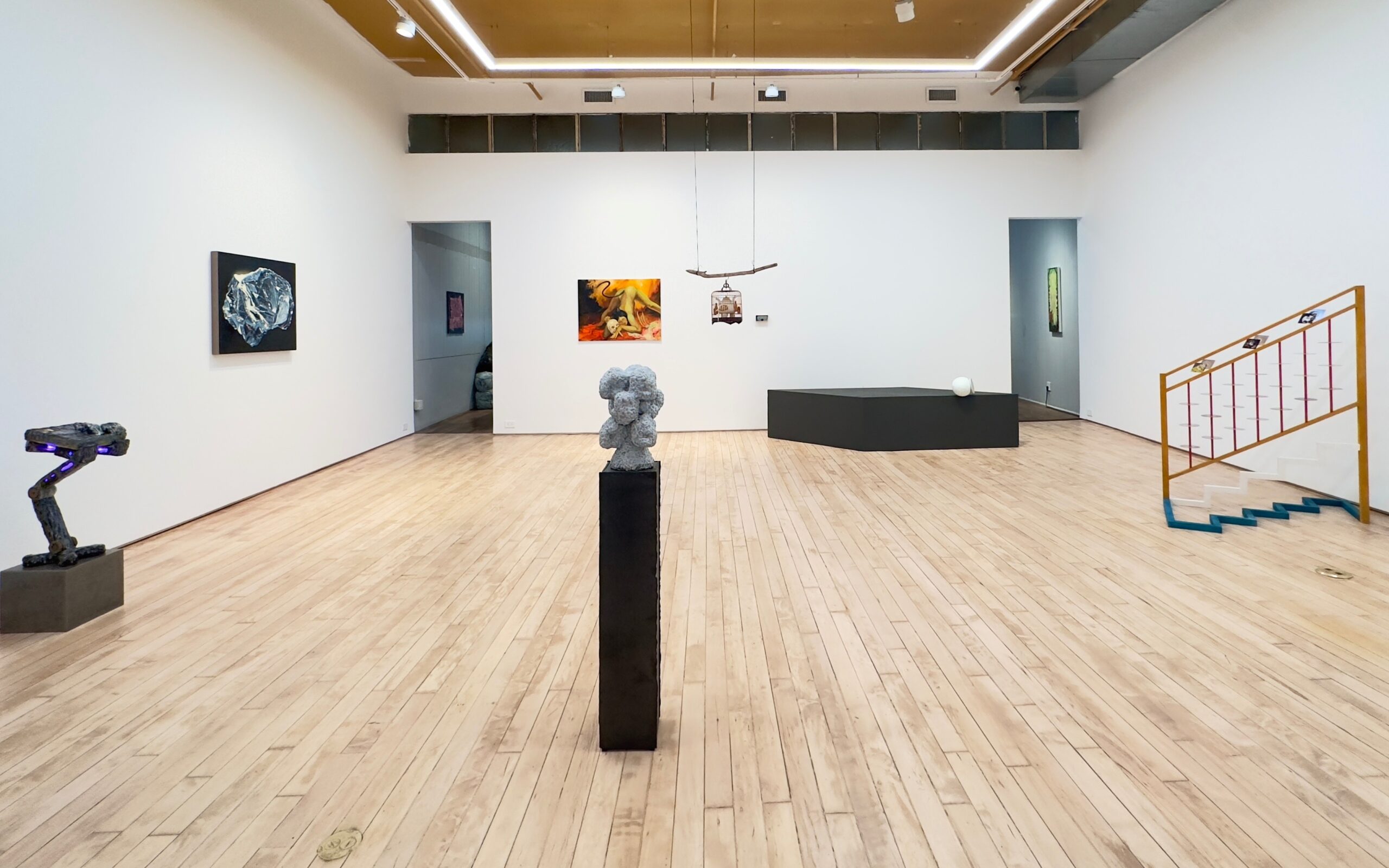
What’s cool here is how these galleries translate their identities into the fair dynamic. Take YveYang, an emerging space that made waves with a booth full of vibrant, material‑forward work that collectors stopped to engage with again and again. In a broader sense, the inclusion of galleries like YveYang and Kate Werble , both with women at the core of their programming , tells collectors something simple but powerful: your next great discovery might be right here. That expectation shifts how the fair feels on the floor, because seasoned collectors and new buyers alike start to seek out these booths intentionally, not by accident.
Collectors reacted accordingly. While the blue‑chip booths still drew big dollar figures, galleries with fresh voices , especially ones that spotlight women artists and experimental practices , reported sustained traffic and real conversations that often turned into inquiries after the fair closed. That pattern shows up in sales reporting by platforms that track Gallery participation and collector behavior. Artsy
In other words, these aren’t gallery appearances that feel like tokens or afterthoughts. They’re substantive, strategic presentations that collector segments are genuinely staking out, and that makes them major players in how Basel’s profile and market momentum build into 2026.
6. Sectors & curated spaces shaped by women , where discovery turns into demand
We’ve talked about directors and galleries, but one of the clearest ways that women are shaping Art Basel’s buzz and market impact is through curated sectors and thematic platforms that pull the spotlight toward artists and galleries that might otherwise not get that level of attention. That’s important because collectors don’t just walk a fair randomly , they follow a trail of curated signals that tell them where to look first.
At Art Basel and its global editions, these curated sectors often bring experimental, historically significant, or emergent art into focus, and women curators and sector leaders increasingly influence the programming choices.
A 2025 example: Art Basel’s Feature sector included a presentation of feminist icon Judy Chicago’s work, shown by Jessica Silverman Gallery, alongside other thought‑provoking presentations such as Anat Ebgi’s solo spotlight on the conceptual artist Tina Girouard , whose work from the 1970s was newly revisited through contemporary lenses. That kind of programming doesn’t happen by accident; it reflects curatorial direction that values history, diversity, and narrative complexity. Art Basel
What collectors notice , and eventually reward , is that these sectors offer real content, not filler. When they see installations that respond to cultural critique, gender history, or material innovation, they don’t just walk by them, they return to them. That repetition counts on a fair floor where attention is currency.
And recent market research supports this kind of programming choice: the Art Basel & UBS Market Report shows that galleries with a higher share of women artist representation , often the ones that appear in curated sectors , reported stronger sales growth compared with galleries with lower representation. That’s a quantifiable signal that the market is not just talking about representation but responding to it with buying behavior.(Observer)
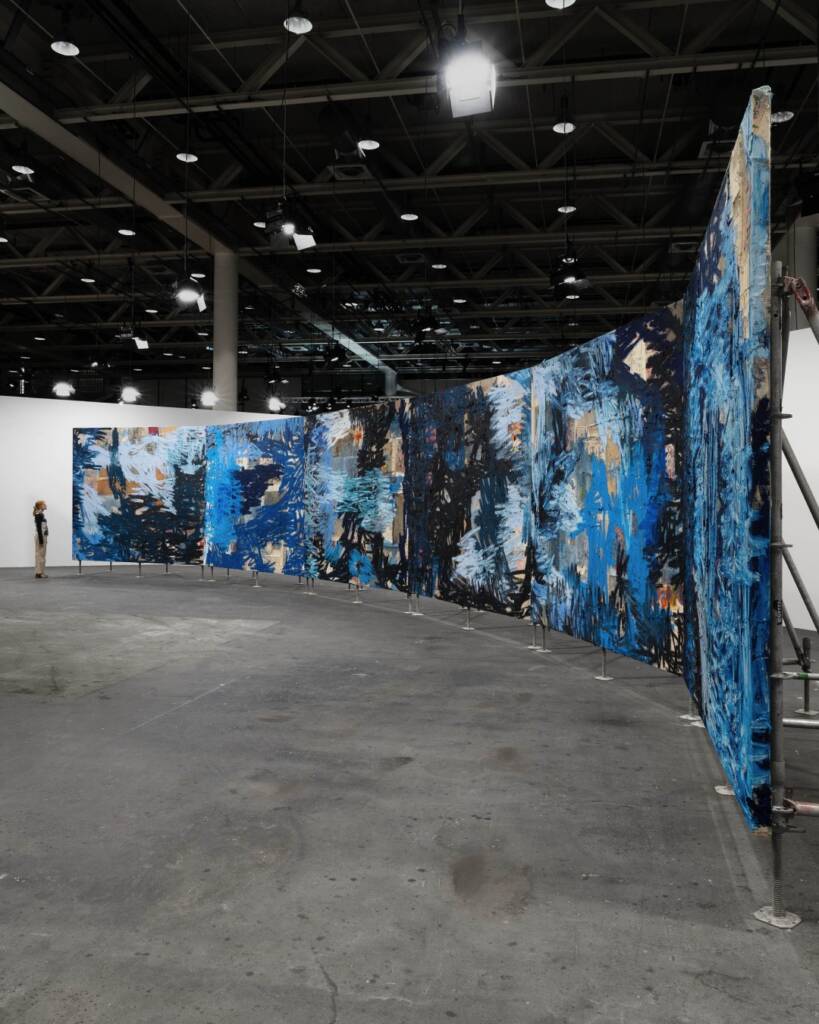
So in 2026, when you see collectors circling curated spaces and stopping at booths where women leaders have helped shape the narrative, know that those are intentional choices with real market impact, not random hall traffic. Collectors read those cues, and they act on them , which is exactly how market momentum builds beyond the headline galleries.
