
How Michele Rogers Turns Metal and Barn Wood Into Fine Art
At Women in Arts Network, we believe art was never meant to happen in isolation. That’s why throughout the year; we create themed exhibitions that do more than showcase work. They give artists a real platform, a real audience, and a real community to grow within.
When we opened submissions for the Faces exhibition, we weren’t looking for perfect portraits or technically flawless renderings of human features. We were looking for work that understood what a face actually is. What it holds. What it carries that words never quite can. The response we received was overwhelming, and honestly, humbling. Artists got it. They understood the assignment in ways we hadn’t even fully articulated ourselves.
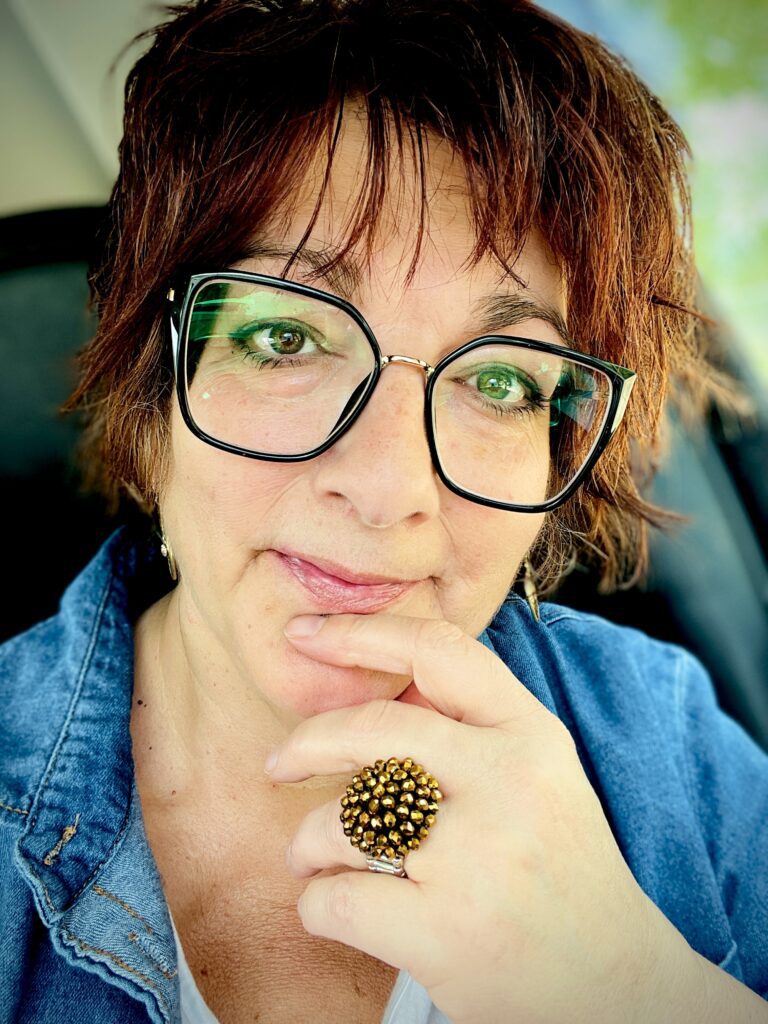
And that’s exactly how we found our way to Michele Rogers, one of the selected artists for this exhibition, and honestly, her work stopped us mid-scroll the moment it landed in our inbox.
So, Michele is a sculptor working with materials that most people would walk straight past without a second glance. Repurposed barn wood. Scrap metal. A fabric-hardening medium called Paverpol that is, by all accounts, sticky and chaotic and completely unwilling to do what you tell it.
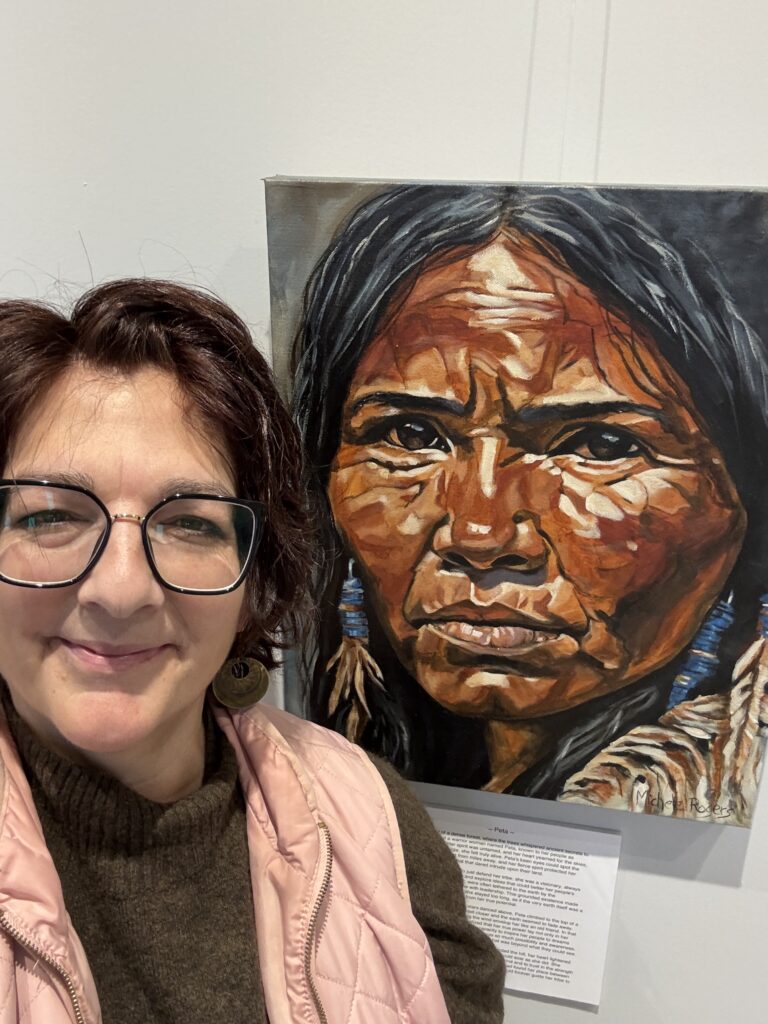
Here’s the thing though: she’s not trying to tame any of it. The scratches on the wood stay. The dents in the metal stay. The weathering, the staining, all the evidence of a previous life, it all stays. Because for Michele, that history isn’t something to sand away. It’s the whole story.
That philosophy didn’t come from art school or a career strategy. It came from somewhere much more personal. Making things with her hands, crocheting, drawing, beadwork, was how Michele found peace when she couldn’t find it anywhere else. It wasn’t a hobby. It was survival. And that foundation, creating out of genuine need rather than ambition, is still the engine underneath everything she makes today.
Her work moves between joy and stillness depending on what she’s carrying when she sits down to work. Some pieces are bright and playful and make you smile before you even understand why. Others slow everything down and ask you to just sit with whatever they’re stirring up in you. She doesn’t manage that range to keep her practice looking consistent. She just makes what’s true at the time.
Scale is something she thinks about deliberately too. Sometimes a piece needs to be small, almost private, the kind of thing that pulls you in close and asks something quiet of you.
Other times it needs to fill a room and hit you before you even have a moment to prepare. The size is never a default. It’s always a decision, chosen around the kind of experience she wants you to walk away with.
And that instinct, knowing exactly what a piece needs to do to a person, is what we want to dig into. So let’s hear it straight from Michele. How it feels to work with materials that actively push back. Why she keeps reaching for things that carry someone else’s history. And what it actually means to build an entire practice not around career moves or market strategy, but around the simple fact that making things is how she stays whole.
Q1. Could you share your background and early creative journey when art first became a language you truly wanted to speak, and how that path evolved into what you’re doing today?
My journey with art began at a young age, when I discovered that creating was not just a pastime, but a sanctuary. Growing up, I always found solace in the quiet moments spent with crocheting, drawing, or doing beadwork, losing myself in the process and finding a sense of peace that the outside world couldn’t quite offer. It was during these younger years that art became a language I was eager to speak, a way to express emotions and ideas that were often difficult to articulate verbally. As I grew older, this passion only deepened. I explored various mediums, from painting and drawing to woodworking and sculpture, each one offering a new avenue for expression and relaxation. Art classes in school were not just subjects to me; they were opportunities to for me to express what lingering deep inside and wanted to come out. Over time, I realized that creating art was more than just a hobby—it was an essential part of my identity and mental well-being. Today, I continue to embrace art as both a personal escape and a professional pursuit. Whether I’m working on commissioned pieces or personal projects, each brushstroke and pencil mark is a reminder of the joy and calmness that creating brings me. Art has become my way of navigating life’s pressures, a constant in a world that can often feel overwhelming. This journey, from those early days of discovery to my current practice, has reinforced my belief in the transformative power of art and its ability to connect us to ourselves and to others…. to bring me peace
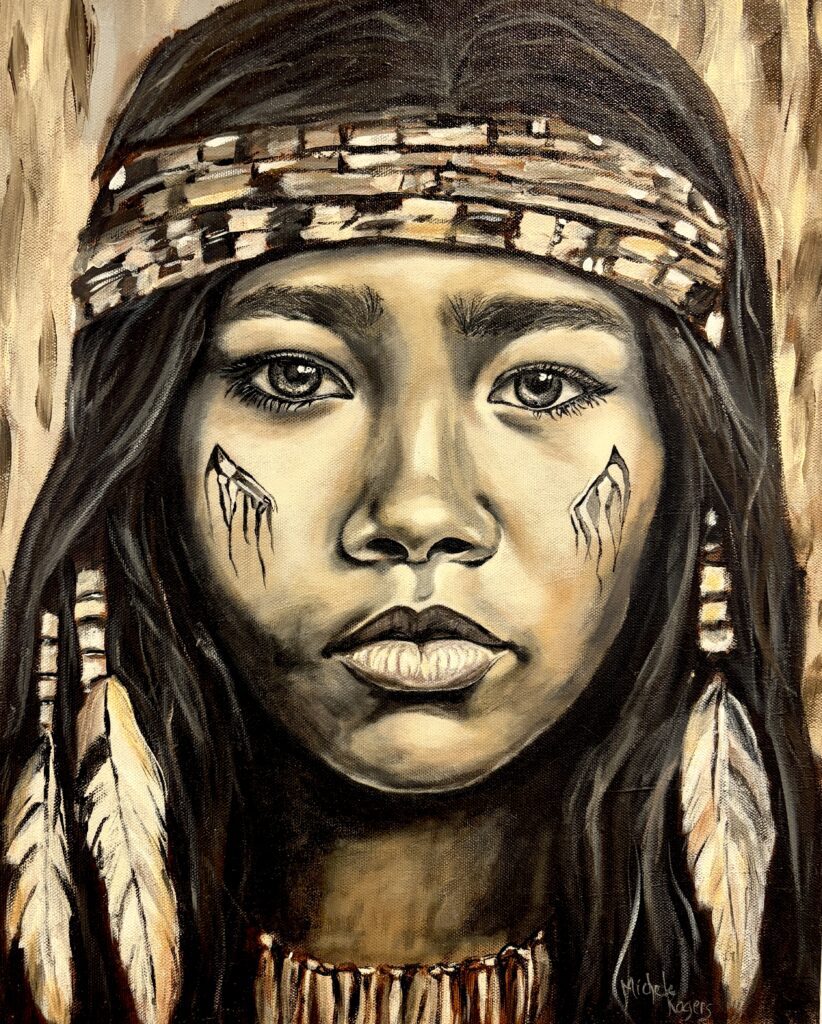
Q2. Many of your work involves Paverpol, a material that hardens fabric into sculptural forms. How does working with Paverpol shape decisions that might feel intuitive or unexpected in a piece?
Working with Paverpol is an experience in itself. It’s messy and sticky and completely uncontrollable at times, but that’s what makes it so wonderful. As an artist, it encourages me to embrace spontaneity and let go of rigid structures, allowing my intuition to guide me. The unpredictability of Paverpol pushes me to experiment and explore new possibilities, which helps strengthen my creative instincts. Each piece I create becomes a journey of discovery, as I learn to trust my gut feelings and respond to the medium’s whims. This process enhances my artistic intuition, helping me to develop a unique style that is both expressive and authentic. Ultimately, working with Paverpol not only results in captivating art but also enriches my creative journey, allowing me to grow and evolve as an artist.
Q3. You use repurposed wood, metal and found elements in many creations. In what ways do you feel the history of those materials remains present in the final work?
Repurposed wood, metal, and found objects are full of history, adding unique stories and character to each piece. When used in new creations, they bring scratches, dents, and weathered appearances that hint at their past. Where did it come from? Who’s used this item in the past? How many hands touched it prior to me using it? This history becomes part of the final work, linking it to the past. Whether the materials come from an old barn, a discarded machine, or a forgotten item, they add authenticity and depth, and encourages the viewer to think about their own past. Keeping these elements in their original form respects their past and highlights the beauty of their imperfections and strength. The final piece isn’t just new; it’s a blend of past and present, showing the power of transformation and renewal.
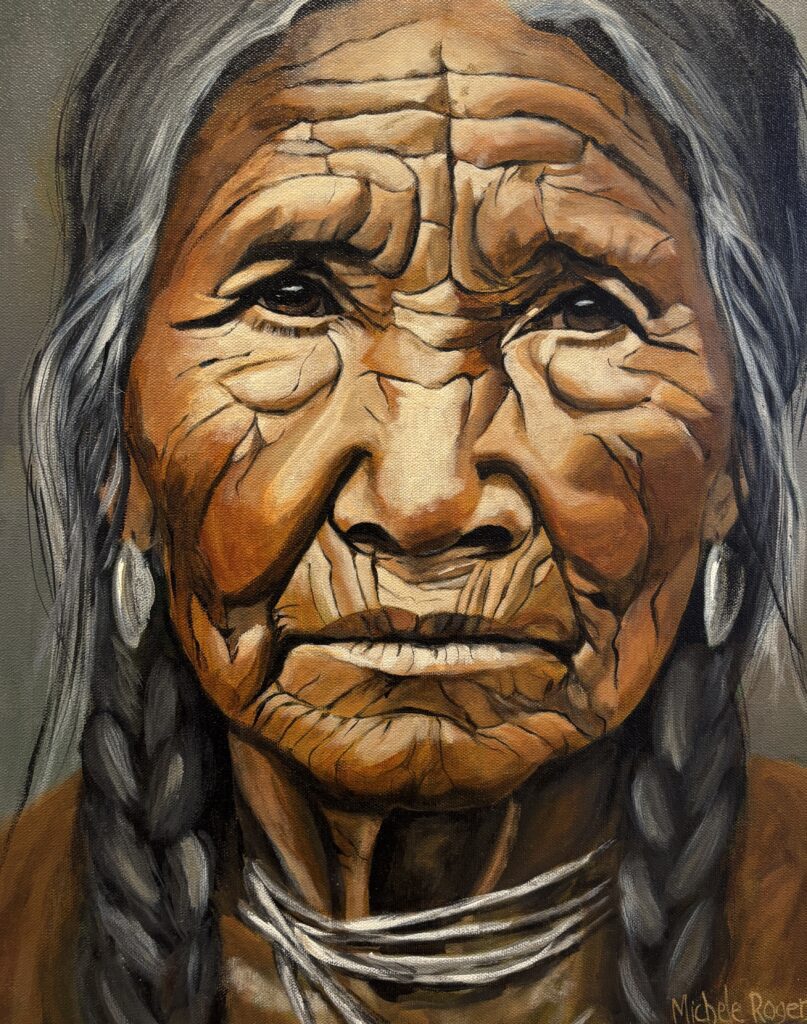
Q4. You’ve worked with both functional art (decorative and commission pieces) and more expressive, conceptual works. How do you see the relationship between utility and expression in your creations?
In my creative journey, I like to think of utility and expression as best friends working hand in hand to make my art come alive. When it comes to functional art, like decorative pieces or custom commissions, there’s a practical side to things, but it’s also about crafting an interesting visual experience for people. I aim to join usefulness together with artistic flair so that each piece is not only helpful but also fun to look at. On the other hand, my more expressive and conceptual works give me the freedom to dive into deeper ideas and emotions, often shining a light on the message rather than practicality. Yet, even in these pieces, there’s a kind of usefulness—like sparking thoughts or stirring emotions in those who experience them. I love for my pieces to tell a story. Not just be something pretty to look at. Ultimately, mixing utility with expression adds depth to my work and helps it resonate with people in diverse ways, surpassing the boundaries of just being useful or simply being art.
Q5. How does colour when you choose it function within your work? Does it narrate mood, define form, or act almost as texture itself?
In my First Nations art, specifically, the colors chosen do a lot more than just look pretty—they tell stories and express feelings. Each color holds special meaning, connecting to cultural symbols or personal emotions. For example, bright reds might show energy and passion, while earth tones can make you feel grounded and connected to nature. Colors also help shape my artwork by highlighting important patterns and designs in Indigenous stories, letting the tale come to life visually. Plus, colors can add layers, much like textures, making the art feel deeper and more complex. In this way, color is a key part my First Nations art, bringing together traditional, spiritual, storytelling, and aesthetic elements.
Q6. Your body of work ranges from small sketches and practice pieces to larger sculptures and paintings. How do you view these scale differences in relation to artistic intention?
The size of an artwork can really change how we feel about it and what it means. Small sketches and practice pieces are like little experiments, where I can try out new ideas and techniques without worrying too much about getting everything perfect. They give us a peek into how an idea grows and changes. Bigger sculptures and paintings, on the other hand, stand out more and often aim to get a strong reaction from us right away. The size can make my message feel more powerful and engaging. Choosing the size is a thoughtful decision by me, depending on if I want the viewer to quietly think about the piece or feel something intense. Each size has its own special role in my work, adding to a rich and varied artistic story.
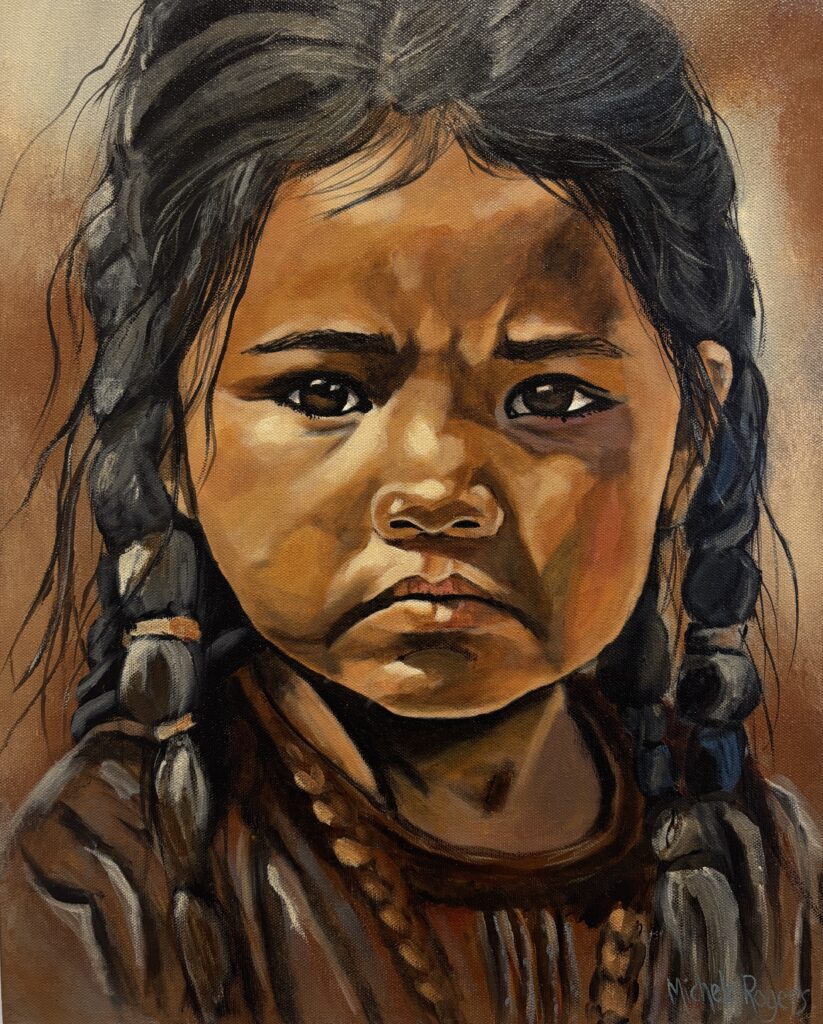
Q7. Some of your sculptural figures carry a sense of playfulness, while others feel more introspective. How do you navigate shifts in emotional registers from piece to piece?
When I’m working on my sculptures, I see it as playing with the full range of human emotions. Each piece starts with me diving deep into what I want to express. For the playful ones, I tap into happy memories or fun ideas, using lively shapes and bright textures that bring joy and movement. On the other hand, when I create something more introspective, I slow down, choosing edges and smoother lines that invite a moment of reflection. These shifts come naturally, often influenced by how I’m feeling at the time. I love how this approach lets me create pieces that connect with people in different ways. I enjoy the playful ones because life is too short to be so serious!
Q8. How has your experience of critique both internal and external influenced the way you make decisions about materials, form, or colour?
Keeping in mind that art is subjective and beauty is in the eye of the beholder, critique, whether it’s from myself or others, really does help shape my choices about materials, form, and color. When I look at my own work, it pushes me to think deeply about what I like and why. It helps me learn from past mistakes and make better choices with more confidence. Feedback from friends, mentors, or even my audience is just as important. It gives me fresh perspectives, challenges my assumptions, and opens my mind to new ideas. This mix of internal reflection and outside input keeps my creative process lively and balanced, helping me find a good mix between my own vision and the suggestions of others.
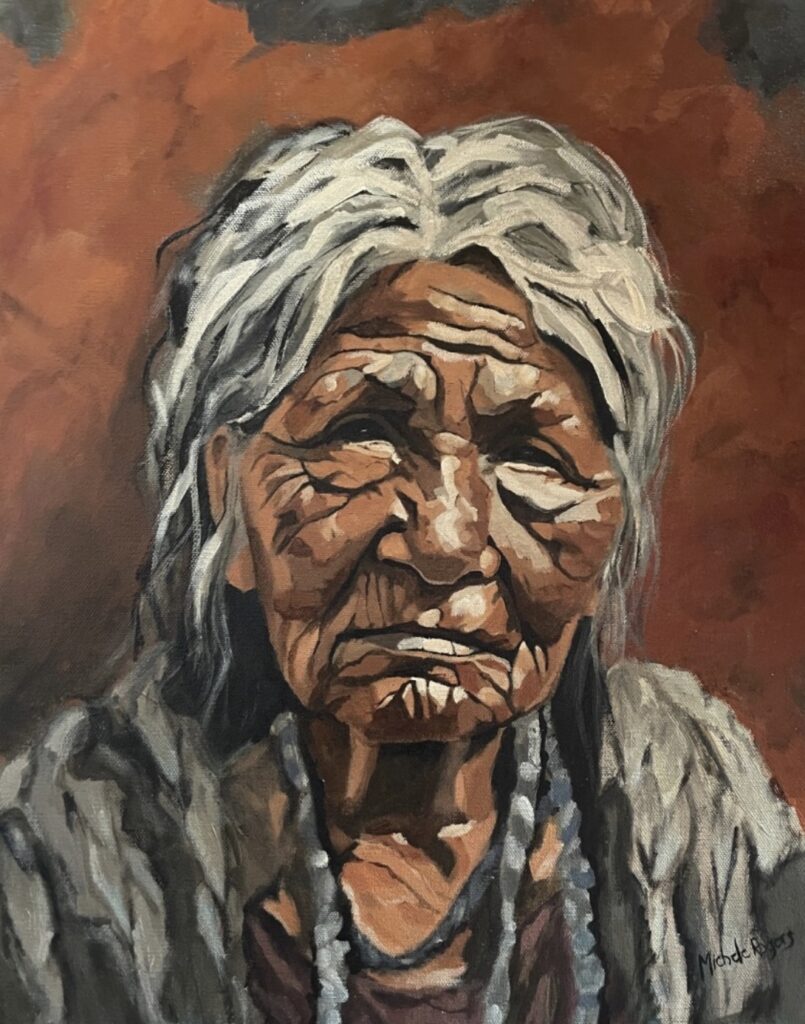
Q9. What do you hope viewers take away when they encounter a piece a physical sculpture, a textured painting, or a mixed media work that a quick glance might miss on first look?
When people see my sculptures, textured paintings, or mixed media art, I want them to feel like they’re on a journey of discovery. At first glance, there might be more than meets the eye. I hope they take a moment to look closer, to notice the little details and textures that tell a story or spark emotions. Each piece has its own unique tale, crafted with care and thought. My wish is that viewers find a connection or a moment of reflection, discovering personal meaning or inspiration in what I’ve created.
Q10. What advice would you give to artists who feel drawn to quiet, emotionally attuned work, but struggle with doubt in a culture that often rewards speed, clarity, and explanation?
As an artist who loves creating quiet and emotionally rich work, I totally get how tough it can be to deal with doubts in a world that often pushes for speed and clear-cut stories. Here’s what helps me: I focus on being true to myself and patient with my process. Art, after all, is a deeply personal thing, and its real value is in touching people on a deep, emotional level. I want the viewer to connect with the story I so patiently and quietly waited for to show up in the process of me painting the piece. I remind myself to trust in my unique voice and see vulnerability as a strength in my art. While today’s culture might favor fast-paced consumption and easy-to-digest narratives, there’s always going to be a place for those who appreciate subtlety and introspection. It’s important to connect with communities that understand and cherish this kind of work. I also allow myself the freedom to explore and grow at my own speed, confident that my art will eventually find its audience. It’s all about trusting that your work will find its way to the right people who will truly appreciate it.
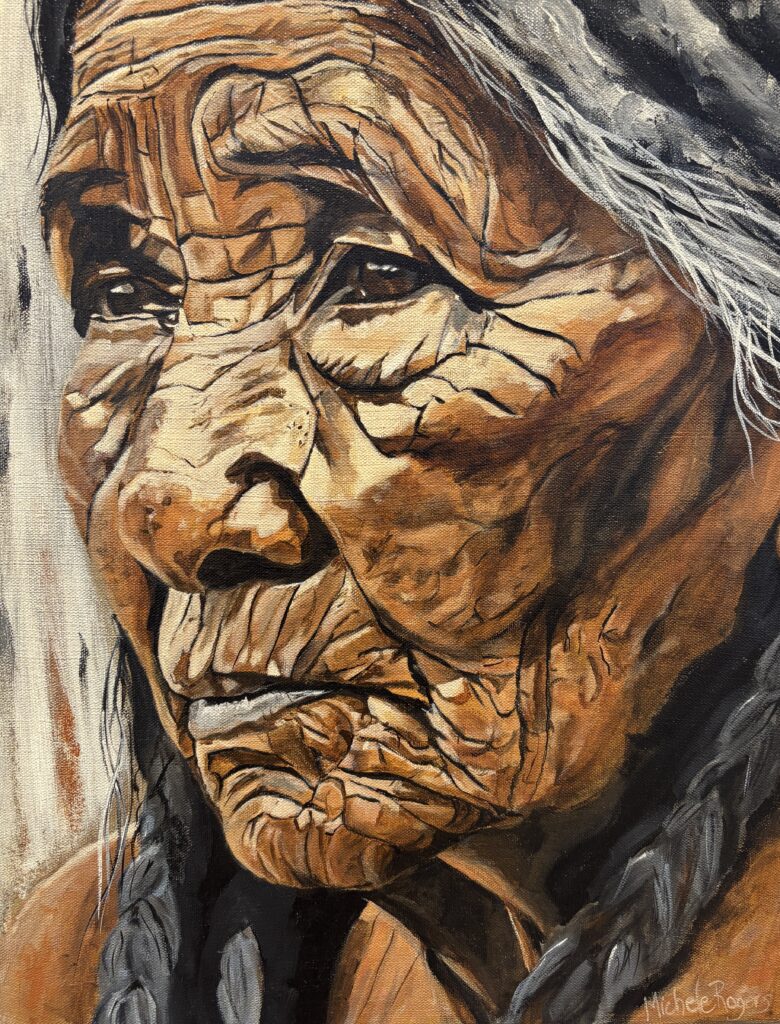
As we wrapped our conversation with Michele, one thing kept sitting with us long after we finished reading her responses.
She never once talked about her work the way most artists do. No mention of technique as mastery, no talk of materials behaving the way she needs them to. Instead she talked about surrender. About choosing barn wood that already has a whole life behind it and letting that history stay visible. About working with Paverpol specifically because it refuses to cooperate and trusting that the chaos will take her somewhere she couldn’t have planned her way to.
That’s a different kind of artistic intelligence. The kind that doesn’t come from training or ambition but from years of quietly understanding that the most honest work happens when you stop trying to be in charge of everything. When you let the material lead sometimes. When you stop insisting that your vision is the only thing that matters in the room.
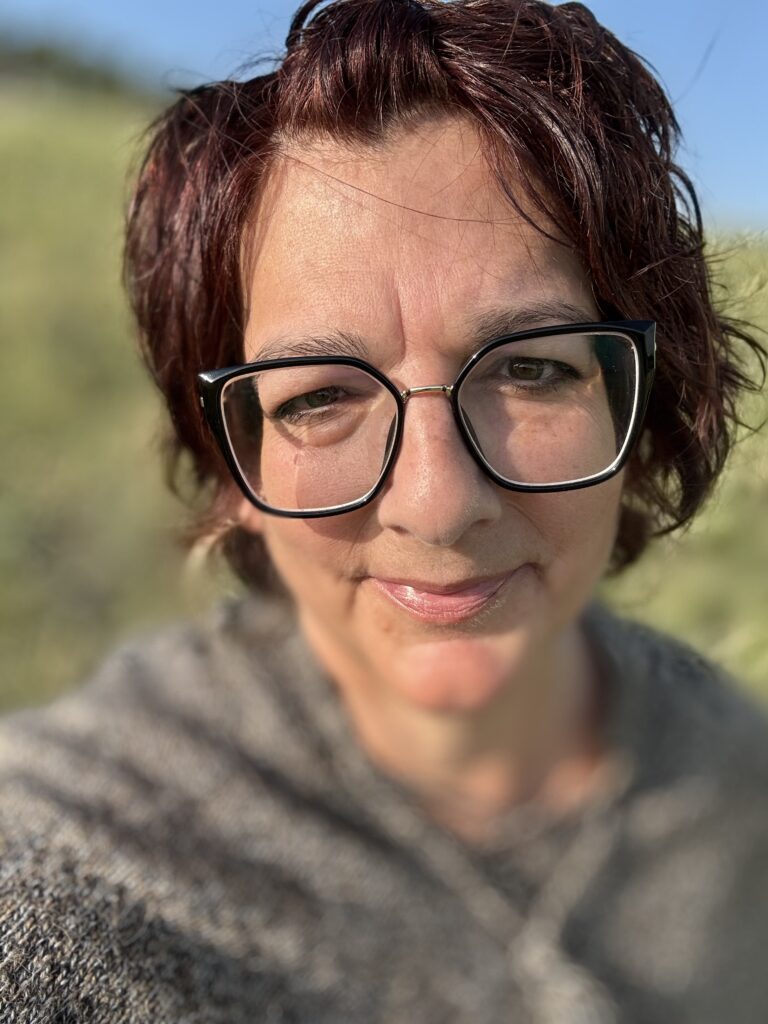
There’s also something worth sitting with in how she treats the objects she works with. Barn wood that arrived dented. Scrap metal that carries someone else’s history on its surface. She doesn’t sand any of that away. She works with it, around it, because of it. There’s a humility in that which you don’t see often. An acknowledgment that she isn’t the first story these materials have told, and that what came before her doesn’t disappear just because she’s now the one holding them.
And then there’s the thing she’s carried since the very beginning. This understanding that making isn’t optional for her. That it never was. She figured out young that creating was how she stayed okay, that it gave her a kind of peace she genuinely couldn’t find anywhere else. Decades later nothing about that has changed. Her practice isn’t built around a career arc or a market position or what’s trending in the gallery world. It’s built around necessity. Around showing up because not showing up was never really a choice.
That matters. Especially for anyone reading this who creates from the same place. Who makes things not because they’re chasing recognition but because not making feels like something is missing from the air. Michele’s entire practice is proof that this is not only valid, it’s actually where the most real work comes from. You don’t need fancier reasons. Survival has always been enough of one.
Follow Michele through the links below and see what it looks like when someone stops fighting their materials and starts listening to them instead.
