
5 Books Every Artist Should Read at Least Once
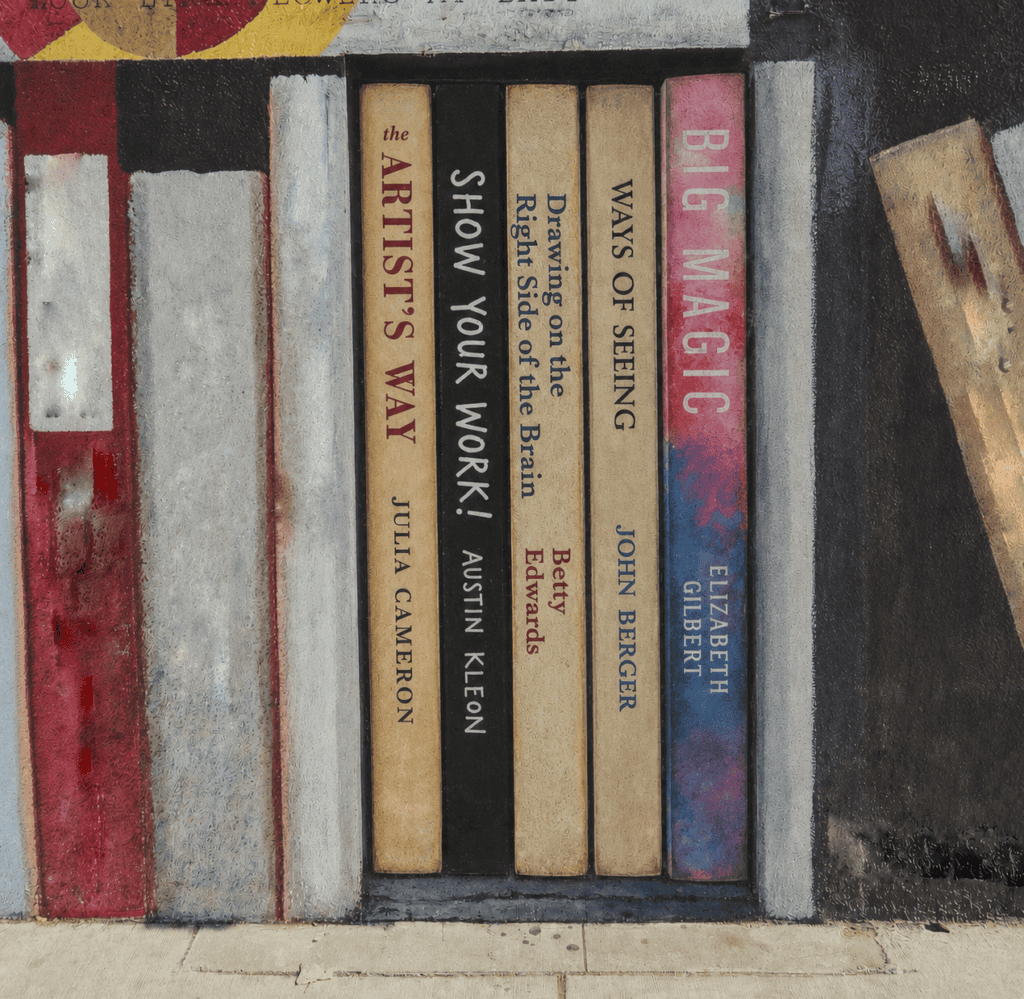
Every artist’s journey is shaped not only by the work they create but also by the ideas they encounter along the way. While hours spent in the studio are essential, some of the most valuable lessons come from stepping back, reflecting, and learning from the artists, writers, and thinkers who have spent decades exploring creativity, observation, and the artistic process.
Art is constantly evolving. New technologies emerge, creative trends shift, and the ways artists share and build careers continue to change. Yet the foundations of a meaningful creative practice remain remarkably consistent. Curiosity, discipline, confidence, the ability to truly see, and the courage to keep creating are qualities that never go out of style. The books that endure are the ones that help artists strengthen these timeless skills, offering guidance that remains just as relevant today as when they were first published.
Whether you’re picking up a sketchbook for the first time or have spent years developing your practice, there’s always something new to learn. A single book can help you see familiar subjects from a different perspective, overcome creative blocks, refine your technique, or rethink the way you approach your work and share it with the world. The best books don’t provide a formula for becoming a successful artist, they encourage you to ask better questions, develop your own voice, and continue growing throughout your creative journey.
From cultivating creativity and confidence to sharpening observation and understanding how we experience art, these five books have inspired generations of artists across disciplines. If you’re looking to invest not only in your skills but also in the way you think about making art, these are timeless reads worth adding to your studio shelf.
1. The Artist’s Way by Julia Cameron
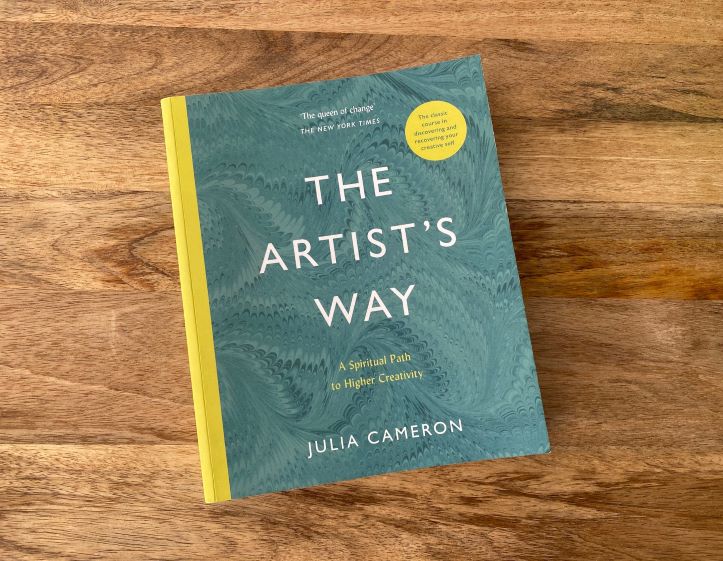
For more than three decades, The Artist’s Way has remained one of the most influential books on creativity. Rather than focusing on artistic techniques or career advice, Julia Cameron explores what it means to nurture a creative life from the inside out. Through a twelve-week program filled with reflections and practical exercises, the book encourages readers to reconnect with their creativity, overcome self-doubt, and establish habits that support consistent artistic practice.
Creative blocks, imposter syndrome, perfectionism, and the fear of making imperfect work are challenges nearly every artist faces, regardless of experience. The Artist’s Way approaches these obstacles with empathy and practical guidance, offering tools that help artists move past them instead of waiting for inspiration to appear. Its concepts, particularly the now-famous “Morning Pages” and “Artist Dates,” have become lasting practices for countless creatives because they encourage curiosity, reflection, and regular creative engagement.
Morning Pages
Morning Pages are three handwritten pages of stream-of-consciousness writing done first thing in the morning. Many artists use Morning Pages to overcome creative blocks, quiet their inner critic, generate new ideas, and process emotions before beginning creative work
Artist Dates
An Artist Date is a weekly solo outing dedicated to nurturing your creativity. It doesn’t have to be expensive or elaborate. The purpose is simply to expose yourself to new experiences and inspiration like visiting a museum or gallery, browsing a bookstore or watching a film or performance. The emphasis is on curiosity rather than productivity. You’re not creating for a deadline, you’re refilling your creativity well.
This book is valuable for artists at every stage of their journey, but it is especially helpful for those who feel creatively stuck, are returning to art after a long break, or are struggling with confidence in their work. Whether you’re a painter, illustrator, photographer, ceramic artist, or multidisciplinary creative, the lessons extend beyond any single medium and speak to the universal experience of building a sustainable creative practice.
Since its first publication in 1992, The Artist’s Way has sold more than six million copies worldwide and has been translated into over 40 languages, making it one of the most influential books ever written on creativity.
Key Takeaway
One of the most powerful lessons from The Artist’s Way is that creativity isn’t something you wait for, it’s something you actively cultivate. By making space for reflection, embracing imperfect progress, and showing up consistently, artists can develop a healthier, more resilient relationship with their creative practice that continues to grow over time.
2. Show Your Work! by Austin Kleon
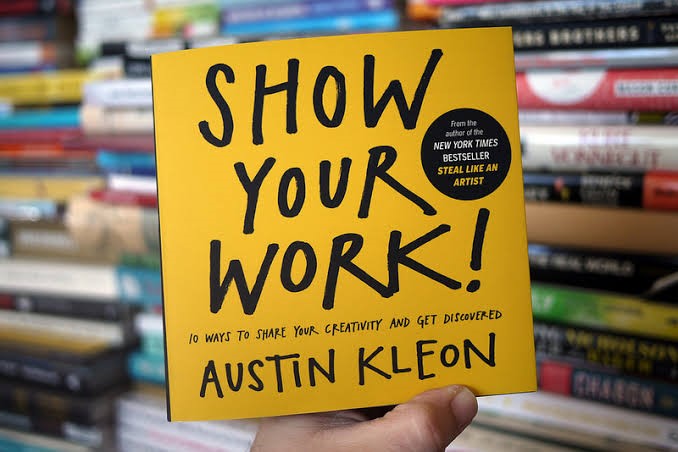
First published in 2014, Show Your Work! offers a refreshing perspective on what it means to build a creative career in the digital age. Rather than encouraging artists to wait until their work is “perfect,” Austin Kleon argues that sharing your creative process, ideas, and progress can be just as valuable as showcasing finished pieces. Filled with practical advice and relatable insights, the book explores how openness and consistency can help artists connect with audiences and create new opportunities.
He writes in the book,
“Share what you love, and the people who love the same things will find you.”
In a world where social media has become an important part of an artist’s professional journey, Show Your Work! remains one of the most relevant books on creative visibility. Instead of treating self-promotion as something uncomfortable or inauthentic, Kleon reframes it as an opportunity to share your journey, contribute to conversations, and build meaningful connections. His advice feels approachable, making the idea of putting your work into the world far less intimidating.
This book is especially valuable for emerging artists who are beginning to establish an online presence, apply for opportunities, or grow a creative audience. Whether you work in painting, illustration, photography, ceramics, or another medium, the lessons encourage artists to communicate their process with confidence while staying true to their creative voice.
Key Takeaway
Don’t wait until you feel like you’ve “made it” before sharing your work. Documenting your process, celebrating small milestones, and consistently showing up can help others connect with your artistic journey while opening doors to collaborations, exhibitions, and unexpected opportunities.
3. Drawing on the Right Side of the Brain by Betty Edwards
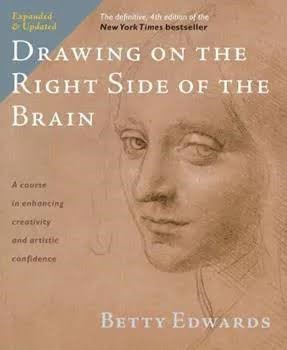
Few art books have had as lasting an impact on learning to draw as Drawing on the Right Side of the Brain. Often described as ‘the world’s most widely used instructional drawing book,’ originally published in 1979 and revised over the years to reflect new insights, Betty Edwards’ classic has introduced millions of readers to a different way of seeing. Rather than teaching artists to simply copy what they observe, the book explores how developing stronger observational skills can transform the way we perceive shapes, space, light, and form.
While many drawing books focus on techniques and materials, Drawing on the Right Side of the Brain begins with perception. Betty Edwards demonstrates that learning to draw is less about natural talent and more about training the brain to observe accurately. Through carefully designed exercises, readers learn to notice negative space, proportions, edges, and relationships, skills that remain fundamental regardless of artistic style or medium.
Edwards has talked about a few exercises that artists use till date to improve their craft, including copying an image upside down and the concept of negative space.
Although it’s often recommended for beginners, this book offers valuable lessons for artists at every stage of their creative journey. Painters, illustrators, designers, printmakers, sculptors, and even experienced artists can benefit from sharpening their observation skills, making it a worthwhile addition to any creative library.
Key Takeaway
Before you can draw well, you have to learn to see well. Slowing down, observing with intention, and focusing on what is actually in front of you, rather than what you think you see, can dramatically improve not only your drawing skills but your overall artistic practice.
4. Ways of Seeing by John Berger
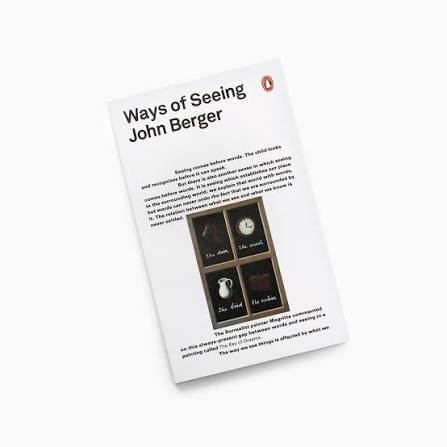
Originally published in 1972, Ways of Seeing has influenced generations of artists, critics, and readers by encouraging them to question not just what they see, but how and why they see it. Based on the acclaimed BBC television series of the same name, the book explores how images are interpreted, how context shapes meaning, and how art is experienced across different times and cultures.
More than fifty years after its publication, Ways of Seeing continues to spark conversations about art, media, representation, and perception. Berger encourages readers to look beyond the surface of an artwork and consider the cultural, historical, and social influences that shape the way we view it. Rather than offering technical instruction, the book expands an artist’s perspective, making it a timeless read for anyone interested in understanding art on a deeper level.
“We never look at just one thing; we are always looking at the relation between things.”
— John Berger in Ways of Seeing
This book is ideal for artists who want to strengthen not only their creative practice but also their critical thinking. Whether you’re a painter, photographer, illustrator, sculptor, or multidisciplinary artist, Ways of Seeing offers insights that can influence how you create, interpret, and engage with visual culture throughout your career.
Key Takeaway
Great artists don’t just learn how to make images, they learn how to question them. Developing the habit of looking beyond the obvious and considering how context, perspective, and meaning shape every artwork can deepen both your creative process and your appreciation of art itself.
5. Big Magic by Elizabeth Gilbert
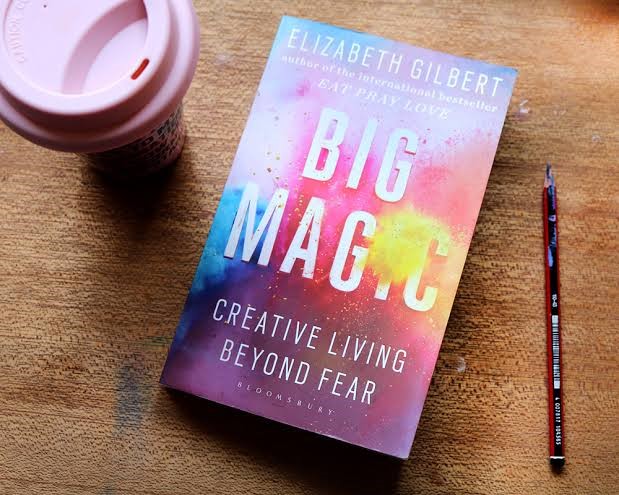
Creativity is often accompanied by self-doubt, fear, and the pressure to be perfect. First published in 2015, Big Magic by Elizabeth Gilbert offers a refreshing perspective on what it means to live a creative life. Rather than focusing on artistic techniques or defining success through external achievements, Gilbert encourages artists to embrace curiosity, let go of fear, and create simply because the act of making something meaningful is worthwhile.
One of Gilbert’s most memorable ideas is that “Argue for your limitations and you get to keep them.” Rather than allowing fear or self-doubt to define what’s possible, she encourages artists to approach creativity with curiosity and a willingness to take imperfect action.
More than a decade after its release, Big Magic continues to resonate with artists because it addresses the emotional side of the creative process. Gilbert explores topics such as perfectionism, comparison, rejection, and the fear of failure with honesty and optimism, reminding readers that these challenges are a natural part of every creative journey. Her approachable writing makes the book both encouraging and practical, regardless of where an artist is in their career.
Soon after its release in 2015, it became a New York Times Bestseller, earning praise from artists, writers, and entrepreneurs for its refreshing perspective on creativity and fear. This book is ideal for artists who find themselves overthinking their work, struggling with creative confidence, or waiting for the “right time” to begin a project. Whether you’re an emerging artist finding your voice or an experienced creative navigating periods of uncertainty, Big Magic offers a mindset that can help you reconnect with the joy of making art.
Key Takeaway
Don’t let fear make your creative decisions. Courage isn’t the absence of fear, it’s choosing to create despite it. By following your curiosity instead of chasing perfection, you’ll be more likely to build a creative practice that is both fulfilling and sustainable.
The Books You Can Keep Coming Back To
Some books are read once and placed back on the shelf. Others become trusted companions that you return to at different stages of your creative journey, discovering something new each time. The five books on this list belong in the latter category. Whether you’re looking for encouragement, fresh perspective, practical guidance, or a renewed sense of purpose, each one offers lessons that continue to resonate long after you’ve turned the final page.
The Artist’s Way reminds us to nurture our creativity, Show Your Work! encourages us to share it, Drawing on the Right Side of the Brain teaches us to observe more closely, Ways of Seeing invites us to think more deeply about visual culture, and Big Magic inspires us to create with courage. Together, they offer a thoughtful reading list that can support both your artistic practice and your personal growth.
Ready to Turn the Page?
Whether you’re searching for fresh inspiration, hoping to overcome a creative block, or simply looking for a new perspective on your artistic practice, there’s something in each of these books worth taking with you. Some will encourage you to think differently, others will challenge the way you see the world, while a few may change the way you approach your creativity altogether.
You don’t have to read them in any particular order, and you certainly don’t have to finish them all at once. Start with the one that speaks to where you are in your creative journey today. You may find yourself returning to the others months or even years later, discovering new ideas each time. After all, the best books don’t just sit on a shelf, they continue to inspire long after you’ve closed the final page.
