
5 Ways to Become the Artist Galleries Want to Represent
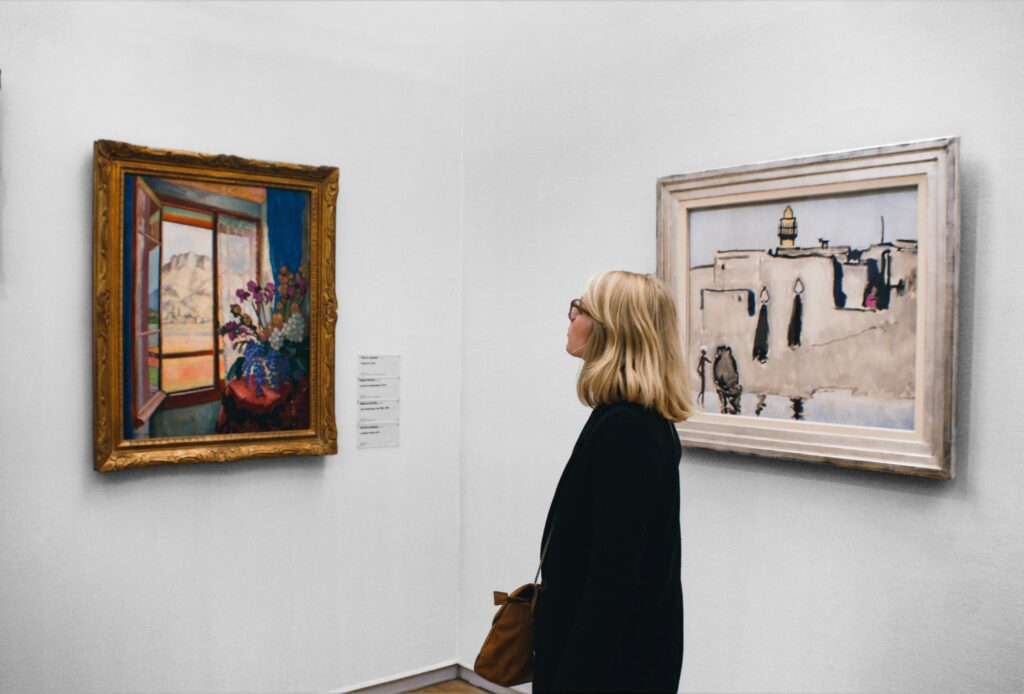
Getting gallery representation is one of the biggest milestones many artists hope to achieve. Yet it’s also one of the most misunderstood. Countless articles promise a checklist, build a portfolio, create a website, network more, but these tips rarely answer the question artists actually have: what makes a gallery decide which artist they want to represent?
The answer has very little to do with luck and far less to do with a single exceptional painting than many people imagine. When a gallery offers representation, it isn’t simply choosing art for its walls. It’s choosing an artist whose career it believes in, someone whose work, professionalism, and long term potential are worth investing time, reputation, and resources into. Every exhibition, art fair, collector introduction, and marketing effort becomes a shared investment between the gallery and the artist.
That is why gallery owners often look beyond technical skill alone. They want to know whether your work has a clear direction, whether you can consistently produce meaningful new pieces, whether collectors will trust your practice, and whether you’ll be a reliable partner to work with for years, not just one exhibition.
In interviews, podcasts, and conversations with gallery directors across the contemporary art world, the same themes appear again and again. While every gallery has its own vision, the strongest applications tend to share a set of qualities that go far beyond a polished portfolio.
In this article, we’ll explore what galleries are really looking for before they decide to represent an artist, why these qualities matter from the gallery’s perspective, and, most importantly, how you can strengthen each one in your own practice long before you send your next submission.
Before a Gallery Says Yes
Gallery representation is rarely the result of one outstanding painting or a beautifully designed portfolio. Before saying yes, galleries look at the bigger picture. They want to understand who you are as an artist, where your practice is headed, and whether they can confidently invest in your work for years to come.
That means they are evaluating more than artistic skill. They are looking for qualities that suggest consistency, professionalism, growth, and a practice with long term potential. While every gallery has its own priorities, there are several qualities that consistently stand out in conversations with gallery owners and directors.
Gallery representation is about far more than talent. Behind every decision are questions galleries rarely say out loud but almost always consider. Here are five of those questions, what they reveal about your practice, and how you can turn the answers in your favor.
1. Can Someone Recognize Your Work Without Seeing Your Name?
When galleries review portfolios, they are not just asking, “Is this good?” They’re asking something much deeper:
“Would I recognize this artist again six months from now?”
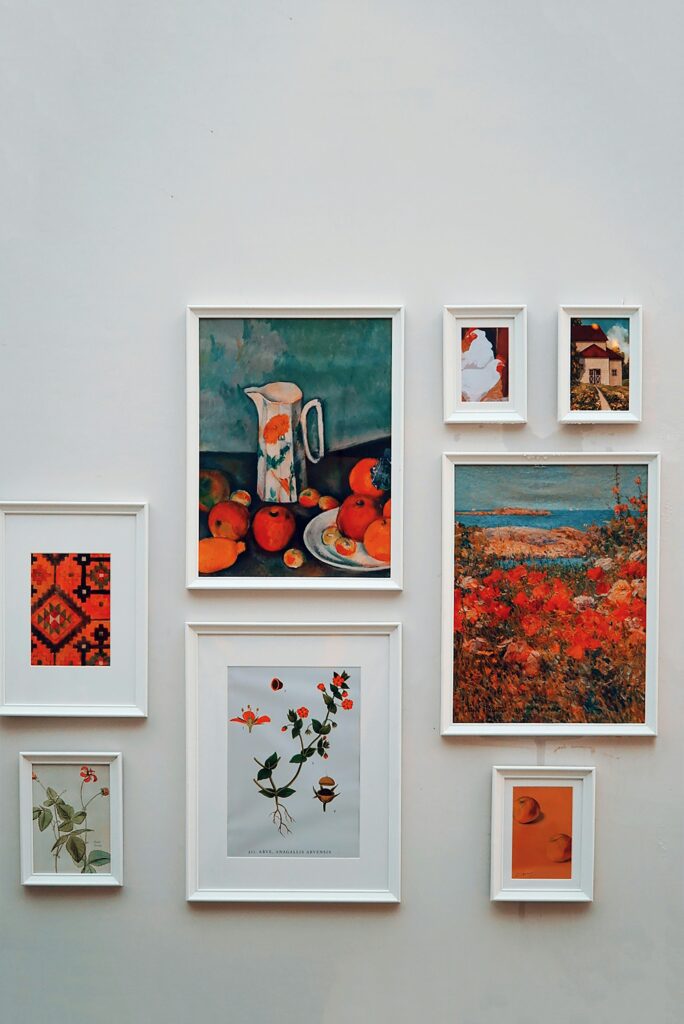
A distinct artistic voice is one of the strongest indicators that an artist is building a sustainable practice rather than simply making attractive paintings. While technique can be learned and trends come and go, an authentic artistic voice is what makes your work memorable to galleries, collectors, curators, and critics.
Why It Matters
Think about the artists you admire most. Chances are, you could recognize their work without seeing the signature.
That is exactly what galleries hope to find.
Representation is a long term investment. Galleries introduce artists to collectors, feature them in exhibitions, and spend years building their reputation. If your work changes dramatically every few months or closely resembles what’s already popular, it becomes much harder for a gallery to define your identity and confidently present your work to collectors.
A recognizable voice also gives collectors confidence. They know what they are investing in and can follow the evolution of your practice over time.
How to Build It
Instead of asking, “What should I paint next?”, ask yourself:
- What subjects or ideas do I naturally return to?
- What emotions or questions connect my work?
- Could my next ten paintings belong in the same exhibition?
- Am I making work because it matters to me, or because it is trending?
Working in series is one of the best ways to develop a recognizable practice. Revisiting the same ideas from different perspectives often reveals your artistic voice more clearly than constantly starting over.
Avoid This
- Copying the visual language of successful artists.
- Including unrelated styles and subjects in the same portfolio.
- Reinventing your aesthetic every few months.
2. Can a Gallery Trust You With Its Reputation?
When a gallery represents an artist, it is putting more than your work on display. It is putting its own reputation behind your name. Every exhibition, collector introduction, art fair, and studio visit reflects on both the artist and the gallery. That is why professionalism often carries just as much weight as artistic talent. A gallery can help an artist grow, but it cannot afford to constantly manage missed deadlines, inconsistent communication, or last minute surprises.
Why It Matters
Imagine a collector purchases one of your paintings through a gallery. They expect a smooth experience from beginning to end. If the artwork arrives late, differs from the images provided, or the artist becomes difficult to reach, it is the gallery that has to answer for those problems.
The same applies to exhibitions. Galleries work months in advance to coordinate shipping, framing, installations, marketing, opening receptions, and collector previews. One missed deadline can disrupt an entire schedule.
That is why gallery owners often ask themselves a simple question:
“Can I rely on this artist?”
If the answer is yes, they are far more likely to see you as a long term partner rather than a short term opportunity.
How to Build Trust
Professionalism is demonstrated through small actions repeated consistently.
- Respond to emails within a reasonable timeframe.
- Deliver artwork when you say you will.
- Price your work consistently.
- Read contracts carefully and ask questions if something is unclear.
- Keep accurate records of your inventory and sales.
- Be respectful, even when disagreements arise.
None of these things require years of experience. They simply show that you take your practice seriously.
Avoid This
- Missing deadlines without communicating.
- Frequently changing your prices.
- Delivering unfinished or poorly documented work.
- Ignoring emails for days or weeks.
- Assuming professionalism only matters after you secure representation.
Gallery Insight
Many gallery owners have shared that they would rather work with a dependable artist who communicates well than an exceptionally talented artist who is unreliable. Talent may open the door, but trust is what keeps the relationship going.
3. Are You the Right Fit for This Gallery?
One of the biggest misconceptions artists have is that a rejection means their work is not good enough. In reality, it often means something much simpler:
You were not the right fit for that particular gallery.
Just as not every artist belongs in every gallery, not every gallery is right for every artist.
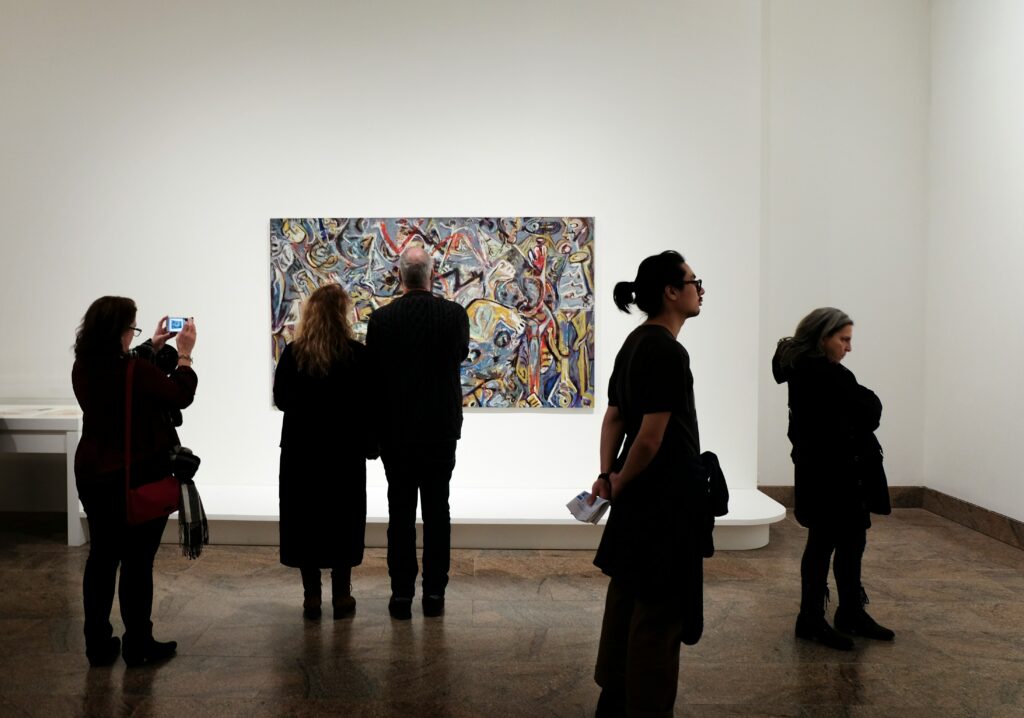
Every gallery has its own identity. Some focus on emerging contemporary artists, while others specialize in established names. Some champion figurative painting, while others exhibit conceptual, abstract, or multidisciplinary practices. They each have a unique curatorial vision, collector base, price range, and exhibition program.
Why It Matters
When a gallery takes on an artist, it is thinking beyond one exhibition. It is considering how that artist fits alongside the rest of its roster and whether existing collectors will respond to the work.
Even exceptional artists are turned away simply because their work does not align with the gallery’s direction. That is not a reflection of quality. It is a matter of compatibility.
Applying to galleries without understanding their program can also signal that you have done little research, something many gallery owners notice immediately.
How to Find the Right Fit
Before sending a portfolio, spend time getting to know the gallery.
Ask yourself:
- What kind of artists does the gallery already represent?
- Do my paintings naturally complement their program?
- What themes and mediums appear in recent exhibitions?
- What price range does the gallery typically work within?
- Can I genuinely imagine my work being exhibited in this space?
The more aligned your practice is with a gallery’s vision, the stronger your application becomes.
Avoid This
- Sending the same application to dozens of galleries.
- Applying without visiting the gallery’s website or exhibitions.
- Assuming every rejection reflects the quality of your work.
- Trying to change your work simply to match a gallery’s aesthetic.
4. Do You Make a Gallery’s Job Easier?
Gallery owners wear far more hats than most artists realize. On any given day, they may be preparing for an exhibition, responding to collectors, coordinating shipping, updating inventory, working with the press, planning an art fair, or installing a show.
When they take on a new artist, they are not looking for someone who adds to that workload. They are looking for someone who helps make the process smoother.
Why It Matters
A gallery should not have to chase an artist for basic information every time an opportunity arises.
Imagine a collector expresses interest in one of your paintings. The gallery asks for a high resolution image, dimensions, medium, price, and availability. If everything is organized and ready to send, the conversation moves forward quickly. If the gallery has to wait days for images, clarify measurements, or confirm pricing, that momentum can disappear.
Being organized also shows that you respect the gallery’s time and understand the professional side of an art career.
How to Make Working With You Easy
Treat your studio like a professional practice, not just a creative space.
Keep these materials updated and easy to access:
- A current CV and artist biography.
- High resolution images of every available artwork.
- An inventory with titles, dimensions, medium, year, and prices.
- A clear artist statement.
- Certificates of authenticity, if applicable.
- Consistent file names and organized folders.
The more prepared you are, the faster a gallery can respond to opportunities on your behalf.
Avoid This
- Searching for images every time someone asks for them.
- Keeping different prices for the same artwork.
- Sending low quality photographs of your work.
- Waiting until an opportunity arises to organize your portfolio and records.
Gallery Insight
Many gallery professionals say that preparation creates confidence. When an artist is organized, responsive, and ready with the information a gallery needs, it becomes much easier to focus on what really matters, introducing the work to collectors and creating new opportunities.
5. Can You Clearly Communicate Your Work?
Being a successful artist is not just about making meaningful work. It is also about helping other people understand it.
Every time a gallery represents you, they become your advocate. They introduce your work to collectors, speak about your practice during exhibitions, answer questions from visitors, pitch your work to institutions, and often write or contribute to exhibition texts. The easier it is for them to understand your work, the easier it is for them to help others connect with it.

Why It Matters
Communication is one of the most underrated skills an artist can develop.
Collectors rarely buy a painting based on appearance alone. They want to know the story behind it. Curators want to understand your ideas. Journalists ask about your process. During studio visits, gallery directors often want to hear you speak about your work before making any decisions.
Strong communication also builds trust within the gallery relationship itself. Replying thoughtfully to emails, asking questions when something is unclear, discussing pricing professionally, and handling feedback with maturity all contribute to a positive working relationship.
The goal is not to sound academic. In fact, many gallery professionals say they appreciate artists who speak honestly and naturally about their work rather than relying on complicated art jargon.
How to Strengthen Your Communication
Practice talking about your work in everyday language.
Ask yourself:
- What inspired this body of work?
- What themes or questions am I exploring?
- What do I hope viewers take away from it?
- Could I explain my practice to someone with no art background?
The clearer your answers, the easier it becomes for galleries, collectors, and curators to remember your work and share it with others.
Avoid This
- Reading directly from a memorized artist statement.
- Filling conversations with complicated terminology that feels unnatural.
- Giving one word answers during studio visits or interviews.
- Assuming your work should “speak for itself” in every situation.
Every Great Gallery Relationship Starts Here
There is no perfect formula for earning gallery representation, and there is no checklist that guarantees a yes. Every gallery has its own vision, priorities, and artists it wants to champion. What you can control is the strength of your practice, the professionalism you bring to your career, and the relationships you build along the way.
Rather than trying to become the artist every gallery wants, focus on becoming the best version of your own artistic voice. Continue making meaningful work, stay curious, remain open to growth, and approach every opportunity with intention. The right gallery will recognize not only the quality of your art, but also the dedication, preparation, and potential behind it.
Which of these five qualities do you think is most important for artists seeking gallery representation? We’d love to hear your thoughts in the comments, and if there’s another quality you think galleries value, share it with our community.
