
How Mona Lisa Safai balances digital art & canvas in her abstract practice
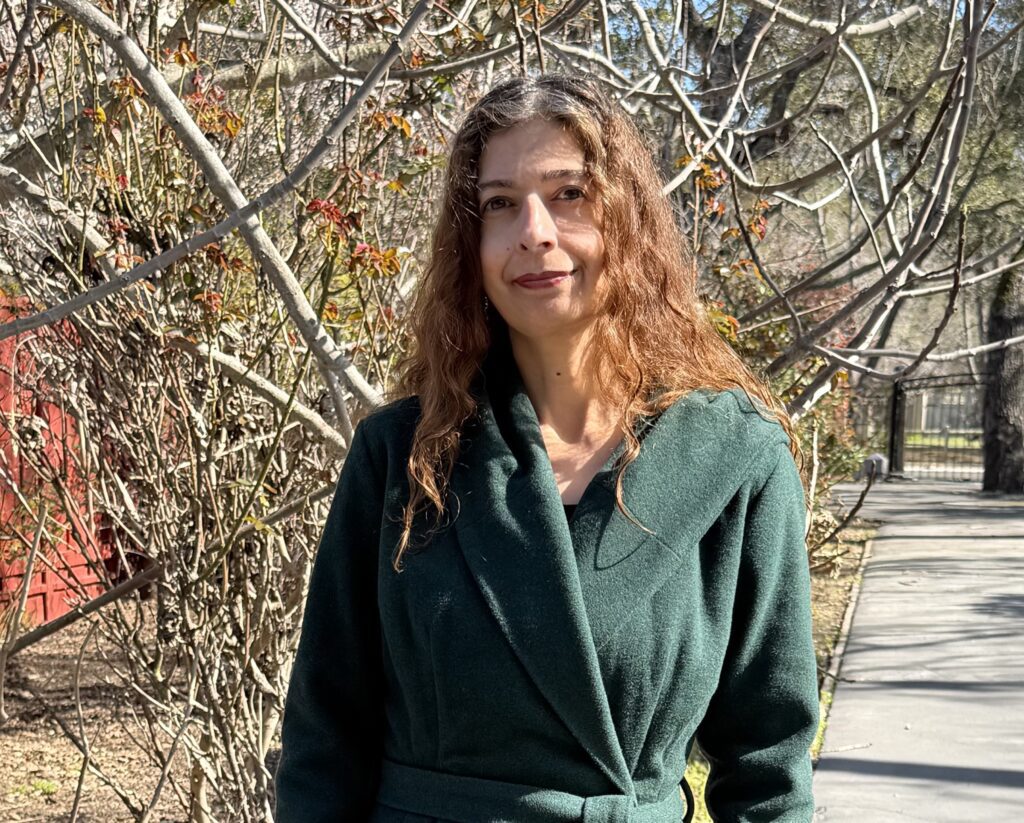
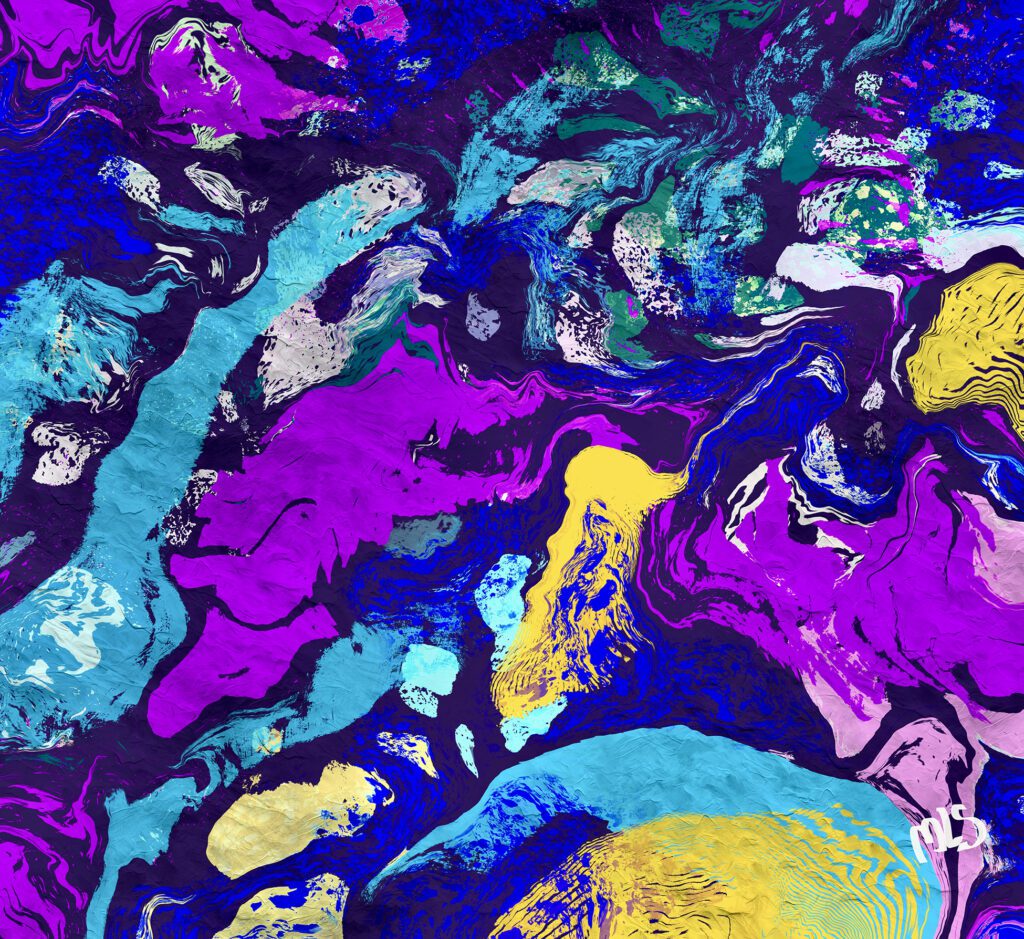
At Women in Arts Network, for Landscape and Places, we received many beautiful submissions exploring abstraction, atmosphere, and emotional space through painting. But Mona Lisa Safai’s work stayed with us because it felt unusually physical. Before you even fully process the image, your eye is already reacting to the scraped textures, shifting colour fields, and layered surfaces moving across the canvas.
Mona Lisa is one of our selected artists for the exhibition, and her work sits somewhere between abstraction, texture, movement, and emotional sensation. The paintings don’t really ask viewers to identify a specific place or narrative. They seem more interested in creating an instinctive response first something felt physically and emotionally before it’s understood intellectually.
And honestly, that tension is what kept pulling us back into the work.
Mona’s journey as an artist has moved through photography, digital art, traditional painting, and abstraction, but what interested us most was how naturally those mediums continue feeding into one another inside her practice.
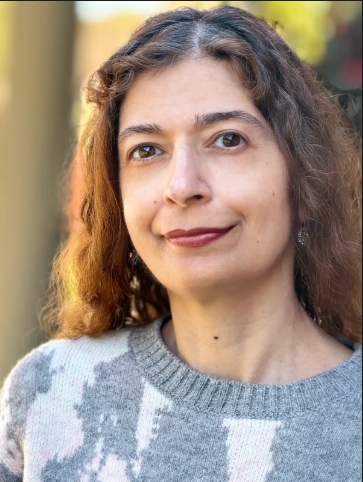
Photography sharpened her relationship with light. Traditional painting brought her back to touch, patience, and physical texture. Digital work opened space for experimentation and risk without fear of failure.
But through all those shifts, the emotional instinct underneath the work stayed the same.
She spoke about the moment she stopped seeing colour as decoration and started understanding it as emotional language. Something capable of carrying tension, softness, disruption, calmness, or hope long before the viewer fully understands the image itself. That idea completely changes the way you experience her paintings.
The same thing happens with texture. Mona describes her palette knives as “fierce allies,” and honestly, that phrase tells you almost everything about the work immediately. The surfaces feel scraped, interrupted, layered, rebuilt. Nothing feels overly polished or emotionally distant. The paintings hold onto process instead of hiding it.
We also kept thinking about the way Mona approaches abstraction itself. Her work doesn’t try to control exactly what viewers should see or feel. Instead, the paintings stay emotionally open enough for people to bring their own memories, interpretations, and emotional reactions into them naturally.
That openness gives the work its energy. For us, Mona’s paintings feel less interested in presenting a finished image and more interested in capturing emotional movement while it’s still unfolding.
Now let’s get to know Mona through our conversation with her about colour as emotional language, texture as experience, moving between digital and physical mediums, and why abstraction still matters in a world that moves too quickly.
Q1. Mona! Could you take us back a bit, how did your journey into art begin, and what first pulled you toward it?
I’ve been drawn to art since childhood, when I was fascinated by color, texture, and the way a simple mark could change everything. Nature had a big influence on me, too, especially the way light, color, and atmosphere can shift how we feel. I started with acrylics and traditional media, then moved into digital art because it gave me more freedom to layer, experiment, and blend the organic with the cosmic. At the core of my work is still the same impulse I had from the beginning: to translate feeling into something visual.
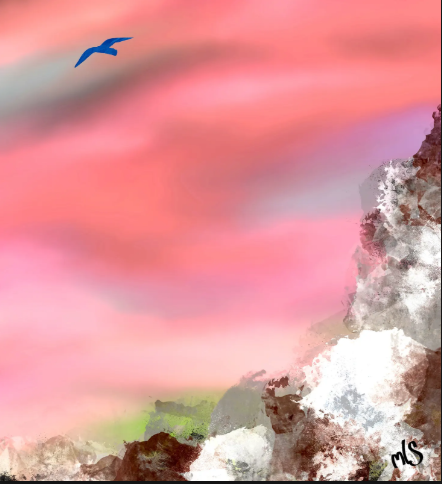
Q2. You moved from digital art and photography to canvas, then back to digital what were you searching for through those shifts?
Each time I changed mediums, I was really looking for a different kind of freedom and closeness to the work. Digital art and photography taught me how to experiment quickly and see light more deeply, while canvas and traditional media brought me back to touch, texture, and patience.
Now, returning to digital feels like bringing all of those experiences together. I’m still chasing that connection between the physical and the intangible, but I have a much clearer sense of how to express it.
Q3. You call your palette knives “fierce allies.” That’s a strong word fierce. What made them feel like allies rather than just tools?
Palette knives pushed me to be more decisive with the surface. Unlike a brush, they don’t let me stay cautious—they force bolder marks, stronger edges, and more honesty in the texture. Over time, they became tools that helped me work with more courage and less hesitation.
Q4. What was the moment you stopped seeing colour as decoration and started hearing it as something that speaks?
The shift happened when I realized color wasn’t just decoration; it was doing the emotional work of the piece. I was working on an image that felt flat until I started trusting unexpected color choices, and suddenly it began to feel honest. That’s when I understood that color can carry quiet, tension, or hope long before the subject is even clear.
Q5. What does texture do in an abstract painting that flat paint can’t what does the viewer feel in their body when they encounter it?
Texture is where the painting stops being just an image and starts becoming an experience. When I use a palette knife, I’m building a surface that catches light, creates shadow, and invites the viewer to feel the work physically, not just see it. In abstract painting, texture gives people an entry point even without a recognizable subject—it can communicate tension, calm, or disruption on a visceral level.
What I want is for the viewer to lean in and respond emotionally before they even have words for it. Texture makes the painting feel raw, alive, and present.
Q6. Your Catalyst Collection a catalyst is something that causes change without being changed itself. What were you trying to catalyse, in the viewer, or in yourself?
When I created the Catalyst Collection, I wanted to explore change without trying to control it. The work became a way for me to stay present in transformation, letting color, texture, and form shift naturally, while inviting the viewer to feel their own response to change more quietly and intuitively.
Q7. You’ve said each piece is a story moving toward freedom what does freedom look like to you at the end of a painting?
Freedom, at the end of a painting, feels less like a conclusion and more like a release. It’s when the viewer stops trying to decode the image and starts simply experiencing it.
For me, freedom is when the work creates enough openness for someone to bring their own meaning to it and leave feeling a little more connected, curious, or at ease.
Q8. Someone brings one of your pieces into their home what do you hope they continue to feel on day one, and on day one hundred?
On day one, I want the piece to feel like a quiet yes to themselves—something that catches their eye and gives them a small lift, a sense of calm, or a moment of pause. By day one hundred, I want it to feel like part of their inner landscape, something that keeps revealing new details and keeps offering a sense of grounding and wonder. If it can help shift their day from rushing to arriving, even briefly, then it’s done its job.
Q9. Your process seems intuitive and spontaneous what does the beginning of a piece look like for you?
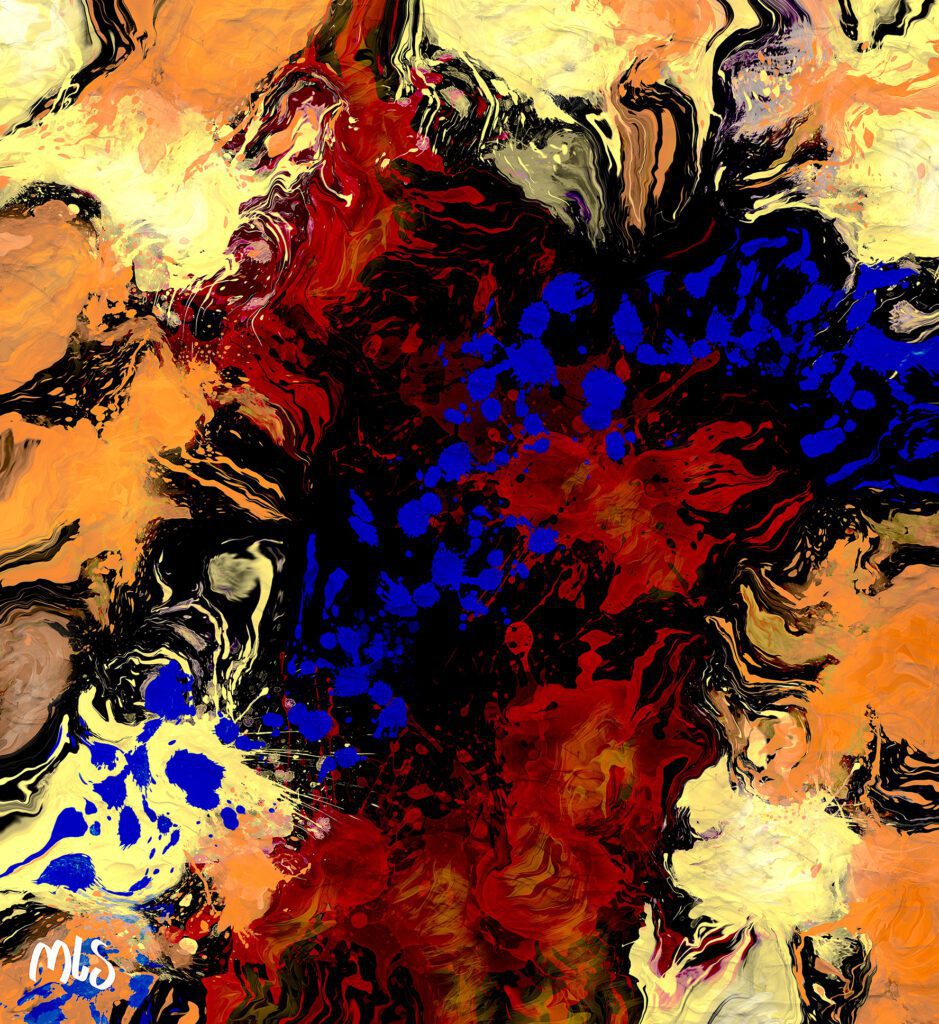
I usually begin a piece with a feeling rather than a clear image. It might come from a color, a moment in nature, or whatever emotional weight I’m carrying that day. I start with loose marks and color fields, letting intuition guide the first layer. I’m not trying to get it right at first—I’m listening to what the piece wants to become. Once it starts to feel alive, I move into a more intentional phase of refining and deepening it.
Q10. What does working on an iPad allow you to explore that canvas didn’t?
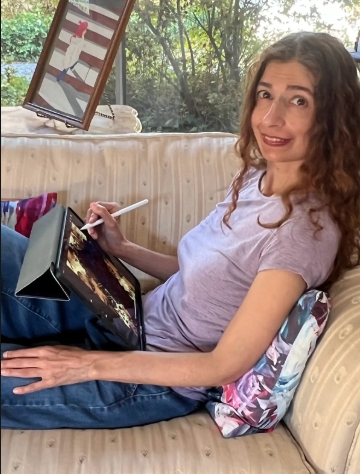
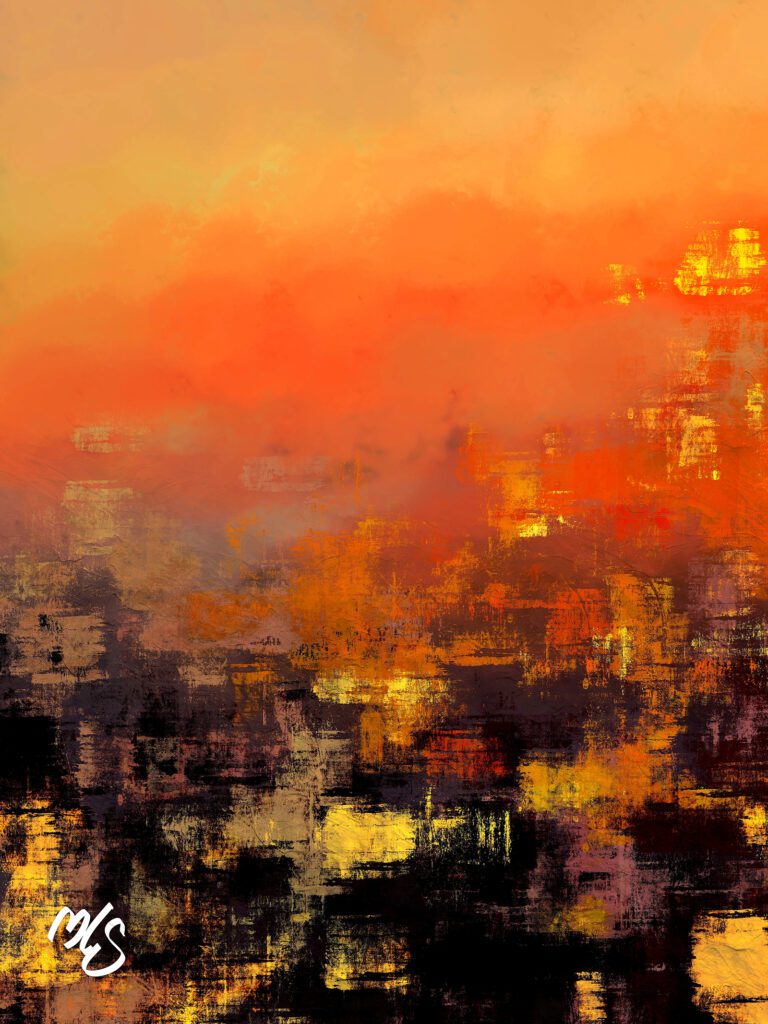
Working on an iPad gave me a kind of freedom I didn’t have with a canvas. It lets me experiment without fear of ruining the piece, so I can push color, composition, and texture much further. I also love how digital layers can build depth in a very subtle way, almost like atmosphere or geology. Most of all, it lets me move quickly between intuition and refinement, deepening my relationship with color, light, and abstraction.
Q11. In a world filled with fast visuals and constant scrolling, what role do you think abstract art plays today?
I see abstract art as a way to slow down in a culture of constant scrolling. It asks viewers to feel, interpret, and linger with an image a little longer rather than move on. For me, abstraction also gives people room to bring their own stories and emotions into the work. It reflects the complexity of inner life in a way that feels especially meaningful right now.
Q12. What does success look like for you on a quiet day in the studio not the sales, not the followers, just you and the work?
A successful day in the studio is when I feel fully absorbed in the work and trust my intuition. If I can move through doubt, stay curious, and take at least one honest risk instead of chasing perfection, I consider it a good day. Sometimes that means a finished piece clicks; other times it’s an experiment that opens up something new for me.
Q13. What advice would you give to artists changing mediums and feeling afraid of losing what they’ve already built creatively?
I’d tell myself that this doesn’t feel like a pivot so much as a loss, and it’s okay to grieve that. But I’m not starting from zero I’m bringing my eye, my instincts, my storytelling, and my experience with me into a new medium. I’d also remind myself that my voice is bigger than any one tool. Even if I’m a beginner again, I’m not a beginner as an artist. This is really an expansion, not an ending.
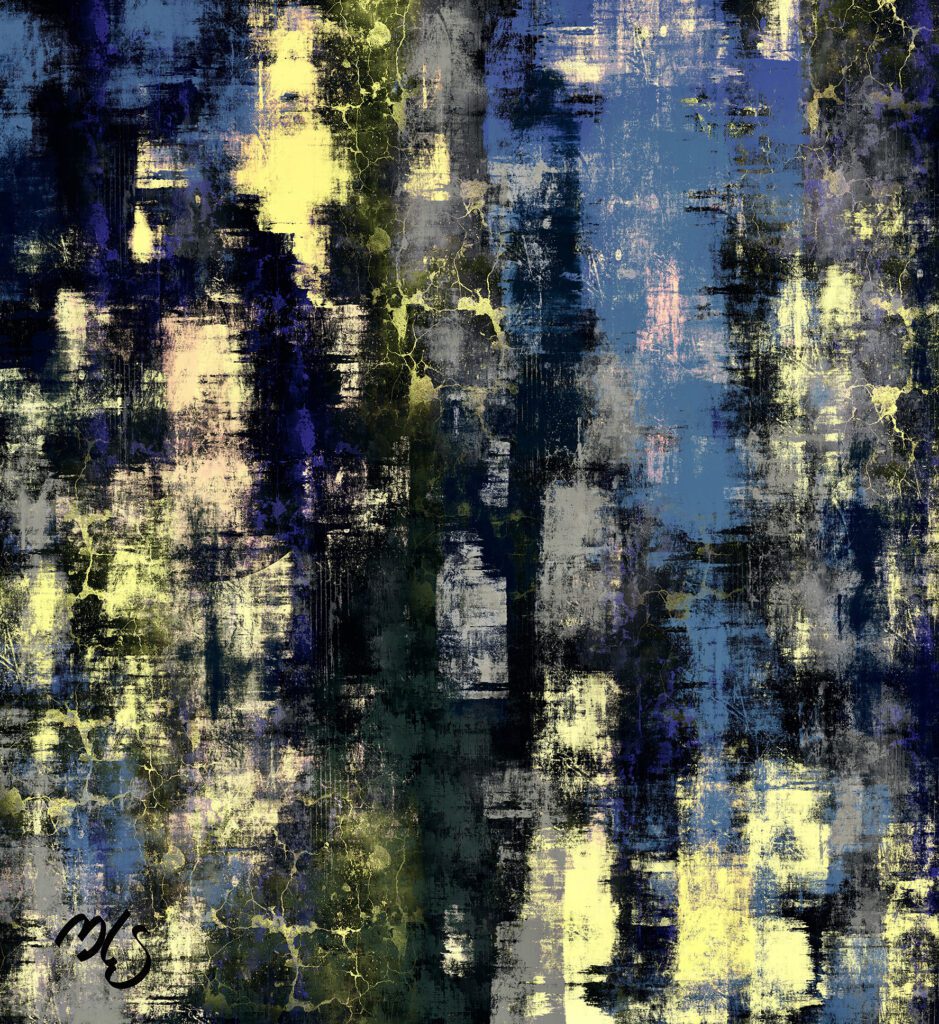
As our conversation with Mona came to a close, we realized something interesting about her work. A lot of abstract paintings ask viewers to stand back and interpret them intellectually. Mona’s paintings do something almost opposite. They pull you in physically first.
You notice the scraped textures. The thickness of paint catching light differently across the surface. The tension between soft atmospheric colour and sharp palette knife marks cutting through it. Before you even fully understand the composition, your body has already reacted to it. And honestly, we think that’s why the work feels so alive.
Throughout our conversation, Mona kept returning to ideas of intuition, emotional honesty, and freedom inside the process. But what stayed with us most was the way she spoke about texture almost like a form of emotional truth. Not decoration. Not technique for the sake of technique. Something physical enough to hold tension, disruption, courage, hesitation, movement.
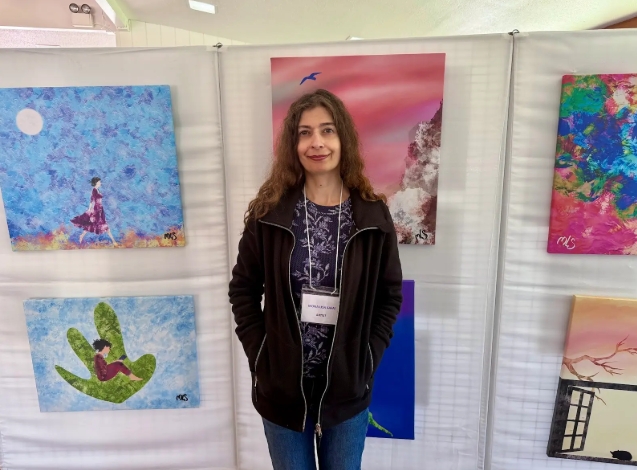
That changes the way you experience the paintings. We also loved that Mona never speaks about digital art and physical painting as competing with each other. In her work, both seem to feed the same curiosity about texture, emotion, atmosphere, and movement.
And maybe that’s what gives the work its energy. The paintings feel layered emotionally because her process itself feels layered photography, digital experimentation, physical paint, palette knives, intuition, structure, risk. None of it feels disconnected from the final surface.
For collectors drawn toward abstract work with strong texture and emotional movement, Mona Lisa’s paintings feel like the kind of work that keeps shifting over time. Different light pulls out different surfaces. Different moods pull out different emotions. The paintings never fully settle into one fixed reading.
And honestly, we think that openness is exactly what makes people keep returning to them.
To follow Mona Lisa’s journey and see more of her work, find her through the links below.
