
Niyati Mehta Turns Watercolour, Graphite and Oil into Personal Visual Stories
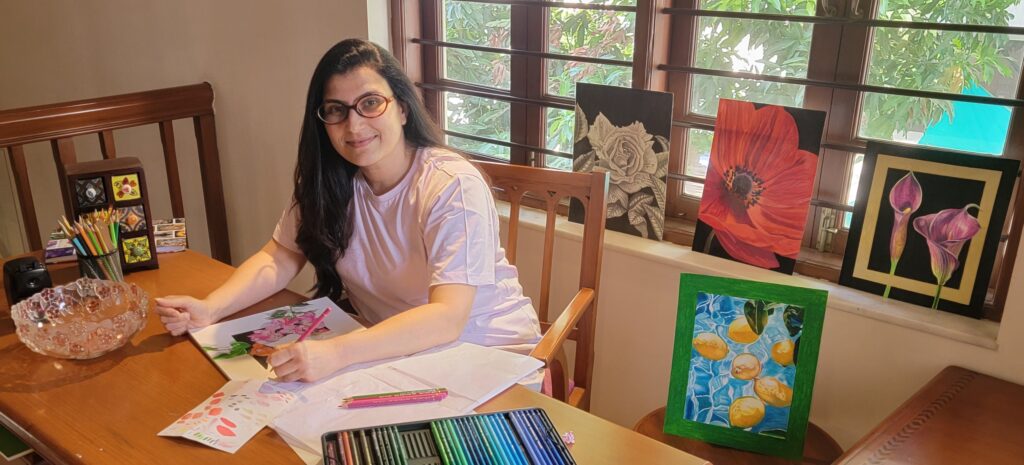
At Women in Arts Network, Spring Through My Eyes gave us the chance to discover artists who experience renewal, change, and beauty in deeply personal ways. For some, spring appears through flowers, colour, and landscapes; for others, it becomes something more internal, a feeling of growth, reflection, and beginning again. Niyati Mehta is one of the selected artists whose relationship with art has grown through exactly that kind of personal transformation.
Niyati’s journey into art began in childhood, when drawing and painting were already things she naturally loved, but it was later in life that art became something much deeper. After a difficult period, she turned to graphite drawing as a way to process emotions that were difficult to put into words.
What began as a personal outlet slowly became a daily practice, a source of clarity, and eventually a way of understanding herself and the world around her.
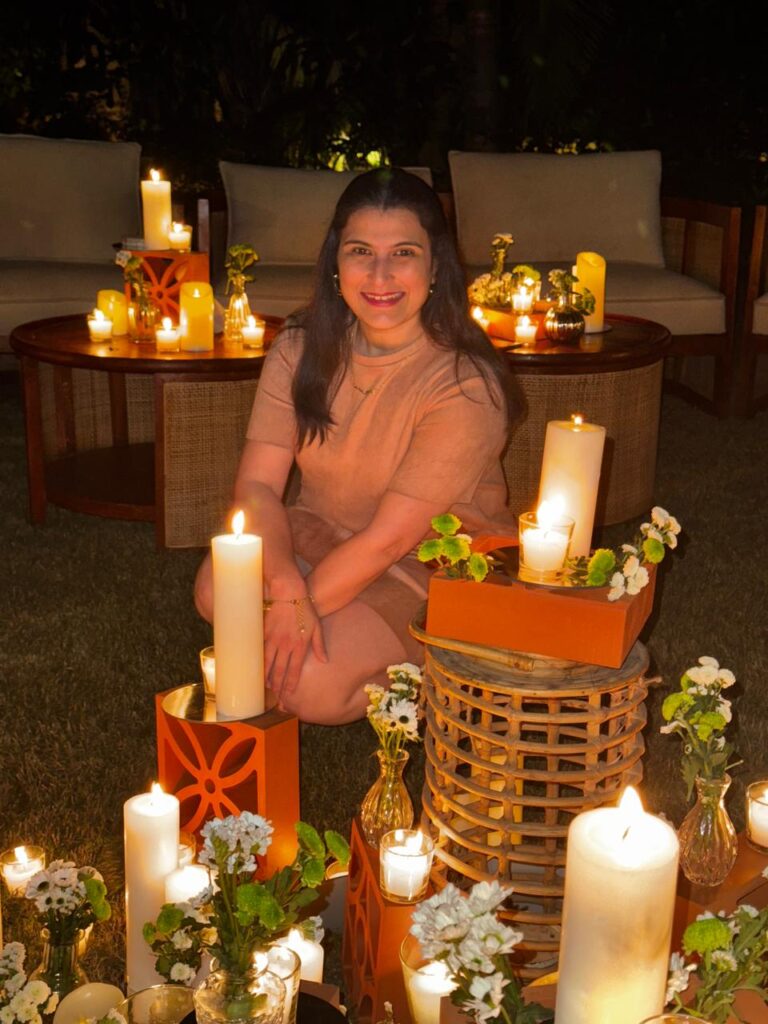
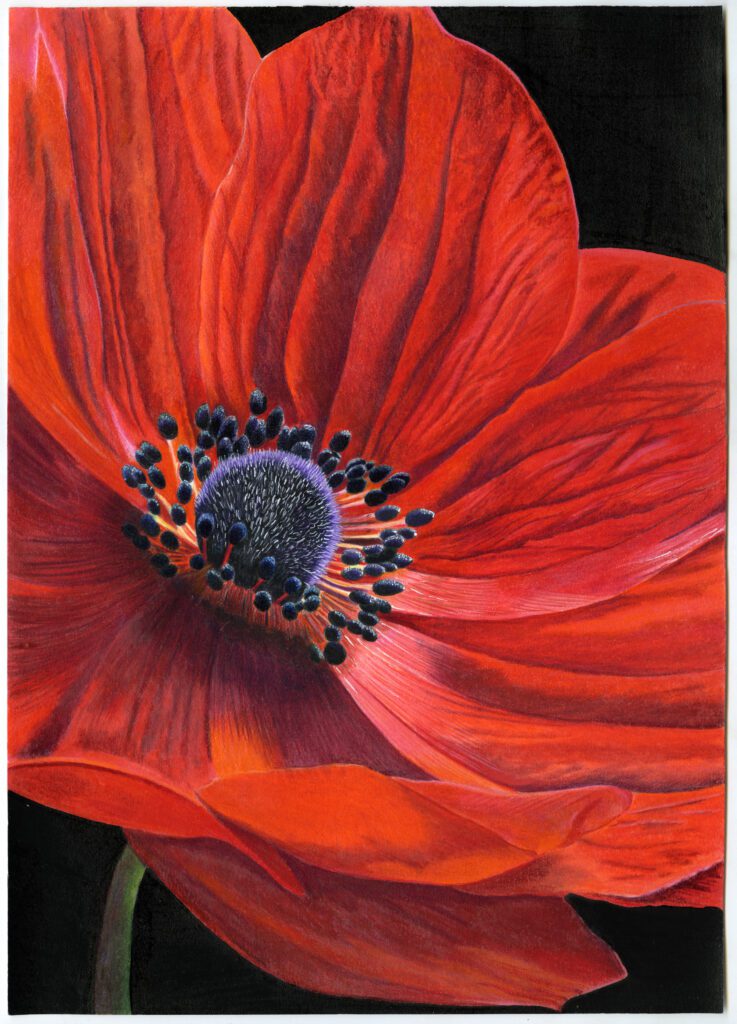
Today, Niyati works across watercolor, graphite, acrylic, and oil, allowing each idea to find the medium that feels right for it. She doesn’t see experimentation as something separate from her practice. Instead, it is part of how she continues to grow, keeping herself open to new materials, techniques, and ways of expressing an idea.
There is an interesting balance between discipline and intuition in the way she works. She may begin with a clear intention, but she leaves enough room for the artwork to surprise her. Technical knowledge gives her structure, while instinct allows the piece to find its own direction. That openness reflects the way she sees life itself as something constantly changing, where growth often comes from being willing to step outside what is familiar.
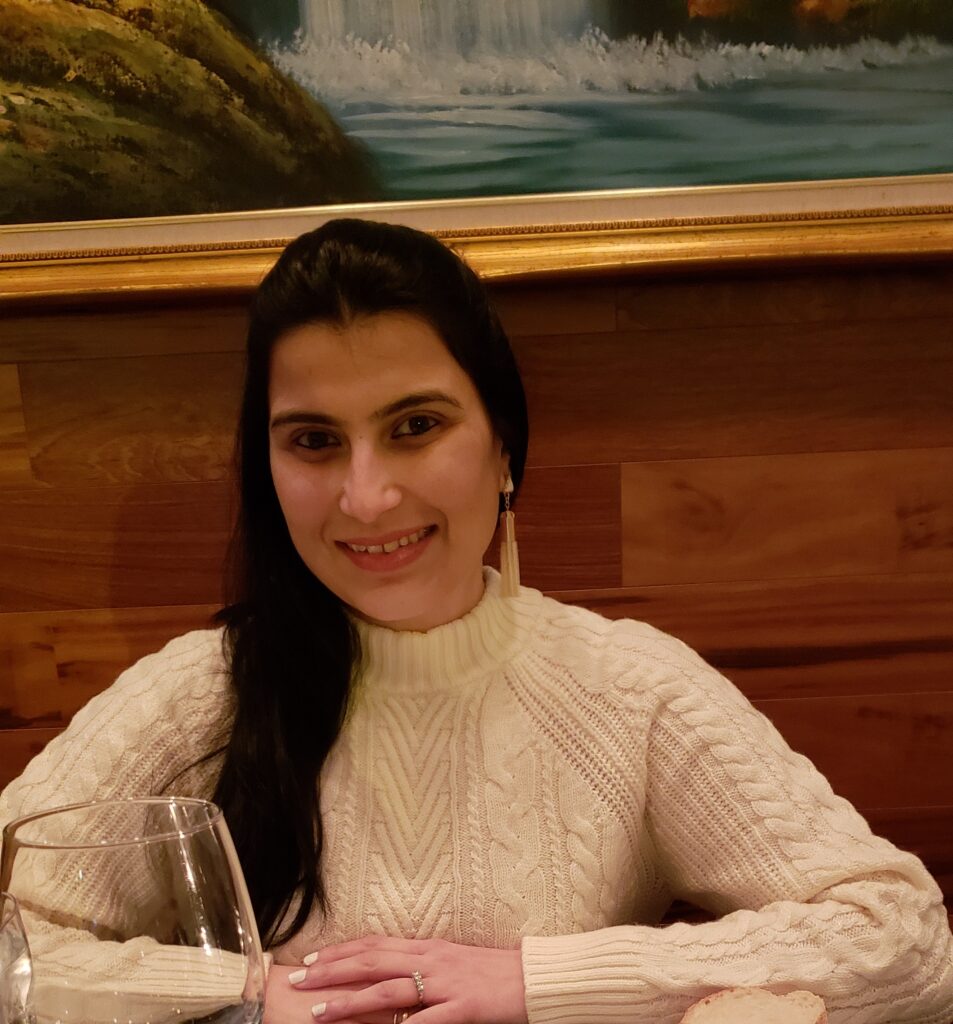
Her background in business management also brings another perspective to her creative practice. For Niyati, creativity isn’t limited to the studio. It is a way of thinking, observing, solving problems, and looking beyond the obvious. Art has taught her to embrace uncertainty, while her professional experience has taught her the value of structure and discipline. The two worlds continue to shape each other.
Niyati doesn’t see art simply as a way to express feelings she already understands. She sees the process as a way of uncovering things she may not have known were there. Every sketch, painting, and experiment becomes another opportunity to learn something about herself.
Now, let’s get to know Niyati Mehta through our conversation about creativity, transformation, experimentation, and the role art can play in understanding ourselves.
Q1. Can you share how your journey as an artist began and when art became more than a hobby?
My journey as an artist began in 2016, although my love for drawing and painting goes back to childhood. I was always fascinated by art and enjoyed creating whenever I could, but I never considered pursuing it seriously. It was only after a major setback in my life in 2015 that I found myself turning to art in a much deeper way. At that time, I was searching for a way to process and express emotions that felt difficult to put into words. I began sketching with graphite pencils, and those early drawings became a reflection of how I was experiencing life then through shades of black and white.
What started as a personal outlet gradually became a source of healing, clarity, and self-discovery. As I spent more time creating, I realized that art was no longer just a creative hobby. Again in 2022, as i found myself in major turmoil life took me through, creating art once again became my solace. It had become a daily practice and, in many ways, a spiritual journey.
The process of drawing evolved into a ritual that helped me connect with myself, reflect on my experiences, and find meaning in both challenges and growth. That was the moment I understood that art would always be an essential part of my life—not just something I enjoyed doing, but something that continuously shapes who I am. A feeling which connects me to my inner self and give me the emotional safety to ease the anxiety that had surrounded me.
Q2. Your work with watercolour and graphite to acrylic and oil. How do you decide which one best suit an idea?
For me, the medium is never an afterthought—it is an integral part of the idea itself. Every concept, emotion, or story carries its own energy, and over time I’ve learned to listen to what it requires in order to be expressed authentically.
I also believe that every artwork should offer the viewer a unique perspective and experience. Just as life is constantly evolving, art should continue to evolve too. If we want to experience life in its truest form, we have to remain open to growth, challenge ourselves, and fully immerse ourselves in new experiences. Working across different mediums allows me to do exactly that—it keeps me curious, pushes me beyond my comfort zone, and helps me discover new ways of communicating ideas and emotions.
In many ways, my choice of medium is guided by a desire to keep learning and transforming. Each new material teaches me something different, and that process of continuous evolution is at the heart of my journey as an artist.
Q3. Experimentation is central to your practice. What keeps you drawn to exploring new approaches
Exploration is at the very core of my artistic practice because I don’t believe in settling into a single way of creating. As an artist, I am constantly drawn to experimentation, whether it’s through different mediums, techniques, or ways of expressing an idea. This comes from a belief that has shaped both my life and my work: the only constant thing in life is change.
Growth happens when we remain open to new experiences, and I try to carry that perspective into my creative process. If I were to stay within one medium or one approach indefinitely, I feel I would limit not only my artistic expression but also my personal evolution.
Each medium offers a unique language, and every artwork has the potential to create a different experience for the viewer. By exploring new forms and materials, I can discover fresh perspectives and invite others to do the same. The process keeps me curious, challenged, and engaged with my work.
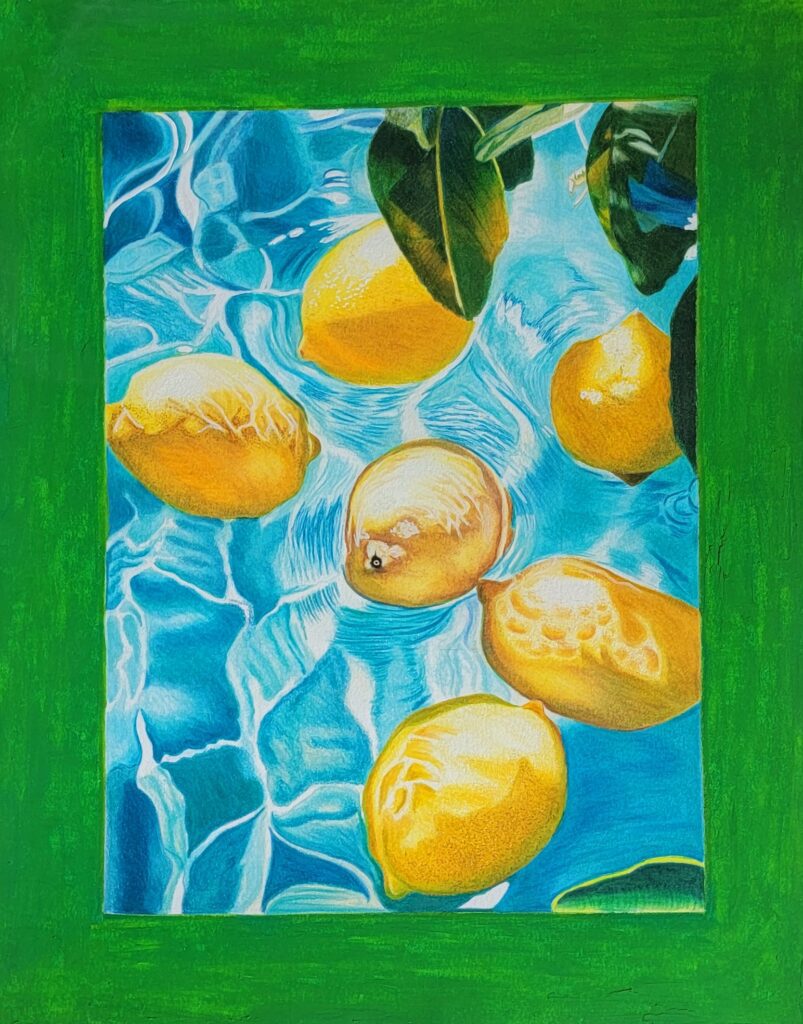
Q4. Your work balances technique with intuition. How do you find that balance while creating?
For me, the most successful pieces emerge from a balance between the two. Technical control plays a vital role in my work because it helps me create the specific visual and emotional experience I want the viewer to have. It reflects the discipline I bring not only to my artistic practice but also to the way I approach life. The technical aspects of painting give me the tools to communicate an idea with clarity and intention. At the same time, I don’t believe creativity can be forced into a rigid structure.
Creating art feels a lot like a flowing river it finds its own path. I allow intuition and creativity to take the front seat and guide the journey, while the technical knowledge I’ve developed acts as a navigator, ensuring that the work remains grounded and cohesive. Because of this, I usually begin a piece without fixed expectations about the final outcome.
I leave room for discovery, surprises, and moments of instinctive decision-making. However, it is the underlying technical control that allows those moments to be translated into a meaningful visual experience.
The magic, for me, lies in that relationship between freedom and discipline where intuition is free to explore, but technique provides the structure needed to bring the vision to life.
Q5. You have a background in business management as well as art. What have these two worlds taught you about creativity?
I have studied business management and hold an MBA in international business. So, if i talk about working in both business management and art, then it has taught me that creativity is not confined to the arts—it is a way of thinking that can be applied to every aspect of life. While the outcomes may be different, both fields begin with curiosity, observation, and the desire to create something meaningful.
My MBA journey has taught me to think strategically, analyze situations from multiple perspectives, and find practical solutions to complex challenges. Art, on the other hand, has taught me to embrace uncertainty, trust intuition, and remain open to possibilities that cannot always be measured or predicted.
What I find most interesting is that both worlds require a balance between structure and imagination. In business, creativity helps us innovate, adapt, and see opportunities where others see obstacles. In art, discipline and structure help transform ideas into something tangible and impactful. Neither can thrive without the other.
Most importantly, working in both fields has taught me that creativity is not just about creating something new—it’s about seeing things differently. Whether I am developing a strategy, solving a problem, or creating a painting, the process begins with curiosity and the willingness to explore perspectives beyond the obvious.
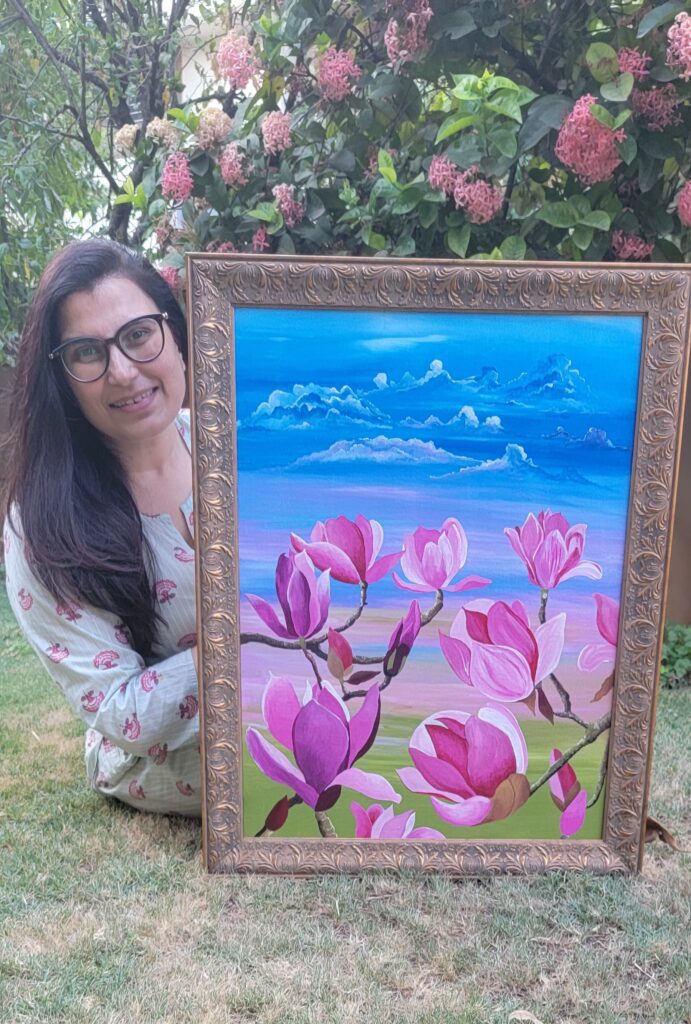
Q6. Do you think art is more about expressing what we already know, or discovering things we didn’t realize we felt?
For me, art is much more about discovery than expression. While there are times when I create with a clear intention or emotion in mind, some of the most meaningful insights emerge during the process itself. Art has often revealed thoughts, feelings, and truths that I wasn’t consciously aware of when I began. My own journey with art started as a way of expressing emotions during a difficult period in my life. But as I continued creating, I realized that the process was showing me parts of myself that I hadn’t fully understood before.
What began as expression gradually became a form of self-discovery. That’s why I consider art a spiritual practice as much as a creative one. Every artwork teaches me something new about myself, and often the final piece carries meanings that I only fully understand after it has been completed. So if I had to choose, I would say that art is less about expressing what we already know and more about discovering what was waiting to be understood all along.
Q7. What is something art has taught you about yourself that no other experience could have?
Art has taught me patience, perseverance, and the importance of never giving up. Every artwork is built piece by piece, layer by layer, and through that process I realized that personal growth happens the same way. We don’t become who we are overnight—we build ourselves gradually through our experiences, challenges, and choices.
Art has also taught me to stay true to myself. Not everyone is going to connect with or appreciate your work, just as not everyone is going to understand or appreciate you as a person. But that should never stop you from creating authentically and following your own path. Most importantly, art has taught me to keep showing up, even when the outcome is uncertain.
There will always be moments of doubt, mistakes, and setbacks, but every brushstroke, every sketch, and every attempt contributes to something larger. You never know whose life your work might touch or inspire. That’s why I believe it’s important to remain honest to yourself and your vision because somebody is always watching, learning, or finding meaning in what you create.
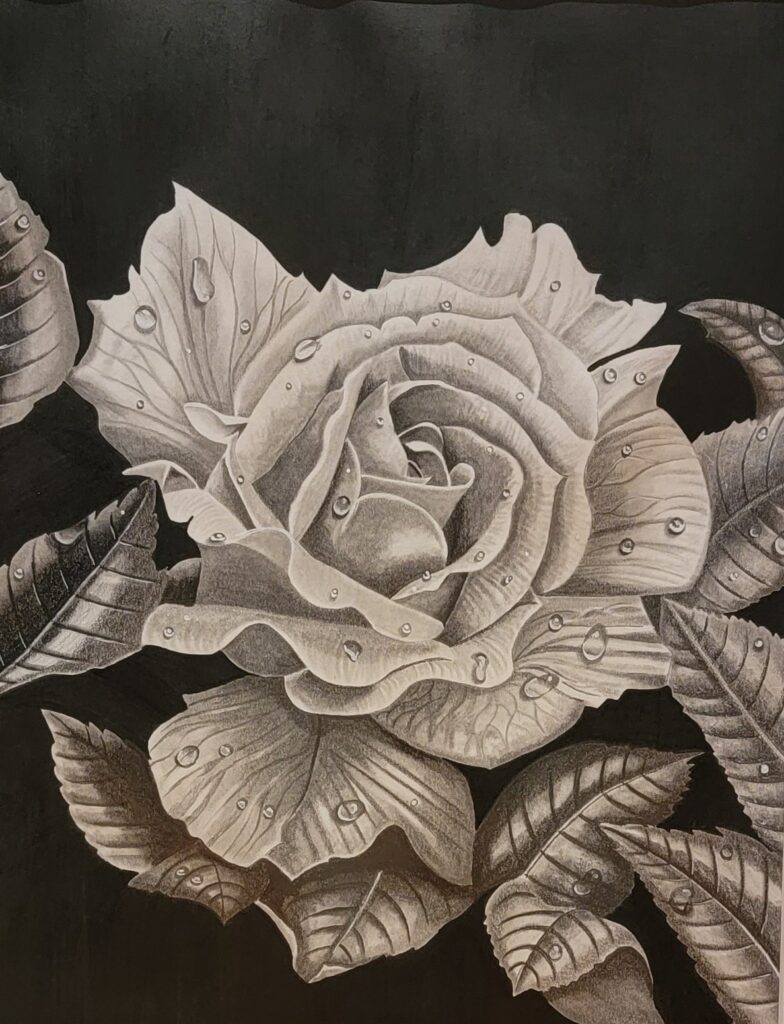
Q8. Many people believe creativity is a talent, while others see it as a practice. Where do you stand on that question?
I believe creativity begins as a spark, but it becomes meaningful through practice. Many people may have a natural inclination towards creativity, but without nurturing it, exploring it, and showing up consistently, it remains only potential. My own journey is an example of that. I was always drawn to drawing and painting as a child, but it wasn’t until 2016 that I started taking art seriously.
What transformed my relationship with art wasn’t talent alone—it was the willingness to keep creating, learning, experimenting, and growing through the process. So while talent may open the door, I believe practice is what allows creativity to evolve into something truly meaningful. Creativity is not a destination or a gift reserved for a few people, it’s a lifelong practice of remaining curious, open, and willing to explore.
Q9. Social media has changed how people experience art. Do you think it encourages deeper connection or quicker consumption?
I think it has done both. On one hand, social media has created opportunities that artists never had before. It has made art more accessible and has allowed artists to share their work with people across the world, regardless of geography or background. It has also made it possible for artists to build communities and connect directly with audiences in a way that was once very difficult. At the same time, social media has changed the way people consume art.
The speed at which content is presented often encourages quick consumption rather than deeper engagement. For me, the most meaningful experiences happen when a piece of art makes someone pause, reflect, or feel something, even for a moment. If social media can create that pause amidst all the noise, then it has served a valuable purpose.
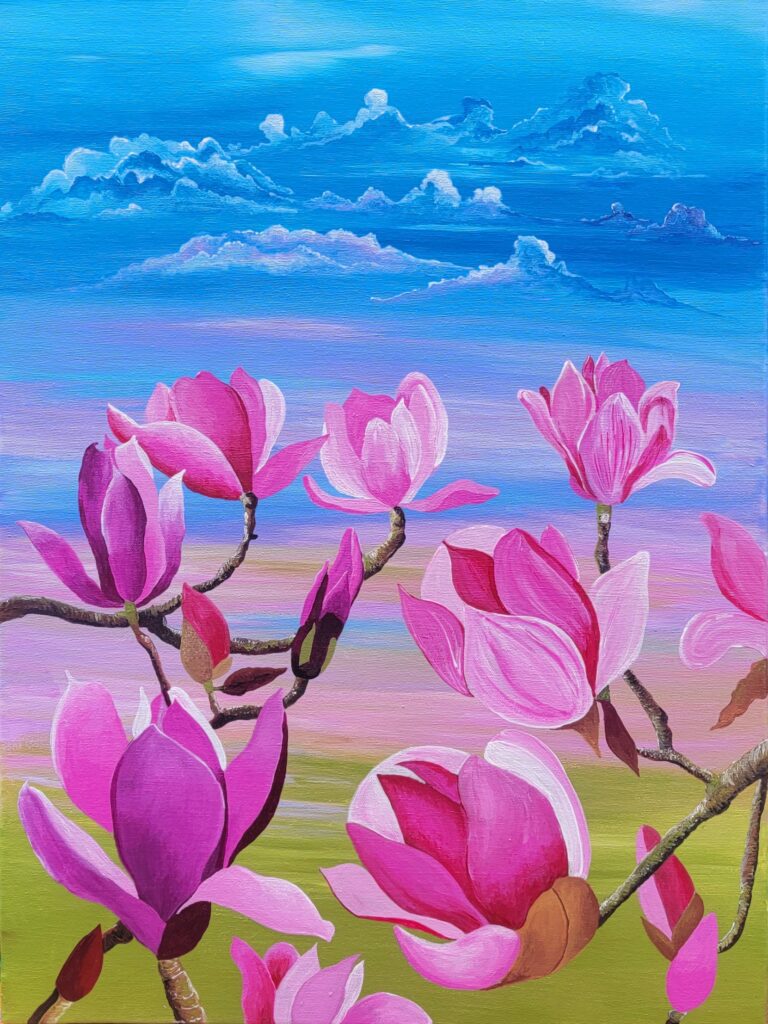
Q10. Looking back at the artist you were ten years ago, what would surprise you most about where you are today?
What would surprise me most is that I am still creating—and that art has become such an integral part of who I am. Ten years ago, I never imagined that what began as a way to cope with a difficult phase in my life would grow into a lifelong journey of self-discovery, healing, and expression. Back then, I was simply trying to understand my emotions through graphite sketches.
I wasn’t thinking about becoming an artist; I was just trying to find my way forward. Perhaps the biggest surprise would be realizing that art became more than something I create—it became a way of understanding life.
What started as a hobby evolved into a spiritual practice, a constant companion through change, and a lens through which I experience the world. If I could speak to the artist I was ten years ago, I would simply tell her to keep going. The challenges, doubts, and uncertainties are all part of the journey, and every sketch, every experiment, and every moment spent creating will eventually lead to something far greater than she can imagine.
Q11. What would you say to artists trying to balance their creative ambitions with practical goals?
I would tell them that they don’t have to see it as a choice between one or the other. Society often encourages us to separate practical ambitions from creative passions, but I believe the two can coexist and complement each other. My advice to emerging artists would be to continue investing in their creative practice, even while pursuing other goals.
You don’t need to have everything figured out at once. Sometimes practical pursuits provide stability and valuable life experiences, while creative passions provide purpose, expression, and a deeper connection with yourself. For me, art and business management are both journeys of learning and growth. Neither has taken away from the other—instead, they have helped me evolve into a more curious, adaptable, and well-rounded individual.
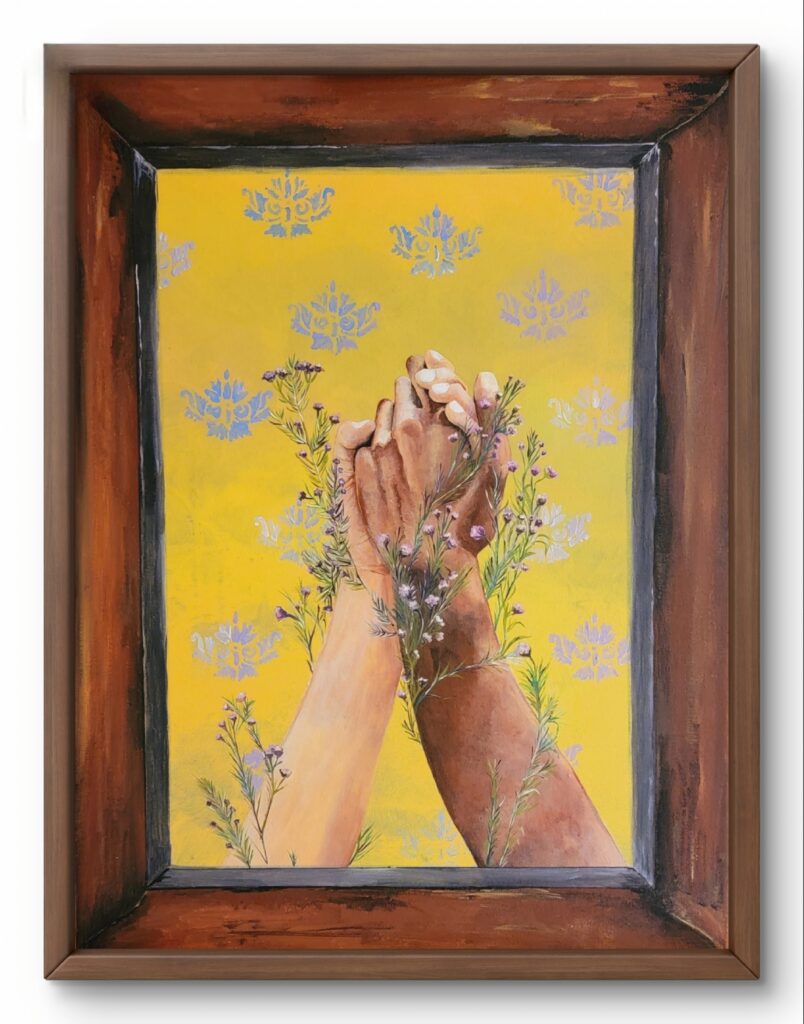
Getting to know Niyati’s journey made us think about how often an artistic practice grows alongside the person creating it. What begins as a simple way of making something can slowly become a way of thinking, processing, questioning, and understanding the world.
Niyati’s relationship with art has continued to evolve through different experiences and mediums, and that openness is a meaningful part of her practice. She doesn’t treat change as something that needs to be avoided. Instead, she allows each new experience to influence where the work goes next.
There is also something interesting about the space between discipline and intuition in her work. She brings technical knowledge and intention to the process, while still leaving room for unexpected discoveries. That balance allows the work to remain controlled without becoming predictable.
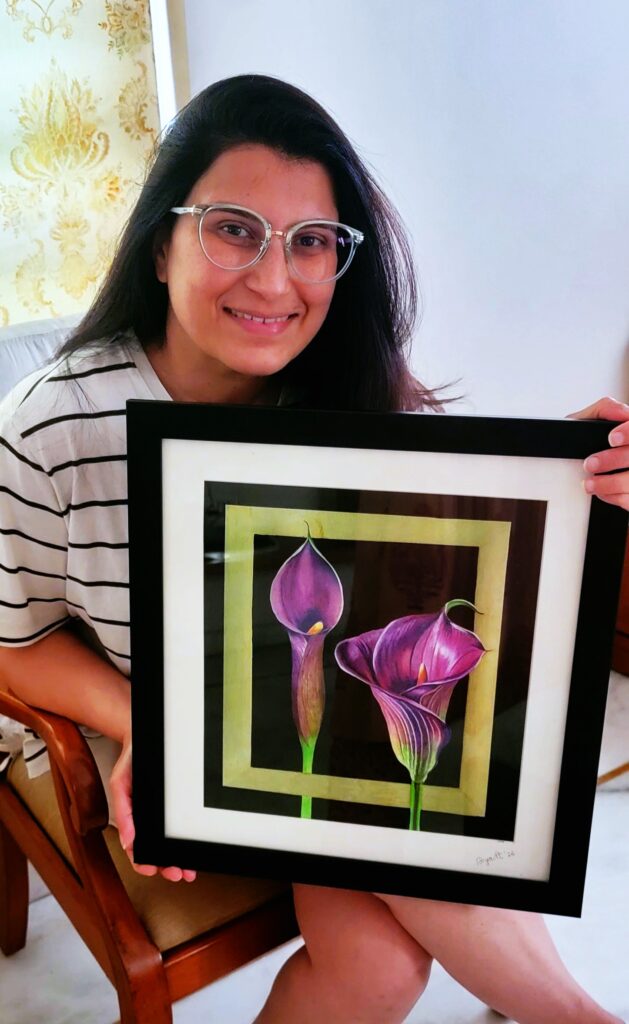
Her story also speaks to a wider reality of being an artist today. Not every creative journey begins with a clear plan, and not every artist needs to define their entire practice at once. Sometimes the direction becomes clearer through simply continuing to make, experiment, and remain curious.
For Niyati, art has become more than something she produces. It has become part of how she understands herself and experiences change. That personal connection gives her work a sense of sincerity that goes beyond any particular medium or technique.
And perhaps that is what makes an evolving practice so interesting to witness. The work changes, the artist changes, and somewhere between the two, something new keeps emerging.
Follow Niyati Mehta through the links below and explore more of her creative journey.
