
Artist Residencies and Grants Every Artist Should Know
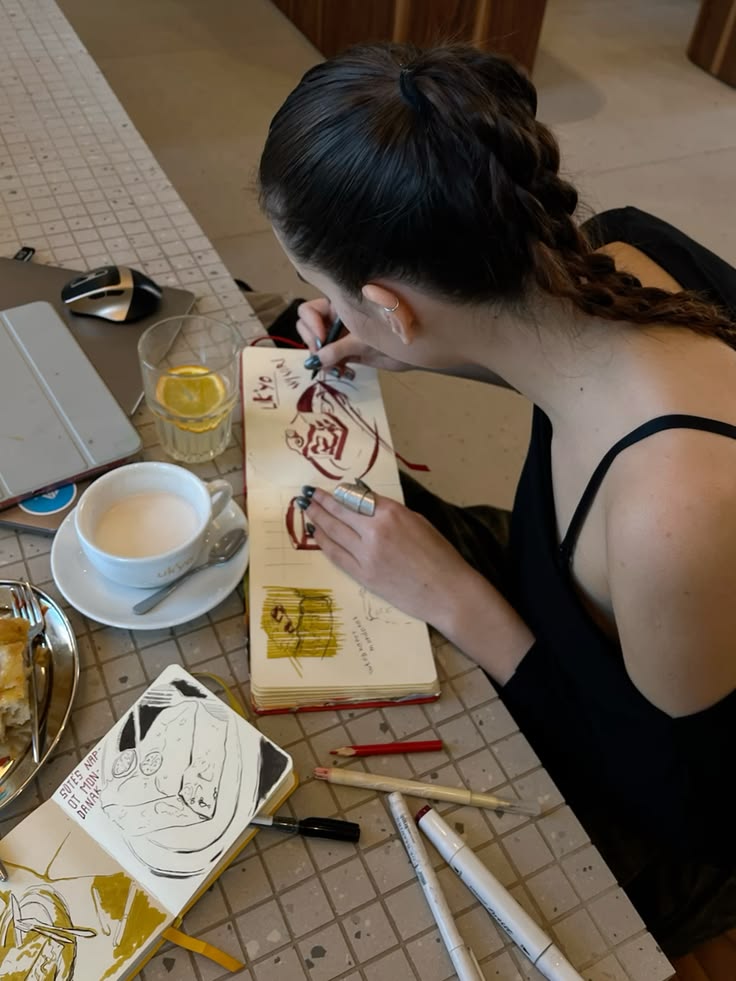
There is so much more to building an art practice than making the work itself. Sometimes, what an artist needs is a little financial support, a dedicated space to create, or simply the time to step away from everyday life and focus on an idea. Grants and residencies can offer exactly that, helping artists develop new work, experiment, research, and take their practice somewhere new. Here are a few opportunities worth knowing if you are looking for that kind of support.
What Is an Art Residency?
An art residency gives artists something that can be surprisingly difficult to find: time and space to focus on their practice. Depending on the program, that can mean a private studio, accommodation, financial support, access to specialized facilities, or simply the freedom to step away from everyday responsibilities and spend a few uninterrupted weeks making, researching, and experimenting. For artists looking to develop a new body of work or take their practice in a different direction, a residency can offer both the breathing room and the environment to do it.
MacDowell — New Hampshire, USA
If you have been looking for a residency that genuinely puts the artist first, MacDowell is one to know. Its fellowships provide artists with private studio space and accommodation, with residencies lasting up to six weeks, and the program supports artists across disciplines. The next application window opens August 17, 2026, and closes September 10, 2026, for residencies taking place from March through August 2027. There is no cost to apply.
What we love about MacDowell is the simplicity of what it offers: a place to go, a studio to work in, and time that can belong entirely to your practice.
Bryn Du Artist in Residence Program — Ohio, USA
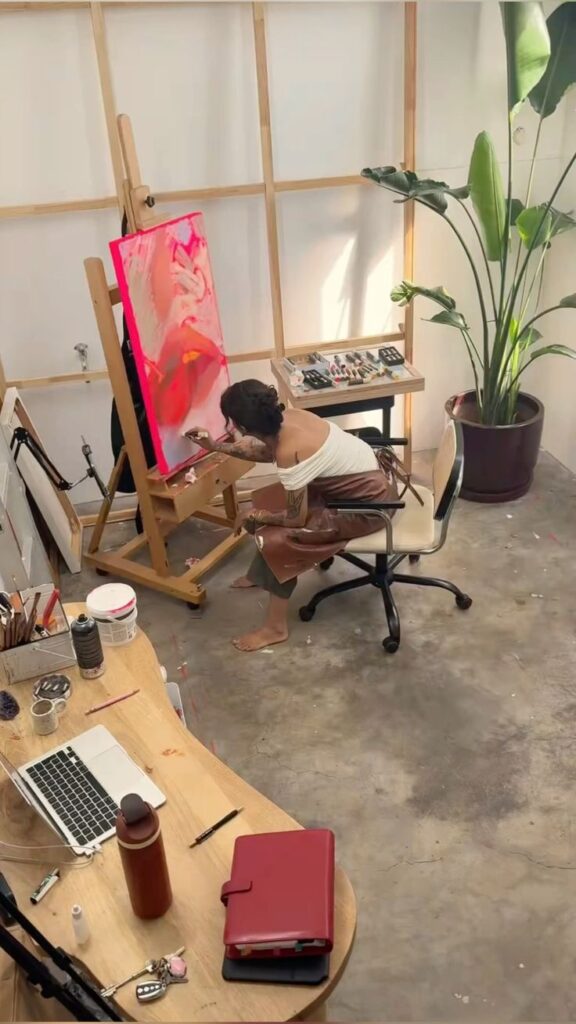
If you are looking for a residency that gives you more than just a place to work, Bryn Du’s Artist in Residence Program is worth putting on your radar. The program welcomes artists across disciplines and gives selected artists an 8- or 12-week residency, accommodation in the Cramer House, and dedicated time to develop their work within the Granville community. Artists at any stage of their careers can apply, and residents also receive a $2,000 stipend for an 8-week residency or $3,000 for a 12-week residency to support their time there. Applications for the 2027 residency cycle are currently open until August 31, 2026.
What makes this one lovely is that the residency isn’t only about disappearing into a studio. Artists become part of the local community while having the time, space, and financial support to let their practice grow.
Explore the Bryn Du Artist in Residence Program
What Is an Artist Grant?
An artist grant is financial support given to help an artist continue or develop their practice. Unlike a loan, it generally does not need to be paid back, and depending on the program, the money might go toward creating new work, buying materials, paying studio expenses, researching a project, or simply giving an artist some financial breathing room. Some grants are open to artists at different stages of their careers, while others are designed for specific disciplines, locations, or career levels. The important thing is that a grant isn’t just about the money itself, it can give an artist the freedom to spend more time making the work they want to make.
Pollock-Krasner Foundation Grant — USA & International
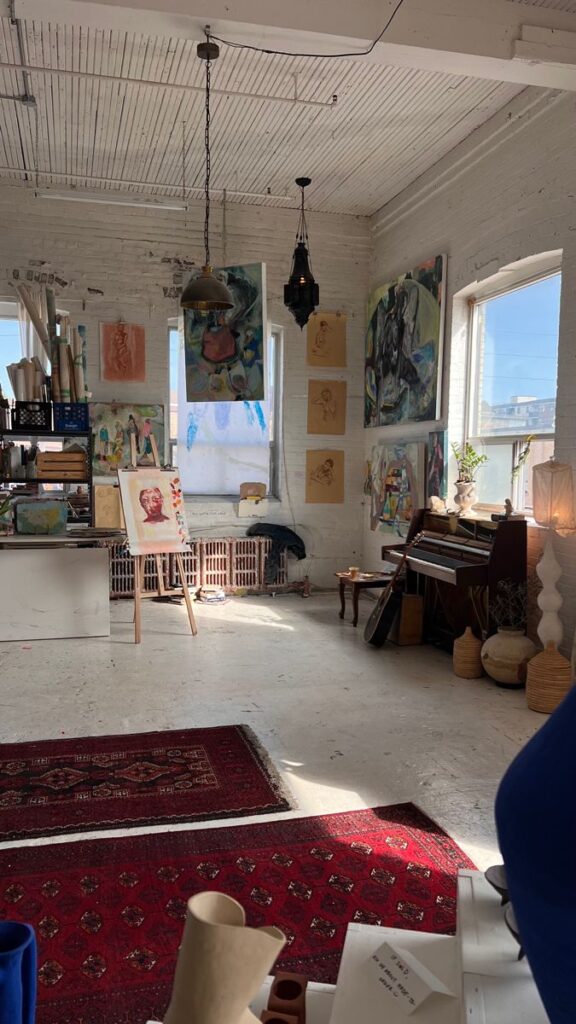
For visual artists looking for substantial support without having to wait for one particular annual deadline, the Pollock-Krasner Foundation Grant is one of the opportunities worth knowing. The Foundation accepts applications year-round on a rolling basis, with no fixed deadline. Individual visual artists can apply for grants of up to $50,000, with the amount determined according to the artist’s circumstances. The funding is unrestricted and is intended to support an artist’s practice for approximately one year. Applicants need an artist statement, cover letter, current CV, ten digital images of recent work, an image list, and three professional references.
It is also genuinely international: the Foundation has awarded more than 5,200 grants to artists in 80 countries, making this one particularly worth bookmarking if you’re looking beyond opportunities limited to U.S.-based artists.
Apply to the Pollock-Krasner Foundation Grant
Luminarts Fellowship — Chicago, USA
If you’re an emerging artist between 18 and 30, the Luminarts Fellowship is a lovely one to have on your radar for 2027. Applications open September 14, 2026 and remain open until January 15, 2027, with a $10,000 unrestricted award available in Visual Arts alongside fellowships in other disciplines. There is one important eligibility requirement: applicants must live or reside within 150 miles of the Chicago Loop, or qualify as a Chicago artist through the program’s formative-years provision.
What makes this feel like more than simply a cheque is the community that comes with it. Luminarts Fellows can access additional opportunities over the following ten years, including project grants, workshops, mentorship, and conversations designed to help artists build sustainable careers.
Explore the Luminarts Fellowship
If you’re wondering how to make the most of the months you have left in 2026, take a look at our guide on Year-End Planning for Artists for simple ways to plan your creative goals, upcoming applications, and projects before the year comes to a close.
Before You Apply, Prepare These 5 Things
Finding an opportunity that feels right is exciting, but the application itself can quickly become overwhelming if you are starting from scratch. A little preparation can make the process much easier. Before you apply for a grant or residency, take some time to get these five things in order.
1. A Strong Portfolio
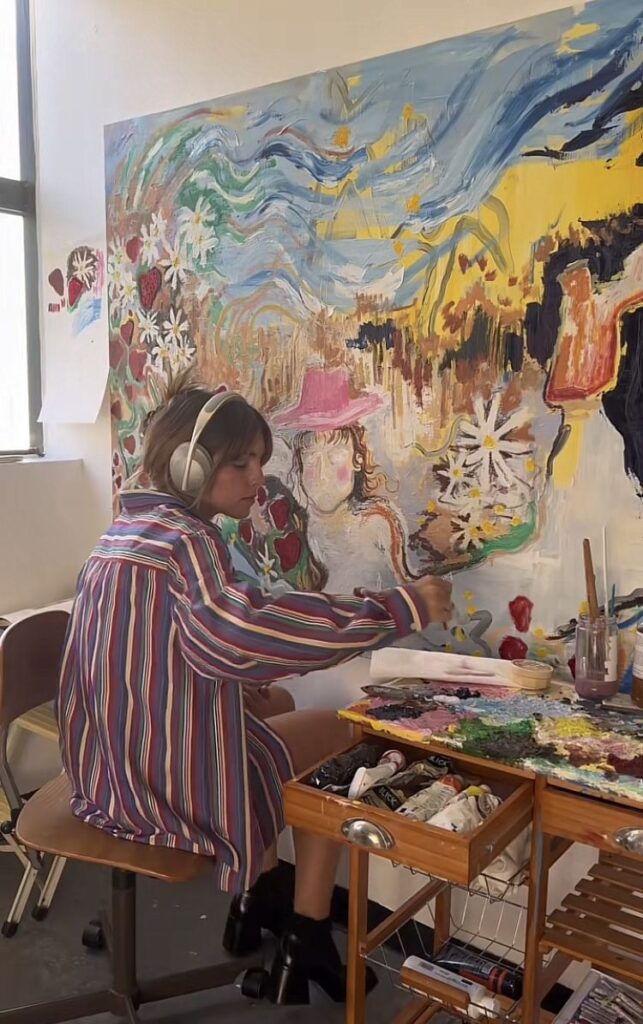
Your portfolio is often the first real introduction an organization has to your practice. Choose work that represents where you are now, rather than simply including everything you have ever made. Keep the selection focused, make sure images are clear and well-lit, and double-check that every file is correctly labelled.
2. An Updated Artist Statement
You do not want to be rewriting your artist statement hours before a deadline. Keep a current version that explains what you make, what informs your practice, and the ideas or questions behind your work. You can always adapt it to suit a particular opportunity later. Here’s a useful guide on writing an artist statement.
3. Your Artist CV
Keep your CV updated throughout the year so you are not trying to remember every exhibition, publication, award, workshop, or residency at the last minute. Include the experiences most relevant to your artistic practice and keep the formatting simple and easy to read.
4. A Project Proposal
Many grants and residencies want to know what you hope to do with their support. Have a clear idea of the project, research, or body of work you would like to develop. You do not need to have every detail figured out, but you should be able to explain what you want to explore and why the opportunity would help.
5. Your Supporting Materials
Create one folder with everything you might regularly need: a short biography, headshot, artwork details, image list, website and portfolio links, references, and high-resolution images. Having these materials ready means you can spend more time writing a thoughtful application and less time searching through old files.
The goal is not to have a perfect application sitting on your computer. It is simply to be ready when an opportunity that feels right comes along.
Editor’s Note
There is just one day left to apply to our latest virtual exhibition, The Beauty of Still Life. Submissions close on August 16, 2026. If you have a work that speaks to the theme, this is your last chance to share it with our international creative community and be considered for the exhibition. Apply now before submissions close.
