Year-End Planning for Artists: Make the Most of the Rest of 2026
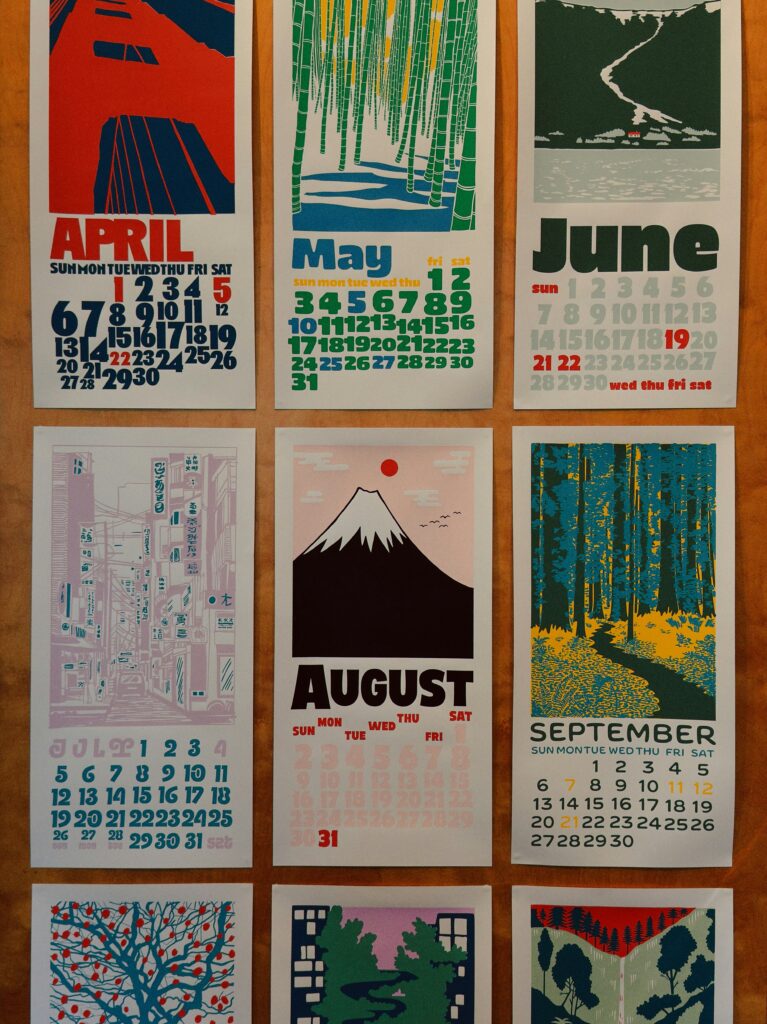
Before you start planning the rest of your creative year, have you paused to ask what 2026 has already taught you, how it has changed you, or where it has quietly led your creative journey?
August has a strange kind of energy because it invites those questions. Almost without warning, the year begins to feel shorter, and the months ahead suddenly seem more precious than the ones behind. For many artists, it’s the point where unfinished projects become impossible to ignore and January’s ambitions come rushing back into focus. Some respond by cramming every remaining week with ambitious new goals and impossible deadlines. Others lose momentum altogether, quietly setting their sketchbooks or brushes aside with the promise that they’ll start fresh next year.
Neither response is particularly kind to your creativity.
The final five months of the year don’t have to become a race against the calendar. They can be an invitation to reflect on how you’ve grown, work with greater intention, make room for rest, and finish the year feeling fulfilled rather than exhausted. This isn’t a rigid plan or a monthly checklist. Think of it as a gentle guide to helping you make the most of the creative season that still lies ahead.
Start With Reflection, Not New Goals
When the calendar reminds us that the year is coming to an end, our first instinct is often to make another ambitious list. We promise ourselves we’ll paint more, apply to every exhibition, learn a new technique, launch a website, update our portfolio, and somehow accomplish months’ worth of work before December arrives. More often than not, those expectations leave us feeling overwhelmed before we’ve even begun.
Instead of asking, “What else can I do this year?” start by asking, “What has this year already taught me?”
Take a quiet hour to reflect on the months behind you. Which projects brought you the most joy? Which opportunities helped you grow? What habits made creating feel easier, and what constantly drained your energy? You might discover that your biggest accomplishment wasn’t the number of artworks you completed but the confidence you gained, the new medium you explored, or the consistency you built.
Reflection also helps you recognize what no longer belongs in the months ahead. Perhaps a project no longer excites you, a commitment has become unsustainable, or a goal you set in January no longer reflects the artist you’ve become. That’s perfectly okay. Growth often means changing direction, not stubbornly following a plan that no longer fits.
The final months of the year don’t need to begin with pressure. They can begin with clarity. And more often than not, clarity is what leads to the most meaningful creative progress.
Choose One Creative Priority
The temptation to do everything before the year ends is understandable. There are exhibitions to apply for, commissions to complete, portfolios to update, new ideas waiting to be explored, and unfinished projects quietly calling for your attention. But trying to give equal energy to everything often means making little progress on anything.
Instead of creating a long list of goals, choose one creative priority that feels most meaningful to you.
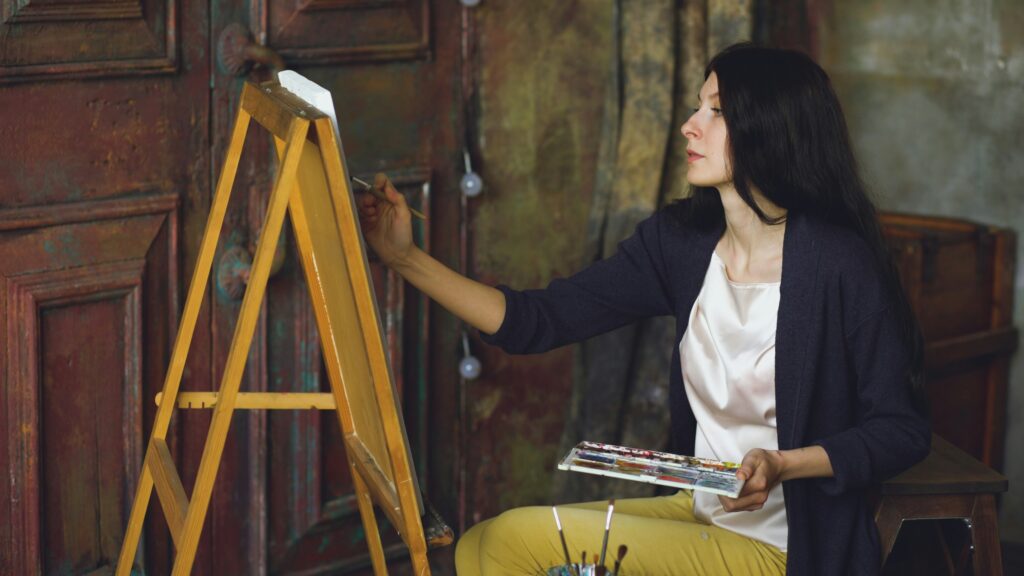
For some artists, it might be completing a body of work they’ve been developing all year. For others, it could mean refining their portfolio, learning a technique they’ve always wanted to master, preparing for an upcoming exhibition, or finally giving themselves the time to experiment without worrying about the outcome.
Having one clear focus doesn’t mean ignoring every other part of your creative practice. It simply gives your energy a direction. When you know what matters most, decisions become easier, distractions become quieter, and progress feels more intentional.
By the end of the year, finishing one meaningful project will often leave you with a far greater sense of accomplishment than scattering your attention across ten different goals. Sometimes, the most productive thing an artist can do is choose less and commit to it wholeheartedly.
Make Space for Curiosity
Not every hour you spend as an artist has to result in a finished painting or a completed project. Some of the most meaningful creative breakthroughs happen when you’re simply exploring, observing, and allowing yourself to be inspired without expecting immediate results.
As you plan the rest of the year, leave room for experiences that nourish your creativity. Visit a local gallery you’ve been meaning to see. Spend an afternoon in a museum. Attend an artist talk or community event. If you’re looking for inspiration, our guide to 6 Global Art Events to Explore This August highlights exhibitions and creative events that are well worth adding to your calendar. Read a book about an artist you admire, watch a documentary, or experiment with a medium you’ve never tried before. Even something as simple as taking a sketchbook to a park or café can help you notice colors, conversations, and moments that later find their way into your work.
Creativity thrives on curiosity. When every week is filled only with deadlines and production, it’s easy to feel as though your ideas are running on empty. Inspiration needs space to breathe just as much as your artwork needs time to develop.
Remember that being an artist isn’t only about making art. It’s also about collecting experiences, asking questions, and remaining open to the world around you. Those quiet moments of exploration may not seem productive at first, but they often become the foundation for your most meaningful work later on.
Build Around Your Energy, Not the Calendar
Many planning guides encourage artists to create the perfect weekly schedule, assigning specific tasks to specific days and expecting creativity to arrive on cue. In reality, creative work rarely follows such a predictable rhythm, and that’s completely normal.
Instead of trying to fit yourself into an ideal schedule, pay attention to how your energy naturally changes. Some days you’ll feel deeply focused and eager to spend hours in the studio. Other days, even the smallest creative task may feel difficult. Rather than viewing those slower days as failures, consider how they can serve your practice in different ways.
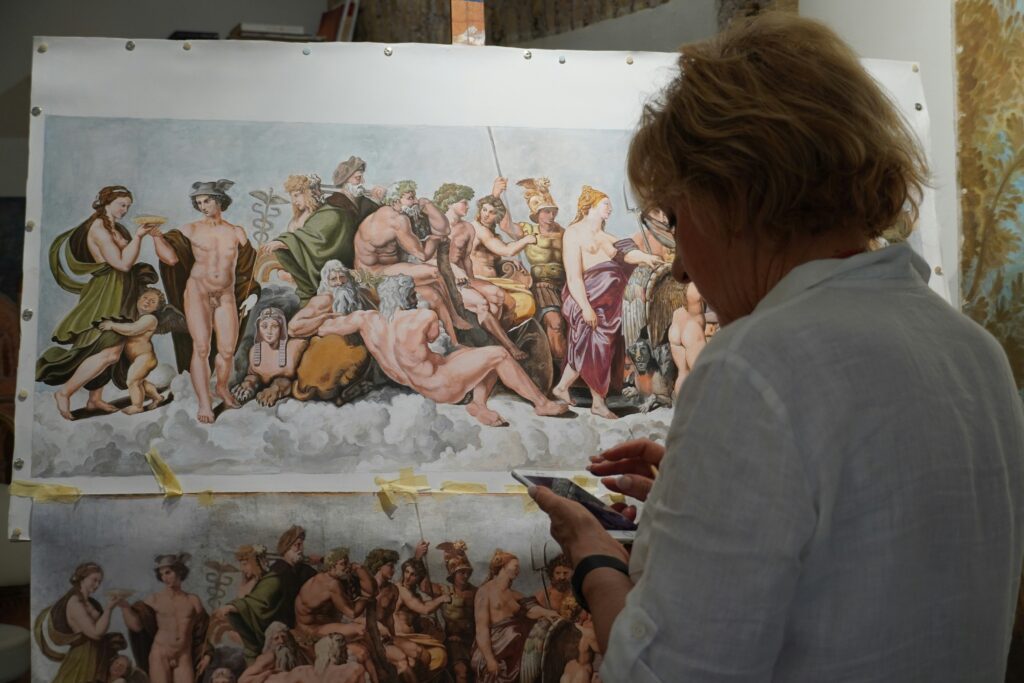
When your energy is high, make room for the work that requires your full attention, whether that’s painting, writing, experimenting, or developing new ideas. On quieter days, you might photograph your work, organize your studio, reply to emails, update your portfolio, or simply spend time reflecting and gathering inspiration. Every part of an artistic practice has value, even if it doesn’t always involve creating something new.
Planning around your energy instead of forcing productivity every single day creates a more sustainable rhythm. It allows you to remain consistent without feeling guilty when your creativity ebbs and flows. After all, building a lasting creative practice isn’t about working at full speed all the time. It’s about knowing when to push forward, when to pause, and trusting that both are essential parts of the artistic process.
Protect Time That Doesn’t Have to Be Productive
Artists often feel guilty when they’re not creating, but rest is not the opposite of creativity. In many ways, it’s part of it.
As you plan the remaining months of the year, make space for moments that have nothing to do with deadlines or output. Meet a friend for coffee, take a walk without your sketchbook, spend time with family, watch a film, or simply enjoy a quiet afternoon doing nothing at all. These moments aren’t distractions from your art, they’re what help sustain it.
A well-rested mind notices more, imagines more, and returns to the studio with renewed perspective. Sometimes, the best thing you can do for your creative practice is step away from it for a little while.
Celebrate the Quiet Wins
Not every achievement has to be an award, a sold-out exhibition, or a viral moment. Some of the most meaningful progress happens quietly.
Maybe you painted consistently for the first time in months. Perhaps you finally submitted your work to an open call, overcame creative self-doubt, experimented with a new medium, or simply kept showing up even when inspiration felt distant. Those moments deserve to be acknowledged too.
Before the year ends, take time to celebrate how far you’ve come instead of only focusing on how far you still have to go. Creativity isn’t measured solely by milestones, it’s also shaped by persistence, growth, and the courage to keep creating.
Plan Ahead Before the New Year Arrives
While it’s important to stay present, the final months of the year are also the perfect time to gently look ahead. Many exhibitions, residencies, grants, art fairs, and open calls begin accepting applications well before the new year is in full swing.
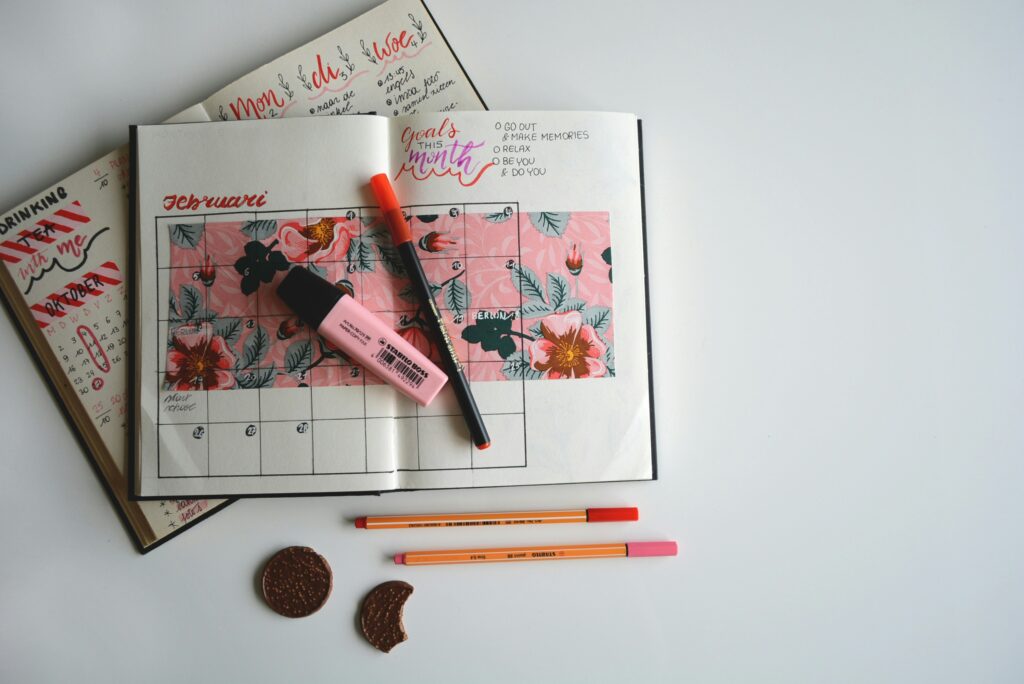
Spend a little time researching opportunities that genuinely align with your practice. Refresh your portfolio, update your artist statement, photograph recent work, or make a note of important deadlines. If you’re someone who likes to stay organized, free planning tools like Notion can help you keep application deadlines, creative goals, and project ideas in one place. You don’t need to apply for everything, but knowing what’s ahead allows you to step into 2027 feeling prepared instead of rushed.
Planning ahead isn’t about adding more pressure. It’s about giving yourself more possibilities when the new year begins.
End the Year, Don’t Race It
The final months of the year have a way of making us believe we need to accomplish everything before the calendar turns. But perhaps the greatest gift you can give yourself is letting go of that pressure.
Instead of trying to end 2026 perfectly, focus on ending it with intention. Create the work that matters to you, stay curious, protect your energy, celebrate your progress, and trust that every thoughtful step is shaping the artist you’re becoming.
There will always be another painting to begin, another opportunity to pursue, and another goal to set. What matters most is carrying your creativity into the new year with excitement rather than exhaustion. Sometimes, that’s the most meaningful achievement of all.
