
5 TED Talks Worth Watching If You Love Art And Creativity
A good talk can stay with you long after you have finished watching it. Sometimes it gives you a new way of looking at something familiar, sometimes it puts words to a feeling you have carried around for years, and sometimes it simply reminds you why you started making or loving art in the first place.
For artists, inspiration does not always come from another painting, exhibition, or studio visit. A thoughtful conversation about creativity, failure, imagination, beauty, or the way we see the world can be just as meaningful. TED Talks have become a wonderful place to find those conversations, with artists, designers, writers, photographers, filmmakers, and creative thinkers sharing ideas about their work and the ways they understand the world around them.
If you have a little time to spare between studio sessions, or you simply want something thoughtful to listen to while having your morning coffee, these five talks are a lovely place to begin. Each one offers something different, from understanding how creativity works to looking at the world through a completely different set of eyes.
1. Elizabeth Gilbert: Your Elusive Creative Genius
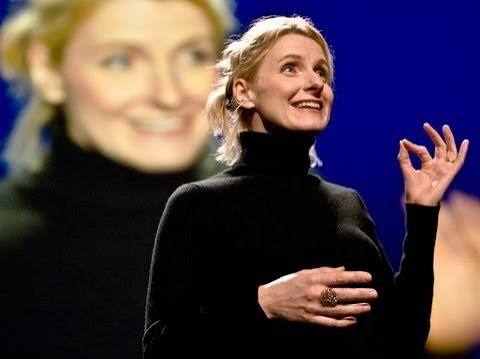
Elizabeth Gilbert’s talk is one of those TED Talks that artists can return to at different stages of their creative lives and hear something slightly different each time.
The author of Eat, Pray, Love speaks about the enormous pressure we often place on creative people to continually produce something extraordinary. Artists are frequently expected to treat creativity as a permanent source of identity, success, and even financial security. When a project goes well, we can feel brilliant. When the work does not come together, it can be very easy to feel like we have somehow lost the part of ourselves that makes us creative.
Gilbert suggests another way of thinking about creativity. Drawing on historical ideas about the “genius” behind creative work, she talks about separating the creative process from the idea that an artist must personally be a genius. Instead of believing that every successful piece of work proves our brilliance, or every unsuccessful one proves our inadequacy, artists can think about creativity as something that moves through them.
The idea can be surprisingly freeing. For artists who struggle with perfectionism, creative pressure, or the fear of not being “good enough,” this talk offers a gentler way of understanding the creative life. Gilbert also speaks about what happens after success and why artists should continue making work even when the expectations surrounding them become enormous.
It is ultimately a talk about taking the unbearable weight off the artist’s shoulders and making room for creativity to be what it is: something we participate in rather than something we have to constantly prove.
2. David Kelley: How To Build Your Creative Confidence
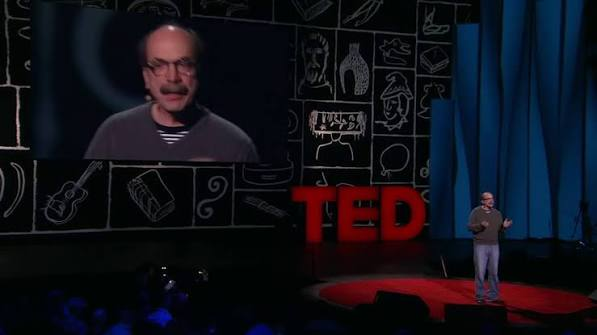
What would you make if you were not afraid of being bad at it?
That question sits at the heart of David Kelley’s TED Talk on creative confidence. Kelley, the founder of design firm IDEO, approaches creativity from the world of design, but the idea applies beautifully to artists and anyone who has ever wanted to make something but felt intimidated by their own abilities.
Creative confidence is not necessarily about believing that every idea you have is brilliant. Instead, it is about believing that you are capable of exploring an idea, making mistakes, and figuring things out along the way.
Kelley talks about how negative experiences can make people believe they simply are not creative. Someone may have been told as a child that they could not draw, had a teacher criticize their work, or compared themselves to someone who seemed naturally talented. Over time, these experiences can become a story we tell ourselves: I am not an artist. The problem is that creativity is not reserved for people who can draw perfectly from memory or come up with extraordinary ideas instantly.
Kelley shares examples from his work and explains how small experiences of making and experimenting can help people rebuild their confidence. His message is particularly useful for artists who find themselves comparing their work to others or waiting until they feel “ready” before trying something new.
For anyone who has ever looked at another artist’s work and thought, I could never do that, this is a reminder that confidence often comes after you begin, not before.
3. Julie Burstein: 4 Lessons In Creativity
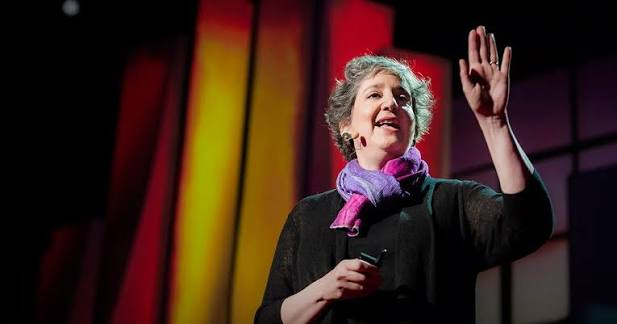
Julie Burstein, the host and creator of the public radio program Studio 360, spent years talking to artists about their creative lives. In this TED Talk, she brings together some of the lessons she learned from those conversations. Rather than presenting creativity as one mysterious quality that certain people possess, Burstein looks at the experiences and habits that can help creative work grow.
One of the most interesting ideas in the talk is the relationship between creativity and the world around us. Artists do not create in complete isolation. Their work is shaped by what they notice, what they experience, what they struggle with, and what they allow themselves to remain curious about.
Burstein discusses the importance of being open to new experiences and paying attention to the details around us. She also explores how difficulty can become part of the creative process. Failure, uncertainty, and unexpected changes do not necessarily have to stop creativity. Sometimes they become the very things that push an artist toward a new idea.
The talk features stories from artists including photographer Rosamund Purcell, filmmaker Morgan Spurlock, and writer Richard Press, giving the ideas a human quality rather than turning them into a list of creative rules.
For artists, one of the most valuable reminders here is that a creative life is not built only inside the studio. Paying attention, staying curious, experiencing the world, and allowing yourself to be changed by what you encounter can all become part of making art.
4. Amanda Palmer: The Art Of Asking
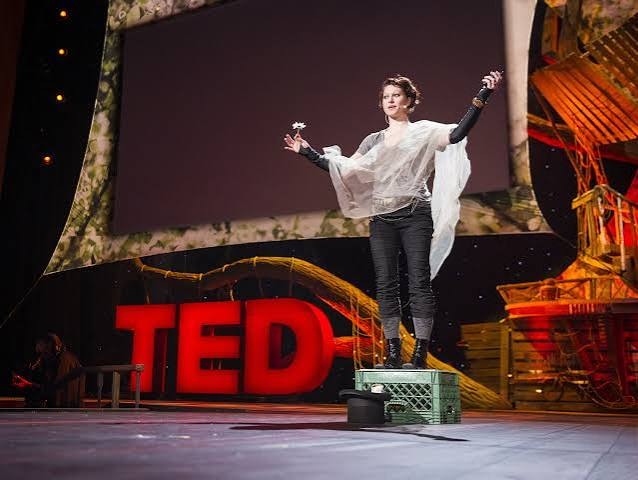
Amanda Palmer’s TED Talk takes a more personal route into creativity, vulnerability, and the relationship between artists and their audiences.
Palmer, a musician and performer, speaks about learning to ask for what she needs and, perhaps more importantly, learning to trust the people who support her work. Her talk grew partly from her experiences as a musician who built a strong relationship with her audience through direct connection and community.
For artists, asking can be uncomfortable. Asking someone to buy your work, support a project, attend an exhibition, share your work, collaborate with you, or simply listen to what you have made can sometimes feel like you are asking for too much. Artists can worry about appearing needy, promotional, or self-important.
Palmer approaches the subject through stories from her own career, including experiences of street performance and crowd-funded music. She talks about the vulnerability involved in creating something and then placing it in front of other people.
What makes the talk particularly relevant to artists today is its focus on connection. An audience is not simply a number on a social media account or a collection of potential buyers. Creative communities are built through relationships, trust, generosity, and genuine exchange.
For artists who struggle with self-promotion or feel uncomfortable talking about their work, this talk offers a different perspective. Sharing your work does not always have to mean shouting louder. Sometimes it means being willing to reach out, ask, and allow other people to become part of the creative journey.
5. Stefan Sagmeister: Why Beauty Matters
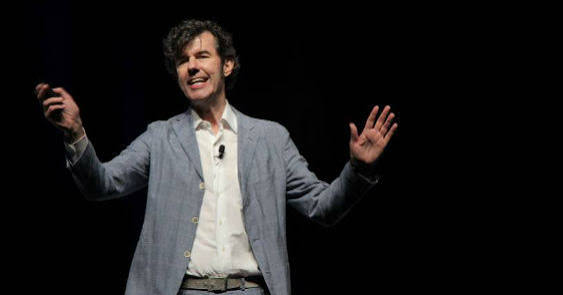
Artists and designers spend so much time thinking about what an image communicates that it can be easy to forget about the simple pleasure of looking at something beautiful.
Designer Stefan Sagmeister’s TED Talk, Why Beauty Matters, takes that idea seriously. Sagmeister explores the relationship between beauty and design, questioning the tendency to treat beauty as something superficial or unnecessary. He looks at examples of architecture, objects, graphic design, and public spaces to consider why certain forms, patterns, and visual choices can make us feel differently.
For artists and art lovers, this is a particularly enjoyable talk because it asks us to reconsider something we often take for granted. Why do certain shapes appeal to us? Why can a beautiful space make us want to stay longer? Why do we respond emotionally to particular combinations of color, form, texture, and proportion?
The talk also makes a case for beauty as something that can have a meaningful role in our everyday surroundings. Design does not only need to be practical. Art does not always need to explain a social issue or make an argument. Sometimes the experience of beauty itself has value.
For artists, this can be a refreshing reminder to trust visual pleasure and personal instinct. A work can make someone pause simply because it is beautiful, and that response does not need to be justified away. For art lovers, meanwhile, the talk offers a fun way to think more consciously about all the visual choices surrounding us every day.
A Little Inspiration To Take Back To The Studio
The best thing about creative inspiration is that it rarely arrives in exactly the form we expect. A painting can inspire a writer, a conversation can inspire a painter, and a talk about design can completely change the way someone looks at their own studio practice.
These five TED Talks explore creativity from different directions, but they share a common idea: making art is not only about talent. It is also about curiosity, confidence, vulnerability, attention, and the willingness to keep going when the process becomes uncertain.
So, the next time you have an hour to spare, put your phone aside, make yourself a cup of tea or coffee, and press play on one of these talks. You may come away with a new idea for your work, a little more confidence in your creative instincts, or simply the comforting reminder that other artists have wrestled with many of the same questions.
Sometimes, that is all the inspiration we need to return to the studio and begin again.
