
5 Creative Ways Artists Can Earn Money Beyond Selling Their Art
Being an artist often means wearing several different hats. One day might be spent painting in the studio, another answering client emails, preparing work for an exhibition, or figuring out how to get more eyes on a new collection. And somewhere in between all of this, there is the business of making a living.
While selling original artwork remains an important part of many artists’ careers, it does not have to be the only way to earn money from a creative practice. In fact, some artists have discovered wonderful opportunities by taking the skills they already use in their studios and finding new ways to share them with others.
A painter might find an audience through online classes, an illustrator might earn through book and product design, and an artist with a collection of beautiful patterns might find opportunities to license them to companies. These are not necessarily full-time career changes. They can be smaller projects that bring in additional income while leaving room for the work an artist loves most.
If you have been thinking about exploring something beyond selling original pieces, here are five creative side hustles worth considering.
1. Teach Art Classes and Host Creative Workshops
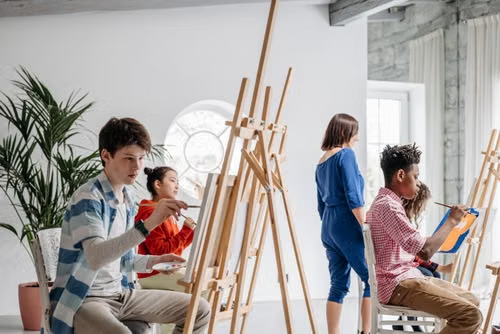
You do not have to be a professional art instructor to share something valuable with someone who is just beginning their creative journey. If you have developed a particular skill, technique, or way of working over the years, there may be people who would love to learn it from you.
Teaching can take many forms. You could host a weekend watercolor workshop at a local art space, offer private drawing lessons, organise a small group session, or teach an online class through Zoom. You can also record lessons and make them available as a paid course, allowing students to learn at their own pace.
And this is not simply an idea that sounds good in theory. Artist Miriam Schulman, founder of The Inspiration Place, built a substantial online teaching business after one of her Etsy customers asked whether she offered art classes. According to an interview with Entrepreneur, she went on to generate more than $1.2 million in revenue from her online classes.
Another example is mandala artist Kathryn Burrington, who began teaching online classes during lockdown. She used a class-booking platform to reach students and eventually began offering corporate workshops to companies as well.
You do not need to aim for hundreds of students or build a huge online course straight away. Start with one class that focuses on something you genuinely enjoy teaching. It could be beginner-friendly acrylic painting, botanical illustration, sketchbook journaling, or even learning how to mix colours.
2. Turn Your Artwork Into Designs for Brands and Products
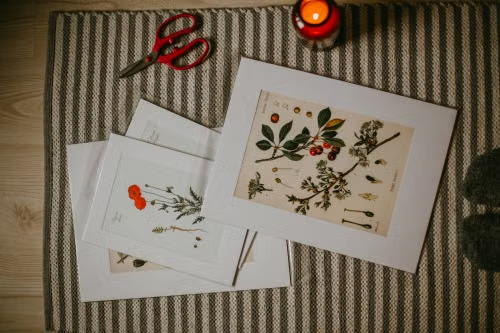
Have you ever looked at a beautiful illustrated notebook, a patterned cushion, or a printed tote bag and wondered who created the artwork on it? Quite often, the design comes from an independent artist who has licensed their work to a company.
Art licensing is an interesting opportunity for artists who enjoy creating illustrations, repeating patterns, decorative motifs, and digital artwork. Instead of selling the original artwork, you give a company permission to use your design on particular products for an agreed period, territory, or purpose. In return, you receive a licensing fee, royalties, or sometimes a combination of both.
Your artwork could appear on stationery, greeting cards, fabric, wallpaper, home accessories, packaging, calendars, or even book covers. A single design might find its way onto several products without you having to manufacture, package, or ship any of them yourself.
Surface pattern designer Amanda Grace, for example, has shared her experience licensing artwork to major retailers and brands, including Apple, Nordstrom, HomeGoods, and TJ Maxx. It is a good illustration of how an artist’s visual language can find a life beyond the canvas.
To explore this route, start by putting together a small portfolio of designs that could work on products. Think florals, geometric patterns, food illustrations, playful characters, or seasonal collections. You can then research art licensing agencies, contact brands with relevant products, or explore marketplaces and opportunities for independent designers.
One important thing to remember is to read licensing agreements carefully. Understand whether the arrangement is exclusive, how long the company can use your artwork, and what rights you are retaining.
3. Sell Digital Products Made From Your Creative Skills
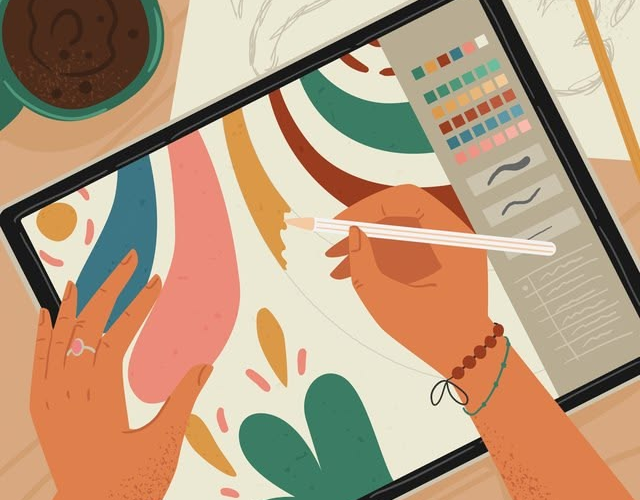
Sometimes, the most useful thing an artist can sell is not an original painting or a physical product, but a resource that helps someone else create.
Digital products are particularly interesting because they can be developed once and sold repeatedly. Depending on your skills and artistic style, you could create downloadable art prints, Procreate brushes, Photoshop textures, colour palette collections, digital sketchbook templates, printable planners, or drawing practice sheets.
For example, a digital illustrator who has developed a beautiful collection of brushes could package them into a downloadable set for other illustrators. A watercolor artist might create a beginner’s guide to color mixing, complete with printable exercises. Someone who works with traditional media could sell high-resolution digital versions of their illustrations as printable wall art.
Platforms such as Etsy and Gumroad give independent creators ways to list and sell digital downloads without having to manage physical inventory. Artists can also sell directly through their own websites.
The lovely thing about this approach is that it allows you to make use of knowledge and resources you may already have. Perhaps you have created dozens of colour palettes over the years, developed your own digital brushes, or put together useful reference sheets for your personal practice. Some of these could become products other creatives would happily pay for.
You do not need to create an entire library of products before launching. One genuinely useful download is a perfectly reasonable first step.
4. Take on Freelance Creative Projects
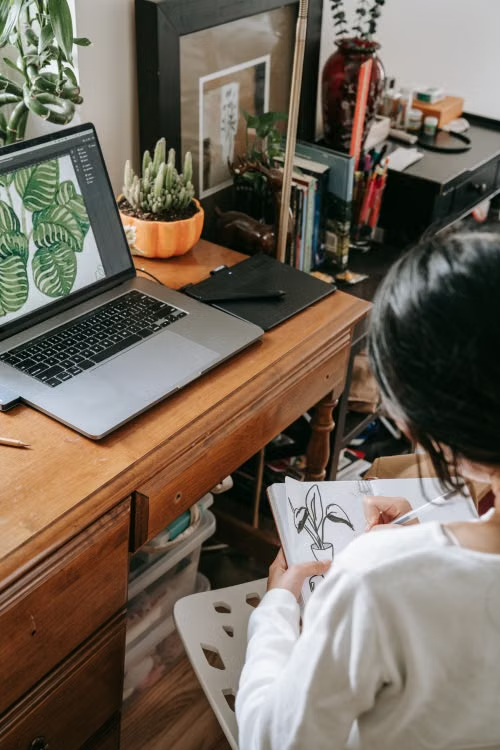
Sometimes, an artist’s most marketable skill is one they use every day without giving it much thought. Perhaps you are particularly good at illustration, typography, composition, colour selection, or visual storytelling. These abilities can be valuable to clients who need creative work for their businesses.
Freelance projects offer artists a way to earn by working with people and organisations outside the traditional art market. You could illustrate a children’s book, design a book cover, create artwork for a small business’s packaging, develop editorial illustrations for a magazine, or design visuals for a brand’s social media campaign.
There are also opportunities in mural painting, window displays, event installations, and custom artwork for cafés, restaurants, and independent shops.
For example, an illustrator who enjoys drawing botanical subjects might approach a stationery company about creating illustrations for a greeting card collection. A painter with experience in large-scale work could offer mural services to local businesses. A digital artist might collaborate with a publisher on book illustrations.
The key is to identify the kind of work you would genuinely enjoy doing and build a portfolio around it. You do not need to showcase every piece you have ever created. A few strong examples that demonstrate the type of projects you want to attract are often more useful.
Before accepting a project, make sure you agree on the scope, payment, deadlines, number of revisions, and usage rights. A written agreement can save everyone a great deal of confusion later.
5. Build a Creative Community Through Memberships and Exclusive Content
If people already enjoy following your creative journey, learning about your process, or seeing what happens behind the scenes in your studio, you might consider building a small paid creative community.
Memberships allow artists to share exclusive content with people who support their work through a recurring monthly payment. This could include studio diaries, early access to new artwork, monthly drawing prompts, live painting sessions, tutorials, downloadable resources, or personal insights into your creative process.
Platforms such as Patreon make it possible to offer different membership levels, each with its own benefits. For example, one tier might give members access to behind-the-scenes posts, while another includes monthly tutorials or downloadable artwork.
This kind of side hustle is not limited to artists with enormous social media followings. A smaller community of people who genuinely connect with your work can be a meaningful starting point. What matters is offering something members find valuable enough to return for.
Artist Kelly Kruse has discussed how Patreon support, alongside commissions, teaching, and online sales, helped her maintain a more varied income during financially uncertain periods. Her experience is a reminder that artists do not always have to depend on a single source of income.
Remember that a membership is a relationship with an audience, not simply a way to put a paywall around your social media posts. Consistency and genuine connection matter much more than offering an overwhelming number of perks.
Finding the Right Side Hustle for Your Art Practice
Exploring additional income opportunities does not mean turning every creative interest into a business. Nor does it mean that artists should fill every spare hour with another project. The idea is to find something that makes financial sense while still leaving enough time and energy for the work that matters most to you.
Some artists might enjoy teaching and sharing their knowledge, while others would much rather work independently on digital products or licensing collections. There is no single approach that works for everyone.
It is also worth remembering that most of these opportunities take time to develop. A digital product needs an audience, a licensing portfolio needs to reach the right companies, and a membership needs people who genuinely want to be part of it. None of these is guaranteed passive income or an overnight success.
Start small. Choose one idea that feels close to your existing skills, give it a little room to grow, and pay attention to what works. Your artistic practice already holds so many possibilities. Sometimes, earning beyond the studio simply means finding a new way to share what you know and create.
