
How Erna van Lith Keeps the Tradition of Classical Portraiture Alive Through Contemporary Painting
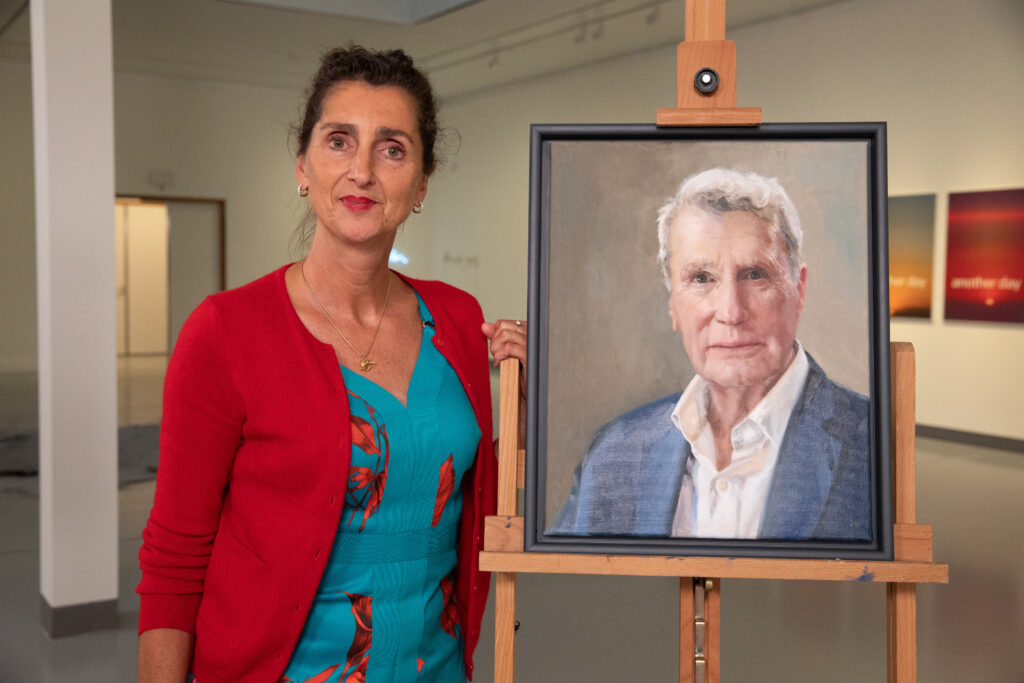
At Women in Arts Network, our Portraits exhibition set out to explore the timeless art of portraiture in all its depth and variety. What moved us most was seeing how differently each artist approaches the very same subject, the human face. Some reach for a faithful likeness, others for the emotion underneath, and still others for that elusive spark of a living presence. Together, they remind us why portraiture has mattered for centuries, and why it still feels so alive today.
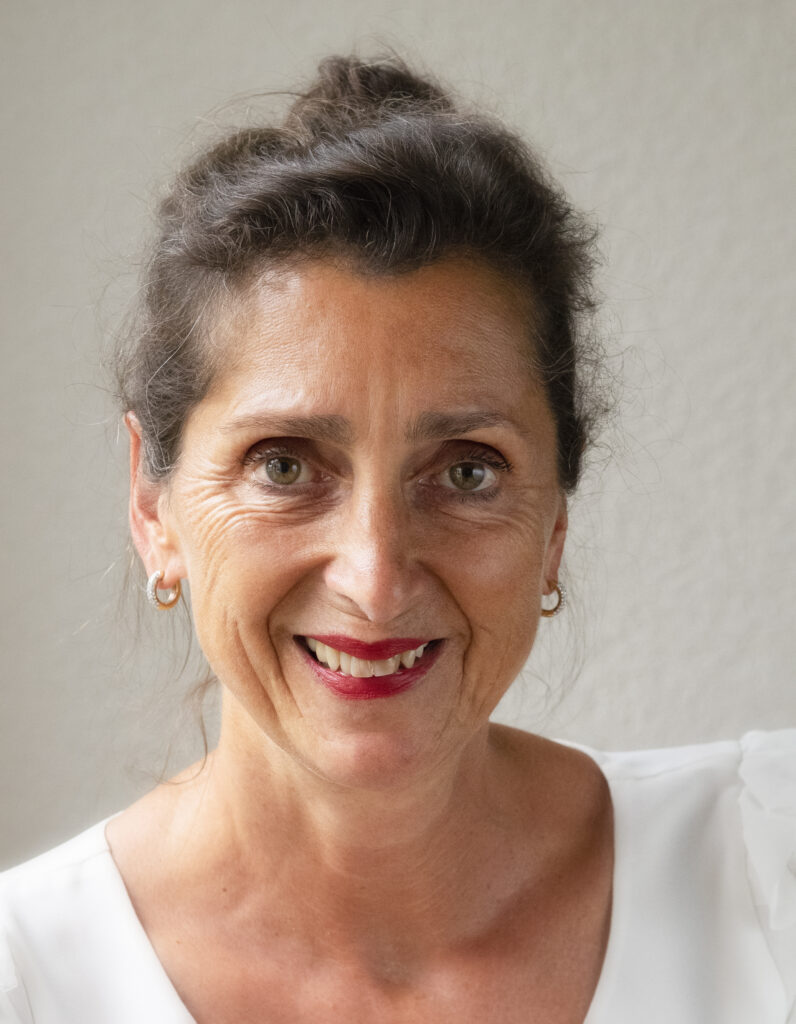
And among our many selected artists is Erna van Lith, a Dutch painter who has given herself wholly to portraiture, forever chasing that rare moment when a face on paper seems to look right back at her.
Erna has loved drawing faces since she was a child; it was always her favourite thing to do. But it took time for portraiture to become her life’s work. About fifteen years ago, she decided to take her art seriously, seeking out mentors and teachers and studying not only in the Netherlands but in Florence and New York.
Her early lessons were all in still life, and for several years she painted objects rather than people. She learned a great deal, but it was only when she finally turned to the human face that something truly came alive in her. Her background in art history makes her deeply aware of the long tradition she works within, so aware that, for a while, the weight of all the great paintings before her held her back from starting at all, until the urge simply grew too strong.
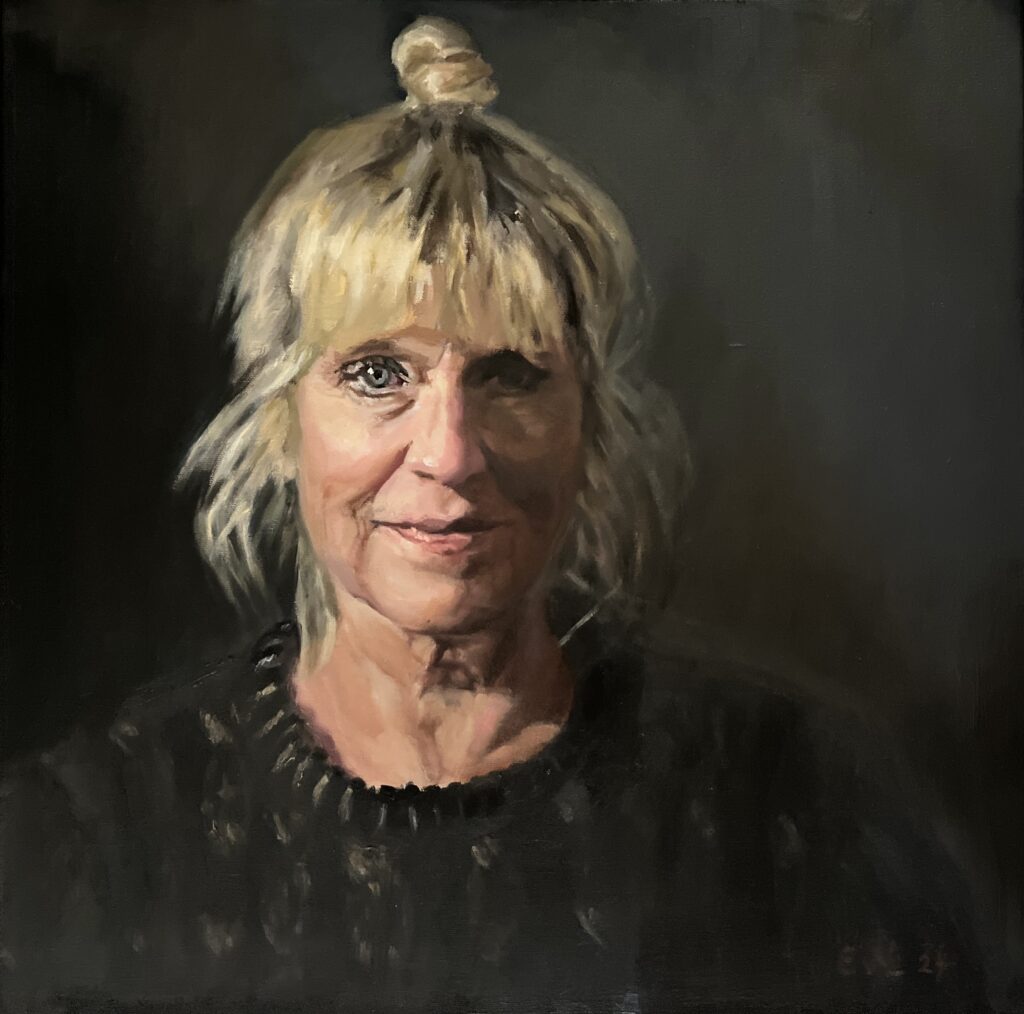
She works in oil, and she uses it with real character. Rather than smoothing every stroke into a flawless surface, she lets her brushwork stay visible, the marks a record of the effort and the life that went into the making. In this she takes inspiration from Rembrandt, an artist she deeply admires for his daring with paint, thick and alive in some places, barely there in others, and always convincing.
Her process begins long before she picks up a brush. She likes to build a picture of her sitter in her mind, and for that she needs to know them a little, to watch how their face shifts as they talk, laugh, relax, or think, and even to hear their voice. It is why she prefers working from live models, for being with a person in the room lends a portrait a personality the surface of a face alone could never give. As she paints, she is constantly measuring the canvas against that inner image, not only for the right colours and proportions, but for the right feeling.
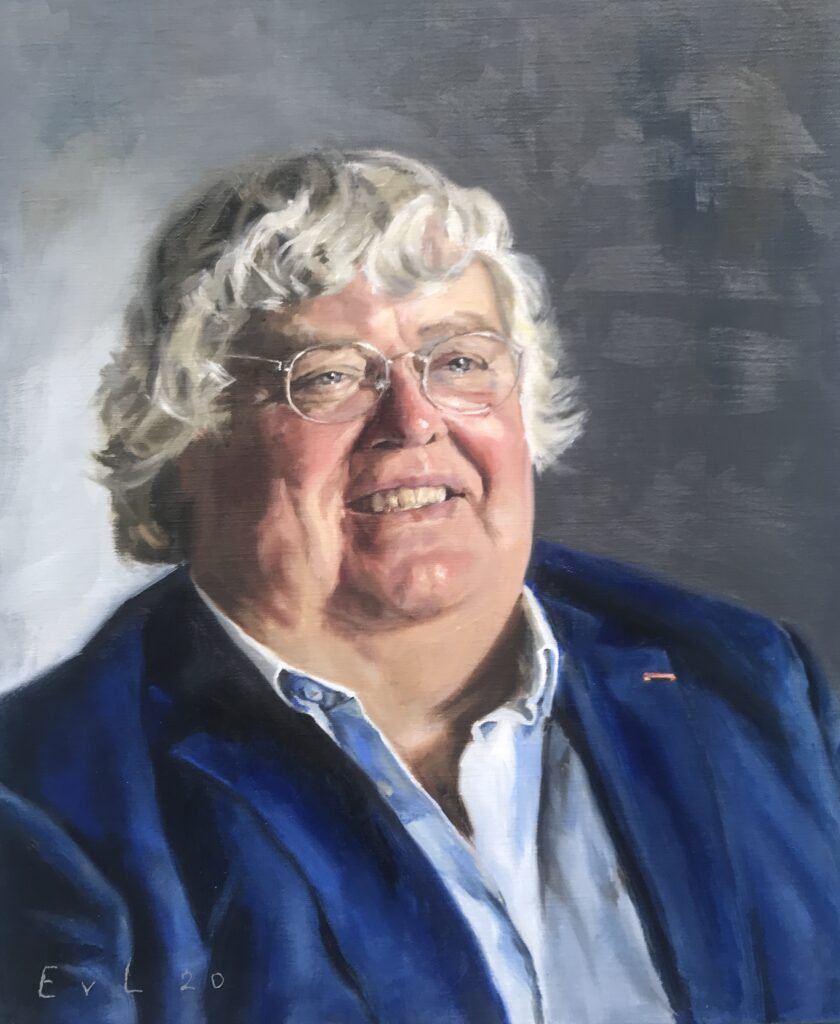
Her finest portraits, she has found, arrive when she stops overthinking and simply responds to what she sees and feels. But that freedom is hard-won. It comes, she says, only from “making miles”, practising her skills over and over until they become second nature, so that technique can quietly fall away and instinct can take over.
Her work has steadily reached a wider public over the years. What began with a first exhibition close to home has since grown into far wider recognition, with her portraits earning honours in national competitions and even bringing her onto television, where she was invited to paint a live portrait before the cameras.
Now let’s hear from Erna about what first drew her to faces, what she looks for in a sitter, how she balances skill with instinct, and her advice for anyone finding their own voice in portraiture.
Q1. Could you take us back to the beginning of your creative journey and share what first drew you to portraiture?
As a young child, I loved to draw, and even then my favourite subject was faces, as I would call them. About 18 years ago, I started to take my drawing skills more seriously and took lessons. My first tutor only taught still lifes, so for about five years I drew and painted all kinds of still lifes. I learned a lot but, at the same time, got bored. Only when I turned to portraiture did I start to become really fascinated.
Q2. You have said that a face contains so much about who a person is and how they see the world. What are you looking for when you study someone’s face?
It’s not just the face. I like to get an image of my sitter in my head. For that, I need to get to know them to a certain extent. I like to see various expressions on a face when my model is talking, laughing, relaxing, or thinking. Somehow, I also need to hear a person’s voice. When I am painting them, I am constantly comparing my painting to the image in my head—not just for the right colours and proportions, but also for the right feel.
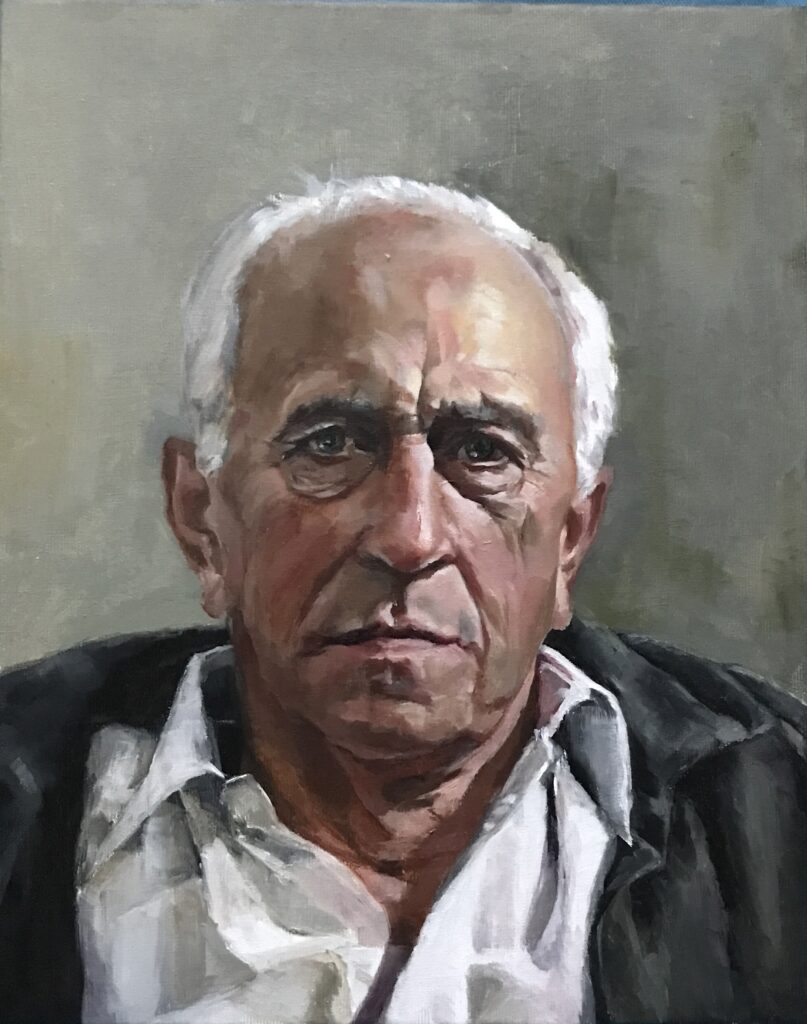
Q3. You prefer working with live models. What does observing someone in person add to a portrait?
Observing someone in person adds personality to a portrait, something that goes beyond just the surface of the face. I love portraiture because I love people; I never get bored with getting to know new models, hearing them talk, and learning about them. And then, of course, putting all those aspects into a painting!
Q4. You’ve said your best portraits come when you stop overthinking and respond to what you see and feel. How do you create that balance between skill and instinct?
That comes with making miles. You first have to master skills and practise them over and over again. Make mistakes and learn how to correct them so that, after a while, they become second nature and you can almost forget about them.
Q5. You have participated in Sterren op het Doek and painted writer Adriaan van Dis. What did that experience teach you about portraiture?
The experience was great! I love the fact that portraiture is taken seriously enough to make a programme about it on national TV. And I am very proud to have been a part of it. At the same time, though, it is also kind of ridiculous to make a contest out of it. How can anyone decide which painting is better out of three? And for what reasons?
Q6. You deliberately leave visible brushwork rather than making everything perfectly smooth. What do you want those marks to communicate?
My brush marks show something of the work that has gone into making the painting. I think they add to the liveliness of a painting.
Q7. Rembrandt is an artist you greatly admire. What continues to fascinate you about his approach to portraiture?
If one could line up all of Rembrandt’s portraits, from his first one to his very last (self-)portrait, in real life, you could see him mastering more and more of the true possibilities of oil paint. Using thick layers of paint that almost have a life of their own. Barely using any paint in other parts, only a dot here and there, and it works. Leaving the underpainting visible. All very daring and very convincing.
Q8. Has your background in art history made you more conscious of the traditions you are working within, or do you prefer to respond instinctively?
My background in art history certainly made me conscious of traditions. In fact, knowing how many beautiful paintings had already been made withheld me from painting for a while, until the urge became too strong.
Q9. How do you think contemporary portraiture can remain connected to its classical traditions while still feeling relevant today?
In my opinion, portraiture will always be relevant. There will always be uniquely new people to be painted, who call for new painters, whether they fit into a tradition or not.
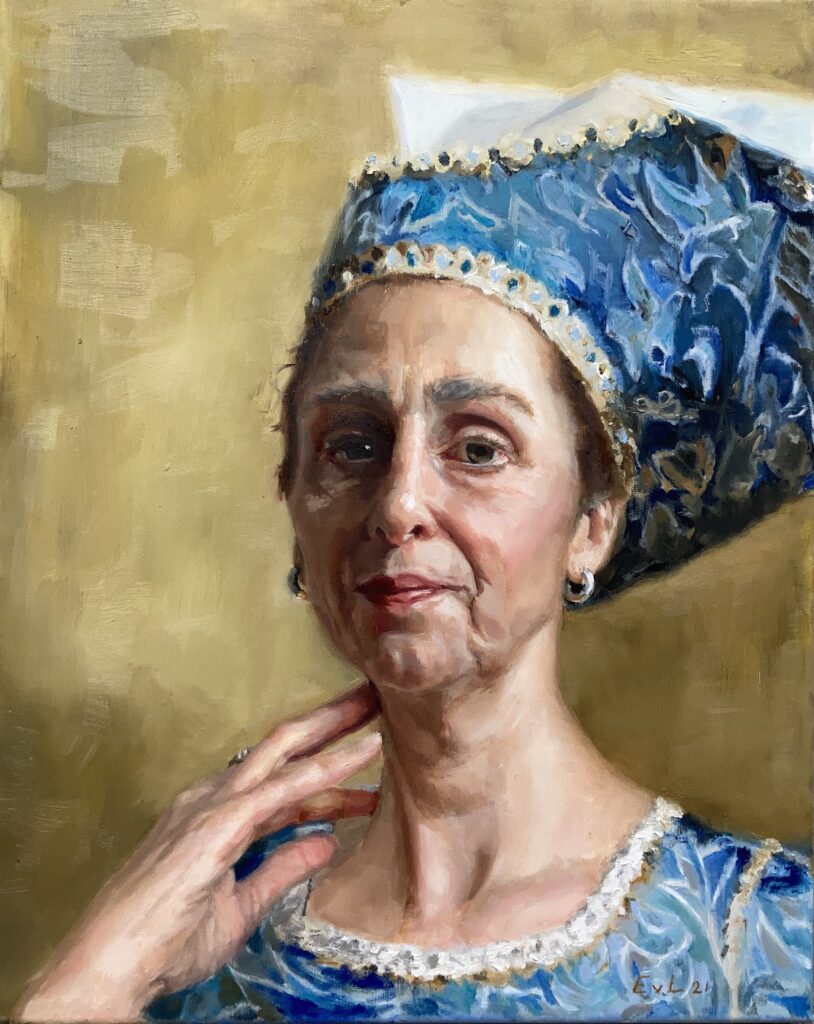
Q10. What has been the most meaningful moment of your artistic career so far?
The first time I had the feeling that someone was looking back at me from a piece of paper that I had just been drawing on.
Q11. What advice would you give to an artist who wants to develop their own voice but feels overwhelmed by the technical side of portrait painting?
The only way to find your own voice is to just start creating. Gradually master the skills, never give up, and keep at it.
As our conversation with Erna came to a close, we found ourselves returning to a question that has always lived at the heart of portraiture: what makes a painted face feel truly alive? From the earliest commissioned likenesses, meant to preserve a person for posterity, to the loose, expressive portraits of today, artists have searched for the same elusive thing, the sense that someone real is looking back from the canvas.
Erna’s work belongs to that long pursuit. By painting from life, and by taking the time to truly know her sitters, their voices, their expressions, their way of being in the world, she reaches for a presence that a surface likeness alone could never hold.
Her approach also quietly challenges the idea that a portrait should be smooth and flawless. In leaving her brushstrokes visible, she keeps the life and the effort of the making on show, so that the hand of the artist becomes part of the person on the page.
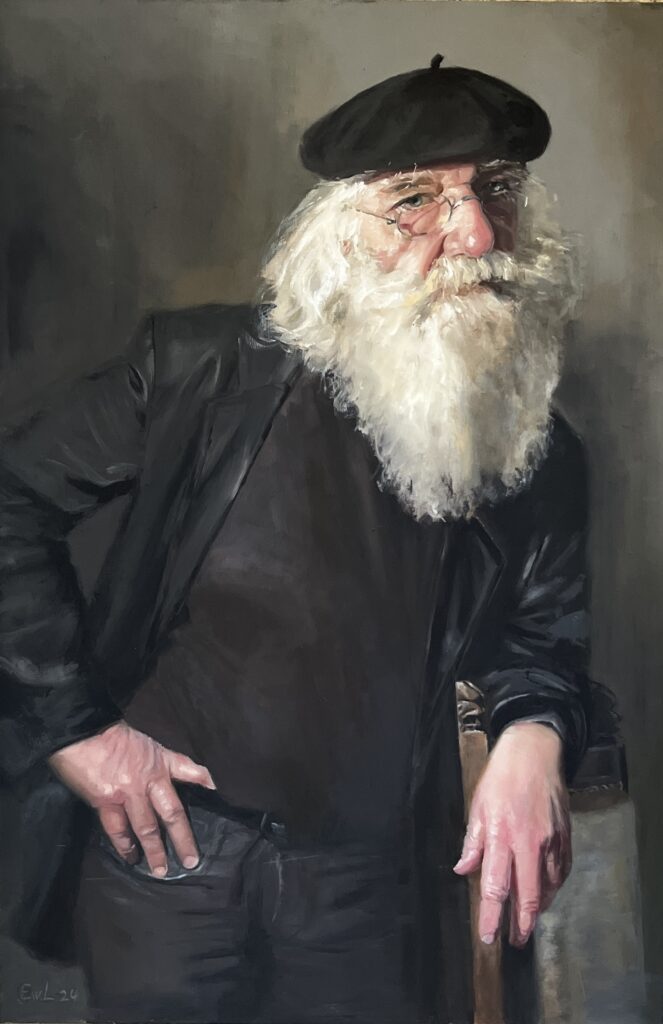
This is part of what keeps portraiture so alive in contemporary art. Painters keep returning to the human face, yet no two ever arrive at quite the same place, because no two faces, and no two artists, are ever the same. Erna knows the weight of the tradition she works within, so well that it once kept her from painting at all. But she came to a freeing conclusion: portraiture will always matter, because there will always be new people to paint, and new painters to see them. The genre endures not in spite of its long history, but because every new face begins it again.
For art lovers and collectors, work like Erna’s offers a rare kind of companionship. Painted from life and alive with visible brushwork, her portraits do not simply hang on a wall; they hold a genuine presence, a person caught in a moment of being themselves. Their meaning only deepens the longer you live with them, until a painted face begins to feel less like an image and more like someone who knows you are there.
Perhaps that is the enduring magic of portraiture: at its best, it does not just record a face, it brings one to life. For Erna, paint and paper are only the beginning. What she is really chasing is that small miracle, the moment a likeness turns, quietly, into a gaze that looks back.
Follow Erna van Lith through the links below and explore more of her work and creative journey.
