
The Art of Being Alone: How 5 Women Artists Painted Solitude
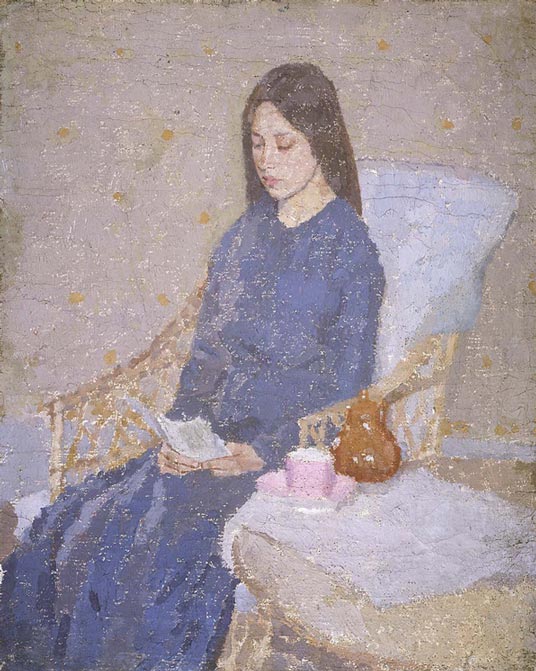
There is something strangely comforting about seeing someone alone in a painting. Perhaps it is because solitude is one of those feelings we all understand, even when it looks completely different from one person to another. Sometimes being alone feels peaceful. Sometimes it feels necessary. Sometimes it is a choice we make for ourselves, and sometimes it is something life quietly places around us.
Art has always had a way of making these invisible feelings visible.
A woman sitting beside a window. An empty room. A figure looking into the distance. A landscape stretching far beyond the person standing inside it. These images can seem simple at first, but they often carry much more than what we see. They can speak about independence, longing, memory, isolation, freedom, reflection and the complicated relationship we have with our own company.
Women artists, in particular, have given us many different ways of seeing solitude. Their works remind us that being alone is not always the same thing as being lonely. Sometimes solitude is where an artist finds herself. Sometimes it is where she confronts what hurts. And sometimes, it is simply where she can breathe.
What Solitude Meant to Different Artists
For some artists, solitude was deeply personal. For others, it became a visual language.
The quiet interiors of Gwen John can make being alone feel almost meditative. Paula Modersohn-Becker used self-portraiture to explore identity and the complicated experience of seeing oneself as an artist. Louise Bourgeois transformed feelings of isolation, separation and emotional vulnerability into images that could feel almost architectural.
Georgia O’Keeffe found something very different in solitude. Her distance from crowded city life and her connection to the landscapes of New Mexico became part of a life and artistic practice built around independence and observation.
And Agnes Martin pushed solitude even further away from the figure altogether. Her quiet grids and delicate fields of color ask us to slow down and sit with a feeling rather than being told exactly what that feeling is.
Together, these artists show us that solitude has never had just one face.
1. Gwen John: Solitude as Quiet Observation
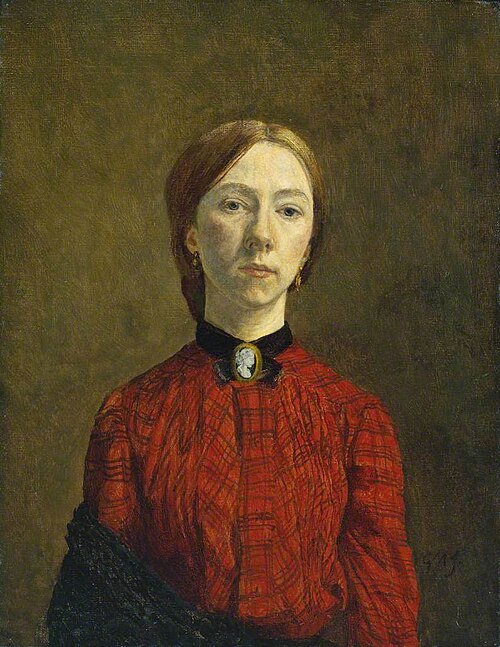
Few artists understood the poetry of a quiet room quite like Gwen John.
Born in Wales in 1876, John spent much of her artistic life in France, where she developed a deeply intimate body of work filled with portraits, interiors and quiet figures. Her paintings rarely demand attention. Instead, they ask us to stay for a little while.
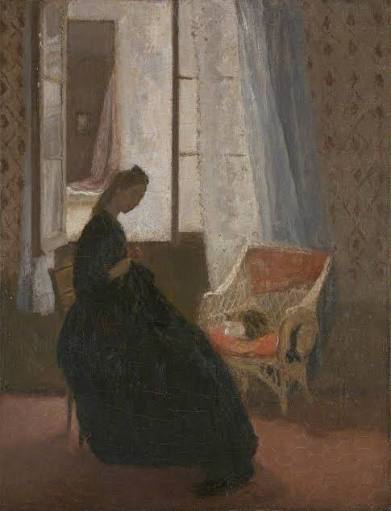
In La Chambre sur la Cour, John gives us a woman seated inside a room, with a window opening the interior toward the world outside. The composition feels private and still. There is no dramatic event taking place. The woman simply exists within the room, surrounded by the quiet details of everyday life.
That simplicity is exactly what makes the painting so affecting. John’s solitude does not necessarily feel like emptiness. It feels like observation. The figure has been given the space to simply be, without performing for anyone else.
In The Convalescent, that quietness becomes even more intimate. The title itself suggests someone in a period of recovery, a moment when the world temporarily slows down and the self becomes the focus. John’s women often seem to exist somewhere between the outside world and their own thoughts. Their solitude is not necessarily something to escape. It becomes a space in which they can simply look, think and exist.
Perhaps that is what makes her paintings feel so timeless. They understand that being alone can sometimes be the most ordinary thing in the world.
2. Paula Modersohn-Becker: Solitude as Self-Discovery
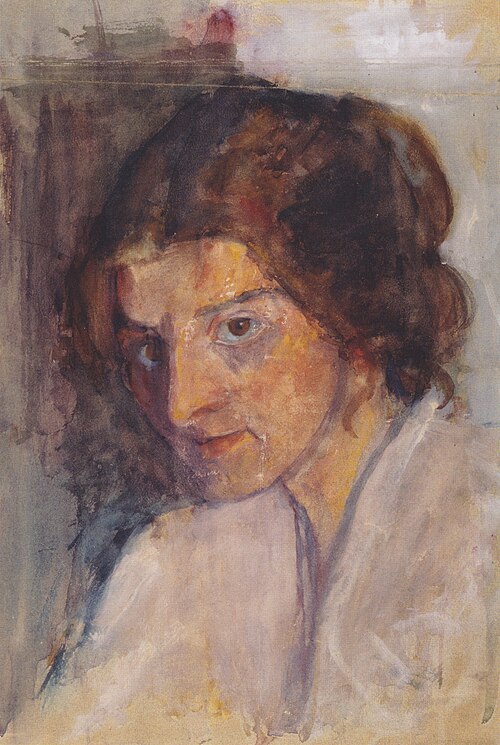
If Gwen John found solitude in quiet observation, Paula Modersohn-Becker found it in the difficult work of looking at herself. Modersohn-Becker was one of the early 20th century’s pioneering women artists, and her self-portraits are among the most fascinating records of an artist trying to understand her own identity.
In Self-Portrait on Her Sixth Wedding Anniversary, painted in 1906, she presents herself with an unusual directness. She does not simply offer us a conventional portrait of a young woman. Instead, she asks us to look at her as an artist looking at herself.
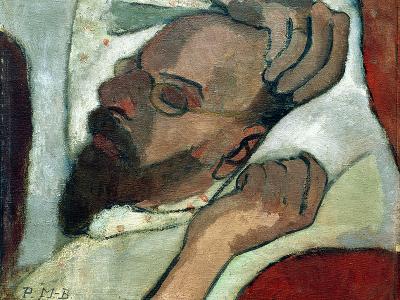

There is something especially powerful about this when we remember how limited women’s opportunities in the art world had historically been. The self-portrait becomes more than a record of appearance. It becomes a conversation between the artist and the person she sees in front of her.
Modersohn-Becker’s solitude, then, feels like self-discovery. It is the kind of solitude that allows us to ask questions we might not ask when surrounded by other people. Who am I? What do I want to become? What does it mean to make a life around art? Her work reminds us that sometimes being alone is not about being separated from others. It is about finally having enough quiet to hear yourself.
3. Louise Bourgeois: Solitude as Emotional Memory
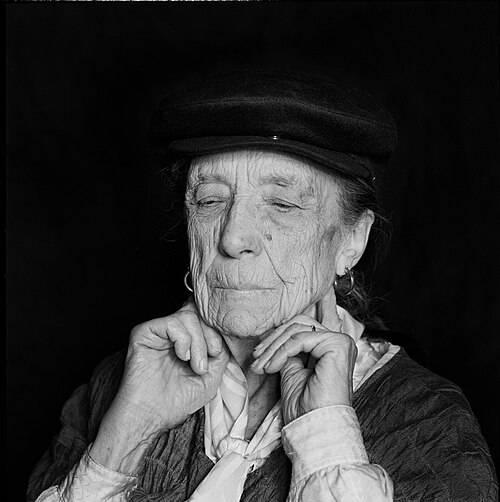
With Louise Bourgeois, solitude becomes more complicated.
It can be uncomfortable. It can be connected to separation, fear, family, memory and the feeling of being emotionally cut off from the people around us.
Her 1947 illustrated book He Disappeared into Complete Silence is particularly revealing. Bourgeois described the work as a “drama of the self,” and the series brings together architecture, family, domestic life and psychological experience. The Metropolitan Museum of Art notes that the work conveys feelings of claustrophobia, isolation, failure and alienation.
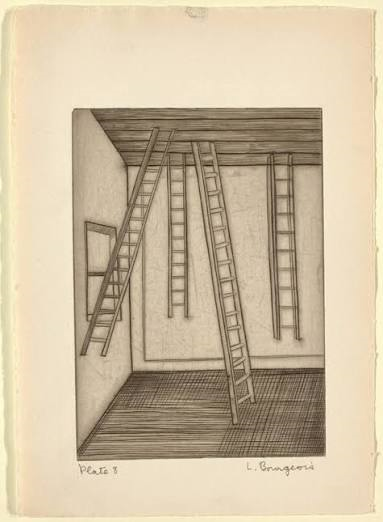
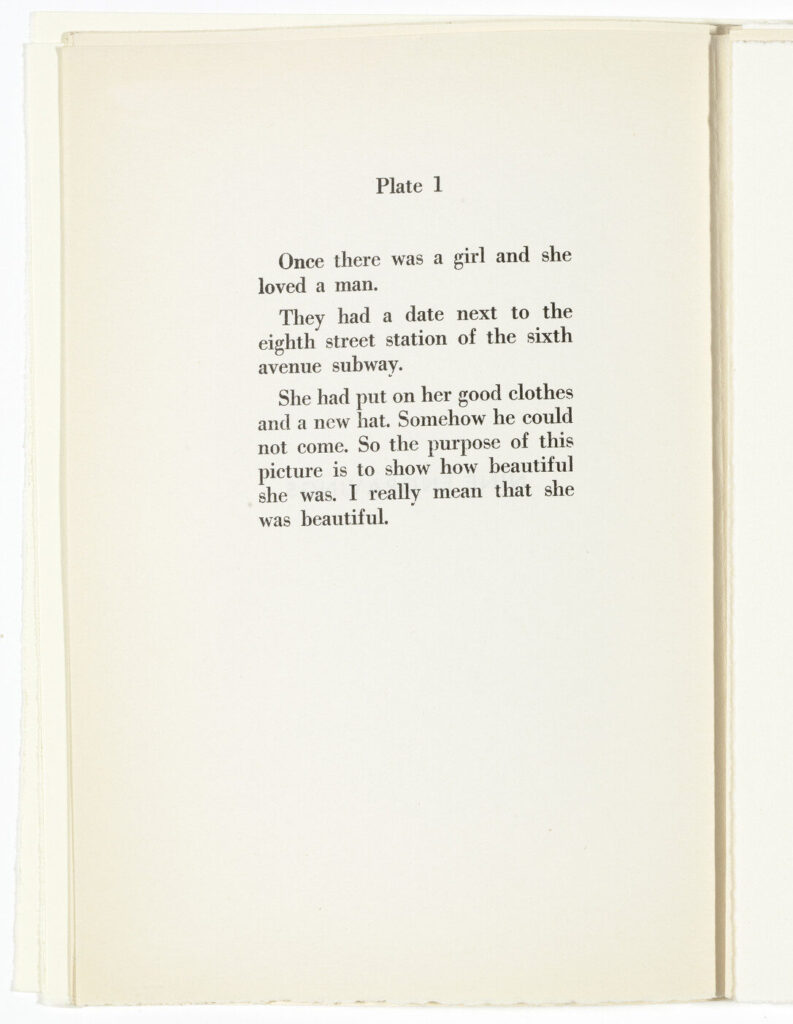
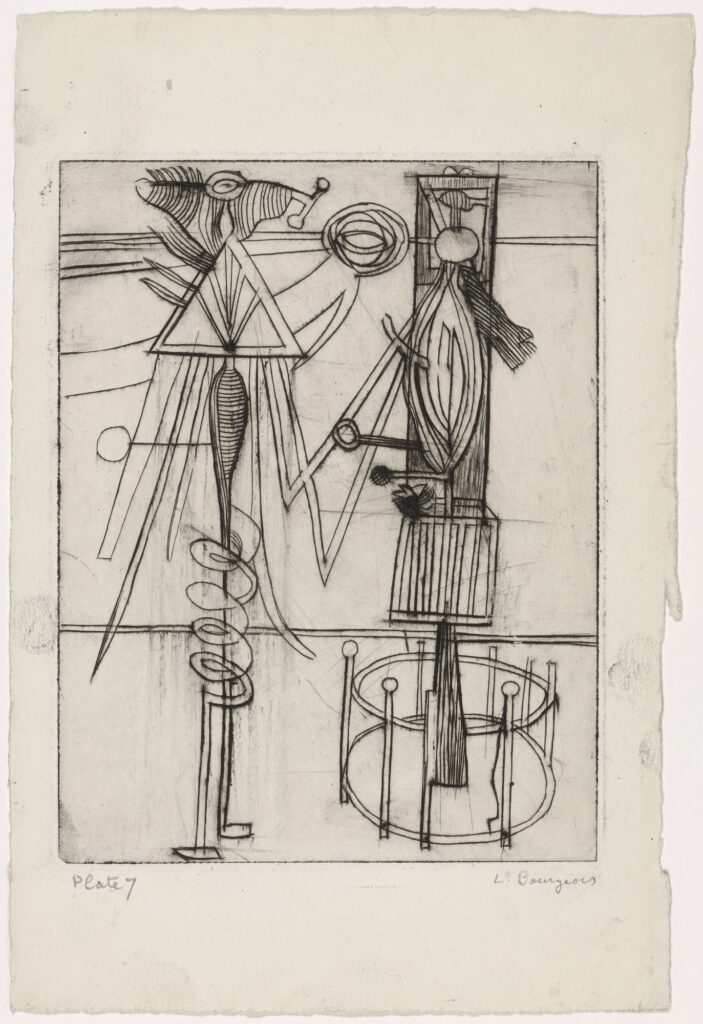
Even the buildings in the work seem capable of becoming characters. In one of its most memorable ideas, the city becomes populated by structures that appear alone or separated from one another. MoMA has described how Bourgeois’s skyscrapers seem to enact little dramas, sometimes together and sometimes alone, while the accompanying texts draw on feelings of loneliness after her move from France to New York.
This makes her solitude feel very different from Gwen John’s. John gives us a quiet room.
Bourgeois gives us an emotional landscape. Her work reminds us that loneliness can follow us even when we are surrounded by buildings, people and an entire city. Sometimes the distance between two people is not physical at all.
And perhaps this is one of the most important things art can do. It can give form to feelings that are otherwise almost impossible to explain.
4. Georgia O’Keeffe: Solitude as Freedom
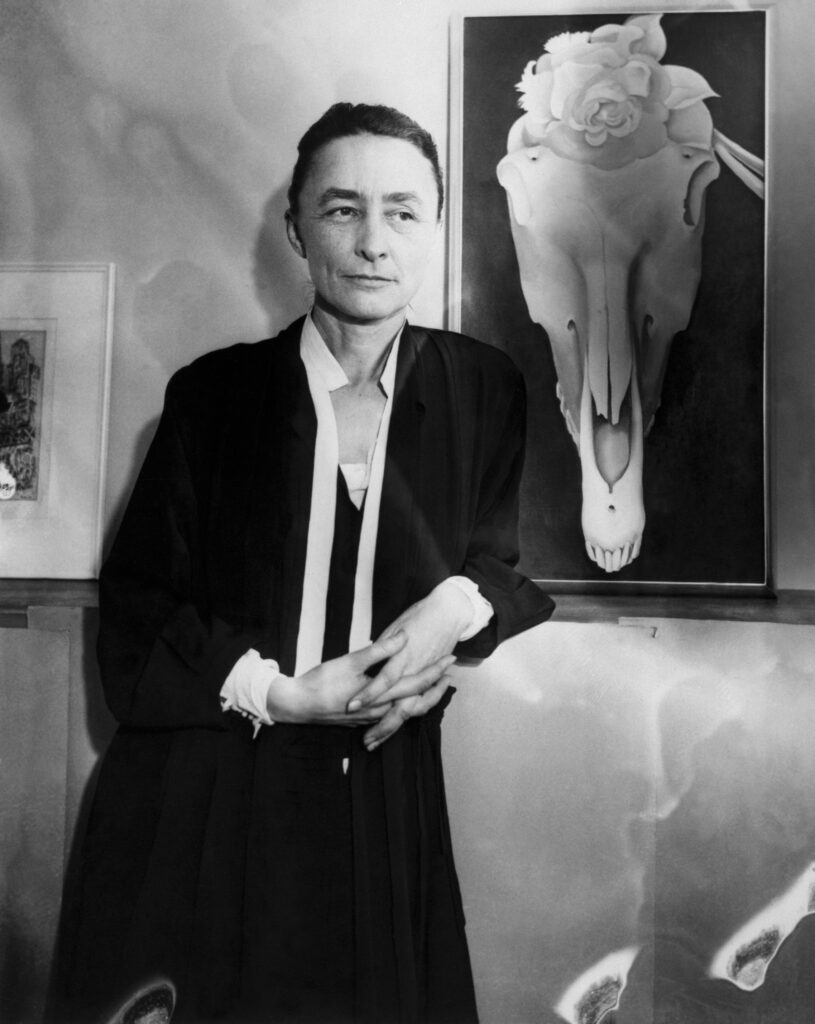
Then there is Georgia O’Keeffe, whose relationship with solitude offers a completely different perspective.
For O’Keeffe, distance could become a source of freedom. Her deep connection with the landscapes of New Mexico gave her a visual world that felt intensely personal. Instead of crowded scenes, she often focused on isolated forms, vast spaces, bones, flowers, rocks and landscapes that seem to stretch far beyond the edges of the canvas.
In Black Place, Grey and Pink, the landscape becomes almost abstract. There is a sense of enormous space, but also of concentration. O’Keeffe does not need to fill the canvas with people to make it feel alive.
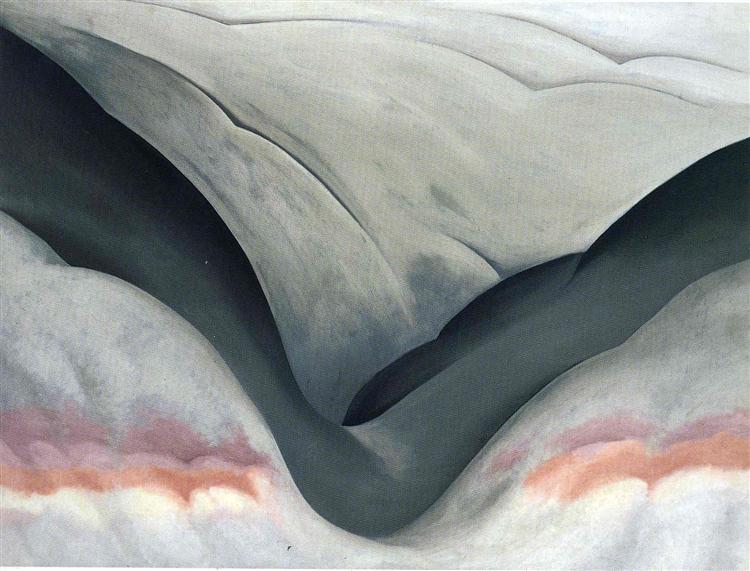
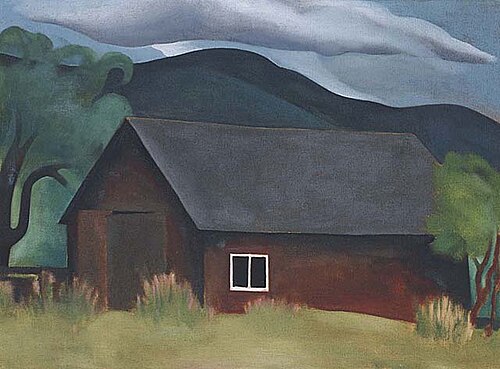
The land itself becomes enough. That is what makes her work so interesting within a conversation about solitude. It reminds us that being alone can sometimes be an act of choosing your own surroundings, your own rhythm and your own way of looking.
O’Keeffe’s solitude does not ask us to feel sorry for the person standing alone. It asks us to consider what might become possible when there is enough space to really see. Sometimes solitude is not an absence. Sometimes it is freedom.
5. Agnes Martin: Solitude as Stillness
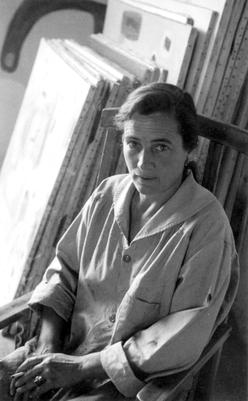
Agnes Martin takes us somewhere even quieter.
There may be no solitary figure sitting beside a window in her work. No character looking toward a distant landscape. Instead, there are delicate lines, soft grids and carefully balanced fields of color.
Works such as Friendship and The Islands ask very little of us at first. And then, slowly, they ask us to pay attention. To the rhythm of a line, the space between colors and the gentle repetition that gives her paintings their sense of calm.
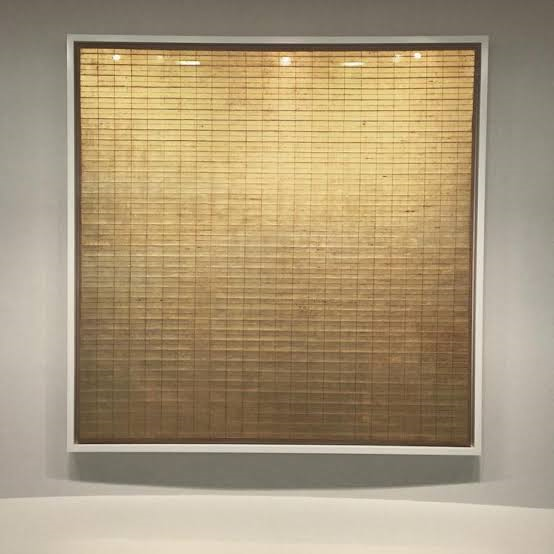
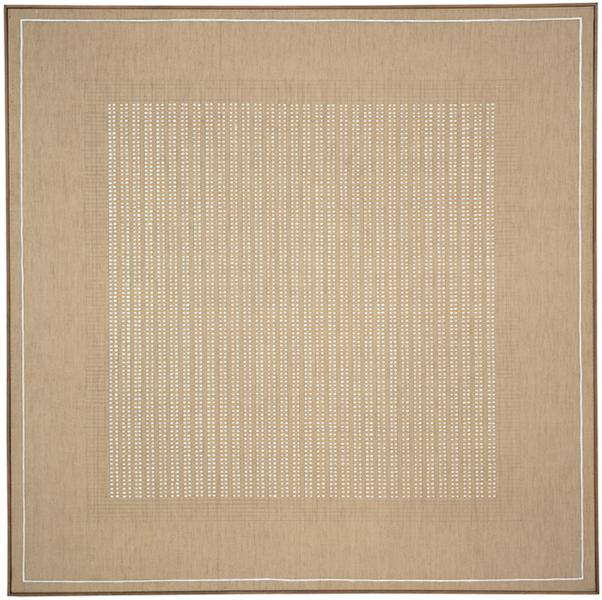
Martin’s art has often been associated with contemplation, simplicity and the search for a kind of inner quiet. Her paintings do not tell us exactly what to feel. They create enough space for us to bring our own feelings to them. That makes her work a beautiful ending to this journey through solitude.
The Things We Feel
Gwen John showed us the quiet room. Paula Modersohn-Becker showed us the self. Louise Bourgeois showed us emotional isolation. Georgia O’Keeffe showed us the freedom of distance. And Agnes Martin showed us what can happen when solitude becomes stillness.
There is no single way to be alone. Perhaps that is why paintings about solitude continue to find us. We recognize something in them. We recognize the afternoon spent alone in a room. The walk where we finally hear our own thoughts. The quiet after someone leaves. The freedom of having a space that belongs only to us. The strange comfort of realizing that being alone does not always mean feeling lonely.
Art gives these experiences somewhere to live. And when we look closely at the work of women artists across generations, we find that solitude has never been a single emotion. It can hold sadness and peace, distance and freedom, longing and self-discovery all at once.
Maybe that is the beauty of it. Sometimes the quietest paintings are the ones saying the most.
Editor’s Note
If you enjoyed exploring the different ways women artists have given shape to feelings like solitude, memory, longing and freedom, we invite you to discover The Things We Feel, our latest virtual exhibition at Women in Arts Network. Bringing together artists responding to the many emotions and experiences that make us human, the exhibition is a space to pause, look closely and perhaps recognize a little of yourself in someone else’s work.
