
Manuela Prince’s Watercolours Find Beauty and Hope in Nature’s Small Wonders
At Women in Arts Network, Spring Through My Eyes gave us the chance to discover artists who experience renewal, beauty, and change in deeply personal ways. For some, spring appears through flowers, colour, and landscapes; for others, it becomes a reminder that new beginnings are possible even after difficult seasons.
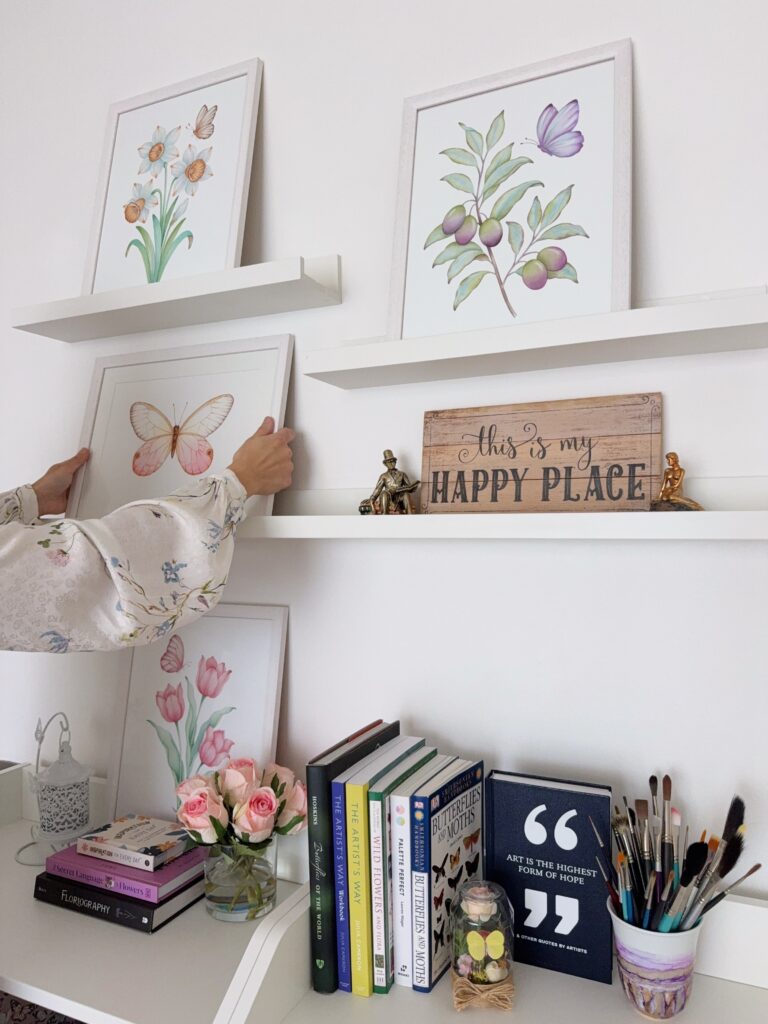
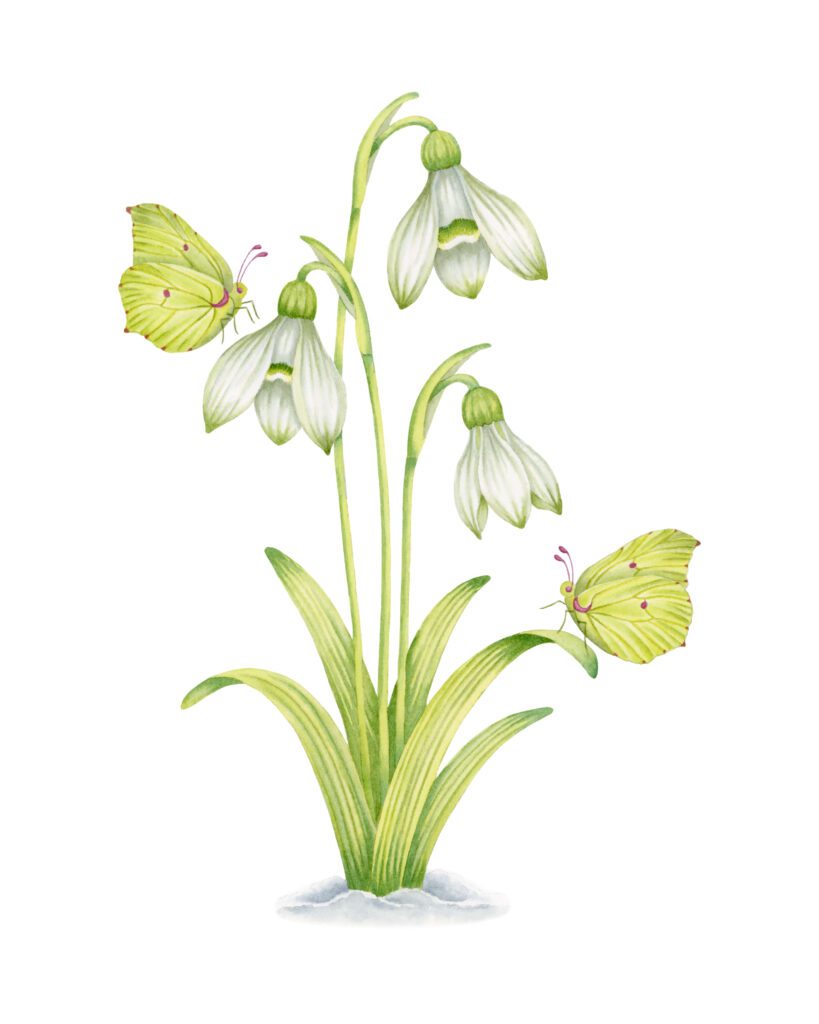
Manuela Prince, who works under the name Alma Colours, is one of the selected artists whose watercolours are inspired by nature’s colours, beauty, and strength, with butterflies and botanicals becoming recurring symbols of hope, transformation, and renewal.
Manuela is an Italian watercolour artist based in Abu Dhabi, where she paints from her home studio. Her connection with nature is at the heart of Alma Colours. She believes nature communicates through colour the shimmer of a butterfly’s wing, the blush of a rose, or the appearance of a rainbow after rain. These small moments become wordless messages of beauty, hope, and renewal, which is also where the name Alma Colours comes from: Alma for soul and Colours for nature’s messages.
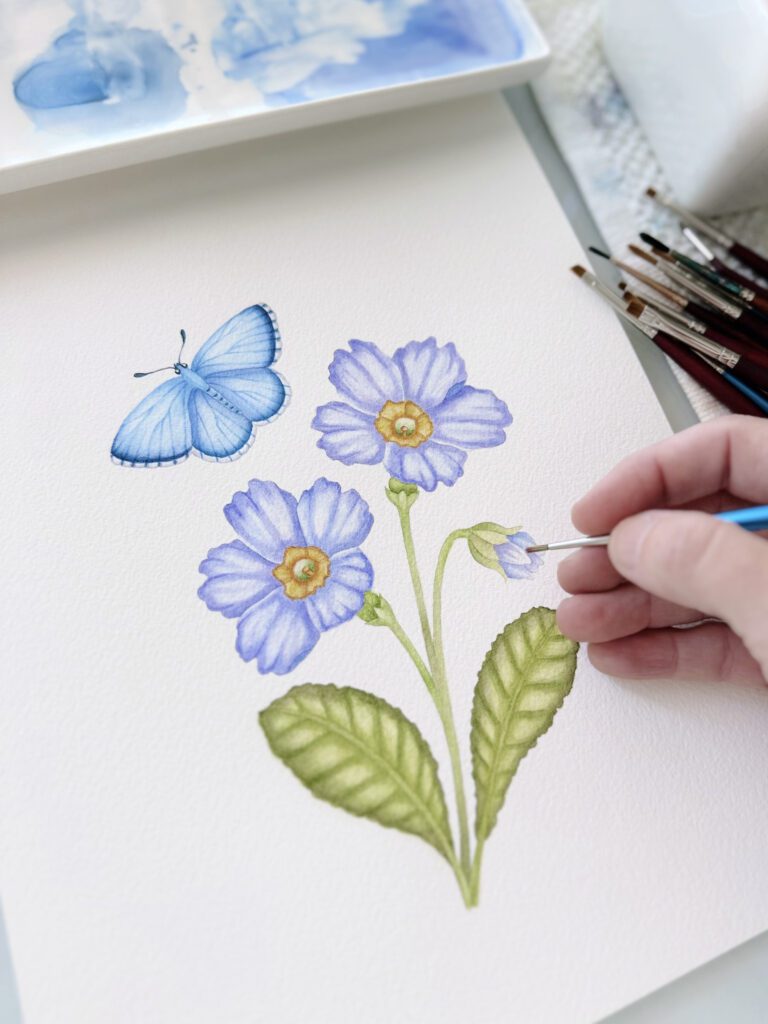
Her return to painting came after years away from art, during a difficult period in her life. When she began drawing again, and later discovered watercolour, it gave her a way back to beauty at a time when she was struggling to see it.
Through regular practice, painting became part of her healing, while butterflies gradually became an important symbol in her work because of what they represent: transformation, change, new beginnings, and the possibility of hope.
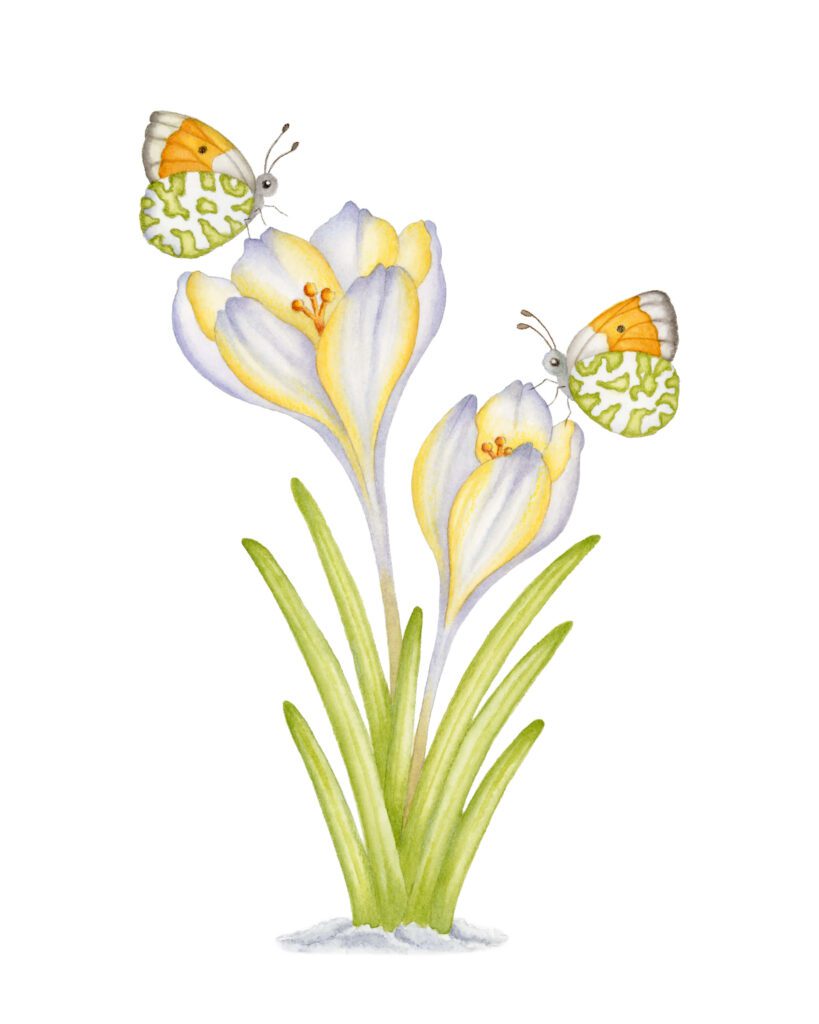
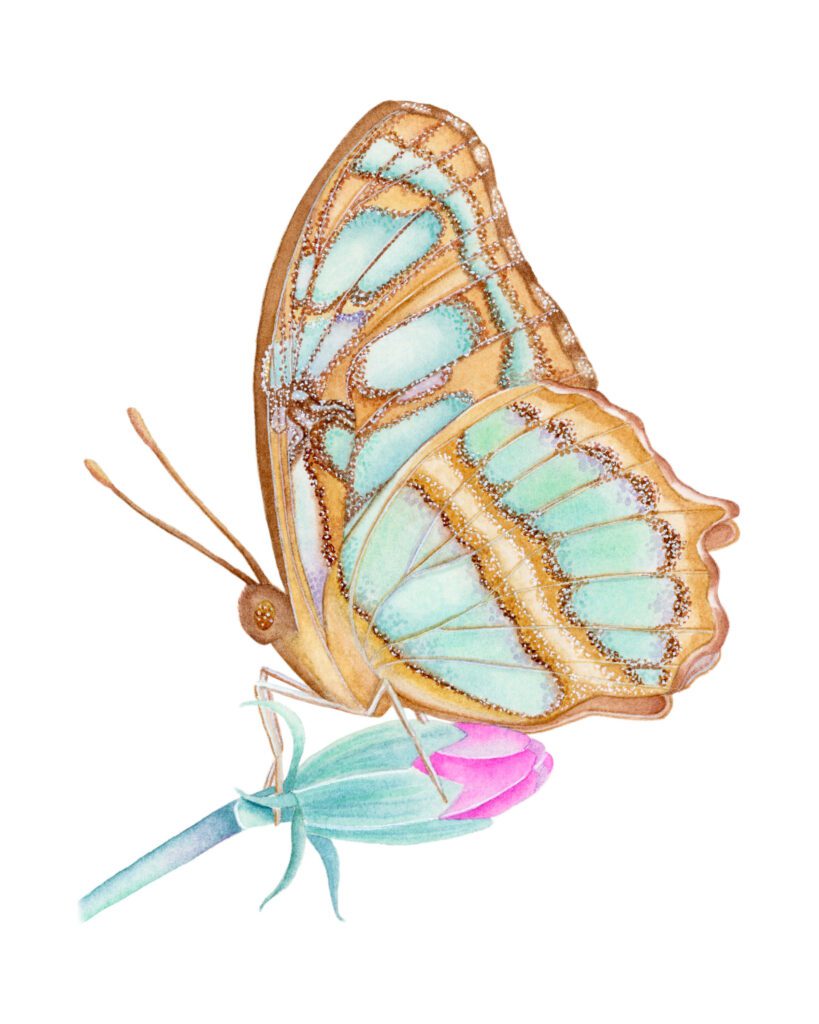
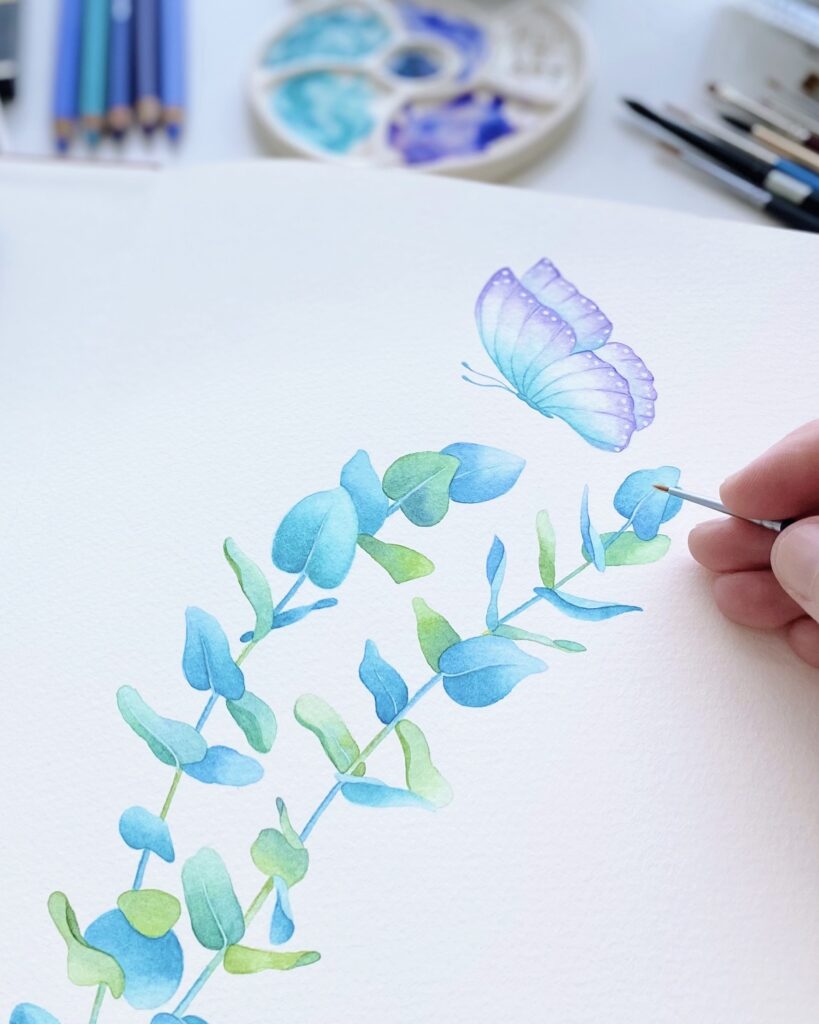
Today, her work brings flowers and butterflies together in soft, luminous watercolours. Her Messenger Collection, for example, treats each butterfly as a small messenger carrying a particular feeling from nature to the viewer. Paired with botanicals chosen for their symbolism, the works explore emotions such as peace, love, friendship, and hope.
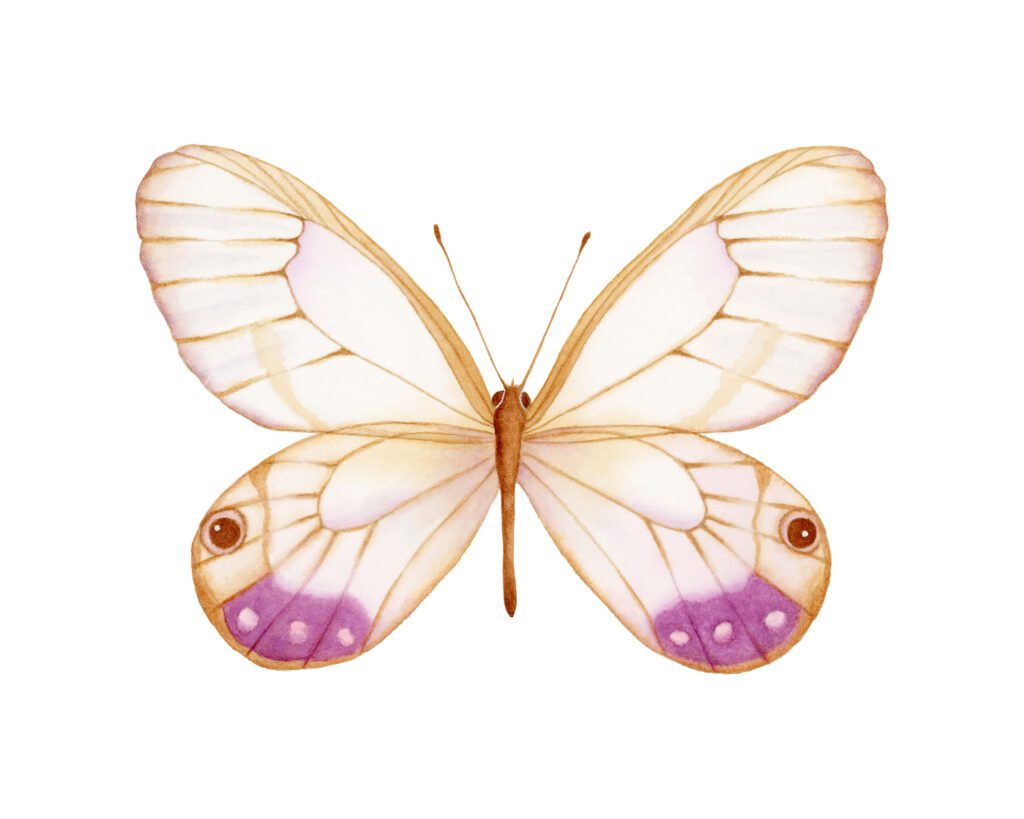
Her paintings are delicate and atmospheric, using transparent layers of watercolour to create a sense of calm and connection with nature. Rather than simply painting butterflies because they are beautiful, Manuela is interested in what they can represent and the stories they can carry. For her, their transformation is a reminder that change can be difficult while still leading somewhere beautiful.
That idea feels especially fitting for Spring Through My Eyes. Her work looks at nature not simply as something beautiful to observe, but as something that can remind us of hope, resilience, and the possibility of starting again.
Now, let’s get to know Manuela Prince through our conversation about watercolour, butterflies, nature, hope, and finding your way back to creativity.
Q1. Manuela, can you take us back to the beginning and share how your journey with art began?
My love for art goes way back to my childhood. I spent hours after school drawing, completely lost in my own little world. My friends used to give me prompts, imaginary characters, funny scenes, or ask me to sketch caricatures of our teachers during class. I got in trouble for it more than once, but it was worth every giggle during break time!
Watercolour came much later, and for a very different reason. I found it during a long period of health uncertainty, when beauty and hope felt hard to hold onto. Picking up a brush for the first time felt like discovering a small door into Wonderland, and walking through it brought me back to colour, to nature, and slowly, to myself.
Q2. You’ve written about stepping away from art for years before finding your way back to it. What brought you back to creativity?
It was very much a gradual return. After school, life took over like it tends to: university, then a job, and the responsibilities that come with starting a family. Art slipped into the background, not abandoned exactly, just crowded out. When my children were little, we did draw together with coloured pencils, but that was more about nurturing their creativity than mine. The real turning point came when I got back home from hospital after major surgery and had to stay in bed for a long time.
This was before I’d even discovered watercolour. I remember feeling restless, desperate for something that could lift my mind out of that room, so I asked my husband for some paper and a pencil. I started sketching a tree I could see from my window. It was far from perfect, but I didn’t really care, because suddenly I felt calmer, like time had disappeared.
After that, I looked forward to drawing every single day, and it could be anything: some fruit, a flower, a glass of water on the table. It wasn’t a childhood pastime anymore; it had become a way to cope, and it made those long recovery days a little more bearable. I realised how powerful creativity can be in carrying us through hard moments, by lifting our mood while healing present and past wounds too.
Q3. You describe painting as a way of communicating beyond words. When did you first realise art could do that?
Some of my friends told me that my paintings felt peaceful and hopeful, almost dreamlike. That surprised me at first, because I hadn’t consciously tried to create that feeling; it had just come through naturally. But thinking about it more, that was exactly what I wanted to express, even if I hadn’t put it into words myself.
That’s when it clicked for me: if someone could look at one of my paintings and feel calm, or like they’d been transported somewhere else entirely, without me explaining anything, then the painting was doing all the talking. And I thought, nature too communicates without words, it does it through colour instead. That was the beginning of Alma Colours.
Q4. Butterflies appear throughout your work as symbols of hope and transformation. What keeps drawing you to them?
I’ve been mesmerised by butterflies since I was a little girl. I “blame” my father for that, he was a hobbyist photographer, and I used to follow him and his camera chasing flowers, leaves, and tiny wings around the garden. Back then I saw butterflies as magical little fairies, like any child would. It was later, especially during more difficult chapters of my life, that I really understood why butterflies have been seen as symbols of rebirth and transformation across cultures for centuries.
There’s something deeply human about their metamorphosis: the caterpillar builds its cocoon because it protects it from the outside world. But eventually, that safe space becomes too small, and breaking free from it is only possible by becoming a completely new creature. I think that mirrors our own experience somehow. When life throws things at us, sometimes change is the only way forward.
It’s not always easy, and the process can be uncomfortable, even painful, but there are moments when transformation, however difficult, is necessary. That’s why butterflies keep returning in my work, not just as beautiful subjects, but as companions of hope for anyone moving through a hard season, and having to begin again.
Q5. Watercolour can be unpredictable, yet your paintings feel controlled and luminous. What keeps you returning to the medium?
I love that you see it that way, thank you! Watercolour does have its own ideas sometimes, and I think that’s exactly what keeps me coming back to it: the way you can balance unpredictability with intention, control with surprise, is so unique to this medium. Some artists paint incredibly detailed, realistic botanicals, while others create the loosest, most atmospheric landscapes or abstract work. I think I sit somewhere in between, a place where the paint is guided, but still looks luminous and delicate.
Q6. Your Messenger Collection uses nature to express emotions like peace, love, friendship, and hope. How did this idea take shape?
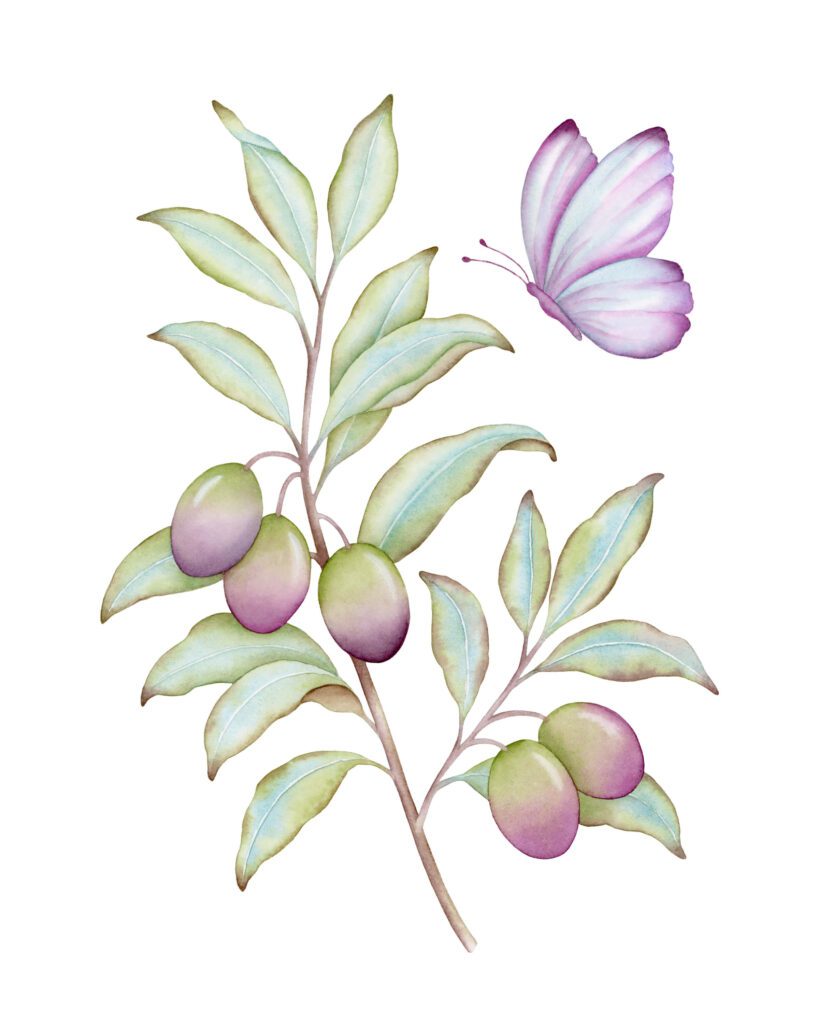
I really wanted to build a collection around nature’s symbolism; that was the inspiration. I love reading about the language of flowers, I have a few books in my studio about it, and I wanted to bring that same idea into my own work: letting nature speak on behalf of certain emotions. Each butterfly is a small messenger, carrying a feeling from the heart of nature to the heart of the viewer, together with a botanical element known for its symbolism.
I chose the olive branch, a message of peace, as the first piece of the collection, because it felt especially important in a world increasingly marked by conflict, uncertainty, and division. Peace is what we all long for collectively but also something we search for within ourselves. From there came love with pink tulips, friendship with sweet peas, and hope with daffodils. Together, these paintings form a visual language of human emotion. I hope viewers can connect with at least one of them and maybe even see a part of their own story reflected in it.
Q7. Do you think creativity can help us reconnect with parts of ourselves that everyday life pushes aside?
Definitely! From the very beginning, creativity has shaped how we live, leading to new tools, ideas, and ways of improving ourselves throughout history. It’s woven into our nature, but modern life, sadly, doesn’t leave much space for that side of us. Between work, family, illness, or grief, priorities shift, and creativity often ends up waiting in the background.
When you find your way back to it, perhaps after a long break, as I did, it reconnects you with that joy and curiosity, the inner child who plays and wonders instinctively, who believes anything is possible. And it doesn’t have to be art in the traditional sense. My son, for example, is always experimenting with new recipes in the kitchen and my daughter is an incredibly gifted writer. It shows up differently for everyone, but I believe it’s in all of us.
Q8. What do you hope someone carries with them after spending time with your work?
If a painting can give someone a little more light than they arrived with, even if they don’t quite know why, that feels like the greatest compliment. Art is very personal, and I’m always touched by the different ways people see themselves in a piece.
Q9. What has nature taught you about patience, resilience, and beginning again?
Nature is a great teacher in these areas. The more I pay attention, the more I see messages of resilience and new beginnings all around me. I often think about a rainbow after a storm; how magical is that? It almost looks like nature’s most colourful way of saying that the worst is over and it’s time to start again. It’s the same with the seasons: some winters can be so long and cold, but then spring arrives, light returns, and the world awakens slowly, patiently, never all at once.
Watching that cycle repeat has taught me to trust my own seasons a little more, and to believe that a fresh start is always possible, even when it doesn’t feel like it. As for resilience, well, butterflies are the perfect example! Every year, Monarch butterflies push through harsh weather and unfamiliar landscapes to complete a migration spanning thousands of kilometres, from Canada all the way to Mexico.
What’s remarkable is that none of them have ever made this journey before, yet somehow they always find their way, as if the route was written into them before they were even born. And we humans have that same strength. We’re not given a manual on how to navigate life, but we adjust, adapt, and keep going, even when we face challenges and our own “landscapes” change.
Q10. What would you say to artists who feel disconnected from their creativity and want to find their way back?
I would invite them to think back to their childhood, to something they did that made them happy. What could you do for hours on end before you worried about being “good” at it, or life got in the way? Whatever comes to mind, try doing that again, even for five minutes, whenever you have the chance. Never think of it as something you “have to do” though, for me that never really works; you cannot force creativity.
Take small, consistent steps where you play, explore, and listen to yourself without judgement or the expectation to create a masterpiece. Maybe put the phone down for a bit too; it can drain the space and energy we need for our own ideas to develop. I always feel more inspired when I’m outdoors, for example, noticing colours, light and shadow, the way leaves move in the wind.
Then, simply begin: sketching, writing, swatching paint on a piece of paper. Your heart already knows how to create… follow it and see what happens.
As our conversation with Manuela drew to a close, we kept coming back to the idea of finding your way back to creativity. Her own return to art wasn’t something she planned or forced. It happened slowly, beginning with a pencil, a tree outside her window, and the simple feeling that drawing gave her a little more space to breathe.
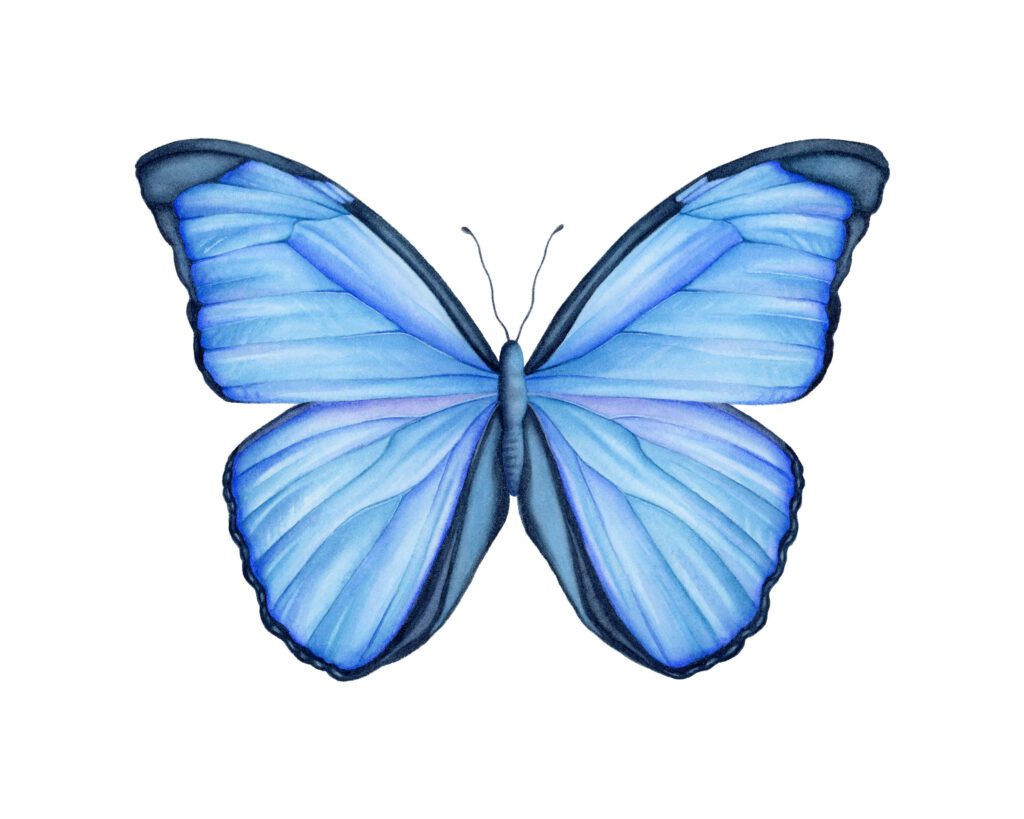
There is something especially meaningful about the way nature appears throughout her work. Flowers and butterflies are beautiful to look at, but for Manuela they also carry feelings and stories. Her butterflies speak about change and transformation, while the flowers around them become small reminders of peace, love, friendship, and hope.
What we loved most is that her work doesn’t try to make hope feel unrealistic or overly perfect. Her understanding of nature comes from watching how things actually change. Seasons pass, storms come and go, butterflies transform, and new growth eventually appears. That cycle seems to give her work its gentle optimism.
Her story also reminds us that creativity doesn’t always have to begin with a big idea or a clear artistic goal. Sometimes it can begin with something as simple as picking up a pencil again after years away. From there, one small act of creating can lead somewhere completely unexpected.
And perhaps that is what makes Manuela’s work so comforting. Her paintings don’t simply show us beautiful parts of nature; they invite us to notice the messages we might find in them ourselves.
Follow Manuela Prince through the links below and explore more of her watercolour work and the stories behind Alma Colours.
