
Marina Biagini Uses Shifting Light & Unusual Perspectives to Turn Everyday Scenes in Her Oil Paintings
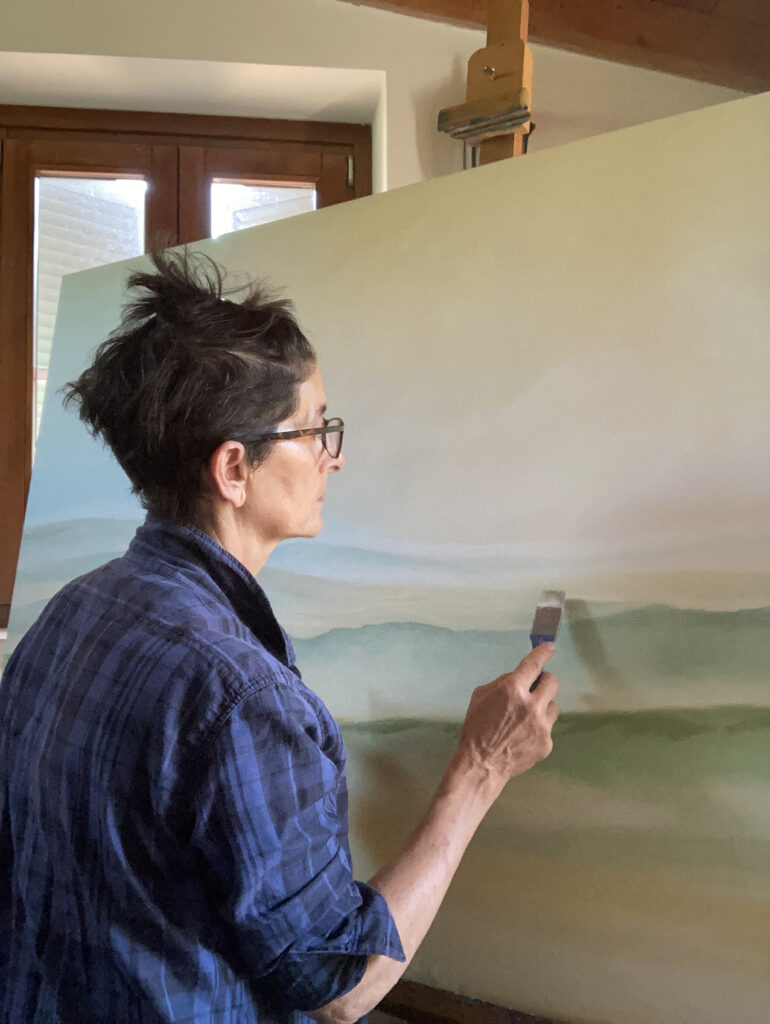
At Women in Arts Network, our Portraits exhibition gathered artists who see a face as a doorway, not a destination. For them, a portrait has never been only about likeness; it’s about everything a face can open onto, the emotions, the memories, and the untold stories waiting just beneath the surface.
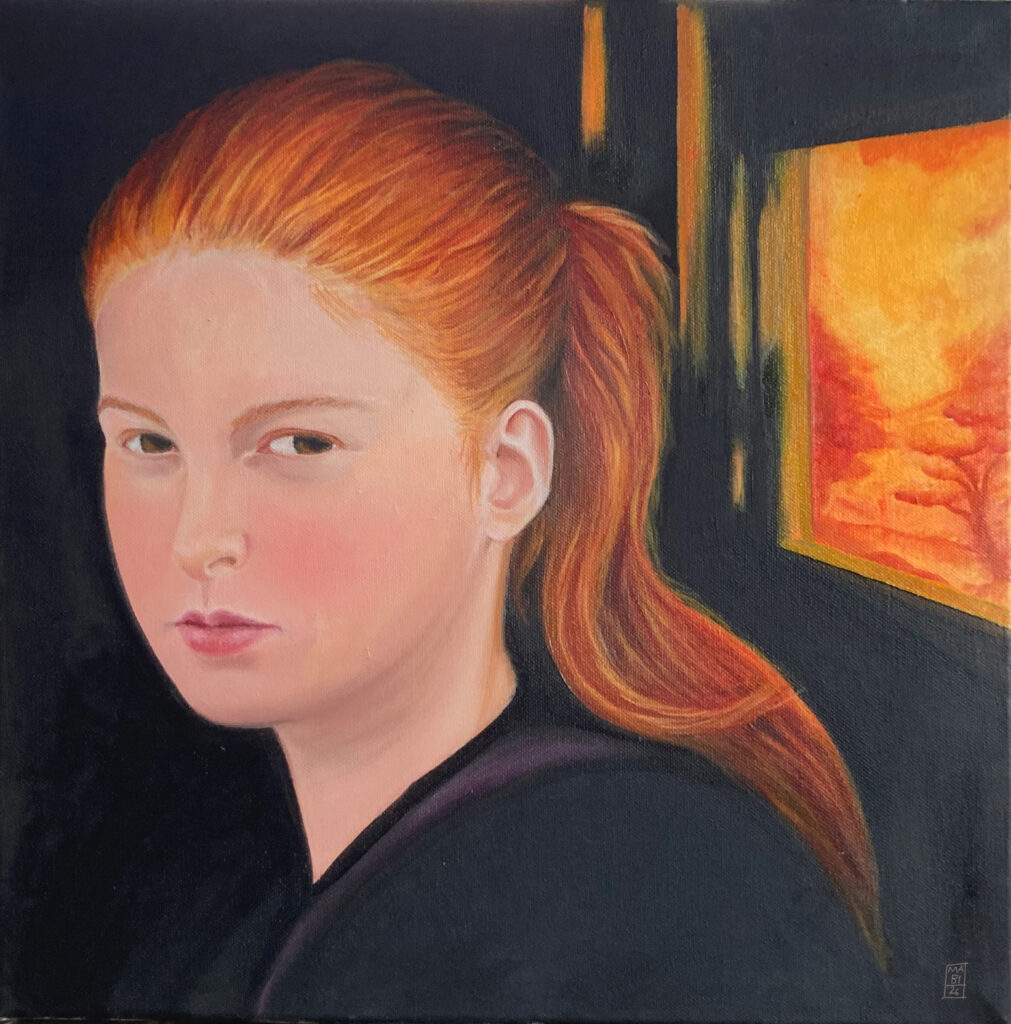
Each of our selected artists steps through that doorway in her own way. For Marina Biagini, each portrait is a glimpse rather than a full account, a passing moment held in paint, with the rest of the story left gently in the viewer’s hands.
Marina’s paintings feel less like finished stories than windows into someone’s life. She doesn’t want to tell you everything. She sets the scene, creates the atmosphere, introduces the character, and then, as she puts it, hands the story over to you.
She thinks of Edward Hopper, whose paintings she’d lose herself in as a daydreamer, and though she’s quick to say she wouldn’t compare herself to him, that same quiet invitation runs through her own work: a stillness that hints at something just out of frame.
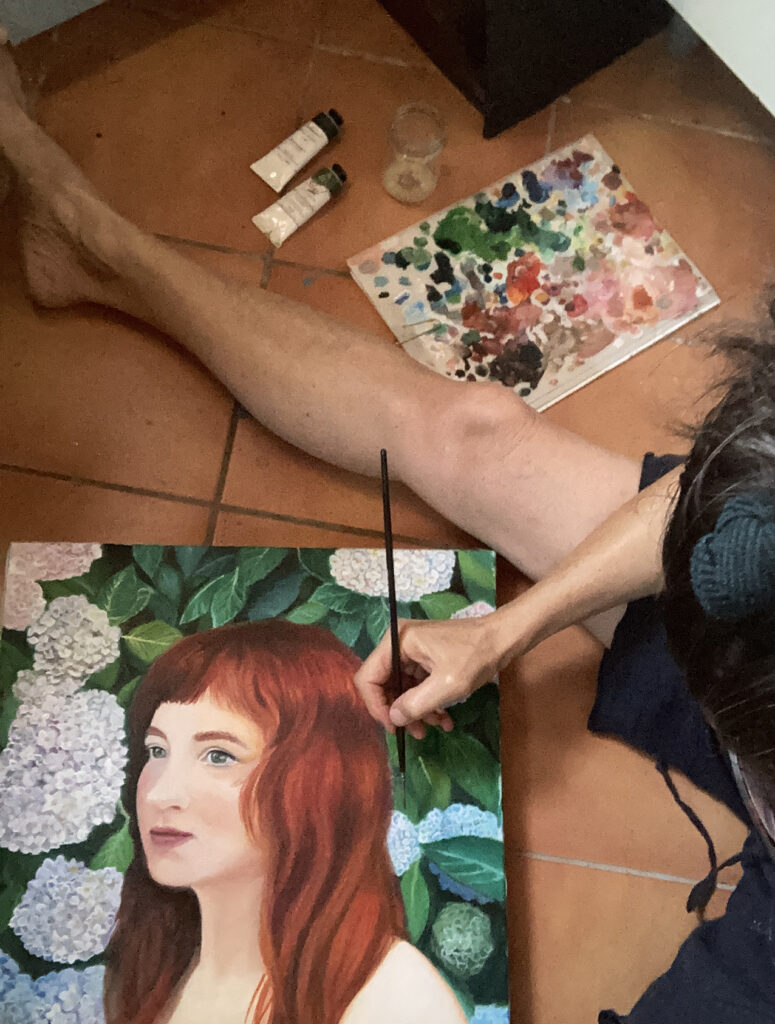
Art has been part of Marina for as long as she can remember. As a child she was always playing with colour, and images soon became the easiest way to express what she felt inside. She still remembers, with gratitude, an early teacher who let her paint with oils on large surfaces to decorate the classroom.
She went on to spend many years as an art director in advertising, a career of constant creativity and research that broadened her horizons, before it reached its end and freed her, at last, to devote herself fully to her own art.
When it comes to painting people, she believes nothing rivals oil, it’s the only medium, she says, that lets her capture what she holds in her mind, and she reaches for it too whenever a face, a body, or a landscape calls. Digital illustration she keeps for architectural scenes and the interiors of houses. Across both, her real subject stays the same: not how a person looks on the surface, but what lies beneath it.
Her work begins with a feeling, the sense that this is the right moment, one she can see and feel, and simply must try to transform into paint. She wants the stillness of a portrait to become a kind of movement, a quiet revelation of something deeper. Conveying intense emotion is never easy; she tries to make a feeling reverberate in every brushstroke, often growing frustrated and starting again, until it finally rings true. For Marina, painting isn’t a choice but a necessity, something she will never give up, whatever the outcome.
Now let’s hear from Marina about the teacher who first handed her a brush, why she leaves her stories unfinished, what oil lets her capture that nothing else can, and how she turns a single fleeting moment into a painting.
Q1. Can you take us back to the beginning and share when art first became an important part of your life?
It’s very hard to say, because ever since I was a child I’ve always played with colours, and as I grew up, images became the easiest way for me to express what was inside me. But I remember very clearly one of my first teachers, who let me use oil paints on large surfaces to decorate our classroom: I was very grateful.
Q2. You spent many years as an art director in advertising. How did creating images for others shape the way you approached your own art?
First and foremost, because of the constant exercise of creativity; so, following my passion for images, I have always approached my work with enthusiasm. Then, constant research and keeping up to date have certainly broadened my cultural horizons.
Q3. You have said that even a single moment can tell an entire story. What makes a moment worth turning into a painting?
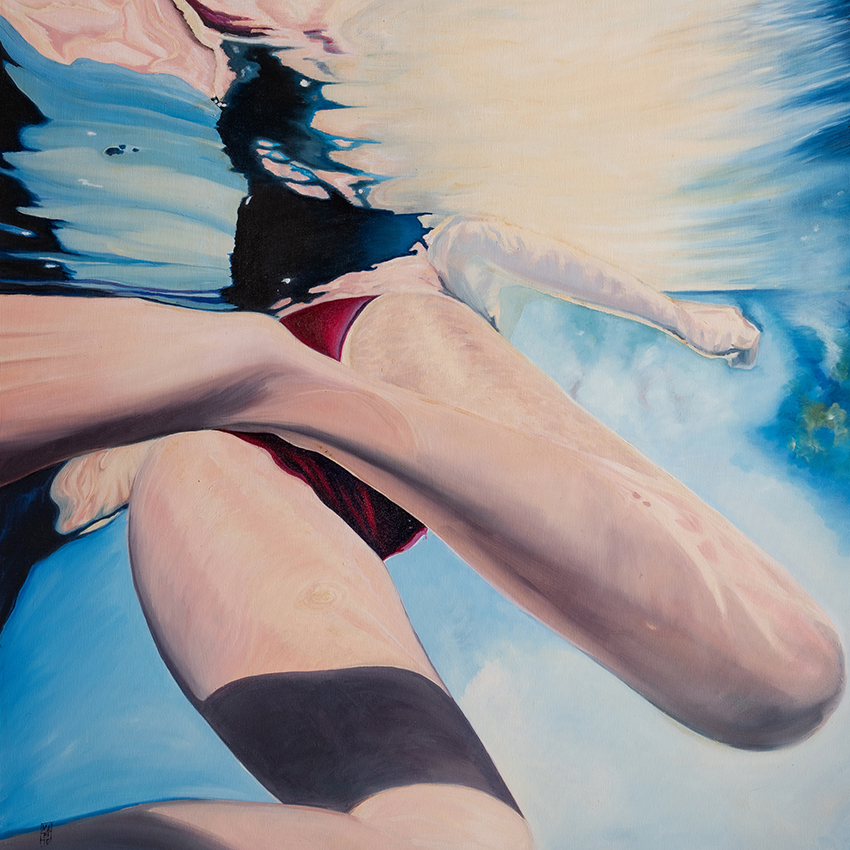
My feeling that this is the right moment – I feel it, I see it – and so I try to transform it (by painting it) into a glance, a light, a glimpse… always from a particular perspective.
Q4. Your paintings often feel like glimpses into someone’s life rather than complete narratives. How much of the story do you reveal, and how much do you leave to the viewer?
Good point! I immediately think of one of my favourite painters, Edward Hopper, and how much I used to daydream whilst looking at his paintings. Now, I don’t want to compare myself to him, of course, but I like to hint at things, give clues, and then leave it up to the viewer to finish the story. I’ve created the atmosphere and introduced the characters; now the story is in someone else’s hands.
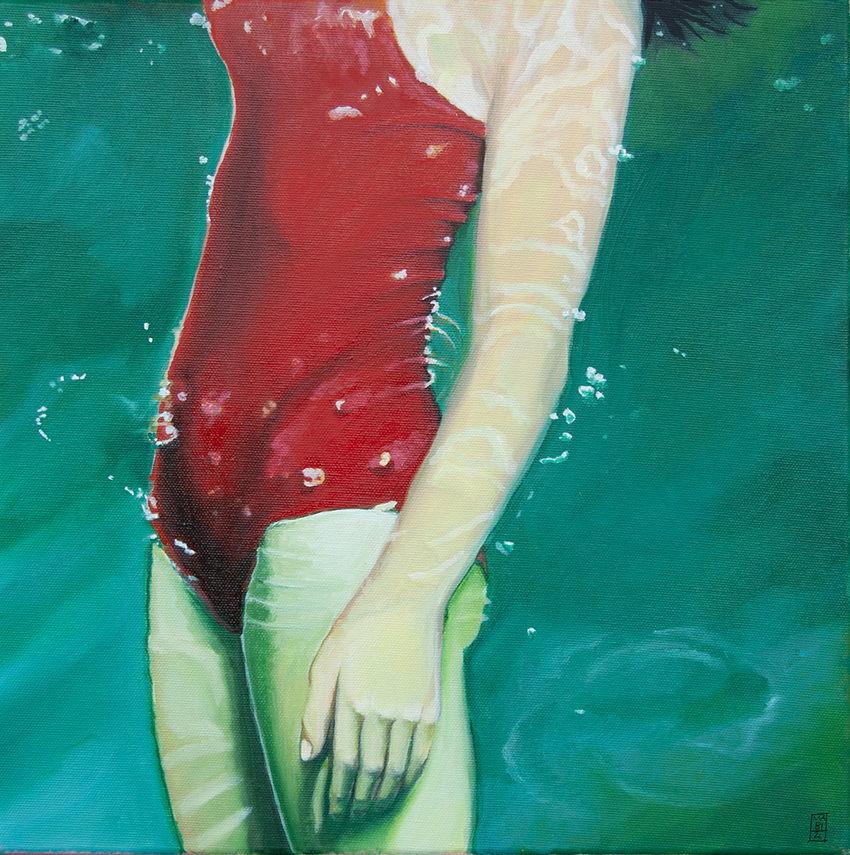
Q5. Your work I’m Staring in Your Face captures joy so intense that it brings tears. How do you approach painting an emotion that can be difficult to put into words?
I’m tempted to say ‘fingers crossed’! When I feel I want to convey a strong emotion, I try to make it reverberate in every brushstroke, and I often get frustrated and start again… Staring in Your Face was an incredibly tough piece to create… those intense tears of joy are extremely difficult to capture.
Q6. Your portraits often focus on specific emotional moments. How do you balance representing a person with capturing something less visible about them?
I like this kind of portrait – a representation of what lies beneath, rather than what is apparent at first glance. I would like the stillness of the portrait to transform into a sense of movement, a revelation of what lies beyond, a sense of depth.
Q7. You have worked with both oil painting and digital illustration. What does each medium allow you to explore differently?
When it comes to portraiture, in particular, there’s nothing better than oil; it’s only with this technique that I can try to capture what I have in mind. I like digital art for depicting architectural landscapes and the interiors of houses. If I’m inspired to paint a seascape or a landscape, I choose oil paints, just as I would for a face or a body.
Q8. Your work has been exhibited in Italy and internationally. How have these experiences shaped your development as an artist?
I enjoy taking part in exhibitions because it allows me to see straight away whether my work is appreciated. But I’m not influenced by the outcome: painting is a necessity for me, and I won’t give it up or stop following my inspiration.
Q9. What does success mean to you now that your time and creative energy are devoted to your own practice?
First comes painting or creating artworks; we’ll see what happens after that.
Q10. What advice would you give artists who are ready to pursue their own creative vision but are afraid to leave behind the career or routine they already know?
I don’t feel ready to answer that question. I reached the end of my career and then began to devote myself entirely to art. I know very well that making a living from art is very difficult; you have to be very motivated and very strong, and yet it remains very difficult all the same.
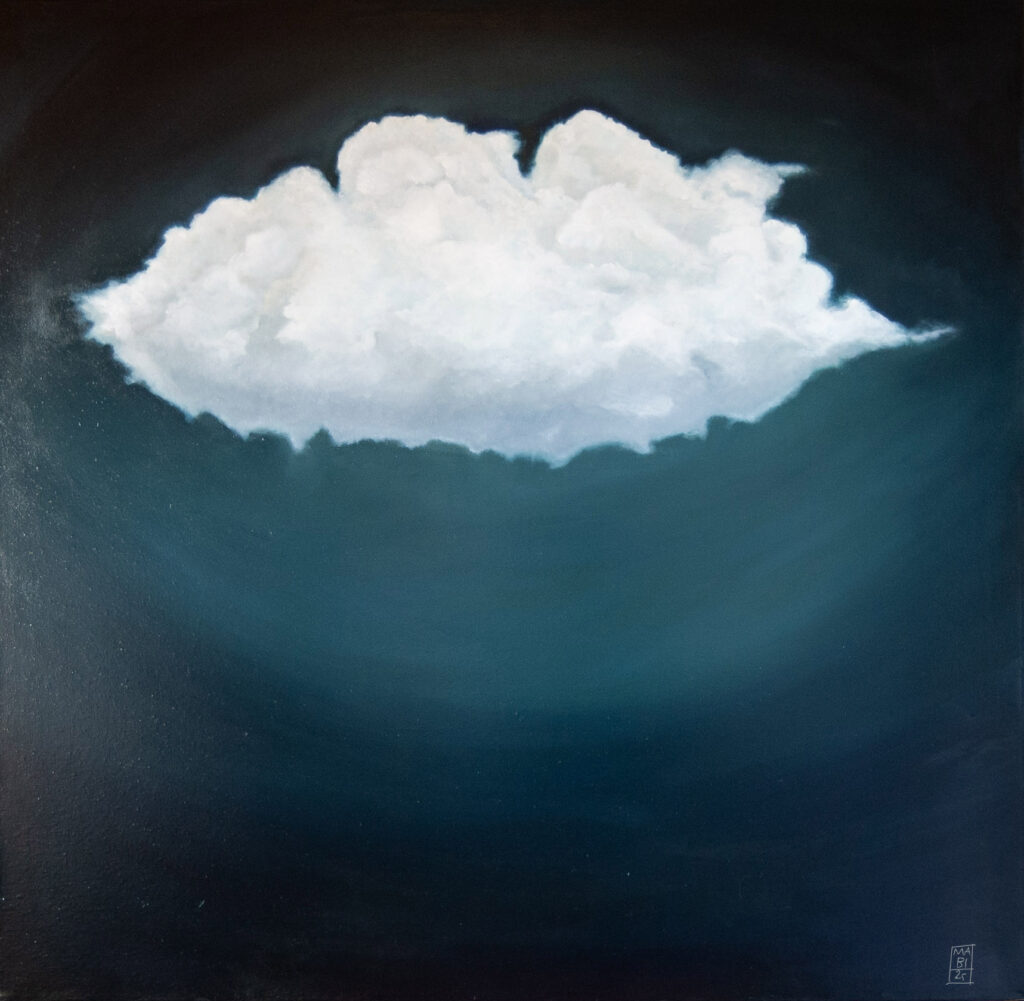
As our conversation with Marina came to a close, we found ourselves returning to a question that has quietly shaped portraiture over time: how much does a painting need to tell us? From the grand, detailed portraits of the past, meant to record a person in full, to the suggestive, atmospheric images of today, artists have moved steadily away from showing everything, and toward hinting at what cannot quite be said.
Marina’s work belongs firmly to that shift, where a portrait no longer has to be a complete account to feel deeply true. By capturing a single fleeting moment, a glance, a fall of light, a quiet stillness, she creates room for the viewer to imagine everything around it. Her approach also challenges the idea that a portrait should resolve into a clear story. Sometimes, a painting says more precisely by leaving its ending open.
This openness is part of what keeps portraiture so alive in contemporary art. Artists keep returning to the human face, but they come to it with different questions and intentions. Some set out to reveal, others to suggest, and many move between the two. There is no single way to tell a person’s story, just as there is no single version of who they are. The most compelling portraits often invite that uncertainty in, rather than trying to explain it away.
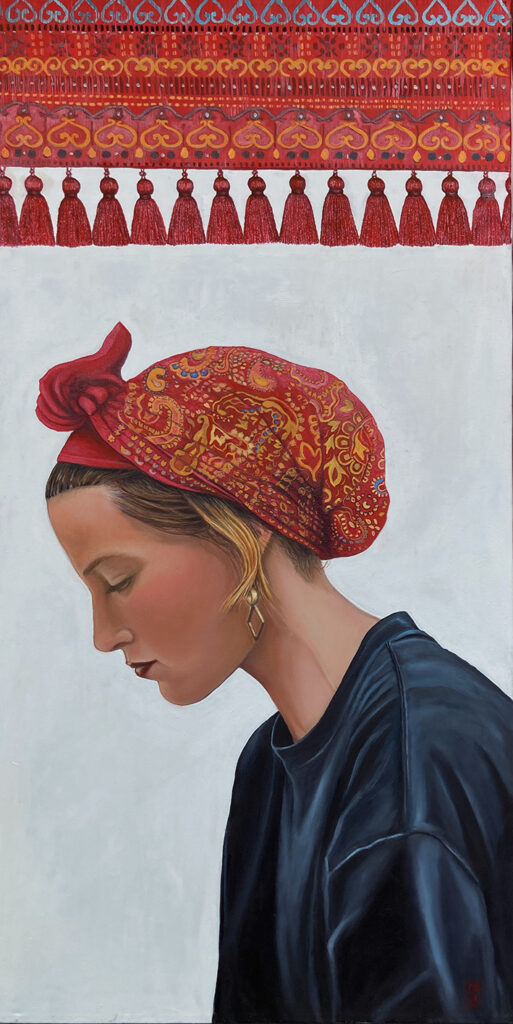
For art lovers and collectors, work like Marina’s offers a different kind of relationship with a painting. Instead of handing over everything at a glance, it rewards time and attention. Its meaning shifts as we bring our own memories and feelings to it, making the act of looking a personal experience rather than a passive one. One of her portraits becomes something you return to, not to find a final answer, but to discover how your own reading of it keeps changing.
Perhaps that is one of the enduring strengths of portraiture: it gives an artist a familiar subject through which to explore what can never be fully put into words. A face may be where Marina begins, but it is rarely where the story ends.
Follow Marina Biagini through the links below and explore more of her work and creative journey.
