
Peta Meredith Williams Creates Figurative Art Inspired by Dreams & Spirituality
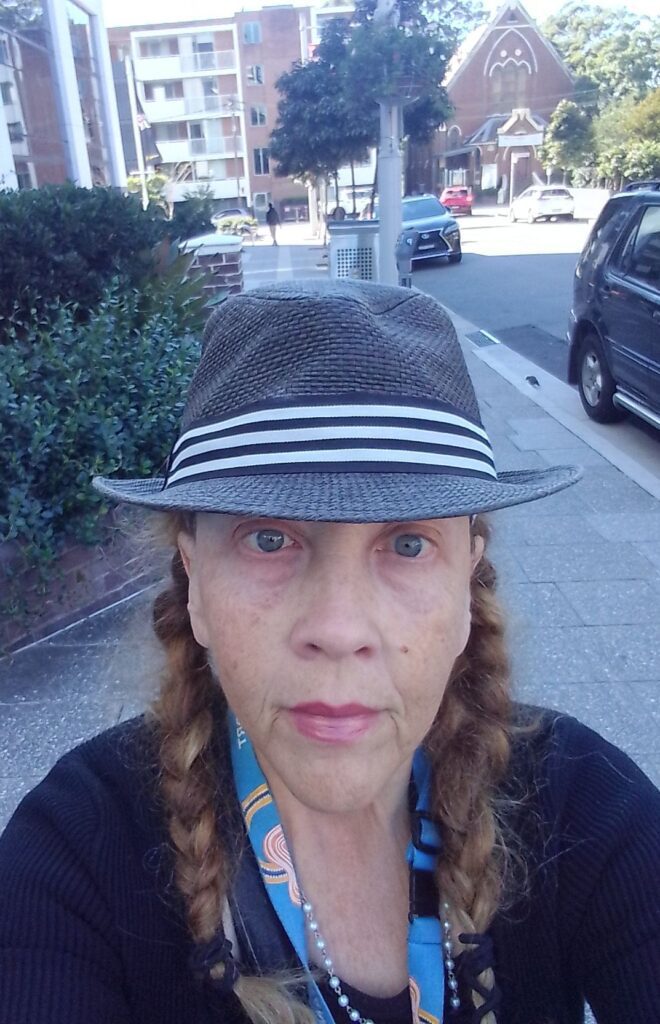
At Women in Arts Network, Spring Through My Eyes introduced us to artists who each interpret beauty and renewal through their own creative language. Peta Meredith Williams is one of the selected artists whose expressive paintings bring together emotion, spirituality, intuition, and a strong desire to create a meaningful connection with the viewer.
Peta’s journey as an artist began at an early age and continued to develop through her studies and experiences within the art world. Over time, painting became a space where she could explore her ideas freely, allowing her work to develop through an individual and deeply personal approach.
Her paintings have a distinctive expressive quality, balancing loose marks with moments of intimacy. Rather than being limited by one way of working, Peta allows her creative process to remain open, giving each work the freedom to develop its own character.
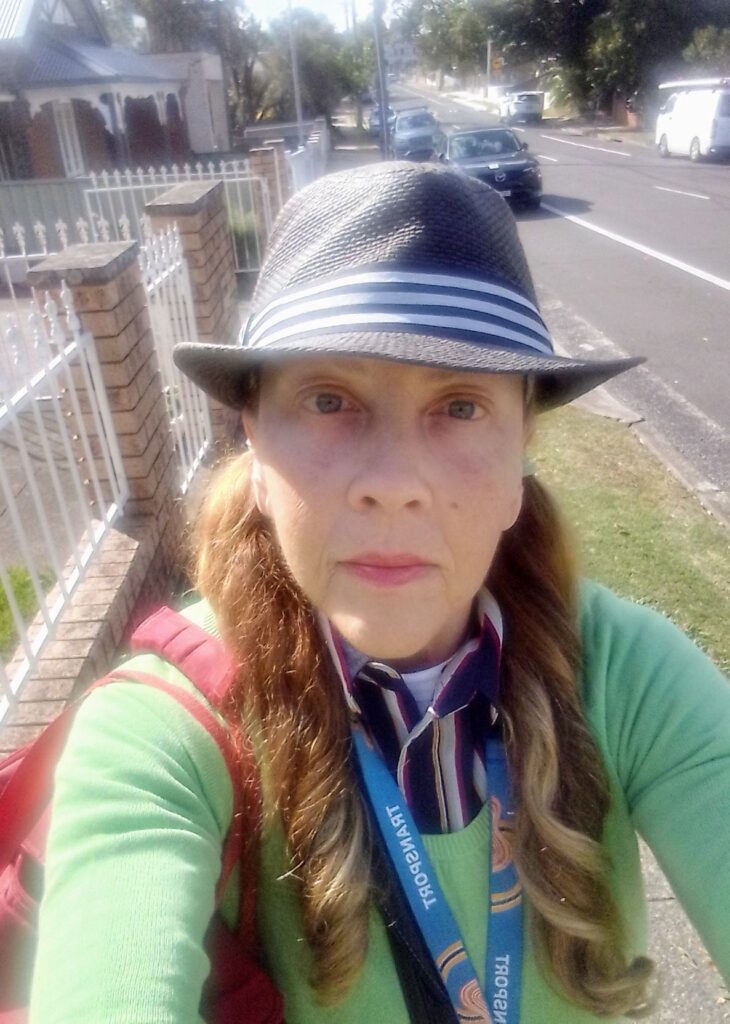
There is also a strong sense of emotion within her practice. Figures and faces appear as recurring elements, creating an opportunity for viewers to connect with the work without being given one fixed interpretation. This openness allows each person to bring something of their own experience into the encounter.
Peta’s work reflects a broader interest in the relationship between artist and viewer—how a painting can communicate something personal while still leaving enough space for someone else to find their own meaning within it.
Her practice brings together a thoughtful balance of feeling, imagination, and artistic exploration, creating paintings that invite us to slow down and spend time with them.
Now, let’s get to know Peta Meredith Williams through our conversation about her artistic journey, painting, emotion, intuition, and the ideas that continue to shape her creative practice.
Q1. Can you take us back to the beginning? What first drew you to art, and when did you decide to pursue it seriously?
My mother when I was three and doing ballet decided her and I should decorate and make a book for ballet steps with drawings. My grandparents were very creative and encouraged me as well. I wanted to pursue it seriously when I was studying at University and got an apprenticeship as an artist in Tasmania.
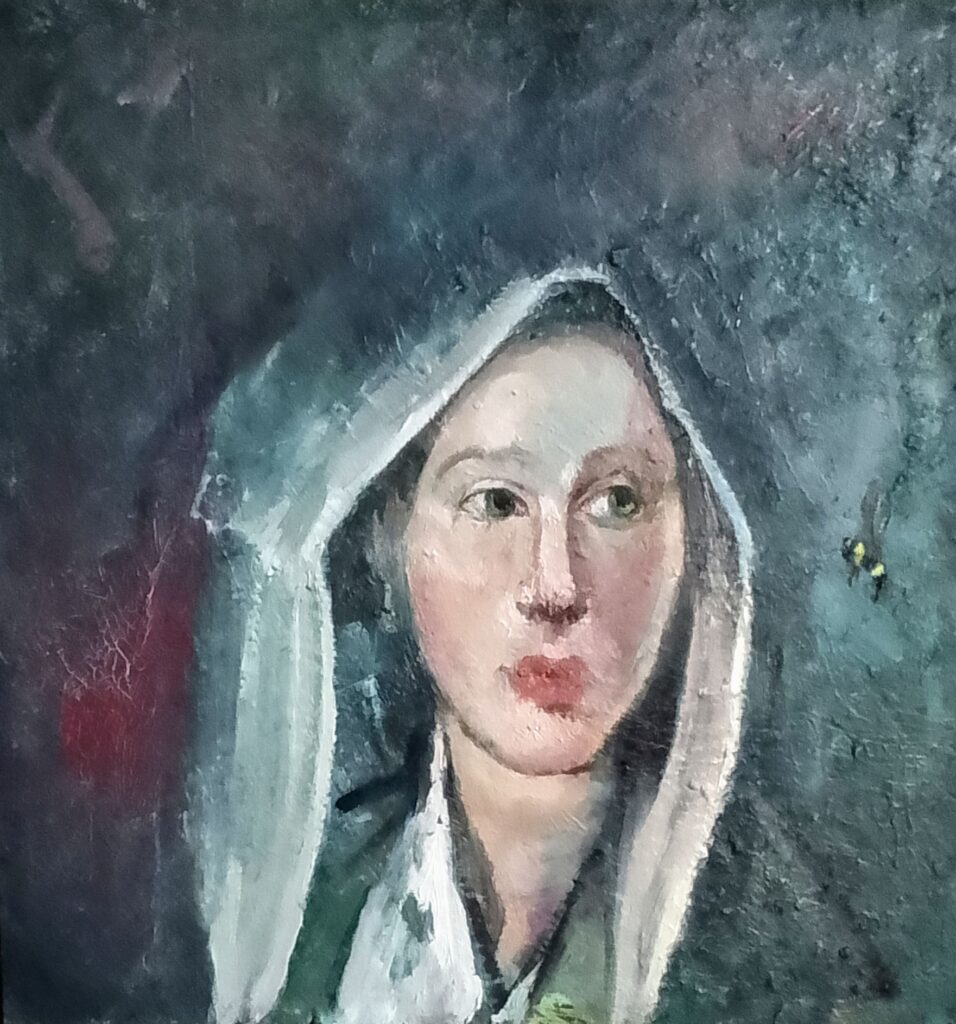
Q2. Your paintings balance expressive brushwork with intimate moments. What draws you to this approach rather than detailed realism?
My approach is instinctive as well as a result of my teachers David Wilson, Joe Bezzina at Royal Arts Society. I draw my inspiration from my spiritual beliefs and a desire to engage the viewer in an emotional journey.
Q3. How do you know when a painting has reached the point where saying less becomes more powerful?
The painting tells me ” Enough already” lol
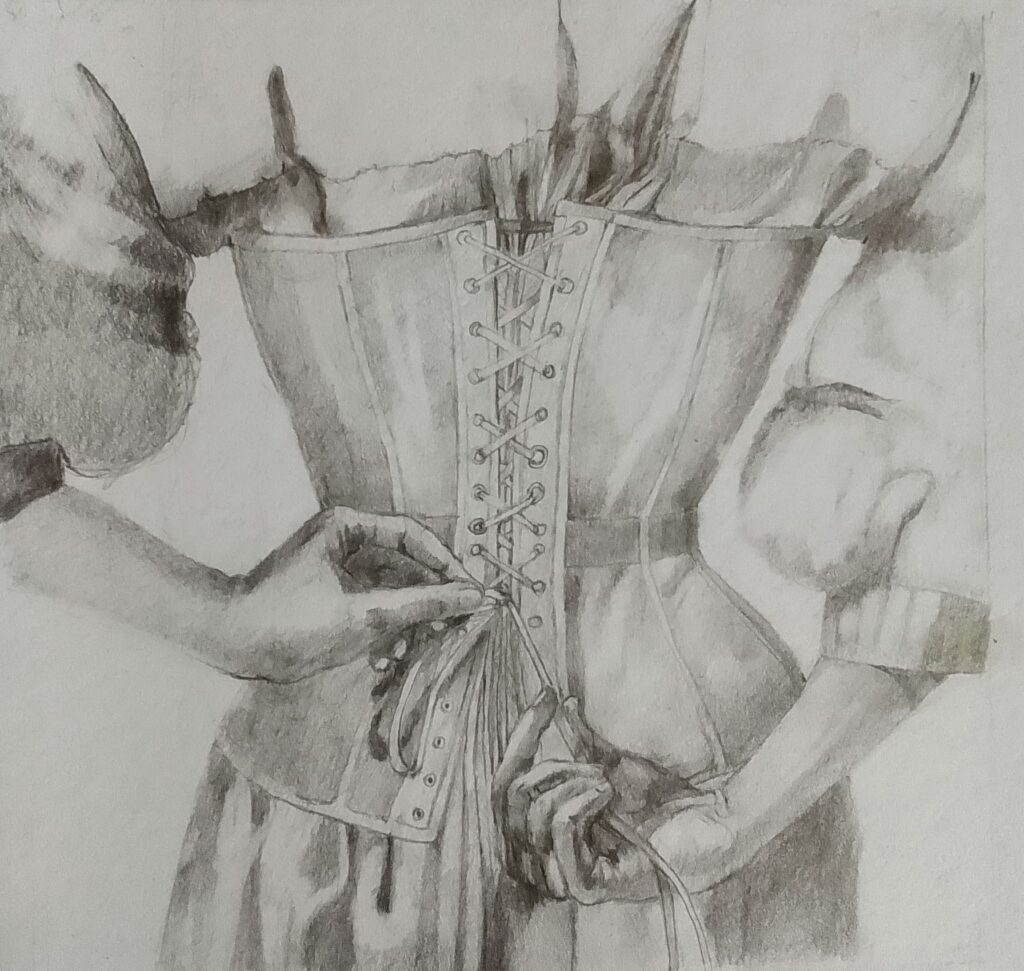
Q4. What usually comes first for you: a memory, an emotion, a figure, or an image that stays with you?
Images in dreams mixed with inspiration from the old Masters.
Q5. How much of your process is intuitive, and how much is guided by conscious reflection?
90 percent is intuitive, from my soul raising it’s voice and moving my hands.
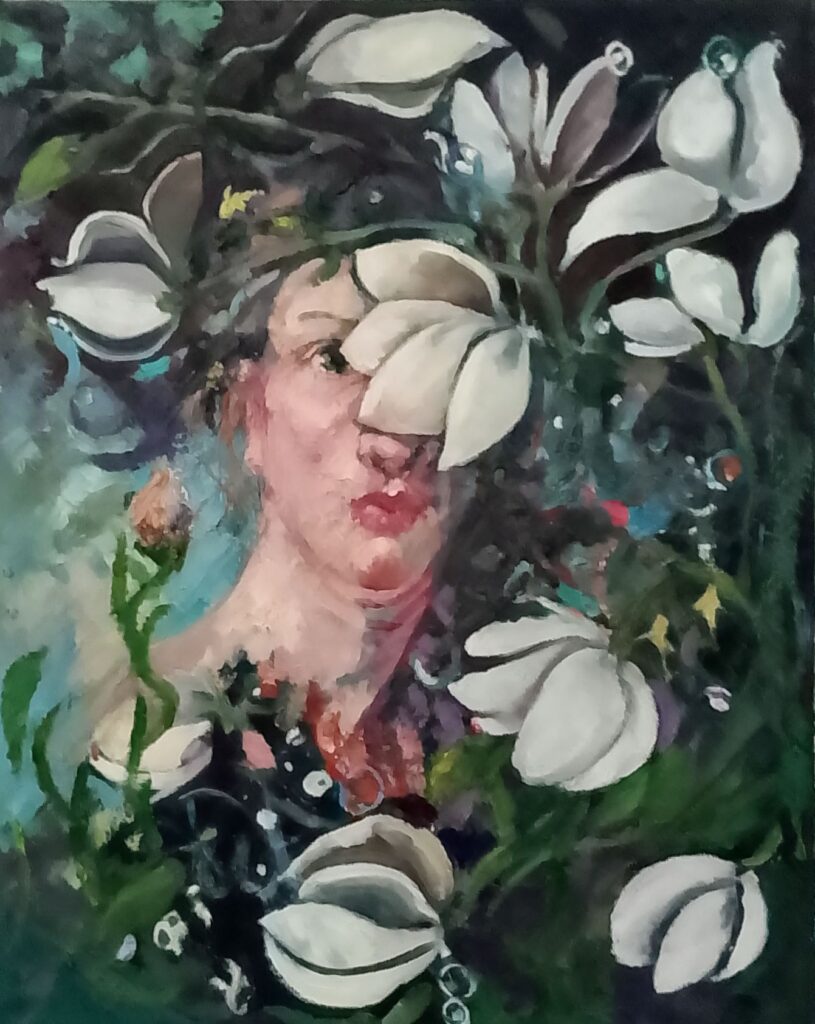
Q6. Faces appear throughout your work, but often resist traditional portraiture. What interests you more, the sitter’s identity or their emotion?
The emotions, the desire for the viewer to enter a world where they can feel a connection and feel safe to dwell there.
Q7. What responsibility, if any, do artists have when translating personal experiences into public works?
All my work is deeply personal however I do recognise that each viewer has a different interpretation on viewing, and for me that is also exciting. I don’t feel like I have to force my purpose onto others . As long as there is a response in the viewer ,then I have achieved my aim. Art is another means of story telling.
Q8. Has painting changed the way you understand your own memories, or simply given them another place to exist?
I really don’t portray my memories in my work. It is mostly based on spiritual inspiration and my intuitive response to that.
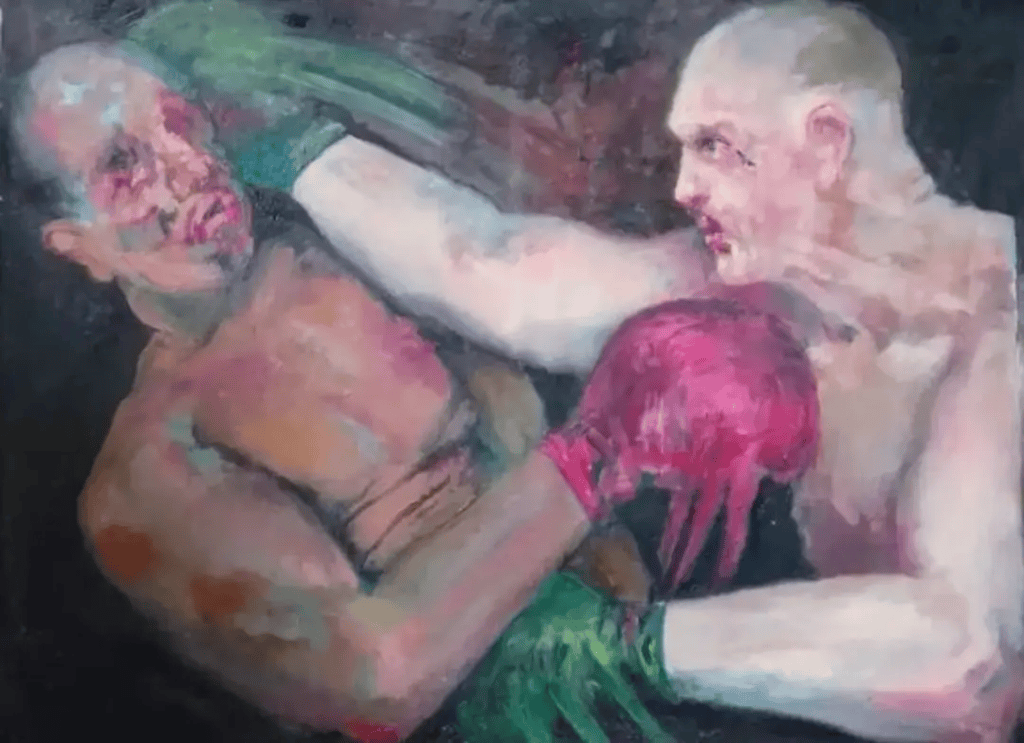
Q9. Do you believe art helps us make sense of difficult experiences, or allows us to live alongside them more gently?
It definitely can be cathartic art can not be objective.In my opinion.
Q10. What advice would you give artists learning to trust emotional honesty in their work, even when it feels uncomfortable?
Everyone has the same emotions, so you are not alone. Be courageous in your display and gentle and kind to yourself. Not everyone will understand and that’s ok too, just be proud of your steps and keep moving forward.
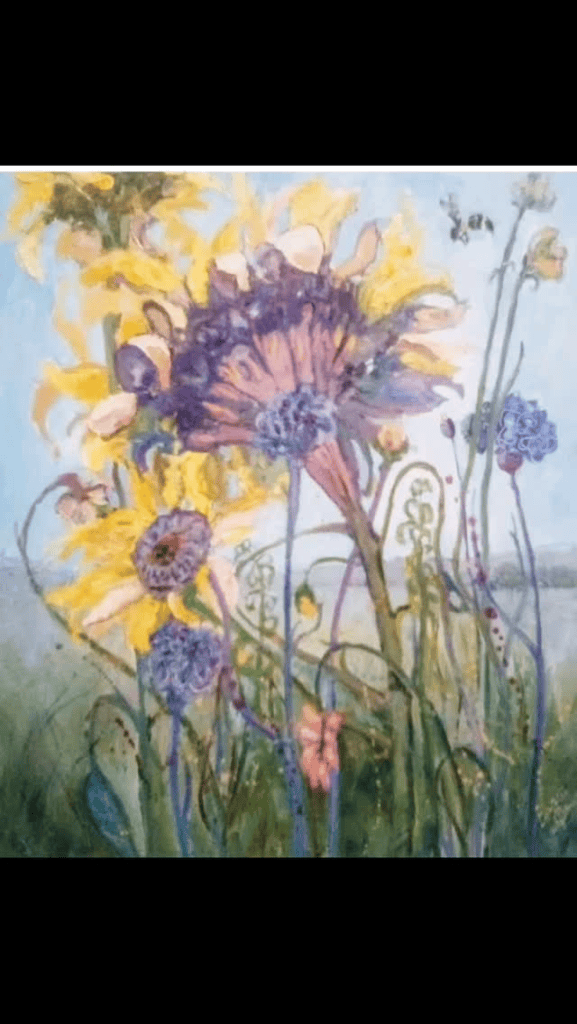
As our conversation drew to a close, we found ourselves lingering on the space that exists between what an artist pours into a painting and what a viewer eventually carries away from it. Peta’s work leaves that space wide open, allowing each person to meet the painting in a way that feels entirely their own.
There is something quietly refreshing about a practice that resists the urge to explain itself. A painting can hold emotion, imagination, and deep personal meaning while still leaving room for the viewer to step inside and bring their own life along and it is precisely that openness that makes the encounter feel so intimate.
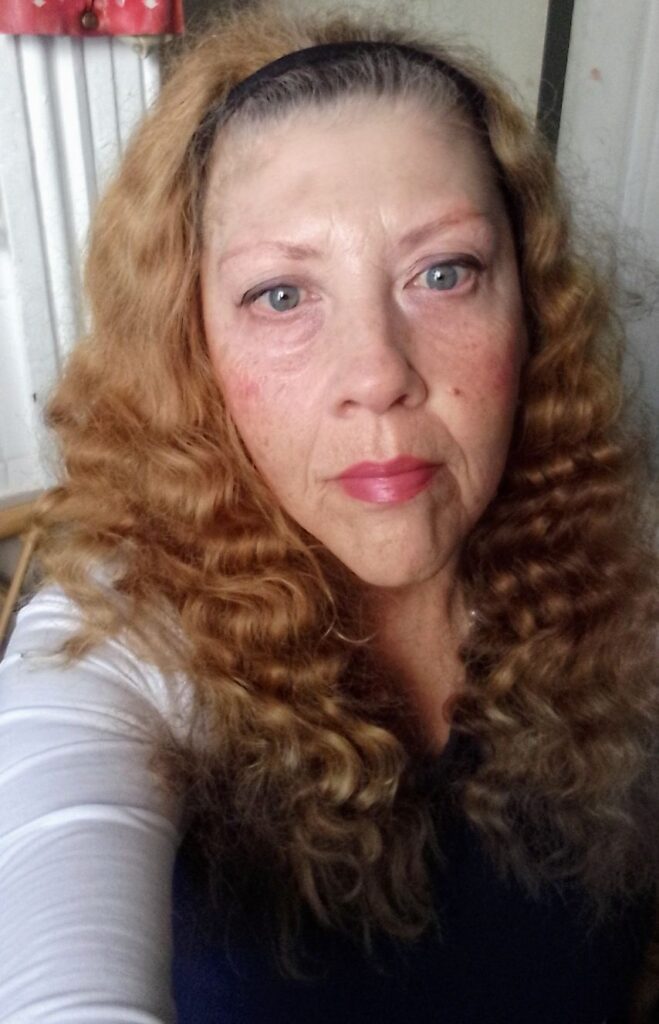
Peta’s journey also reminds us that growing as an artist is not always about arriving at one fixed way of working. More often, it is about continuing to listen inward, letting the practice shift and breathe, and finding the courage to follow an idea even when the destination is nowhere in sight.
For artists, there is a quiet lesson in that willingness to stay open. The art world so often presses us to define a style, defend the work, or settle neatly into a single category. Peta’s practice offers a gentle counterpoint that there is just as much value in trusting the process and letting the work speak in its own unhurried voice.
And for art lovers, that same openness becomes an invitation rather than an instruction. You are never asked to arrive at the artist’s meaning. Sometimes the most memorable work is simply the one generous enough to leave you space for a response of your own.
Follow Peta Meredith Williams through the links below and explore more of her paintings and creative journey.
