
5 Substack Newsletters Every Artist Should Have On Their Reading List
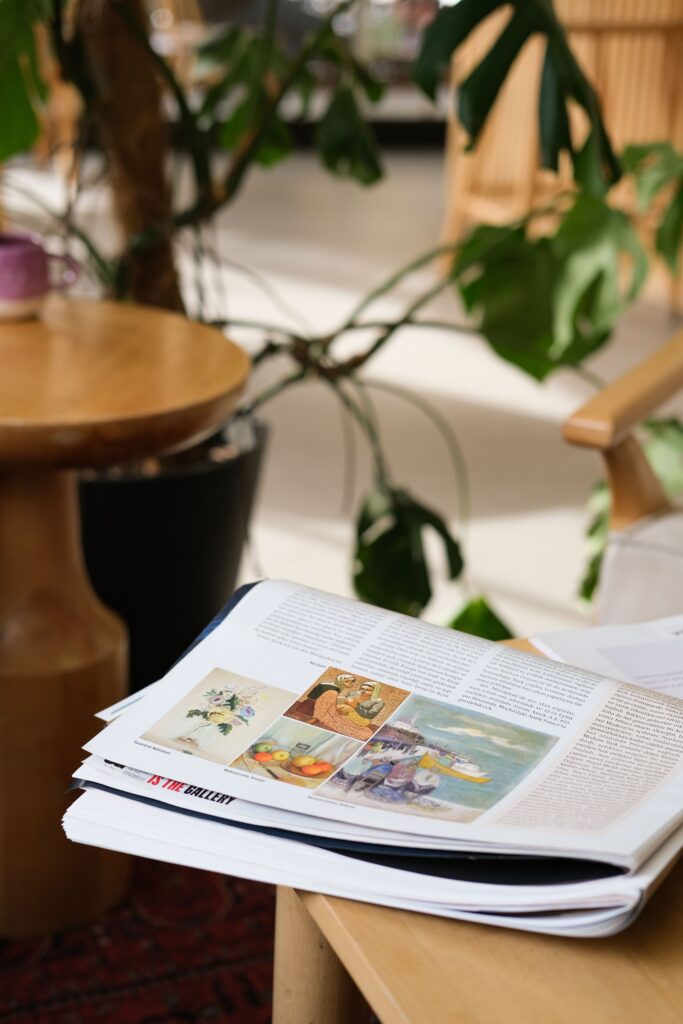
Art has a lovely way of finding us when we least expect it. Sometimes, it happens while we’re wandering through a gallery, flipping through an old book, or noticing the way afternoon light falls across a familiar room. Other times, it begins with a conversation, a story, or a few lines of writing that make us look at something we thought we already understood a little differently.
For artists, staying curious is part of the journey. Inspiration doesn’t always arrive when we’re standing in front of a blank canvas, waiting for an idea to come. It often grows quietly in the background, through the things we read, the people we listen to, and the unexpected connections we make along the way.
This is one of the reasons Substack can be such a wonderful place for creative people. Beyond the usual scroll of social media, it offers a space for thoughtful essays, personal reflections, creative exercises, and conversations about art and the lives we build around it.
Whether you’re looking for a fresh perspective on your practice, a little encouragement on a difficult creative day, or simply something interesting to read with your morning coffee, these five Substack newsletters are worth making room for.
1. Austin Kleon: For The Artist Who Wants To Stay Curious
Creativity rarely exists in isolation. A painting might begin with a line from a book, a conversation overheard on the bus, a photograph discovered in an old archive, or a song that stays with us long after it ends. Sometimes, the most interesting ideas come from places we weren’t looking.
This is the spirit behind Austin Kleon’s newsletter, a lovely starting point for anyone who enjoys collecting ideas and making unexpected connections.
Kleon is the author of Steal Like an Artist, Show Your Work!, and Keep Going, books that have become familiar companions for many people navigating creative work. His weekly newsletter follows a similarly generous approach. Every Friday, he shares ten things he thinks are worth passing along, bringing together art, writing, books, music, films, and other discoveries that have caught his attention.
What makes this format particularly appealing is its sense of possibility. You might open the newsletter looking for something about drawing and leave with a film recommendation, a new reading list, or an idea that sends you down an entirely different path.
For artists, this kind of creative wandering can be valuable. When we spend too much time looking at work within our own discipline, our references can become predictable. Exploring other fields allows us to notice connections we might otherwise miss.
A filmmaker’s use of colour might change how you approach a painting. A writer’s observation about memory might help you think differently about a series of portraits. A small discovery in a book might become the beginning of an entirely new project.
Kleon’s newsletter is a reminder that collecting inspiration doesn’t have to be a complicated process. Sometimes, it simply means paying attention to what interests you and allowing yourself to follow that curiosity.
2. The Great Women Artists: For A Wider View Of Art History
Art history becomes a much richer place when we make room for stories that have been overlooked, artists who haven’t received the recognition they deserve, and perspectives that challenge the familiar version of events.
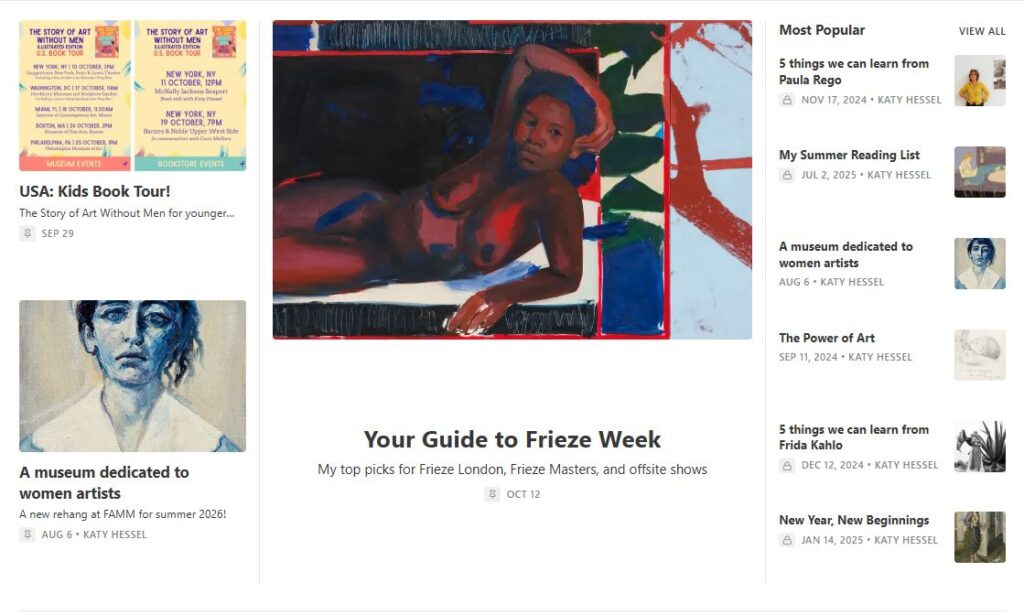
The Great Women Artists, founded by art historian, author, and broadcaster Katy Hessel, is dedicated to celebrating women artists and exploring their contributions to art history and contemporary culture.
If you’ve ever found yourself wondering how many extraordinary artists you haven’t yet encountered, this is a wonderful place to begin.
Hessel’s work is closely associated with expanding the way we understand art history, including through her book The Story of Art Without Men. Her Substack extends that interest into a space for discovering women artists, exhibitions, books, and other cultural experiences worth knowing about.
One of the most rewarding things about learning about art is discovering the person behind the work. A painting that initially seems unfamiliar can take on an entirely different meaning when we learn about the artist’s circumstances, the ideas that shaped their practice, or the world in which they were working.
These discoveries can also make us reconsider the stories we have been taught about artistic achievement. Whose work was preserved? Who was written about? Which artists were celebrated during their lifetimes, and whose contributions were recognised much later?
For women artists, especially those trying to find their place within a larger creative community, these questions can feel particularly meaningful. Encountering artists who worked against expectations, developed distinctive visual languages, and continued making work despite limited recognition can offer both historical insight and encouragement.
You don’t need to be an art historian to enjoy this newsletter. If you’re curious about exhibitions, interested in discovering artists, or simply want to expand your understanding of the people who have shaped art, there is plenty here to explore.
3. ART DIRECTION By Zoë Yasemin: For Fresh Visual References And New Ways Of Seeing
Sometimes, the hardest part of making something new isn’t the technical work. It’s finding a fresh way to approach an idea you’ve been thinking about for weeks. This is where visual research becomes so important. Looking closely at photography, graphic design, fashion, image-making, and visual culture can help us discover possibilities that might not have occurred to us otherwise.
ART DIRECTION by Zoë Yasemin is worth exploring if you enjoy understanding how images communicate, why certain visual choices work, and how creative ideas develop into compelling visual outcomes. The publication is aimed at aspiring art directors and other creatives interested in visual research, art direction, and the thinking behind image-making. Rather than treating inspiration as something that simply appears, it encourages a more considered approach to gathering references and developing a visual point of view.
For painters, illustrators, photographers, and mixed-media artists, that approach can be surprisingly useful. Think about the last time you saved an image because something about it caught your attention. Perhaps it was the composition, the unusual colour combination, the relationship between a figure and its surroundings, or the way a particular photograph created a mood without explaining itself.
Collecting images is easy. Understanding what draws us to them is where the interesting work begins. Visual research can help us identify those preferences and explore them more intentionally. It can also introduce us to references outside our usual circles, from editorial photography and typography to fashion imagery and the visual language of everyday objects.
For artists who want to develop a more distinctive visual identity, this is an especially useful habit. The more carefully we observe the images around us, the better we become at recognising what we respond to and why.
4. one minute ART RETREAT By The Jealous Curator: For When You Need A Creative Reset
Not every artist needs another productivity tip. Sometimes, what we really need is permission to slow down, step away from expectations, and remember why we wanted to make things in the first place. The one minute ART RETREAT by Danielle Krysa, the artist and author behind The Jealous Curator, offers a gentle way to reconnect with art through small moments of looking, reflection, and creative exploration.
The idea is beautifully simple: make a little room for art in your day, even when you don’t have the time or energy for a larger creative project. For artists balancing their practice with jobs, family responsibilities, commissions, deadlines, or the ordinary demands of life, this kind of approach can feel refreshing.
We often talk about creative discipline as though it must always involve long studio hours, ambitious projects, and visible progress. But a creative life is also made up of smaller moments. Looking closely at an unfamiliar artwork, allowing yourself to experiment without a finished result in mind, or noticing something beautiful during an otherwise ordinary day can all help keep your relationship with art alive.
Krysa’s newsletter is designed around these brief encounters with contemporary art and creative prompts. It’s a lovely option for anyone who wants inspiration to feel less like another task on their to-do list and more like an invitation to explore.
It’s also a useful reminder that not every encounter with art needs to produce something tangible. You can look at an artwork and simply enjoy it. You can try an exercise without turning it into a finished piece. You can spend a few minutes being curious without having to explain what you gained from the experience. That freedom matters, particularly when making art starts to feel closely tied to productivity, visibility, or the pressure to keep producing work. Sometimes, the most helpful thing we can do for our practice is to approach it with a little more gentleness.
5. Creative Fuel With Anna Brones: For Connecting Art With Everyday Life
Creative work doesn’t happen separately from the rest of our lives. It is shaped by the places we live, the people we meet, the books we read, the food we make, the landscapes we remember, and the experiences we carry with us.
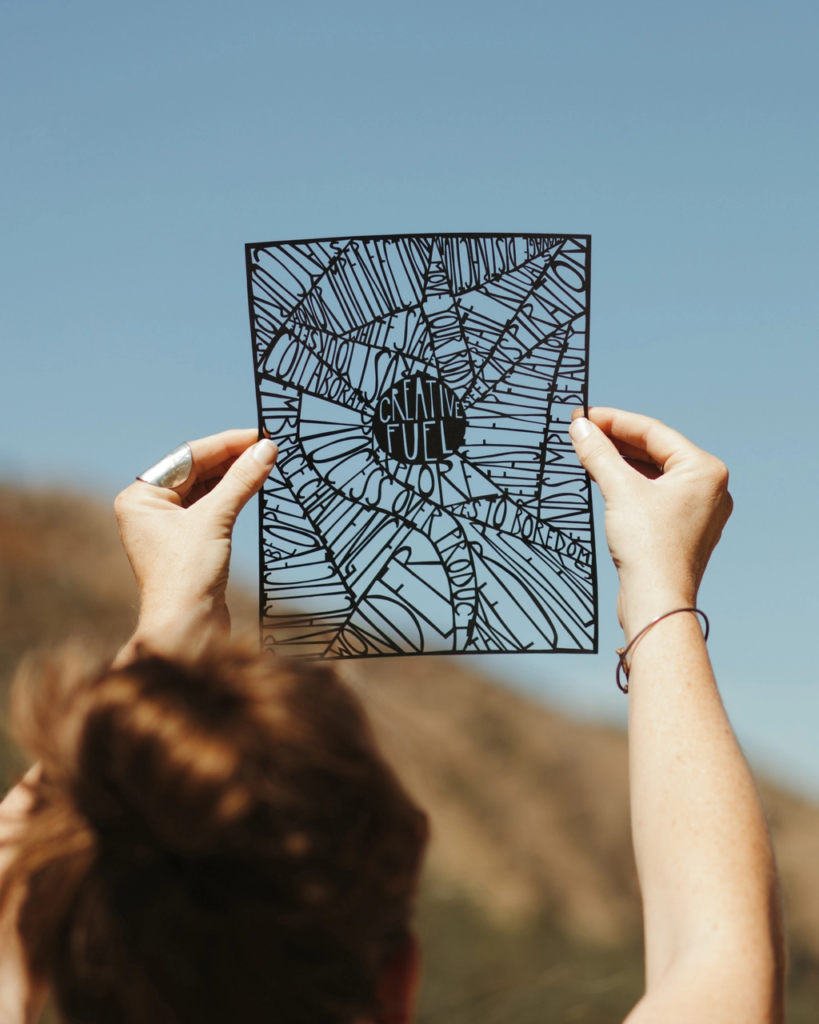
Anna Brones’ Creative Fuel explores the relationship between creativity and everyday life, making it a lovely read for artists who want to think about their practice beyond the studio. The newsletter looks at creativity as something woven into the way we live, rather than a resource we must constantly produce on demand. That distinction can be especially meaningful when inspiration feels difficult to find or when the demands of a creative career leave little room for exploration.
For visual artists, there is something reassuring about returning to the ordinary world as a source of ideas. A walk through your neighbourhood might reveal an unexpected combination of colours. A family recipe might bring back memories you haven’t thought about in years. The changing seasons might alter the way you see a familiar landscape. Even a quiet afternoon spent doing very little can give your mind the space it needs to make connections.
Creative Fuel is a useful companion for anyone interested in these intersections between making, living, and paying attention. It encourages a broader understanding of creativity, one that leaves room for curiosity, experimentation, and the small rituals that help us feel connected to our work.
This perspective can also help us think differently about creative blocks. Rather than assuming that every unproductive day means we’ve lost our inspiration, we can recognise that our creative lives move through different rhythms. Some periods are full of ideas and activity. Others are quieter, offering time to observe, reflect, and gather experiences that might become meaningful later.
There is no need to turn every moment into material for a future artwork. But there is value in remaining open to the world and allowing it to surprise us. For artists who enjoy reflective writing about creative practice, everyday experiences, and the relationship between the two, this newsletter is worth adding to the reading list.
Making Room For More Inspiration
The best reading list isn’t necessarily the longest one. It’s the one that brings you back to your own curiosity. Each of these newsletters offers a different way to approach creativity. Austin Kleon encourages us to collect ideas from unexpected places.
The Great Women Artists invites us to look more closely at the people and histories that shape art. ART DIRECTION helps us think more intentionally about visual research. The one minute ART RETREAT makes room for small, unhurried encounters with art, while Creative Fuel reminds us that our everyday lives can nourish our creative practice in ways we don’t always recognise.
You don’t have to subscribe to all five at once. Start with the one that speaks to you most, explore a few older posts, and see whether the writing leaves you wanting to look, think, or make something differently. And remember, inspiration doesn’t always arrive as a grand idea or a sudden burst of energy. Sometimes, it’s a sentence you save, an artist you discover, a question you can’t quite answer, or a new way of looking at something familiar.
Keep following those small moments of curiosity. You never know which one might lead you somewhere wonderful.
