
5 Women Who Went From Being Muses to Becoming Artists
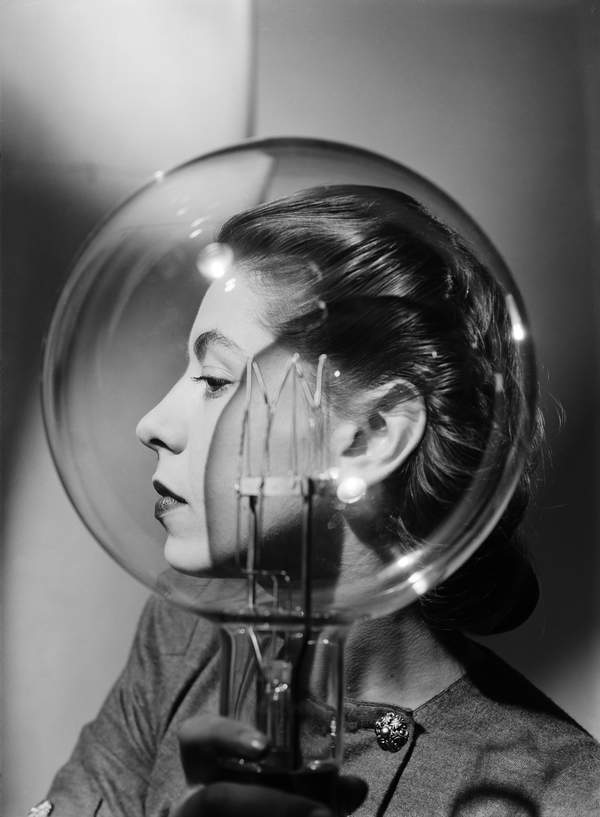
For centuries, women appeared in art history in a strange position. They were everywhere, but they were not always remembered as artists themselves. They stood in studios, sat for portraits, inspired paintings, and became familiar faces in the work of some of the most celebrated artists of their time. Their images survived on canvases long after their own stories had faded.
Being a muse can sound romantic. There is something beautiful about being seen as a source of inspiration, of becoming part of an artist’s creative world. But there is another side to it too. A woman could become famous because someone else painted her, while her own creative ambitions remained largely invisible.
And yet, some women refused to remain on the other side of the canvas. They picked up brushes, cameras, and pencils of their own. Some exhibited their work. Some built careers that eventually stood apart from the artists who had once photographed or painted them. Others continued creating alongside their relationships with famous artists, quietly building artistic identities that history would later have to rediscover.
Their stories remind us that a woman can be both a muse and an artist. One identity does not have to erase the other.
What Does It Mean to Be a Muse?
The word “muse” has always carried a certain magic. In its simplest sense, a muse is someone who inspires an artist’s creative work. She might be a lover, friend, model, partner, family member, or simply someone whose presence sparks an idea.
But historically, the role could be much more complicated. The muse was often seen through someone else’s eyes. We remember the painting, the photograph, or the sculpture, but not necessarily the woman who sat for it. Her face becomes famous while her own ambitions, personality, and creative work disappear into the background.
For women who wanted to become artists themselves, this could be particularly difficult. The art world offered them fewer opportunities, less formal training, and fewer paths to recognition. Some therefore found themselves participating in art history without being credited as its makers.
The five women below offer a different story. They were looked at, photographed, painted, and admired, but they also created. In their own ways, they stepped beyond the role that history had initially assigned to them.
1. Suzanne Valadon
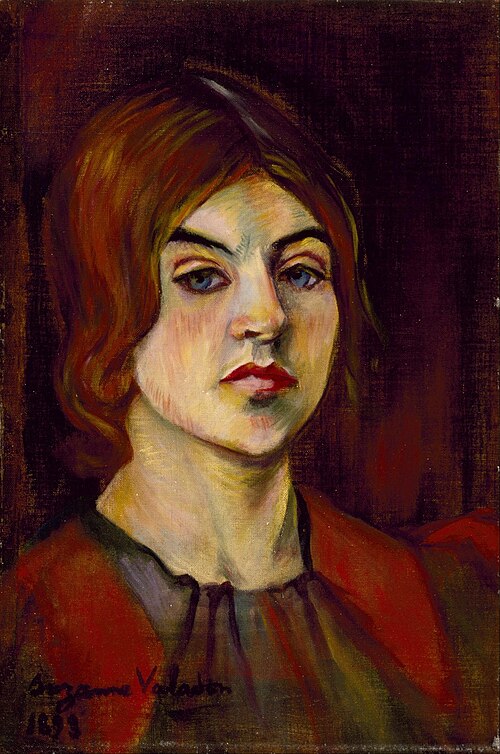
Before Suzanne Valadon became known for her paintings, she was known as a model. Born Marie-Clémentine Valadon in 1865, she worked in Paris and posed for artists including Pierre-Auguste Renoir, Henri de Toulouse-Lautrec, and Edgar Degas. Her face and figure appeared in the work of some of the artists who shaped modern French painting.
But Valadon was not content to remain the person in front of the canvas. She taught herself to draw and paint, studying the artists around her while developing a visual language of her own. Degas was particularly supportive of her work and encouraged her artistic ambitions.
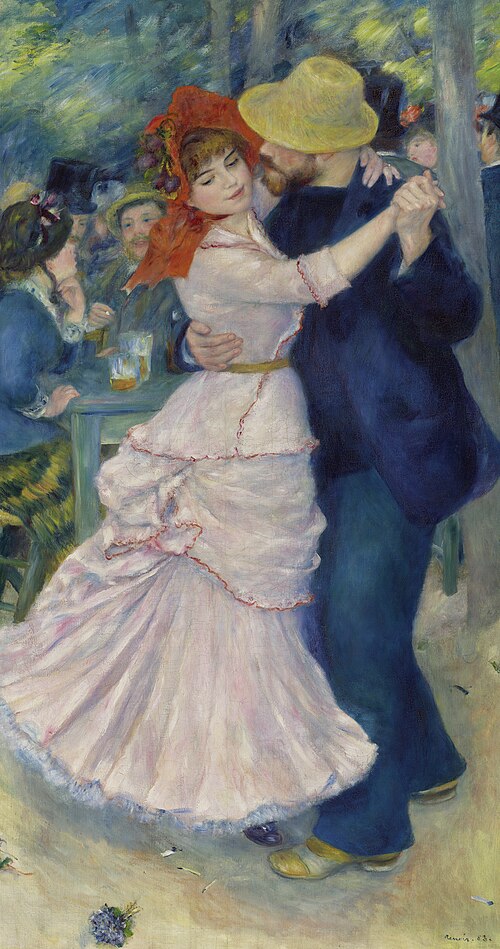
Valadon’s paintings eventually earned recognition in their own right. She became known for bold compositions, expressive lines, portraits, nudes, and still lifes. Her work often carried a directness that felt different from the idealized representations traditionally associated with female subjects.
What makes her story especially powerful is that she knew the studio from both sides. She understood what it meant to be observed as a model, but she also understood what it meant to make the decisions.
She was no longer simply the woman being painted. She was the painter.
2. Victorine Meurent
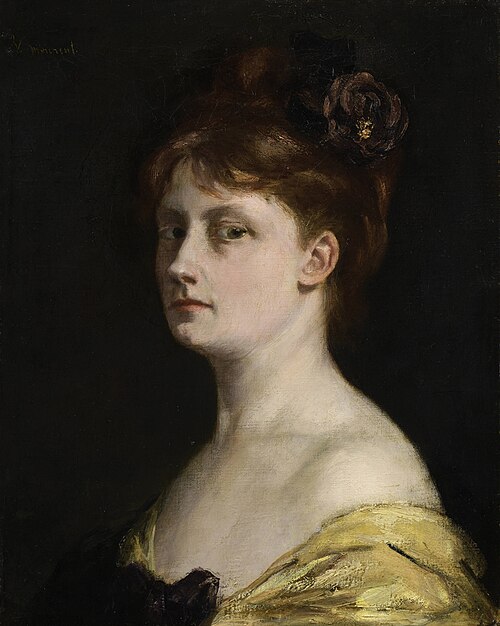
Few women in art history have been remembered as strongly through another artist’s work as Victorine Meurent.
She is perhaps best known as the model who appeared in several paintings by Édouard Manet, including the controversial Olympia and Le Déjeuner sur l’herbe. Her face became closely associated with Manet’s challenge to traditional ideas of beauty, morality, and the female nude.
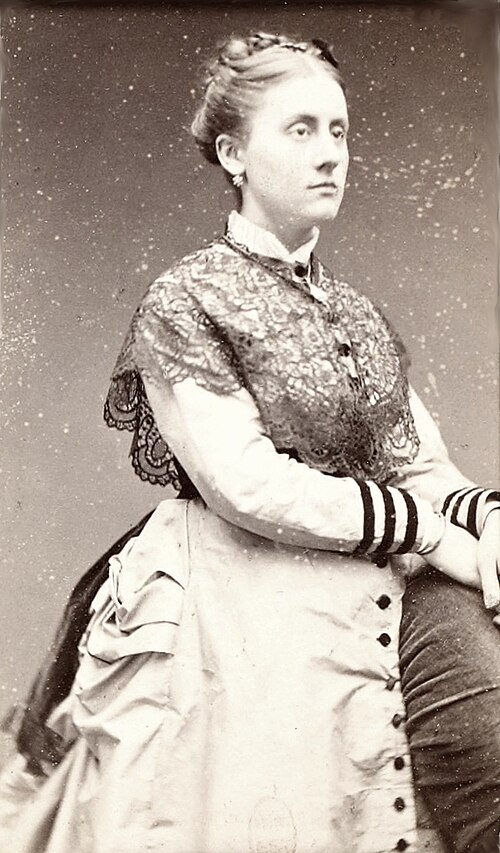
from an album of photographic portraits
by Édouard Manet
But Meurent had ambitions of her own. She was a painter and exhibited her work at the Paris Salon, one of the most important exhibition spaces in nineteenth-century France. Historical records indicate that she continued to pursue painting while also working as a model.
For a long time, however, her identity was overshadowed by her connection to Manet. That is what makes looking back at Meurent’s life so important. The woman who became one of the most recognizable faces of modern French painting was not simply a passive figure who existed for someone else’s art. She was also trying to participate in the same artistic world herself.
Her story asks us to look beyond the famous canvas and wonder what else she was creating.
3. Lee Miller
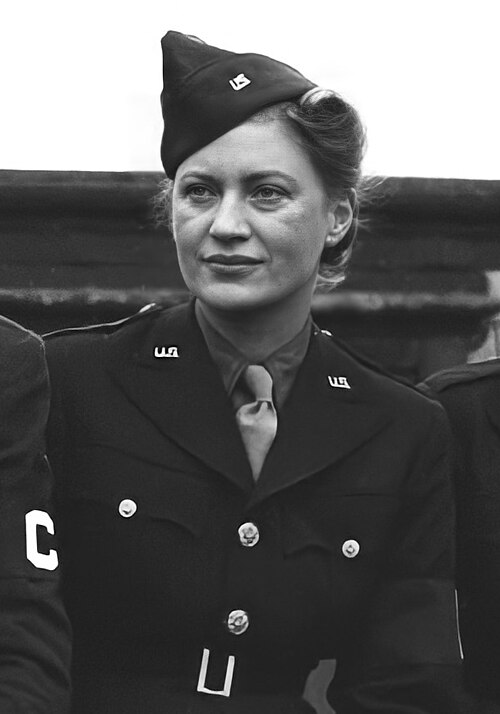
Lee Miller’s life feels almost too extraordinary to fit into a single artistic biography. Born in 1907, Miller began her career as a model in New York. Her striking appearance brought her into the world of fashion photography, and she became a celebrated figure in front of the camera.
But Miller soon wanted to control the image rather than simply be the subject of it. She moved to Paris and became involved with the Surrealist artist Man Ray, working with him as both a model and creative collaborator. During this period, she developed her own photographic practice and became an accomplished photographer.
Her career eventually moved far beyond fashion and the artistic circles of Paris. During the Second World War, Miller worked as a war correspondent and photographer for Vogue. She documented soldiers, civilians, hospitals, liberation, and the aftermath of conflict, producing photographs that are now considered important records of the period.
The transformation is remarkable. The woman once photographed for her beauty became the person carrying a camera into some of the darkest moments of modern history.
Miller’s story is a reminder that being seen does not necessarily mean being understood. She ultimately became the one doing the looking.
4. Dora Maar
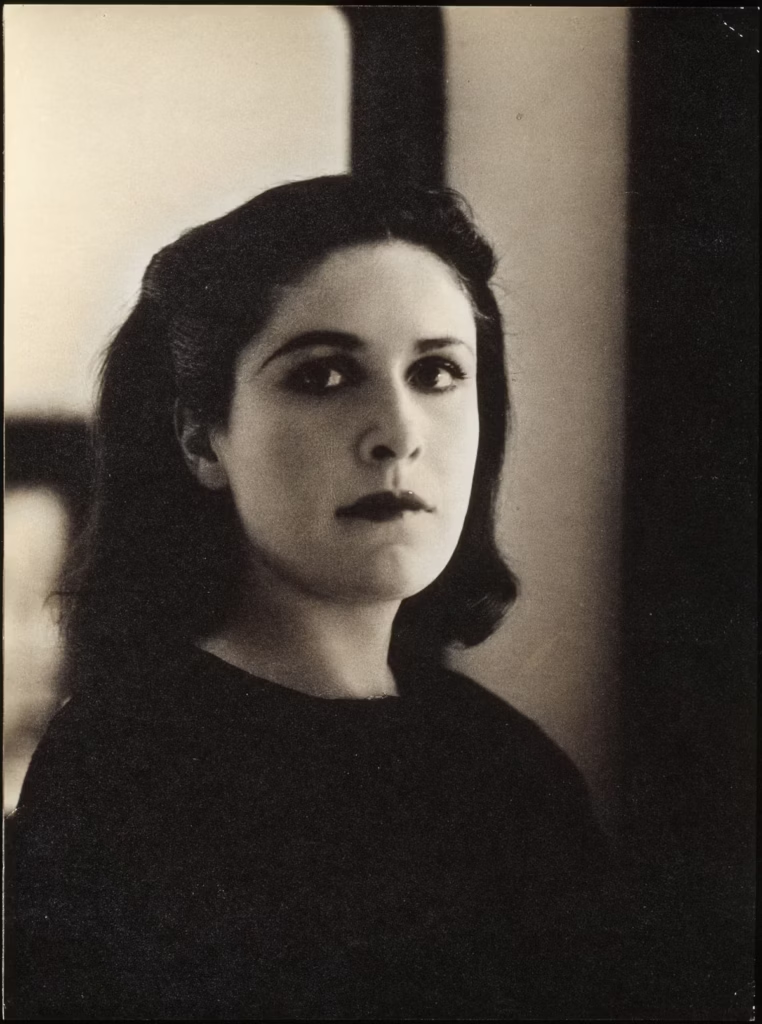
Dora Maar is another woman whose artistic identity was frequently eclipsed by her relationship with Pablo Picasso.
Maar was already an accomplished photographer and artist before she became closely associated with Picasso. Born Henriette Théodora Markovitch in 1907, she developed a career in photography, working across commercial, fashion, and Surrealist photography.
Her photographs could be playful, strange, poetic, and unsettling. She was part of the vibrant Surrealist circles of 1930s Paris and created work that deserved attention independently of any famous relationship.
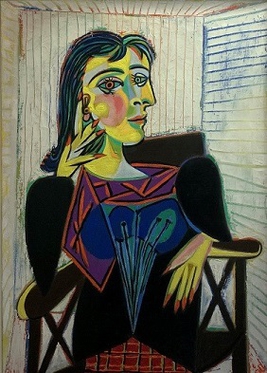
Yet her name is often introduced through Picasso. She was his partner and muse, and she appeared in numerous works during their relationship. Picasso’s portraits of Maar became part of his artistic history, while Maar’s own work was, for many years, discussed less frequently.
That imbalance has increasingly been challenged. Looking at Maar today means looking beyond the image of “Picasso’s muse” and recognizing the artist who was already developing her own creative language. Her photographs, in particular, reveal a woman who was not simply waiting to be represented. She was already representing the world herself.
5. Gala Dalí
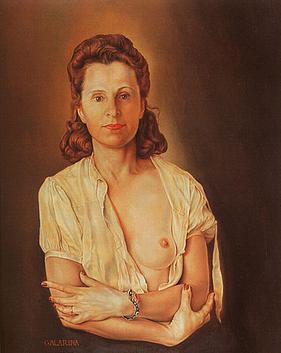
Gala Dalí’s story is perhaps one of the most complicated on this list because her role as muse and her own creative influence are difficult to separate.
Born Elena Ivanovna Diakonova, Gala became closely associated with several major artists, including Paul Éluard and Salvador Dalí. She was famously represented in Dalí’s work and became one of the defining figures of his artistic mythology.
But Gala was more than a face appearing in paintings. She played an important role in Dalí’s professional life, helping manage his career, exhibitions, finances, and public image. She was also deeply involved in the construction of the Dalí persona that would eventually become inseparable from his art.
Gala did not develop an artistic career in the same way as Valadon, Meurent, Miller, or Maar, so her story does not fit neatly into the traditional “muse becomes artist” narrative. Instead, she represents another way women have contributed creatively to art history without always receiving the same recognition as the artists whose careers they helped shape.
Her story reminds us that authorship can take many forms. Sometimes it is a painting or photograph. Sometimes it is the person helping an entire artistic world come into existence.
Beyond the Role of the Muse
There is something deeply moving about revisiting these women’s stories today.
A muse is often imagined as someone who inspires art simply by being seen. But these women remind us that the person being looked at may have a vision of her own.
Suzanne Valadon became the painter. Victorine Meurent pursued the Salon. Lee Miller took the camera into her own hands. Dora Maar built a photographic career of her own. And Gala Dalí showed how creative influence can extend far beyond the canvas.
Their stories are not about rejecting the idea of the muse. Inspiration has always been part of art, and being someone else’s inspiration can be meaningful. Instead, they invite us to ask a more interesting question:
What happens when the muse picks up the brush herself? Sometimes, she creates an entirely new story. And sometimes, art history simply has to learn to see her again.
Editor’s Note
Have a story, feeling, or perspective you’re ready to share through your art? Submit your work to our open call, The Things We Feel Virtual Exhibition and become part of a growing digital space celebrating emotion, expression, and the stories that connect us.
