
8 Journal Prompts to Help Artists Reflect, Reset, and Reconnect
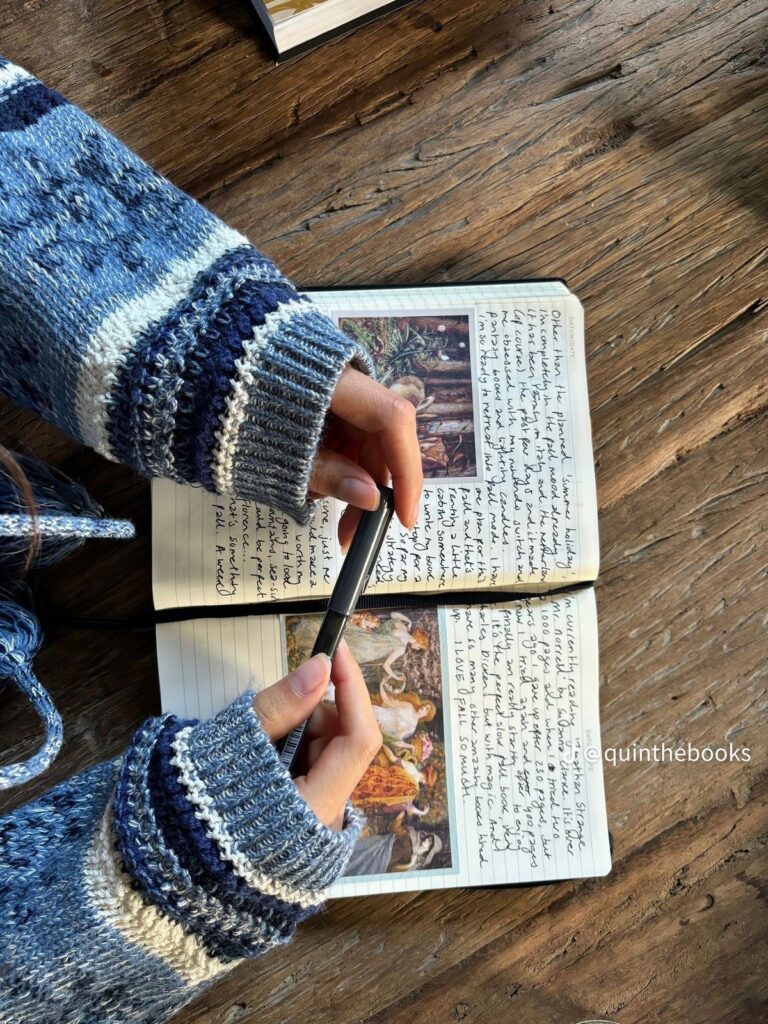
In a world where so much of our time is spent moving from one thing to the next, there is something quietly comforting about putting your thoughts onto paper. Journaling gives you permission to pause. You don’t have to have something profound to say. You don’t have to write beautifully. You don’t even have to know exactly what you’re feeling before you begin. Sometimes, simply giving a thought a place to exist outside your head can make it feel a little easier to understand.
For artists especially, journaling can become another form of creative self-care. It creates a private space to reflect on your experiences, notice your emotions, and reconnect with the things that inspire you. Research on expressive writing has found that putting experiences and emotions into words can support reflection and psychological wellbeing, while art-therapy practitioners have described art journaling as a way of developing deeper self-insight and continuing the reflective process beyond therapy sessions.
And journaling isn’t only something therapists recommend. Actors and other creatives have long used it as part of their own processes. Actor Michael B. Jordan, for example, has spoken about journaling detailed backstories for his characters, using writing to understand their memories, motivations, and choices more deeply.
What the World Says About Journaling
There is no one “right” way to journal. It can be a place for emotional processing, creative exploration, gratitude, planning, or simply recording the small things you don’t want to forget.
Virginia Woolf famously kept diaries alongside her writing practice. She described writing privately as “good practice” because it helped loosen her writing and allowed her to experiment without worrying about an audience. For her, the diary was not necessarily a polished record of a life; it was a place to think, observe, experiment, and find her way toward words.
Writer David Sedaris has kept a diary since he was young, eventually filling hundreds of volumes. He has described keeping a diary as a way to “tame the world around me” and put it into perspective, while also emphasizing that ordinary moments can become meaningful when you take the time to notice them.
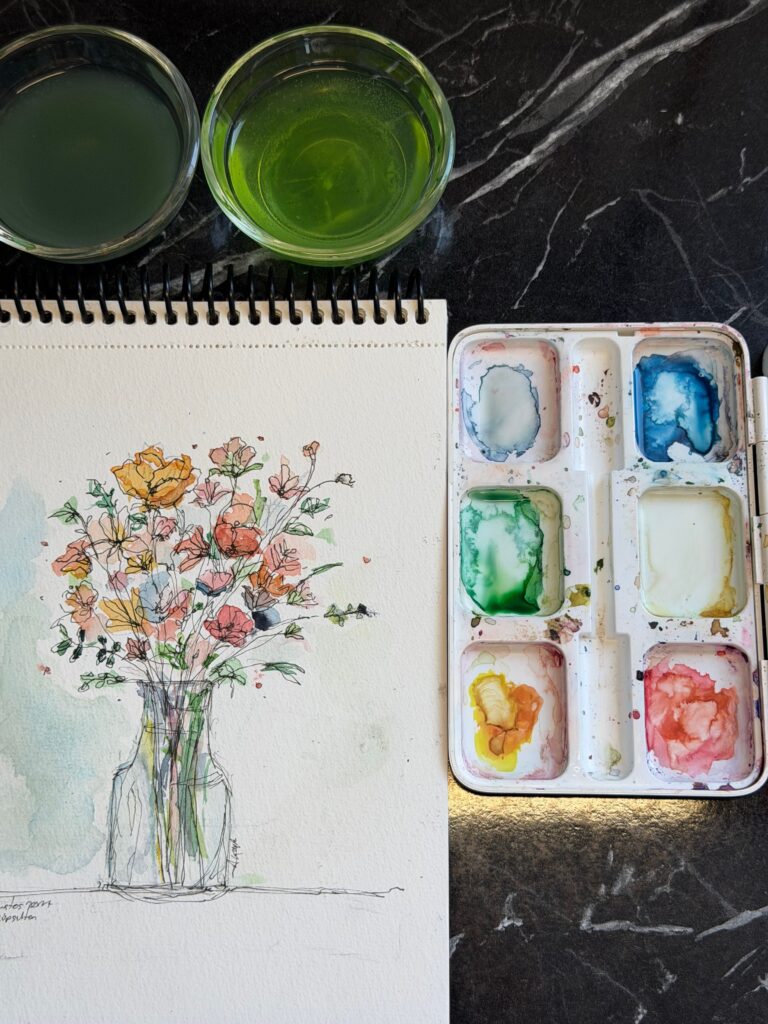
And journaling can become part of an artist’s actual creative process, too. Actor Michael B. Jordan has spoken about keeping detailed journals for his roles, writing backstories for his characters from their earliest memories up to the point where the script begins. He has used the practice to understand what his characters have experienced, what motivates them, and why they make the choices they do.
So perhaps journaling does not need to be another wellness habit you force yourself to perform perfectly. It can simply be a place where you pay attention to your own life.
For artists, that might mean writing down the idea that appeared while you were half-asleep, sketching a face you can’t stop thinking about, describing why a certain colour keeps finding its way into your work, recording a difficult day, or writing about something beautiful that happened for no particular reason.
There is no need to make every entry profound. Doodle in the margins, tape in a photograph, make a messy list, write three sentences, or fill an entire page with thoughts that may never be shown to anyone. The value is not in how the page looks when you are finished. It is in having given your thoughts somewhere to land.
The important part is that the page belongs to you.
If you’ve been facing a creative block, going through burnout or simply looking for a new perspective, read our article featuring 4 short films that might make you see things differently.
8 Journal Prompts to Carry You Into a New Month
If you’ve been wanting to start journaling, or already have a journal but aren’t sure what to write, here is a gentle place to begin.
You don’t have to answer all eight at once. Try two prompts a week, giving yourself a little time to sit with each one. That gives you a month of reflection prompts to carry you through the final weeks of August and into September.
1. Look Back
What has this season of my life taught me about myself?
Think beyond major accomplishments. What have you learned about your boundaries, your creative process, your relationships, your needs, or the way you handle difficult days?
2. Notice Yourself
When have I felt most like myself lately? What was I doing, and who was I with?
Maybe it was while making something, taking a walk, talking to someone you love, being completely alone, or simply having a quiet morning. Notice what those moments have in common.
3. Appreciate the Small Things
What are five things in my life right now that I don’t want to take for granted?
They don’t have to be big. A favourite song, sunlight coming through your window, a kind message, your art supplies, a meal you loved, or a person who makes an ordinary day feel lighter all count.
4. Thank Your Creative Self
What is something my creativity has given me that I am grateful for?
Maybe art has helped you express something you couldn’t say aloud. Maybe it has introduced you to people, given you confidence, helped you through a difficult period, or simply given you somewhere to go when you needed to escape.
5. Make Some Space
What has been taking too much of my energy lately, and what might I be ready to let go of?
This doesn’t have to mean cutting something or someone out of your life. Perhaps you need to let go of an unrealistic expectation, comparison, perfectionism, guilt, or the belief that you always need to be productive.
6. Find What Fills You Back Up
What makes me feel creatively and emotionally restored?
Make a list without judging how practical it is. Painting for an hour, reading, being around other artists, sitting somewhere quiet, cooking, sewing, going outside, listening to music — whatever genuinely brings you back to yourself.
7. Meet Your Future Self
What kind of person and artist do I want to become over the next year?
Don’t focus only on achievements. Think about qualities. Do you want to become more courageous, curious, patient, consistent, experimental, confident, or protective of your creative time?
8. Begin Again
If I stopped worrying about how my life “should” look, what would I want to make space for next?
Let yourself answer honestly. This can be a new creative project, a different routine, more rest, a relationship, a place you want to visit, or simply more time to make things for no reason other than you love making them.
Also, Explore our feature on 5 AI Tools That Might Help Your Creative Process. Your creativity is yours alone, but these free tools can help you channel that energy in a more organized and productive way.
Give Yourself a Place to Begin
Journaling doesn’t have to become another task you have to be perfect at.
You don’t need to write every morning. You don’t need a perfectly decorated journal. You don’t even need to know what you’re going to say before you open the page. You can start with ten quiet minutes and one honest sentence.
Over time, those small moments can become a record of where you’ve been, what you’ve felt, what you’ve learned, and what you’re slowly becoming.
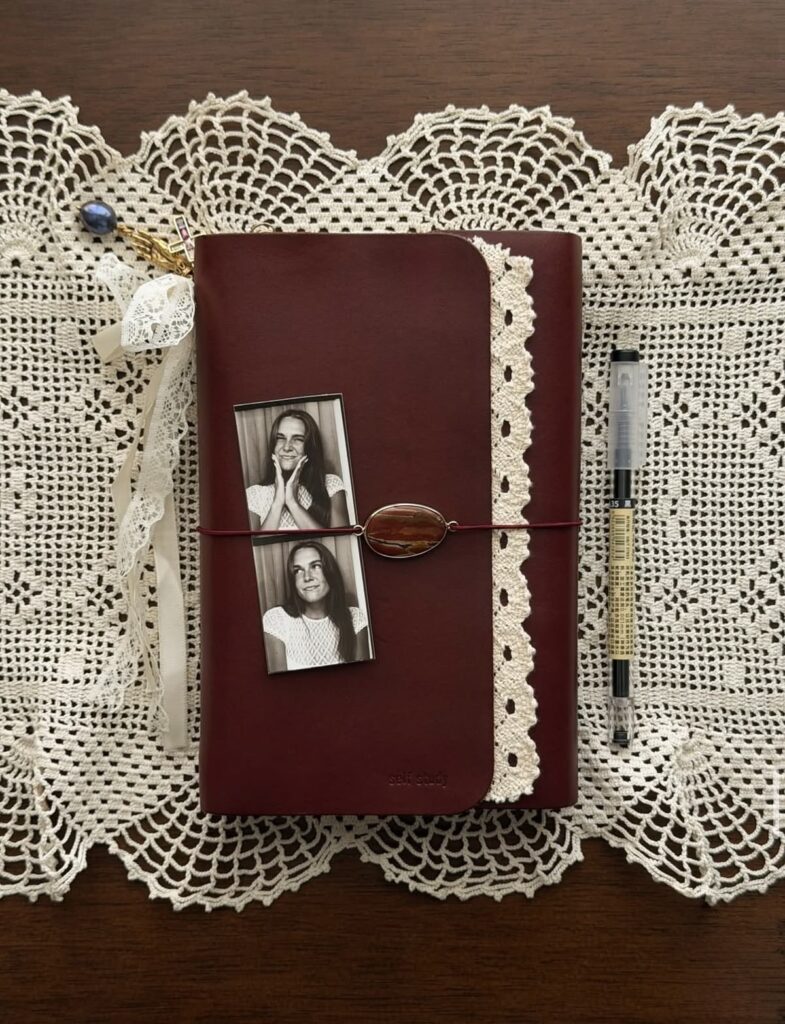
And if having a beautiful journal makes you want to reach for it, let that be part of the ritual too. You can find thoughtfully designed journals at places like Rifle Paper Co., whose journals include hand-painted, embroidered, and fabric-covered designs; Archer & Olive, which creates notebooks and journals with a strong focus on creativity and self-expression; Arts to Hearts, which offers different creativity journals and productivity planners, and Papier, which offers everything from plain and dotted notebooks to dedicated wellness and gratitude journals.
Choose one that feels like you. Then leave a little space on the first page. You never know what you might discover there.

13 Art Side Quests You Can Complete on a Weekend
August 23, 2026 at 7:50 am[…] If you are into journaling or want to give it a try, read our article on 8 Journal Prompts to Help Artists Reflect, Reset and Reconnect. […]