
This artist uses historic photography to create contemporary botanical art ┃ Holly Hutton
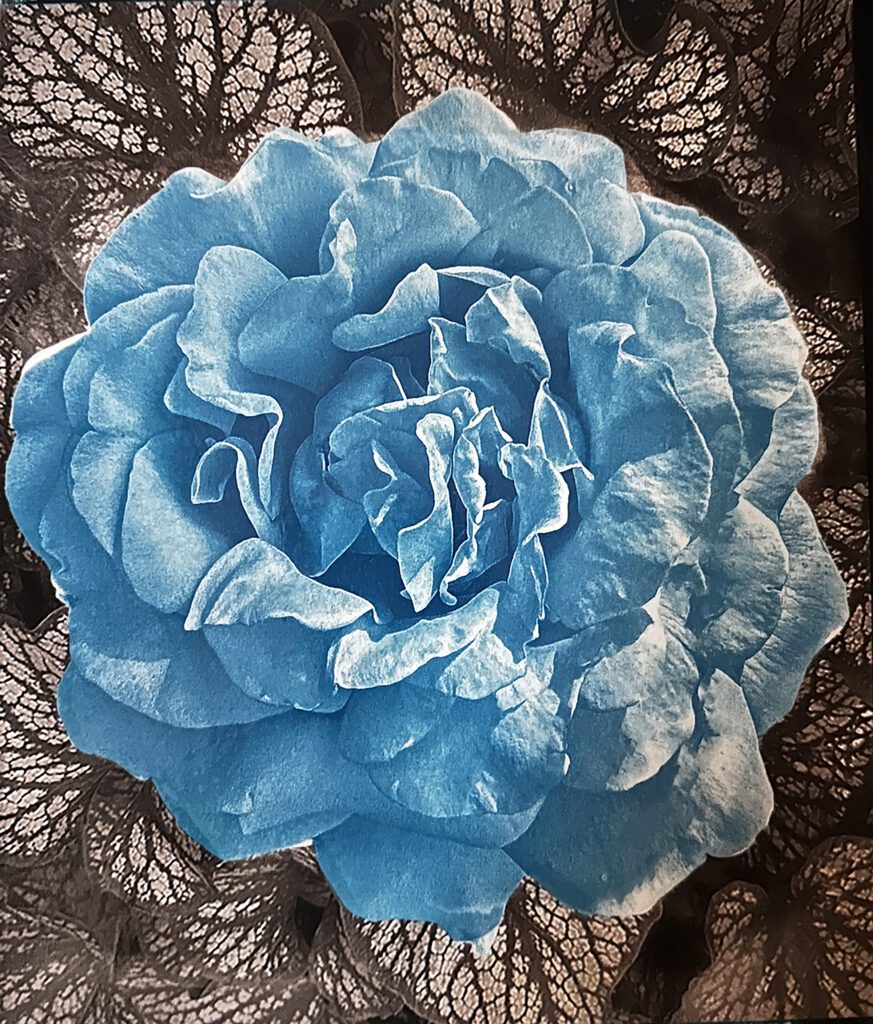
At Women in Arts Network, Flora and Fauna reminded us that nature can be explored through far more than paint and pencil. Holly Hutton is one of the selected artists whose botanical works emerge through historic photographic processes, where chemistry, light, fabric, and time become as important as the flowers themselves.
For Holly, photography has never been about capturing a single moment. It is about creating an image through process one that slowly unfolds through experimentation, material, and transformation.
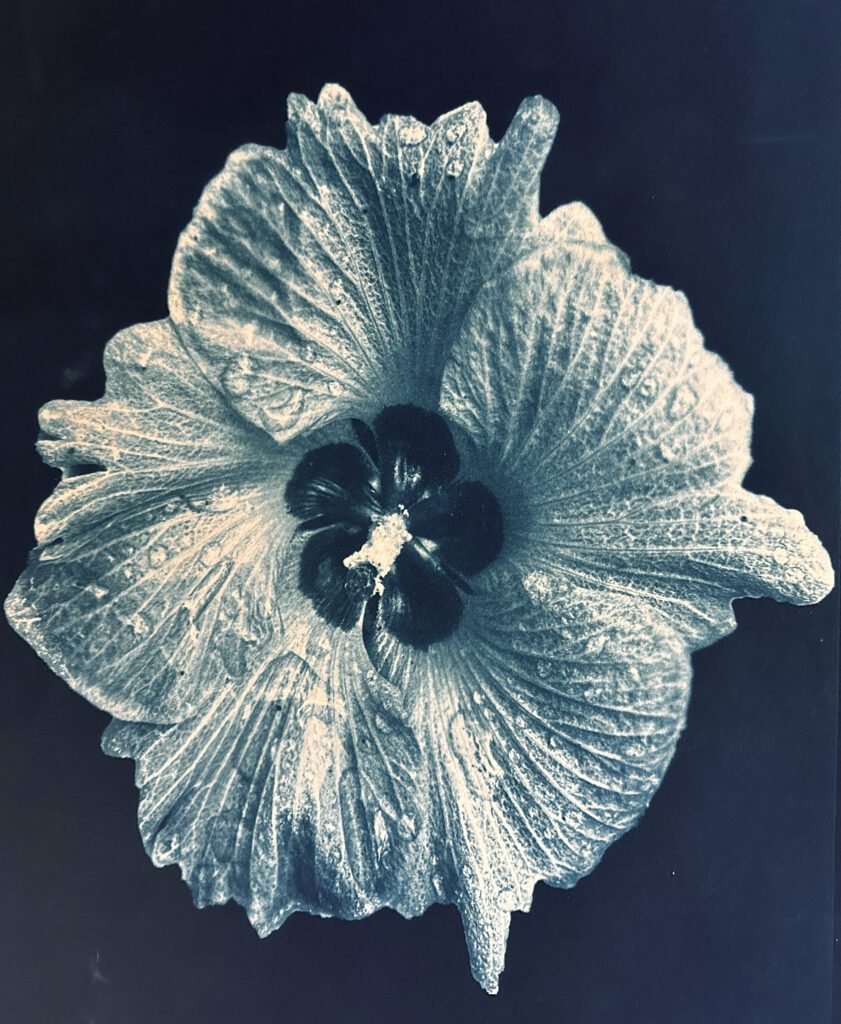
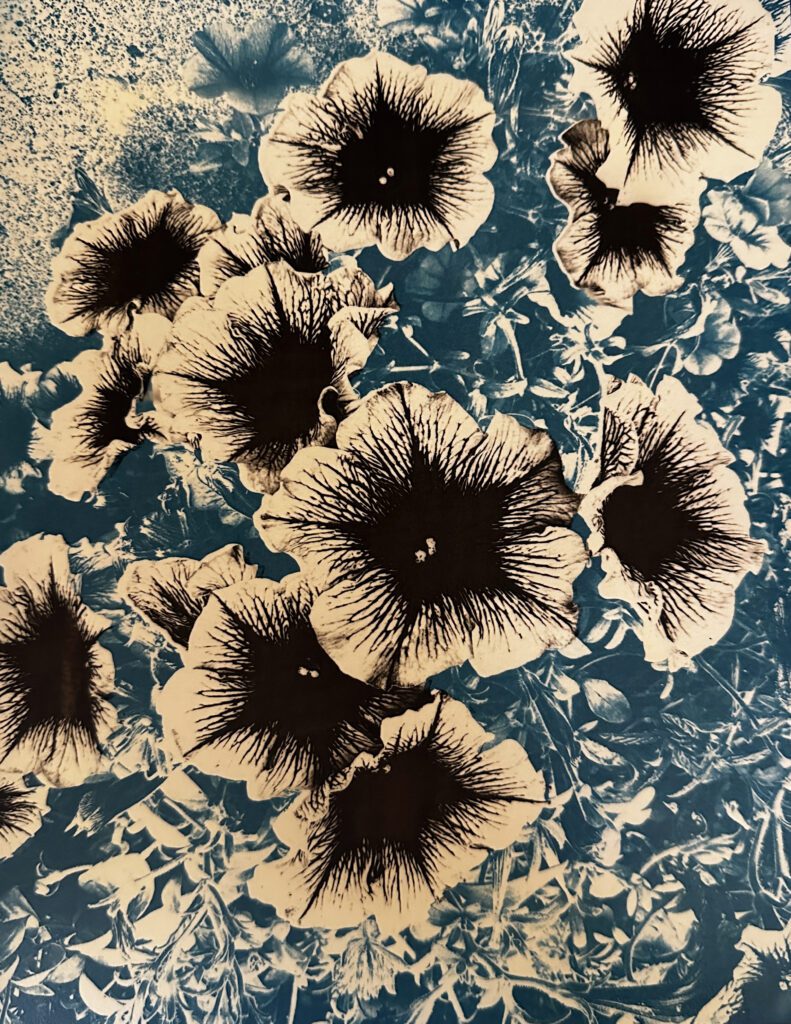
Working with historic techniques such as cyanotype and platinum-palladium printing, she creates handcrafted botanical works that carry a richness and depth impossible to achieve through instant image-making alone.
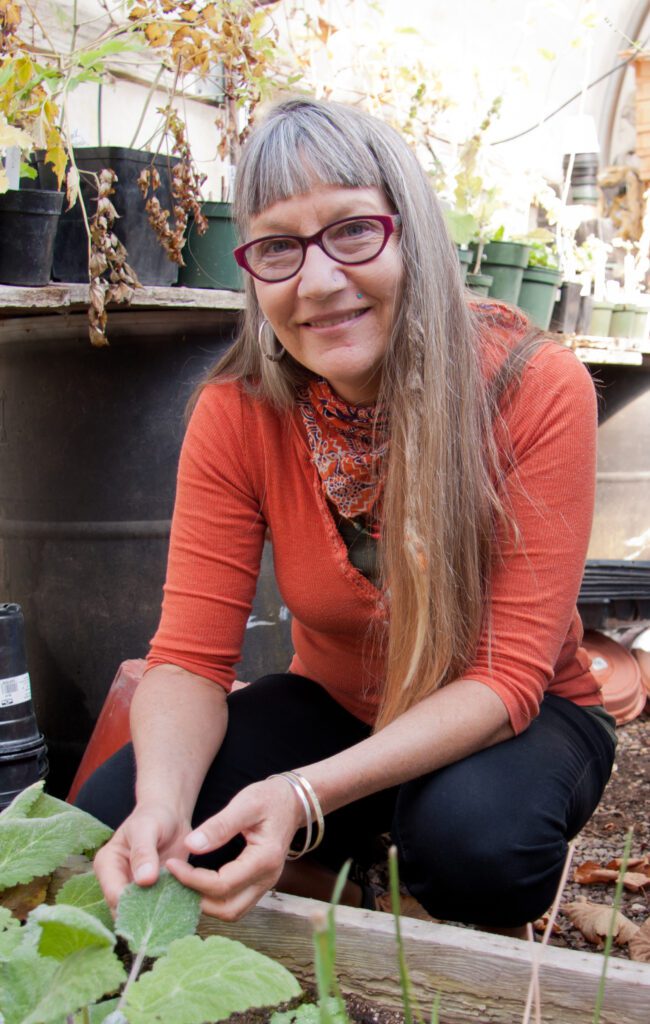
Her path to alternative photography began unexpectedly while studying fiber arts in graduate school. Discovering cyanotype opened an entirely new way of thinking about image-making, allowing photography, textiles, and handcrafted processes to come together within a single artistic practice. Decades later, those disciplines continue to shape one another, giving her work a tactile quality that feels both contemporary and timeless.
Nature provides the foundation for that exploration. Flowers and botanical forms become more than beautiful subjects.
Holly is equally interested in their textures, shadows, fragility, cycles of growth, and inevitable transformation. Rather than presenting nature as something static, her photographs embrace change, unpredictability, and the quiet beauty found within impermanence.
That philosophy extends to the way she works. Every print is the result of careful preparation balanced with a willingness to let the materials respond in unexpected ways. Chemistry, paper, fabric, and light all become collaborators in the final image, creating works that celebrate both artistic intention and the surprises that emerge through the process itself.
Now let’s get to know Holly through our conversation about alternative photography, botanical art, handcrafted processes, materiality, and why slowing down can completely transform the way we experience nature.
Q1. Can you share a little about yourself and what first drew you toward photography and alternative photographic processes?
My path into photography, and especially alternative photographic processes, began somewhat unexpectedly while I was in art school in the mid-1980s. At the time, I was in a master’s program focused on fiber arts. I came across one of the very few books available on cyanotype on fabric, and it completely opened my mind. That discovery felt transformative.
Cyanotype offered a way to bring image-making into conversation with cloth, process, and surface in a way that felt entirely aligned with my work in fiber. It was also at a time of social change, and I became captivated by the possibilities that fiber and pictorial images could convey. What drew me in then and still draws me is the way these processes combine experimentation, with content. They allow the work to emerge through rather than through instant capture alone.
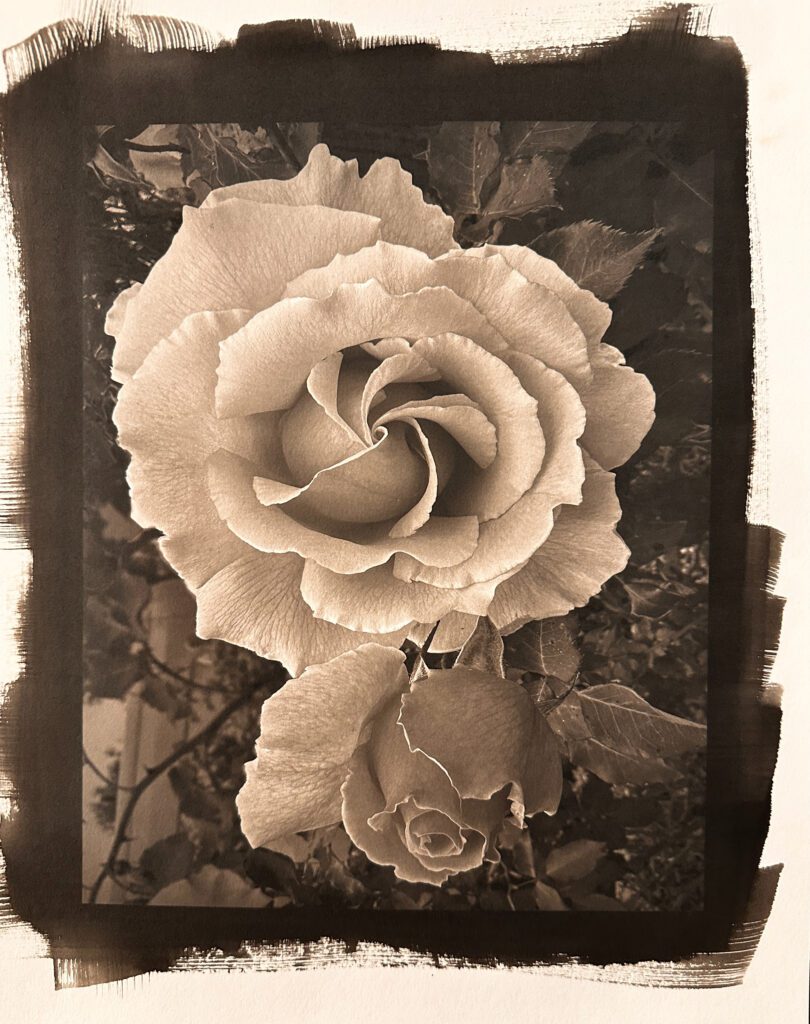
Q2. You work with historic photographic processes like cyanotypes and platinum-palladium printing, what do they let you express that digital photography can’t?
I have reflected on this question at length, particularly on the reasons these historic processes continue to hold such a strong appeal for me. What draws me to cyanotype and platinum-palladium printing is not only their richness but also their uniqueness. These methods offer a depth of tone, light variation, and richness that traditional photography cannot.
Their often unpredictable qualities allow the work to move beyond mere image-making and become something more. The very nature of the processes matched to a particular subject is what makes it exciting. Through these techniques, I can express a sense of intimacy with my subject that feels essential to my practice.
Q3. You have a background in both fiber arts and alternative photography. How have those two disciplines influenced the artist you’ve become today?
Both fiber arts and alternative photography have profoundly shaped the artist I have become. My background in fiber arts instilled in me a sensitivity to texture, structure, and the physical nature of materials, while alternative photography deepened my engagement with process, chemistry, and the expressive possibilities of photography.
I continue to explore traditional chemical methods, drawn to their tactile and transformative qualities. At the same time, my experience in fiber arts encourages me to think beyond the flat surface, opening possibilities for three-dimensional presentation and a more spatial relationship to the work. Together, these disciplines help me continue to dream and scheme about how to push my art off the walls.
Q4. The physicality of your work feels very important from paper to fabric to hand-crafted prints. What role does material play in the meaning of a piece?
In my current phase of focusing on botanical subjects and exploring the wide-ranging possibilities of alternative photography, I have become increasingly attentive to how paper, fabric, and handcrafted processes contribute to a piece’s character. Each material brings its own texture, weight, and presence, shaping not only how the work is seen but also how it is felt and understood. For me, these material choices deepen the connection between subject, process, and object.
Q5. Many of your prints have a timeless quality that feels very different from contemporary image culture. Is that something you consciously pursue?
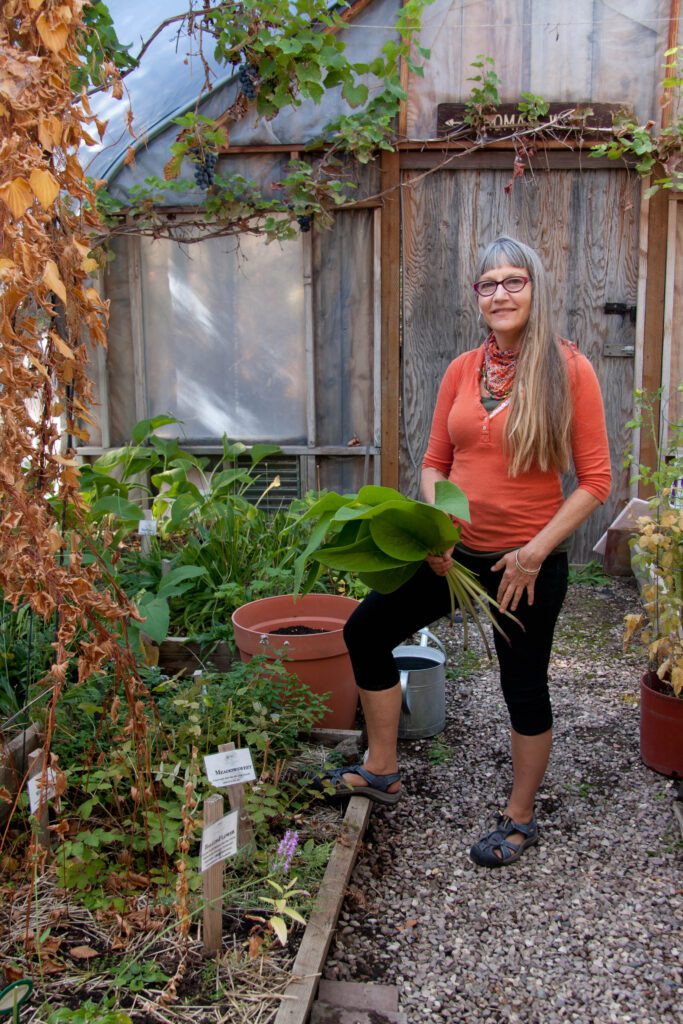
Yes, though not solely out of nostalgia. Before this phase of my practice, I worked with mixed media and focused on political and cultural issues. Returning to photography, particularly through botanical imagery, became a way to step back from the immediate tensions of contemporary social life while also allowing me to draw more deeply from my work as a clinical herbalist.
Flowers possess a quiet timelessness; they have long served as subjects through which artists reflect on beauty, transience, and renewal. In that sense, these pieces are both a celebration of the natural world and an effort to create images that feel enduring, contemplative, and removed from the speed of contemporary image culture. Ultimately, these pieces are a celebration of nature and an acknowledgment of the beauty it creates.
Q6. Alternative photography embraces unpredictability how much of your process is planned, and how much comes from letting the materials surprise you?
There is indeed a significant degree of unpredictability in these processes, and that is very much part of what draws me to them. While I tend to think carefully about design, composition, and presentation, I have learned that the final result often departs from what I initially envisioned. Rather than resisting that shift, I have come to value it.
The chemistry and various inputs are an element of surprise, which adds vitality to the work. It is precisely this balance between intention and surrender, or my need for control and unexpected transformation, that makes alternative photography so compelling to me.
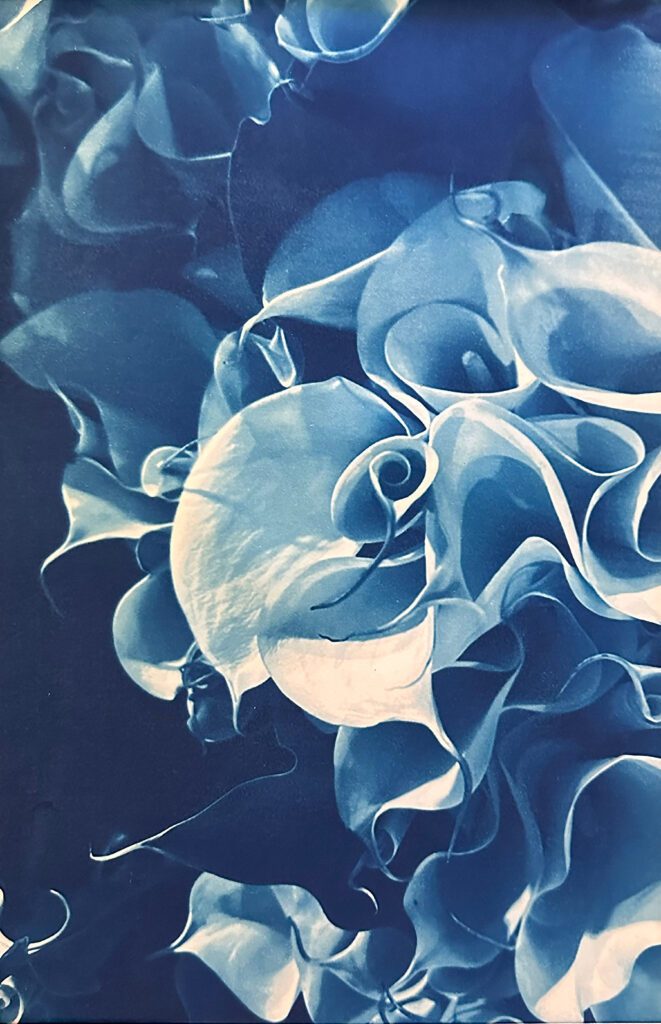
Q7. Your work explores beauty alongside decay and transformation what draws you to those quieter sides of nature?
What interests me most about those less obvious aspects of the natural world is that they reveal nature as a place of continual change rather than static beauty. Fragility and impermanence are the essence of life. Decay, shadow, and transformation are the cycles of growth and death that I find deeply compelling.
These qualities allow me to look beyond surface beauty and engage with something more complex. Botanical subjects hold a quiet intensity for me, and they open a space for reflection on transcendence and renewal within the natural world.
Q8. In a world where millions of photographs are taken every day, what do you think makes a photograph meaningful today?
It is a complex question, particularly because I think of myself first as an artist and only then as a photographer. For me, photography is not an end in itself, but a means of expression—a way to capture a moment in time and transform it through process.
What makes a photograph meaningful today is not simply that it records an image, but that it carries presence, intention, and a distinct point of view. In my own work, meaning emerges through the ways light, shadow, and color are revealed and elevated by the processes I use. A meaningful photograph, for me, invites sustained attention and offers something beyond the immediate image.
Q9. Do you think the growing interest in handmade processes reflects a desire for deeper connection in an increasingly digital world?
Yes, I do believe it reflects a desire for deeper connection, though I think it also speaks to a broader longing for expanded creative possibilities. These historical processes allow photography to move beyond some of its more conventional boundaries, opening up space for experimentation, material presence, and a more intimate engagement with the act of art-making.
At the same time, I think there is a certain nostalgia involved in looking back to earlier methods to form contemporary connections to the process. In that sense, the renewed interest in alternative photography is not only a response to the digital world but also a possible shift toward a greater sense of personal involvement in creating an image.
Q10. Has your definition of success changed over the years as your practice has evolved?
Yes, my definition of success has changed over time, in part because the art world itself has changed so dramatically. Success has always been an elusive concept, but today it feels even more complex as traditional paths for exhibiting work continue to shift.
The number of physical galleries has declined, limiting certain opportunities, while online exhibitions and digital platforms have opened new ways to share work with audiences worldwide. As my practice evolves, I have come to think of success less as fitting into a single established model and more as finding meaningful ways for the work to be seen, to connect, and to remain true to my intentions as an artist.
Q11. What advice would you give artists drawn to slower, process-driven work in a world that rewards speed?
I think it is important to remember that speed and immediacy are cultural pressures, not artistic requirements. If you are drawn to work that unfolds gradually, it may be because it allows you to think, see, and respond more fully. In my experience, process-driven work can hold a depth and integrity that comes precisely from the time it requires.
I recommend honoring the pace your work demands. Let slowness become part of the meaning rather than something you feel obliged to apologize for. There is value in making work that demands perfection, and often that very act is what gives it presence and lasting resonance.
As our conversation with Holly came to a close, we kept thinking about pace. Not just the pace of making art, but the pace at which we experience the world.
Today, we’re surrounded by images. Thousands pass before our eyes every day, asking for only a second of our attention before another takes their place. In that environment, it can be easy to forget that photography wasn’t always about speed. It was once a process of waiting, experimenting, and allowing an image to emerge gradually.
Holly’s practice reminds us of that history. Rather than chasing immediacy, she has chosen to work with processes that demand patience. Every print asks her to slow down, respond to the materials in front of her, and accept that not everything can be controlled. In doing so, the process becomes just as meaningful as the finished artwork.
Creative culture often rewards productivity more work, faster timelines, constant visibility. Holly’s work offers a quiet alternative. It suggests that taking longer doesn’t mean falling behind. Sometimes the extra time isn’t slowing the work down at all. It’s where the work actually becomes itself.
Her practice also reminds us that innovation doesn’t always come from inventing something new. Sometimes it comes from returning to older ways of making and discovering how they can speak to the present. Historic photographic processes, handcrafted materials, and botanical subjects become unexpectedly contemporary because they ask us to experience them differently.
For collectors, that physical presence is impossible to ignore. These aren’t simply photographs to glance at before moving on. Every print carries the marks of chemistry, paper, fabric, and the artist’s hand, giving each work a depth that continues revealing itself over time. They ask for the same kind of patience that went into creating them.
Perhaps that is what makes Holly’s work feel so relevant today. In a culture that moves faster every year, she reminds us that some experiences become more meaningful precisely because they cannot be rushed.
To follow Holly’s journey and see more of her work, find her through the links below.
