
How Izabela Maliszewska brings nature art from paper to video games
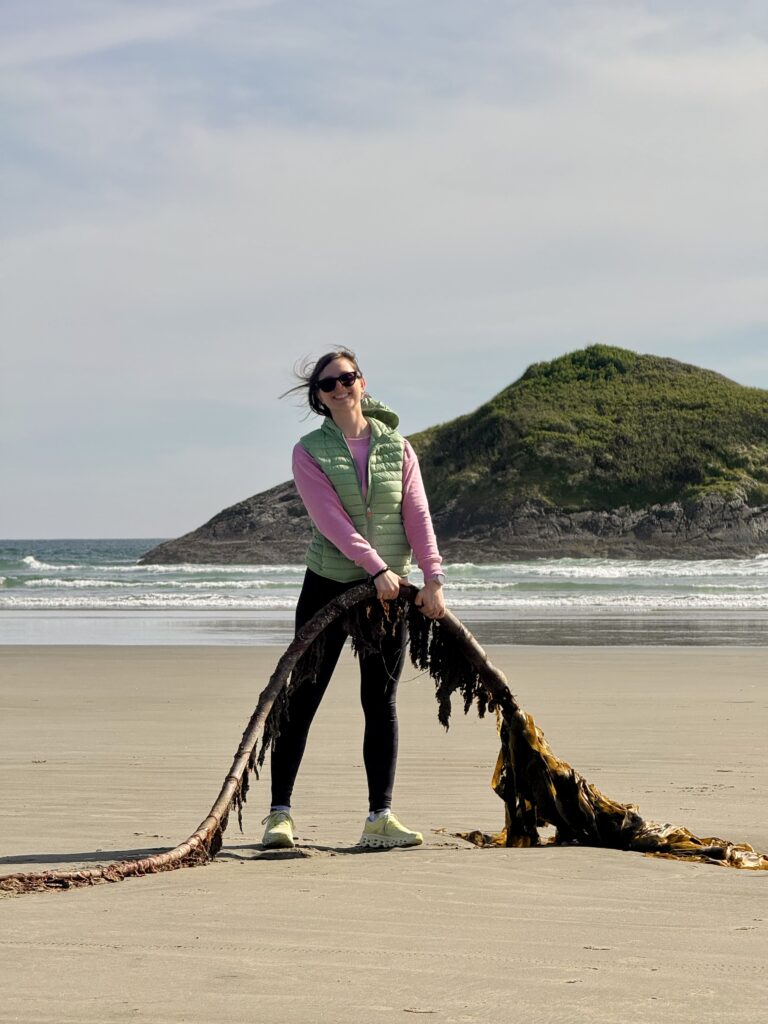
At Women in Arts Network, Flora and Fauna brought us an extraordinary range of submissions. Artists explored the natural world through wildlife, landscapes, botanical illustration, conservation, memory, and imagination, each offering a unique perspective on our relationship with nature.
Among them was Izabela Maliszewska-Skiejka. Her practice immediately caught our attention because it bridges two creative worlds that rarely intersect. Alongside her work as a botanical artist, Izabela also creates natural environments for video games, moving effortlessly between scientific observation, traditional illustration, and digital world-building.
Rather than treating these disciplines as separate, she allows each to inform the other, creating work that is both meticulously observed and richly imaginative.
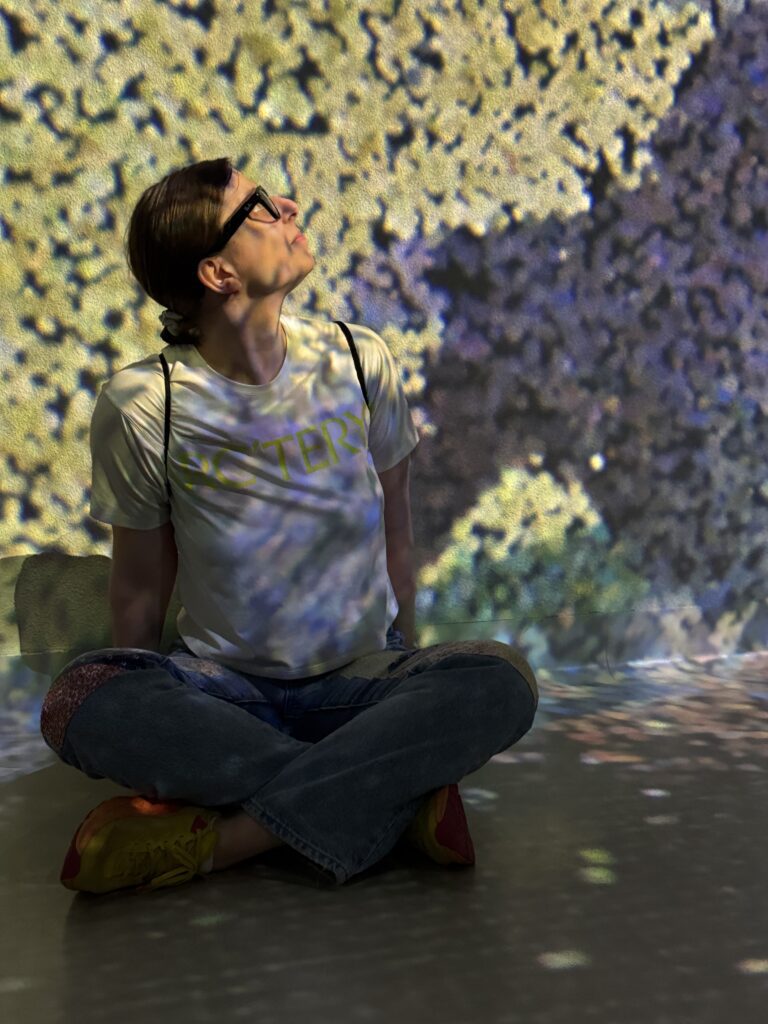
Growing up with a fascination for both flora and fauna, Izabela has always been driven by a desire to understand how nature is built. That curiosity eventually led her into organic 3D modelling for the gaming industry, while a search for botanical references introduced her to the world of botanical illustration. Today, those two practices exist side by side, each continually strengthening the other.
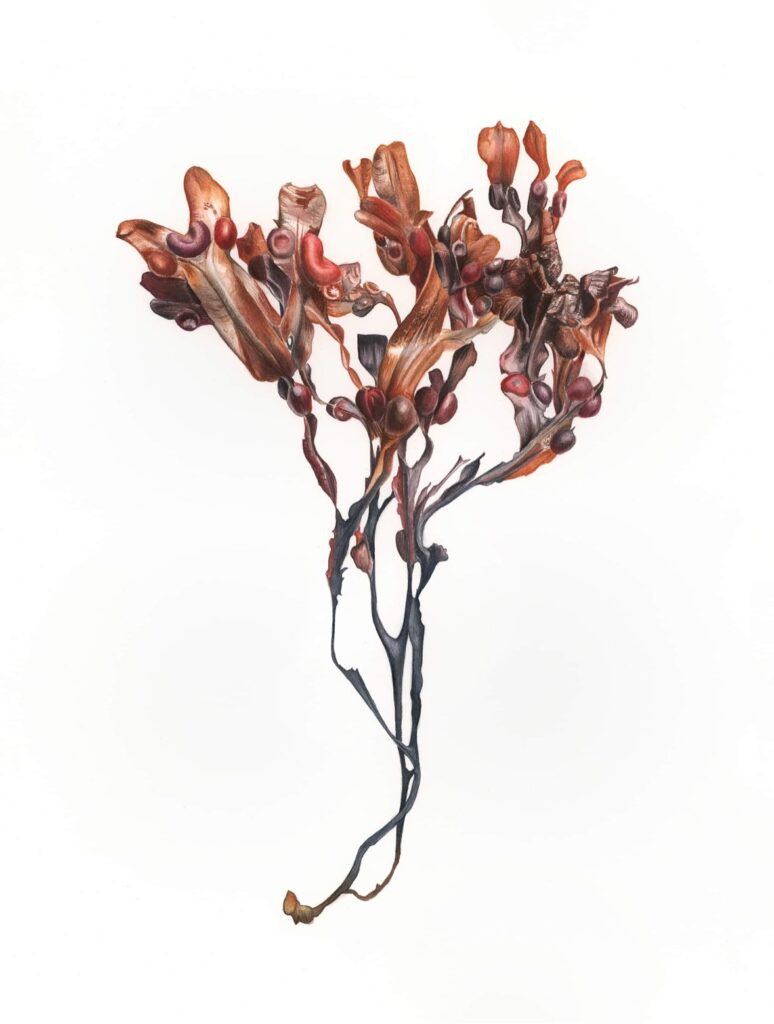
Much of her recent work focuses on marine life, particularly seaweed, whose intricate structures, shifting colours, and almost otherworldly forms continue to inspire her. Through delicate watercolours, mixed media, and digital environments, she celebrates the details many of us rarely stop to notice, revealing a side of nature that feels both scientifically precise and quietly magical.
Now let’s get to know Izabela through our conversation about botanical art, digital world-building, marine life, observation, and why curiosity remains one of the most powerful tools an artist can have.
Q1. Izabela, can you share a bit about your journey and how you found your way into both botanical illustration and game environment art?
I’ve always been interested in recreating reality in my art practice. Ever since I was a little girl, I’ve been fascinated by both flora and fauna, and I tried to translate the beauty I found in the natural world to paper. Later on that quite naturally transferred to digital work, which allowed me to specialise in organic 3D modelling and enter the world of game development.
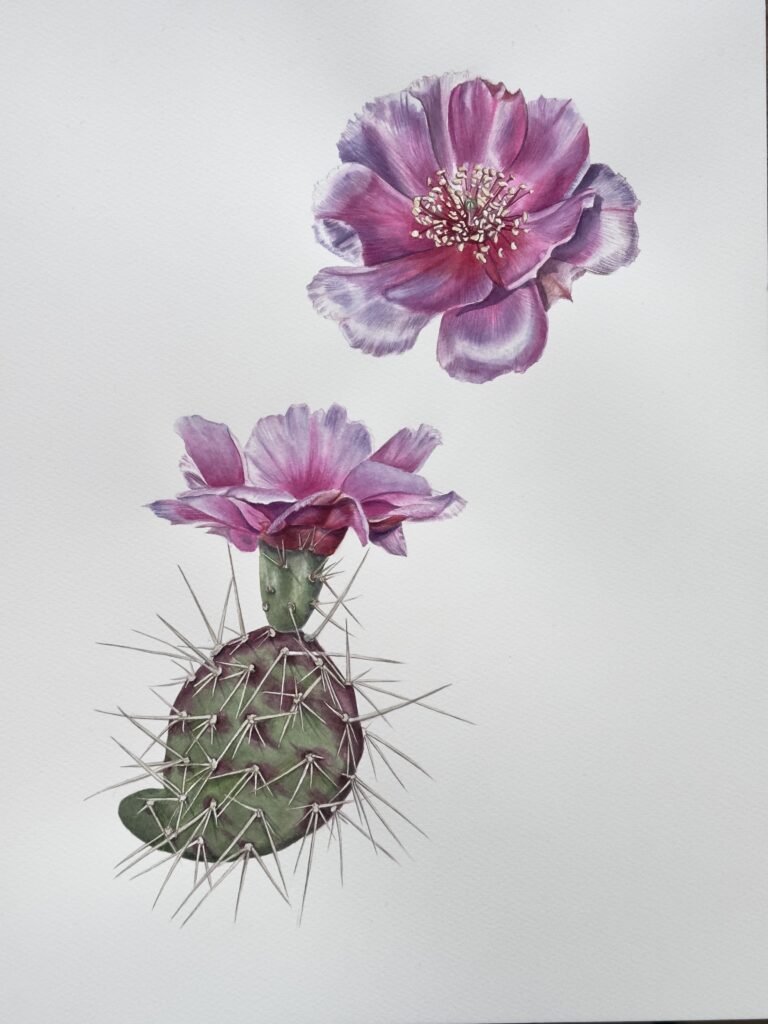
I discovered botanical illustration while looking for plant references for my work in games, and as I pursued that interest I became more and more drawn to that particular blend of science and art. In 2023 I have joined the Society of Botanical Artists and since then I’ve been focusing on botanical art in my personal art practice.
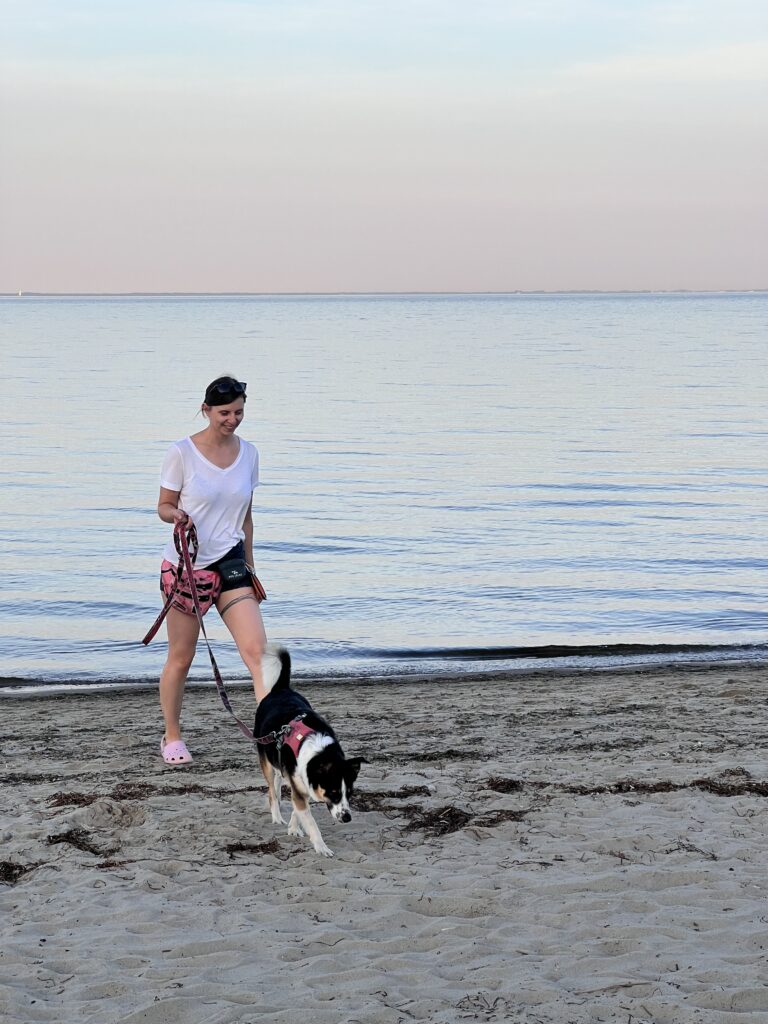
Q2. Your practice bridges botanical illustration and game environment design how do those two worlds influence each other?
It’s very interesting to navigate between 3D art and more traditional art forms. Even though they both require completely different technical skills, the observation and analysis of the natural world are at the core of both practices. The botanical studies help me see the structures of vegetation I aim to recreate realistically in 3D, and creation of visually pleasing digital worlds trains me to improve the composition and general feel of botanical illustrations.
Q3. Seaweed appears repeatedly throughout your recent work. What fascinates you about those organic forms and textures visually?
Truthfully, I can’t put my finger on why seaweed fascinates me so much. I think it’s not just seaweed, it’s marine life in all its various forms, and it’s probably because it’s so alien to what we know from the surface. The structures of seaweed, the way the light plays on the wet leaves, it’s all magical. Capturing that lets me show a glimpse of that fascinating underwater world.
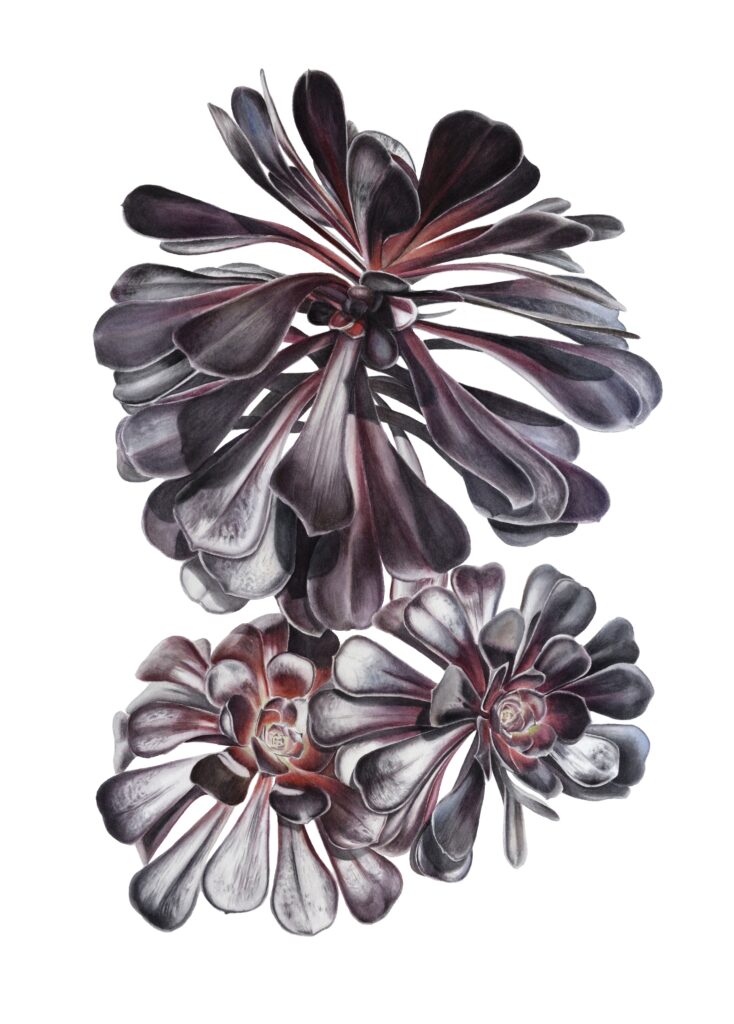
Q4. Nature is full of small, easily overlooked details, what do you think we miss when we stop observing closely?
I think that observing the little things can be very meditative. Developing a certain curiosity about our surroundings and other life forms can be a very joyful process. It’s a reminder that there’s a lot of beauty in this world, and that it is a privilege to witness it.
Q5. You work across traditional drawing, mixed media, and digital biome creation. Does each medium allow you to express something different creatively?
Definitely, each medium has its own strengths and limitations. They also speak to different audiences and serve a different purpose. The digital biome work I do for video games has to complement the game as a whole. Depending on the project, it can be a large part of the environment and it influences the player experience.
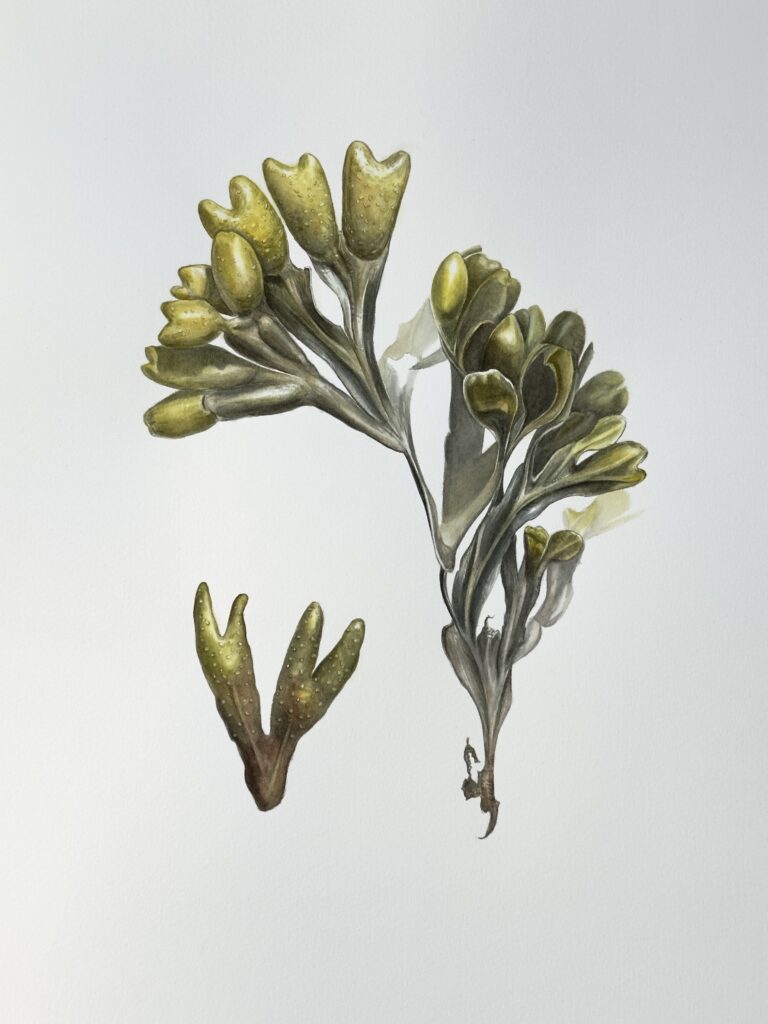
I do take botanical accuracy into account when creating digital assets, but there’s usually some creative license involved, depending on what’s needed from the game perspective. When it comes to traditional art, classical botanical illustration is all about depicting the subject accurately. Watercolour is the main medium I work in, and it requires a lot of practice to master.
Watercolour illustrations give me space to slow down and truly focus on the details. However, I find it important to keep discovering new techniques and to keep the process fun, and that’s where the mixed media and sketching comes into play.
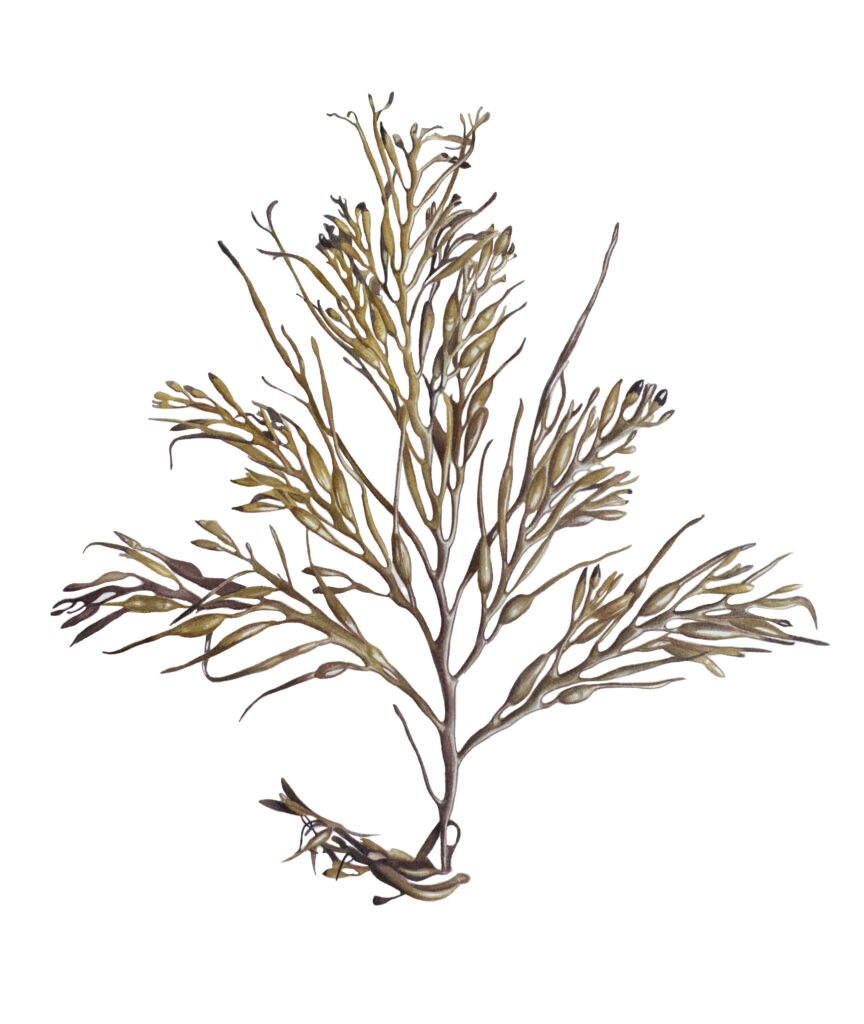
Q6. Color in nature can be very subtle and constantly shifting. How do you approach color when translating organic subjects into artwork?
Color has always been an instinctive thing for me. I try to depict it as close to reality as possible, especially when dealing with botanical subjects, because a slight change in color might make a difference between two separate species of a plant. I always keep a swatch of my paints nearby, so I’m sure of the shades I’m using. I also find it a good practice to check my color mixes on a piece of paper before putting brush on actual artwork.
Q7. As someone who creates both real and virtual natural worlds, how do you see the relationship between digital experiences and nature?
I think the virtual environments can make the natural world more accessible to people or play an important educational role, but there’s no real danger of them replacing the real experiences of it in my opinion. The visual aspect of nature is only a part of it, to truly experience the natural world it is crucial to be immersed in it with all our senses.
Q8. Many artists feel pressure to constantly create and stay visible online how do you protect time for curiosity and observation?
To be honest I struggle with this kind of pressure as well, I think it’s quite natural in the world where we’re constantly bombarded by notifications and messages from other people. I haven’t found the perfect solution yet, but one thing I’ve been practicing is sketching en plein air and doing studies from life subjects in my studio space. It’s a wonderful way to slow down and let go of trying to achieve perfection while still keeping up the art practice.
Q9. Looking back, what has been the biggest challenge in balancing commercial illustration with your personal practice?
The biggest challenge for me is managing my time between the commercial creative work and personal practice. Oftentimes I don’t feel like sitting down to paint after a long day in front of a computer monitor. I’ve found that scheduling my personal practice time the same way I would schedule a commercial assignment is helpful, but it’s also important to find the right balance in order to avoid burnout. Sometimes taking a walk and appreciating nature is more beneficial to me than finishing a personal project quickly.
Q10. Has your definition of success changed over time as your career evolved across both gaming and fine art?
Absolutely, as I’m moving forward in both my career and my art practice, my definition of success has been evolving as well. It’s a lifelong journey, and I find it really rewarding and encouraging to have been able to achieve some of my goals already, and to have the opportunity to set some new ones for the future.
Q11. What advice would you give to artists who feel creatively pulled between traditional art and digital creation, but struggle to choose between them?
I would say to them that they don’t have to choose at all. I know that it’s difficult to find time to pursue both, but having traditional art background is a huge advantage when doing digital or 3D art, and experience in creating virtual worlds can enrich traditional art practice as well. Having multiple interests can be a superpower and it can become what makes you unique as an artist. It won’t be easy, but it will be worth it.
As our conversation with Izabela came to a close, we kept thinking about the pressure artists often feel to choose. Traditional or digital. Fine art or commercial work. Science or creativity. Somehow, we’re often told that committing to one path means leaving the other behind.
Izabela’s journey quietly challenges that idea. She didn’t leave one world to enter another. Instead, she allowed both to grow together. The patience she developed through botanical illustration makes her digital environments more believable. The experience of building immersive worlds sharpens the way she thinks about composition and atmosphere in her traditional work. Rather than competing with each other, the two practices continue to make one another stronger.
We think that’s an important reminder for artists. Not every creative interest is a distraction from your practice. Sometimes the skills you develop in one discipline become the very thing that gives your work a distinctive voice. In a creative world that often encourages specialization, Izabela’s journey reminds us that curiosity can be just as valuable as focus.
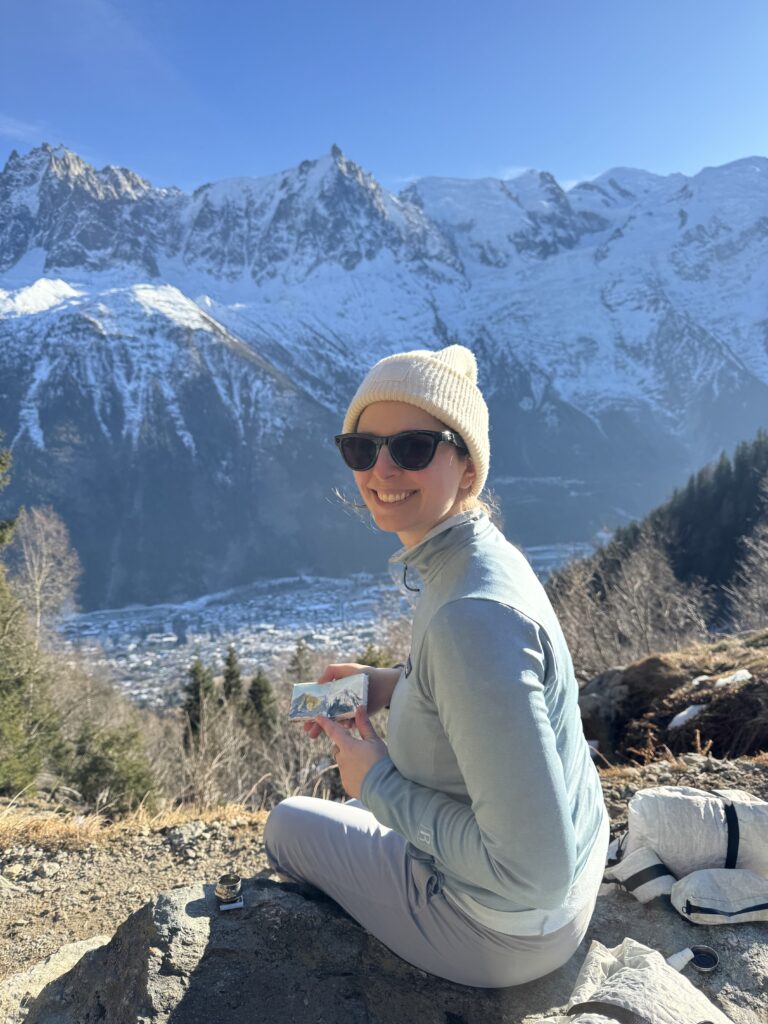
Her work also asks us to reconsider the way we experience nature itself. Today, many of us encounter plants and landscapes through screens whether in films, games, or photographs while others seek them through direct observation. Izabela understands the value of both experiences. She creates digital worlds that inspire curiosity, but she also reminds us that no virtual landscape can replace standing in nature, observing it with patience, and allowing it to surprise us.
For collectors, that balance gives her work a lasting quality. Every illustration is grounded in careful observation, yet it never feels purely scientific. There is imagination, atmosphere, and quiet wonder woven into every leaf, every strand of seaweed, and every carefully studied form. The paintings invite viewers to look longer, rewarding the same kind of curiosity that first inspired their creation.
Perhaps that is what makes Izabela’s practice feel so relevant today. In a world moving faster than ever, she reminds us that some of the most meaningful discoveries still begin with slowing down, looking closely, and remaining endlessly curious.
To follow Izabela’s journey and see more of her work, find her through the link below.
