
This artist hides entire stories in the background of children’s books │ Eva Válková
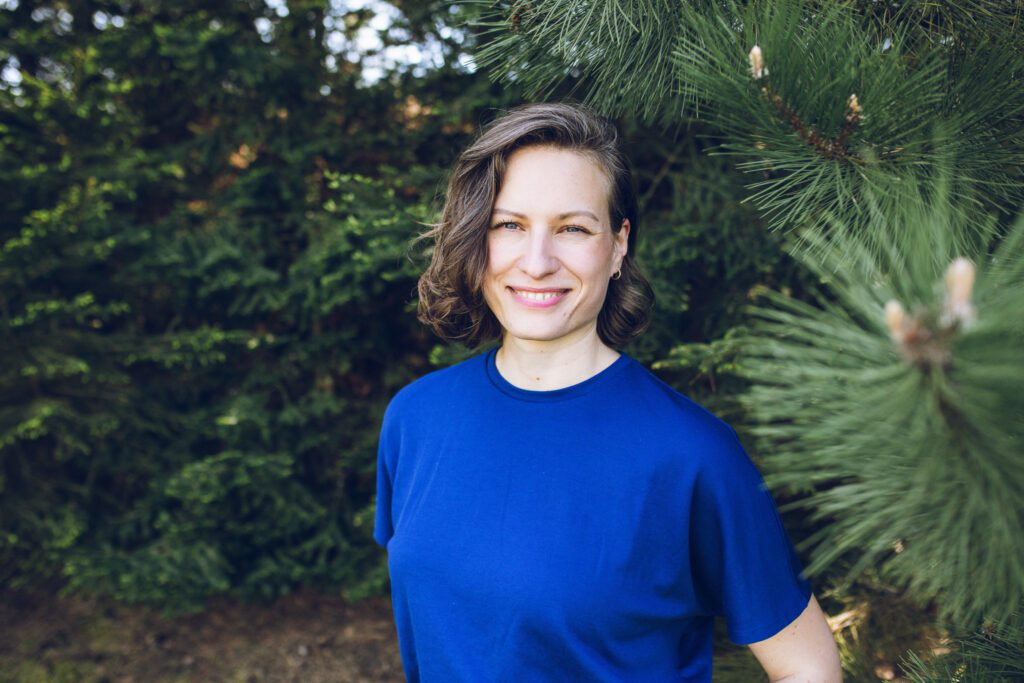
At Women in Arts Network, Flora and Fauna gave us the chance to discover artists whose relationships with animals and nature begin in very different places. For Eva Válková, it begins with childhood—with the books she grew up reading, the illustrations she could spend hours looking through, and the tiny details hidden inside them that made every page feel like a world of its own.
Eva is one of the selected artists for Flora and Fauna, and today she creates those kinds of worlds herself.
Working entirely by hand, she creates children’s illustrations filled with soft colours, imagined landscapes, animals, and small stories unfolding in unexpected corners of the page. A bird watching from the background. A mouse hidden beneath a bush. A beetle caught up in a little adventure of its own. These details may not belong to the main story, but for Eva, they matter.
They give children something to discover for themselves and leave enough room for imagination to continue beyond what is shown.
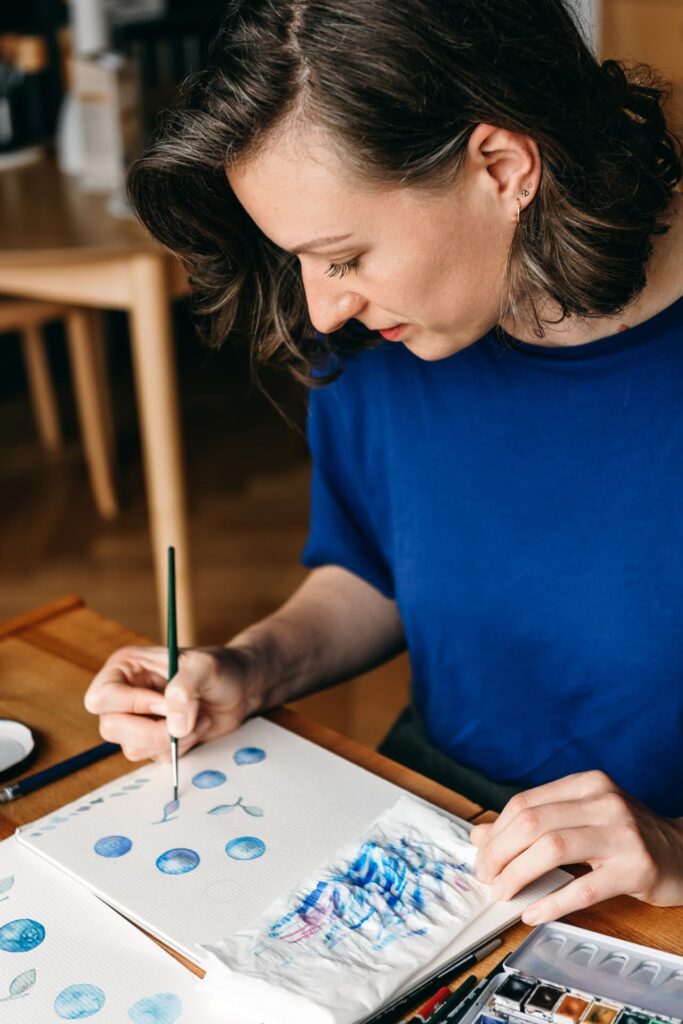
That sensitivity to visual storytelling began early. Growing up with creative parents and a strong sense of aesthetics, Eva learned to pay attention to how images make us feel. Books became her first introduction to creativity, and illustrations stayed with her long after the stories ended.
Now, as a mother reading to her own children, she understands those images from another perspective not only as an artist, but as someone who sees how deeply the visual worlds children grow up with can shape their memories and imagination. And that feels especially meaningful today.
Children are growing up surrounded by images that move quickly and compete constantly for their attention. Eva’s work offers something different. Her illustrations are slow to make and slow to experience. They invite children to stay on the page, notice what is hiding in the background, imagine what might happen next, and build their own relationship with the story.
Through colour, emotion, animals, and the unmistakable presence of the artist’s hand, Eva creates illustrations that don’t try to tell children everything. They simply give them enough to keep imagining.
Now let’s get to know Eva through our conversation about children’s books, handmade illustration, animals, visual storytelling, and why the images we grow up with can stay with us for a lifetime.
Q1. Eva, before becoming an illustrator, what kind of creative world were you drawn to, and how did that eventually shape the stories and images you create today?
One of the biggest influences on my work today was growing up with creative parents. They raised me in a creative environment with a strong sense of aesthetics sometimes even a rather strict one—and I still draw heavily on those experiences in my work.
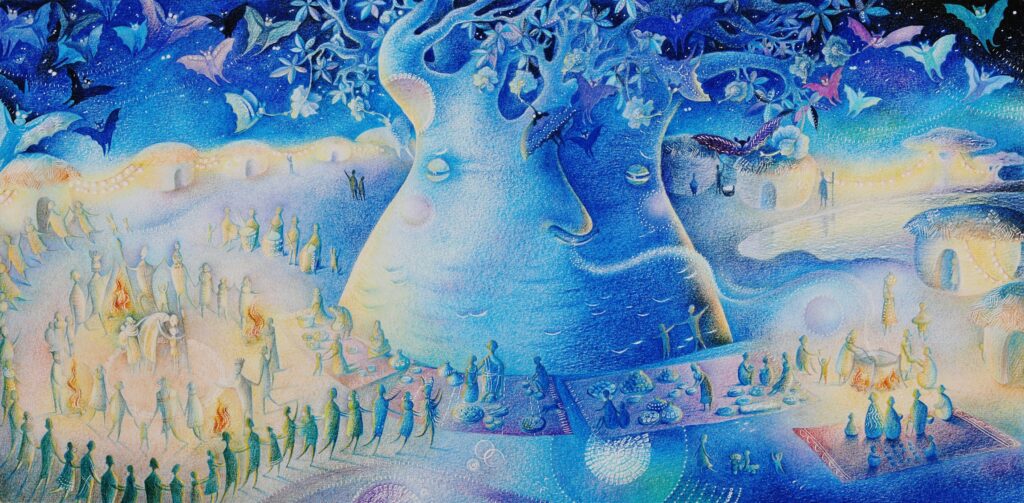
Q2. Your illustrations have a very gentle and comforting atmosphere. What first drew you toward creating visual worlds for children?
My parents read to my sisters and me all the time. Books were my first gateway into the world of creativity. I was fascinated by the illustrations and all their little details. For a long time, reading a book without pictures was simply out of the question for me. And since I’ve always loved drawing—and now spend a lot of time reading to my own children—I wanted to create a special book just for them.
Q3. Your work draws from imagination, fairy tales, and everyday wonder, where do your stories usually begin?
It’s a perfect combination of everything you’ve mentioned.
Q4. Your palette is soft and dreamlike; how do you use color to shape the mood of an illustration?
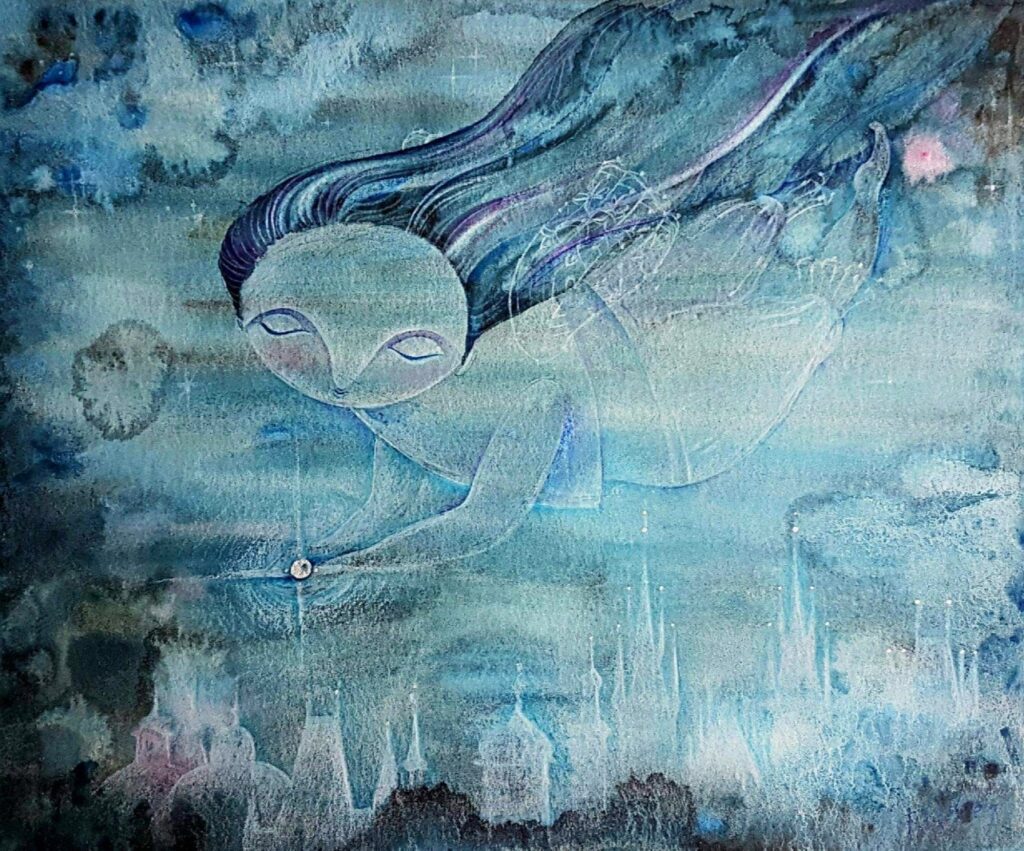
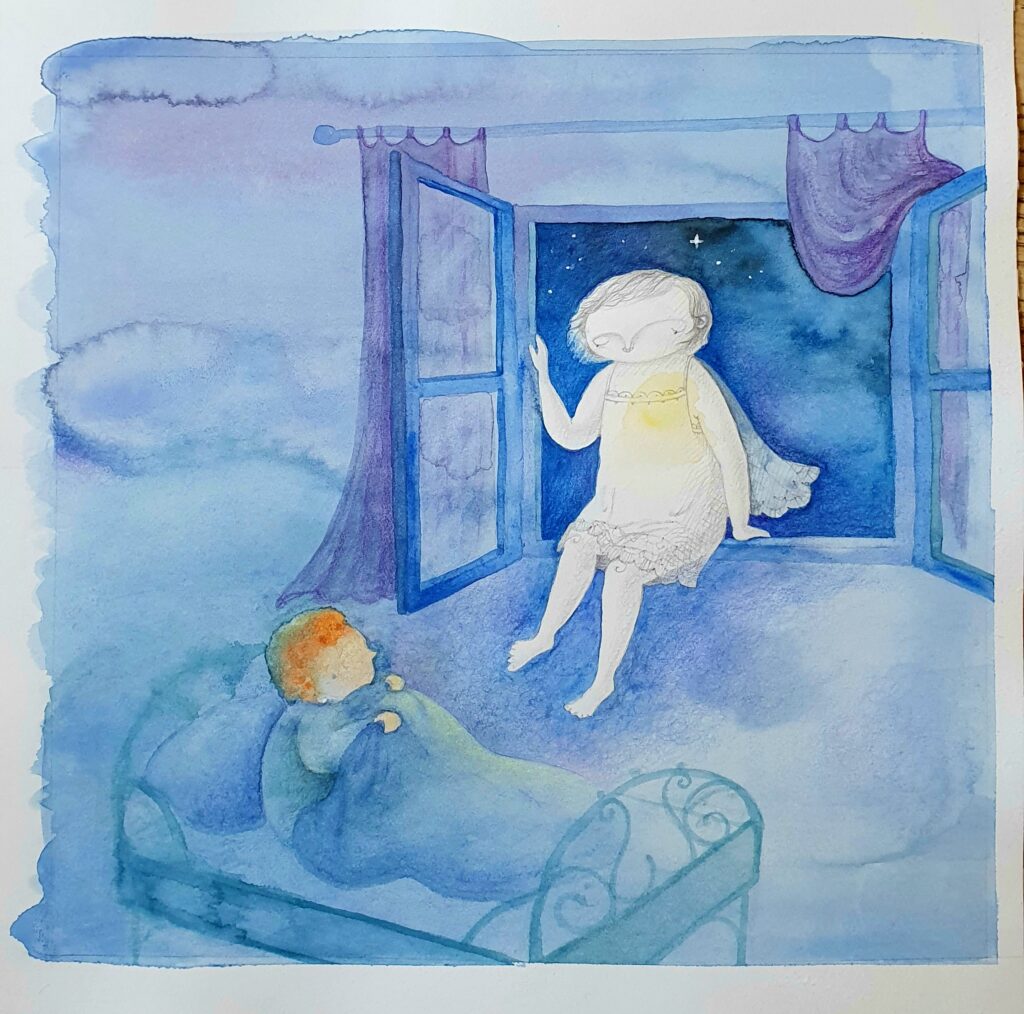
When I illustrate, I try to focus on creating a mood rather than providing a literal interpretation of the text. Color is a perfect tool for that. Whether the palette is cool or warm, soft and pastel or rich and vibrant, each choice evokes a different response in the reader. Exploring those effects is something I really enjoy.
Q5. Animals appear frequently throughout your illustrations. What role do they play within the stories and worlds you create?
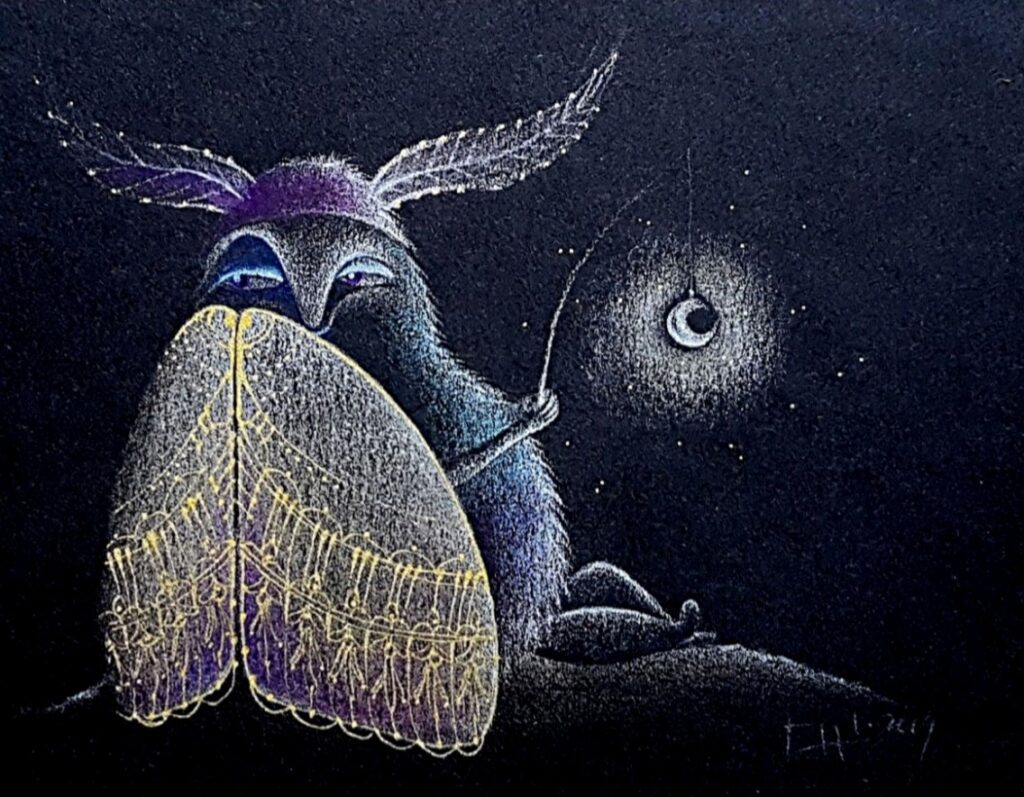
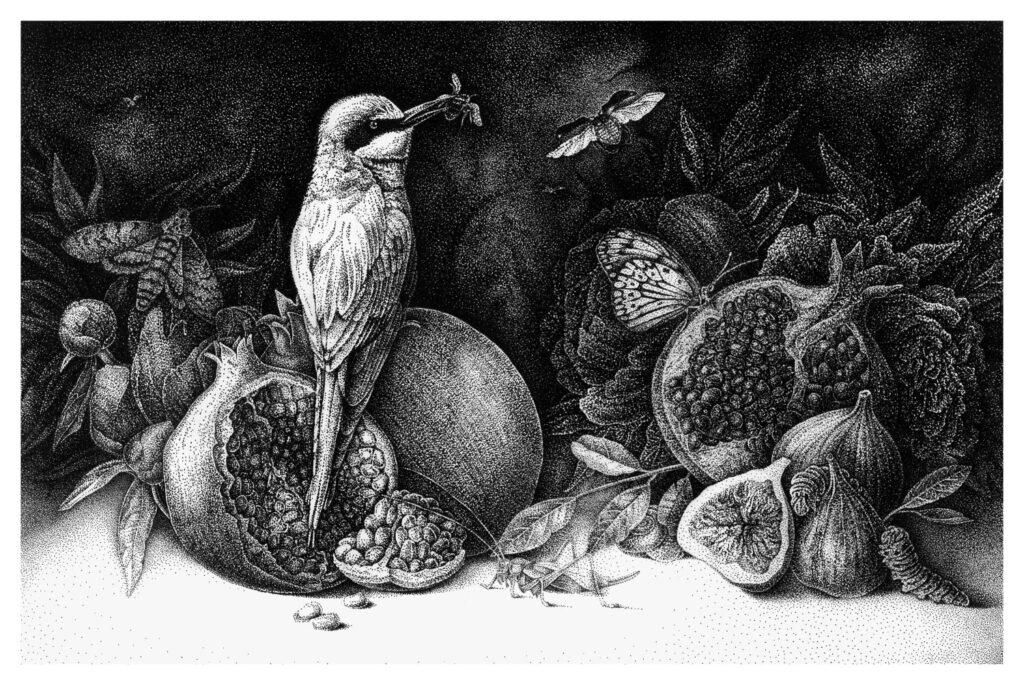
Even when animals aren’t the main characters in a story, I usually like to sneak them into the illustrations somewhere in the background as a playful detail—a little bird, a mouse, or a beetle. They might be hiding under a bush, watching the main scene unfold, or dealing with a little drama of their own. Those are exactly the kinds of details I loved discovering in books when I was a child.
Q6. Your illustrations often leave room for viewers to imagine what happens next. How important is it for you to leave space for a child’s imagination?
It is very important of course. To say enough but not everything.
Q7. Many contemporary children’s images are very loud and fast-paced, do you think they still need quieter, slower images
Yes, our whole world moves far too fast. Taking a moment to slow down with a book can feel like a real treat. I create all my illustrations by hand, which is a slow process, but I believe it gives them something that digital artwork often can’t. You can feel the human touch in them.
Q8. When starting a new piece, what comes first, the story you want to tell or the feeling you want to create?
The process usually begins with an interesting idea or motif, which I then try to develop into a meaningful story. I rarely run out of ideas—there’s usually a whole collection of them waiting in the wings—but turning one into a complete, cohesive book is always a challenge.
Q9. As both an illustrator and storyteller, what do you think makes an image memorable for a child?
I think it’s the colors and the emotions an illustration evokes. Even today, I remember the frightening pictures in some of the books from my childhood—illustrations that I used to make my parents skip when they were reading to me.
Q10. Do you feel a particular responsibility when creating art for young audiences?
Yes, I always try to do my very best, and I can be quite demanding of myself—although I’m learning not to be. I also believe it’s incredibly important for literature to be accompanied by thoughtful, well-crafted illustrations. They help shape children’s sense of aesthetics, even if they don’t fully realize it until much later, perhaps when they become parents themselves.
Q11. What has been the biggest challenge in building a career around such a personal creative voice?
I’m still at the beginning of my career. I’m excited about new projects and challenges, and I hope to continue growing—both in my skills and in the way I think about illustration and storytelling.
Q12. What advice would you give aspiring illustrators who want to create meaningful work for children while staying true to their creative identity?
Be yourself. Your unique style is what will set you apart from everyone else. And do the job that genuinely excites you. If the urge to draw is strong enough, chances are you won’t be truly happy doing anything else anyway.
As our conversation with Eva came to a close, we kept thinking about the pictures we remember from childhood. Most of us have them.
An illustration from a book we have not opened in twenty years. A character whose face we can still picture. A strange little animal hiding in the corner of a page. Sometimes we forget the story entirely, but somehow the images stay.
Eva understands that more than most. She grew up studying the illustrations in the books her parents read to her, paying attention to the small details and hidden characters that made her want to stay on the page longer. Today, she is creating those experiences for another generation of children.
And there is something meaningful about that circle. The child who once searched through illustrations for tiny discoveries is now the artist hiding them there for someone else to find. It made us think about how much responsibility exists in making art for children.
Children are still learning what beauty looks like. What feels frightening. What feels safe. What makes them curious. The images they grow up with quietly become part of their visual memory long before they have the language to explain why certain colours, characters, or stories stay with them.
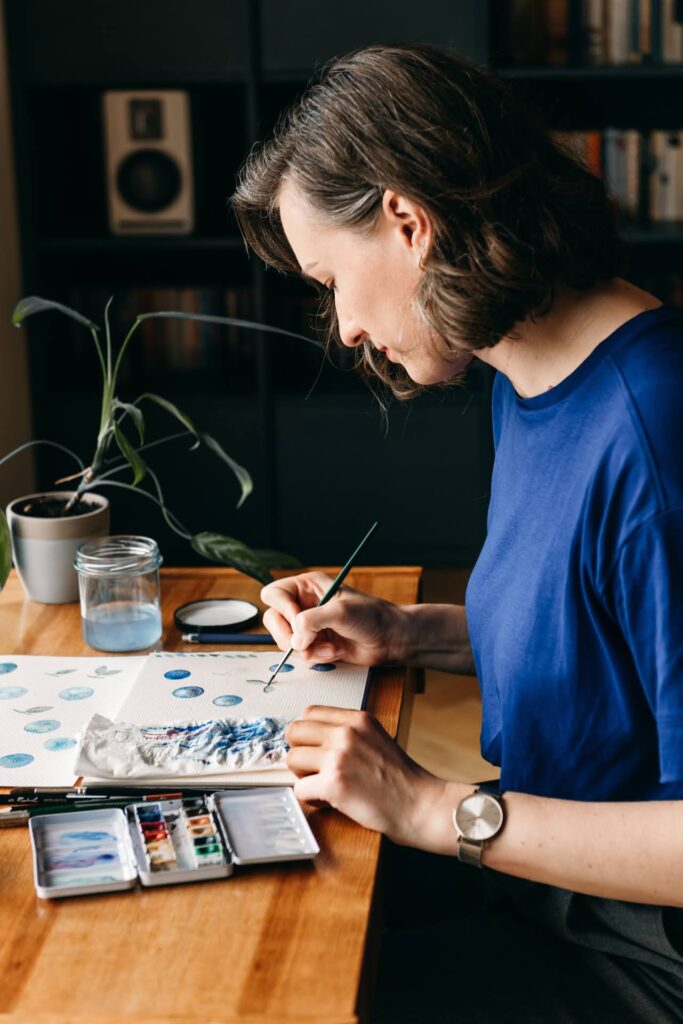
Eva does not take that lightly. Her illustrations are made slowly, entirely by hand, in a world where children are increasingly surrounded by images designed to disappear almost immediately. There is something valuable in giving them the opposite. A page they can return to. Details they might miss the first time. A small animal in the background whose story they can invent for themselves.
And maybe that is something artists working for any audience can learn from. Not everything has to be explained. Sometimes leaving space is more generous than filling it. Giving viewers enough to become curious, but not so much that there is nothing left for them to imagine, can be the difference between work that is simply looked at and work that becomes part of someone’s memory.
For parents, collectors, and art lovers, Eva’s illustrations offer that kind of experience. Their softness may be what first draws you in, but the longer you spend with them, the more there is to notice. Small narratives unfolding in the background. Animals you missed before. Expressions, colours, and details that children may understand differently as they grow older. These are images that can be returned to, shared, and remembered.
Perhaps years from now, a child who grows up with one of Eva’s books will not remember every word of the story. But they might remember the little bird hiding in the corner. They might remember the colours. They might remember how looking at those pages made them feel.
And perhaps that is one of the most meaningful things an illustrator can leave behind.
Follow Eva Válková through the links below and discover more of the quiet, imaginative worlds she creates by hand.
