
5 Things Galleries Look For When Discovering Emerging Artists
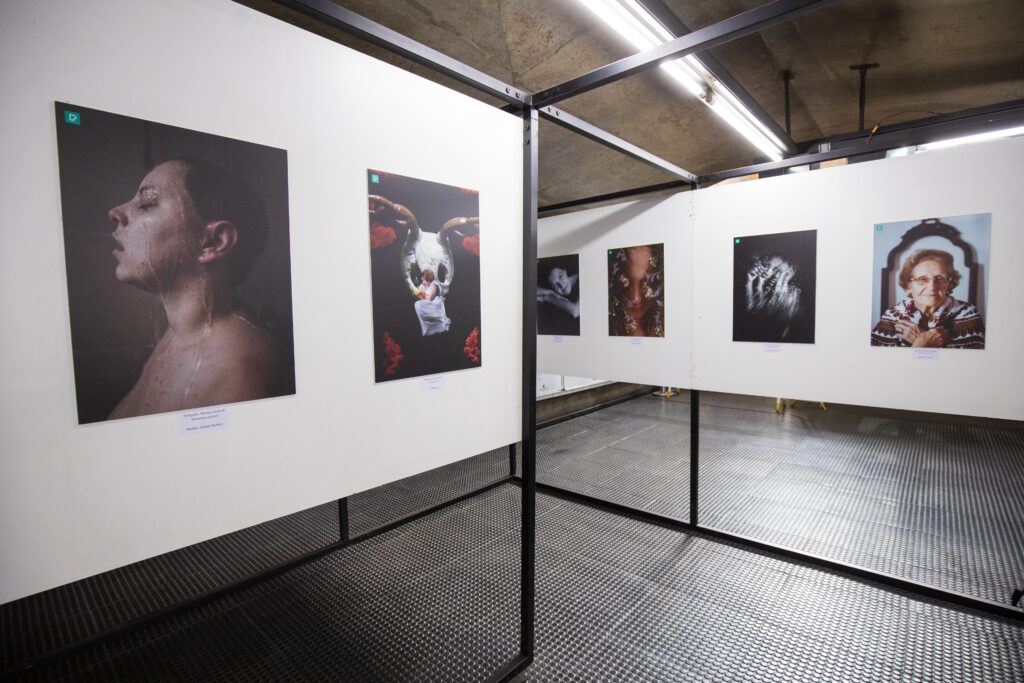
If you are an emerging artist, you have probably wondered what happens behind gallery doors. How does a gallery discover someone new? Does an artist need an impressive exhibition history, a large Instagram following, or a portfolio filled with work that looks ready for a museum wall?
It is easy to imagine that galleries hold a secret checklist that artists must somehow figure out before they can be taken seriously. But the reality is more nuanced, and understanding it can make approaching galleries feel a little less intimidating.
First, let’s get one thing straight: artists do not need galleries to validate their work or give them permission to have a career. Artists make the work, develop their ideas, build relationships with audiences, and bring new perspectives into the world. Galleries can be valuable partners in that journey, helping artists reach collectors, participate in exhibitions, and develop their professional presence.
The right gallery relationship can open doors, but it should also make sense for the artist.
For those who are beginning to explore gallery representation, understanding what galleries tend to consider can help you prepare, present your practice clearly, and find spaces that genuinely connect with your work. Here are five things worth knowing before you start reaching out.
1. A Clear Creative Voice, Not A Perfect Portfolio
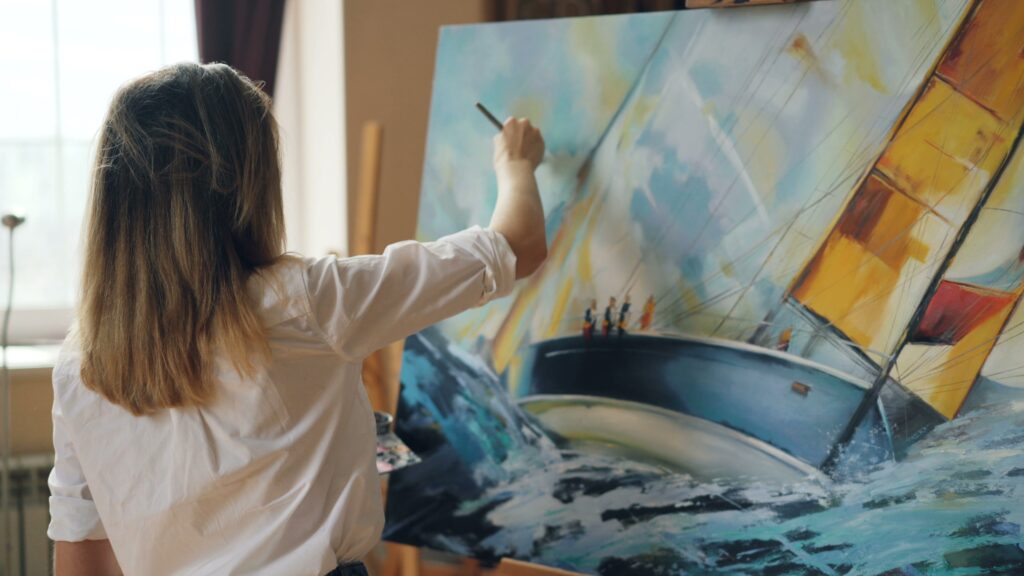
One of the first things a gallery may notice is how an artist approaches their work. What interests them? What questions are they exploring? Is there a recognizable way of thinking, making, or approaching a subject that gives the work a sense of direction?
This does not mean your paintings must all look alike or that you need to settle into one style before you can approach a gallery. Artistic practices evolve. Experimentation is part of the process, particularly when you are still discovering what feels most natural to you. What helps is being able to show how your work fits together, even when the individual pieces look different.
For example, perhaps you work across painting and textile art, but both practices explore family memory and the objects passed between generations. Or perhaps your photographs and drawings share an interest in overlooked details of urban life. These connections can help someone understand the ideas that guide your practice.
What you can do: Select a group of works that offers a meaningful introduction to your current practice. Include pieces that demonstrate your strengths and, where relevant, show how your ideas have developed. You do not need to include everything you have ever made.
Write a short artist statement explaining what interests you, what you are exploring, and how you approach your work. Avoid trying to sound more complicated or academic than you naturally are. You do not need to have your entire artistic identity figured out. You simply need to give people a way into the work.
2. A Portfolio That Makes Your Work Easy To Understand

A gallery might discover you through an exhibition, an open call, a recommendation, or an image shared online. When someone wants to learn more about your practice, a well-organized portfolio makes that next step much easier. Think of your portfolio as a thoughtful introduction, not a test you must pass.
Your artwork should be the focus. Clear photographs, accurate information, and a simple presentation allow people to spend their attention on what matters rather than trying to work out what they are looking at.
Your portfolio will generally benefit from including:
- A selection of artworks: Choose your strongest and most relevant pieces rather than uploading every available image.
- Accurate artwork details: Include titles, dates, mediums, dimensions, and prices where appropriate.
- A short artist biography: Share relevant information about your background, location, education, exhibitions, or artistic development.
- An artist statement: Explain the ideas, materials, or questions that shape your practice.
- Contact information: Make it easy for a gallery to reach you through a professional email address or website.
Pay attention to image quality, too. Photograph work in even lighting, avoid distracting backgrounds, and ensure that the colors and details are represented as accurately as possible. If you are applying to a gallery that works primarily with sculpture, installation, or textile art, include photographs that show the work’s scale, material qualities, and relationship to space.
And remember, a professional portfolio does not require an expensive website. A clean PDF, a carefully organized online portfolio, or a simple personal website can all serve the purpose. The goal is not to look like an established artist before you are one. It is to make your existing work easy to discover and understand.
If you do not have a portfolio already or want to make a new one, read our article on 5 Websites That Help Artists Build a Beautiful Digital Portfolio
3. A Practice That Fits The Gallery’s Programme
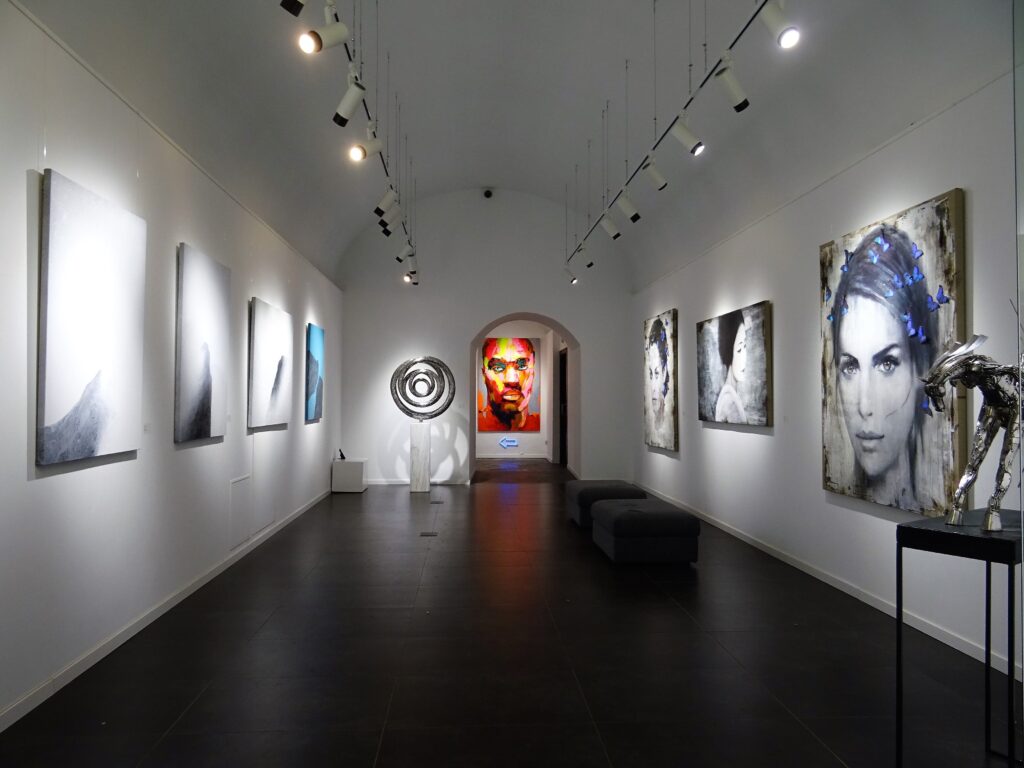
This is where research becomes particularly important. Not every gallery is looking for the same kind of artist. Some specialise in contemporary painting, others focus on photography, sculpture, or particular historical periods. Some represent artists over many years, while others organise temporary exhibitions featuring a changing group of practitioners.
A gallery’s interest in your work will depend partly on whether it makes sense within the programme it is building. Imagine that you are a mixed-media artist whose work explores environmental change. A gallery that regularly exhibits artists working with ecology, material experimentation, or contemporary social questions might be a promising place to start. Another gallery may produce excellent exhibitions but concentrate on a completely different area of art.
Neither situation is a judgment on the quality of your work. It is about finding the right context.
Before approaching a gallery, ask yourself:
- Does it exhibit work in my medium or related fields?
- Are the artists it represents working with ideas that connect with mine?
- Does it support emerging artists, or does it primarily represent established names?
- Does its programme suggest that my work could be a meaningful addition?
Look through previous exhibitions, represented artists, and submission guidelines. Read the gallery’s descriptions of its programme instead of relying only on the images on its website.
Then explain, briefly and specifically, why you are contacting that particular gallery.
A thoughtful introduction that demonstrates genuine familiarity with its programme is usually more useful than a generic email sent to dozens of spaces.
And if a gallery is not the right fit, that does not mean your work is not ready. It may simply mean you need to look elsewhere.
4. Reliability, Communication, And A Sustainable Working Relationship
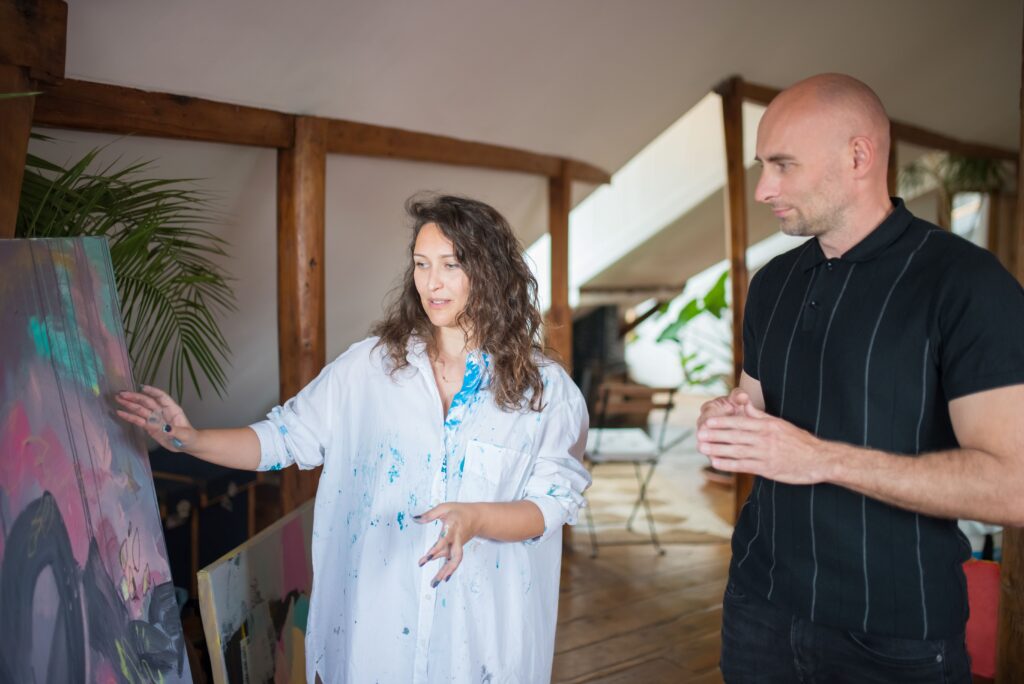
Artistic talent is important, but gallery representation also involves practical responsibilities. Artists and galleries may need to coordinate exhibitions, deliveries, installation, pricing, artwork documentation, promotional materials, and conversations with potential buyers. A gallery may therefore consider whether an artist can communicate clearly, provide accurate information, and work collaboratively when needed.
This is not about being endlessly available, having a perfectly polished professional persona, or knowing every industry term. Emerging artists are allowed to learn as they go. It is about building habits that make professional relationships easier for everyone involved.
Respond to relevant messages within a reasonable timeframe. Be honest about the availability of your work. Keep records of titles, dimensions, materials, and prices. If a gallery asks for specific information, provide it clearly and meet agreed deadlines where possible.
It is also worth learning about the business side of representation before signing an agreement. Ask about commission rates, payment schedules, exhibition expenses, shipping, insurance, exclusivity, and what happens if either party wants to end the arrangement. Get the terms in writing and take time to understand them. A gallery relationship should not depend on an artist agreeing to everything without asking questions.
Professionalism works both ways. You are also entitled to clear communication, fair terms, respect for your work, and a partner who follows through on commitments.
The best relationships are built on mutual trust, not on the idea that an artist should feel grateful simply to be represented.
5. An Understanding Of Your Audience And Where Your Work Can Reach Them
A gallery may admire your work, but representation also involves considering who might connect with it and how those people could encounter it. This does not mean you need to have wealthy collectors following you or thousands of people engaging with your social media posts. An artist’s audience can be small, local, online, or still developing.
What matters is understanding that sharing your work is part of building a practice, and that galleries are only one possible route to reaching people.
The Art Basel and UBS Art Market Report 2026 offers some useful context. Its research indicates that nearly half of the buyers dealers sold to in 2025 were new to their businesses, while online sales accounted for 16% of dealer turnover. The report also found that 40% of dealers’ online sales by value went to new buyers. These figures suggest that galleries continue to seek new audiences while digital channels remain an important part of the market. For artists, the lesson is not that you must build a huge following before approaching a gallery. It is that visibility can develop through several connected routes.
You might share your process online, participate in local exhibitions, collaborate with other artists, attend gallery events, or maintain a website where people can learn about your work. You can also sell directly, accept commissions, or participate in artist-led initiatives while exploring gallery opportunities. These activities can help you understand who responds to your work and which ways of sharing it feel sustainable.
What you can do: Choose one or two channels you can maintain comfortably. Share your work with enough context for people to understand it, keep your portfolio updated, and build genuine relationships within your creative community.
You do not need to turn your entire life into content. Nor should you measure your artistic worth through likes, followers, or sales alone. Your audience is something you can continue to build, whether or not a gallery represents you.
Before You Approach A Gallery, Remember This
Gallery representation can be an exciting opportunity, but it is not the only way to develop a meaningful artistic career. Many artists sell directly, exhibit independently, collaborate with curators, participate in artist-run spaces, or build communities around their work. If you decide to seek representation, take a moment to consider what you actually want from the relationship.
Are you looking for help reaching collectors? Do you want to participate in carefully curated exhibitions? Would you benefit from professional guidance, a wider audience, or opportunities to connect with other artists? Knowing your own goals can help you evaluate whether a particular gallery is a good fit.
It is equally important to look at what a gallery offers in practice. Does it communicate clearly about its artists? Does it have a coherent programme? Are its contracts understandable? Can it explain how it promotes and sells work? Does its approach align with your expectations?
Do not feel that you must accept an opportunity simply because it arrives. You are allowed to ask questions, negotiate terms, take time to decide, and decline an arrangement that does not feel right. And if you receive a rejection, remember that galleries have different programmes, budgets, audiences, and priorities. One gallery’s decision is not a definitive assessment of your potential.
Keep developing your work, documenting your progress, meeting people, and exploring the opportunities available to you. The right gallery can become a valuable partner in your journey. But your practice existed before that relationship, and it will continue to belong to you throughout it.
You do not need a gallery to become a real artist. You deserve to find the spaces, people, and opportunities that help your work reach the audience it deserves.
