
Art News of The Week
From major museum exhibitions celebrating women artists to long-overlooked photographic histories finally being revisited, the art world has had plenty to talk about this week. Between August 20 and 30, several exhibitions and art events have put women artists, their histories, and their creative communities in the spotlight.
This week’s roundup takes us from contemporary Cuban art to Washington, D.C., London, and beyond. Some of these stories are about artists who are being given institutional space, while others are about women reclaiming space that history once overlooked. Together, they offer a small but encouraging look at the many ways women continue to shape the art world.
Here are five stories that caught our attention this week.
1. A New Exhibition Brings 10 Cuban Women Artists Together at the Harn Museum
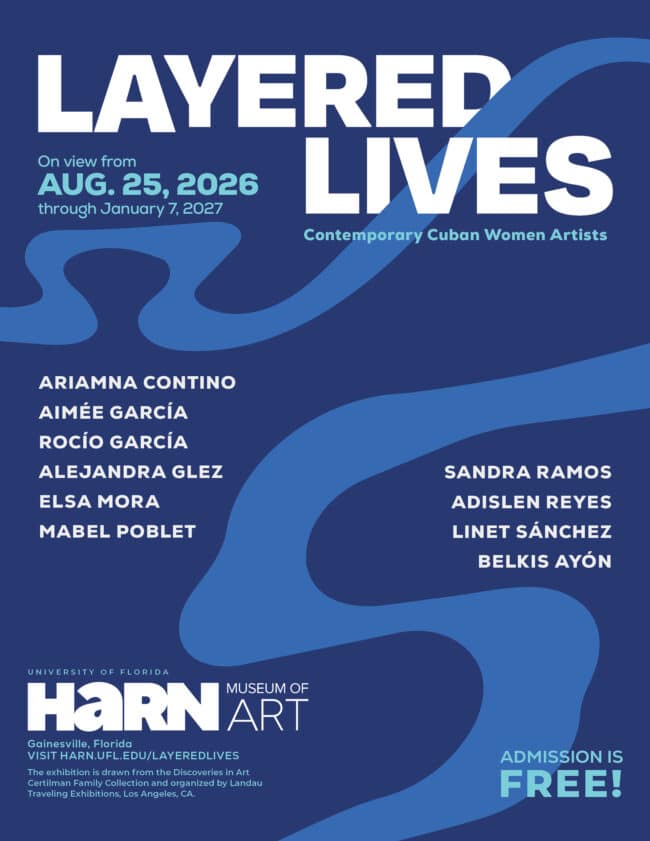
The Harn Museum of Art at the University of Florida opened Layered Lives on August 25, bringing together more than 60 works by 10 Cuban women artists. Spanning three decades and several mediums, including photography, painting, ceramics, and printmaking, the exhibition looks at the different experiences, identities, and perspectives that shape contemporary Cuban women’s art.
The exhibition features artists including Belkis Ayón, Ariamna Contino, Aimée García, Rocío García, Alejandra Glez, Elsa Mora, Mabel Poblet, Sandra Ramos, Adislen Reyes, and Linet Sánchez. Rather than presenting a single definition of what Cuban women’s art should look like, Layered Lives brings together very different practices and stories.
That variety is perhaps what makes the exhibition especially interesting. The works come from different generations and artistic approaches, but together they create a broader picture of women’s creative experiences within Cuba and its diaspora. The museum describes the exhibition as an exploration of the “layered” stories surrounding Cuban women, allowing viewers to consider personal identity alongside larger social and cultural histories.
There is something important about seeing these artists together in a museum setting. Women artists are often discussed individually, but exhibitions such as Layered Lives can create connections between practices and generations that might otherwise remain separate.
For visitors, the exhibition offers more than a collection of works by Cuban women. It is an opportunity to see how different artists respond to memory, identity, place, migration, and everyday life through their own visual languages.
Layered Lives is currently on view at the Harn Museum, making it one of the week’s most significant exhibitions centred on contemporary women artists.
2. “Women Take the Walls” Returns for Its Fourth Edition
Sometimes the most meaningful art news is also the simplest: women artists are being given the walls.
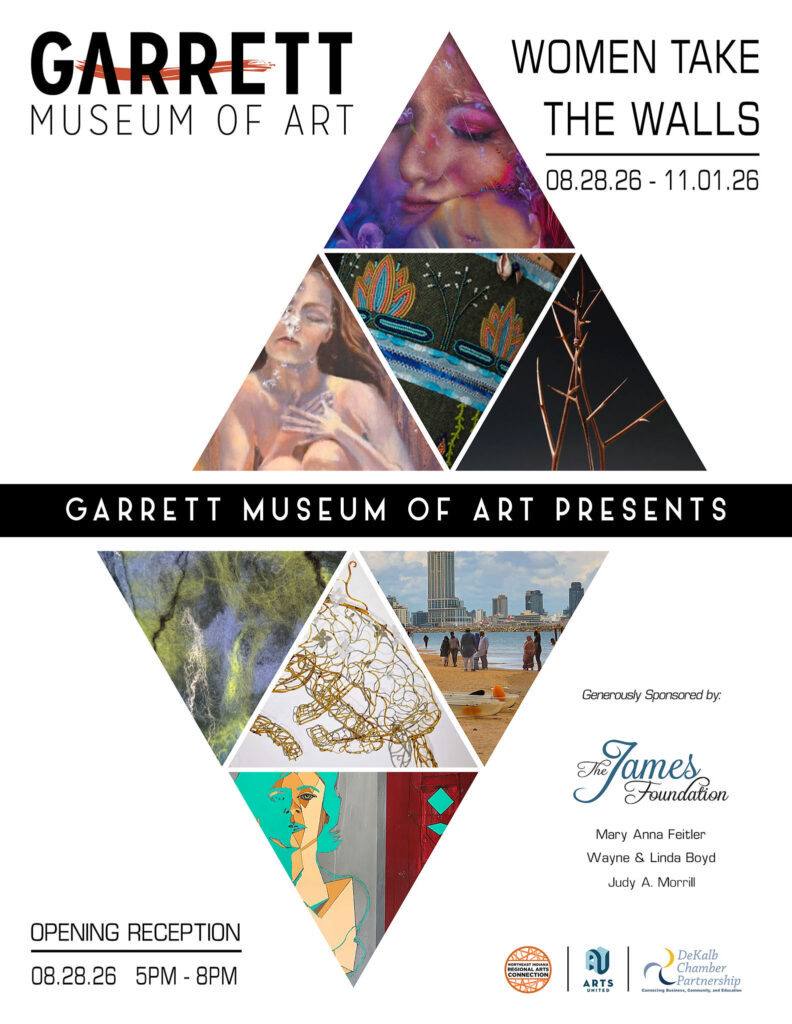
On August 28, Garrett Museum of Art opened the fourth annual edition of Women Take the Walls, an exhibition dedicated to women artists working across a wide range of mediums. The 2026 exhibition will remain on view through November 1.
The exhibition is notable not only because of its focus on women, but because of the breadth of practices represented. This year’s show brings together work spanning painting, photography, sculpture, textiles, fiber, glass, jewellery, wearable art, and traditional Great Lakes embroidery.
That variety matters. Conversations around women in art can sometimes become narrowly focused on a handful of familiar names or mediums, while the reality of women’s artistic practices is much wider. Exhibitions such as Women Take the Walls make room for that range.
There is also something fitting about the title itself. “Taking the walls” is a straightforward idea, but it carries weight in a museum environment. For generations, women have had to fight for recognition within institutions that often treated their work as secondary to that of their male counterparts. A recurring exhibition specifically built around women’s creative practices turns that imbalance into an opportunity for visibility.
It is also encouraging to see the exhibition return for a fourth year. A one-off women’s exhibition can make a statement, but continued programming can build something more lasting.
For emerging and established artists alike, visibility within a gallery or museum can have an impact far beyond the exhibition itself. It creates new audiences, conversations, connections, and opportunities.
With Women Take the Walls 2026, Garrett Museum of Art continues a tradition that makes women’s artistic voices the centre of the room rather than an addition to it.
3. The Black Girl Art Show Brings Black Women Artists Together in Washington, D.C.
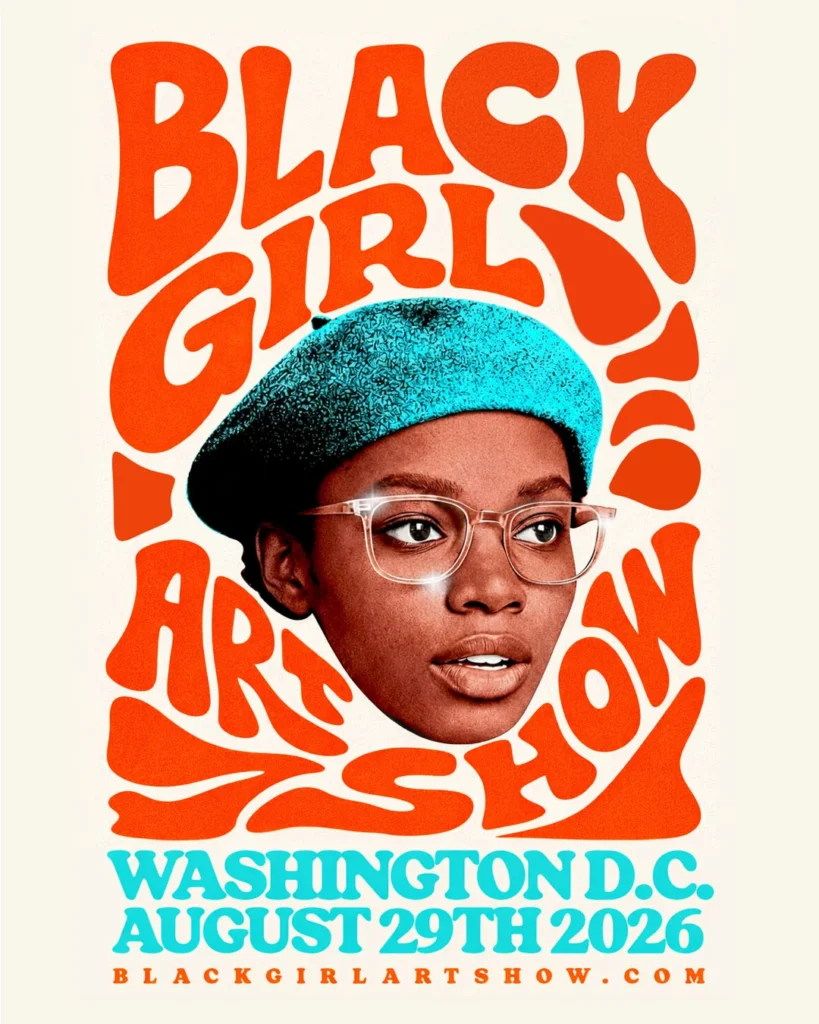
On August 29, the Black Girl Art Show brought its travelling celebration of Black women artists to the Washington, D.C., area. The event took place at the Gaylord National Resort & Convention Center in Oxon Hill, Maryland, as part of the show’s ongoing series of exhibitions across the United States.
The Black Girl Art Show has built its identity around creating a dedicated platform for Black women artists and bringing their work directly into community spaces. Its exhibitions incorporate different forms of creative expression and are designed not simply as gallery visits, but as cultural gatherings where artists and audiences can meet.
That community aspect is what makes this story worth paying attention to.
The traditional art world can often feel difficult to enter, particularly for artists who do not see themselves represented within established institutions. Independent exhibition platforms can offer another route. They create opportunities for artists to show work, meet other creatives, build audiences, and become part of a larger artistic network.
The D.C. event is part of a wider touring programme rather than an isolated exhibition, which makes it particularly interesting from a women-in-arts perspective. It shows how artists and cultural organisers can create their own platforms and take their work to different communities instead of waiting for traditional institutions to make room.
There is also value in seeing Black women artists presented together without having to reduce their practices to a single theme or artistic style. Their work can simply exist within a space built to celebrate their creativity and experiences.
As the art world continues to have conversations about representation, initiatives like the Black Girl Art Show offer a practical example of what creating more inclusive artistic spaces can look like.
The D.C. edition was another reminder this week that sometimes the most important thing an artist community can do is build the room themselves.
4. The Story of Sisters Wanda and Marion Wulz Is Being Revisited
Some art histories take decades to be properly revisited. This week, attention turned to Italian photographers Wanda and Marion Wulz, two sisters whose work is at the centre of an upcoming exhibition at London’s Estorick Collection.
The exhibition, Wanda and Marion Wulz: Avant-garde Photography in 20th-Century Italy, opens on September 16 and brings together their studio portraits, commercial photography, and experimental work. Coverage of the exhibition appeared this week, drawing renewed attention to the sisters and their place in photographic history.
Born in Trieste, Wanda and Marion inherited their family’s photography studio in 1928. They went on to develop it into a lively centre for artistic and commercial work, photographing artists, actors, dancers, athletes, and other figures in the city’s cultural life.
Wanda became particularly known for her experimental photography. Her 1932 self-portrait I + Cat, which combines her image with that of a cat through superimposition, remains one of the most recognisable examples of her avant-garde work. But the upcoming exhibition also places greater emphasis on Marion and on the sisters’ collaborative practice.
That shift is important. Women working alongside more recognised collaborators or family members have often been described as assistants rather than artists in their own right. Revisiting their work can change the way an entire chapter of art history is understood.
The Estorick exhibition presents the Wulz sisters not simply as women working in photography during the early 20th century, but as active participants in the artistic culture of their time. Their photographs also explored ideas of modern womanhood, fashion, performance, and self-representation.
The exhibition opens next month, but the attention surrounding it this week is already a welcome reminder that art history is never completely finished. There are always artists to rediscover, stories to reconsider, and contributions that deserve a second look.
5. Frida Kahlo Takes Centre Stage at Tate Modern
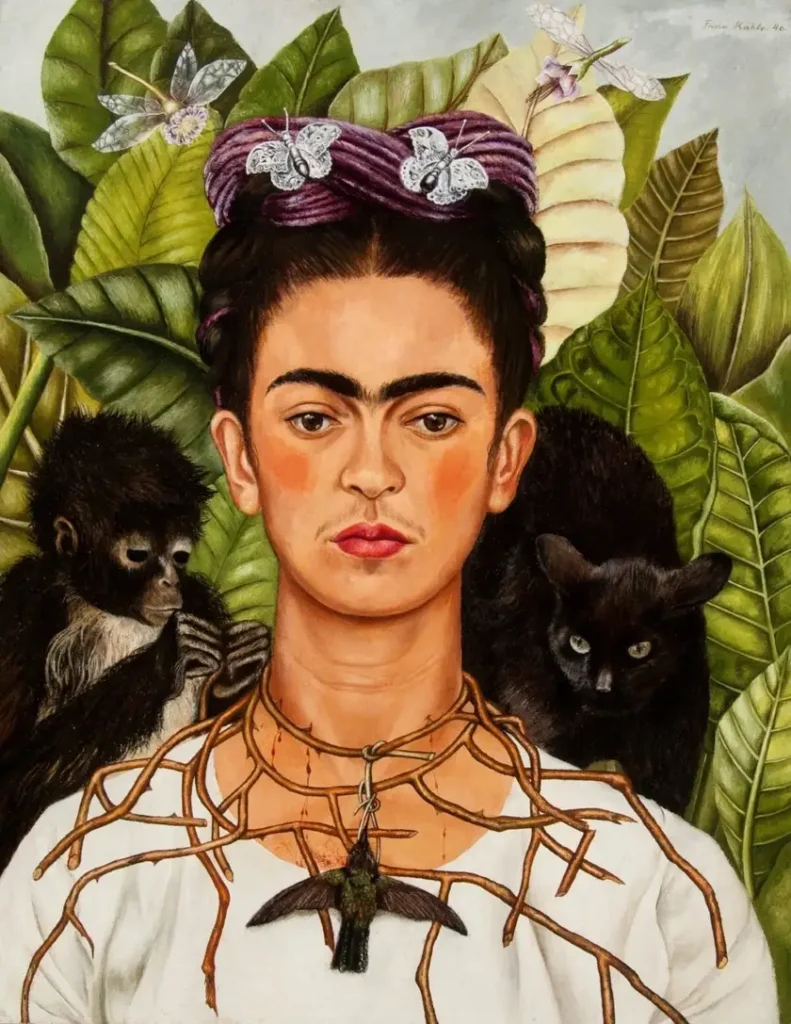
Few women artists have become as recognisable worldwide as Frida Kahlo, but that fame comes with its own complication: sometimes the cultural icon becomes more familiar than the artist herself.
That question sits at the heart of Frida: The Making of an Icon, currently showing at Tate Modern in London. The exhibition has been receiving renewed attention this week as audiences encounter more than 30 of Kahlo’s works alongside personal belongings, photographs, clothing, jewellery, and other material connected to her life and legacy.
Kahlo’s image has become almost inseparable from her paintings. Her distinctive appearance, clothing, and visual identity have travelled far beyond the museum, appearing in fashion, popular culture, merchandise, and feminist movements around the world.
Tate’s exhibition looks at how that transformation happened while also bringing attention back to Kahlo’s artistic practice. Her paintings are deeply connected to questions of identity, physical pain, heritage, politics, relationships, and the body. Importantly, Kahlo herself rejected the idea that her paintings should simply be understood as Surrealist works, insisting that they reflected her reality.
The exhibition also places her work alongside artists influenced by her legacy, including Ana Mendieta and Kiki Smith, creating a wider conversation around the ways Kahlo’s work has continued to resonate with later generations.
What makes the exhibition particularly relevant today is this tension between the artist and the icon. Frida Kahlo has become one of the most commercially recognisable artists in the world, but her paintings remain much more complicated than the image printed on a tote bag or coffee mug.
For women artists, that distinction matters. Recognition is valuable, but being truly seen as an artist means allowing the work to remain at the centre of the conversation.
Until Next Week
And that brings us to the end of this week’s art news roundup.
From contemporary Cuban women artists finding a shared space in a major museum to Black women artists building their own platforms, and from the Wulz sisters being revisited by art history to Frida Kahlo’s legacy being examined through a new lens, this week’s stories offered plenty to think about.
The art world is always moving, and there are always more exhibitions opening, artists being recognised, and stories waiting to be told. We’ll be back with another round of the week’s most interesting art news, with more women artists, exhibitions, opportunities, and moments worth knowing about.
Until then, keep looking, keep discovering, and keep supporting the women making art today.
