
Art News of the Week
Stories Every Artist and Art Lover Should Know
The art world continues to give us new reasons to look closer, ask questions, and rediscover the women who are shaping its past and present. From exhibitions revisiting feminist art history to contemporary artists finding new ways to explore identity, memory, and the world around us, this week has brought several stories worth paying attention to.
Across museums and galleries in the United States, the United Kingdom, and South Africa, women artists are taking up space, challenging familiar narratives, and inviting audiences to see the world from different perspectives. Some are presenting new bodies of work, while others are revisiting ideas that have shaped their practices for decades. Together, these stories remind us that women’s contributions to art are not confined to a single movement, medium, or generation.
Whether you are an artist looking for inspiration, a curator following new exhibitions, or simply someone who enjoys discovering the stories behind the work, here are five important art news stories to know from October 3 to October 10, 2026.
1. Women In Arts Network Launches An Open Call For Its First-Ever Art Magazine
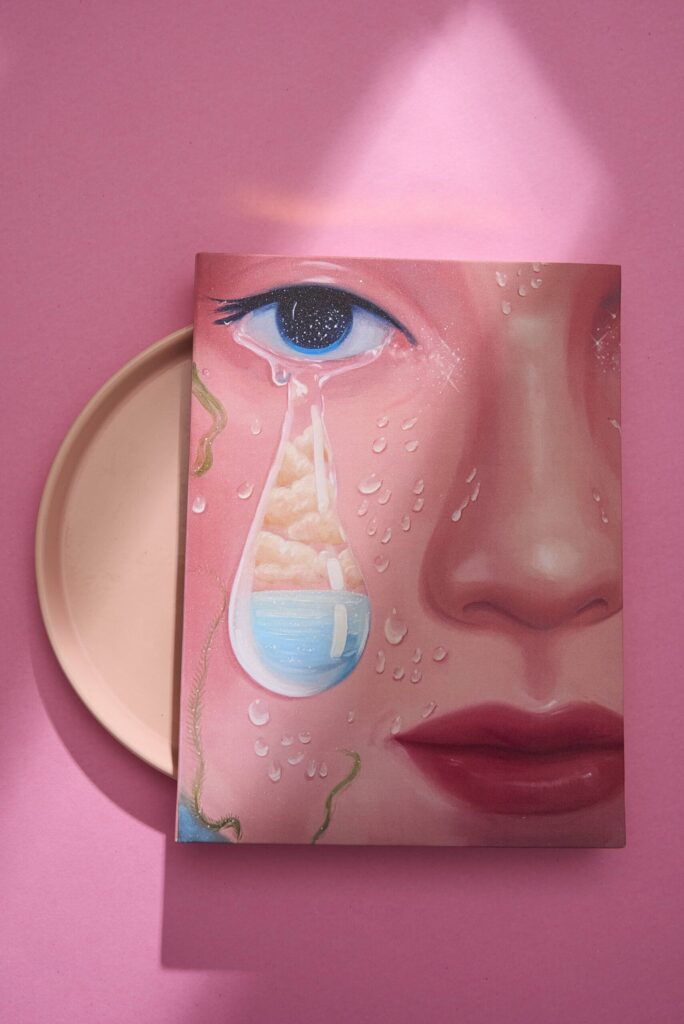
Open Call: Issue 01 | Deadline: October 31, 2026
A new opportunity is opening up for women artists looking to share their work with a wider audience. Women in Arts Network has announced an open call for the first-ever issue of its print magazine, inviting women artists to submit their work for a publication dedicated to celebrating their creativity, perspectives, and artistic journeys.
Titled Women in Arts Magazine, the inaugural issue will feature 50 women artists, selected by juror Charuka Arora, founder of Arts to Hearts Project. Each selected artist will receive a dedicated feature showcasing her artwork, biography, and artist statement, offering readers an opportunity to discover both the work and the stories behind it.
The launch marks an exciting new chapter for Women in Arts Network as it expands its commitment to creating visibility and opportunities for women working across the art world. A print magazine offers something special: a tangible space where artists’ work can be experienced, revisited, and shared beyond the fast-moving pace of social media.
For emerging and established artists alike, being featured in a curated publication can help introduce their practice to new audiences while creating a lasting record of their artistic journey. With 50 artists coming together in one issue, the magazine also promises to bring a range of creative voices and approaches into conversation.
Charuka Arora, who leads Arts to Hearts Project, will select the participating artists for this first edition. Her involvement brings an editorial perspective grounded in supporting women artists and creating platforms for their work to be seen.
Submissions are now open, with a deadline of October 31, 2026. Women artists interested in being considered for the inaugural issue can use this opportunity to share their practice and become part of the magazine’s first chapter.
As Women in Arts Network prepares to bring its first issue to life, this open call is an invitation to artists who want their work to find a place in a publication built around women’s artistic voices.
2. Sophie Calle’s First Major UK Institutional Exhibition In More Than 15 Years Opens In Margate
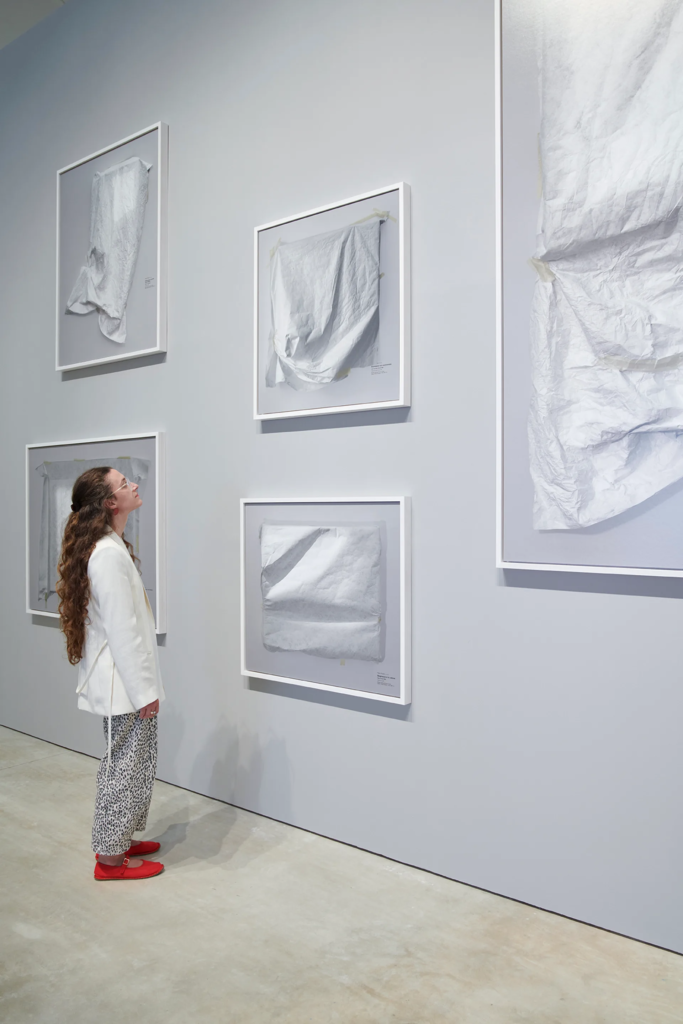
Location: Turner Contemporary, Margate, England
Some artists build their practices around what they can see. Others become equally interested in what is missing, forgotten, or impossible to fully understand. French conceptual artist Sophie Calle has spent much of her career exploring the space between these ideas, turning questions of memory, intimacy, absence, and human behaviour into compelling works of art.
On October 3, Turner Contemporary opened Sophie Calle: Something Missing?, marking the artist’s first institutional exhibition in the United Kingdom in more than fifteen years.
The exhibition brings together major works spanning nearly four decades, from 1986 to 2024, across photography, film, and installation. Rather than treating these mediums as separate categories, Calle frequently combines images, written accounts, personal narratives, and documentation to create works that blur the boundaries between art and lived experience.
Her practice has long explored the relationship between private life and public storytelling. Ordinary encounters, personal investigations, relationships, and experiences of loss can become starting points for larger questions about how we understand ourselves and others. Her work often asks viewers to consider how much of another person’s life can ever truly be known.
The exhibition’s title, Something Missing?, points towards this interest in absence and longing. What happens when a person disappears, a memory becomes uncertain, or an experience cannot be completely recovered? Calle approaches these questions through works that are at once intimate and carefully constructed, leaving room for viewers to bring their own interpretations.
Presented at Turner Contemporary, the exhibition also offers an opportunity for audiences to encounter a major figure in contemporary conceptual art through a broad selection of her work.
Running until January 24, 2027, the exhibition is free to visit, with donations welcome.
For artists working with photography, text, archives, or personal histories, Calle’s practice is a reminder that compelling art does not always begin with an extraordinary event. Sometimes, the smallest unanswered question can lead somewhere unexpected.
3. Feminist Painter Mira Schor Receives A Major UK Exhibition At Mimosa House
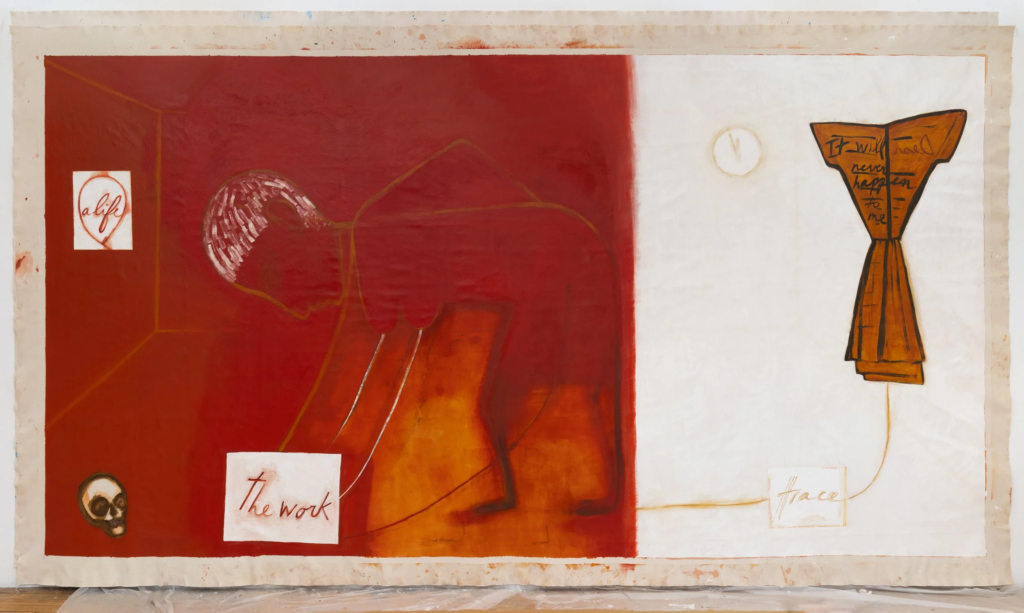
Location: Mimosa House, London, England
For decades, feminist artists have challenged the idea that painting is simply a visual exercise, arguing instead that it can be a space for examining power, identity, language, and the body. American artist and writer Mira Schor has been an important voice in these conversations, and a new exhibition in London is bringing her practice to a wider UK audience.
Mimosa House opened WET/London, a solo exhibition by Schor, on October 9. The presentation follows a public opening on the evening of October 8 and runs through December 5, 2026.
Born in 1950, Schor is known for her contributions to feminist art history and for her belief in painting as an intellectual and political medium. Her artistic practice considers how language and the body can be represented, inscribed, and understood within visual culture.
Schor’s connection to feminist art history stretches back to her time at the California Institute of the Arts, where she completed her MFA in painting in 1973. She was part of the influential CalArts Feminist Art Program and participated in Womanhouse, the landmark feminist installation project that challenged traditional expectations surrounding women’s lives, domestic space, and artistic labour.
Her work has continued to question the assumptions that shape how art is made, interpreted, and valued. In her hands, painting becomes more than a surface for colour and composition. It can also hold ideas, language, political tensions, and questions about bodily autonomy.
The Mimosa House exhibition includes a new site-specific work created for the gallery, making this presentation particularly significant. The institution describes it as Schor’s first solo presentation in a publicly funded gallery in the UK.
Its timing also feels relevant. As debates about women’s bodies, language, and personal freedoms continue across societies, Schor’s longstanding interest in the relationship between art and politics remains a meaningful part of contemporary feminist discourse.
An artist’s career can extend across decades without losing its ability to speak to the present. Schor’s exhibition is an opportunity to revisit that idea through the work of an artist who has consistently treated painting as a space for critical thought.
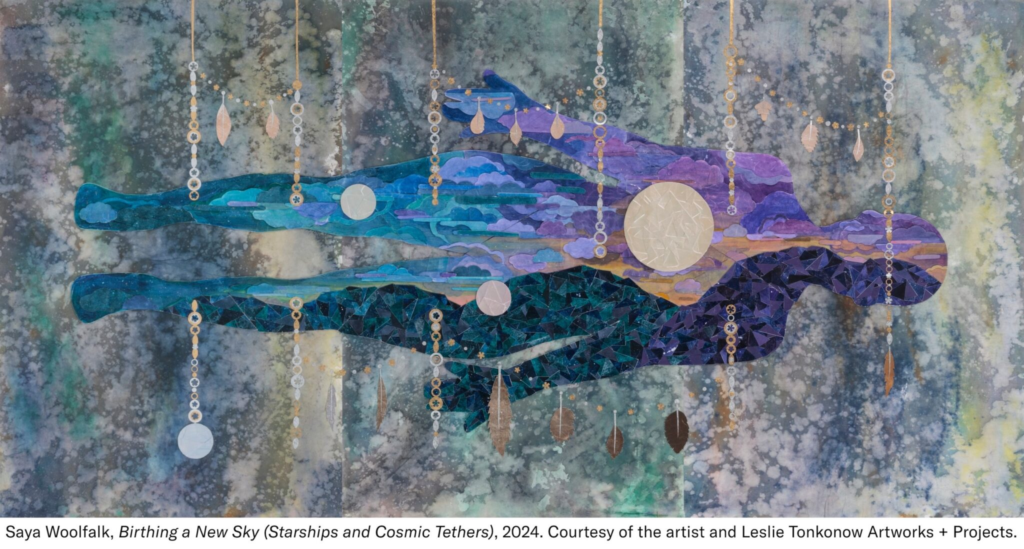
4. Saya Woolfalk Opens A New Exhibition Exploring Speculative Worlds And Collective Storytelling
Location: The Bronx Museum, New York City, USA
What if art could help us imagine worlds beyond the one we know? For interdisciplinary artist Saya Woolfalk, science fiction, fantasy, mythology, and speculative storytelling provide ways to explore how people might live, connect, and build communities differently.
On October 9, The Bronx Museum opened Saya Woolfalk: The WoodsWoman Method, a new exhibition that marks the first chapter of a wider, multiyear initiative.
Woolfalk, who was born in Japan in 1979 and is based in New York, is known for creating imaginative worlds through installation, sculpture, and other forms of interdisciplinary practice. Her projects often combine invented narratives with questions about identity, transformation, the natural world, and the possibilities of collective life.
One of her best-known bodies of work, The Empathics, imagines a fictional community of women who can alter their genetic makeup and merge with plants. Through this speculative framework, Woolfalk examines the boundaries between human beings and nature while questioning assumptions about identity and belonging.
With The WoodsWoman Method, the artist brings this imaginative approach into conversation with the museum’s permanent collection. She has selected artworks that connect with themes explored in her WoodsWoman project, including speculative worlds, the cosmos, relationships between humans and nature, and the role of collective storytelling in building community.
Alongside the selected collection works, the exhibition includes materials related to Woolfalk’s own artistic process. The project will also involve workshops developed with the museum’s Education Department and will inform a commissioned installation for the museum’s renovated main lobby.
This makes the exhibition more than a conventional presentation of finished artworks. It also creates a space for experimentation, conversation, and the development of new ideas.
For artists interested in world-building, interdisciplinary practice, or research-led work, Woolfalk’s approach offers an intriguing example of how an individual artistic universe can connect with a public collection and a wider audience.
The WoodsWoman Method runs through March 28, 2027. Its opening is an exciting moment for an artist whose practice uses imagined possibilities to ask real questions about how we live together.
5. Four Women Artists Challenge Modernist Art History In Cape Town
Location: Everard Read, Cape Town, South Africa
Art history is often presented as a succession of influential movements and celebrated names. But what happens when contemporary artists revisit those familiar narratives and question whose perspectives have been left out?
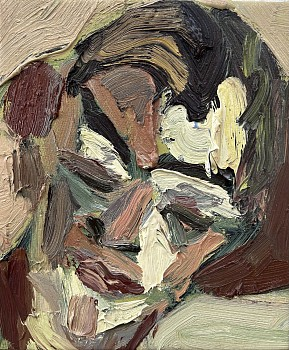
That question sits at the centre of Come Again, a group exhibition featuring Lady Skollie, Erin Chaplin, Teresa Kutala Firmino, and Sanell Aggenbach at Everard Read in Cape Town.
Opening on October 7, the exhibition takes a deliberately irreverent look at the Modernist canon. Rather than simply borrowing the visual language of twentieth-century art, the participating artists reinterpret and subvert it, using familiar styles as starting points for new conversations.
The exhibition draws on recognizable elements of Modernism, including Cubist fragmentation, the lush jungles associated with Henri Rousseau, bold colour, distortion, and exaggerated forms. These references become tools through which the artists can revisit the stories traditionally told about artistic innovation and authority.
The underlying question is an important one: who was allowed to participate in the making of art history, who was celebrated as an innovator, and whose contributions were overlooked?
By bringing four contemporary women artists together, Come Again approaches these questions through different artistic voices rather than presenting a single, unified response. Its playful and critical attitude also suggests that revisiting art history does not have to mean treating it as untouchable. Familiar visual languages can be questioned, borrowed, transformed, and given new meanings.
The exhibition is particularly interesting because it places historical references in conversation with contemporary practices. Modernism may belong to a particular period in art history, but its influence continues to shape the way artists work and the way audiences understand visual culture.
For emerging artists, this kind of engagement offers an encouraging reminder that studying the artists who came before us does not mean accepting every established narrative. Looking closely at art history can also create opportunities to challenge it.
Come Again remains on view at Everard Read Cape Town through October 28, 2026.
Until Next Week…
This week’s stories offer five different ways to think about the place of women in the art world. From colour and textile practices to conceptual photography, feminist painting, speculative storytelling, and the re-examination of Modernism, each exhibition opens up a different conversation about what art can do.
They also remind us that supporting women artists means more than celebrating individual achievements. It means creating opportunities for their work to be exhibited, preserving their contributions to art history, and making room for new perspectives to challenge established ideas.
For artists, these stories can be a source of inspiration, a reason to explore an unfamiliar practice, or simply a reminder that meaningful work can take many forms. For art lovers, they offer an invitation to look beyond the familiar names and discover the ideas shaping contemporary art today.
We’ll be back next week with more stories, exhibitions, and developments worth following from across the art world. Until then, keep exploring, keep asking questions, and keep making space for the artists whose work deserves to be seen.
