
This artist paints flowers from life in oils, gouache & coloured pencils | Clair M Gaston
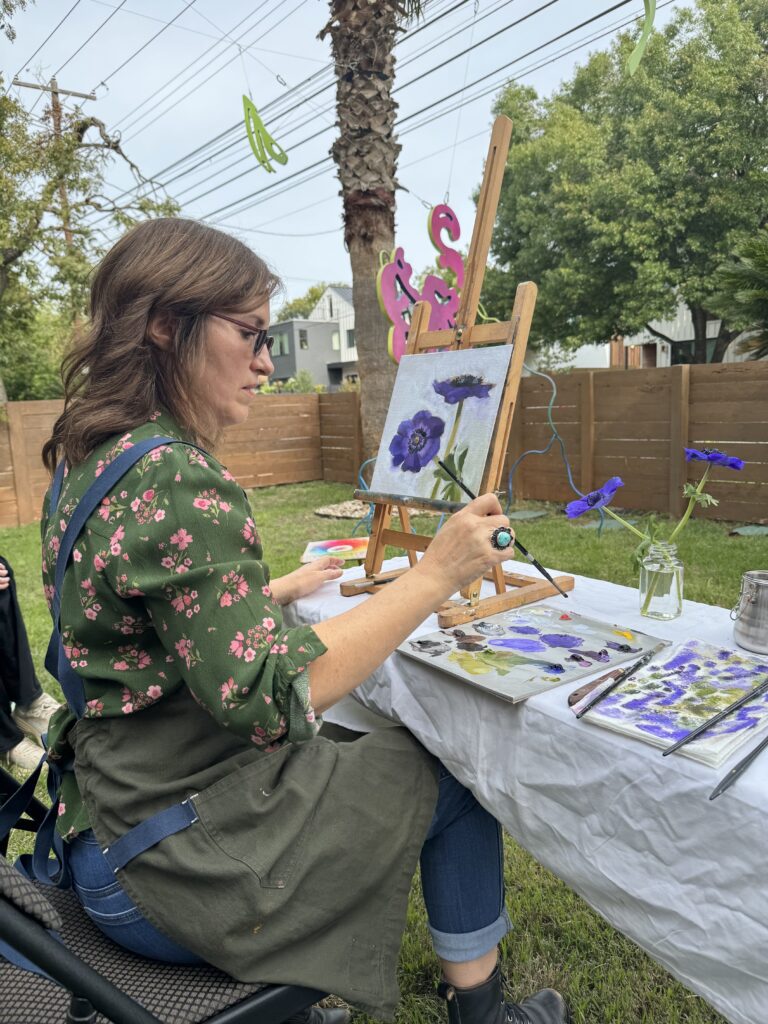
At Women in Arts Network, Flora and Fauna reminded us that nature is never experienced in just one way. For some artists, it is a source of colour; for others, a place of symbolism or storytelling. Clair M. Gaston is one of the selected artists whose botanical paintings grow from a lifetime of observing, gardening, and living closely with the natural world.
Growing up, Clair spent long summers at her family’s rustic lakeside cabin, where days were filled with exploring outdoors, gathering wildflowers, watching insects, and developing the quiet curiosity that would later shape both her life and her art.
Those early experiences nurtured not only her love for nature but also the careful observation that has become central to her practice as a botanical artist.
Today, Clair approaches flowers as both an artist and a gardener. She doesn’t simply paint a bloom at its most beautiful; she observes its entire journey from the first bud to flowering, fruiting, seeding, and eventually returning to the soil.
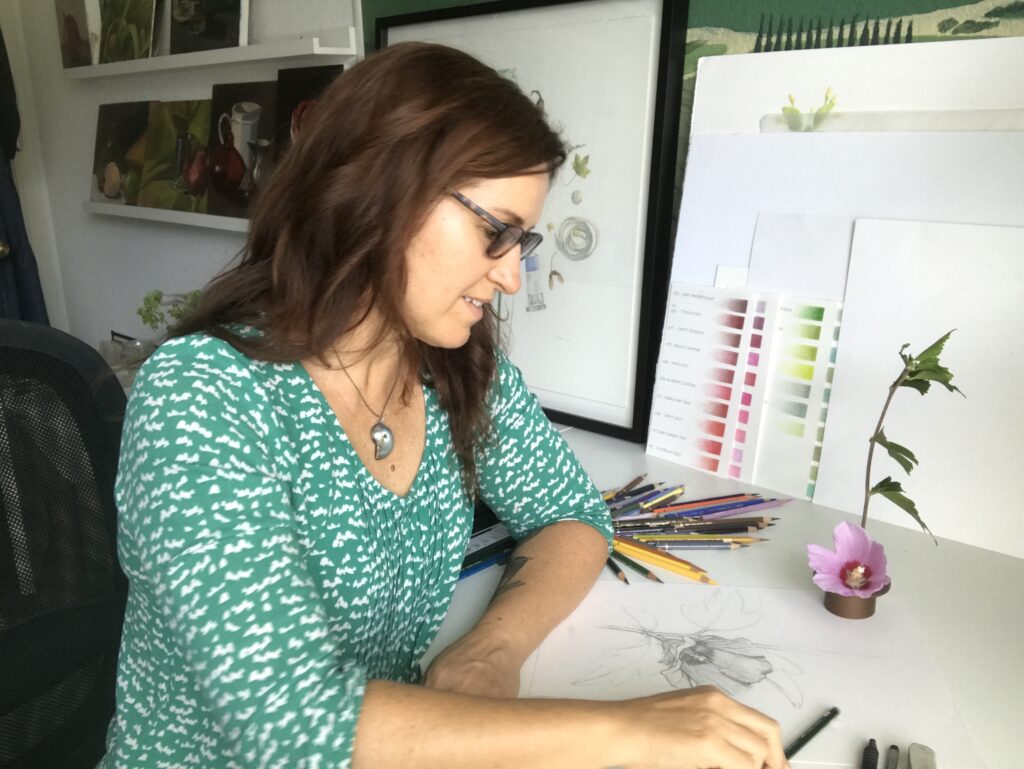
Every stage becomes part of a larger story about growth, change, and the intricate relationships that sustain the natural world.
Whether working in coloured pencil, oils, or gouache, her paintings balance botanical accuracy with warmth and sensitivity. While realism remains at the heart of her practice, her work is equally shaped by wonder, inviting viewers to slow down and appreciate the quiet beauty found in the details that often go unnoticed.
More than botanical studies, Clair’s paintings become celebrations of attention itself. They remind us that the natural world is constantly offering moments of beauty, curiosity, and connection if only we take the time to notice them.
Now, let’s get to know Clair M. Gaston through our conversation about botanical art, gardening, observation, colour, and finding meaning in the ever-changing rhythms of nature.
Q1. Can you share a little about your journey and what first led you to art?
I have always enjoyed painting and drawing. I remember drawing my Mom’s plants when I was very young. In college, I studied Fine Arts because it was the only thing I was interested in. I was offered a teaching fellowship in graduate school, and discovered that I liked it, and have been teaching art since then.
Q2. You’re both a naturalist and an artist. How has nature shaped the way you paint?
When I was young, my family would spend summers at our cabin on a small lake. It was rustic – no phone, TV, or shower. I spent long days outside on my own, swimming, looking for frogs and toads, catching fireflies, watching out for snakes, gathering wildflowers. As an adult, I realized how unique this was and how formative those years were for me. It gave me a direct and powerful connection to the natural word. I am very observant which is necessary for a botanical illustrator.
Q3. Flowers are constantly changing. How does that influence the way you paint them?
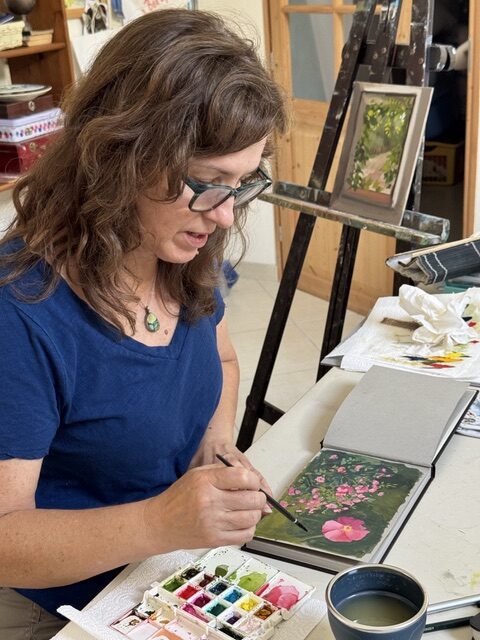
Yes! It depends on how much detail I’m wanting to capture. Often I will begin a colored pencil illustration with direct observation of the live subject, then finish it later with a photo. Alternately, If I’m going for something looser or less detailed, I will work with a medium that is faster, like oils or gouache, so I can work completely from direct observation, finishing in one or two days.
Q4. Your work celebrates colour so confidently. How do you decide between painting what you see and what you feel?
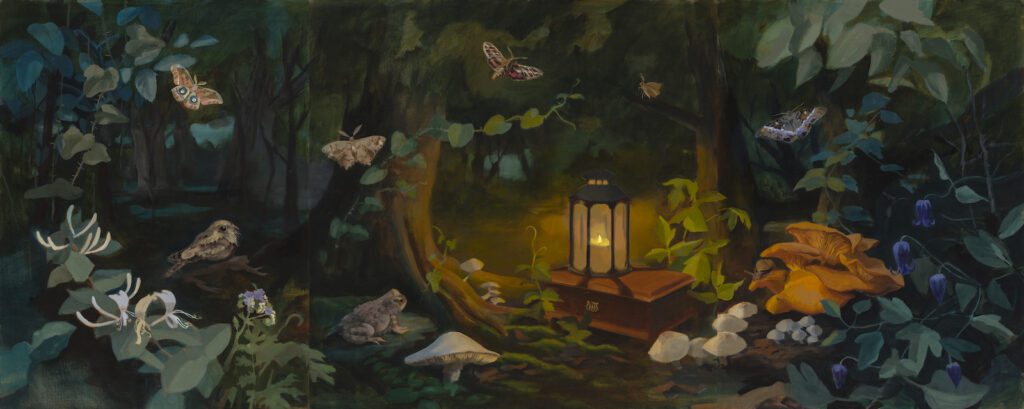
I’m usually driven by realism. Which means I’m mostly inspired by realistic color. Emotion plays a part too, as in backgound colors, or relating groupings of objects. In groupings, I often choose sentimental objects with a certain color or form.
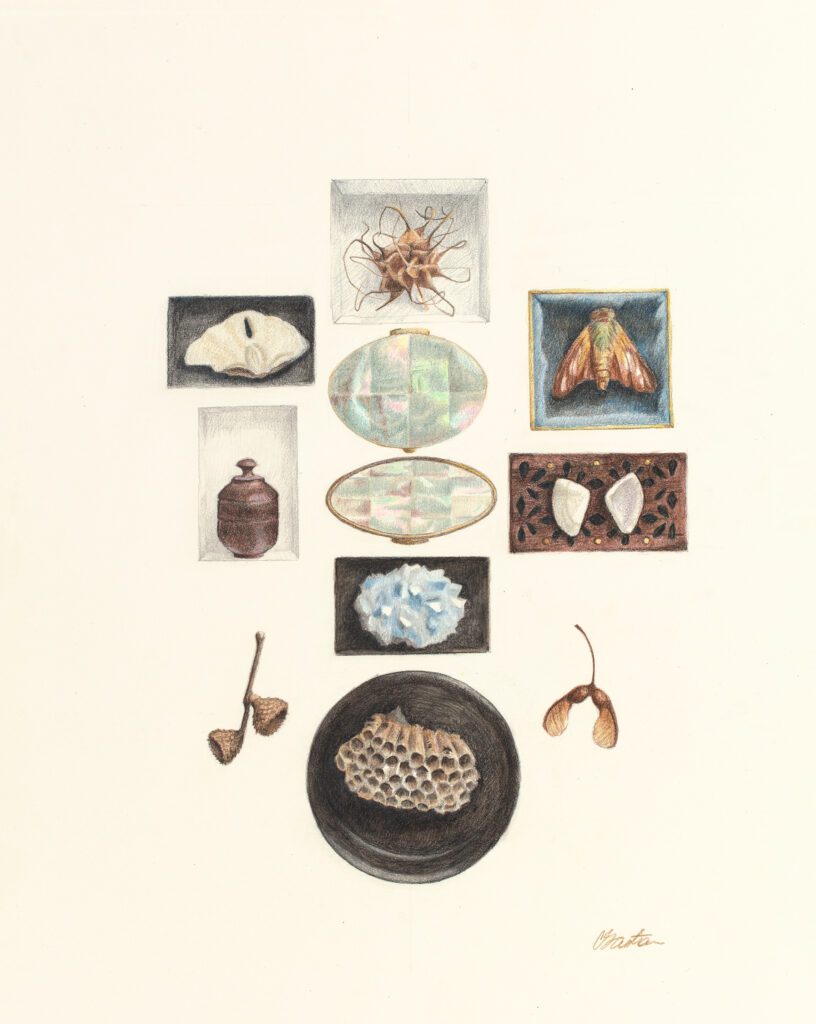
Q5. Your compositions have become increasingly immersive and expressive. How has your relationship with flowers evolved through these newer bodies of work?
I am a gardener, which means I am a caretaker and an observer of nature. My relationship with the natural world is one of curiosity, awe, and reverence. Observing the life cycles of plants – a new bud, pests, pollinators, flowering, fruiting, seeding, wilting, dying – I am more connected and invested in our beautiful planet, and my place in it feels meaningful. Maybe my audience feels something similar.
Q6. How does your approach change when painting a single bloom compared to a full floral arrangement?
With a single subject, I can focus more on detail, while a multi -part composition is more about the relationship between the parts.
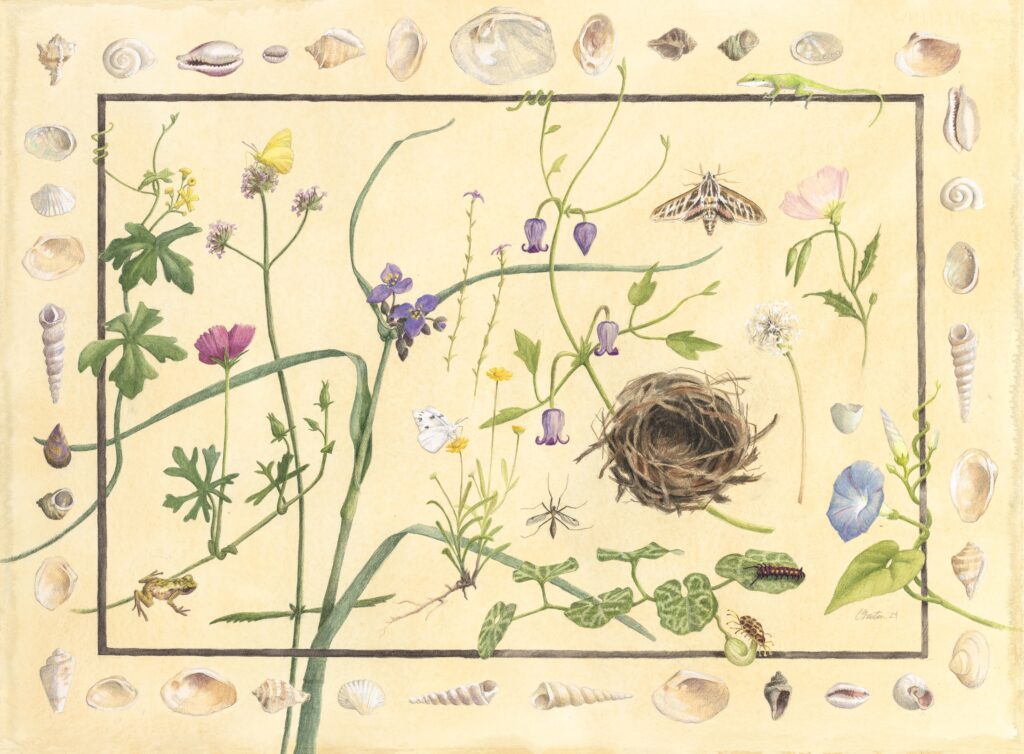
Q7. Flowers have inspired artists for centuries. What do you think keeps them endlessly relevant as a subject?
They are interesting to look at, beautiful and complex. There is endless variety of color and form. Many cultures have symbolism and meanings for specific flowers
Q8. Beauty is sometimes dismissed as something superficial. Through your work, what does beauty mean to you?
Beauty feeds us visually. We may each have a different definition of beauty, which may continue to change as we grow. I find endless beauty in nature, not only in flowers, but in the seed pods, wilted leaves that return to the soil, insects, and ecosystem realtionships.
Q9. Do you think our relationship with the natural world has changed in ways that make landscape painting feel newly significant?
I hope so. Perhaps landscape painting transports viewers or makes them more aware and thoughtful about out environment.
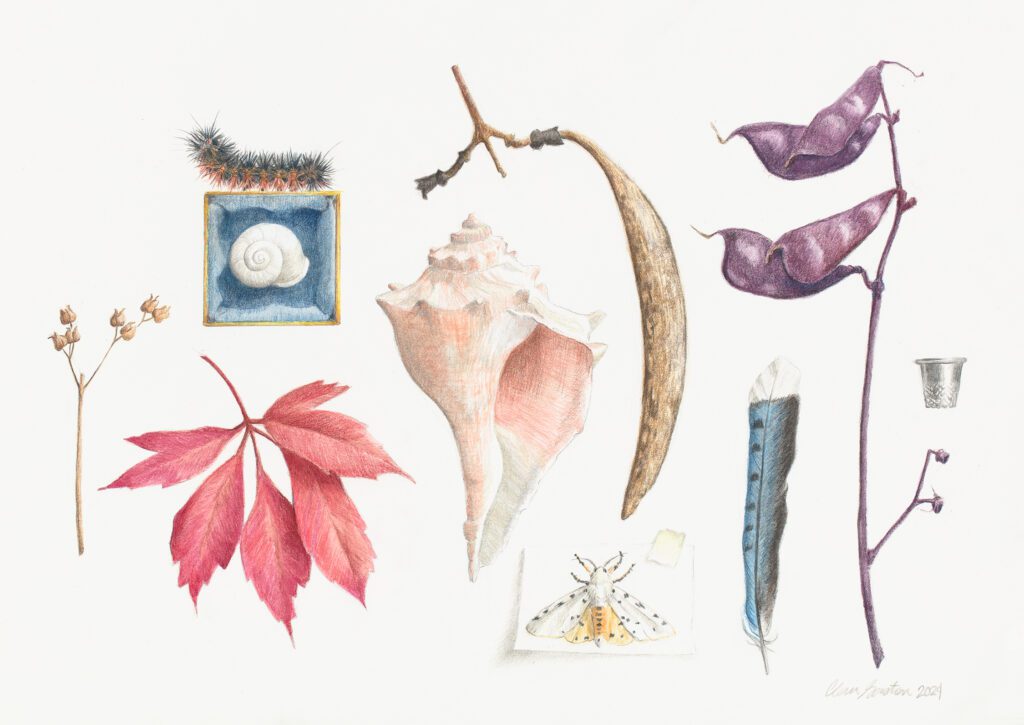
Q10. What do you hope people discover not about your paintings, but about themselves after spending time with your work?
It is a wonderful and nourishing thing to slow down and observe the natural world.
Q11. How has your understanding of success evolved over the course of your career?
One of my first and favorite mentors encouraged me to find my niche in art. Decades later I really understand what this means, as I have found a meaningful place in Botanical art. Making contacts with other artists and students through the American Society for Botanical Artists has been wonderful.
Being connected to places like The Lady Bird Johnson Wildflower Center, and Laguna Gloria in Austin, give me inspiration and connection to place. Success for me is being able to do exactly what I want to do, and sharing it with others.
Q12. If you could revisit the artist you were at the beginning of your journey, what would you encourage her to trust more?
Follow what lights you up; your interests are worthy.
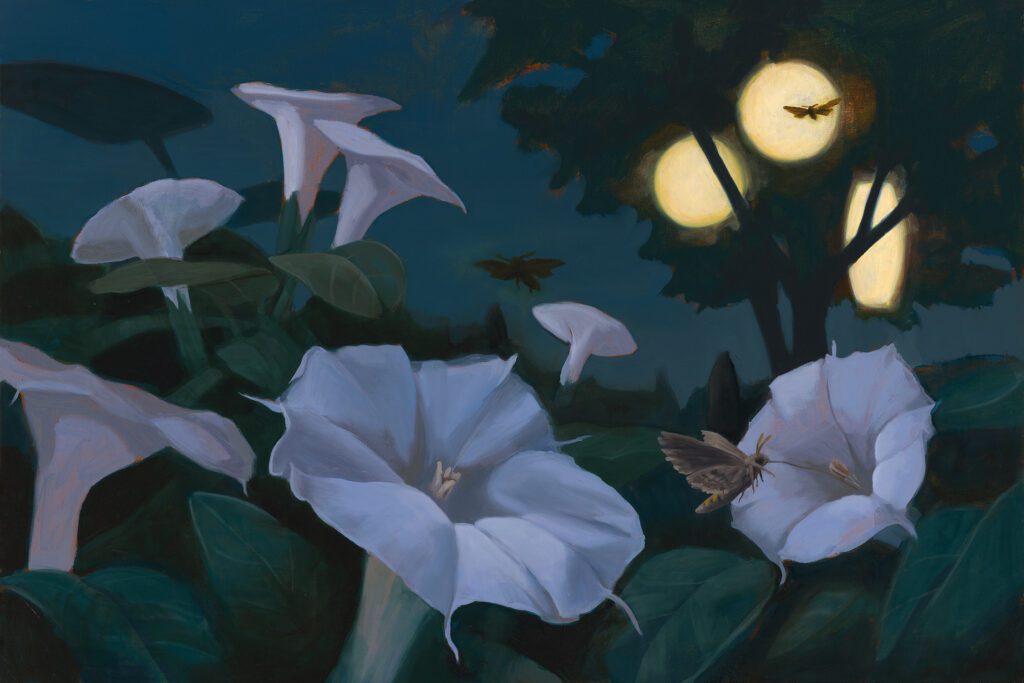
As our conversation with Clair came to a close, we found ourselves thinking about how easily we overlook the natural world when it is closest to us.
We travel to national parks to admire nature, photograph spectacular landscapes, and marvel at rare flowers in bloom. Yet some of our most meaningful encounters with the living world happen much closer to home in our gardens, on neighbourhood walks, or while noticing a single flower opening and fading over the course of a few days.
Perhaps that is why botanical art continues to feel so relevant. Unlike many forms of nature-inspired art, it asks us to slow down and truly observe. Not just the moment when a flower is at its most colourful, but the entire journey of its life. The first bud. The fully opened bloom. The seed pod. Even the leaves returning to the soil. Each stage has its own quiet beauty, reminding us that nature has never measured value by permanence or perfection.
There is something comforting in that idea. Modern life often encourages us to celebrate only the finished result, to admire what is new, flawless, and complete. Nature offers a different perspective. It shows us that growth is continuous, that change is inevitable, and that every stage has meaning. Nothing exists in isolation. Every flower, insect, seed, and season is part of a larger rhythm that has been unfolding long before us and will continue long after.
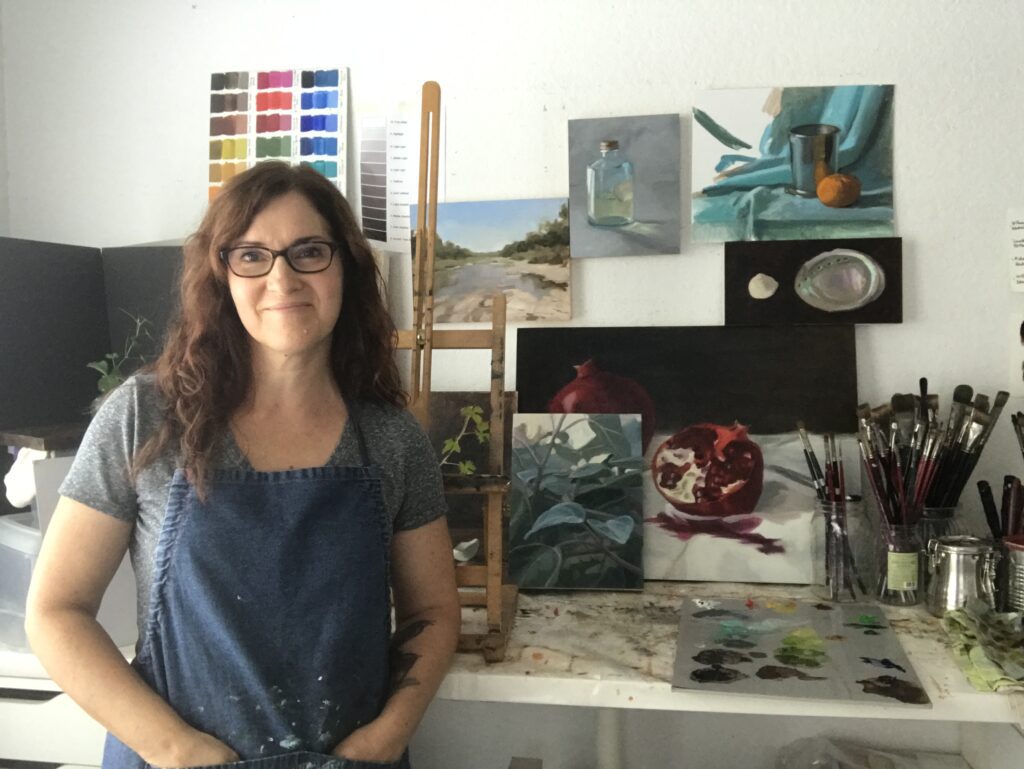
Clair’s work invites us into that rhythm. Rather than asking us to simply admire flowers, her paintings encourage us to become better observers of the world around us. They remind us that curiosity is one of the greatest gifts we can bring to nature. The more closely we look, the more extraordinary even the most familiar things become.
For collectors and art lovers, her work offers far more than beautifully painted botanical subjects. It offers a quieter way of experiencing nature one that continues to unfold over time. The remarkable craftsmanship may first capture your attention, but it is the sense of stillness, wonder, and careful observation that keeps drawing you back, encouraging a deeper appreciation for the living world each time you return.
Perhaps that is what stayed with us most after speaking with Clair. Sometimes the greatest beauty isn’t found by searching farther. It’s found by looking more closely.
Follow Clair M. Gaston through the links below and explore more of her botanical paintings.
