
5 Films Every Artist and Art Lover Should Watch
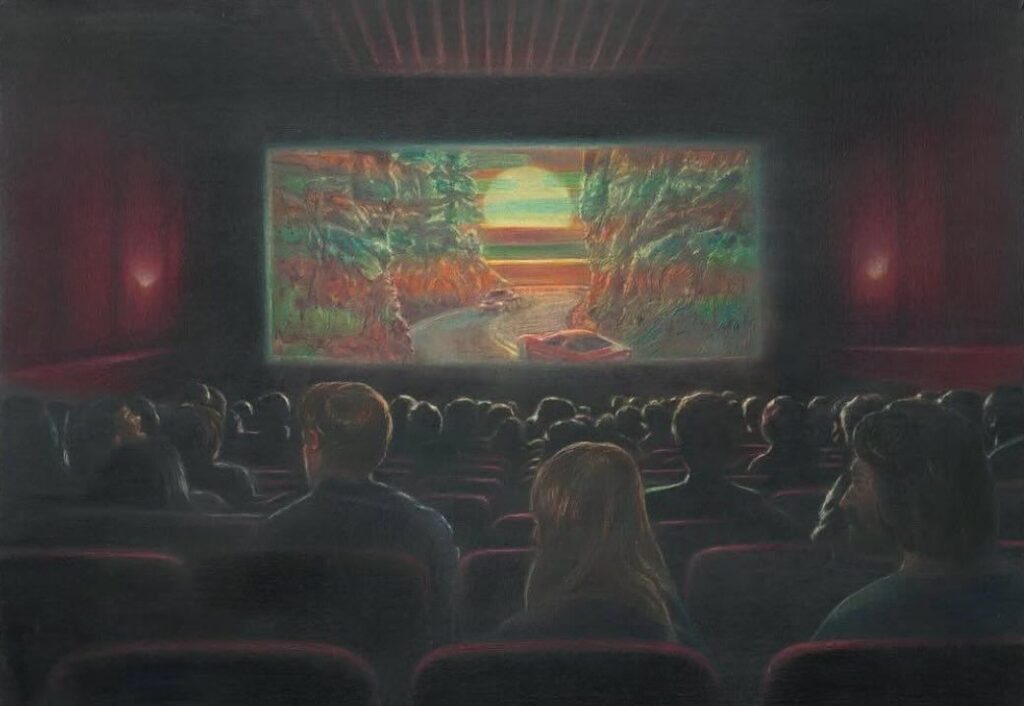
When we think of art, we often picture paintings, sculptures, photography, or works displayed in galleries. Yet one of the most influential artistic mediums of the last century is often overlooked: cinema. Every film is a carefully crafted visual experience, shaped by composition, color, lighting, costume, music, performance, and storytelling. Like a painting, every frame reflects deliberate creative choices.
What makes cinema extraordinary is its ability to bring together countless art forms. Filmmakers borrow from painters to create compositions, photographers to shape light, architects to design spaces, musicians to build emotion, and writers to tell powerful stories. For artists, films offer a chance to study visual storytelling, symbolism, perspective, and the many ways creativity can connect with an audience.
The relationship between art and cinema has always been deeply connected. Filmmakers have drawn inspiration from movements like Impressionism, Expressionism, Surrealism, and Renaissance painting, while films have introduced audiences to iconic artists and reshaped how we understand their work. In return, cinema has influenced generations of painters, photographers, designers, and contemporary creators.
Whether you are an artist seeking inspiration or simply someone who loves visual culture, great films can transform the way you see the world. They remind us to observe more closely, think more deeply, and appreciate the creative decisions hidden within every frame.
Where Art Meets Cinema
Some films do far more than tell memorable stories; they celebrate creativity itself. From breathtaking artist biopics and groundbreaking animated masterpieces to documentaries that challenge our understanding of art and authenticity, these films continue to inspire artists, filmmakers, and art lovers across the globe.
Whether you’re looking for fresh inspiration, a deeper appreciation of visual storytelling, or simply an unforgettable cinematic experience, these five films deserve a place on your watchlist.
1. Portrait of a Lady on Fire (2019)
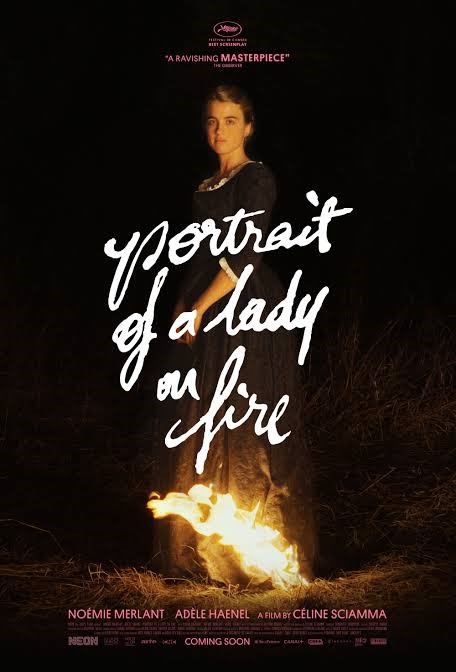
Released in 2019, Portrait of a Lady on Fire (Portrait de la jeune fille en feu) is a French historical drama written and directed by Céline Sciamma. The film follows Marianne (Noémie Merlant), a talented painter commissioned to secretly create a wedding portrait of Héloïse (Adèle Haenel), an aristocratic woman preparing for an arranged marriage. As Marianne observes her subject, their relationship transforms into a powerful story about art, memory, love, and the act of truly seeing another person.
Behind the Lens
Though fictional, the film’s artistic process feels remarkably authentic. The paintings were created by French artist Hélène Delmaire, who worked closely with Noémie Merlant to make every brushstroke believable. Cinematographer Claire Mathon drew inspiration from classical portraiture, using natural light, balanced compositions, and muted colours to make each frame resemble a painting.
Sciamma also avoided a traditional musical score, allowing silence and ambient sounds to shape the film’s emotional rhythm. As she explained, she wanted to create “a film about women artists, women painters,” placing female creativity at the center of the story.
Why It Inspires Artists and Art Lovers
Rather than focusing on artistic fame or success, Portrait of a Lady on Fire celebrates the creative process itself. Marianne’s work is built on patience, observation, and empathy, showing that great art comes from truly understanding the subject.
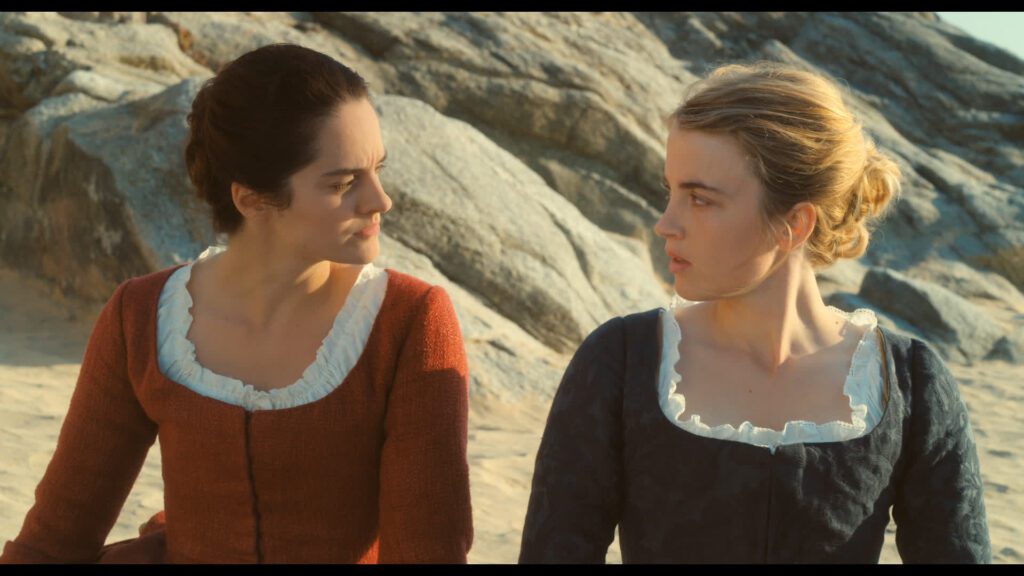
Through its use of light, colour, perspective, and composition, the film mirrors the language of classical painting. It also stands as a powerful example of the female gaze, exploring who creates art, who is represented, and how stories are told.
Why the World Loves It
Premiering at the 2019 Cannes Film Festival, the film won the Best Screenplay Award and earned Sciamma the first-ever Queer Palm awarded to a female director. With a 97% critics’ score on Rotten Tomatoes and an IMDb rating of 8.1/10, it has become widely regarded as one of the most celebrated films of the 21st century.
Voices from the Art World
Sciamma described the film as an exploration of “how someone looks at someone else,” a theme that runs throughout the story. By turning painting into an act of understanding rather than simple representation, the film has inspired discussions about visual storytelling, women’s perspectives in art, and the connection between cinema and painting.
2. Loving Vincent (2017)
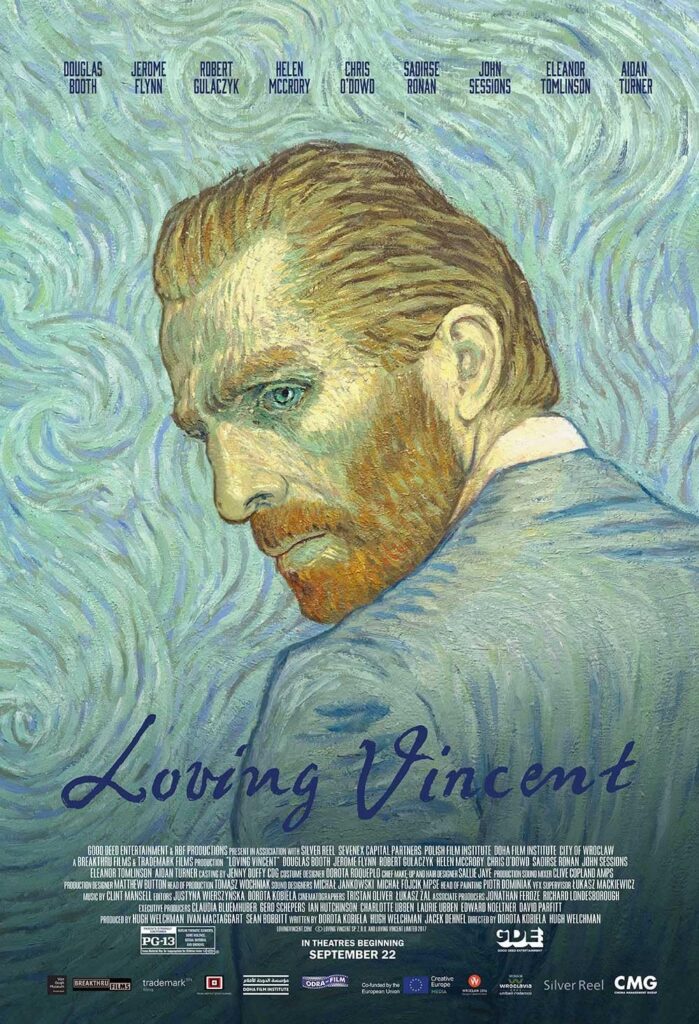
Released in 2017, Loving Vincent is a biographical animated drama directed by Dorota Kobiela (DK Welchman) and Hugh Welchman. The film follows Armand Roulin, the son of Van Gogh’s friend, as he investigates the artist’s final days while delivering his last letter. Through conversations with those who knew him, the film creates a moving portrait of one of history’s most celebrated painters.
Behind the Lens
Loving Vincent is recognized as the world’s first fully hand-painted feature film. Each scene was filmed in live action before being recreated as an oil painting inspired by Vincent van Gogh’s distinctive style. Over 125 artists hand-painted approximately 65,000 frames, bringing his colours and brushwork to life.
The filmmakers worked with experts from the Van Gogh Museum to ensure historical accuracy, with characters and locations inspired by Van Gogh’s paintings and letters.
Why It Inspires Artists and Art Lovers
More than a biography, Loving Vincent allows viewers to step inside Van Gogh’s paintings and experience his world in motion. The film highlights his expressive brushstrokes, emotional use of colour, and the lasting power of his artistic vision.
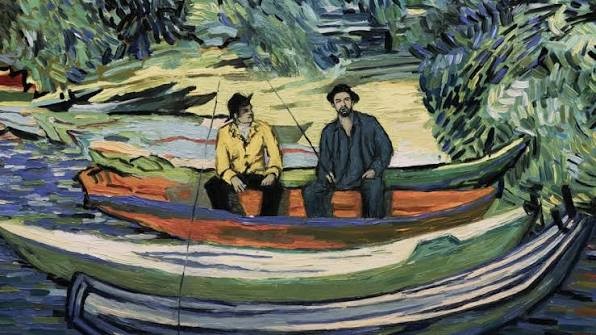
For creators, it is also a reminder that tradition and innovation can exist together. By transforming a traditional painting technique into a groundbreaking cinematic experience, the film proves that creativity continues to evolve when artists challenge boundaries.
Why the World Loves It
The film received widespread acclaim for its originality and craftsmanship, earning an Academy Award nomination for Best Animated Feature along with numerous international awards. It holds a 7.8/10 IMDb rating and an 85% critics’ score on Rotten Tomatoes, with critics praising its visuals and tribute to Van Gogh’s legacy.
Voices from the Art World
DK Welchman described the film’s ambition as creating an experience where “painting becomes cinema.” The project has been celebrated by critics, art historians, and the Van Gogh Museum for introducing new audiences to the artist while showing how traditional painting can inspire new forms of storytelling.
3. Maudie (2016)
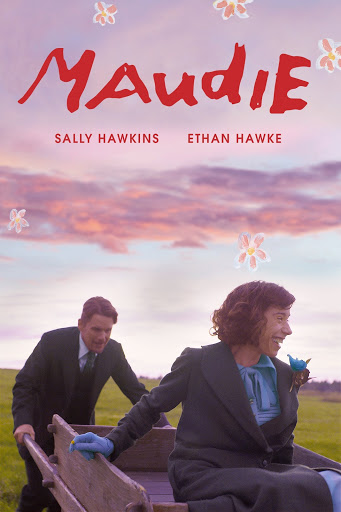
Released in 2016, Maudie is a biographical drama directed by Aisling Walsh, based on the life of Canadian folk artist Maud Lewis. Starring Sally Hawkins as Maud and Ethan Hawke as Everett Lewis, the film follows her journey from a woman facing physical challenges and limited opportunities to one of Canada’s most beloved artists. Through her small paintings and colorful home, Maud transforms everyday life into art.
Behind the Lens
Director Aisling Walsh approached Maud’s story with quiet sensitivity, focusing not on hardship but on her resilience, optimism, and love for creating. Sally Hawkins studied Maud’s movements and physical condition to portray her with honesty, while the production recreated her famous one-room house with its colourful walls and painted details.
Why It Inspires Artists and Art Lovers
Maudie challenges the idea that great art requires fame, wealth, or a traditional studio. Maud painted simple scenes from her surroundings, including flowers, animals, and rural landscapes, finding beauty in ordinary moments.
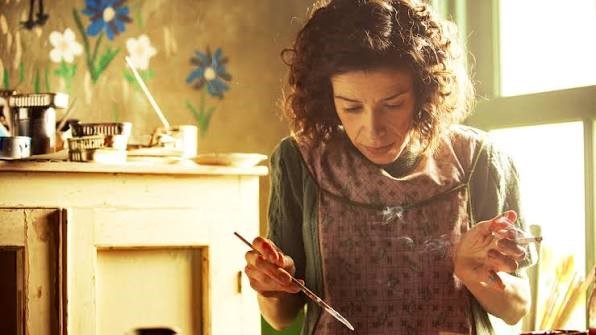
Her story is a reminder that creativity is shaped by curiosity, dedication, and the courage to keep creating despite limitations. The film shows that meaningful art can come from the smallest spaces and the simplest lives.
Why the World Loves It
The film received widespread acclaim for its emotional storytelling, cinematography, and Sally Hawkins’ performance. It holds a 7.6/10 IMDb rating and a 94% critics’ score on Rotten Tomatoes, introducing audiences worldwide to Maud Lewis’ inspiring life and work.
Voices from the Art World
Aisling Walsh explained that she wanted audiences to see beyond Maud’s struggles and recognize her joy, imagination, and optimism. Critics have praised Maudie as a tribute to the quiet power of creativity, showing that art can emerge anywhere, with nothing more than a simple brush and the desire to create.
4. Frida (2002)
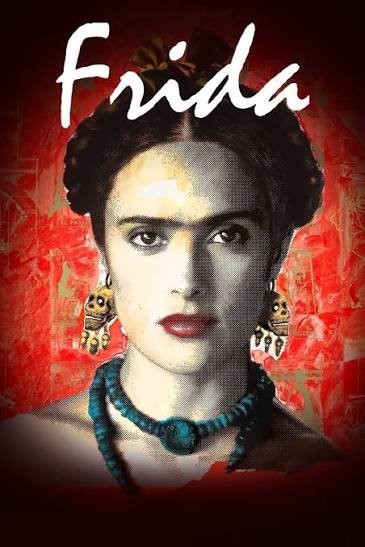
Released in 2002, Frida is a biographical drama directed by Julie Taymor, based on the life of Mexican painter Frida Kahlo. Starring Salma Hayek in an Academy Award-nominated performance, the film follows Kahlo’s journey from a life-changing accident to becoming one of the most influential artists of the 20th century. Through her relationships, struggles, and deeply personal paintings, it explores how she transformed pain into powerful art.
Behind the Lens
Salma Hayek spent nearly a decade bringing the project to life, determined to share Kahlo’s story on screen. Julie Taymor approached the film as an extension of Frida’s artwork, using surreal sequences, symbolism, and visual transitions to make her paintings feel alive.
The production team recreated Kahlo’s vibrant world through traditional Mexican clothing, colours, and imagery inspired by her self-portraits. Rather than simply showing her art, the film captures the emotions and symbolism behind it, creating a visual experience as expressive as Kahlo’s own work.
Why It Inspires Artists and Art Lovers
Frida is a celebration of artistic authenticity. Kahlo transformed her personal experiences, including love, pain, identity, and resilience, into deeply emotional paintings. The film reminds artists that their strongest work often comes from embracing their own stories.
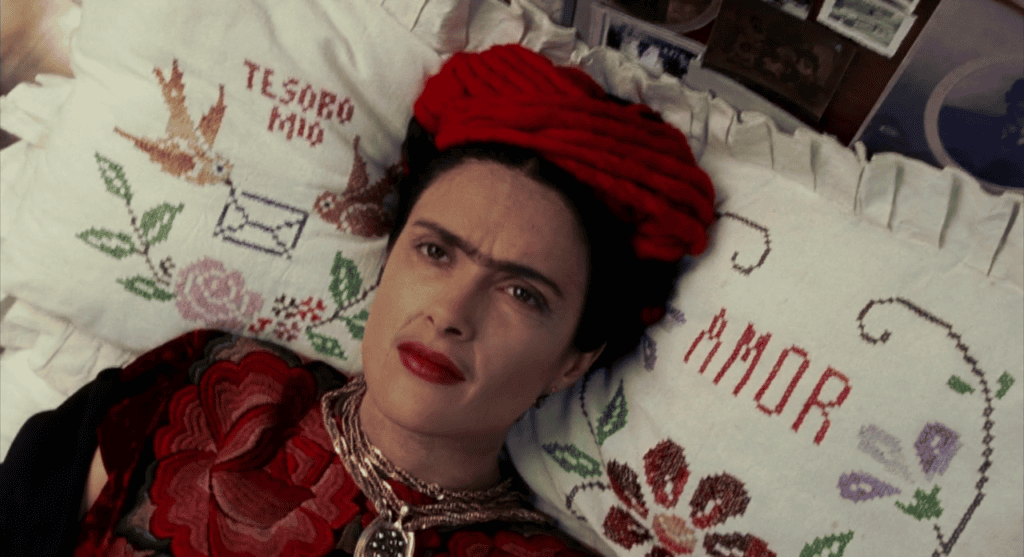
For viewers, it reveals the person behind the iconic self-portraits, showing how every painting reflected a part of Kahlo’s life and encouraging a deeper appreciation of the emotions behind great art.
Why the World Loves It
The film received six Academy Award nominations and won two Oscars for Best Original Score and Best Makeup. Salma Hayek’s performance was widely praised, earning her a nomination for Best Actress. It holds a 7.3/10 IMDb rating and a 76% critics’ score on Rotten Tomatoes, remaining one of cinema’s most celebrated portrayals of a visual artist.
Voices from the Art World
Julie Taymor explained that she wanted audiences to experience Kahlo’s paintings emotionally rather than simply view them as famous artworks. By bringing viewers into Frida’s imaginative world, the film continues to inspire new generations to explore her art, life, and lasting influence.
5. The Red Shoes (1948)
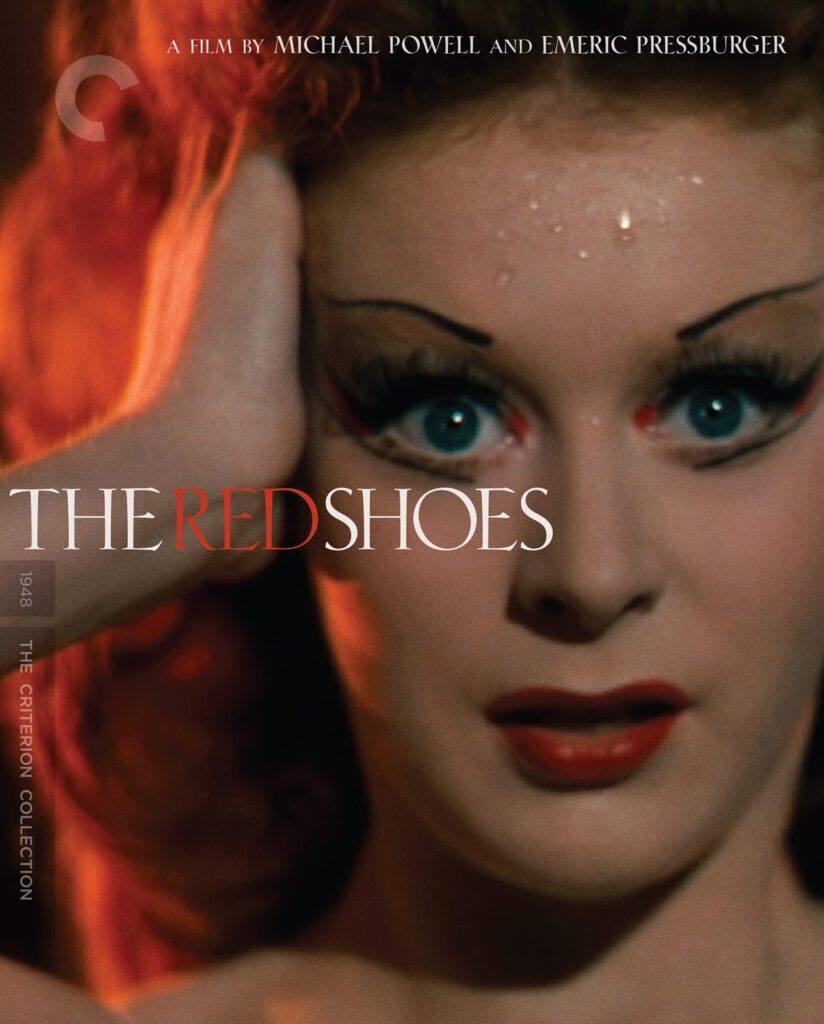
Released in 1948, The Red Shoes is a British drama created by legendary filmmaking duo Michael Powell and Emeric Pressburger. Inspired by Hans Christian Andersen’s fairy tale, the film follows Victoria Page (Moira Shearer), a gifted ballerina torn between love and her devotion to dance. Through her journey, the film explores artistic ambition, sacrifice, and the demands of creative passion.
Behind the Lens
The Red Shoes transformed dance on screen by treating cinema itself as an art form. Powell and Pressburger combined choreography, colour, editing, and visual effects to create the iconic 17-minute ballet sequence, one of the most celebrated moments in film history.
Moira Shearer’s professional ballet background brought authenticity to the role, while cinematographer Jack Cardiff used Technicolor to create rich, painterly visuals that continue to inspire artists.
Why It Inspires Artists and Art Lovers
Beyond ballet, The Red Shoes is a powerful reflection on the creative life and the sacrifices that often come with artistic ambition. It explores the tension between personal happiness and dedication to one’s craft, questions that continue to resonate with artists across disciplines.
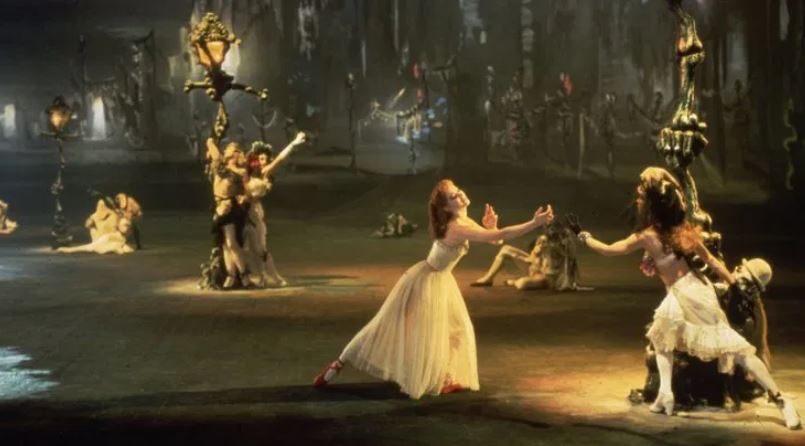
Its visual storytelling is equally remarkable, with every costume, colour choice, and camera movement contributing to its emotional world. The film shows how different art forms can merge to create something entirely new.
Why the World Loves It
Now considered one of the greatest films ever made, The Red Shoes won Academy Awards for Best Original Score and Best Art Direction, while receiving nominations for Best Picture, Film Editing, and Original Screenplay. It holds an 8.0/10 IMDb rating and a 98% critics’ score on Rotten Tomatoes, remaining a landmark in cinematic artistry.
Voices from the Art World
The film has influenced generations of creators, with Martin Scorsese frequently citing it as one of his favourite films for its use of colour and its portrayal of artistic dedication. Filmmakers and artists continue to celebrate its vision of creativity, passion, and commitment.
The Red Shoes reminds us that art requires more than talent; it demands devotion, courage, and a willingness to pursue the work that inspires us.
An Endless Conversation Between Art and Cinema
Long after the credits roll or the gallery lights dim, art and cinema continue to speak to one another. A painter’s brushstroke can inspire a filmmaker’s frame, just as a single film can encourage an artist to see colour, composition, or storytelling in an entirely new way. Across centuries, these two creative worlds have borrowed from, challenged, and reimagined one another, proving that inspiration is never confined to a single medium.
Perhaps that’s why films about artists and art continue to resonate so deeply. They don’t simply tell stories; they preserve artistic legacies, celebrate creative courage, and invite us to experience paintings, sculptures, performances, and ideas through movement, sound, and emotion. In return, artists continue to look to cinema for its visual language, rhythm, symbolism, and ability to capture moments that linger long after the screen fades to black.
The five films in this collection are part of that enduring conversation. Each offers a different perspective on creativity, whether through the eyes of a painter, the life of a remarkable artist, or the sacrifices and joys that come with making art. Together, they remind us that while the tools may change, from brush to camera, canvas to screen, the desire to create, connect, and leave something meaningful behind remains beautifully the same.
Ready to Press Play?
Whether you’re searching for creative inspiration, hoping to see art through a fresh lens, or simply looking for a film that lingers long after the credits roll, there’s something in each of these cinematic masterpieces worth experiencing. Some will encourage you to observe more closely, others may inspire you to embrace your own creative voice, while a few might change the way you think about art itself.
You don’t have to watch them in any particular order. Start with the one that speaks to where you are in your creative journey today. You may find yourself returning to the other ones months or even years later, noticing new details, discovering fresh perspectives, and appreciating them in entirely different ways. After all, the greatest works of art are never experienced just once, and the finest films continue to inspire every time we press play.

5 Art Documentaries Every Curious Art Lover Should Watch
September 16, 2026 at 8:29 am[…] If you enjoyed reading our feature on these 5 Art Documentaries, you might as well like discovering about 5 Films Every Artist and Art Lover Should Watch. […]