
Why this artist hides tiny nature surprises inside her wildlife paintings┃ Natalie Jane Parker
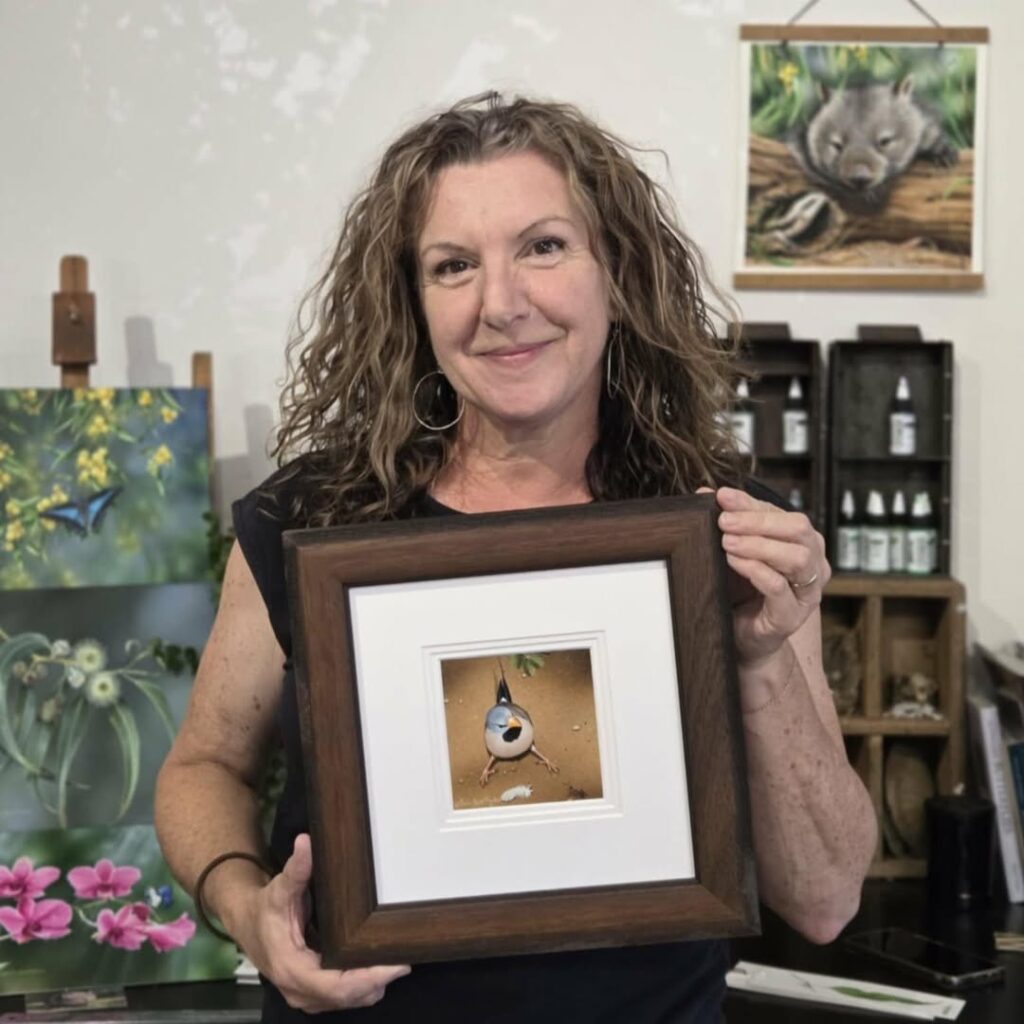
At Women in Arts Network, our Flora and Fauna exhibition introduced us to artists whose connection to nature goes far beyond artistic inspiration. For some, nature is a subject. For others, it becomes a lifelong relationship.
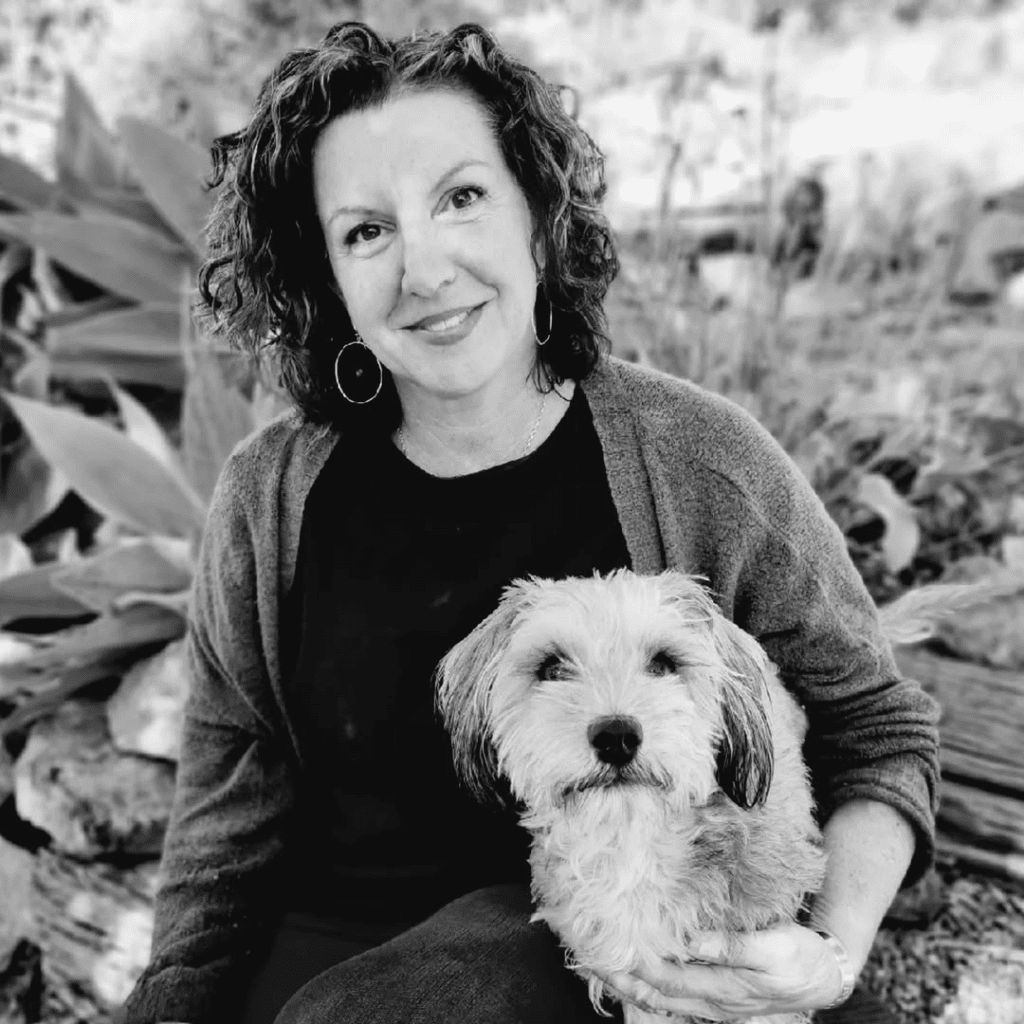
Natalie Jane Parker’s work feels firmly rooted in that second experience. She is a selected artist for the exhibition, and her paintings reflect decades spent observing, photographing, and celebrating Australia’s extraordinary wildlife.
Growing up surrounded by bushland, native birds, possums, reptiles, and towering eucalyptus trees, nature became part of her everyday life long before it became the focus of her artistic practice. That connection has never really left her.
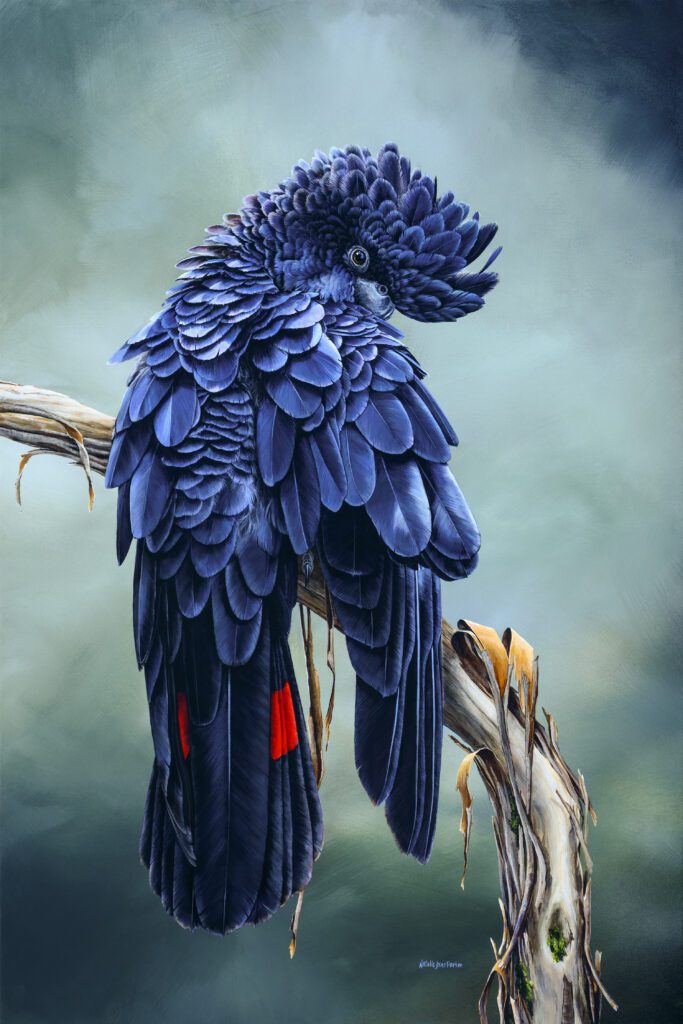
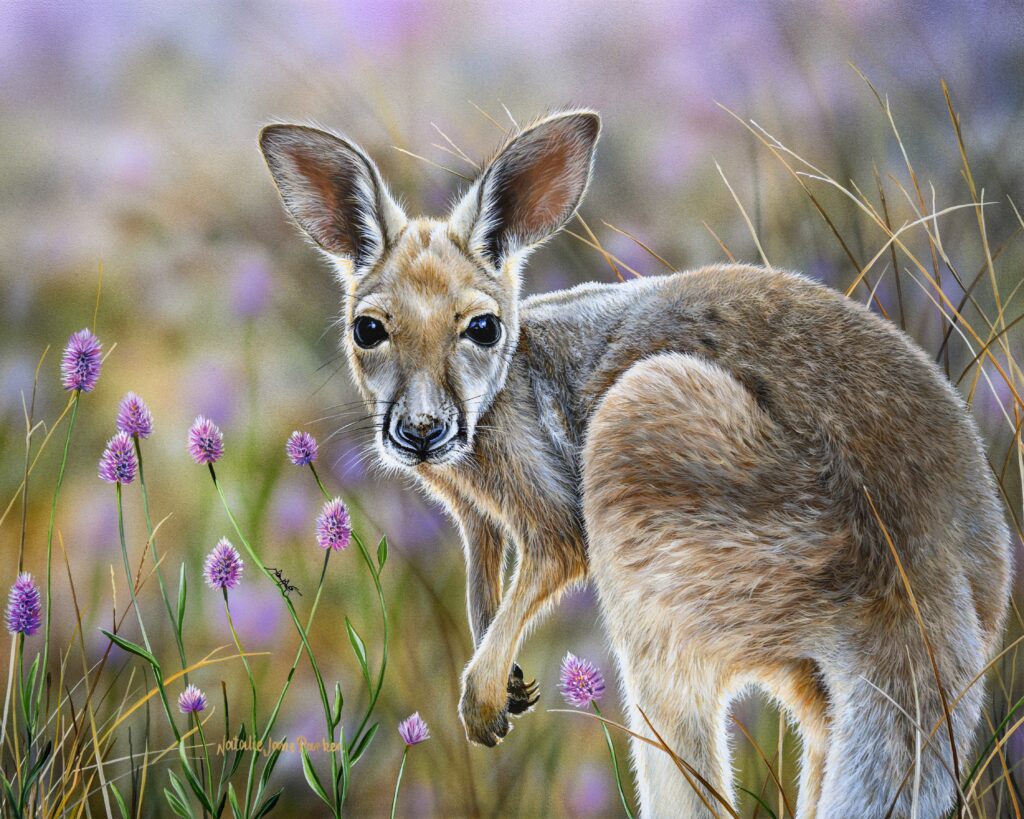
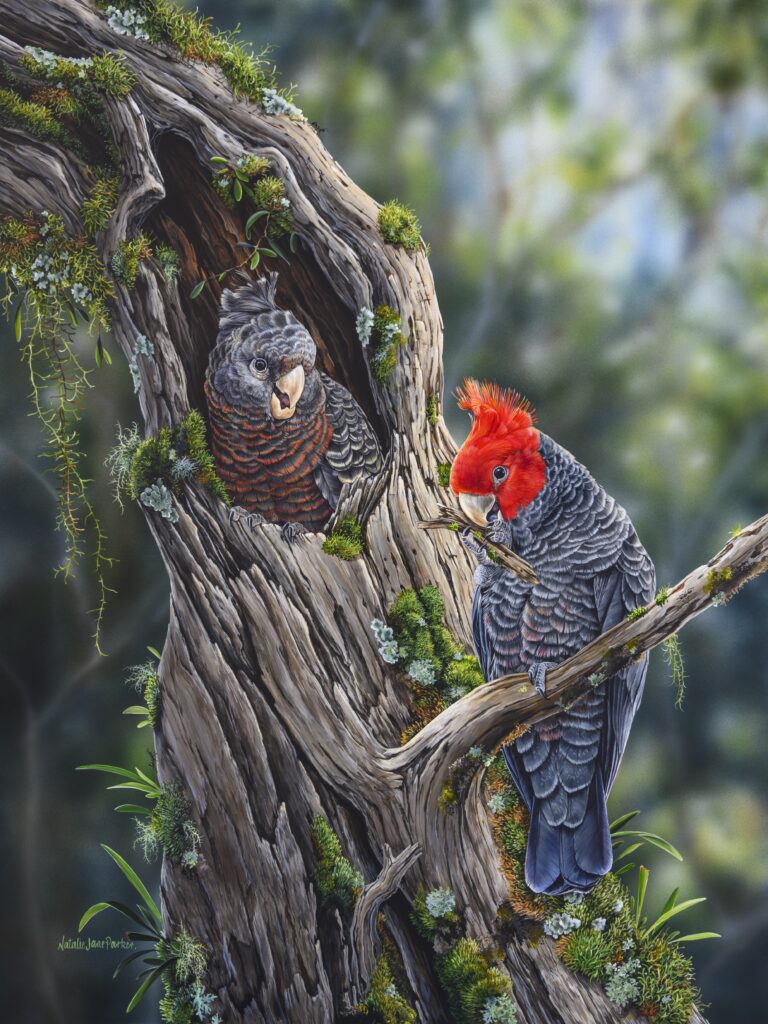
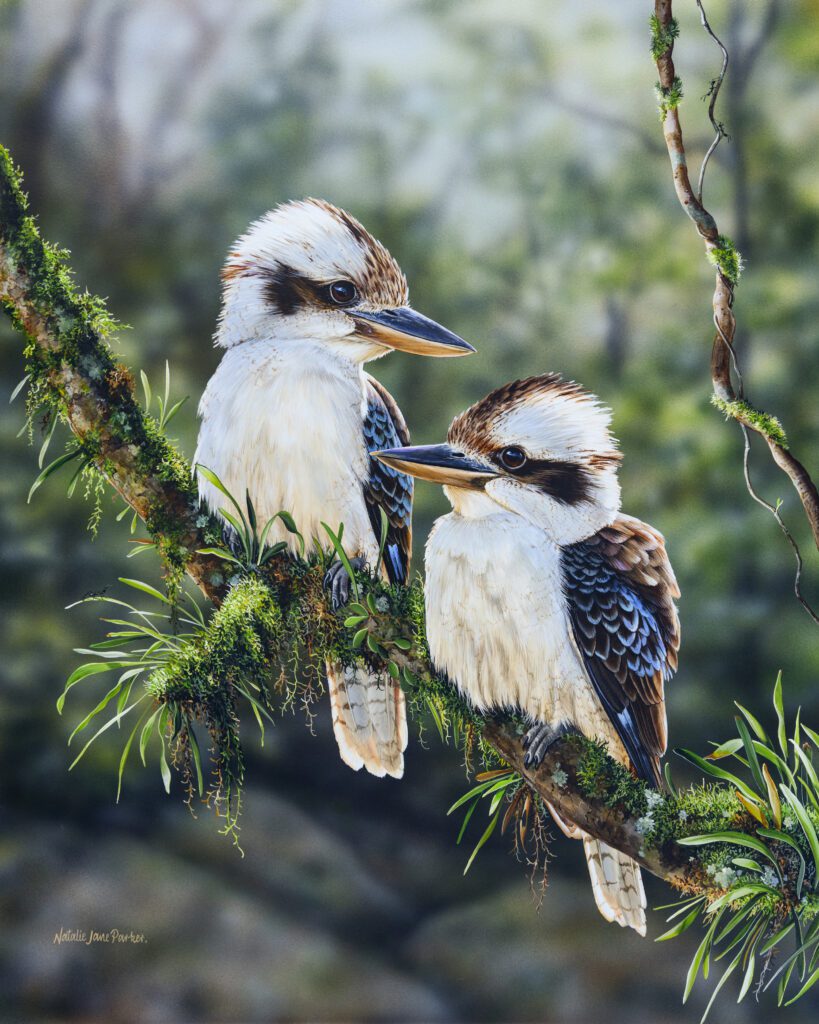
While many wildlife artists focus purely on realism, Natalie’s work goes beyond accurate representation. Her paintings capture not only the details of feathers, fur, light, and habitat, but also the personality and presence of the animals themselves. Whether painting a kookaburra, fairy-wren, possum, frog, wombat, or kangaroo, there is always a sense of connection between the viewer and the subject.
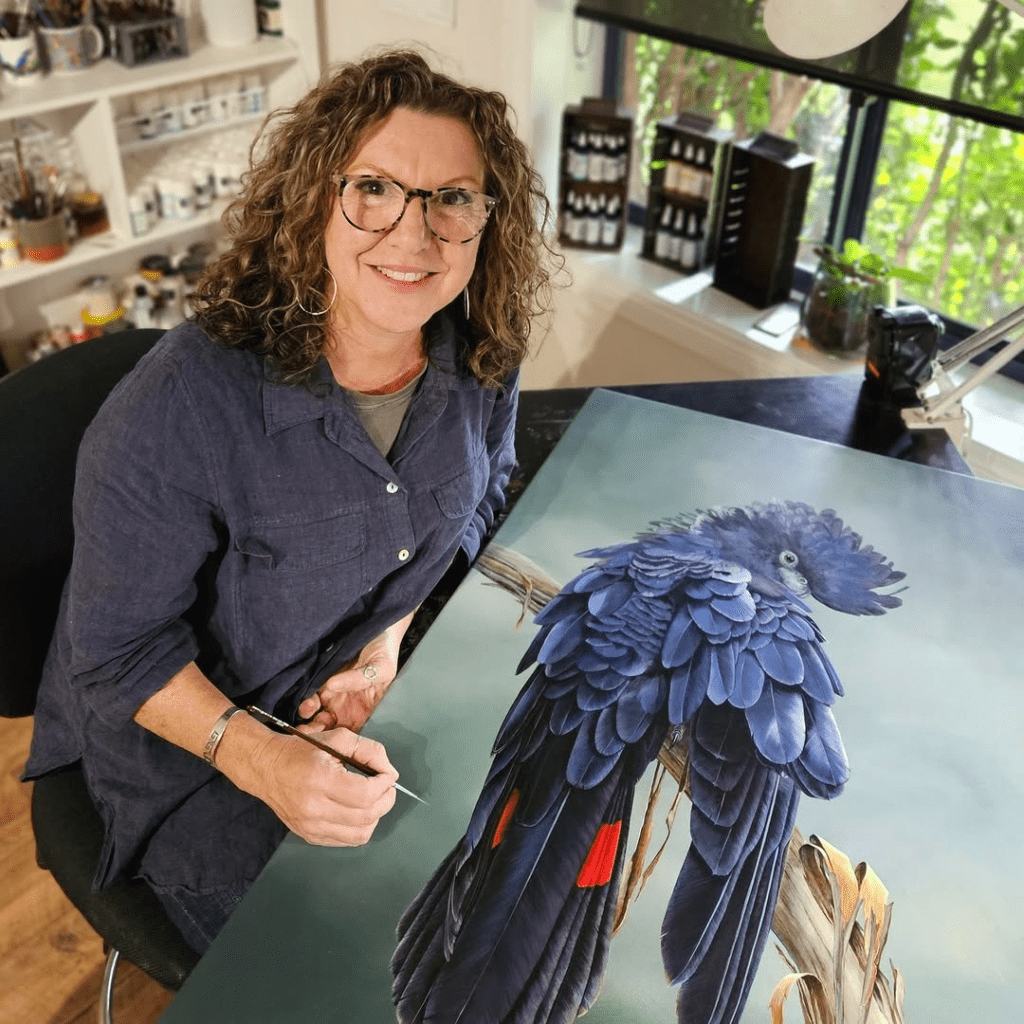
The animals never feel distant. Another aspect of her work that stood out to us is her extraordinary attention to detail. Working primarily in acrylic on clay-coated board, Natalie creates highly refined surfaces where every feather, water droplet, spider web, and blade of grass feels carefully considered. Yet despite this precision, the paintings never lose their warmth or sense of life.
There is curiosity in them. There is joy in them. And often, there is an ant hidden somewhere too.
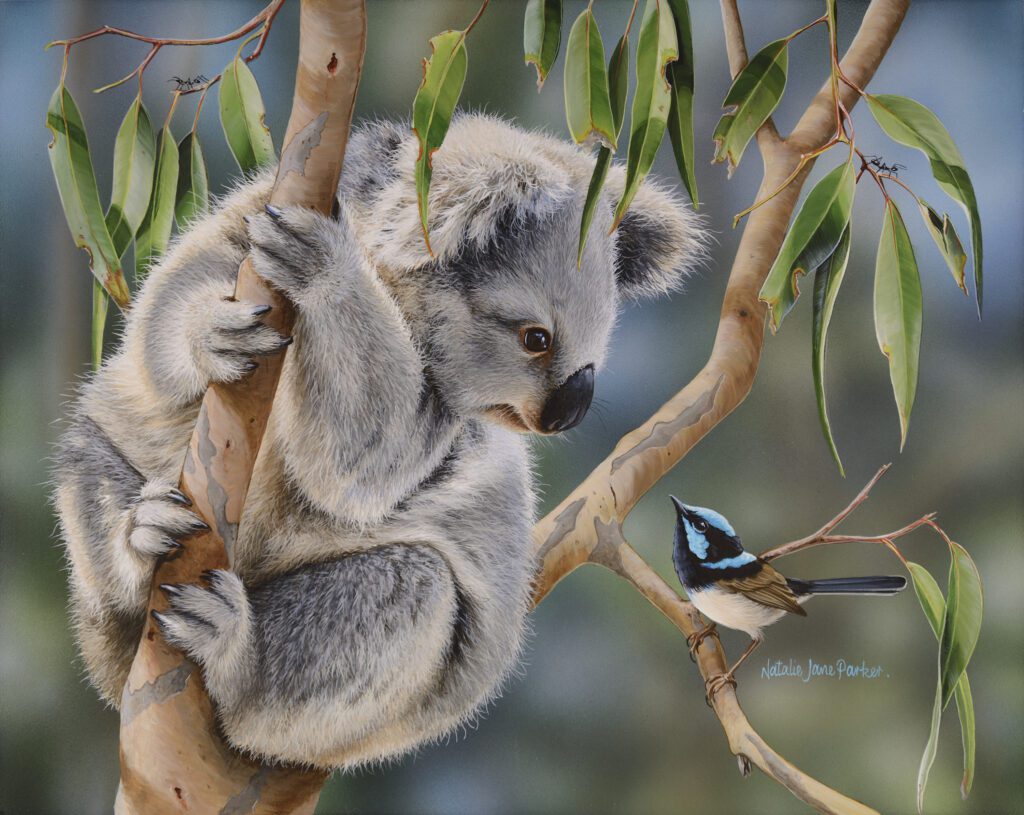
Over the years, that tiny ant has quietly become a signature within her work, encouraging viewers to slow down, look closer, and discover details they may have missed the first time. It feels like a small reflection of Natalie’s wider approach to nature itself paying attention to things many people walk past without noticing.
Beyond her studio practice, Natalie has also illustrated more than thirty children’s books and continues to use her work as a way of celebrating Australian wildlife while raising awareness around conservation and endangered species. That sense of care runs through everything she creates.
Now let’s get to know Natalie through our conversation about wildlife, observation, conservation, children’s books, hidden details, and a lifelong passion for Australia’s remarkable flora and fauna.
Q1. Natalie, let’s start at the very beginning. Who were you before you became a wildlife artist? What was little Natalie like growing up?
As a child I loved being in nature. My family moved to a 5 acre bush block with towering eucalyptus trees and an abundance of wildlife when I was 10 years old. I would constantly go bushwalking with my twin sister, one of my first encounters wild wildlife was with the local brushtail possums, bearded dragon lizards and birdlife around our home. I also loved drawing and colouring in! I looked forward to Christmas each year when I would be gifted a new set of Derwent colour pencils and a colouring in calendar.
Q2. What drew you specifically to birds and animals as subjects? Why not landscapes, people, or abstract work?
Growing up with nature surrounding me was a major influence for my art. After my school years, I enrolled in a Fine Arts course to fine tune my art skills. It also gave me the opportunity to experiment with a range of art genres, but I was always drawn back to nature.
Q3. You often draw inspiration from National Parks and wildlife references, but do you also photograph the animals and landscapes around you?
Yes! Any opportunity that I can get, I photograph the local wildlife. We have planted 100’s of native plants to encourage wildlife to visit our home. We get dozens of bird species, possums, frogs, lizards and heaps of wallabies and kangaroos.
Q4. Your paintings are incredibly detailed how do you maintain that realism without losing the emotion behind the work?
I love to replicate nature to the best of my ability, it is a passion. And I enjoy sharing my love for wildlife with like-minded people.
Q5. You work primarily in acrylic on clay-coated board. Why those materials specifically?
Clay-coated boards are completely smooth and I find that I can paint the details with exact precision. It is so satisfying being able to achieve the cleanest of brush strokes of fur, feathers and other intricate details in nature like spider webs and water droplets.
Q6. Your work emphasizes “light, feather texture, and habitat detail.” Which of those three is most challenging to get right?
I find it is a bit of a juggling act with all aspects in painting nature. I like to paint a subject that am drawn to, it flows easier when I connect to the animal, bird and their habitat. In recent years I have been challenging my art skills with lighting, creating mood that adds an extra dimension and ‘life’ to the painting.
Q7. You paint magpies, kookaburras, fairy-wrens, parrots, koalas, wombats, quokkas, and more. Do you have a favorite subject?
All Australian wildlife are my favourite. We are so fortunate in this country to have such an amazing and diverse range of birds and animals. But if I had to pick a favourite, Possums and Green Tree Frogs would be at the top of the list – revisiting animals that I connected with in my youth.
Q8. The small ants that appear in your work have become a kind of signature how did that detail begin, and what does it represent for you?
The ant entered my work quite by accident, I love the idea that the viewer can find new things even after admiring a painting over time. I enjoy adding the tiny elements in nature, a spiders web, a beetle, water droplets, an ant…. when painting nature you have the opportunity to immerse yourself in the tiniest of details. Ants are an insect that everyone recognises, and found everywhere! Art admirers that have followed my career for years asked me, “Is there an ant in this painting?” or “where is the ant?” It eventually became something that I could not add to my works.
Q9. You’ve illustrated over 30 children’s books! That’s a major body of work. How did you get into children’s book illustration?
The art industry has its ebbs and flows. During one downturn in the market, I knew that I had to diversify to stay in the industry I loved. I feel that I am a big kid at heart, and I had always dreamt of creating a children’s book. I had an idea for a book, funnily enough the main character was an ant, I then created a small series of illustrations featuring my character, pitched my idea to a publisher, which in turn started my children’s book career!
Q10. Even though your work is highly realistic, it feels carefully composed how do you create a sense of mood or story within a painting?
I love to create interaction in my art, whether it be between the viewer and the subject or between two or three completely different species. I’m sure a lot of wildlife cross paths in nature that is rarely witnessed.
Q11. You created “Aussie Alphabet Art” a hand-drawn flora and fauna alphabet. Tell us about that project!
I have worked with a homewares company for many years now, my alphabet series was first published on coffee cups. It was a fun project to work on, some letters were a little challenging though!!
Q12. You’ve been published in companion books and virtual exhibits internationally. Does it feel surreal to have Australian wildlife art shown globally?
I love to share my passion for Australia’s unique wildlife with other nature lovers and feel proud to be able to be a part of international art exhibitions.
Q13. Many of the animals you paint are native or endangered how important is it for you that your work encourages awareness and appreciation of wildlife?
Being able to raise awareness for endangered species and conservation is very important to me as an artist. I hope to be able to educate and inform people through my art.
Q14. Your work is “cherished by memento-hunting tourists and serious art investors alike.” How do you balance those two audiences?
I am so happy that my work can be appreciated by anyone who has a passion for Australian wildlife and nature. Thankfully, I have a broad price point for all. I am thankful that people can appreciate my work….. whether it be enjoying a cup of coffee out of a mug with their favourite Aussie animal or bird, or an art collector admiring their purchase of an original painting.
Q15. What’s your dream project something you haven’t done yet but would love to create?
I would love to have an International based exhibition featuring my original paintings showcasing Australian wildlife. Sharing my love for Australia’s unique Fauna and Flora.
Q16. You’ve been working as a wildlife artist for decades—what has kept your practice evolving rather than becoming repetitive?
I never tire painting Australian wildlife, I am constantly inspired by doing field trips and immersing myself in nature. And there are still so many birds and animals that I am yet to paint!
Q17. What advice would you give to artists who want to build a practice rooted in observation, patience, and deep attention to detail?
Follow your passion.
As our conversation with Natalie came to a close, we found ourselves reflecting on something surprisingly simple: attention.
Not the kind of attention that lasts a few seconds before moving on to the next image, but the kind that comes from spending years looking closely at the same world and still finding reasons to be fascinated by it.
That spirit runs through all of Natalie’s work. Many wildlife artists focus on creating accurate representations of animals. Natalie certainly does that, but there is something else happening beneath the surface.
Her paintings communicate a genuine admiration for the creatures she paints and the environments they inhabit. Every feather, reflection, spider web, water droplet, and hidden detail feels like part of a larger celebration of the natural world. The work comes from knowing these subjects deeply. And perhaps that is what gives the paintings their warmth.
For collectors, the appeal extends far beyond technical skill. These are works that invite people into a closer relationship with nature. The longer you spend with them, the more details emerge, the more stories reveal themselves, and the more apparent it becomes how much care exists within every part of the composition. That experience never really ends.
There is also something meaningful about Natalie’s ability to connect with such a wide audience without compromising the quality of her work. Children are drawn to the animals. Nature enthusiasts recognise the authenticity. Collectors appreciate the craftsmanship. Conservation advocates connect with the awareness the work creates. Very few artists manage to bring all of those worlds together so naturally.
In many ways, her paintings remind us that wonder does not disappear with age. It simply requires us to keep paying attention. And that may be one of the most valuable things arts can offer.
To follow Natalie’s journey and see more of her work, find her through the links below.
