
Soohyun Aria Jo’s Work Treats Art as a Mirror for Inner Self
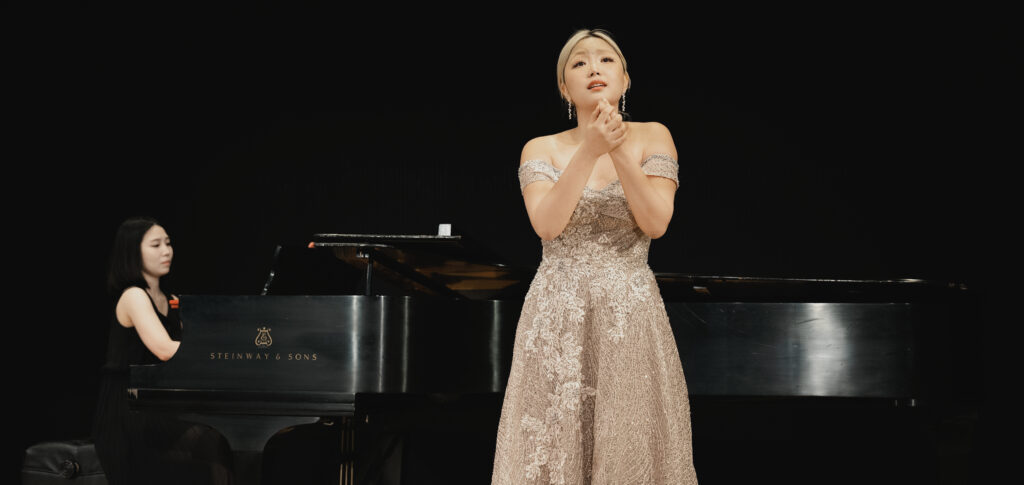
At Women in Arts Network, Love, Life and Everything She Creates brought together artists who pour their whole selves into what they make. Soohyun Aria Jo is one of the selected artists, and her work does something quietly generous: it holds up a mirror, so that the person standing before it might rediscover the light they had inside all along.
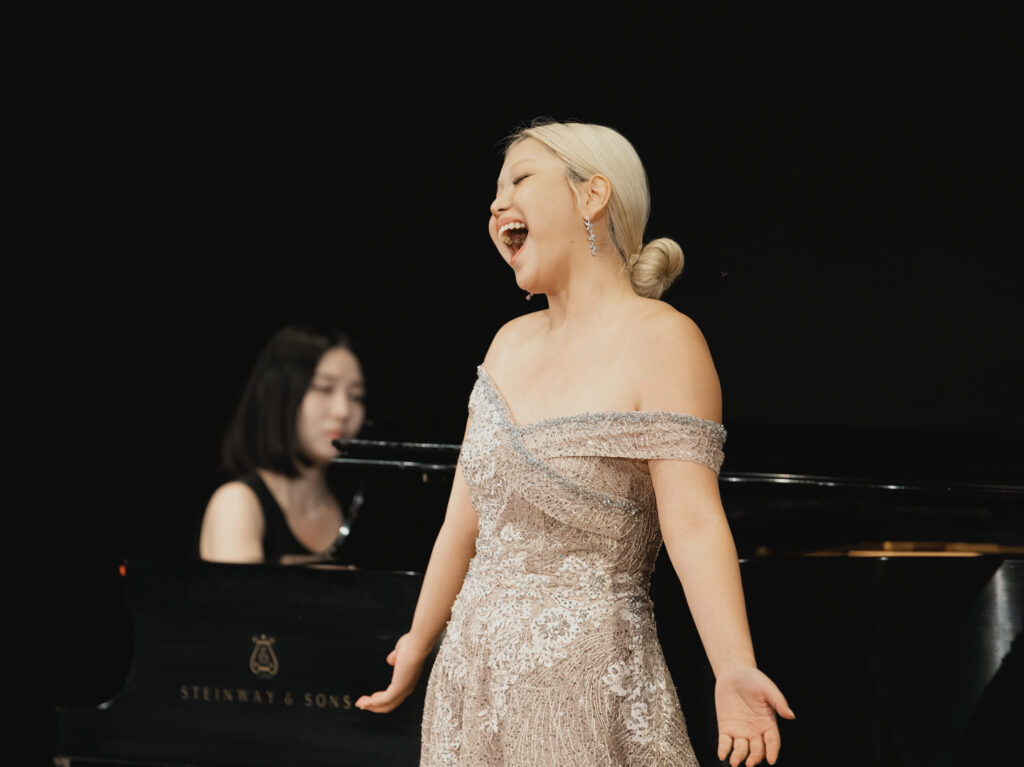
Soohyun has wanted to be an artist for as long as she can remember always singing, dancing, and drawing as a child, even before she knew how she wanted to express herself. She grew up in an environment that prized academics, but at eighteen a high school music teacher encouraged her to try classical singing, and that single suggestion changed her life.
She studied vocal performance through university and completed her master’s degree in New York, and it was there she realized she wanted to express herself beyond voice alone.
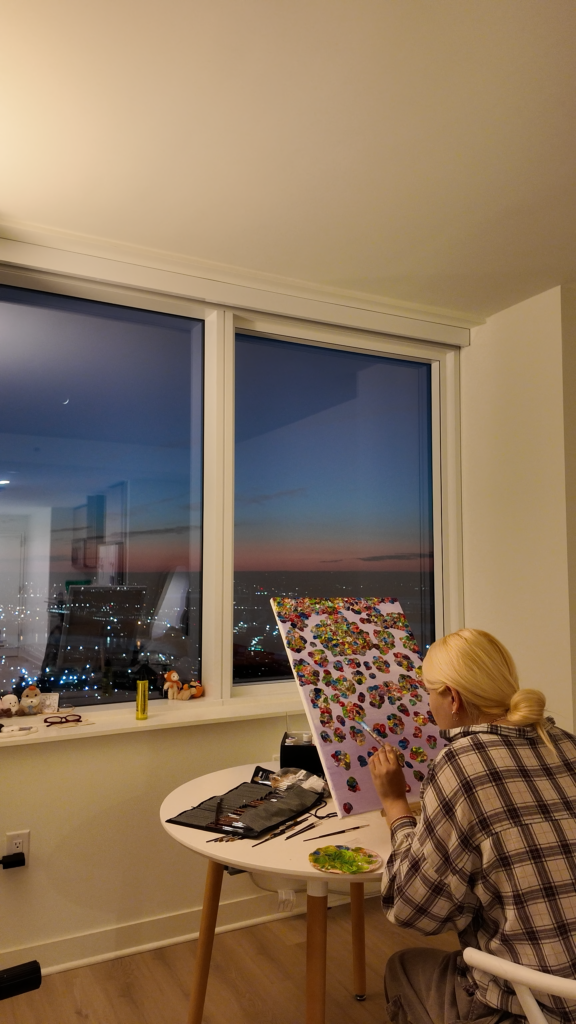
From that came Love’s Last Letter, her flagship work weaving together music, visual art, storytelling, and audience experience art that people do not simply watch from a distance, but walk through, listen to, read, and fill with their own memories and emotions.
That instinct grew into B-Glow, a project built around the idea of “Art for Everyone.” For Soohyun, accessibility does not mean making art simpler; it means creating more doors through which people can enter visual art, classical voice, storytelling, film, participation so that no one needs a particular education or background to feel that art belongs to them. Different people, she believes, connect through different doors.
Beneath all of it runs a philosophy she came to only recently. For a long time she measured herself by appearance, achievement, and society’s standards, often feeling she needed to become more in order to be worthy. In time she realized that a person’s value was never made of those things that everyone already carries their own unique light, even when they lose sight of it.
Let’s get to know Soohyun through our conversation with her about the teacher who changed everything, why she moved beyond performance into experience, and her advice for building your own door rather than waiting for one to open.
Q1. Soohyun, can you take us back to the beginning and share how your journey with art first started?
I have wanted to be an artist for as long as I can remember. As a child, I was always singing, dancing, and drawing, even though I did not yet know how I wanted to express myself. I grew up in an environment that prioritized academics, but when I was eighteen, my high school music teacher encouraged me to try classical singing.
That suggestion changed my life. I studied vocal performance through university and eventually completed my master’s degree in New York. During graduate school, I realized that I wanted to express myself beyond voice alone. After graduating, I began developing Love’s Last Letter, combining music, visual art, storytelling, and audience experience. Ultimately, I want my art to give people comfort, happiness, healing, or simply a meaningful moment in their everyday lives

Q2. Your work has grown beyond performance into creating experiences around art. What made you want to explore that wider space?
Performing as a classical singer is deeply meaningful to me, but I became interested in creating experiences where audiences could do more than simply watch from a distance. I wanted people to walk through a work, listen, read, make choices, and bring their own memories and emotions into it. That led me to combine music, visual art, writing, film, space, and participation.
For me, expanding beyond performance is not simply about using more artistic disciplines. It is about creating more possibilities for art and people to meet.
Q3. You describe art as a mirror that helps people rediscover the light already within them. When did you begin seeing art in this way?
I came to this idea fairly recently. For a long time, I measured myself through appearance, achievement, and society’s standards, and often felt that I needed to become more in order to be worthy. Over time, I realized that a person’s value is not created by those things. I believe everyone already carries their own unique light, although we sometimes lose sight of it.
That is why I see art as a mirror that helps people recognize the light that was already within them. If my work helps someone remember their own value, even for a moment, that means a great deal to me.

Q4. B-Glow is built around the idea of “Art for Everyone.” What does making art more accessible mean to you in practice?
For me, “Art for Everyone” means that people should not need a certain education, background, or level of artistic knowledge to feel that art belongs to them.
That is why B-Glow brings together different forms such as visual art, classical voice, storytelling, film, and audience participation. Different people connect through different doors. Accessibility does not mean making art simpler. To me, it means creating more ways for people to enter, feel, and participate in art without being afraid that they do not understand enough
Q5. Your philosophy encourages people to “be yourself, at your own pace.” How important is slowing down in the way people experience art today?
I think the ability to truly stay with something is becoming increasingly rare. With YouTube Shorts, Instagram Reels, and TikTok, we are used to moving from one image, song, or story to another within seconds. I enjoy these platforms too, but sometimes we move on before we have even understood what we felt. I also think this is important in the age of AI. Technology allows us to create and work with incredible speed and efficiency, but I believe that makes authenticity and sincerity even more valuable.
As polished content becomes easier to produce, what matters may increasingly be why something was created and what genuine human experience exists behind it. For me, “Be yourself, at your own pace” means stepping away from comparison and other people’s timelines long enough to hear yourself again. Art can give us that space—to stop, breathe, feel, and return to our own rhythm.
Q6. Music and visual art communicate without always needing words. What do you think these two forms of expression can share with each other?
What I love about music and visual art is that neither needs words to create emotion. The same work can mean completely different things depending on a person’s memories, life, and circumstances. Music moves through time, while visual art can hold us inside a single moment. When they come together, an image can give music a place to exist, while music gives the image movement and time. Together, they can make emotion and memory feel more dimensional and communicate with people somewhere beyond words.
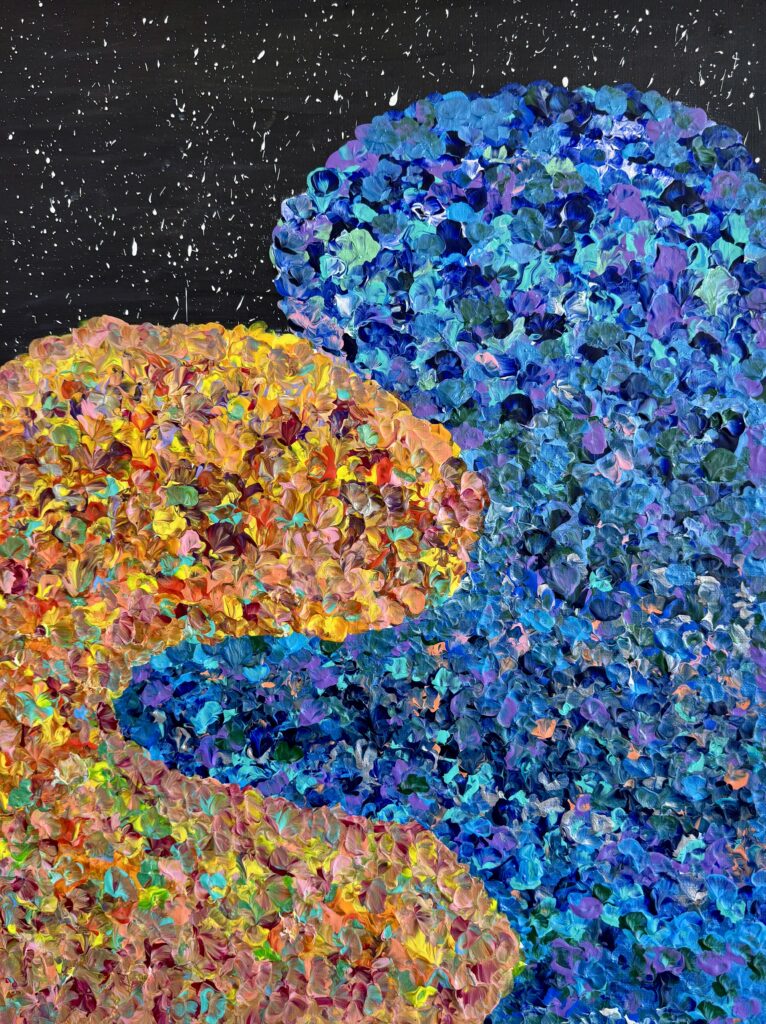
Q7. Your work is centred around hope, consolation, and encouragement. How do you translate those ideas into an experience people can actually feel?
I do not want to simply tell an audience, “This work is about hope” or “You should feel comforted.” I am more interested in creating a journey that allows people to discover those feelings for themselves. I use music, images, stories, space, and participation to gradually bring the audience back toward their own memories and emotions. In Love’s Last Letter, for example, the experience eventually shifts from the story of a character toward the person experiencing it. Sometimes comfort is not telling someone that everything will be okay. It can simply be giving them a space where they are allowed to feel without judgment.
Q8. Do you think art needs to be understood intellectually to have an impact, or can simply feeling something be enough?
I believe feeling something can be enough. Understanding can come later. As a child, I knew nothing about art history or music theory, but I could still love a painting or be deeply moved by music. Those experiences were part of what eventually led me toward becoming an artist.
Knowledge can certainly deepen our relationship with art, but it should never become an admission ticket. If something inside a person moves, even if they cannot explain why, I believe a meaningful encounter with art has already happened.
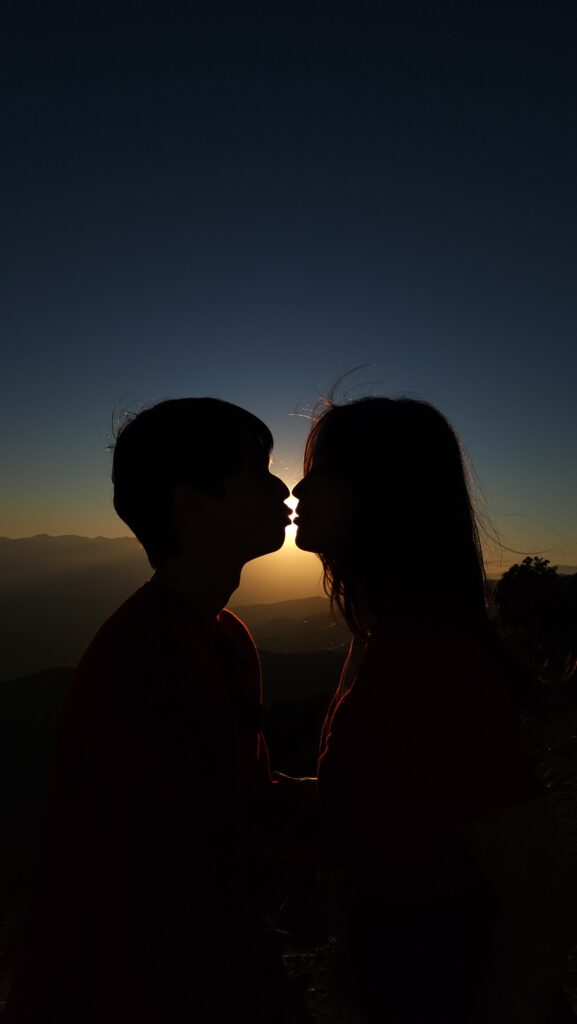
Q9. What has been the most meaningful response you’ve received from someone who experienced your work or one of B-Glow’s projects?
One of the most meaningful moments for me was when someone became emotional after experiencing my work and told me that it had comforted them. I did not know everything that person had been through, yet they found something within the music, images, and story that connected to their own life.
I remember thinking, “Art can really do this inside another person.” If even one person leaves my work feeling a little less alone, a little more understood, or more connected to themselves, that is incredibly meaningful to me.
Q10. If you could bring B-Glow to any community or place in the world, where would you want to take it and why?
Ultimately, I would love for B-Glow to reach communities around the world. The themes I care about—love, loss, family, dreams, self-worth, and remaining true to yourself—are not limited to one culture or language. I believe many people today need to hear that they already have value and do not have to lose their own pace or color.
I also want each future project to respond to its location, collaborate with local artists, and include local stories rather than simply repeating the same work everywhere. My hope is for B-Glow to grow into an artistic space and movement where people anywhere can pause, feel, and reconnect with themselves.
Q11. What advice would you give to artists who want their work to create a positive impact beyond the artwork itself?
Being an artist is not easy. There are financial pressures, limited opportunities, other people’s judgments, and moments of self-doubt. What I have learned is this: It is not only about the money. It is about protecting the part of yourself that wanted to create in the first place.
I would also tell artists not to spend their lives waiting for someone else to choose them. If the opportunity you want does not exist, begin with what you can create yourself. Many things in my own journey started when I stopped asking, “When will someone give me an opportunity?” and started asking, “What opportunity can I create?” Protect what is sincere in you, start small if necessary, and keep creating. Do not only wait for someone to open a door for you. Sometimes, we can build the door ourselves.
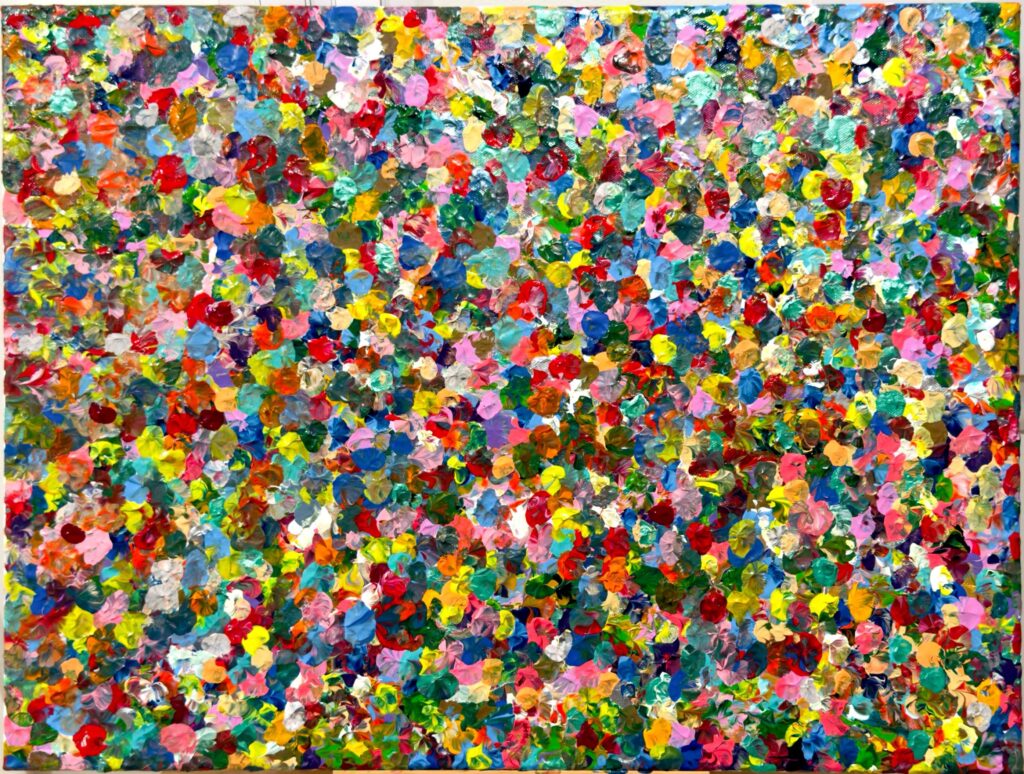
By the time our conversation with Soohyun drew to a close, one thought had settled over us: that the very thing we keep reaching outward for is often already waiting within.
Few feelings are as universal as the quiet sense of falling short. We stack ourselves against milestones, appearances, and other people’s clocks, sure that worth is something still to be earned. Soohyun carried that weight for years until it loosened, and her art now leans against it with a soft insistence.
She gives nobody a missing piece. She lifts a mirror instead, and lets a person recognise what was theirs all along. Hers is work that demands nothing and returns a great deal: space to exhale, to feel, and to keep your own rhythm in a world that prizes the fast and the flawless.
It is telling, too, when this work appears. Around us, things are conjured in seconds and buffed to a shine, every human seam sanded away. Soohyun reads that frictionlessness as the exact reason honesty has grown precious.
She makes art you walk into rather than swipe past, and she gently undoes the notion that art is reserved for the credentialled. Everything she builds is about widening the entrance, so that anyone at all can come inside and be moved without needing to explain why.
For those who treasure and collect art, that open hand is her signature. Her pieces are made to be lived through, not merely viewed, guiding each visitor out of a story and into their own reflection, until comfort turns from reassurance into a simple freedom to feel. And running beneath it is something she paid for in full, a truth worth passing to every artist: stop waiting to be picked. When the door you dream of is missing, you are allowed to build it. To spend time with her work is to be offered that same key, to slow down, to guard what is genuine in you, and to come home to yourself.
Follow Soohyun and the B-Glow Project through the links below and experience her work for yourself.
