
5 Women Artists Who Were Rewriting Modern Art Before Frida Kahlo
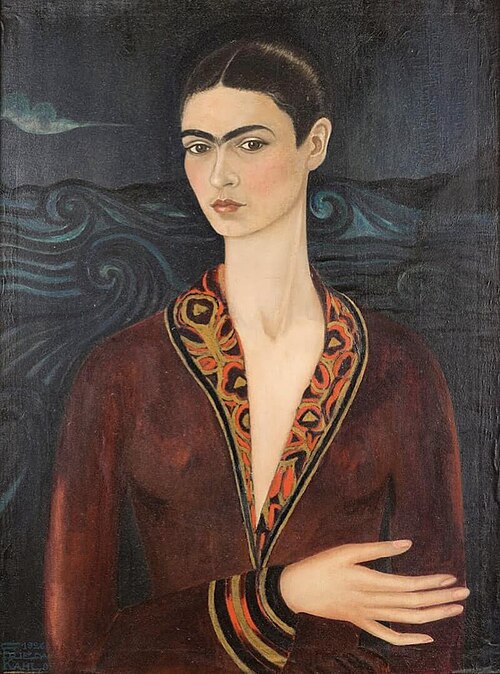
Frida Kahlo has become one of the most recognizable faces in modern art. Her flower crowns, vivid self-portraits, symbolic imagery and deeply personal paintings have made her almost inseparable from the story of twentieth-century art. But Frida did not enter an empty room.
Long before her The Two Fridas or The Broken Column, women artists were already challenging what a modern artist could be, what a woman could paint, and whose experiences were considered worthy of being placed on a canvas.
Some were celebrated during their lifetimes. Others worked quietly, outside the movements that later dominated art-history textbooks. Some painted domestic life. Others confronted war, grief, spirituality, the female body or the changing visual language of modernism itself.
And many of them were doing it decades before Frida’s name became synonymous with the modern female artist. Here are five women who helped change the course of modern art before Frida Kahlo took her place in it.
1. Berthe Morisot: Making Everyday Life Look New
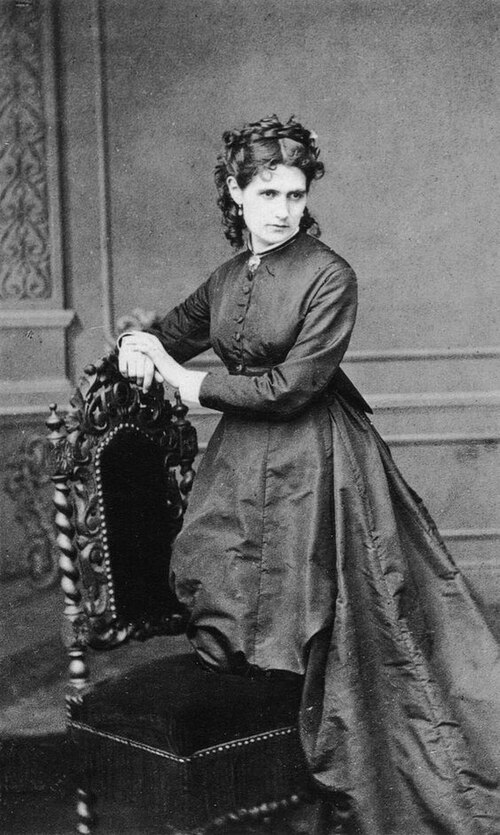
When we think of Impressionism, names like Claude Monet, Pierre-Auguste Renoir and Edgar Degas usually come first. But Berthe Morisot was not standing somewhere on the sidelines.
Born in 1841, Morisot became one of the central figures of the Impressionist movement. She exhibited in seven of the eight Impressionist exhibitions, becoming one of the movement’s most important members.
Her paintings often seem wonderfully light at first glance. Women sitting indoors. Children. Gardens. A woman knitting. A figure resting on a sofa. But there was something quietly radical about the way Morisot painted these scenes.
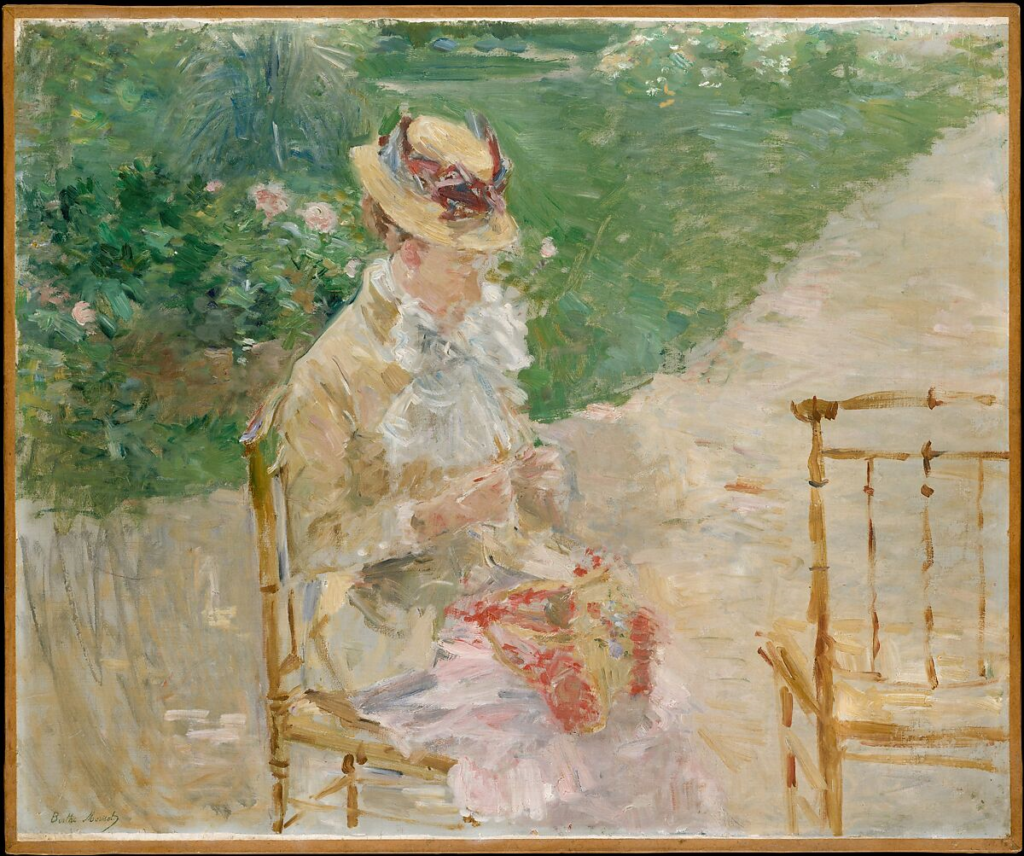
She did not treat everyday female life as a collection of insignificant moments. She made it worthy of serious painting. In Young Woman Knitting, for example, she reduced facial details and descriptive information, allowing loose brushwork and the atmosphere of the scene to do much of the work. The result feels less like a carefully staged portrait and more like a fleeting moment caught in passing.
That was part of what made Impressionism so different from the academic traditions that came before it. Instead of grand historical subjects and polished compositions, modern life itself could become the subject. And Morisot was right there helping to define what that modern life could look like.
Her contribution is especially significant because women artists of the nineteenth century faced serious restrictions in their training. In France, women were excluded from the École des Beaux-Arts until 1897 and had long been denied equal access to life-study classes. Morisot did not need a dramatic self-portrait to announce herself. She changed modern painting through the way she looked at ordinary life.
2. Suzanne Valadon: Taking The Female Gaze Back
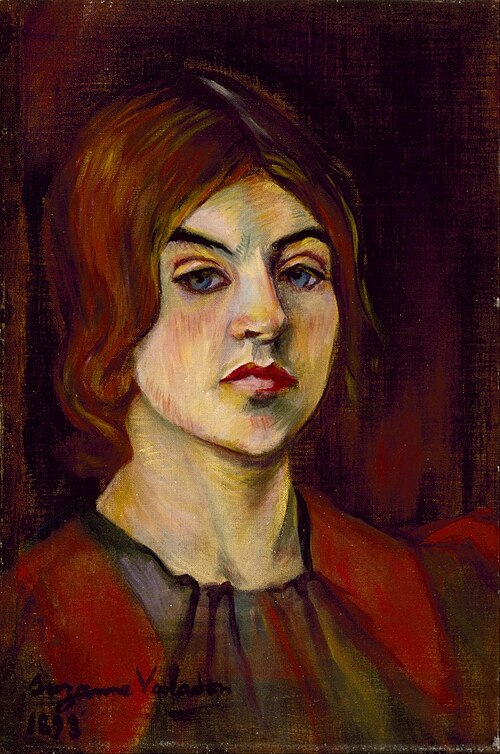
Suzanne Valadon had a very different route into the art world. Before becoming a painter herself, she worked as an artist’s model, posing for painters including Renoir, Degas and Toulouse-Lautrec. She eventually began painting and created her own career as an artist.
That history matters. Valadon knew what it meant to be looked at. And when she began painting women herself, she was no longer simply the subject inside someone else’s picture. She became the person deciding how the female body would be represented.
Her female nudes are particularly important because the nude had traditionally been one of the great subjects of Western art, overwhelmingly shaped by male artists and male perspectives. Valadon approached it differently.
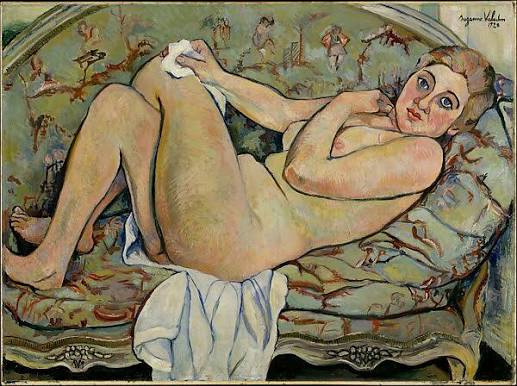
In her Reclining Nude of 1928, the woman looks directly toward the viewer. She is not simply arranged for someone else’s pleasure. Her body is partially concealed, her pose is guarded, and her gaze gives the painting an entirely different kind of tension.
That shift might seem subtle today. It wasn’t. Valadon was moving the female figure from being looked at to being seen through a woman’s own artistic perspective. And she did it while building a career on her own terms in a Parisian art world filled with famous male painters.
Before Frida made the self-portrait into a space for identity, pain and personal symbolism, women like Valadon were already questioning who had the authority to represent the female experience.
3. Paula Modersohn-Becker: Painting Herself Without Apologizing
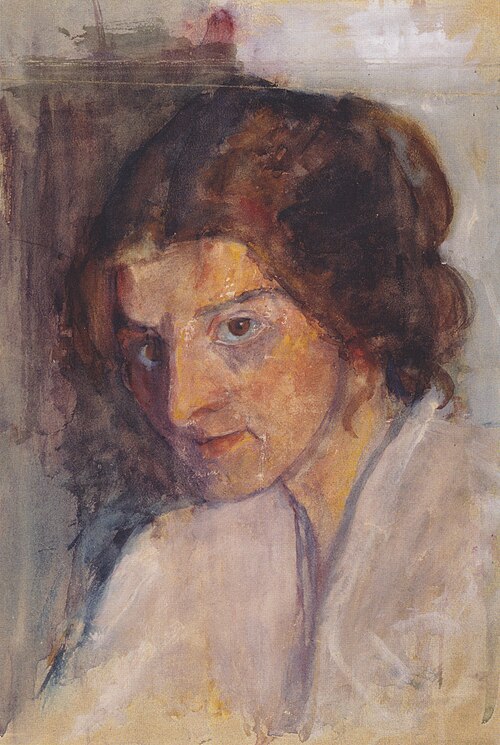
Paula Modersohn-Becker’s career was heartbreakingly short. She was born in 1876 and died in 1907, at only 31 years old. Yet in roughly fifteen years of artistic work, she produced more than 700 paintings and around 1,000 drawings and prints.
Her work feels startlingly modern. Modersohn-Becker painted women without trying to make them conventionally beautiful. Her figures can look sturdy, awkward, serious and inward. Their bodies are not polished into decorative objects.
And then there were her self-portraits. In Self-Portrait with Two Flowers in Her Raised Left Hand, painted in 1907, she presents herself while pregnant, one hand resting on her stomach and the other holding flowers. Her gaze is calm and direct.
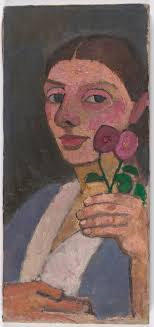
It is difficult to look at the painting today and not think about how unusual that act was. She was not painting herself as somebody’s daughter, wife or muse. She was painting herself as an artist looking back at us.
MoMA identifies the work as a pioneering example of modernism and notes that Modersohn-Becker is believed to have been the first woman to paint herself pregnant. By this point she had also begun creating life-sized nudes, deliberately challenging traditional ways of representing women.
Her time in Paris was important too. Between 1900 and her death, she made four trips there, encountering artists and collections that pushed her increasingly toward simplified forms, stronger colour and a more experimental visual language. She died only twenty days after giving birth to her daughter.
That makes her story especially poignant, but her importance should not be reduced to its tragedy. Paula Modersohn-Becker was not simply an artist who died young. She was one of the women who helped move painting toward the expressive, simplified and psychologically charged language that would define so much of modern art.
4. Käthe Kollwitz: When Art Became A Voice
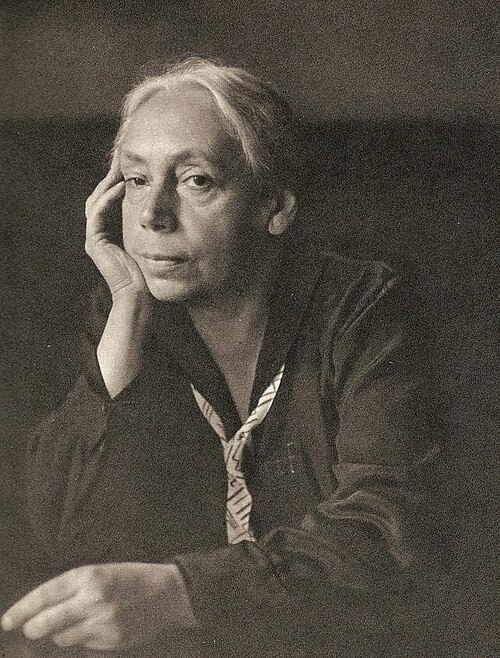
Käthe Kollwitz took modern art somewhere completely different. She was less interested in making the world beautiful than in making people look at what was happening inside it. Born in 1867, Kollwitz developed an artistic language centred on women, workers, poverty, motherhood, grief and war. She initially trained as a painter but turned increasingly toward printmaking, eventually working with etching, lithography and woodcut.
Her black-and-white prints can feel almost physically heavy. There are mothers holding children. Women grieving. Families caught in poverty. Bodies exhausted by circumstances far beyond their control.
In Woman with Dead Child from 1903, Kollwitz used herself and her young son as models. The work transforms the traditional religious image of the Pietà into something raw and deeply human. Instead of idealized sorrow, there is physical anguish.
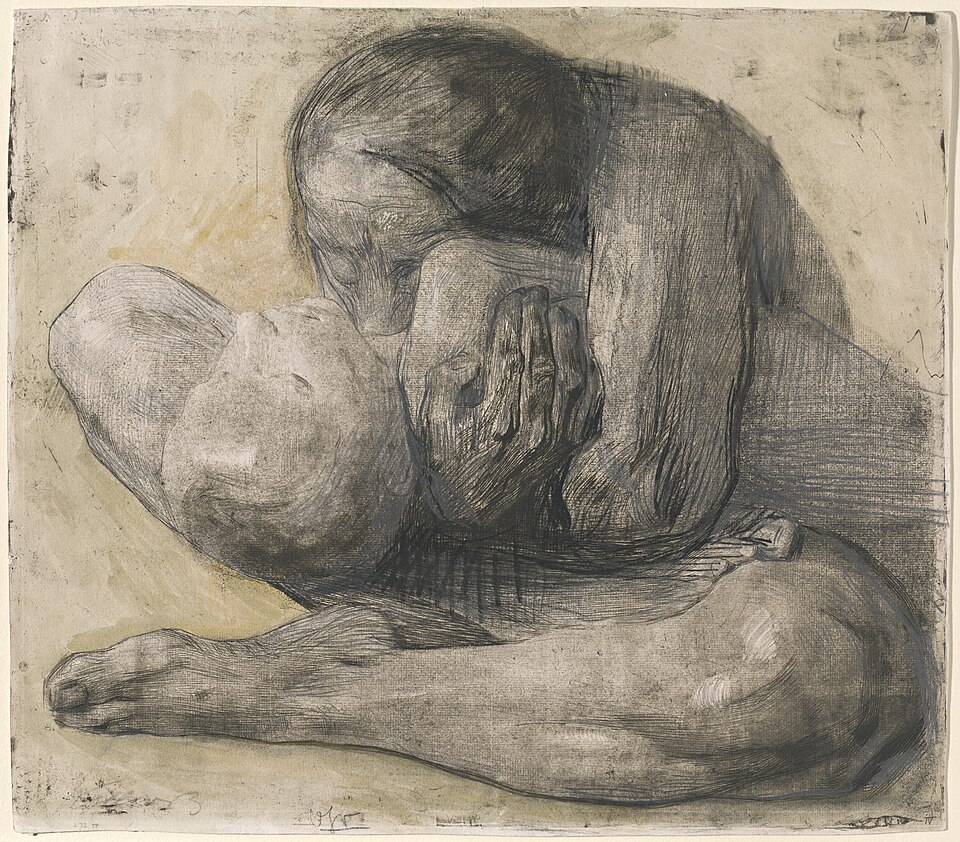
And this is where Kollwitz becomes particularly important to the story of modern art. At a time when modernism was increasingly associated with abstraction, bright colour and formal experimentation, Kollwitz showed that modern art could also be about human suffering.
Her art did not need to abandon recognizable figures to be modern. Instead, she simplified line, intensified contrast and pushed emotional expression to its limits. After the First World War, her work increasingly confronted mourning and the consequences of violence. Her War series focused not on heroic soldiers but on the families left behind, particularly mothers and children.
Kollwitz eventually became the first woman to hold a professorship at the Prussian Academy of Arts in Berlin in 1919. Her art reminds us that modernism was not only about discovering new shapes. Sometimes it was about finding a new visual language for feelings that were almost impossible to put into words.
5. Hilma Af Klint: Painting What Nobody Could See
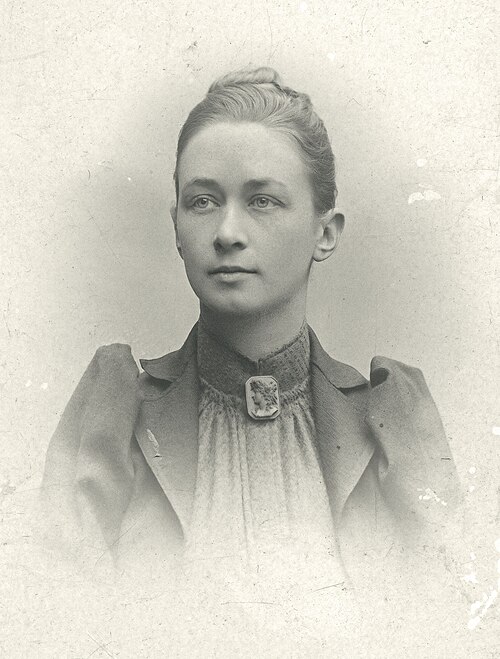
And then there is Hilma af Klint. Her story almost feels like it belongs in another world. Born in Sweden in 1862, af Klint trained traditionally and initially worked as a landscape and portrait painter. But by 1906, she had begun creating abstract paintings filled with spirals, geometric shapes, organic forms and symbols.
That date is important. Because the history of abstract art has traditionally been told through names such as Wassily Kandinsky, Kazimir Malevich and Piet Mondrian. Af Klint was already making abstract imagery before their better-known experiments.
Her paintings were not simply exercises in colour and geometry. Af Klint was deeply interested in spirituality, Theosophy and ideas about unseen dimensions of existence. She believed her paintings could communicate things that could not be represented through ordinary observation.
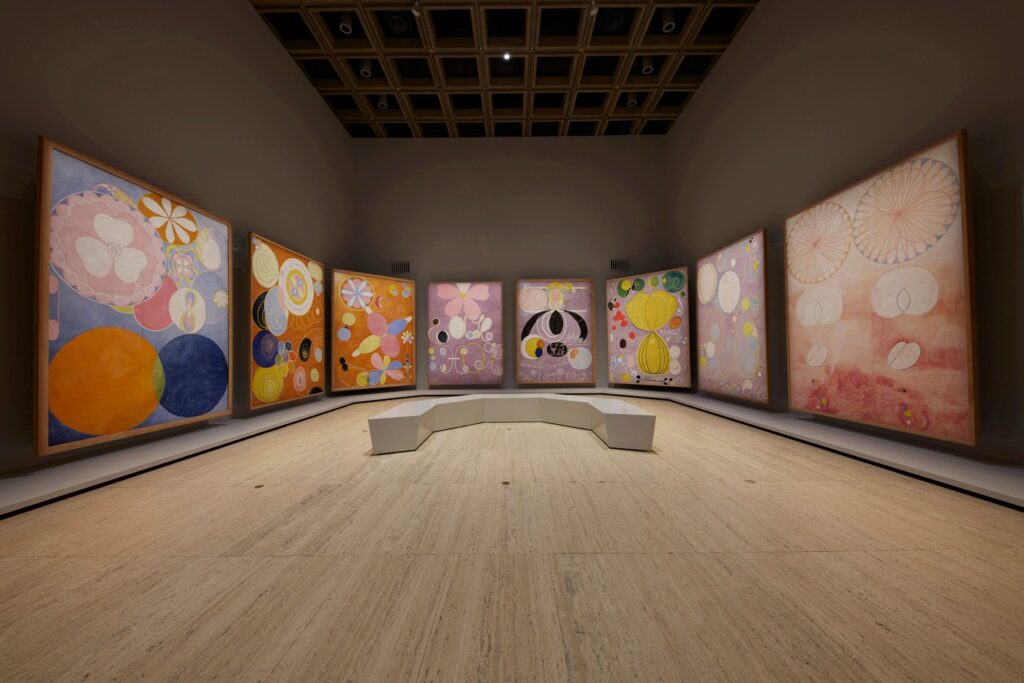
Between 1906 and 1915, she created The Paintings for the Temple, an enormous body of work containing 193 paintings and drawings. Her famous The Ten Largest was created in 1907, with enormous pastel forms, spirals, letters and organic shapes representing different stages of human life.
And perhaps the most fascinating part? She did not show most of these abstract works publicly during her lifetime. Af Klint believed that audiences of her own time were not ready to understand them, and she specified that they should not be exhibited until at least twenty years after her death.
So while modern art was busy constructing its familiar history, af Klint was quietly making paintings for a future audience. And that future eventually arrived.
Before Frida, There Was Already A Revolution
Frida Kahlo’s importance to modern art is undeniable, but the story becomes much richer when we stop treating her as the beginning of women’s modern art.
Berthe Morisot had already transformed the possibilities of Impressionist painting. Suzanne Valadon had already challenged who could look at and represent the female body. Paula Modersohn-Becker had already turned the female self into a serious subject of modern painting. Käthe Kollwitz had already shown how art could confront grief, poverty and war with extraordinary emotional force. And Hilma af Klint had already begun painting abstraction years before the names traditionally associated with its beginnings became part of the canon.
They were not all working in the same style, and they were certainly not part of one single movement. That is precisely what makes their stories so interesting. There was no single way for a woman to enter modern art. Some painted gardens and living rooms. Some painted their own bodies. Some filled pages with grief. Some looked beyond the visible world entirely.
Together, they reveal something that the traditional timeline of modern art can sometimes hide:
Modernism was never just one story. And women had been writing parts of it long before Frida Kahlo entered the frame.
Editor’s Note:
Editor’s Note
Only one week left to submit to The Things We Feel. If you have an artwork that holds a feeling, a memory, or a story close to your heart, this is your moment to share it with us. Submit before the October 5 deadline and become part of this heartfelt virtual exhibition.
