
5 Art Documentaries Every Curious Art Lover Should Watch
The art world can feel enormous from the outside. There are artists and galleries, museums and collectors, curators and critics, exhibitions that come and go, and entire histories hidden behind works we may have only seen in passing. There are stories behind the paintings we admire, conversations happening inside studios, decisions being made in auction rooms, and countless people working behind the scenes to bring art into the public eye. With so much happening at once, knowing where to begin can sometimes feel a little overwhelming.
Sometimes, the easiest way to begin understanding it is simply to watch.
A good art documentary can take you somewhere you might not otherwise have access to. Into an artist’s studio, where you can see how an idea slowly becomes a finished work. Behind the doors of a museum, where decisions about collections, exhibitions, and public access are constantly being made. Into the life of a collector, the world of an auction house, or even into the complicated story surrounding a single artwork.
What makes documentaries especially wonderful is that they allow us to spend time with these stories. A painting in a gallery might catch your attention for a few seconds, but a documentary can give you the context to understand the person who made it, the circumstances surrounding it, and the world in which it exists. Sometimes, that extra context can completely change the way you look at the work.
And you do not need an art history degree to enjoy them.
You do not have to know every movement, recognize every famous name, or understand the language of the contemporary art market before pressing play. Curiosity is more than enough. In fact, sometimes the most interesting documentaries are the ones that leave you with more questions than answers.
Some documentaries introduce us to artists whose names have become part of our cultural vocabulary. Others look at how art is made, collected, exhibited, valued, and remembered. Some take us deep into an artist’s personal life, showing us the everyday realities that exist alongside creative work. Others reveal the institutions, markets, and complicated histories that shape what we see and how we understand it.
Together, they offer glimpses into the many different worlds that exist within the larger art world.
For artists, these films can offer a rare look at creative processes and the realities of building a life around art. For collectors, they can open up conversations about value, ownership, and what makes a work meaningful. And for anyone who simply loves looking at art, they can make the experience of discovering an artist or artwork feel even richer.
Whether you are an emerging artist, an art lover, a curious collector, or simply someone who wants to look at art a little differently, these five documentaries are wonderful places to start. Each one opens a different door, taking us from studios and galleries to auction rooms, museums, personal archives, and the complicated lives behind some unforgettable works of art.
So, if you have been looking for something interesting to watch while getting a little closer to the art world, start here.
1. The Price of Everything – 2018
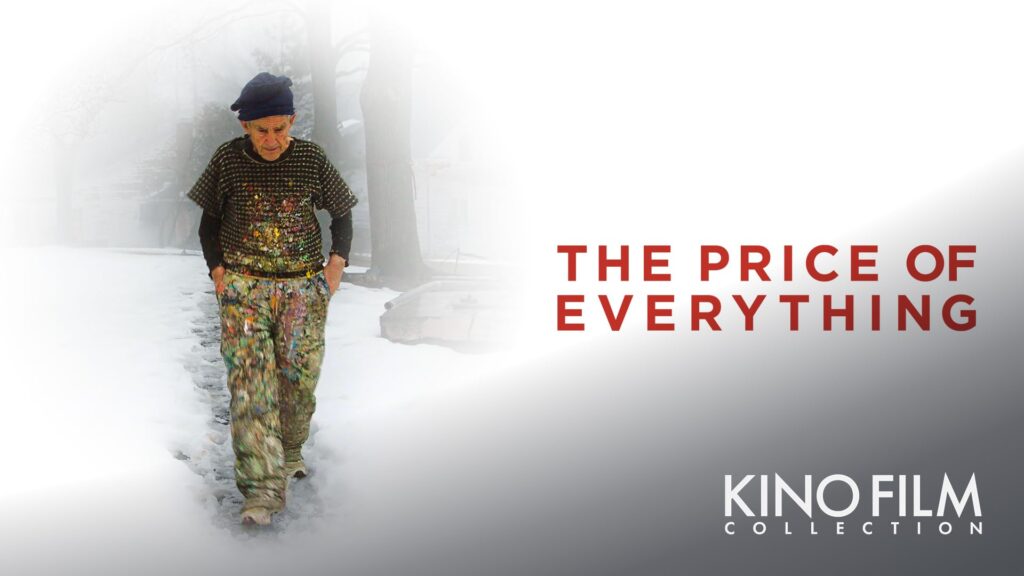
What happens when art becomes part of a multimillion-dollar market?
The Price of Everything takes viewers inside the contemporary art market, bringing together artists, collectors, auctioneers, dealers, and other figures who help shape the way art is bought and sold today.
The documentary is particularly interesting because it does not look at art only through the artwork itself. Instead, it explores the complicated relationship between creativity, value, money, reputation, and the people who determine what gets attention in the market.
For anyone curious about the business side of the art world, it offers a fascinating introduction to the forces that exist behind the gallery walls and auction rooms.
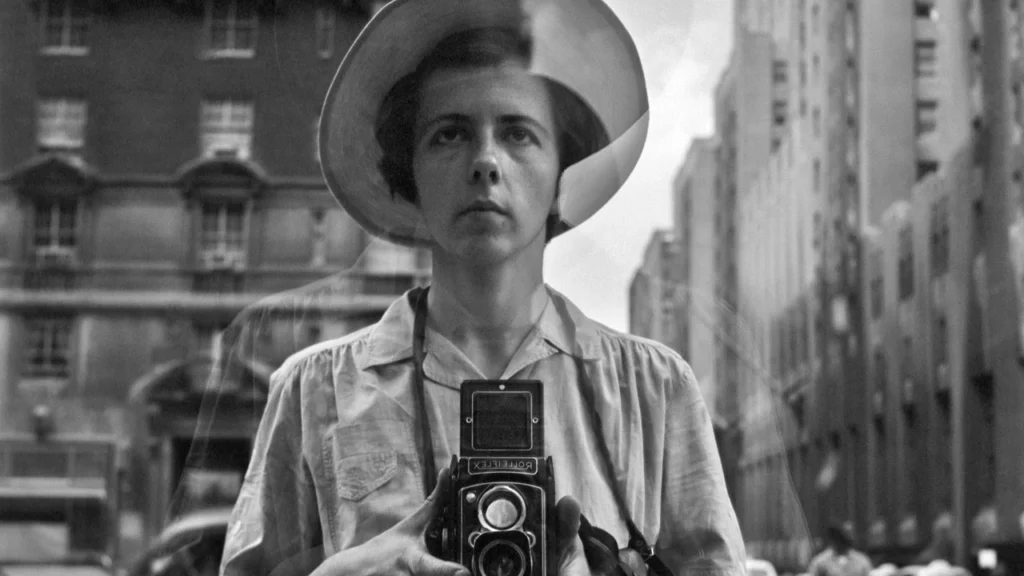
2. Finding Vivian Maier – 2013
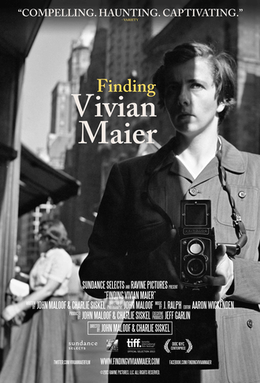
Some artists become famous during their lifetimes. Others leave behind work that is only discovered much later.
Finding Vivian Maier follows the remarkable story of Vivian Maier, a nanny whose extraordinary collection of photographs remained largely unknown while she was alive. After her photographs were discovered, her work began attracting international attention and sparked a much larger conversation about her life, her artistic practice, and the circumstances surrounding her work.
The documentary feels almost like an investigation. Who was Vivian Maier? Why did she photograph so much while keeping her creative life largely private? And what happens when an artist’s work finds an audience after they are gone?
It is a beautiful reminder that an artist’s story can sometimes be just as intriguing as the work they leave behind.
3. Cutie and the Boxer – 2013
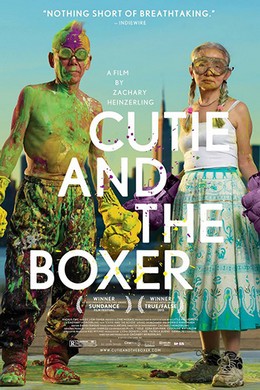
Art does not always happen in isolation. Sometimes it grows alongside relationships, responsibilities, disagreements, and everyday life.
Cutie and the Boxer follows Japanese-born artist Ushio Shinohara and his wife, Noriko, as they navigate their lives and creative practices in New York. Ushio is known for his energetic “boxing” paintings, while Noriko has developed her own deeply personal artistic voice.
The documentary offers an intimate look at creativity, marriage, ambition, aging, and the struggle to make a life around art.
What makes it especially compelling is that it does not present the romantic version of an artist’s life. Instead, it shows the tenderness, frustration, compromise, humor, and persistence that can exist alongside creative work.
For anyone wondering what it really means to build a life around art, this one stays with you.
4. Gerhard Richter Painting – 2011
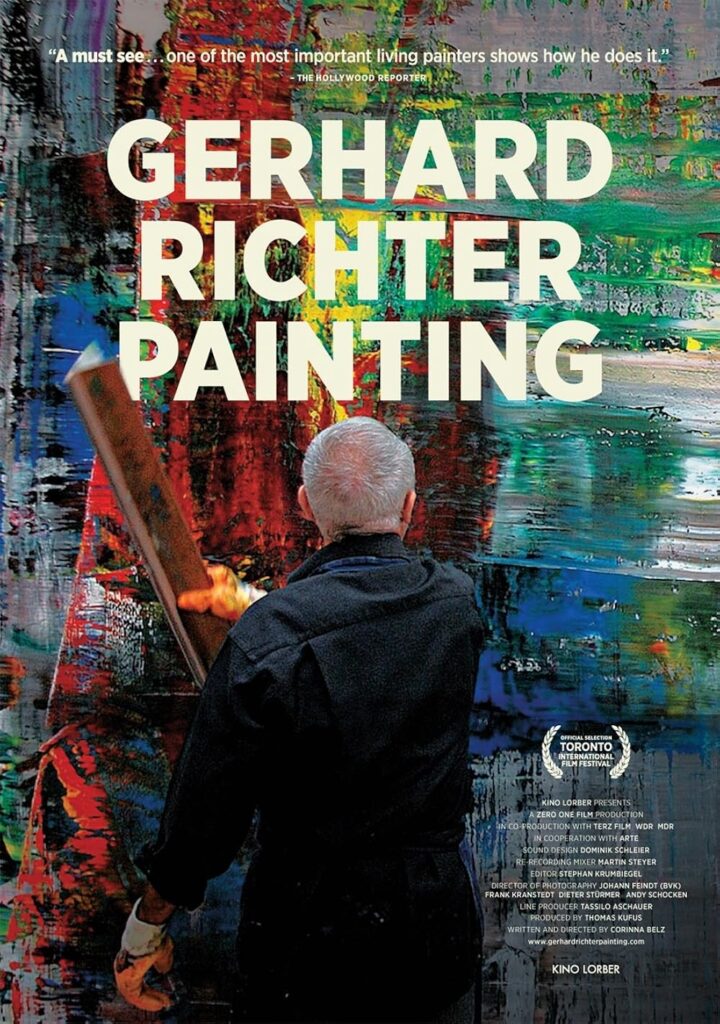
Gerhard Richter is one of the most influential painters of his generation, but his process can feel surprisingly elusive from the outside.
Gerhard Richter Painting brings viewers into the artist’s studio and follows him as he works on his paintings. Rather than relying on a traditional biography, the documentary allows us to spend time observing the artist himself, his methods, his decisions, and the constant movement between control and chance within his practice.
It is a particularly rewarding watch for artists because it gives us something that photographs of finished paintings cannot: a glimpse of the work actually happening.
There is something fascinating about seeing an established artist experiment, change direction, scrape away paint, and question what is in front of him.
5. The Art of the Steal – 2009
Art institutions can hold enormous cultural power, and few stories demonstrate that better than the controversy surrounding the Barnes Foundation.
The Art of the Steal explores the history of Albert C. Barnes and his extraordinary collection, as well as the long-running dispute over what should happen to it. At the heart of the story is a much bigger question: Who gets to decide where art belongs, and who should have access to it?
The documentary moves beyond individual paintings and into questions of museums, ownership, public access, cultural institutions, and the complicated relationship between art and power.
For anyone curious about what happens behind museums and collections, it offers a fascinating look at a side of the art world that we do not always see.
A Different View Into the Art World
You do not have to understand every movement, memorize every artist, or know the difference between every type of gallery before you can find your way into the art world.
Sometimes, all it takes is one story that makes you curious enough to look a little closer.
These documentaries offer five very different ways of doing that. One takes us into the art market and asks us to think about how creativity becomes value. Another introduces us to a photographer whose work was discovered and celebrated after her lifetime. One explores the complicated relationship between two artists and the life they built around their work, while another gives us the rare opportunity to simply sit inside a celebrated painter’s studio and watch the creative process unfold. And then there is a story about a major art collection that opens up bigger questions about museums, ownership, and who gets to experience art.
Together, they show that the art world is not just about paintings hanging quietly on white walls. It is made up of people, stories, choices, relationships, institutions, markets, ambitions, struggles, and countless different ways of seeing and understanding the world.
That is also what makes exploring art so exciting. There is always another story waiting to be discovered. An artist you have never heard of. A collection you did not know existed. A creative process that completely changes the way you look at a finished painting. Sometimes, even a documentary about an artist you already know can reveal something that makes you see their work differently.
And perhaps that is the best reason to watch. You might finish one of these documentaries with a new artist to explore, a new question about the way art is made or valued, or a desire to learn more about a corner of the art world you had never thought about before. Maybe you will find yourself searching for Vivian Maier’s photographs, looking more closely at Gerhard Richter’s paintings, or wondering about the stories that exist behind the collections inside museums.
You do not have to come away with all the answers. Sometimes, leaving with a little more curiosity is enough.
Editor’s Note:
If you enjoyed reading our feature on these 5 Art Documentaries, you might as well like discovering about 5 Films Every Artist and Art Lover Should Watch.
