
5 Journal Prompts for Artists Who Need a Little Creative Reset
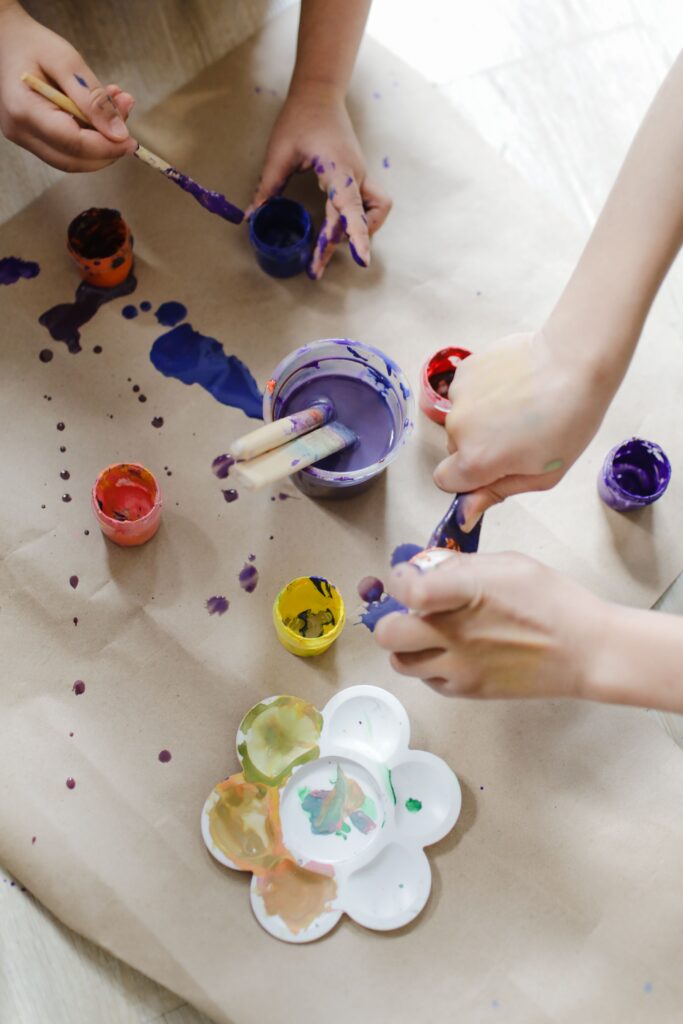
Sometimes the hardest part of making art is simply finding your way back to it. You sit down with your materials in front of you, hoping something will happen, but your mind feels crowded, your ideas feel distant, and the excitement you usually feel just is not there.
Being stuck is a very normal part of having a creative practice. Sometimes you need a new idea. Sometimes you need a break. And sometimes, you simply need a little space to listen to yourself again.
That is where journaling can become surprisingly useful. You do not have to be a writer to journal. You do not need beautiful handwriting, a perfect notebook or a carefully planned morning routine. You can write in the notes app on your phone, fill three pages in an old sketchbook, make messy lists or simply sit with one question for twenty minutes.
The point is not to produce something good. The point is to notice what is happening inside you. For artists, that can be especially valuable because so much of creative work happens internally before it ever becomes visible. Journaling gives those thoughts somewhere to go. It can help you separate creative exhaustion from a lack of ideas, notice what is actually exciting you, understand where comparison is coming from and remember why you started making art in the first place.
So if your creative practice has been feeling a little distant lately, here are five prompts to sit with. You do not have to answer them all at once.
1. What Am I Missing About Making Art Right Now?
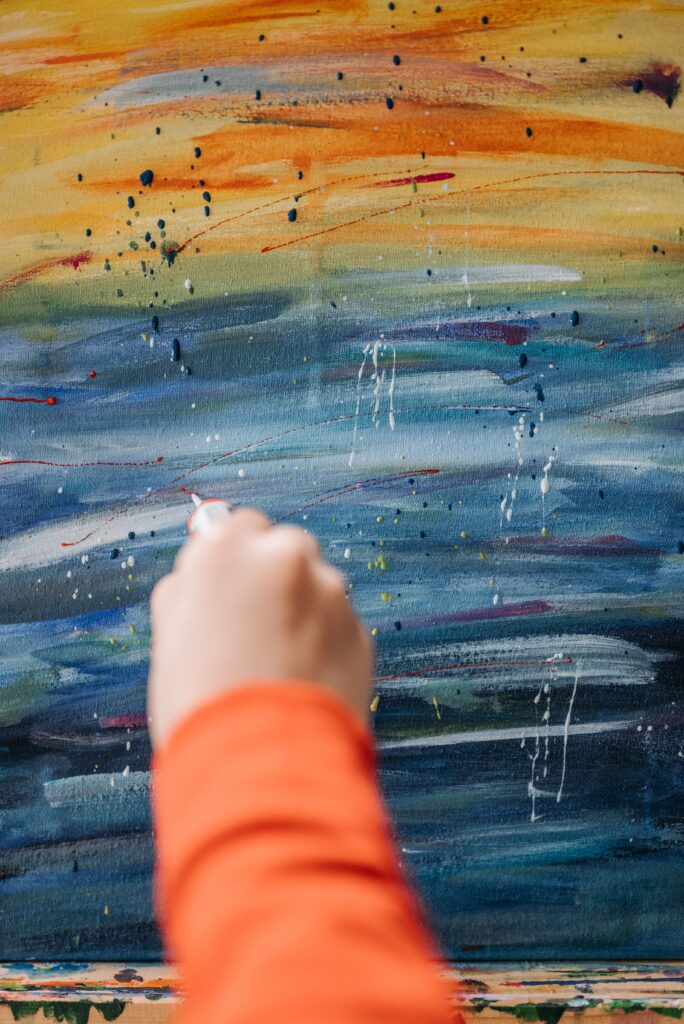
When you feel stuck, it is easy to assume that you need a better idea.
But sometimes the problem is not that you have nothing to make. It is that something you need from your creative practice is missing.
Maybe you miss playing without worrying about the outcome. Maybe you miss working slowly. Maybe you miss being surprised by what appears on the page. Maybe you miss making work that nobody else has to see.
Write about what you miss.
Think about the last time making art felt genuinely enjoyable. What were you doing? Where were you? Were you working alone? Were you experimenting? Were you making something completely unnecessary, simply because you wanted to?
You can also write about what your practice has become lately and compare it with what you wish it could feel like again.
This prompt can help you look beyond the question of “What should I make?” and towards the more useful question of “What do I need from making art right now?”
Sometimes that answer can point you towards your next step.
2. What Am I Making Because I Want To, And What Am I Making Because I Think I Should?
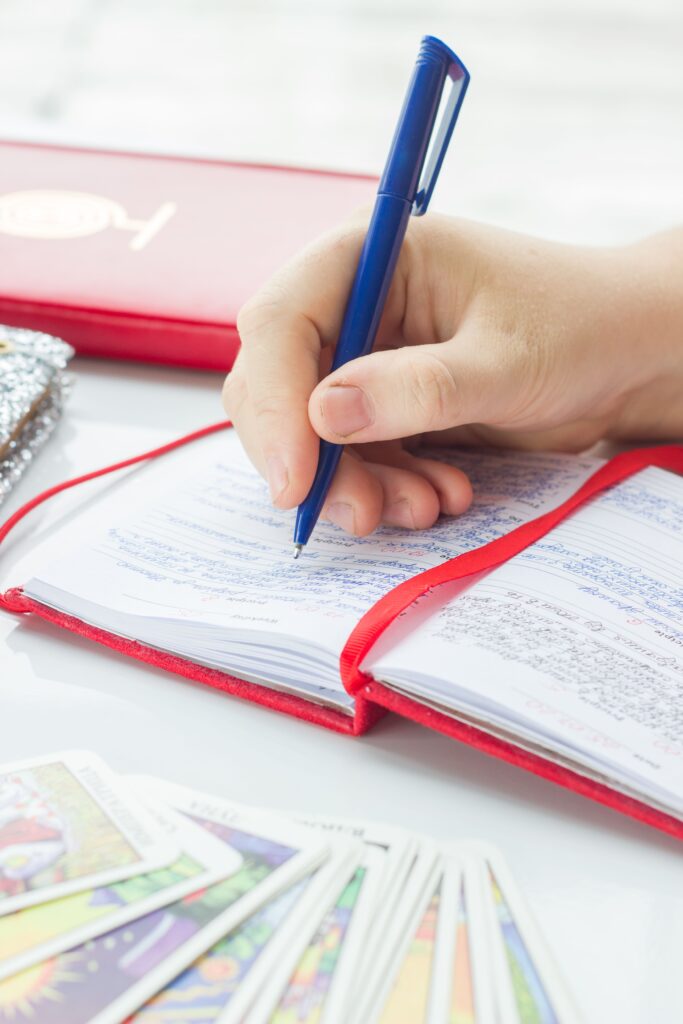
Artists live with so many invisible expectations. We are supposed to have a recognisable style. We are supposed to post consistently. We are supposed to build a portfolio, apply for opportunities, make work that photographs well, explain our ideas clearly and somehow keep creating while doing all of this.
After a while, it can become difficult to tell which parts of your creative practice actually belong to you.
Take some time to write two lists.
The first can begin with: “I want to make…”
The second can begin with: “I think I should make…”
Do not overthink either list. Write whatever comes to mind. Maybe you discover that you have been forcing yourself to make a particular kind of work because it seems more professional. Maybe you realise that you have been avoiding an idea because you are worried it will not fit your current style. Maybe you simply discover that you want to spend a month drawing flowers, making tiny paintings or experimenting with colours that have nothing to do with your recent work.
That information matters. This prompt is not about abandoning your goals or ignoring the practical side of being an artist. It is about noticing where your own curiosity ends and outside expectations begin. Your creative practice needs room for your voice too.
3. What Would I Make If I Knew Nobody Would See It?
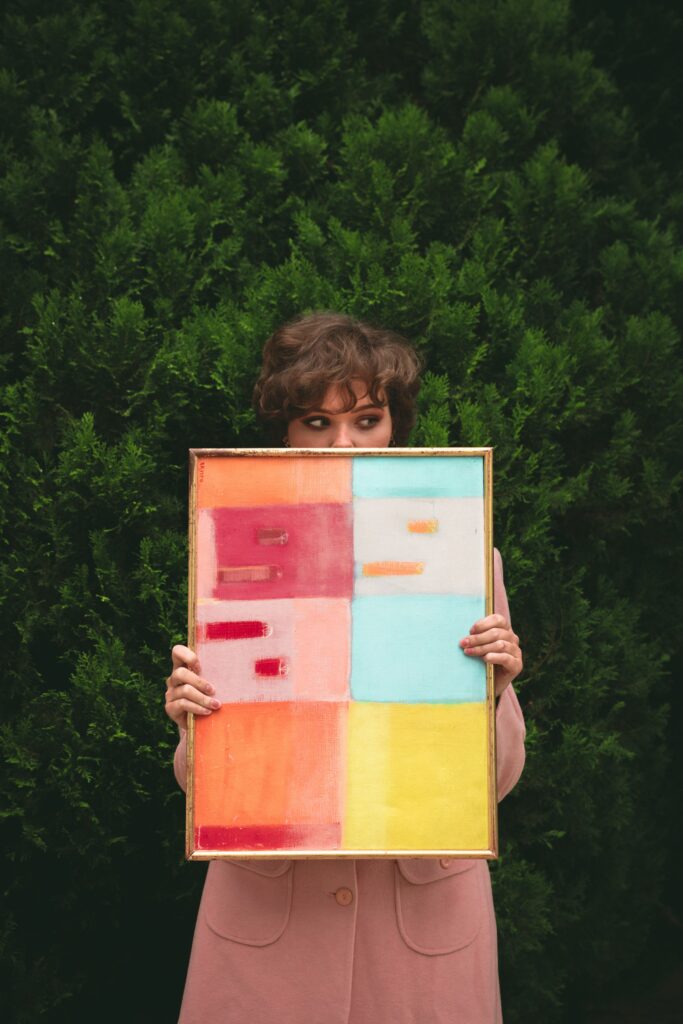
This is a question worth sitting with for a little longer than you might expect. Imagine there was no Instagram post waiting at the end of the process. No exhibition. No client. No open call. No likes, comments or people asking what the work means.
Nobody would see it unless you eventually decided to show them. What would you make? Maybe you would make something completely different from the work you have been making lately. Maybe you would use colours you normally avoid. Maybe you would create something silly, personal, unfinished or experimental.
Let yourself write without judging the answers. You can describe the artwork you imagine, but also pay attention to how you feel while imagining it. Does your body feel lighter? Do you feel curious? Nervous? Excited? Relieved?
Sometimes we do not realise how much the imagined audience has entered our creative process. This prompt can help you reconnect with the part of making art that exists before presentation. The private, playful, uncertain part where you are allowed to try something simply because you want to know what happens.
You do not even have to make the artwork afterwards. Sometimes knowing what you would make is enough to tell you something important about what you need.
4. What Is My Creative Practice Trying To Tell Me About My Life Right Now?
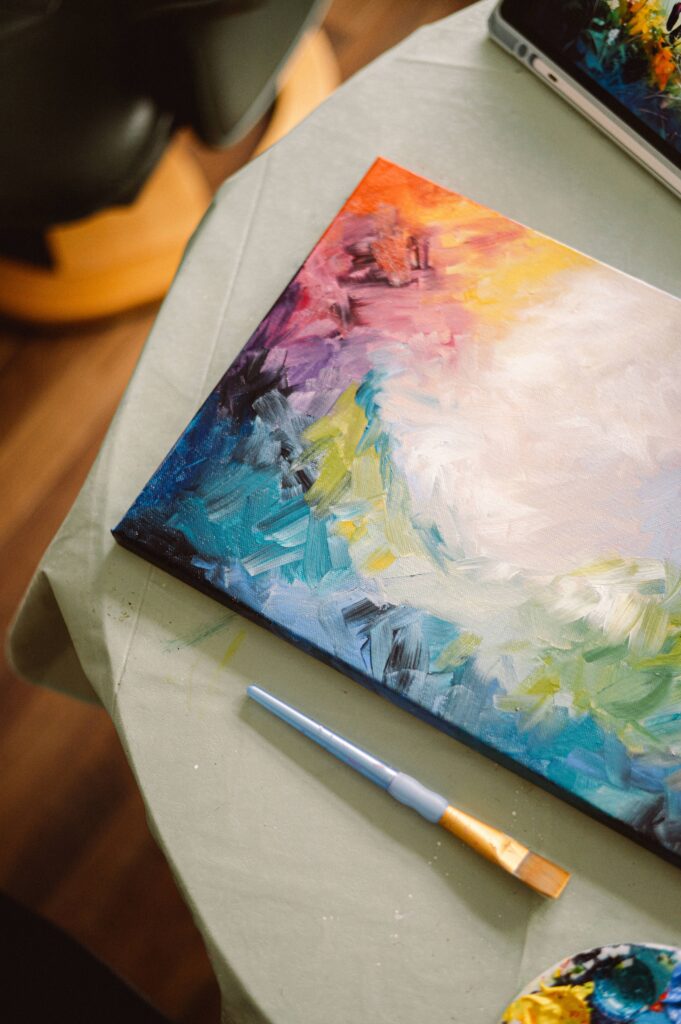
Our work does not always stay separate from the rest of our lives. The things we notice, avoid, remember, miss, love and worry about can quietly find their way into what we make.
If you have been feeling stuck, try looking at your creative practice as a reflection rather than a problem you need to solve. What has been occupying your mind lately?
What have you been thinking about repeatedly? Is there something you keep drawing without realising it? A colour you keep returning to? A particular place, person, memory or feeling that keeps appearing? Write about what has been following you into the studio.
You do not need to turn everything into an artwork. Not every difficult feeling needs to become a painting, and not every personal experience needs to be explained through your practice. This is simply an invitation to notice. Sometimes a creative block is not really empty space. Sometimes there is simply too much happening underneath it.
Writing can give those thoughts somewhere to exist without asking you to immediately turn them into something beautiful. And once you understand what is taking up space inside you, it may become a little easier to understand why creating has felt difficult.
5. What Do I Want My Art To Give Me, Even If It Gives Me Nothing Else?
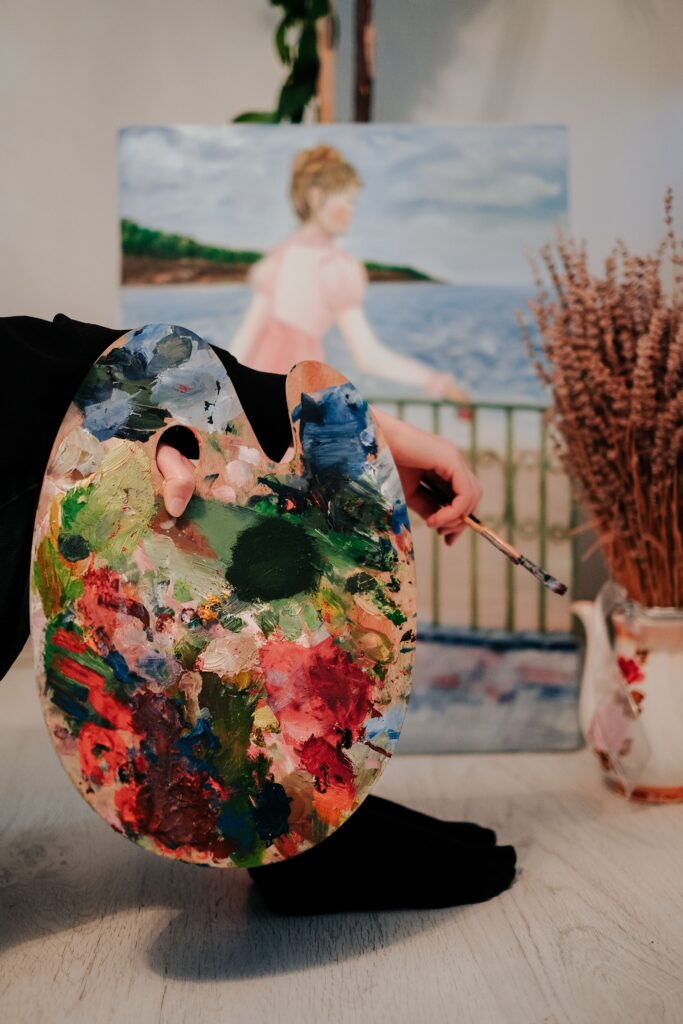
It is easy to measure an artistic life through outcomes. An exhibition. A sale. A publication. A new follower. A residency. A successful application. A feature. A growing audience. These things can be meaningful, and there is nothing wrong with wanting them.
But your creative practice can hold value beyond what it produces externally. So ask yourself what you want art to give you. Maybe you want it to make you more curious. Maybe you want somewhere to be quiet. Maybe you want to understand yourself better. Maybe you want to play. Maybe you want to remember things. Maybe you want to feel connected to other people. Maybe you simply want one part of your week that belongs entirely to you.
Write about the things you hope your creative practice gives back to you. You can also think about whether you are currently receiving those things. If you want art to be a place of curiosity but your entire practice has become focused on productivity, perhaps that tells you something. If you want it to be restful but you are constantly rushing towards the next deadline, perhaps you need to create a little more breathing room.
This prompt can help you remember that your relationship with art matters too. Your practice does not only exist to produce something for the outside world.It can also be a place you return to.
Give Yourself Five Quiet Moments
Journaling will not magically make every creative block disappear. And it does not need to. Sometimes the most useful thing you can do when you feel stuck is stop trying to force yourself forward for a moment.
Give yourself five prompts. Five questions. Five quiet opportunities to listen to what is actually happening beneath the surface of your creative life. You could answer all five in one afternoon, or you could choose one prompt each week and let yourself return to it slowly. There is no right way to do it.
Write without worrying about whether the words sound clever. Let yourself change your mind halfway through a page. Leave a question unanswered if you need to. Come back to something you wrote a month later and see if it feels different.
Most importantly, give yourself permission to pause. Your creative practice is not only about making more. Sometimes it is about noticing more, breathing a little deeper, making space for yourself and remembering why you wanted to create in the first place. And perhaps, somewhere in that quiet space, the next idea will find you.
Editor’s note:
Time is running out to submit to our latest open call: Things We Feel – Virtual Exhibition. The submission deadline is October 5, 2026. If your art holds a feeling, a memory, a moment, or a story close to your heart, we would love to see it. Submit your work and be part of this beautiful virtual exhibition.
