
Carola Helwing’s Pop Color Choice Makes Paintings Shine in Modern Context
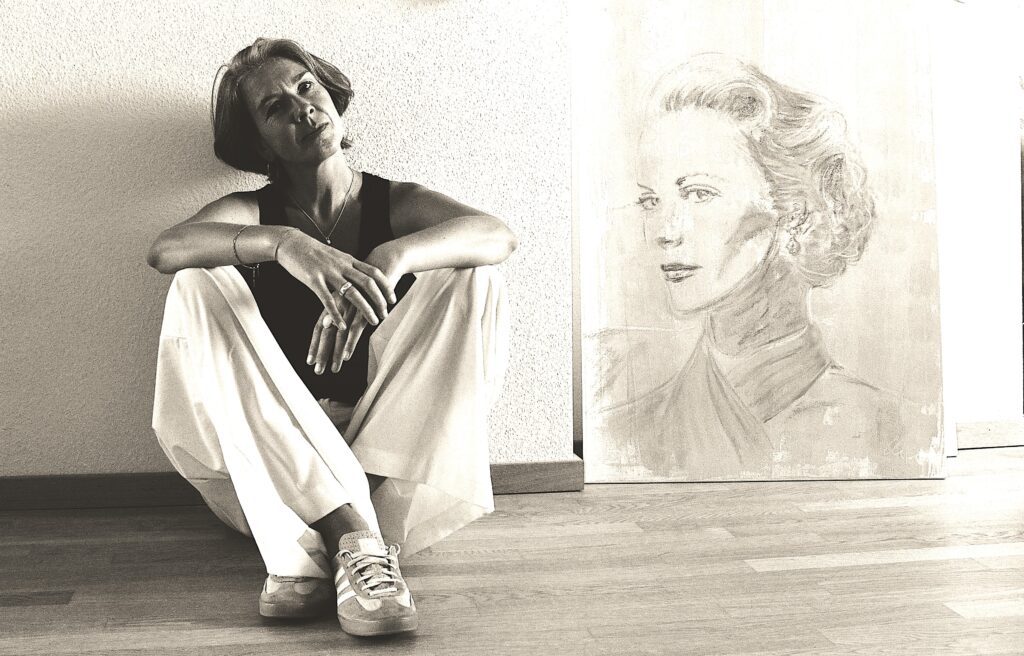
At Women in Arts Network, every now and then someone enters Faces with work that doesn’t just show the body it remembers it. Carola Helwing walked in with movement.
She is a selected artist for the Faces exhibition, and before we talk about the paintings, it matters where they come from. Because her work doesn’t start on the canvas. It starts in the body.
She trained in dance. Years of discipline, repetition, learning how to hold strength and make it look effortless. Anyone who has trained seriously knows the truth behind that illusion—how much control it takes, how much pain sits underneath grace, how the body becomes an instrument you’re constantly trying to tune. That stays with you.
Even after you stop performing. Carola didn’t leave that behind when she moved into painting. She carried it with her. Every movement, every memory of strain and balance and release, it all lives inside the work now. She often starts from photographs of dancers, but the painting isn’t about copying the pose. It’s about translating the feeling of being inside it.
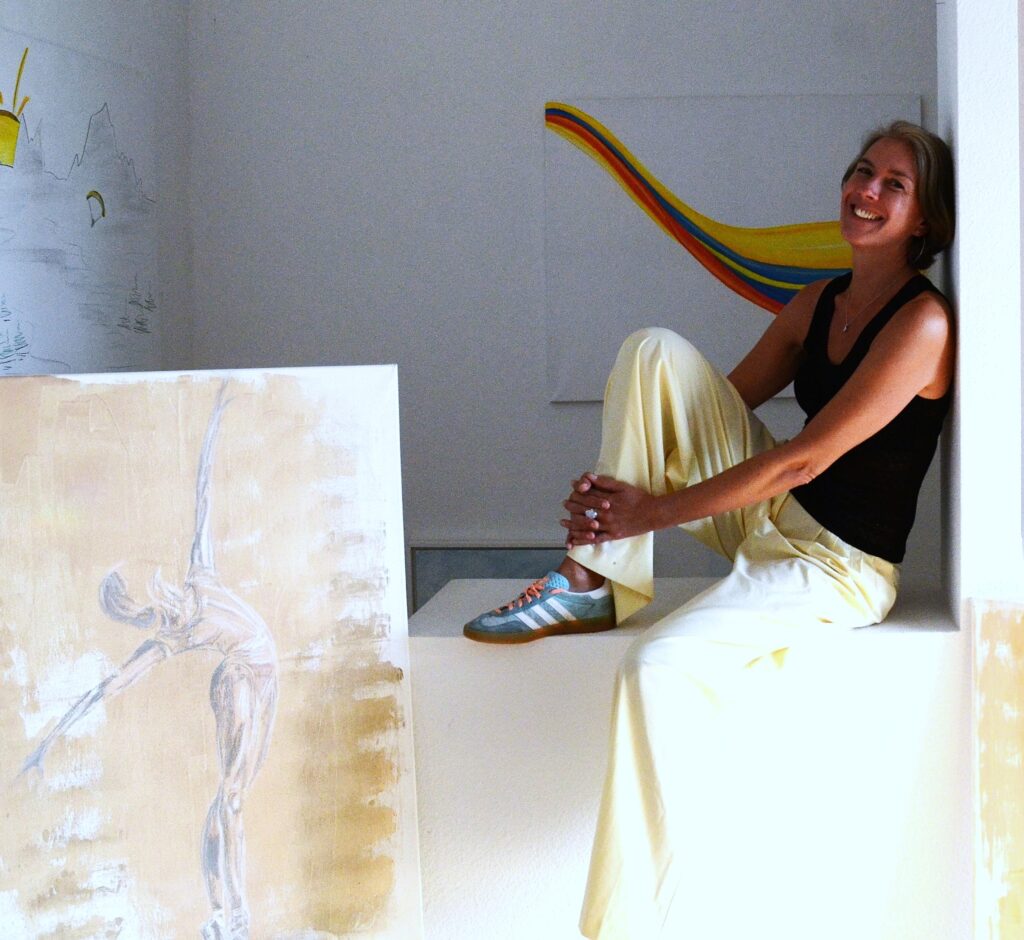
That’s why her figures don’t feel staged. They feel held mid-moment. Like something is still happening. There’s always a balance in her work strength and fragility sitting right next to each other. Not competing. Not cancelling each other out. Just existing the way they do in real life. A dancer holding a position that looks light but takes everything. A body that appears calm but is working hard to stay there.
Even the canvas starts to feel like a stage. Not in a dramatic sense, but in a quiet one. A place where movement unfolds, where colour carries rhythm, where light and shadow hold the tension of a gesture just long enough for you to notice it.
Now let’s hear from Carola, about carrying dance into paint, about bodies that hold both effort and ease, and about why sometimes a face is best understood through the movement around it.
Q1. Looking back at your early years, how did your background in both art and dance shape the way you understand movement and the human body today?
My own experience in dance has a deep impact on how I understand movement and the human body. I can feel how hard it is for a dancer to train the own body in a way that always wants to show the optimum. It needs discipline and strength to make your movements look effortless and easy. For the dancer the body is like an instrument. You can use it to copy a choreography or you use it to really embody your inner chore.
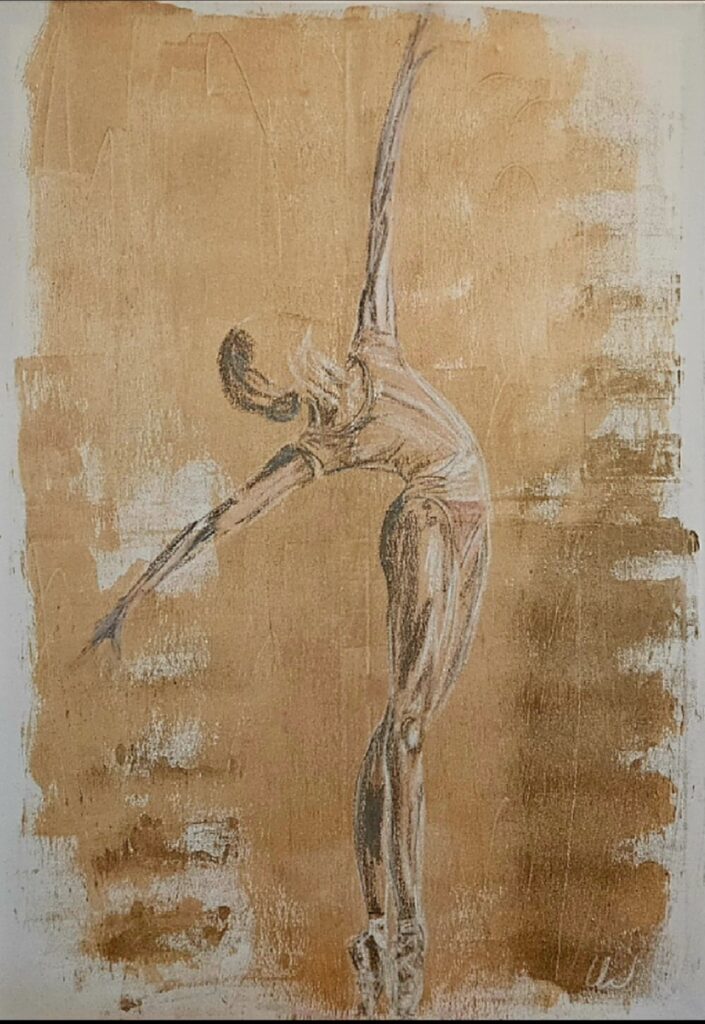
Q2. Many of your paintings begin from photographs of dancers or performances. How do you choose a specific photograph as the starting point for a painting, and what qualities make an image compelling to paint?
The photograph or performance has to catch my attention. This might be a special pose or a specific theme or a feeling of recognizing myself in it. It is compelling if it reveals a certain dynamic, a suitable ratio of light and shadow and if it offers me the opportunity to explore something new.
Q3. Strength and vulnerability often coexist in your figures. How do you decide which quality should lead in a particular painting?
It depends on my own feelings, my mood and what I want the viewer to see in my paintings. Sometimes the answer to this question finds itself during the process of painting. It is a development of colours and perspective like coreographing movements without knowing exactly if at the end all ideas will turn out like you imagined.
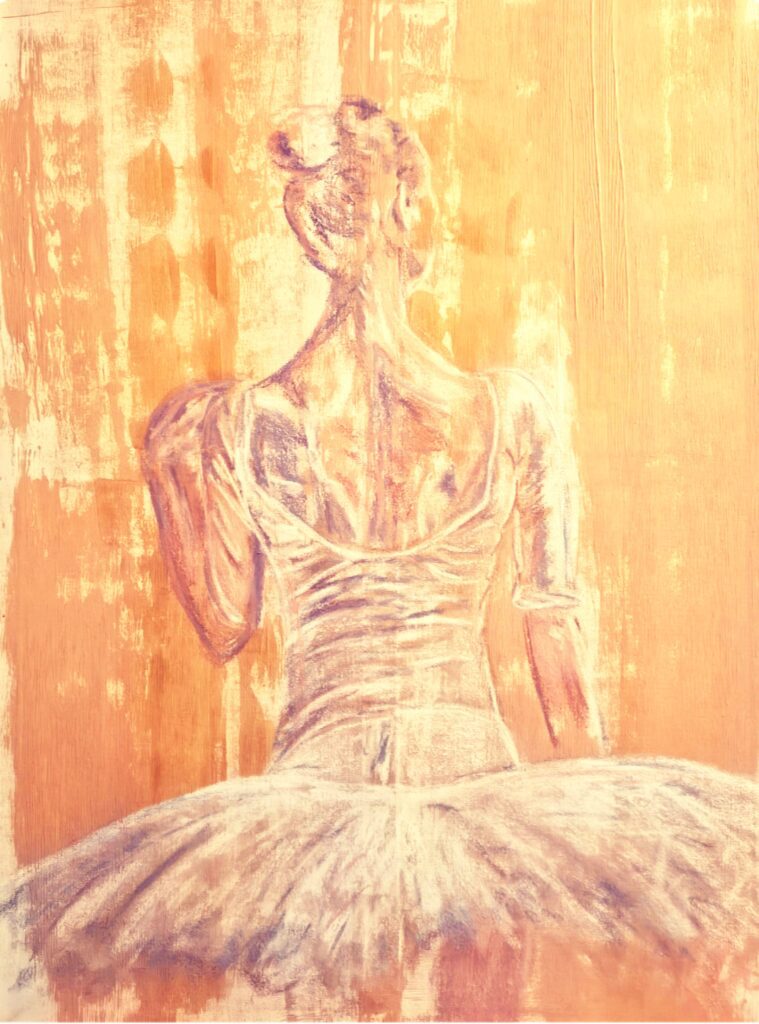
Q4. Your compositions often feel choreographed. Do you think of the canvas as a kind of stage where movement unfolds?
This is a nice comparison. Indeed, the canvas is a kind of stage where my perspectives and ideas of movement unfold. Maybe you can call it the dance between colours and intentions.
Q5. Colour in your paintings seems closely tied to energy and rhythm. How do you decide which palette best serves a particular movement or mood?
It depends on what I want to express. If I want to highlight grace and let’s say a kind of royal quality, I often use golden hues. If I want to contrast a specific movement and the way the dancer’s body shines up, I use contrasting colours. Sometimes I want the paintings to shine in a specific modern context, so I choose pop colours. It also depends on the mood and the dynamic of the picture.
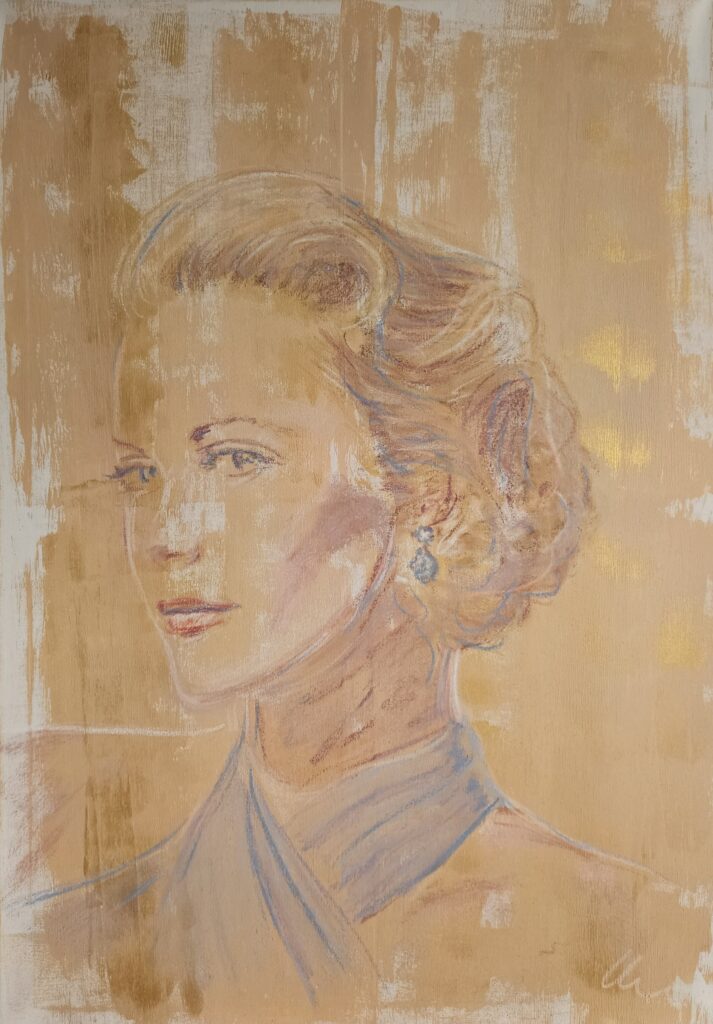
Q6. Compared to artists who exaggerate gesture lines, your figures carry weight and grounded Ness. What formal decisions help you achieve that sense of gravity?
I think it is less a formal decision than my preference for an authentic and natural kind of dance-style. In my opinion the inner core does not need an overload of pomp and splendor to be revealed. Sometimes less is more and you have to know, especially in making art, when your picture is finished. If you add more and more you risk to dilute your origin intention.
Q7. In your exhibition Icons and Dance “The Essence of Beauty and Strength, how did you select which works to include and how they related to one another thematically?
In my opinion the connecting theme of dance and movement on the one hand and icon portraits on the other hand is embodiment. I want to show something essential, something that finds its expression in its embodiment. It was my aim to show different kind of works, originated at different times.
Q8. How has your relationship with movement changed as you’ve shifted from performing to observing and translating it into paint?
To deal with dance and movement in my paintings allows me additional access. I know how it feels to move and to dance. Not only different steps and exercises are stored in my cells, but also the pain and the overwhelming feelings. Painting allows me to express all this. It allows me to show the viewer my essence of body- and dance -experience. That is why in my paintings strength and fragility do not exclude each other, but depend on each other.
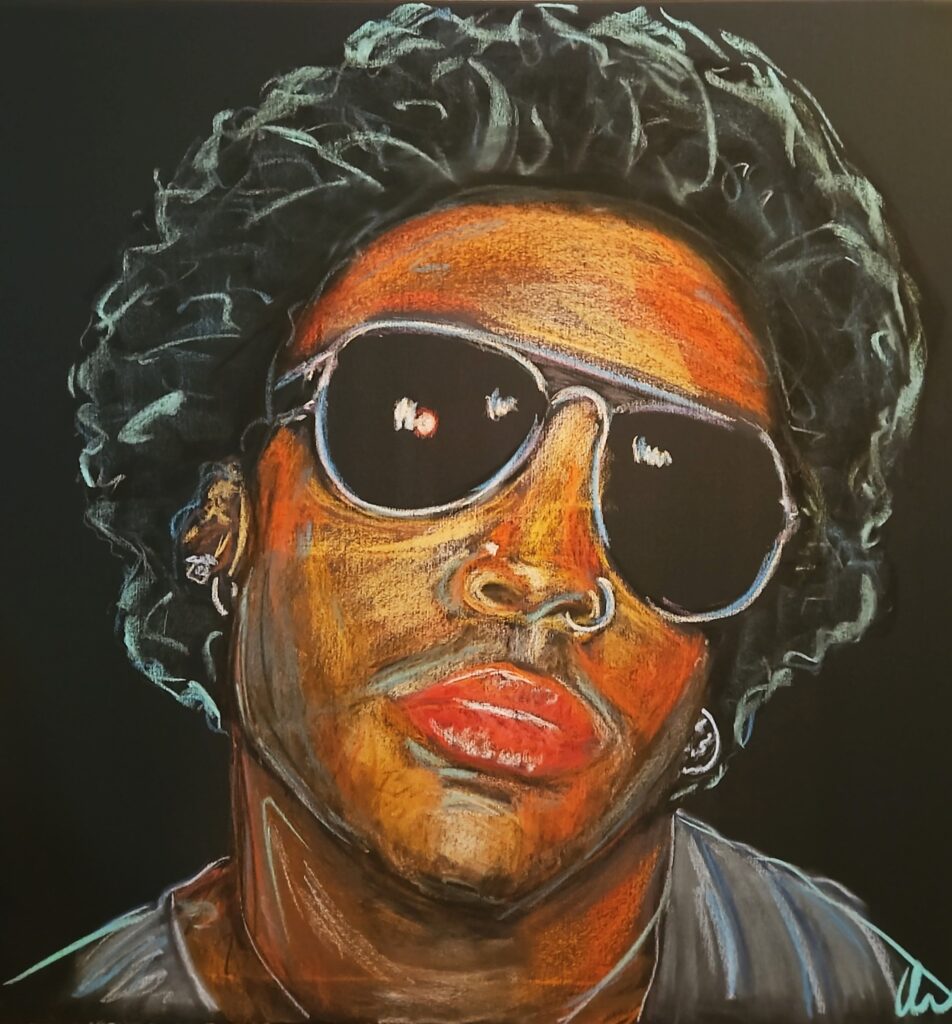
Q9. When viewers encounter your work, what kind of physical or emotional response do you hope they experience first?
I want them to be attracted by my paintings of course. I want them to be touched by a certain gesture, the specific relation of light and shadow or the composition of colours. I once got the feedback to one of my paintings that it increases such a calmness and ease and the customer could watch it for hours. That is touching. In another exhibition some kids were attracted by the paintings and tried to copy the movements. The experiences can be totally different, but if my works contribute to gain access to the viewer’s emotions, then I achieved something essential.
Q10. What advice would you give to artists who want to capture movement, presence, or energy in their work without relying on literal depiction?
Ask yourself why you want to deal with these themes. What attracts you? Which kind of experiences do you have? Can you feel what you want to paint? And what do you want others to feel?
As our conversation drew to a close, we found ourselves thinking less about the paintings and more about what sits behind them.
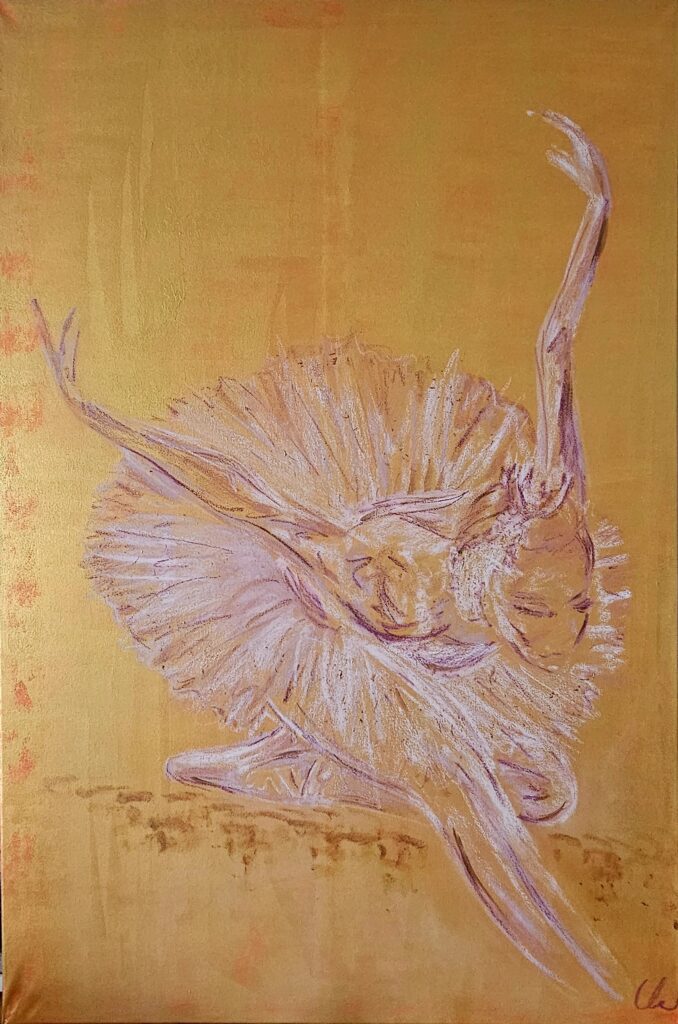
There’s a difference between observing movement and having lived inside it, and that difference stays with you when you look at Carola’s work. It shows up in small ways. In how a figure holds its balance. In how nothing feels exaggerated, nothing feels forced.
It feels known. We noticed how the work doesn’t try to impress you quickly. It doesn’t rush to be understood. You spend a few seconds with it, and then you stay a little longer. And somewhere in that time, something shifts. A gesture starts to make sense. A posture feels familiar in a way you can’t quite explain.
That’s where it begins to land. What stayed with us most is how gently her work holds both strength and vulnerability. Not as a contrast, but as something that naturally exists together. The way it does in real life, in bodies we move through every day without always noticing.
And maybe that’s why it feels so easy to return to. Because it doesn’t ask too much of you. It just meets you where you are, and lets you take what you need from it. Some days it’s the colour. Some days it’s the movement. Some days it’s just the quiet feeling it leaves behind.
For someone living with art, that matters more than anything immediate. This is the kind of work that doesn’t reveal itself all at once. It settles into a space slowly. It changes with the light, with your mood, with how much time you’re willing to give it. And over time, it becomes less something you look at, and more something you live with. That kind of presence is rare. And once it settles in, it stays.
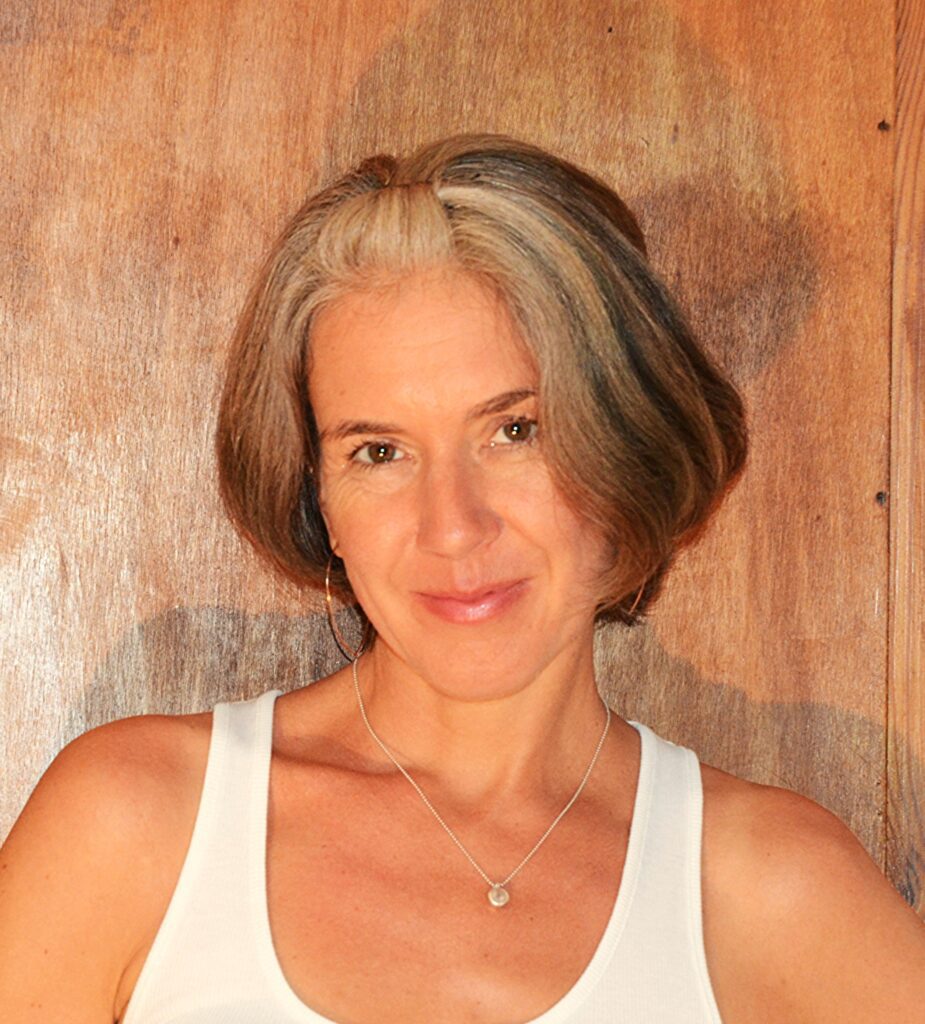
To follow Carola’s journey and see more of her work, you can find her through the links below.
