5 Unexpected Places Looking for Artists
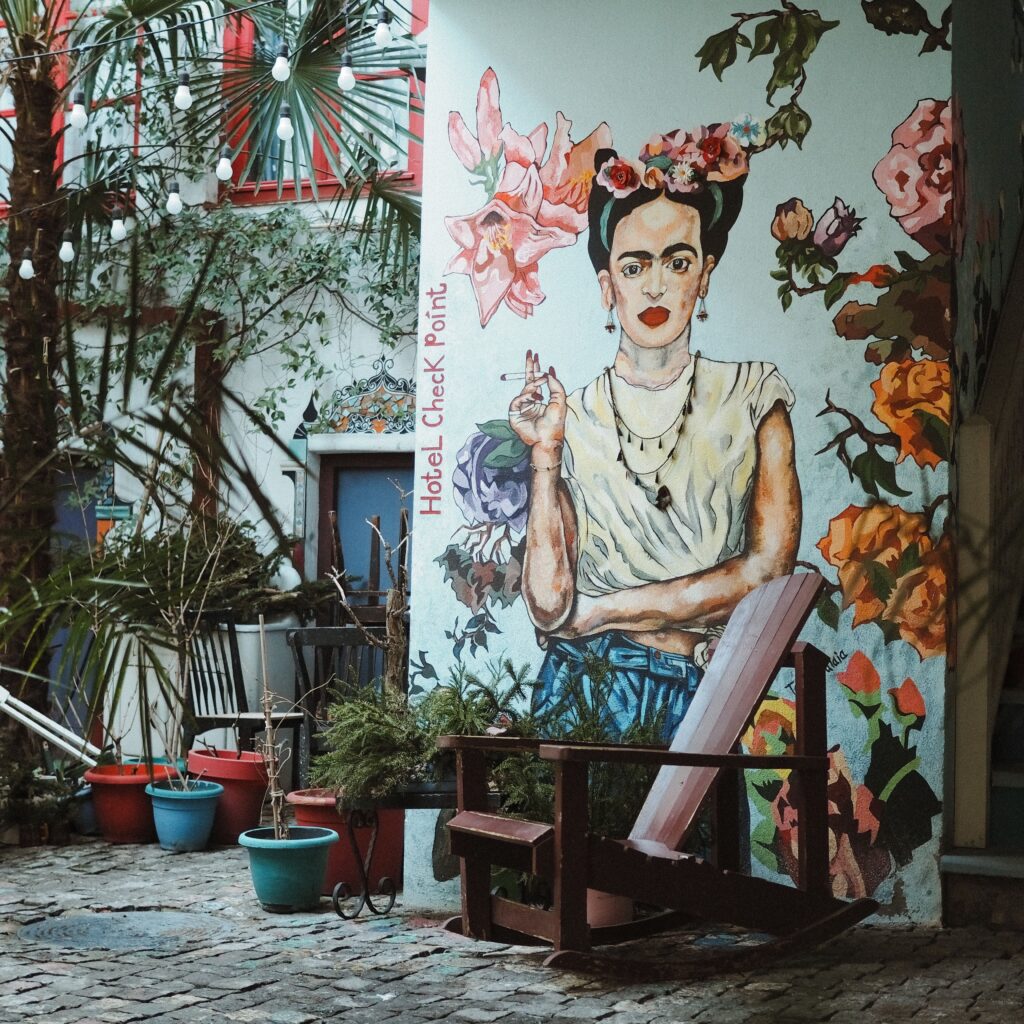
When artists think about where their work belongs, museums, galleries, art fairs, and exhibitions usually come to mind first. These are the spaces we are taught to look toward when we want to show our work professionally.
But there is another side of the art world that is much easier to overlook.
Art is also being commissioned for hotel lobbies, libraries, cafés, hospitals, co-working spaces, offices, and other places where people may not necessarily go with the intention of seeing art. A blank wall can become a mural. An empty lobby can become a place for sculpture. A library can commission a site-specific installation. A café can work with an illustrator to create an entire visual identity for its space.
For artists, these opportunities can be especially interesting because they are not always advertised in the same places as gallery exhibitions. Sometimes there is a formal open call. Sometimes an interior designer is looking for an artist. And sometimes the opportunity begins with a simple, well-timed email to a business owner.
Here are five places worth putting on your radar.
1. Hotel Lobbies
Hotels are one of the most natural places outside the traditional art world to look for artists. A hotel lobby is often designed to make a first impression, and artwork can become a major part of that experience.
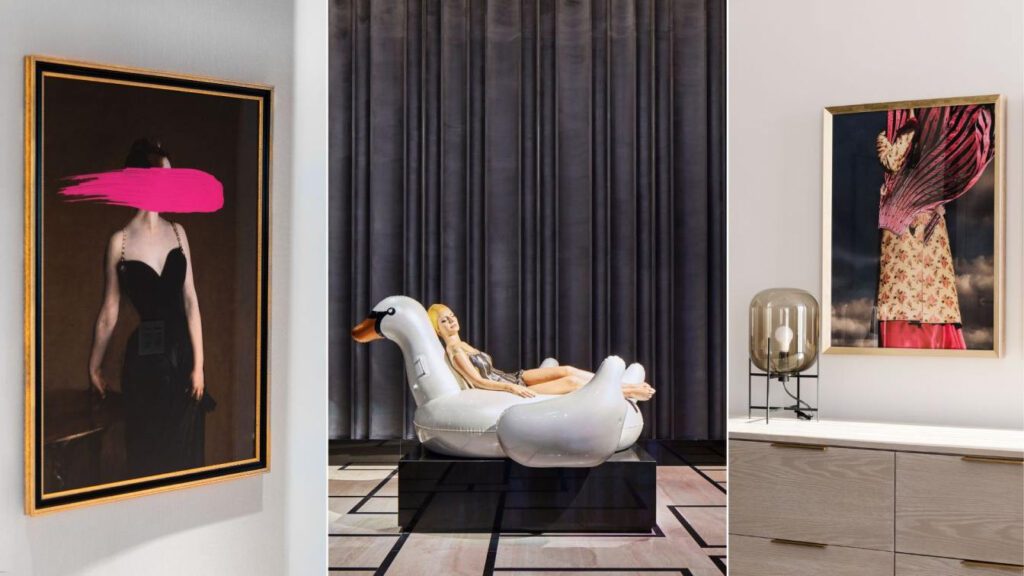
Large paintings, photography, sculptures, textile pieces, installations, murals, and site-specific works can all work in hospitality spaces. Some hotels build permanent collections, while others rotate exhibitions or commission artists for particular areas.
For example, Conrad New York Midtown has an extensive contemporary art collection with works by dozens of artists, including a large sculpture placed prominently in its lobby. Other hotel art programs take a more temporary approach. In 2026, DesignTO and Le Germain Hotel Toronto Mercer announced an Artist Sojourn Program in which selected artists develop site-specific proposals for artwork to be displayed in the hotel lobby and surrounding spaces.
This is important for artists because it shows that a hotel does not necessarily need to be a traditional gallery to have a reason to work with you.
Approaching Hotels
Do not simply email a hotel saying, “I am an artist. Would you like to display my work?” Instead, look at the hotel first.
What does its interior look like? Does it already have artwork? Is the style contemporary, minimalist, traditional, colorful, or locally inspired? Is there a restaurant, rooftop, lounge, hallway, or lobby wall that could accommodate your work?
Your pitch should be specific. You might suggest a small exhibition, a permanent commission, a lobby sculpture, or a series of paintings connected to the hotel’s location.
If you are a muralist, include photographs of previous murals and explain what you could create specifically for their space. If you are a painter or photographer, make it easy for them to imagine your work inside the hotel by including a few simple mockups.
2. Libraries
Libraries may seem like an unusual place to look for professional art opportunities, but they are increasingly becoming community spaces rather than places that simply store books.
Libraries host talks, workshops, exhibitions, children’s programs, cultural events, and public art projects. Their walls, courtyards, reading areas, entrances, and community rooms can all become spaces for artists. And there are real commissioning opportunities here.
Source: The Seattle Public Library
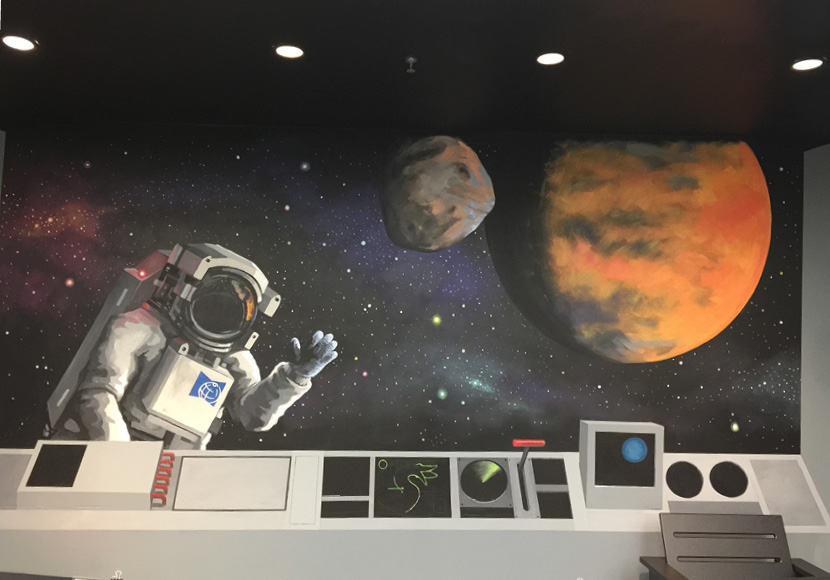
In 2026, Sharpsburg Community Library in Pennsylvania sought an artist for a public mural connected to the idea of imagination and the role of the library in the community. Seattle Public Library has also commissioned murals by local artists for its Central Library and neighborhood branches.
Larger library systems can offer even bigger opportunities. A 2026 Westonka Library public art call, for example, offered two commissions with artist fees of $60,000 and $75,000.
That does not mean every library has this kind of budget. But it does show why artists should not assume that libraries are automatically non-paying or purely community-based opportunities.
Finding Libraries that Might Suit Your Art
Start with your local public library system, university libraries, cultural libraries, and newly renovated or newly constructed library buildings.
Look specifically for pages titled Public Art, Artist Opportunities, Calls for Artists, Community Programs, Capital Projects, or Cultural Programs.
For larger projects, libraries may work with a public-art organization, city arts department, architect, or outside curator. That means the library itself may not be the place where you submit your application.
Libraries are also a good place for artists whose work connects with storytelling, books, history, education, local communities, children, or place.
3. Modern Cafés and Theme-Based Coffee Shops
This one is probably one of the easiest opportunities for emerging artists to overlook. Walk into a modern café and you will often find that the interior is part of the brand. There may be a giant illustrated wall, hand-painted lettering, a sculptural installation, framed paintings, a photogenic corner, or artwork designed around the café’s particular theme.
Source: Ula Cafe
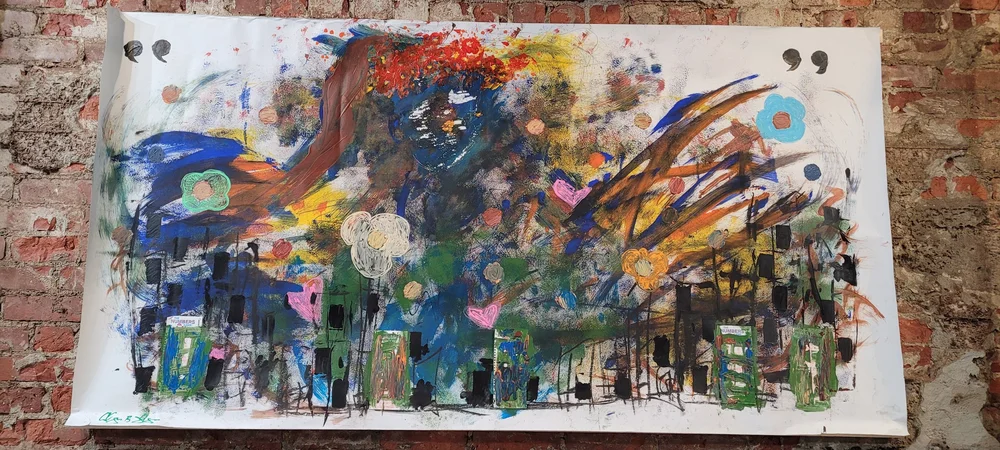
And cafés are increasingly looking for work that is not simply decorative. They want something that makes the space recognizable. A great example is Ula Cafe in Jamaica Plain, which opened a 2026 call for muralists to create an original mural for the front area of its café. The project offered a $2,000 commission plus materials, while three finalists were also offered honorariums for developing preliminary sketches. The brief specifically asked artists to respond to the neighborhood, its people, history, and sense of community. Ula Cafe has a form on their website for artists who want to display their art.
There are plenty of other examples of cafés commissioning artists. R9 Café in Taipei commissioned a large exterior mural, while cafés and restaurants have also worked with artists to create murals that reflect their food, cultural identity, or brand.
This is where being a theme-based artist can become a real advantage.
A café inspired by books might want literary illustrations. A plant café might want botanical murals. A Pakistani restaurant might want artwork connected to local culture. A children’s café might want playful illustrations. A specialty coffee shop might want typography, coffee-related imagery, or something completely abstract that fits its interior.
How to Approach a Café
Look for new cafés, newly opened branches, restaurants undergoing renovation, and businesses with large blank walls.
Instagram and LinkedIn can actually be useful here. If you see a café announcing that it is opening a new location, that can be the perfect time to introduce yourself.
Your message could be as simple as:
“I’m a local artist and I loved the direction of your new space. I create site-specific murals and would love to share a few ideas for the wall/entrance area if you’re considering artwork for the new location.”
Then attach a small, strong portfolio. Do not send twenty unrelated images. Send five to eight works that make sense for the space. You can also approach cafés with framed paintings or prints if you are not a muralist. Some cafés may be interested in displaying local artists’ work for a limited period, with the artist receiving sales from pieces purchased by customers. The key is to understand what the café actually needs before pitching.
4. Hospitals, Clinics, and Healthcare Spaces
This is one of the most meaningful areas for artists because artwork in healthcare environments is often about much more than decoration.
Hospitals and clinics use paintings, photography, murals, sculpture, illustrations, installations, and participatory projects to make clinical spaces feel less sterile and intimidating. The opportunities can range from a small collection of framed works in a waiting room to large-scale murals in children’s hospitals, treatment rooms, corridors, rehabilitation centers, and mental health facilities.
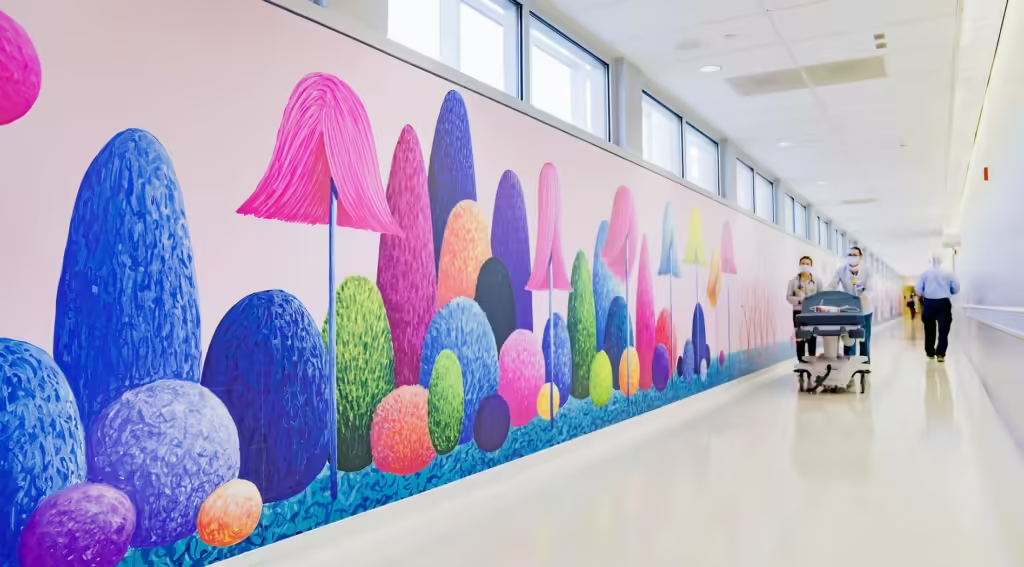
The Foundation for Hospital Art says its work has brought paintings to more than 9,500 hospitals in 195 countries, while the National Arts in Hospitals Network provides guidance around commissioning artworks, developing collections, and integrating art into healthcare environments.
There are also organizations specifically pairing contemporary artists with healthcare spaces. RxART, for example, commissions artists to transform pediatric healthcare environments, with projects ranging from waiting rooms to medical imaging spaces.
Reaching Out to Healthcare Spaces
This category requires a little more professionalism and sensitivity.
A hospital is not simply another commercial wall. Your work needs to consider patients, families, staff, accessibility, maintenance, safety, and the emotional atmosphere of the space.
Instead of approaching a hospital with a general portfolio, think about what you can offer.
Could you create calming nature-based paintings for a waiting room? Could you design a children’s mural? Could you create artwork for a rehabilitation center? Could your work be reproduced as durable panels rather than installed directly on a wall?
Look for hospitals with foundations, charitable trusts, arts-in-health programs, patient experience departments, or public art initiatives. These are often better contacts than a hospital’s general reception desk.
5. Co-working Spaces and Creative Offices
Think about how many people spend their days inside offices. Now think about how many of those offices have huge blank walls. Co-working spaces, creative studios, technology companies, design firms, agencies, startups, and modern offices often invest heavily in their interiors because the workspace is part of their brand.
This creates opportunities for murals, paintings, photography, sculptures, installations, illustrations, and even functional art. Some co-working spaces actively support artists.
There are also straightforward commercial examples. A creative co-working space in Newcastle commissioned a public-facing mural designed around ideas of revitalization and renewal.
And this is not limited to co-working spaces. A company might commission a large artwork for its reception area, a mural for a staff lounge, or a custom installation for a new office.
Finding the Right Opportunity
Start by making a list of co-working spaces and companies in your city. Then look at their physical spaces online.
Are they opening a new branch? Moving offices? Redesigning their interiors? Launching a new brand identity? Those moments are your opportunity.
Instead of saying, “I would love to display my art in your office,” make a business-specific proposal.
For example:
“I noticed your new office has a large reception wall. I create custom murals designed around a company’s identity and would love to develop a concept that reflects your brand and the creative community around your workspace.”
That sounds much more like a professional service. You can also contact interior designers and architects directly. This is important because they may be the ones selecting artwork for a commercial project. Getting onto the radar of even a few interior designers can lead to commissions that you would never find through an artist open-call website.
Don’t Wait for the Opportunity to Be Called an “Art Opportunity”
This is probably the biggest takeaway from looking beyond galleries. Not every opportunity will be advertised as “Call for Artists.”
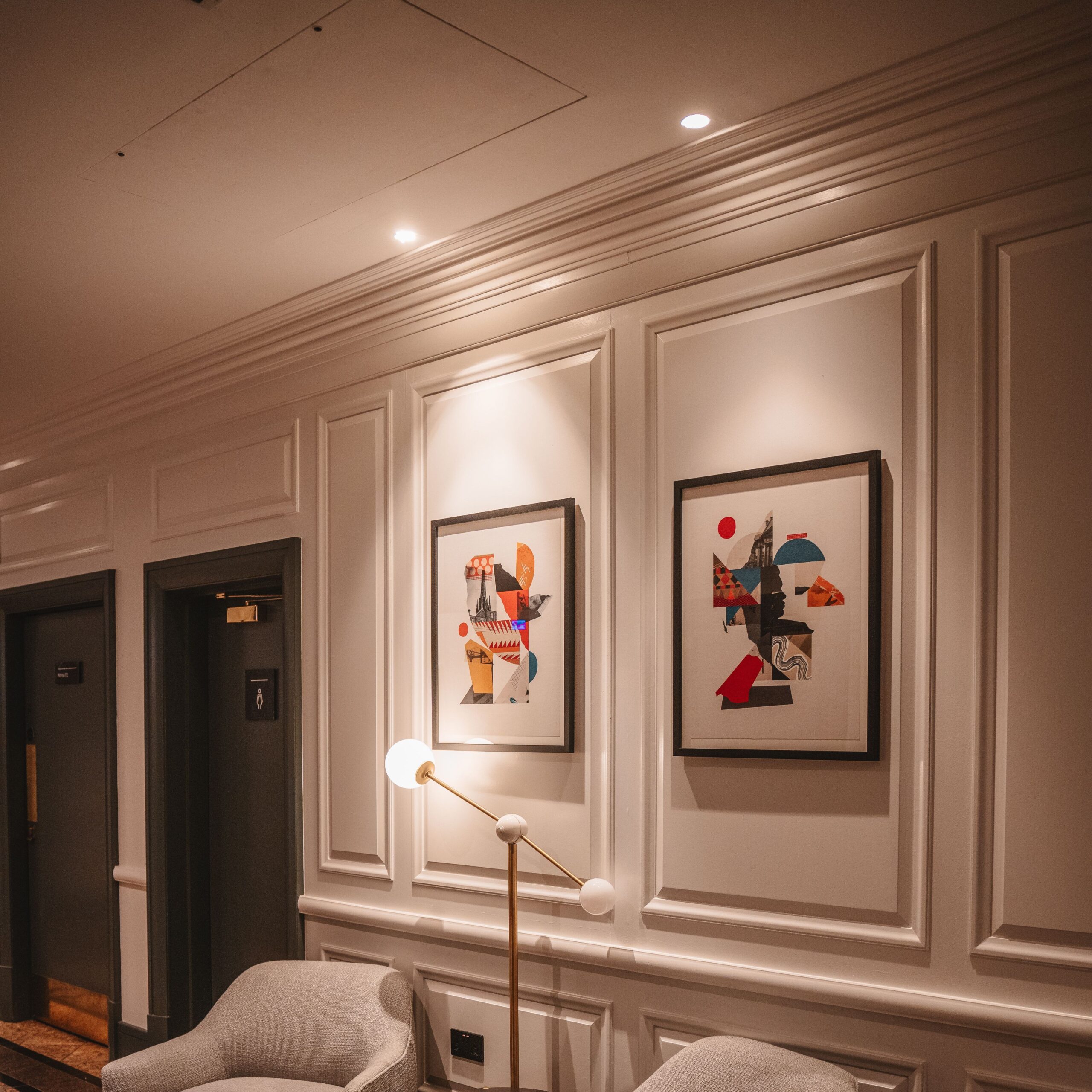
Sometimes it will be called a renovation. Sometimes it will be a new hotel opening. Sometimes it will be a café looking for a muralist. Sometimes an architect will need artwork for a project. Sometimes a library will announce an EOI. And sometimes a business owner simply has a blank wall and no idea who to call. That is why artists should learn to look for spaces, not just calls.
When you find a promising place, research who actually makes decisions there. Look for the owner, general manager, marketing director, creative director, interior designer, architect, community-program manager, or arts coordinator.
Then make your first contact short and specific.
Include:
- A brief introduction
- Your location
- Your medium or specialty
- A link to your artist website or portfolio
- Three to five relevant examples
- A specific idea for their space
- Your availability for commissioned work
A professional commission should eventually have a written agreement covering the artwork, dimensions, materials, timeline, revisions, installation, payment schedule, usage rights, maintenance, and what happens if the project changes.
For larger projects, also ask whether materials, transportation, fabrication, installation, insurance, permits, and travel are covered separately or included in your artist fee. Public-art opportunities can make these distinctions very clear; for example, airport commissions may specify artist fees, proposal stipends, fabrication, installation, and maintenance requirements separately.
Most importantly, do not undersell yourself simply because the client is not a museum or gallery. A commissioned mural in a café is still professional creative work. A sculpture in a hotel lobby is still a serious art commission. A library installation is still part of your professional portfolio. And a painting hanging in a company’s reception area can introduce your work to hundreds of people who may never walk into a gallery.
The traditional art world is only one place where artists can build careers. Sometimes the next opportunity is sitting behind a hotel reception desk, hanging above a café table, waiting in a library corridor, brightening a hospital wall, or sitting on the other side of an office manager’s inbox.
You just have to know where to look, and be willing to introduce yourself.

How Smart Pricing Can Help You Sell More Art
September 3, 2026 at 8:51 am[…] you are an emerging artist, looking for places to display your art, read our feature on 5 unexpected places looking for artists, that are beyond the conventional galleries and […]
5 Ways Artists Can Help Their Target Audience Find Their Work
September 17, 2026 at 6:36 am[…] our feature on 5 Unexpected Places Looking for Artists to explore more about spaces that can become home to your […]