
How to Create an Artist Website in 2026
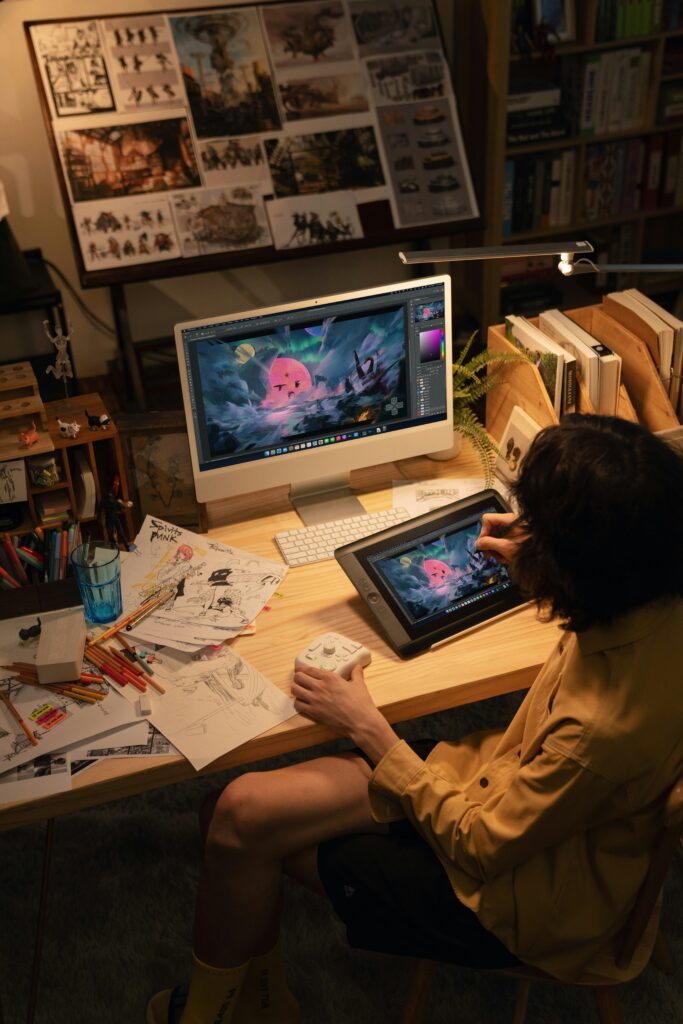
Every artist has a story behind their work. It lives in the ideas that inspire them, the experiences that shape their creative voice, and the countless hours spent turning imagination into something others can experience. But in today’s digital world, another question has become just as important: where does that story continue after the artwork is finished?
For many artists, social media has become the first place where that story is shared. Platforms like Instagram and TikTok have opened incredible opportunities, helping artists connect with audiences, showcase their process, and reach people across the world. But the digital space moves quickly. Trends shift, algorithms change, and even the most meaningful work can get lost among endless streams of content.
That is why an artist website has become more than just an online portfolio. It is a dedicated space where your work, journey, and artistic identity can come together. It allows collectors, galleries, curators, and art lovers to understand not only what you create, but the person behind the work. And with accessible website builders, AI tools, and simple resources available today, creating that space is more achievable than ever.
Your Website Is Your Digital Home
An artist’s work deserves a place where it can be experienced beyond a quick scroll. While social media is valuable for sharing updates and glimpses into your creative process, a website allows you to bring your entire practice together in one intentional space.
Think of it as your digital studio. Just as a physical studio reflects your creative process, your website reflects your artistic identity. You decide what visitors see first, which works you highlight, and how your story unfolds. Instead of competing for attention in a crowded feed, your audience can explore your work in an environment designed around you.
For emerging artists especially, this can make a meaningful difference. People discovering your work want to understand more than just the final piece. They want to know your background, your ideas, and your creative journey. A thoughtfully created website helps you present that complete picture.
Why Every Artist Needs a Website
In today’s art world, opportunities often begin with a search. A collector interested in your work, a curator looking for artists, or an organization considering you for a project may look online before making contact. Your website ensures they find a complete and professional representation of your practice.
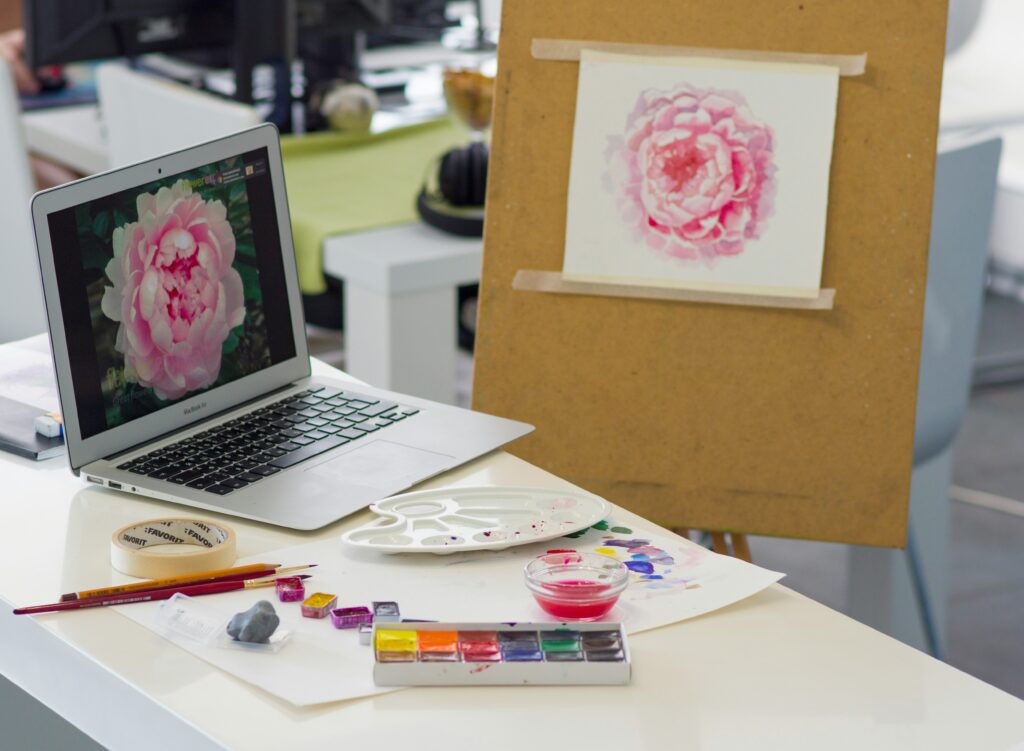
A strong artist website does more than display images. It gives context to your work, builds trust, and makes it easier for people to connect with you. Visitors can explore your portfolio, learn about your exhibitions, understand your process, and find clear ways to reach you.
A website helps ensure that when people find you, they find a complete and professional representation of your work.Here are some of the biggest reasons why having an artist website can become one of the most valuable tools in building your artistic career.
Your Website is Solely Yours
Unlike social media platforms, where every artist is working within the same layout, trends, and algorithms, your website belongs entirely to you. You decide how your work is presented, what colors and fonts represent your style, which pieces deserve attention, and what story visitors discover when they enter your space. Every detail can reflect your artistic identity.
Social media often rewards following certain patterns to stay visible, but your website doesn’t ask you to fit into a formula. It becomes an extension of your creative practice, shaped by your choices and your vision. Just like your artwork carries your unique perspective, your website can become a digital reflection of the artist behind it.
Be Easier to Discover
In the digital age, many opportunities begin with a simple search. A collector interested in your work, a curator looking for artists, or someone who discovers your piece through a virtual exhibition may search your name to learn more about you. A website ensures they find a dedicated space that represents your work clearly and professionally.
While social media can help people discover your art, a website makes that discovery more meaningful. Instead of finding a single post or a scattered collection of images, visitors can explore your portfolio, learn about your journey, and understand the artist behind the work.
Build Trust and Credibility
For many people discovering an artist for the first time, a website creates a sense of confidence. It shows that you take your creative practice seriously and have invested in creating a space where your work can be experienced properly.
This matters especially when connecting with collectors, galleries, exhibitions, and organizations. A well-presented website gives them easy access to your portfolio, biography, exhibitions, and contact information, making it simpler for them to take the next step.
Give Your Art the Space It Deserves
Social media is designed for quick interactions, where artworks compete with endless streams of content. A website allows your work to slow down and be experienced the way you intended, without distractions.
You can organize your portfolio, share the stories behind your pieces, and create a visual experience that reflects your artistic voice. It becomes a place where your work is not just seen, but understood.
Open Doors to New Opportunities
A website can become a bridge between your art and opportunities you may not have expected. Galleries, curators, exhibition organizers, and art publications often look for more information about an artist before reaching out. A professional online presence makes it easier for them to discover your work and understand your creative practice.
This is especially important as the art world continues to expand digitally. Virtual exhibitions, online galleries, and international art platforms have made it possible for artists to reach audiences far beyond their local communities. A website ensures that when these opportunities arise, your work has a place ready to be explored.
Turn Visitors Into Collectors
A website gives interested viewers a place to explore your full portfolio, learn about available pieces, understand your process, and find clear ways to contact you or purchase your work.
For artists who sell originals, prints, commissions, or creative services, a website can become an important part of the buying journey. When someone is ready to take the next step, having all the information in one place makes the experience easier for both you and the collector.
Studies in e-commerce have repeatedly shown that website experience influences buying decisions. One study analyzing online purchase behavior found that website quality and trust were positively related to purchase intention, highlighting how a well-presented online space can affect whether visitors become customers.
While buying a painting is different from purchasing everyday products, the same human behavior applies: people are more comfortable investing when they feel informed, confident, and connected.
Own Your Online Presence
Social media platforms are powerful tools, but they are still spaces controlled by someone else. Changes in algorithms, platform updates, or shifting trends can affect how easily people find your work. Building your entire artistic identity on one platform means you don’t have complete control over your own visibility.
Your website is different. It is a space that belongs to you, where your portfolio, achievements, story, and contact information remain accessible. Social media can bring people to your door, but your website is where you invite them in and show them the full world behind your art.
Creating a Website Is Easier Than You Think
For many artists, the idea of building a website can feel overwhelming. Words like domains, hosting, templates, and design can make it seem like something that requires technical skills or a large budget. But today, creating a professional online space is far more accessible than it used to be.

You don’t need to know how to code or hire a full development team to get started. With simple website builders, AI-powered tools, and ready-made templates, artists can create beautiful websites that showcase their work without turning the process into another stressful project.
Choose the Right Way to Build It
Once you know what your website needs to include, the next step is deciding how you want to create it. There is no single right approach for every artist. Some artists enjoy the creative process of building their own website, while others prefer handing it over to someone with experience. The right choice depends on your budget, time, technical comfort, and the kind of online presence you want to create.
Today, artists have more options than ever before. You no longer need advanced coding skills or a large budget to create a professional website. Simple website builders, templates, and AI-powered tools have made the process much more accessible, while skilled designers and developers are available for artists who want a more customized experience.
Build It Yourself
For artists who want to start independently, website builders can be a great option. Platforms like Wix, Squarespace, WordPress, Adobe Portfolio, and Carrd offer templates that can be customized without needing technical knowledge.
You can choose a design, upload your artwork, add your biography and artist statement, and create a professional online presence step by step. For many emerging artists, a simple and thoughtfully organized website is enough to begin. Your goal is not to create the most complex website possible. It is to create a clear, beautiful space where people can understand and connect with your work.
Work With a Designer
If designing a website feels outside your comfort zone, hiring someone can be a valuable investment. Platforms like LinkedIn, Fiverr, and other freelance marketplaces are filled with designers who specialize in building websites, portfolios, and creative brand identities.
The key is not just choosing someone based on price. Before hiring, take time to explore their previous work. Look at the websites they have created, check whether their design style matches your vision, and read reviews or recommendations from past clients. A good designer should understand that an artist’s website is not just a collection of pages. It is a reflection of your creative identity.
You don’t need to hand over complete creative control either. Share your ideas, preferred style, examples of websites you admire, and the feeling you want your website to create. A collaborative approach often leads to the strongest result because the final website feels both professional and personal.
Whether you build it yourself or work with a designer, remember that your website does not need to be perfect on the first day. Many artists start with a simple version and continue improving it as their practice, portfolio, and goals grow.
Use AI as Your Creative Assistant
Building a website no longer has to mean figuring out every technical detail alone. Today, AI tools can help artists with different stages of creating and managing their online presence, making the process faster and less intimidating. The goal is not for AI to replace your creativity, but to handle some of the tasks that once required extra time, money, or technical knowledge.
Even if you are not sure where to begin, AI tools like ChatGPT and Claude can help you organize your ideas and create clearer instructions for website builders. You can use them to develop prompts describing your artistic style, the feeling you want your website to create, the sections you need, or the type of audience you want to reach. These prompts can then guide AI-powered website tools in creating a starting point that you can customize and make your own.
AI writing tools can also support the parts many artists find difficult, such as refining an artist bio, organizing an artist statement, writing clear descriptions for individual pieces, or creating page content that helps visitors understand their work. The important thing is to use AI as an editing partner while keeping your own voice and story at the center.
Beyond building the website itself, AI can also improve the way collectors experience your work online. Artists can use tools that create realistic room previews and mockups, helping viewers imagine how a painting, print, or photograph may look in different environments. This can be especially useful for online sales, where buyers cannot physically see the artwork before making a decision.
Other AI-powered features can help with practical website tasks, such as improving image quality, removing distracting backgrounds from photographs of work, creating SEO-friendly page titles, and organizing portfolio content. For example, some website platforms now include built-in AI features for tasks like generating text, improving images, creating sections, and helping websites become easier to find online.
AI is not a shortcut to becoming a better artist or telling your story for you. It is simply another tool in your studio, helping you spend less time worrying about the technical side and more time focusing on the work only you can create.
Make Your Website Work for You
A website becomes truly valuable when it continues working after it is created. Think of it as an evolving part of your artistic practice, not a one-time project you finish and forget. As your work grows, your website should grow with it.
Share your website everywhere your audience already finds you. Add it to your Instagram and social media bios, include it in exhibition applications, place it in your email signature, and use it whenever someone wants to learn more about your work. Instead of sending people through scattered posts or multiple links, your website becomes the central place where your entire artistic world comes together.
Keep your portfolio updated with your strongest and most recent work. Add new exhibitions, achievements, publications, or available pieces as your journey develops. Even small updates show visitors that your practice is active and ongoing.
It is also important to make your website easy to navigate. Visitors should quickly understand who you are, what you create, how to view your work, and how to contact you. A beautiful website is valuable, but a clear and accessible one is what turns visitors into meaningful connections.
Your Art Deserves a Place That Lasts
Every artist spends years developing a unique voice. Behind every piece is a collection of experiences, ideas, inspirations, and moments that shape the way they see the world. A website gives that journey a place where it can be discovered, understood, and remembered.
In today’s digital art world, your online presence is often the first step toward new connections. A collector discovering your work, a curator exploring artists for an exhibition, or someone simply coming across your name online should have a place where they can truly experience your creative world. Your website becomes that bridge between your art and the people who are waiting to discover it.
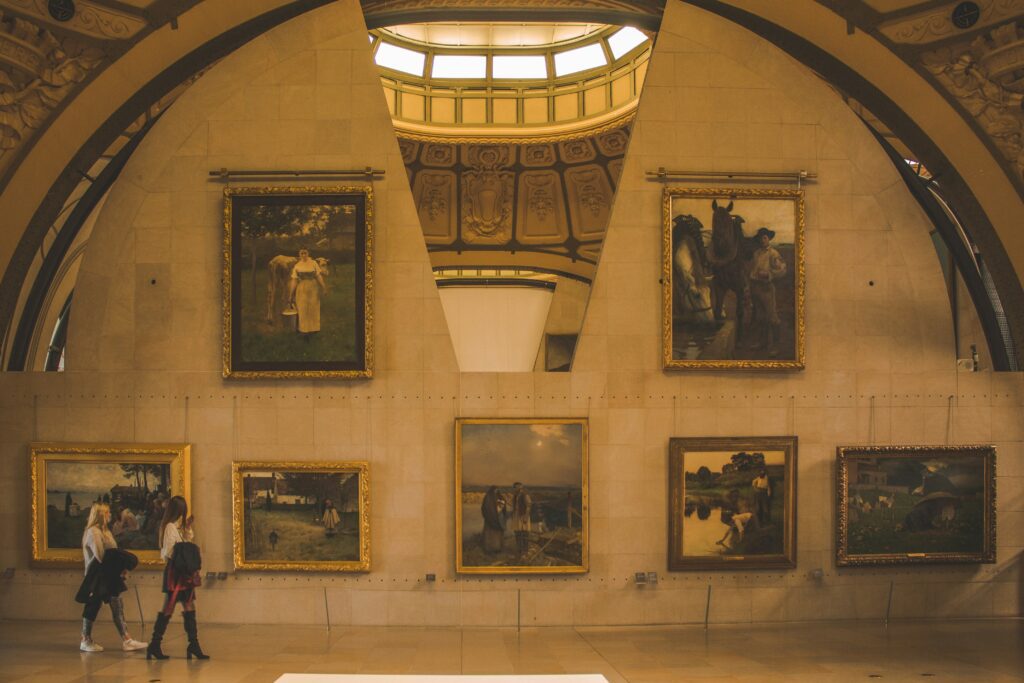
Creating a website may feel like one more task added to an artist’s already busy creative life, but it is an investment in your future. It does not have to be perfect from the beginning. It can grow, change, and evolve alongside your practice, just like your art does.
Social media may help people find your work, but your website gives them a place to stay. It holds your portfolio, your story, and your artistic identity in a space that belongs entirely to you. In a world that is constantly changing, building a home for your art online is one way to make sure your creative voice continues to reach the people who need to see it.

5 Things Every Artist Should Have on Their Professional Website
September 10, 2026 at 8:12 am[…] you do not have an artist website already, read our feature on creating an artist website in 2026 for a detailed guide on where to begin and what to keep in mind when making your first […]
5 Ways Artists Can Help Their Target Audience Find Their Work
September 17, 2026 at 6:30 am[…] of your website, artist directories, online gallery profiles, and exhibition pages as different doors leading back […]