
This American Painter and Sculptor Uses Personal History to Create Contemporary Art | Jane Bauman
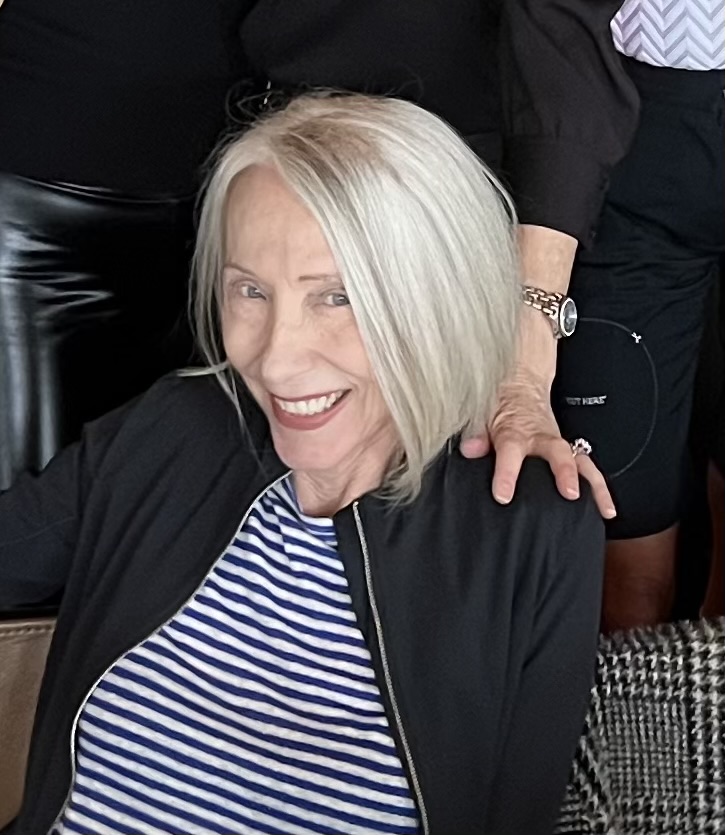
At Women in Arts Network, Spring Through My Eyes gave us the opportunity to discover artists who experience the season in completely different ways. Some are drawn to the visible changes in nature, while others respond to the memories, emotions, colours, and personal associations that spring brings with it.
Jane Bauman is one of the selected artists whose work reflects this openness, bringing together painting, photography, mixed media, and found materials to explore transformation, memory, imagination, and the unexpected connections we find in everyday life.
Jane’s relationship with art began early. As a child, she preferred drawing with crayons to almost anything else, growing up in a home where art was taken seriously and encouraged as a way of discovering one’s own voice.
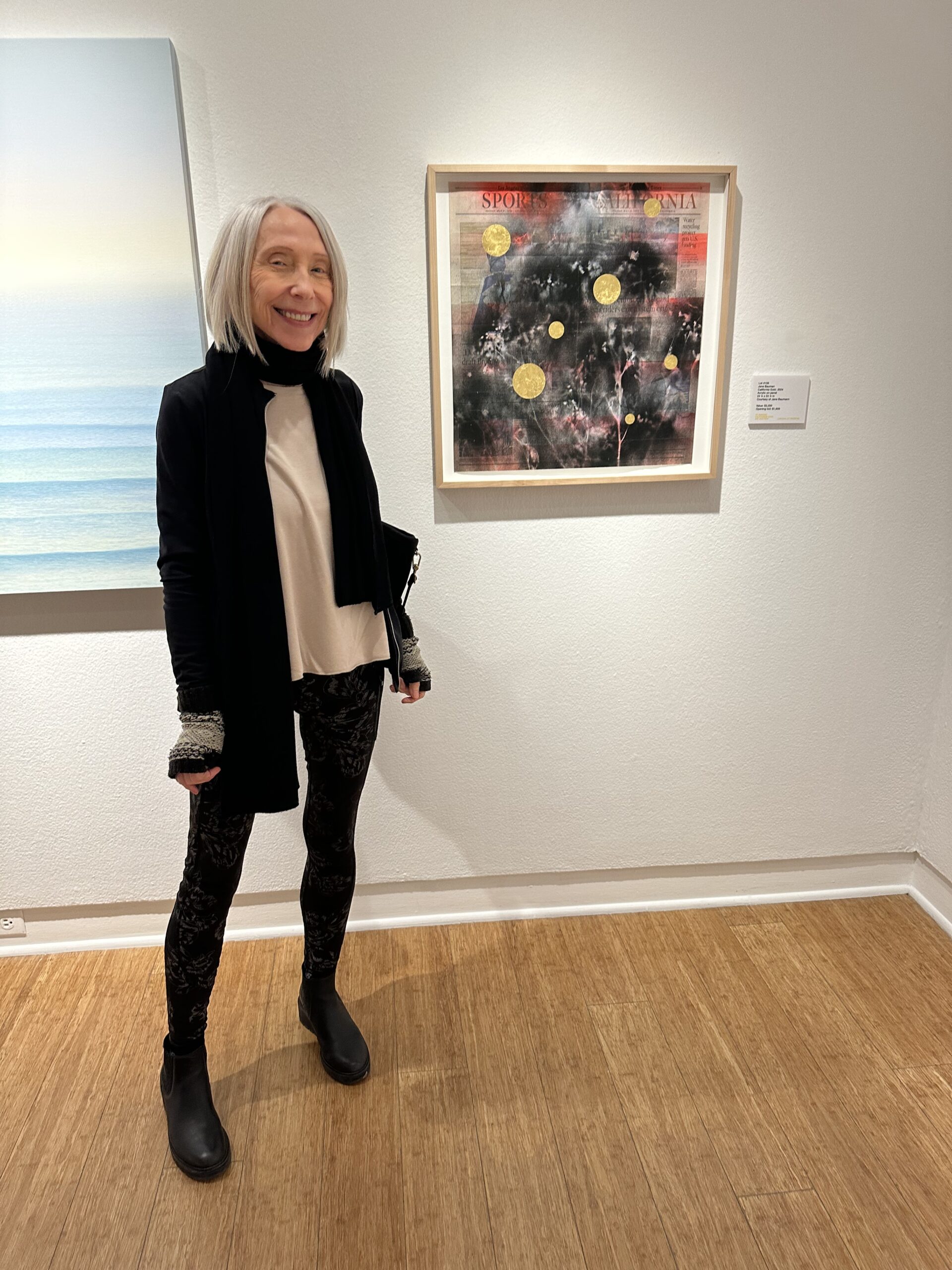
Her mother’s appreciation for the work of Los Angeles artist Mary Corita Kent also shaped her early understanding of creativity, particularly the importance of experimentation and developing an individual perspective. That foundation eventually led Jane to study Art History, earn an MFA in painting and sculpture, and become part of New York’s East Village art scene in the 1980s.
Over the years, Jane’s practice has continued to evolve without settling into a single medium. She may begin with a painting and then allow the work itself to suggest what should happen next a photograph, a new texture, another colour, or a piece of material from her studio.
This openness is central to the way she creates. Rather than deciding everything in advance, she spends time looking, responding, and allowing the work to surprise her.
Found materials have become an especially important part of that process. Jane describes her studio as an “archaeological midden,” filled with remnants of earlier work, discarded materials, and fragments of her own artistic history.
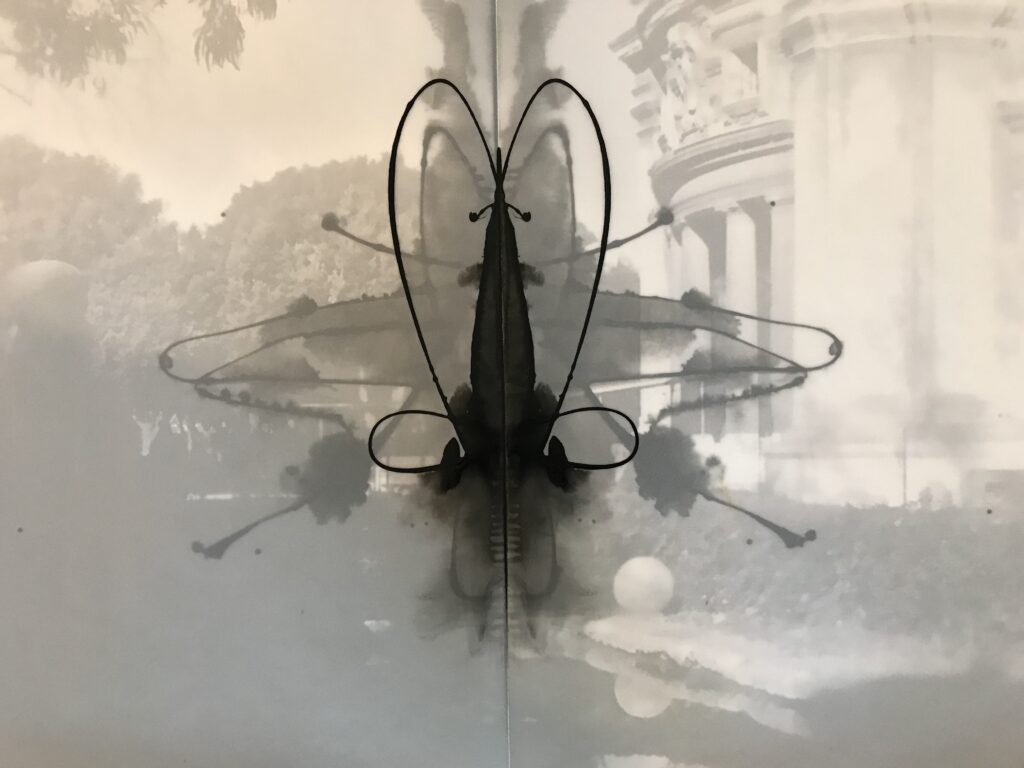
Instead of seeing these things as leftovers, she brings them back into new pieces, allowing her younger self to enter into a conversation with who she is today. The result is work that carries layers of personal history while remaining open to new meanings.
Her fascination with transformation also extends to the way we make connections between seemingly unrelated things. The idea of apophenia finding patterns and meaning where others might see coincidence has become an important part of her thinking. For Jane, this impulse is deeply human and closely connected to creativity.
It is the ability to see a face in a cloud, recognise a possibility in an unexpected material, or bring two unrelated ideas together and discover something neither could have produced alone.
That sense of curiosity runs throughout her practice. From childhood memories of Mothra and science fiction to spray paint, industrial surfaces, photography, and mixed media, Jane has never been afraid of unusual ideas or unexpected materials. Her work continues to move between the organic and the geometric, the personal and the found, the familiar and the strange.
Now, let’s get to know Jane Bauman through our conversation about transformation, memory, experimentation, and the unexpected connections that continue to shape her art.
Q1. Can you take us back to the beginning and share when you first began to see yourself as an artist?
I was one of those children who wanted to stay inside and draw with my crayons, rather than run around outside. My mother loved art and collected serigraphs by Los Angeles artist Mary Corita Kent, an Immaculate Heart College professor and member of the religious order until 1968. As a child I was deeply influenced by Kent’s innovative teaching methods that stressed experimental learning and how to cultivate one’s unique individual voice. Art was taken very seriously in my childhood home and I think I have always felt like an artist.
When I was an undergraduate at Santa Clara University I majored in Humanities with an emphasis in Art History and then later I earned a MFA in painting and sculpture from the San Francisco Art Institute. One of the many things that was so great about SFAI is that I not only learned many techniques and critical thinking tools, but I learned how to live my life as an artist. After graduating from SFAI I moved to NYC for 10 years and was part of the East Village Art scene in the 1980’s.
I was represented by Civilian Warfare Gallery and exhibited my paintings extensively in NY and Western Europe. The AIDS epidemic decimated the art world in the late 1980’s and 90’s and I moved back to California for a full-time teaching position at Coastline College, where I taught for 30 years and chaired the Visual Art Department. One of the best parts of teaching was conducting Study Abroad Programs to Florence Italy from 2003 – 2013. I just loved being around all that wonderful Renaissance art on a daily basis!
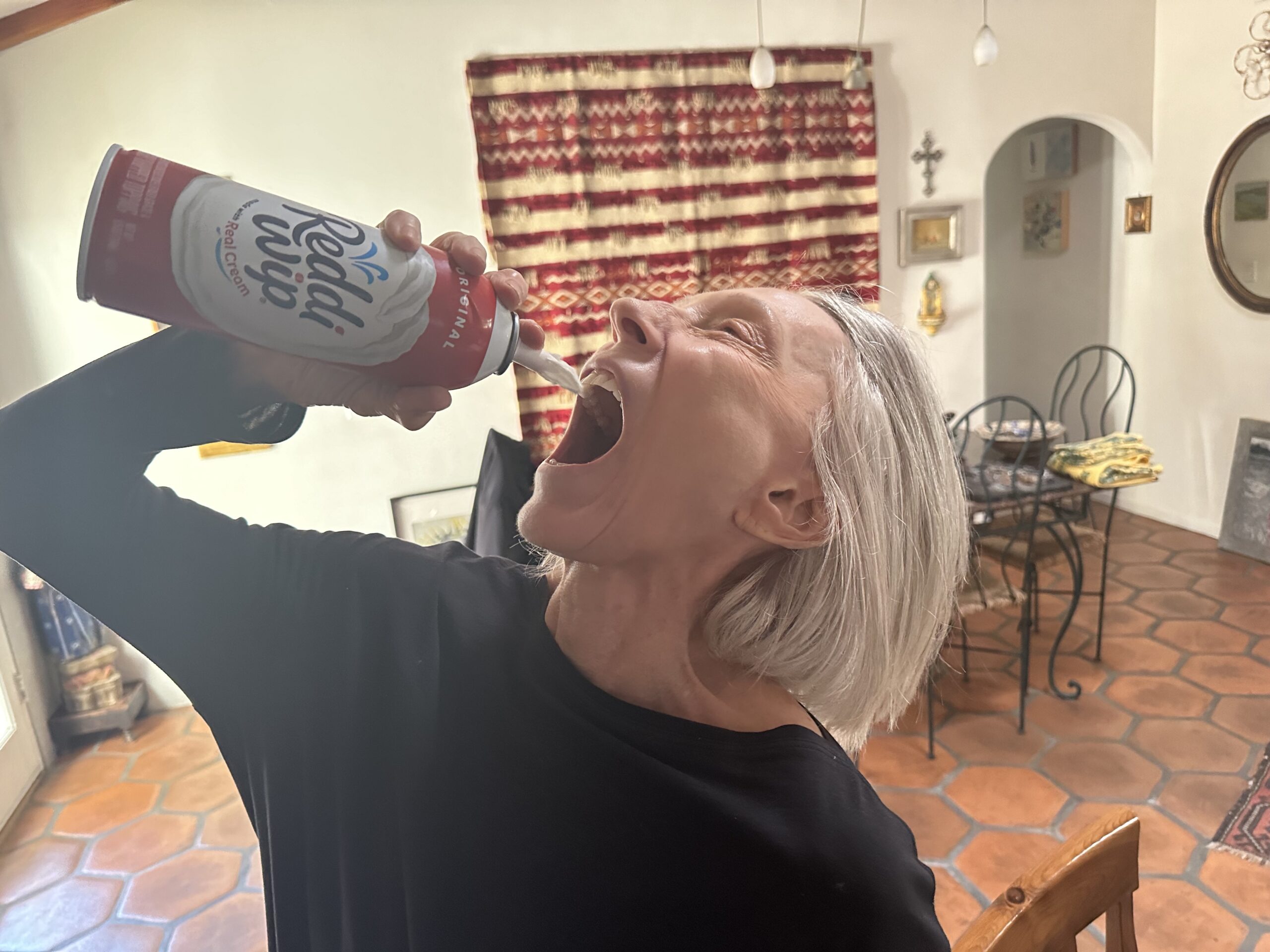
Q2. Transformation runs through your practice. What keeps you interested in turning one thing into another?
Making a work of art is like growing a garden – it’s very satisfying to see what I can make paint say.
Also I’m interested in how my art making can surprise me – art making can be a form of everyday magic and every so often the sum is greater then the parts.
Q3. You work across painting, photography, mixed media, and artist books. How do you know which medium an idea needs?
I usually start with painting something, making marks and then I ‘ask’ the piece what it needs next – sometimes its obvious and sometimes not. That might mean to incorporate a photograph or another texture or color. I spent a lot of time in my studio just looking at what I’ve done.
Q4. You often revisit old works and studio remnants. What does bringing your past into new work mean to you?
My studio is like an archeological midden. I really like the idea of incorporating images and past remnants in current work because it connects me to my own personal history and reminds me how valuable our life experiences are – how much I am the same as I was when younger and how much I have changed. There’s a bittersweet aspect to this, the joy as well as the pain is there.
Q5. Apophenia explores the connections we find between unrelated things. What draws you to that idea?
Humans are constantly seeking meaning. To me the worst, saddest state of mind is one where nothing has significance, life is meaningless, nothing matters, we are just meat puppets going through the motions of living. The concept of apophenia is the opposite of this, it’s really a philosophically hopeful perspective, full of creativity, able to see dragons and faces in the clouds and messages in random noises.
Can this become delusional – absolutely! But there is something so imaginative, so creative (and so human) about being able to perceive an image of Jesus in the grease stain in your driveway, and having dozens of the faithful visit. We need meaning in our lives and we create it where ever we can. I think artists are masters of apophenia and often draw innovative connections from unrelated concepts.
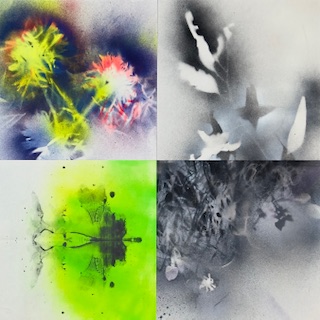
Q6. Mothra has stayed with you since childhood. Why do you think certain images remain with us for so long?
I think this has to do with the emotional charge certain images, books, movies etc. can have on us as children. When I was young I was fascinated with Sci-Fi and especially loved the Godzilla movies. Mothra was introduced in 1964 in “Mothra vs. Godzilla” and I was very keen on the fact that she was a female, very rare in the kaiju battle world. It made me feel, as a young girl that I too could be a player in the world.
Q7. You often work with found and discarded materials. What draws you to objects that already carry a history?
The materials I use definitely have their own voice and lineage. My initial attraction to found and industrial surfaces had to do with not having a lot of extra cash for art supplies as a student. In the late 1970’s at SFAI the printmaking department would throw out used and damaged aluminum litho plates. I started using them to paint on and really liked it. At the time I started doing Street Art using spray paint, it seemed like such a great way of interacting with the world at large, making my own small mark in the vastness of the city.
Spray paint as a medium has an edge, it has a past association with vandelism, civic disobedience and all that – May Day protestors in Paris aren’t walking around with a tube of Winsor Newton oil paint. It’s been interesting seeing its reputation change into a more upscale one with bluechip galleries showing spray paint. It’s quite interesting to me to see how all these remnants from the past, some with strong histories and connotations change and shift in meaning in today’s climate.
Q8. Your work brings together organic and geometric forms. How do you see these two forces relating to each other?
I think the organic and geometric are intimately related – I often see the geometric as an abstraction of the organic. They are just different expressions. I think they need each other, very much a yin/yang type of thing.
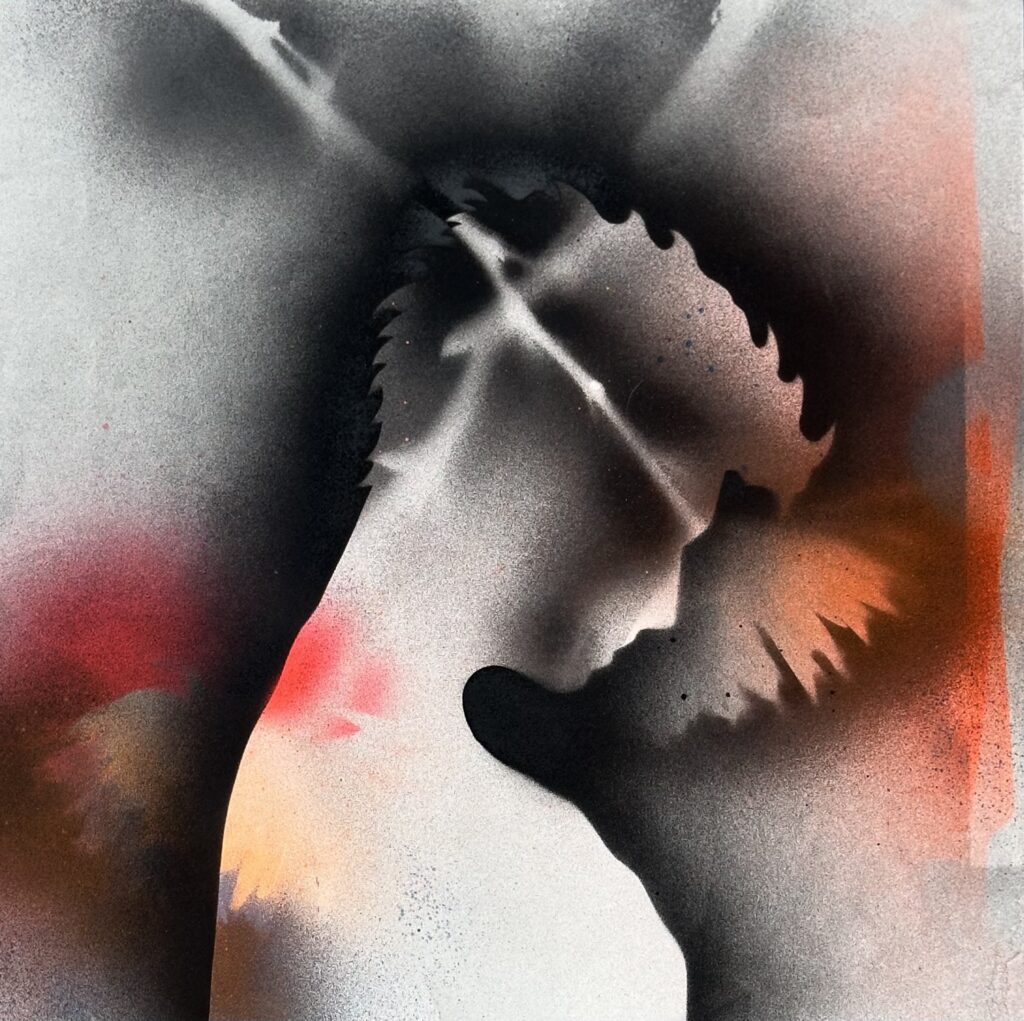
Q9. Why do you think people remain so drawn to signs, symbols, and hidden meanings?
In a way I think, what else is there to do besides maintain survival? Searching for meaning seems to be hardwired in us – we want to know why. And we have come up with so many very different reasons and ways to answer this. It’s very satisfying to find significance and as an artist a whole lot of joy and fun. We don’t live by bread alone.
Q10. Do artists spend more time creating new questions or finding new ways to see the same ones?
I think both, sometimes by trying new ways of seeing the same question we can create a whole new piece, and the sum is greater than the parts.
Q11. Has success become more about recognition or continuing to explore what matters to you?
Recognition is such a hot button issue for artists right now., partially in response to social media which has transformed how we all look at art, buy art and critique it. To desire recognition as an artist is such a human thing – we all want attention, it’s a psychological need – it feels like love even if it isn’t. Recognition has come and gone and come again in my professional life, but I have never stopped doing the art that interests me, despite the market response which, like recognition comes and goes and comes again.
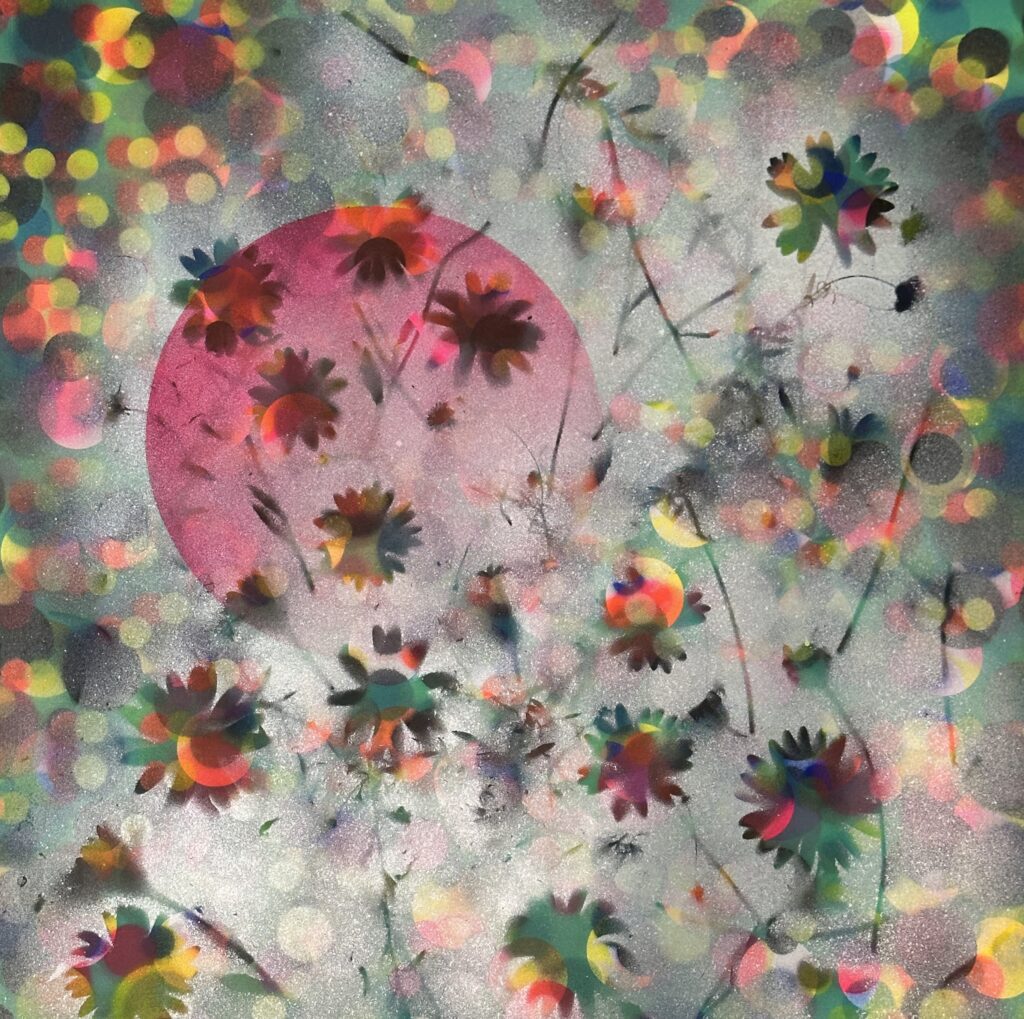
Q12. What keeps a question alive for you throughout your creative practice?
A question that I have always kept in my mind is does what I am making seem interesting to me. A process that I go through is to ask myself ‘what does this look like next to or on top of something else.’ I ask myself what haven’t I tried and then I try it.
Q13. You experienced the East Village art scene of the 1980s firsthand. What might surprise young artists about that time?
Incredibly cheap rent. The massive creativity of artists, art dealers, galleries and collectors was fueled by affordability. My rent on my home/studio on 1st Ave and 9th St was $370 – the same place today rents for $4,500! I could work a couple days a week at an ad agency or waiting tables and easily make rent with all that time for art, hanging out with art friends, music, dance etc.
You could rent a storefront in the East Village for a thousand dollars and open up a gallery or a performance space. Lots of free time and a degree of economic security gives rise to wonderful things. Another thing younger artists might not be so aware of is the horrible toll AIDS took in the late 1980’s and early 90’s. Seeing your young friends die lent such a gravitas to the East Village scene. Many of us became politically aware and engaged because of this dire situation.
Q14. What advice would you give to artists who are afraid to follow an unusual idea?
I think one way to handle this is to just make the weird thing anyway and then hide it away for a least a month, no peeking, and then after the time has passed take it out and give it an honest appraisal – don’t reject until you go through this process. It’s good to remember that you are not your art – even though it can feel like that.
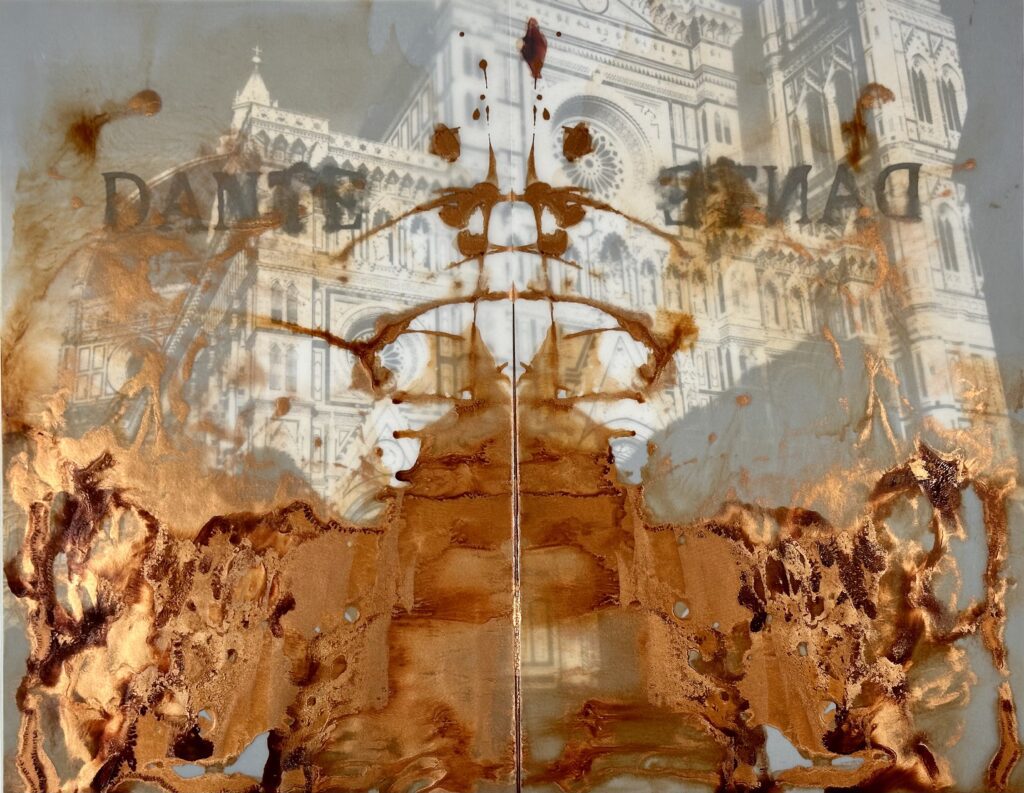
Getting to know Jane’s practice reminded us that an artist’s work doesn’t have to move in a straight line. Some of the most interesting practices are built through years of following questions, returning to old ideas, trying something unfamiliar, and allowing one discovery to lead to another.
Jane’s work is particularly interesting in the way it brings the past into the present. Old studio remnants, discarded materials, childhood images, photographs, and earlier ideas can all find their way into something new.
Nothing feels completely lost or finished. Instead, the past becomes another material to work with, carrying memories and associations that can change meaning when placed in a new context.

This kind of openness feels especially relevant in an art world that can sometimes place so much pressure on artists to define their style, build a recognisable identity, and remain consistent.
Jane’s career offers a different picture. Her visual language has continued to develop precisely because she has allowed herself to explore, change, and follow what genuinely interests her.
Her experience also brings an interesting perspective to the question of recognition. Exhibitions, galleries, markets, and attention can come and go, but the desire to keep making can remain. Jane has experienced both recognition and periods when the market was less responsive, yet the questions that mattered to her continued to bring her back to the studio.
For collectors and art lovers, that history adds another layer to the work. These aren’t simply images or objects that exist in isolation. They carry traces of different periods, materials, memories, and ways of thinking, making each piece feel like part of a much larger creative conversation.
Perhaps that is what makes Jane’s work so engaging. It leaves room for things to change. An old idea can become new again, an unexpected material can open another direction, and something that once seemed unrelated can suddenly make perfect sense.
Follow Jane Bauman through the links below and explore more of her evolving artistic practice.
