
This Artist Uses the Human Figure to Tell Stories of Loss, Love and Healing │ Leigh Witherell
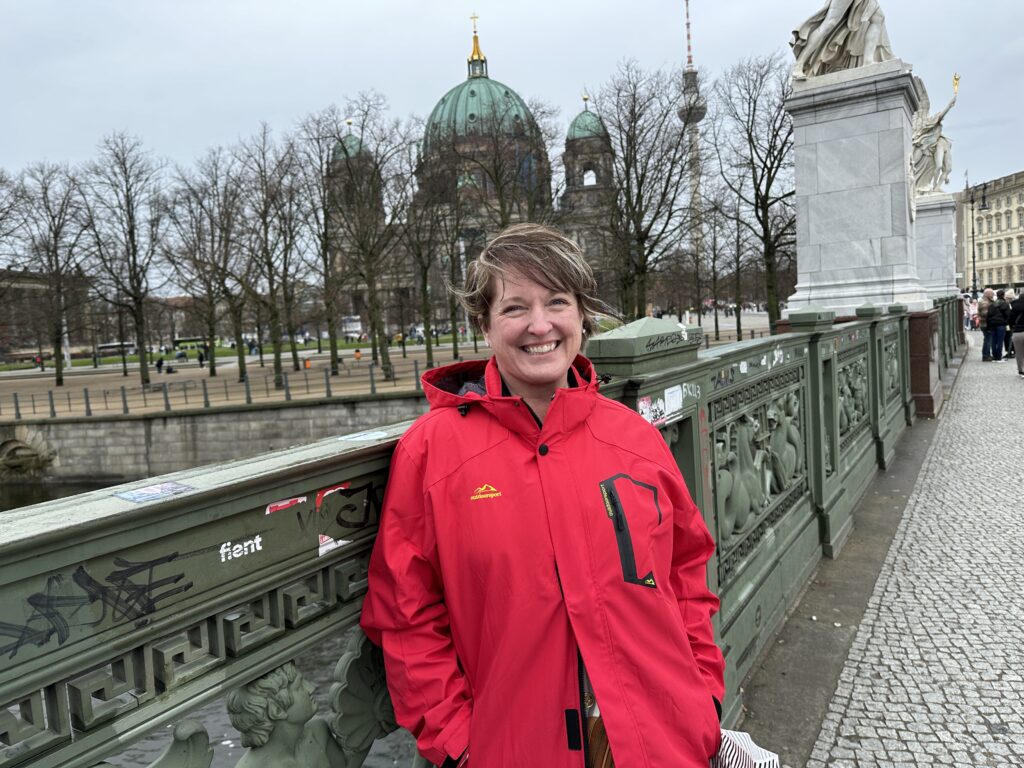
At Women in Arts Network, for our Love, Life and Everything She Creates exhibition, we received hundreds of submissions about love and life and creation and loss. Leigh Witherell’s website says five words that stopped us before we even opened a single painting. Paintings about what people don’t say.
That’s it. That’s her whole practice in one line. And once you see the work you understand exactly what she means.
Leigh is a selected artist for the Love, Life and Everything She Creates exhibition and she’s a contemporary figurative painter working in oil whose figures carry things most painters don’t even try to reach. The unspoken. The held-in. The emotions people walk around with every single day that never make it to the surface because nobody asks and nobody wants to know and we’ve all been taught to keep it together.
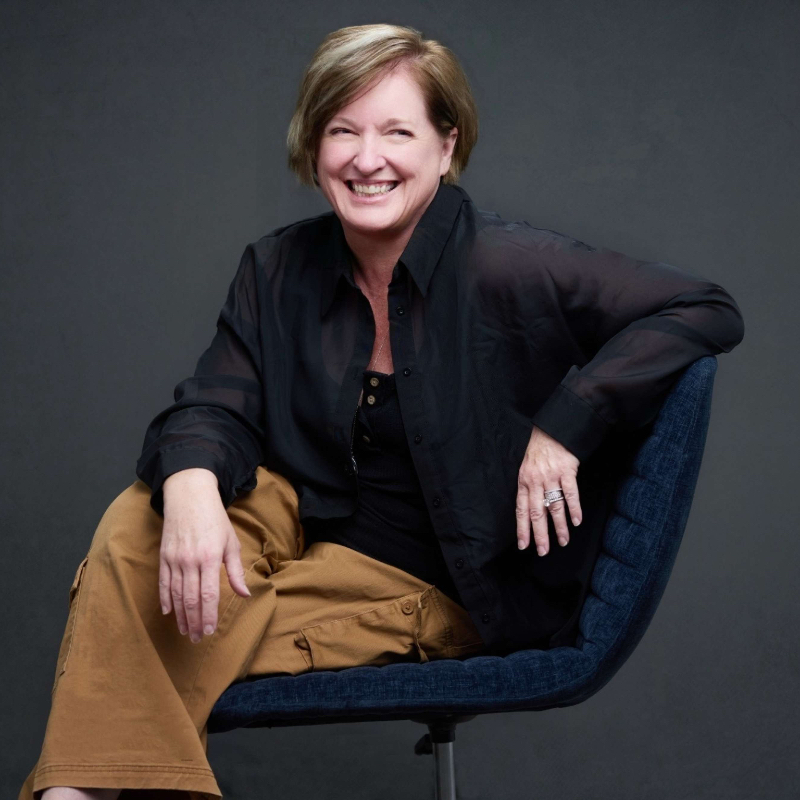
Her body is not just a physical form on the canvas. It’s a site of memory and loss and desire and survival. Her figures don’t pose. They exist. In whatever state they’re actually in, raw or tender or exposed or heavy or blank or slowly finding light again. And you look at them and you feel recognised in a way that’s uncomfortable and relieving at the same time because someone finally painted the thing you’ve been carrying that you thought was just yours.
And here’s something about Leigh that changes how you understand everything she makes. She has aphantasia. She can’t visualise images in her mind. Most painters see the picture in their head and then try to put it on canvas. Leigh can’t do that. She creates through feeling and instinct and emotional truth rather than mental pictures.
Which means every mark she makes isn’t trying to replicate something she’s already seen. It’s trying to translate something she’s feeling in real time. That’s a completely different kind of painting and you can feel the difference in every brushstroke.
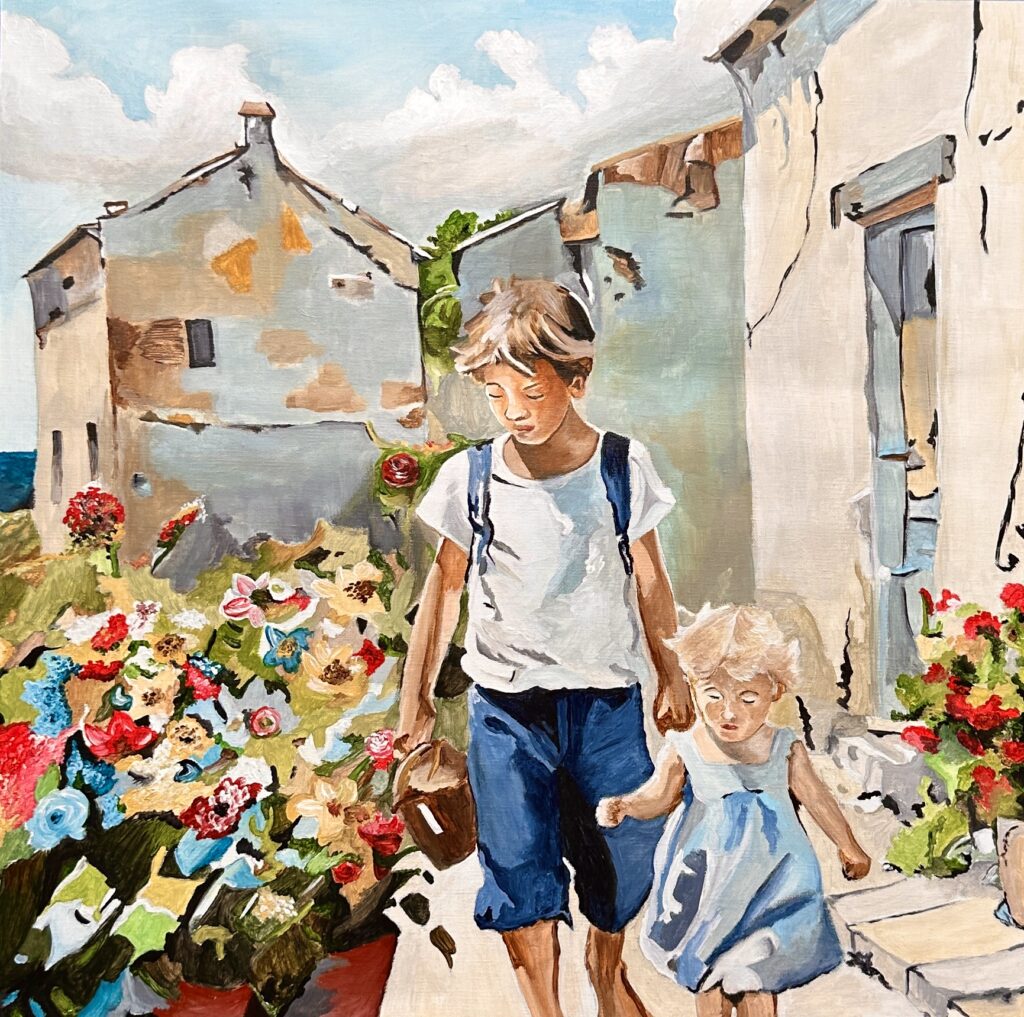
Her practice was fundamentally transformed by a loss in 2021 that she’ll tell you about herself. What we will say is that painting went from being creation to being survival. To witnessing. To processing. To the only language left when every other one failed.
She paints the body as a figurative impressionist with organic earth-tone palettes and dynamic brushwork that carries emotion before it carries form. The figures are sometimes raw, sometimes tender, sometimes nude, sometimes becoming lighter. That evolution in the work mirrors an evolution in the artist that’s still happening and watching it unfold in real time is one of the most honest things this exhibition has to offer.
Now let’s hear from Leigh, about painting what people don’t say, about making art without mental images, about the loss that changed everything, and why the most honest figure on a canvas might be the one carrying something it will never explain.
Q1. Leigh, can you take us back to the beginning? Before painting became your profession, what first made art feel like a necessary part of your life?
I think that I began turning to art as a child. I grew up before computers and video games, so imagination and creativity were highly valued. I watched my mother do macrame, paint some, and other artistic things and I think I was influenced by her to draw and to write. It was always a way to escape reality, but when we lost our daughter in 2021, art became my lifeline.
I felt connected to her in my studio as she was an emerging artist as well and we had plans to share my studio and practice together. When she died unexpectedly, I was left with her art supplies and our unrealized plans. So I poured myself into the ventures we had planned and then I evolved back into the figurative style I favor. I found my emotional outlet and my connection to her in my studio. It’s still like that for me today.
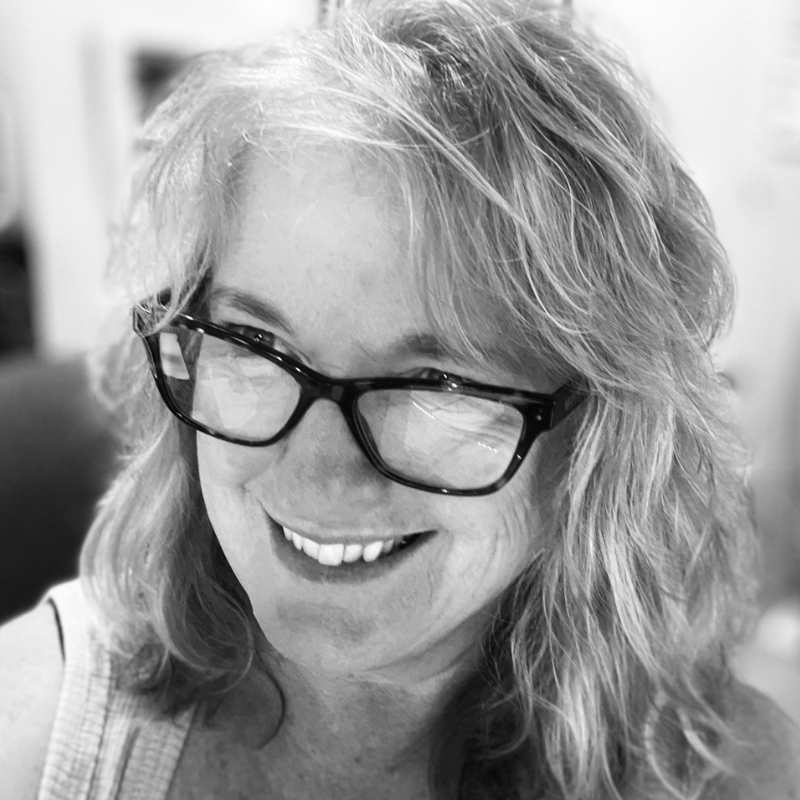
Q2. You’ve said you grew up in a family of storytellers. What did those early experiences teach you about observing people and their emotions?
My family taught me that people rarely tell you their true feelings, but if you listen very carefully to every word they say in a story or a memory they are telling you, then you find where their heart really is. That skill is invaluable to me in my practice because I believe that these stories play out in my compositions.
I have found that people tend to curate their life to fit an ideal that they want the world to see. I am not interested in that, I’m interested in how they feel and what they say when no one is watching.That is where authenticity lives, in those moments we don’t show anyone and it also lives in the stories we tell.
Q3. You began with abstract and fluid painting before moving toward figurative work. What inspired that transition?
The transition was a natural one for me. Fluid art was a wonderful place for me to start because I had to learn to let go of control in order to get to my creativity to grow. Fluid art is pure chaos once you pour those paints and It truly is a beautiful form of art. But once I had worked through my own initial internal chaos, the figures began calling me. My figures tell my story as well as other peoples stories, and I feel like I have a lot to say.
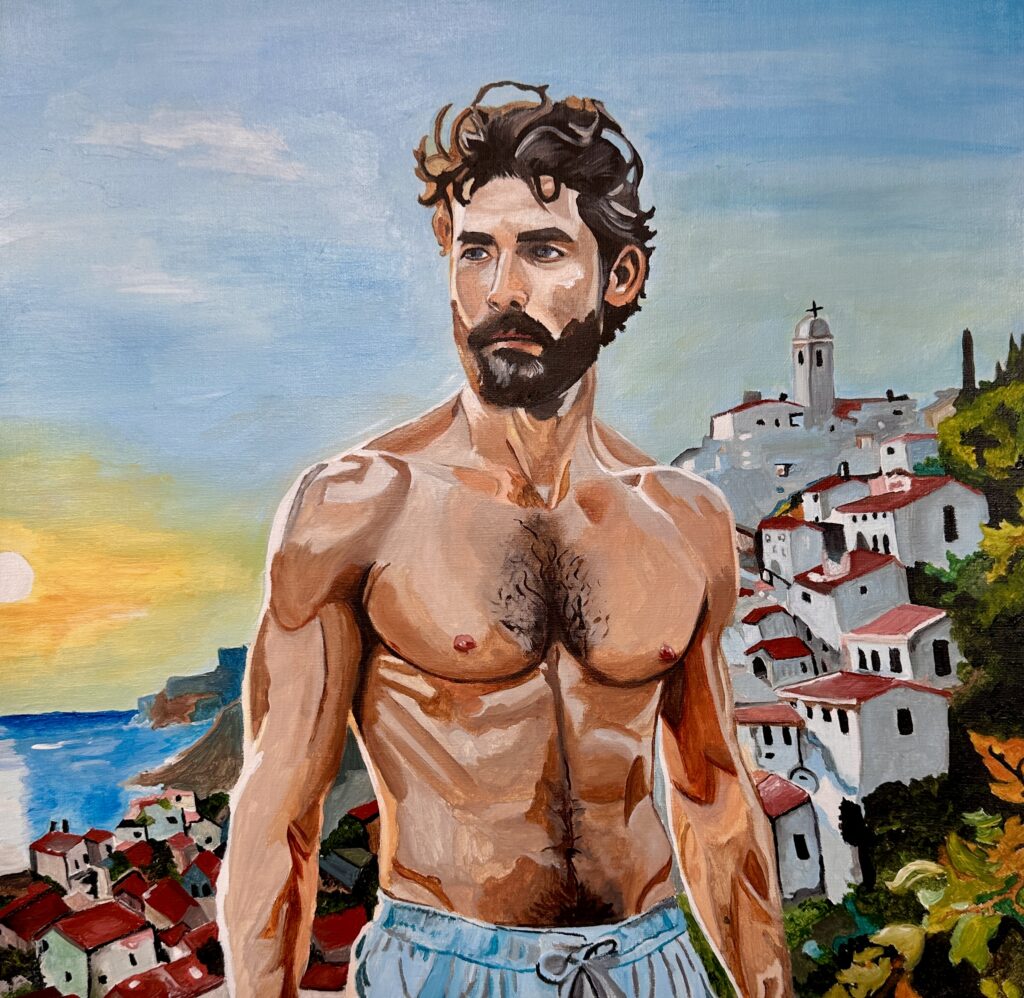
Q4. Works like Hidden Wounds explore male vulnerability rather than traditional ideals of masculinity. What inspired you to tell that story through this painting?
This work was born from an article I read about how boys are being influenced today by social media, church, and their peers. I began thinking about the traditional males I grew up with who are stoic men. They rarely break down, they instead just “get on with the day”.
I started to wonder if men have the same insecurities and self doubt as women and that led me to begin reading and researching this very subject.
I want “Hidden Wounds” to show that men can be vulnerable and still be strong. The message is that they aren’t alone in how they feel.
Q5. I Can’t Carry This Anymore has a powerful title before viewers even encounter the image. How did that piece develop?
That piece was directly inspired by watching how my husband and our son grieve the loss of Amanda. I was amazed in the worst way with the pressures they both felt to be strong for me and our DIL Alli and how they felt pressure to not grieve in view of the world, to hold it in and it really broke my heart.
This is another piece that I hope shows that men can break as easily as women, but they feel pressure to stay together, whereas we can break. The man in the piece is intentionally left blank because that is the way my family experienced grief. It left us blank and we had to build who became.
Q6. When painting the human figure, what do you focus on first the gesture, the anatomy, or the emotion?
For my practice, it always begins with the emotion. What emotion comes through dictates how the figure develops. To me, everything else is secondary.
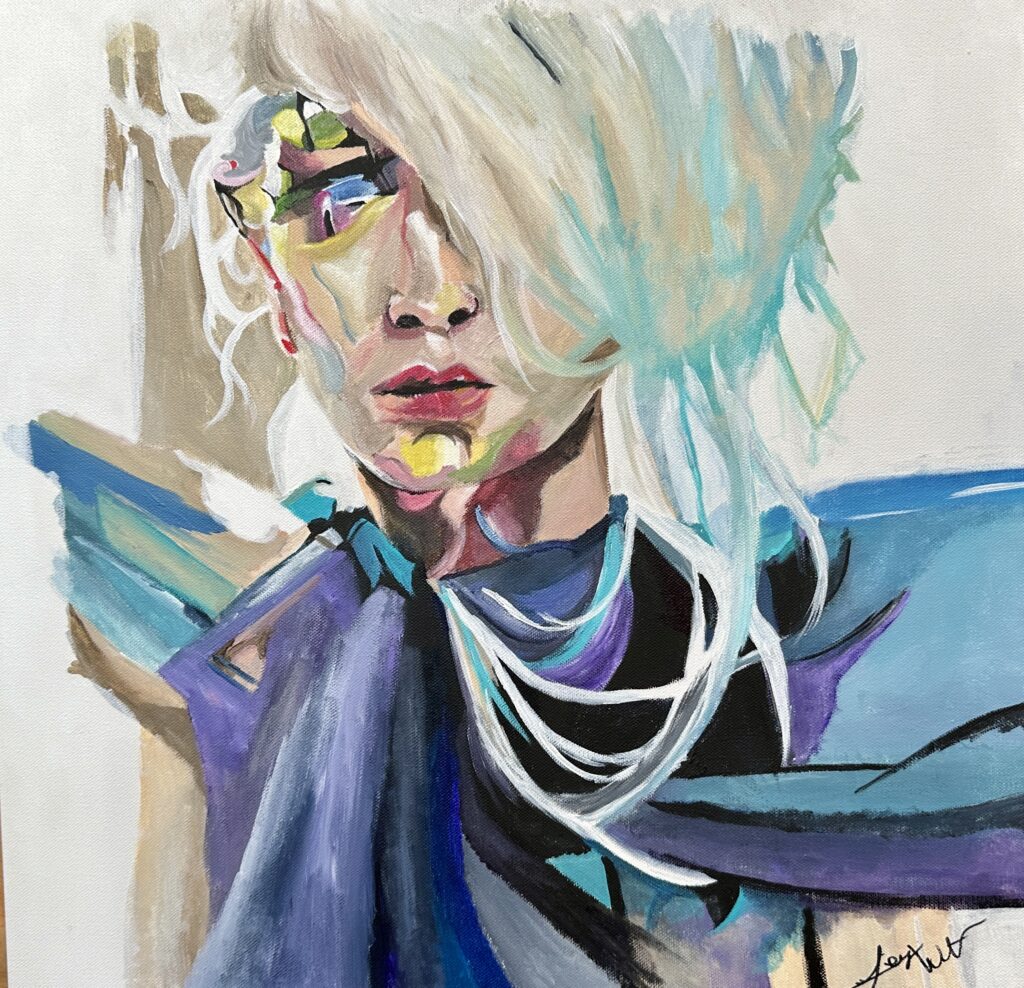
Q7. You’ve spoken openly about how personal loss transformed your artistic practice. In what ways did grief change not only what you painted, but why you painted?
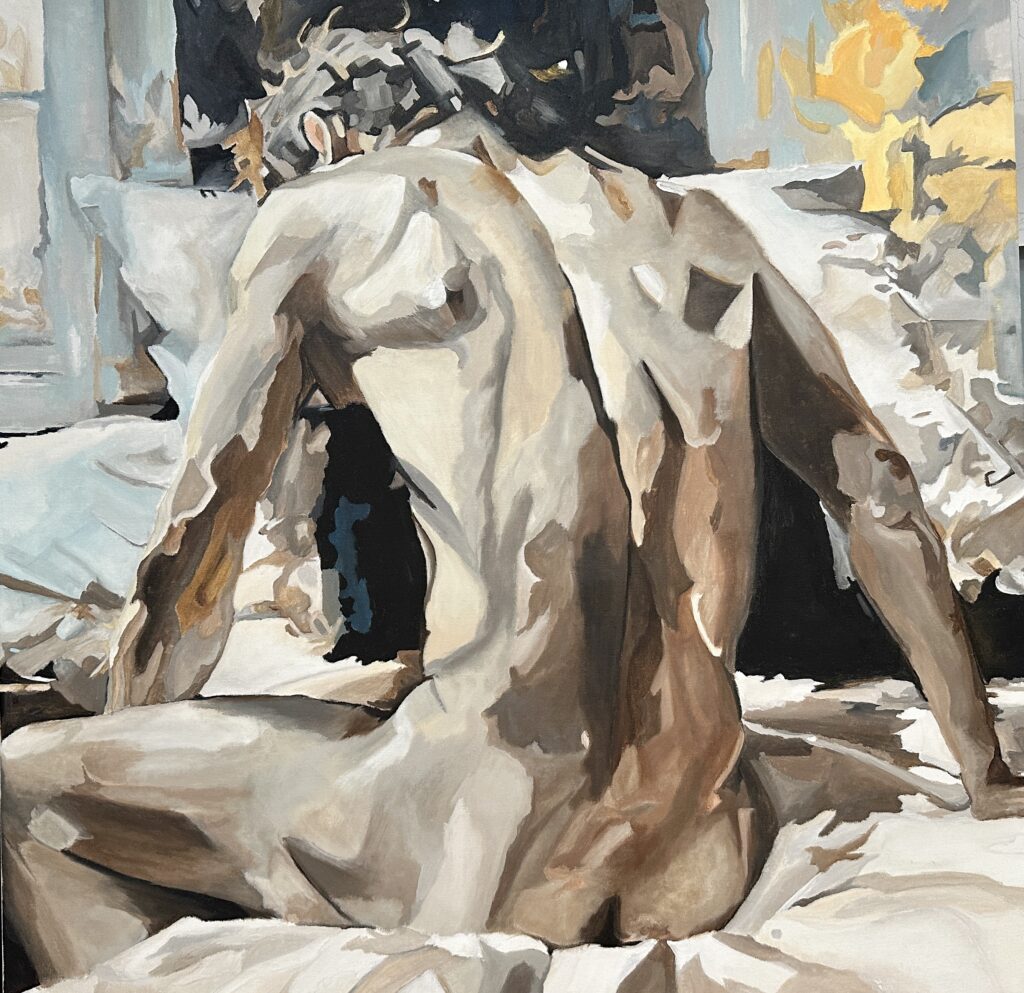
After losing Amanda, I found that I no longer had the capacity to make art that did not speak to what I was feeling in that moment and it has evolved over the last 5 years. My figures began as very tragic, very solemn figures. The colors were more muted, the expressions much more raw. In the last couple of years, I focused on nudes because that is how I felt, naked to the world’s judgments. My nudes represented a longing for acceptance, love, kindness which is what I was longing to feel. Honestly, I think my husband connected with them in the same way.
Grief strips away all societal niceties and leaves chaos behind. I have found, with time, I am learning to walk with grief beside me. My figures are in another transition point where they are becoming more light and to some degree happy. Grief when you lose a child never goes away. It evolves and in a strange way it becomes a constant companion, one I never wanted.
Q8. You’ve mentioned that overheard conversations sometimes become the starting point for new paintings. What is it about those ordinary moments that stays with you?
As I said earlier, it is in the skill of listening between the words where all of the honesty lies. I listen to people all of the time, it is just second nature. It is those moments when we think no one is listening that our hearts are open and those are the stories of our lives.
Q9. Your Invisibility Project explores the experiences of grieving parents. What responsibility do you feel when transforming someone else’s deeply personal story into a painting?
The Invisibility Project is an ongoing one still. I feel an enormous responsibility to share the stories of grieving parents because we are the ones that no one really hears. The death of a child is unnatural in the order of life and it scares most people to even think of it.
For parents, it places us in that realm of fragility where no one really knows how to talk to us and it makes us feel forgotten. Since I have a talent, I hope to bring this to light, to show what it is to live the rest of your life with that emptiness where your child was. We never stop loving our children, but the world stops saying their names.
Q10. You describe yourself as someone who thrives on structure in the studio. How does that discipline support work that is so emotionally intuitive?
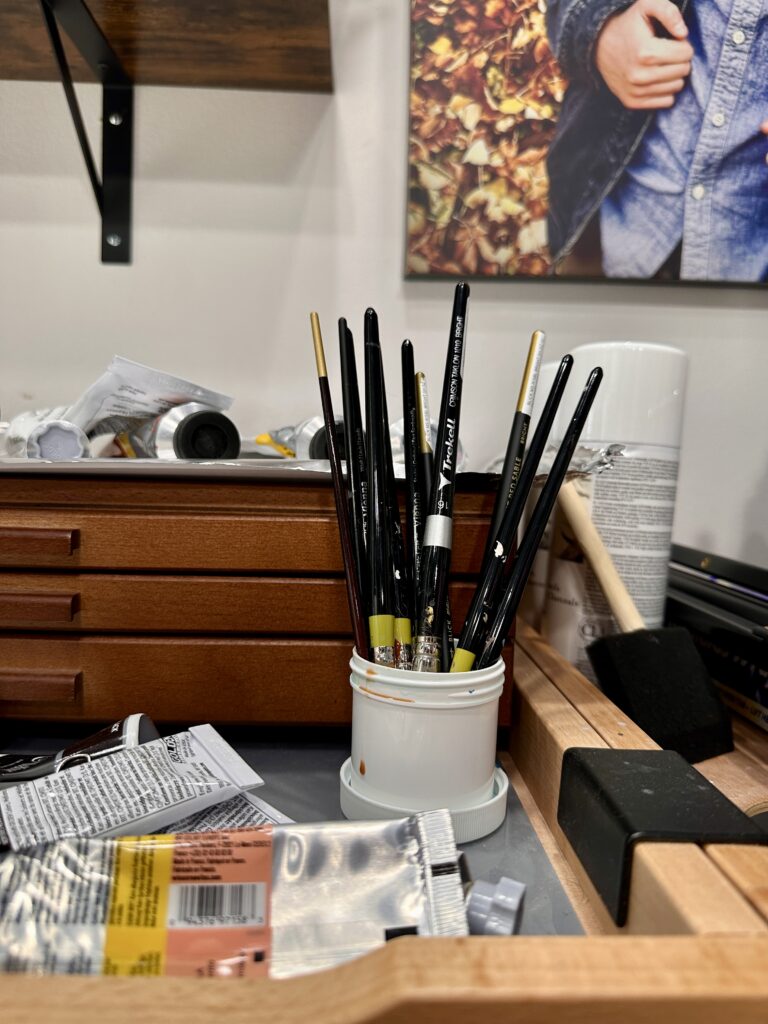
Honestly, it is that structure that allows the freedom to feel those emotions. I feel that if I did not have my studio in order, then I would not feel that I could spend the time with the emotional connectedness that is imperative to creating these pieces. It sounds strange to say it like that, but I have never been the person that can ignore a mess to write a poem. Honestly, I envy people who can do that!
Q11. You’ve participated in more than forty exhibitions in a relatively short time. Beyond visibility, what have those experiences taught you about finding the right audience for your work?
I feel that the exhibitions, at first, were just a shotgun blast to see where I could exhibit. I needed the confidence to keep going and I was lucky that I wound up with very good organizations and publications. As I began to gain mentorship, I started to learn to research juried exhibitions to see what the outcomes have historically been, to recognize a gallery where sales are emphasized, have previous artists gained anything, etc. Truthfully I am still looking for my audience, but I feel like I am now reaching the audience I hope to capture.
Q12. Do you think the contemporary art world makes enough space for emotionally vulnerable work?
I really don’t think so. I think the contemporary art world is a wonderful place, but emotionally vulnerable work is very different from work that is more shocking or aggressive and the latter seems to take up a lot of room. I do think this is starting to shift though and I am started to see artists like me move more towards the front as it seems the viewers are looking for art they connect with on a more intuitive level.
Art that jolts the viewer will always be here, but now I hope that quiet conversational art can have a say as well.
Q13. What has been the most rewarding response you’ve received from someone who connected with your work?
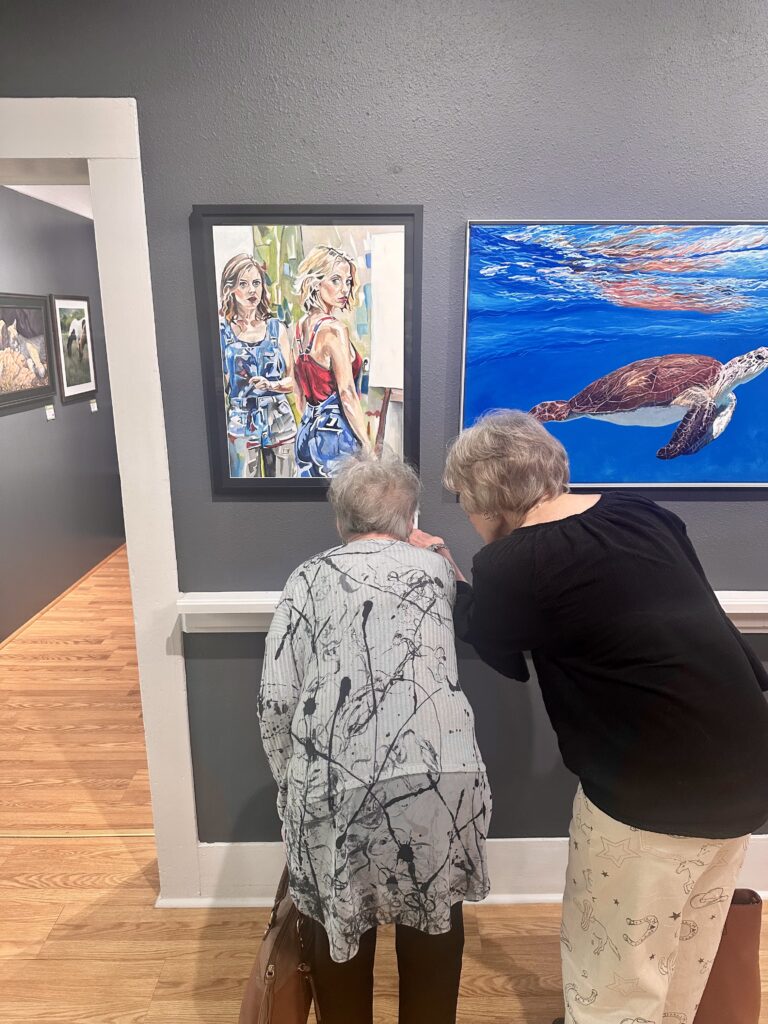
Well, it may not be what you expect. I was in a show in NYC and I had a piece displayed there that was a partial nude. It was opening night and this small lady (older generation) was staring at my piece for a while. I walked up to her and introduced myself as the artist and she very excitedly told me that I paint fantastic boobs!
I was so flattered by her compliment and she went on to say that too many women hide our boobs from the world and we should be proud of them. She said ( and I’m paraphrasing here) that our boobs nurture life and we are the only ones who can. I loved that interaction and I will remember her for the rest of my life.
Q14. Looking back, what would you tell the version of yourself who was still afraid to fully trust her creative voice?
To stop. That’s what I would say, stop being so timid, stop being so unsure, stop trying to please every person on the planet. Just stop and be who are supposed to be. I’m an artist.
As we wrapped our conversation with Leigh, those five words from her website kept coming back. Paintings about what people don’t say. And we thought about how much of life is exactly that. The unsaid. The swallowed. The thing sitting in your chest that you’ve been carrying for years that nobody’s ever asked you about because you look fine and fine is enough for most people.
Leigh paints for the people who aren’t fine. And she paints from a place of not being fine herself. And that shared honesty between the artist and the viewer, that mutual recognition of carrying something heavy in silence, that’s what makes standing in front of her work feel less like looking at art and more like being seen by it.
She can’t visualise images in her mind. She paints from pure feeling. Think about what that means. Every single mark on every single canvas came from emotion translated directly into gesture without a mental picture in between. No preview. No internal sketch. Just feeling moving through her hand onto the surface in real time.
That’s why her figures feel the way they do. They weren’t planned. They were felt into existence. And you can tell. Your body can tell even when your brain hasn’t caught up yet.
For anyone thinking about collecting Leigh’s work, understand what you’re bringing home. Not a painting that performs emotion. A painting that holds it. Quietly. The way a person sitting next to you holds grief without talking about it but you can feel it in the room. Her figures will sit on your wall and some days they’ll feel heavy and some days they’ll feel tender and some days they’ll feel like they’re looking at you and knowing exactly what kind of day you’re having.
That changes over time. The painting stays the same. You don’t. And Leigh built her work to meet you wherever you are, because that’s what paintings about what people don’t say actually do. They hold space for the thing you’re not saying either.
To follow Leigh’s journey and see more of her work, find her through the links below.
